16 Childhood TV Shows From the 1990s Adults Still Miss
There’s something irreplaceable about the television shows that shaped your childhood. The 1990s delivered a golden era of programming that managed to be both entertaining and surprisingly sophisticated, creating characters and storylines that stuck with viewers long after the credits rolled.
These weren’t just shows you watched—they became part of your daily routine, your shared language with friends, and your introduction to humor, friendship, and the complexities of growing up.
While today’s television landscape offers endless options and streaming convenience, many adults find themselves nostalgic for the simpler time when Saturday morning cartoons were appointment television and prime-time family shows brought everyone together in the living room. The shows from this decade possessed a unique charm that modern programming often struggles to replicate.
Rugrats
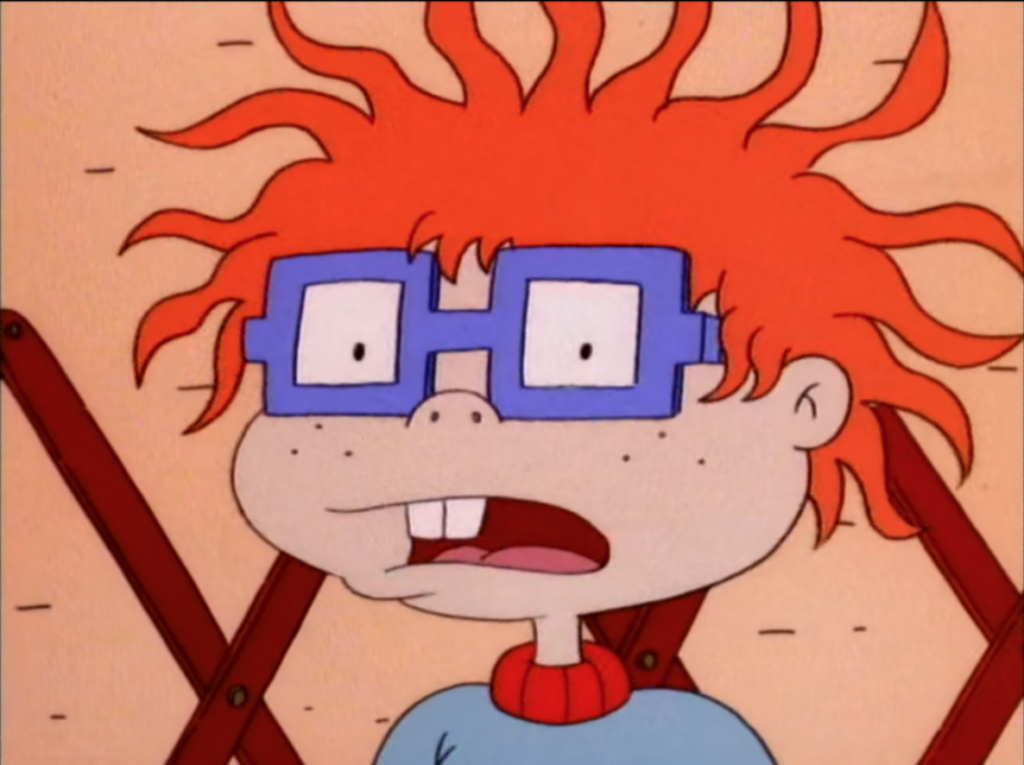
The babies saw the world as adults never could. Every mundane household object became an adventure, every nap time an opportunity for exploration, and every day brought new mysteries to solve from the perspective of someone barely tall enough to see over the coffee table.
What made Rugrats exceptional was its commitment to the toddler worldview. The show never condescended or simplified—it genuinely presented life as experienced by one-year-olds who possessed rich inner lives and complex relationships.
Tommy Pickles wasn’t just a cartoon baby; he was a natural-born leader whose screwdriver doubled as Excalibur.
Boy Meets World
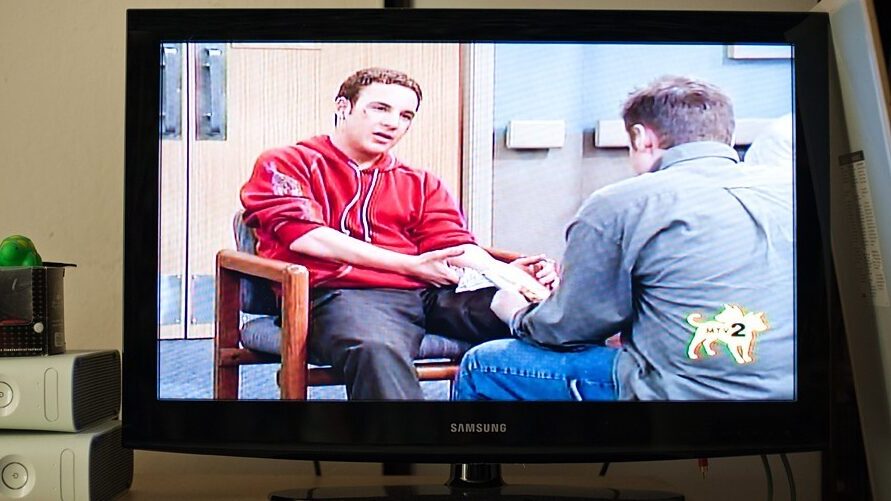
Cory Matthews growing up in real time created something television rarely achieves: genuine emotional investment across multiple life stages. The show followed its characters from middle school through college, tackling everything from first crushes to family financial struggles with remarkable honesty.
But it was the relationship between Cory and his teacher Mr. Feeny that gave the show its heart (and provided a template for mentor-student relationships that many adults still measure their own experiences against). So when Feeny appeared at unexpected moments throughout Cory’s life, offering wisdom that arrived precisely when needed, it felt less like convenient writing and more like the way meaningful relationships actually unfold.
And that’s the thing about Boy Meets World: it trusted its audience to grow alongside its characters, which explains why adults revisit episodes and discover new layers they missed as kids.
X-Men: The Animated Series
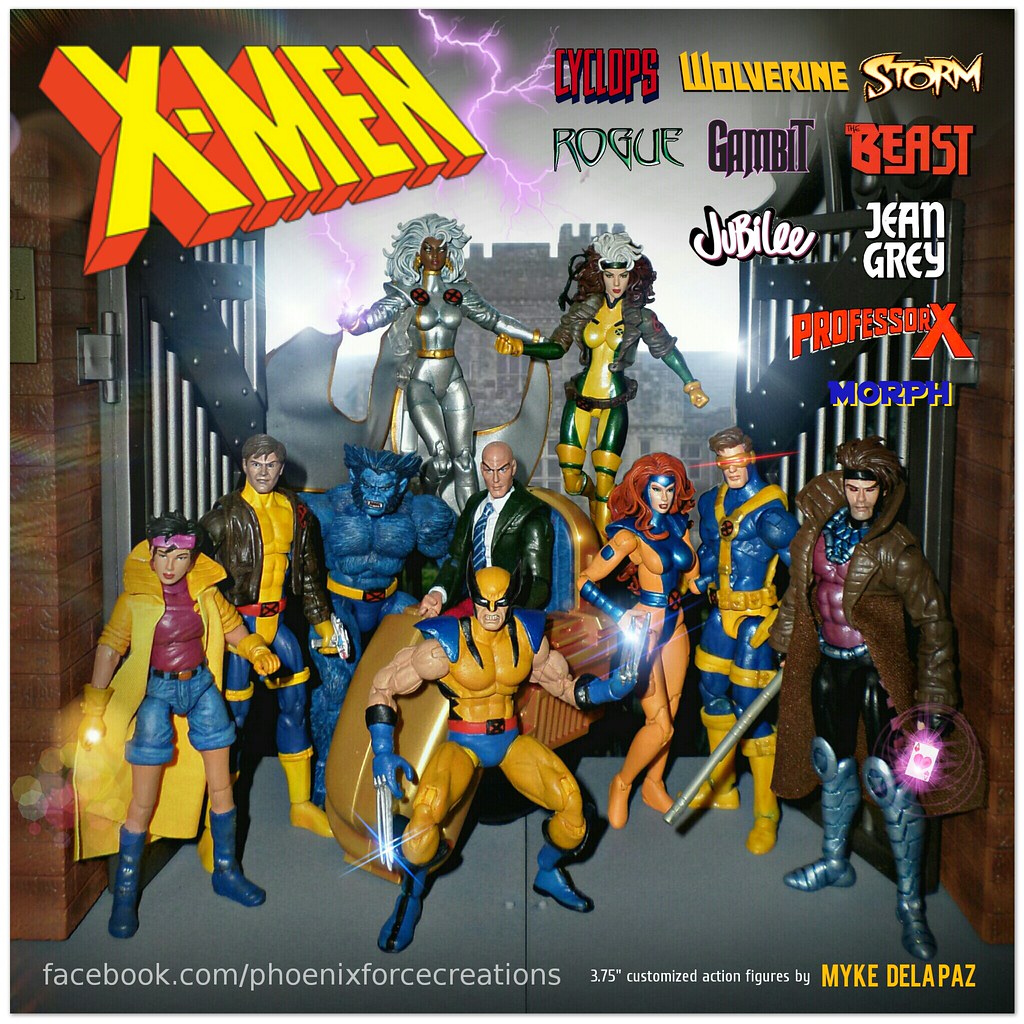
Superhero cartoons before X-Men were primarily toy commercials wrapped in thirty-minute adventures. This show dismantled that approach entirely.
Mutants faced real prejudice, made difficult moral choices, and dealt with consequences that carried over from episode to episode.
The animation style was darker and more cinematic than typical Saturday morning fare, but it was the storytelling that set X-Men apart. Complex multi-part storylines explored themes of discrimination, identity, and what it means to fight for a world that fears you.
Professor Xavier’s dream of peaceful coexistence felt genuinely noble rather than naive, while Magneto’s militant approach carried uncomfortable logic that forced viewers to consider both sides of the conflict.
The Fresh Prince of Bel-Air
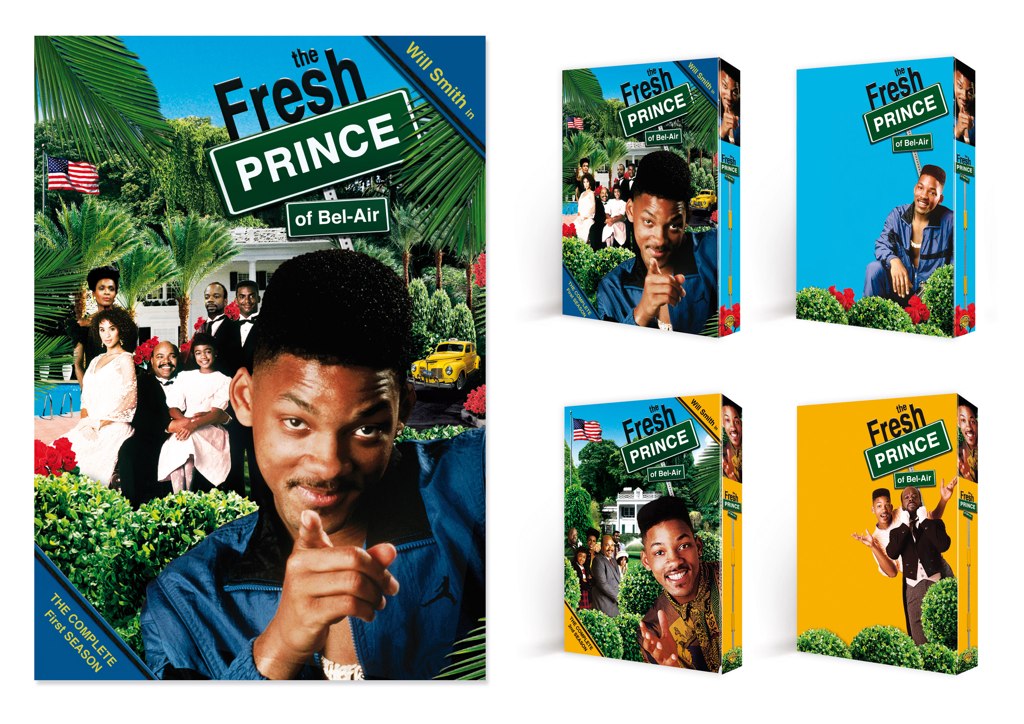
Will Smith’s fish-out-of-water premise could have been played purely for laughs, but Fresh Prince understood that comedy works best when it springs from genuine emotion and real stakes.
The show tackled serious issues without losing its sense of humor or becoming preachy. Episodes about racial profiling, absent fathers, and class differences hit hard because they emerged naturally from the characters and situations rather than feeling forced.
Will’s relationship with Uncle Phil provided both comedic tension and genuine paternal warmth, creating one of television’s most believable father-son dynamics despite their lack of blood relation.
DuckTales
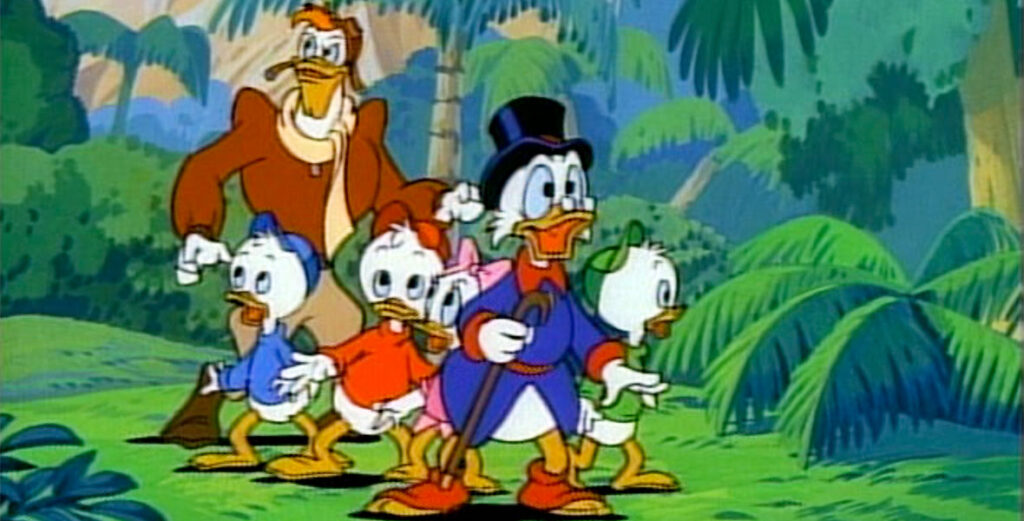
Scrooge McDuck diving into piles of gold coins should have been the show’s defining image, but DuckTales was actually about family, adventure, and the thrill of discovery. The nephews weren’t just sidekicks—they were integral to every treasure hunt and mystery.
And yet, what made DuckTales special was how it balanced humor with genuine danger (those episodes could get surprisingly dark for a Disney cartoon), while never talking down to its young audience. The show assumed kids could handle complex plots, moral ambiguity, and real stakes.
Even today, adults remember specific episodes not because they were funny, but because they were genuinely exciting. That theme song doesn’t hurt either—it still gets stuck in your head decades later, which is saying something about the power of a perfectly crafted earworm.
Saved by the Bell
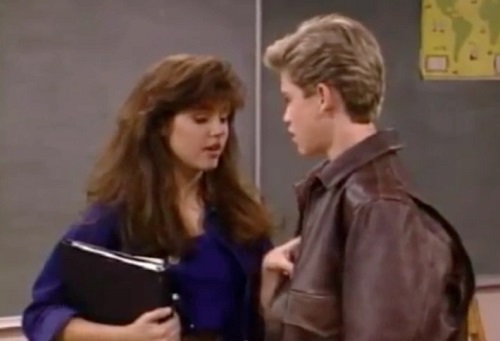
Bayside High existed in a universe where teenagers possessed supernatural powers of problem-solving and every crisis could be resolved within twenty-two minutes. This should have made the show disposable, but Saved by the Bell achieved something more lasting: it created characters that felt like your actual high school friends.
Zack Morris was a schemer, but his schemes usually came from a place of wanting to help his friends or impress a girl. The show’s earnestness about teenage problems—even silly ones—gave weight to stories that could have been completely throwaway.
When the gang graduated, viewers felt like they were saying goodbye to people they actually knew.
Animaniacs
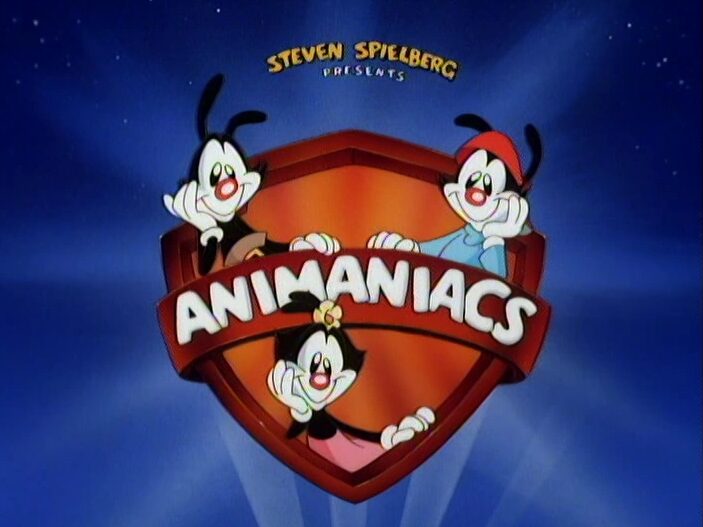
The Warner siblings brought vaudeville to Saturday morning television with an energy level that bordered on manic. But beneath the rapid-fire jokes and celebrity parodies was writing that worked on multiple levels, keeping adults as entertained as children.
So you had segments like “Pinky and the Brain” providing sophisticated humor about megalomaniacal laboratory mice, while “Good Idea, Bad Idea” offered absurdist comedy that kids found hilarious and adults found cleverly subversive. And then there were the educational segments that actually taught geography and history through catchy songs that adults still reference decades later—which means the show accomplished what most educational programming attempts and fails at: making learning genuinely fun rather than just palatable.
Even now, adults can recite the nations of the world or the US presidents because Yakko made memorization feel like entertainment rather than homework.
Full House

The Tanner family dynamic shouldn’t have worked. Three grown men raising three girls in San Francisco created more chaos than solutions, but Full House found warmth in the madness.
Danny’s obsessive cleanliness balanced against Joey’s goofiness and Jesse’s vanity, while the girls provided both problems and perspective.
What adults remember isn’t the saccharine moments or the overly neat resolutions, but the way the show portrayed family as something you build rather than something you’re simply born into. Jesse and Joey weren’t the girls’ fathers, but they stepped into parental roles because that’s what the situation required.
The chosen family concept feels more relevant now than it did in the nineties.
Teenage Mutant Ninja Turtles
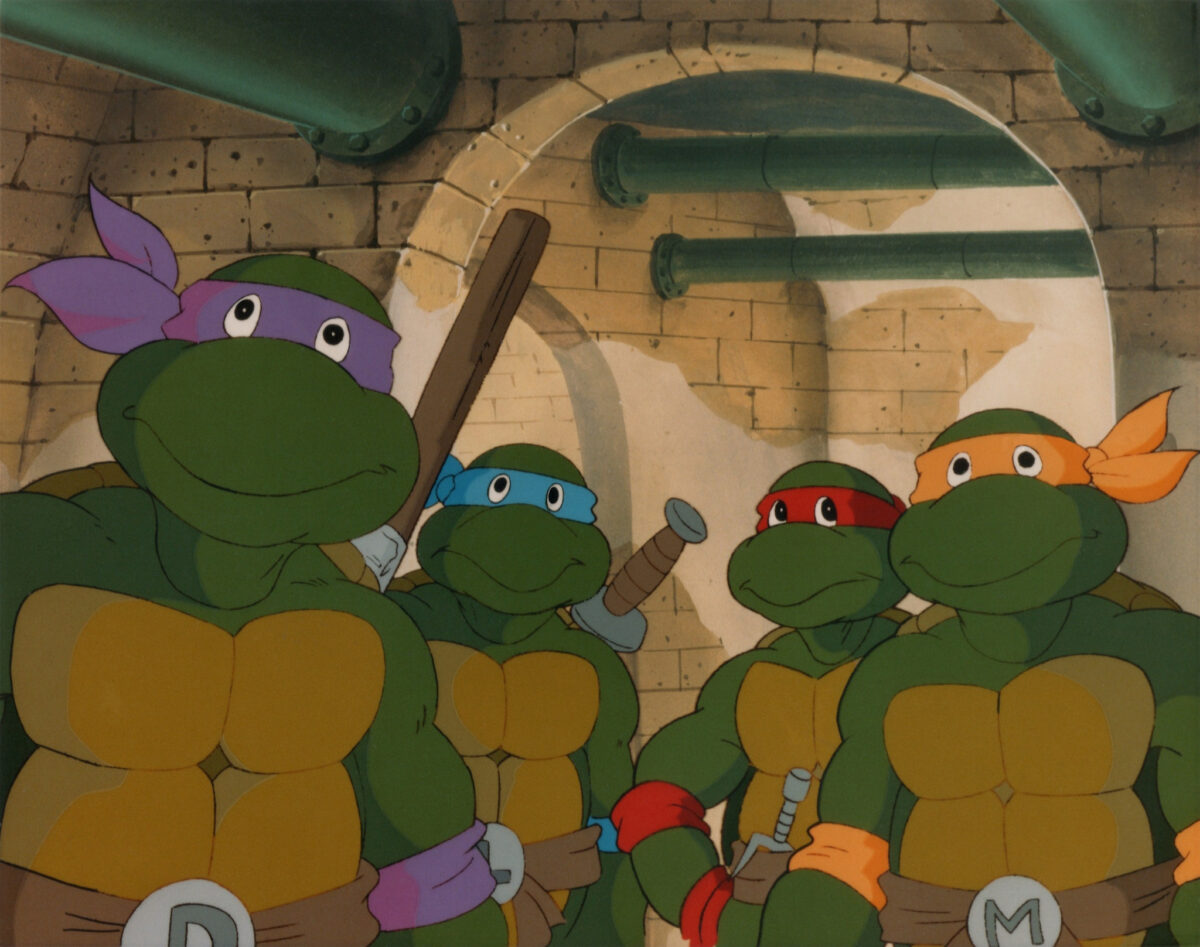
Four reptiles living in sewers and eating pizza while fighting crime captured something essential about brotherhood and loyalty. Each turtle had a distinct personality that went beyond their signature weapons—Leonardo’s leadership burdens, Donatello’s intellectual curiosity, Michelangelo’s optimism, and Raphael’s barely contained anger.
But the show worked because it took its ridiculous premise seriously. The turtles faced real danger, made mistakes that had consequences, and dealt with the loneliness of being the only ones of their kind.
Master Splinter provided wisdom that felt earned rather than convenient, while Shredder represented a threat that was both personal and existential.
Hey Arnold!
Arnold’s football-shaped head and relentless optimism could have made him insufferable, but Hey Arnold! understood that kindness isn’t the same as naivety. Arnold saw the best in people because he chose to, not because he was oblivious to their flaws.
The show’s urban setting felt real in ways that most children’s programming avoided. Characters dealt with poverty, family dysfunction, and social isolation, but without the heavy-handedness that usually accompanies “very special episodes.”
Arnold’s grandparents running a boarding house filled with eccentric tenants created a sense of community that many adults still find comforting. The show suggested that you could find family and belonging in unexpected places, which turns out to be advice that improves with age.
Doug
Doug Funnie’s internal monologue turned everyday teenage anxieties into epic adventures and catastrophic disasters. Getting a pimple became a life-altering crisis, while asking a girl to dance required the kind of courage usually reserved for slaying dragons.
The show’s genius was recognizing that adolescent problems feel genuinely huge when you’re experiencing them. Doug’s overthinking and worst-case-scenario planning reflected real teenage psychology rather than adult perceptions of what teenage problems should look like.
His friendship with Skeeter and his crush on Patti Mayonnaise provided stable emotional anchors, while his encounters with Roger Klotz offered lessons in dealing with bullies that went beyond simple “just ignore them” advice.
Are You Afraid of the Dark?
The Midnight Society gathered around their campfire to share tales that were genuinely frightening without relying on gore or cheap scares. Each story followed a clear moral structure—characters who made selfish or cruel choices faced supernatural consequences, while those who showed kindness or bravery usually found a way out.
But these weren’t simple morality tales. The show understood that real fear comes from atmosphere and psychological tension rather than monsters jumping out of closets.
Episodes like “The Tale of the Lonely Ghost” and “The Tale of the Dream Girl” created genuine dread through careful pacing and emotional investment in the characters. Adults still remember specific episodes not because they were silly, but because they were actually scary—and being scared in a controlled, safe environment turns out to be something people miss more than they realize.
Clarissa Explains It All
Clarissa Darling broke the fourth wall before it was cool, addressing the camera directly and turning viewers into confidants. Her bedroom became a sanctuary where she could process the complexities of teenage life through direct conversation with her audience.
So when Clarissa dealt with family dynamics, school drama, or social awkwardness, it felt like getting advice from an older sister who actually understood what you were going through rather than what adults thought you should be going through. And her relationship with her best friend Sam (who climbed through her bedroom window instead of using the front door) provided a template for friendships that prioritized loyalty and understanding over social conventions.
The show assumed teenagers were capable of complex thought and deserved to have their concerns taken seriously, which was more revolutionary than it sounds.
Gargoyles
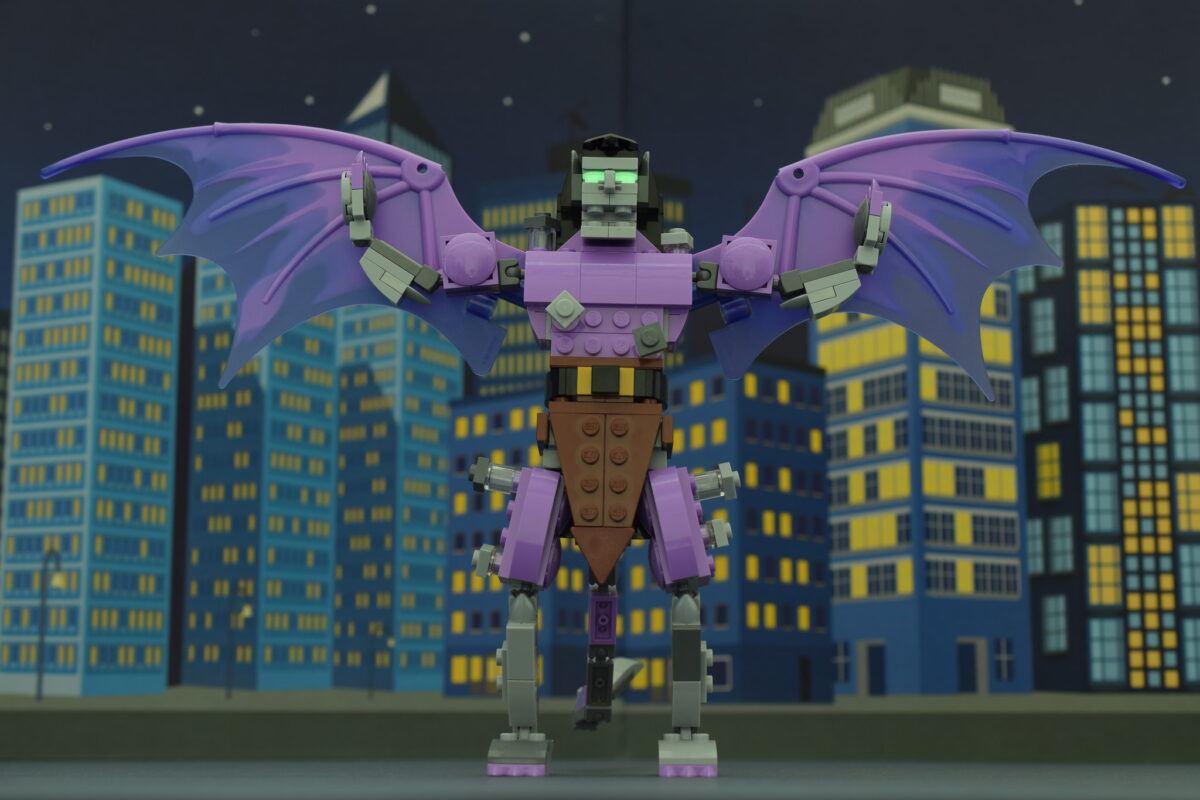
Disney’s decision to create a dark, serialized animated drama about ancient Scottish warriors awakening in modern Manhattan was either brilliant or completely insane. Gargoyles chose complex storytelling over simple adventures, creating a mythology that rewarded careful attention and punished casual viewing.
The gargoyles weren’t superheroes in any traditional sense—they were protectors bound by honor and loyalty, trying to find their place in a world that had moved on without them. Goliath’s relationship with detective Elisa Maza provided emotional grounding, while villains like David Xanatos operated with motivations that were genuinely understandable even when their methods were questionable.
The show respected its audience enough to tell stories that didn’t always end happily and characters who didn’t always make the right choices.
The Magic School Bus
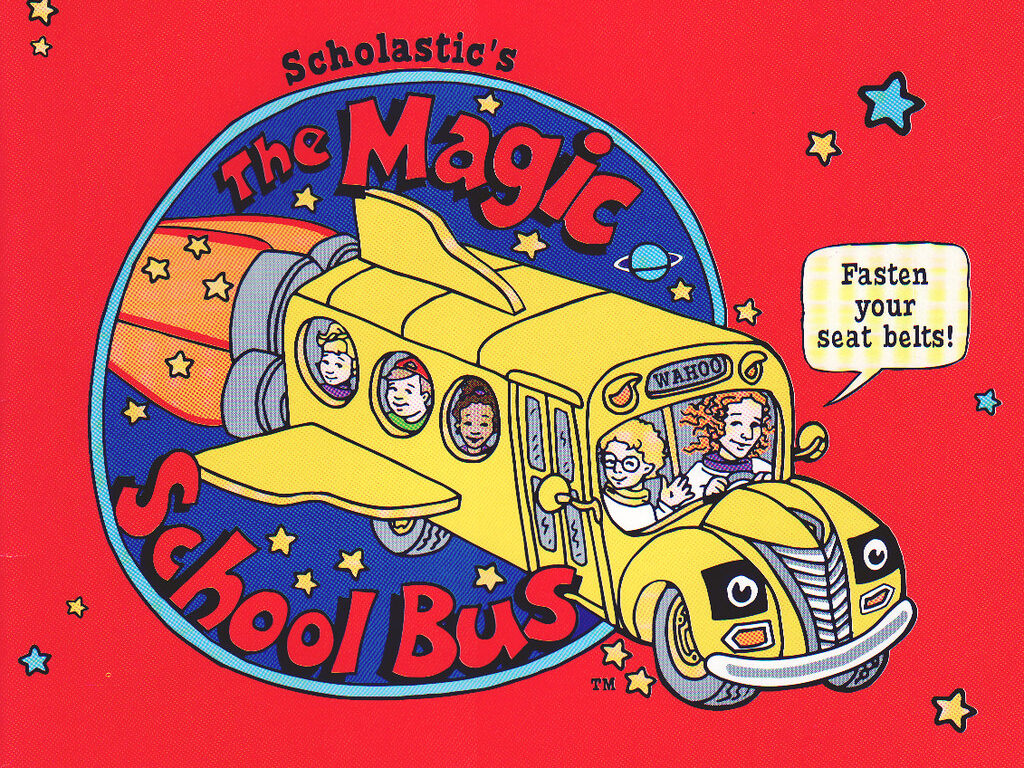
Ms. Frizzle’s field trips defied every conceivable safety regulation, but they made learning feel like the greatest adventure possible. Shrinking down to explore the human body or traveling back in time to visit dinosaurs turned science education into genuine excitement rather than obligation.
What made The Magic School Bus special was its commitment to actual education wrapped in fantastic circumstances. The science was real, even when the situations were impossible.
Students learned about photosynthesis by becoming plants, understood weather patterns by experiencing them firsthand, and grasped complex concepts through direct participation. Ms. Frizzle’s motto of “take chances, make mistakes, get messy” became a philosophy that many adults still apply to learning new things.
Rocko’s Modern Life
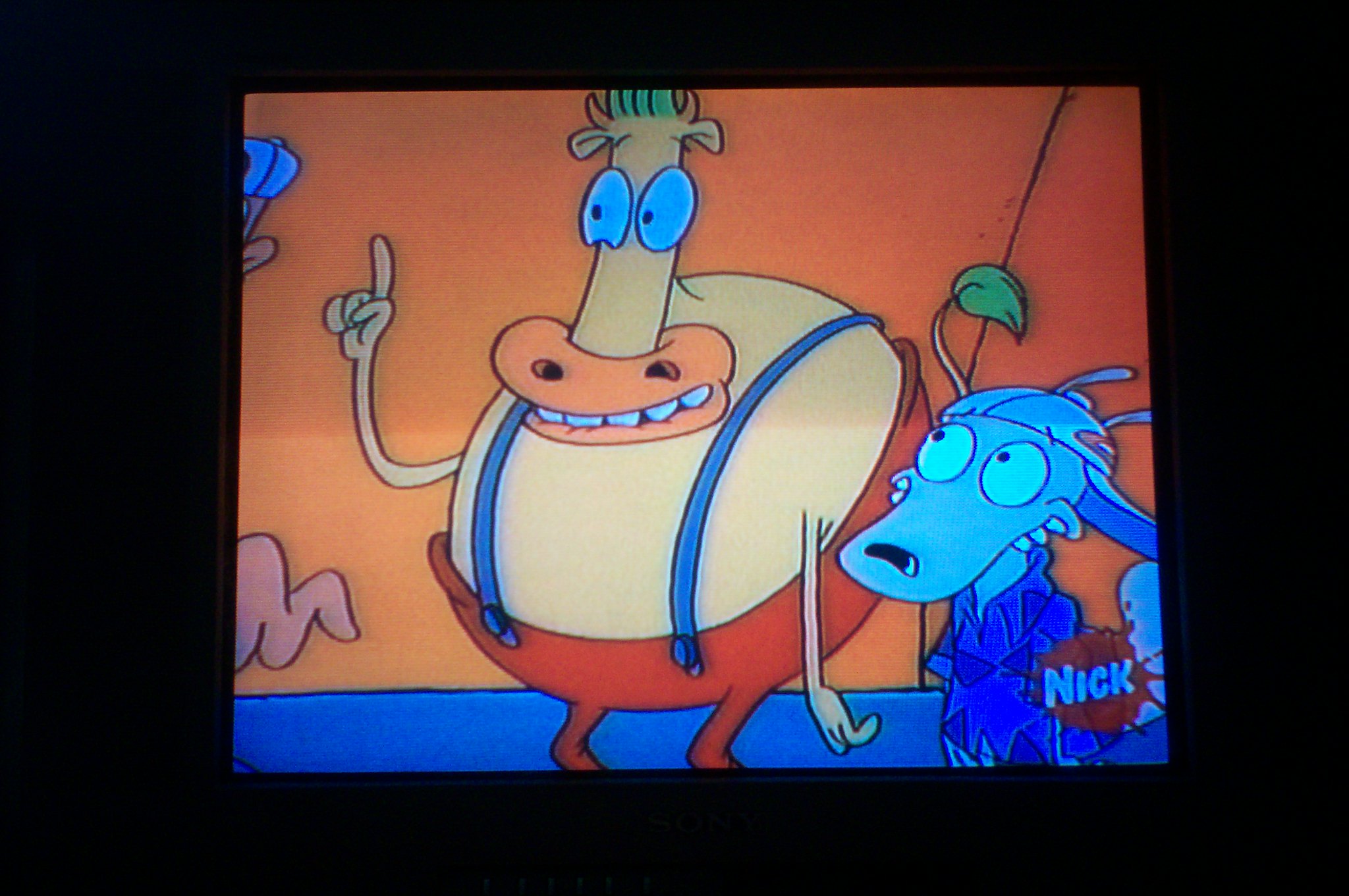
Rocko the wallaby navigating American consumer culture provided social commentary that flew over children’s heads while entertaining adults who recognized the targets being laminated. The show’s suburban setting became a backdrop for exploring everything from corporate greed to environmental destruction, usually through the lens of Rocko’s immigrant experience.
But beneath the satire was genuine affection for its characters and their struggles. Rocko’s friendship with the hyperactive Heffer and the neurotic Filburt created a support system that helped all three navigate the complexities of modern life.
The show suggested that finding community and maintaining relationships was more important than achieving traditional success, which turns out to be wisdom that becomes more valuable with age.
When Saturday Morning Meant Something
These shows created a shared cultural experience that’s difficult to replicate in today’s on-demand entertainment landscape. Saturday morning cartoons were appointment television—you planned your weekend around them, discussed them at school on Monday, and felt genuine anticipation for the next episode.
More importantly, these programs understood that children’s entertainment could be sophisticated without being condescending, educational without being preachy, and entertaining without sacrificing intelligence. They created characters that felt real, stories that mattered, and lessons that stuck.
The fact that adults still seek them out decades later suggests they achieved something rare: they created television that improved with age rather than diminishing with nostalgia.
More from Go2Tutors!

- The Romanov Crown Jewels and Their Tragic Fate
- 13 Historical Mysteries That Science Still Can’t Solve
- Famous Hoaxes That Fooled the World for Years
- 15 Child Stars with Tragic Adult Lives
- 16 Famous Jewelry Pieces in History
Like Go2Tutors’s content? Follow us on MSN.



