Weirdest Monuments in the United States That You Can Visit
America has a talent for turning the absurd into landmarks. From giant orbs of twine to monuments honoring fictional characters, the country is dotted with structures that make you wonder what the builders were thinking.
These aren’t your typical presidential memorials or war monuments — they’re testaments to human creativity, obsession, and sometimes questionable judgment. Pack your curiosity and prepare for a road trip through America’s strangest commemorative landscape.
The World’s Largest Round of Twine
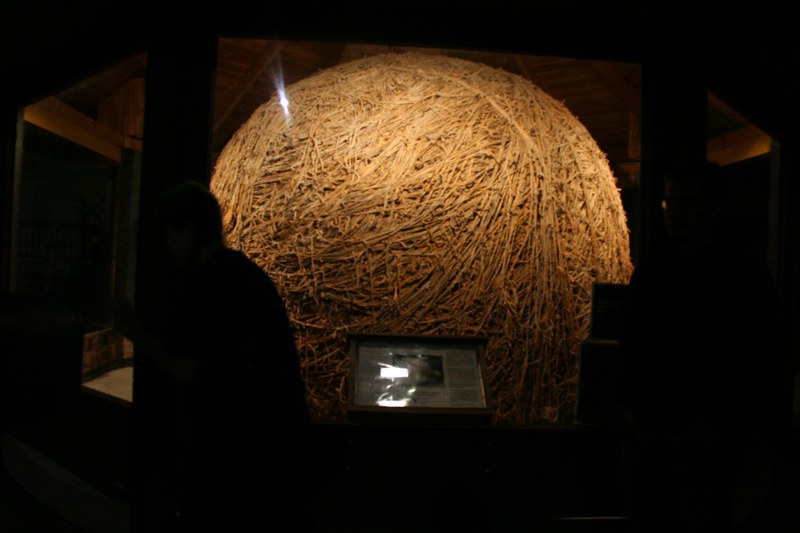
Kansas takes its twine seriously. Francis Johnson spent 29 years of his life wrapping twine into an orb that now weighs over 17,000 pounds and sits in a custom gazebo in Cawker City (though other states claim their own “largest” orbs, because apparently this is something worth fighting over).
The orb continues to grow — visitors can add their own twine during the annual Twine-a-Thon, which sounds like the kind of community event that either builds character or drives people to question their life choices, depending on your perspective.
Carhenge
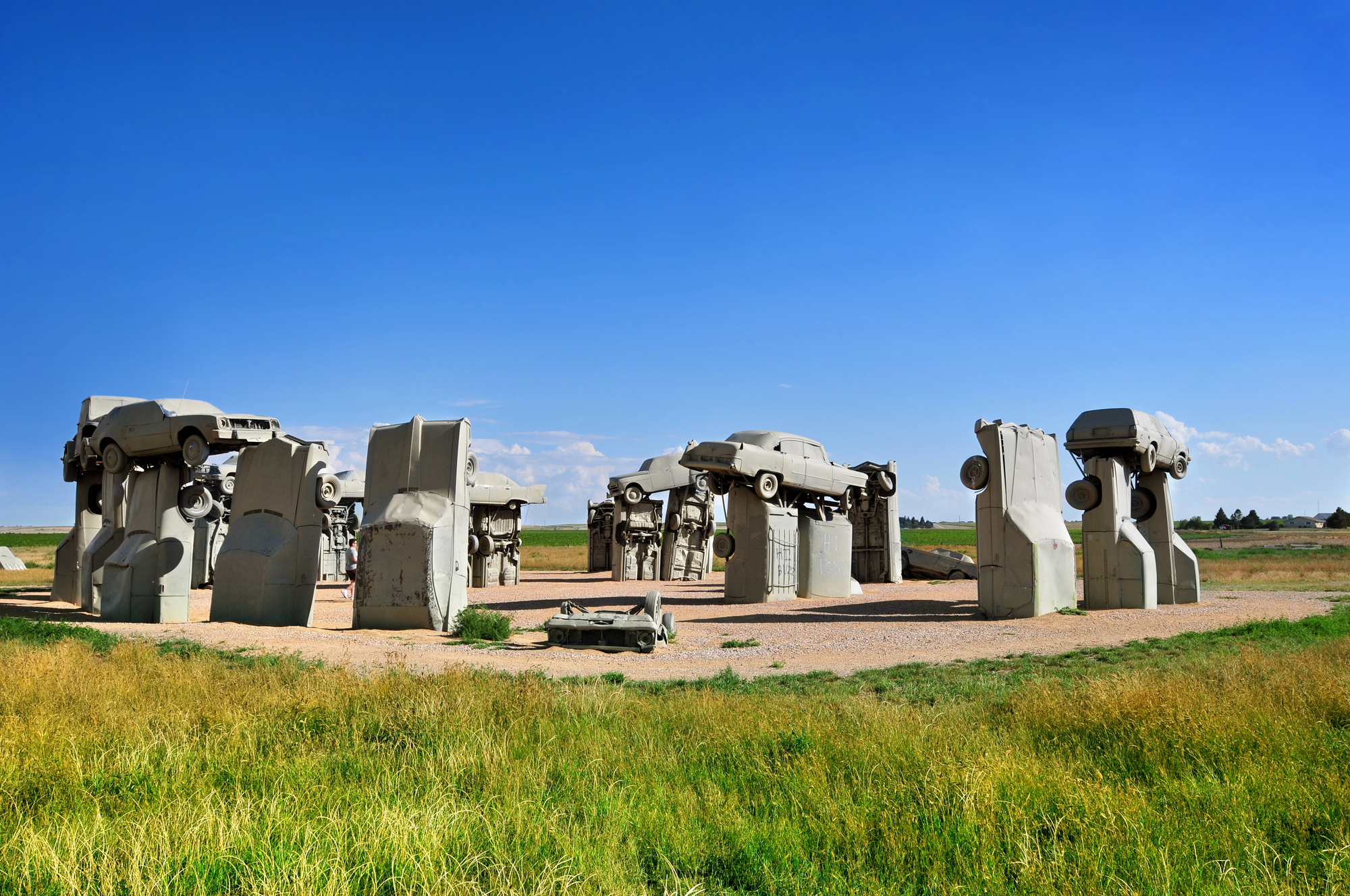
Someone in Nebraska looked at Stonehenge and thought, “This needs more chrome.” Alliance, Nebraska, now hosts 38 vintage American cars arranged in the same pattern as the ancient stone circle, complete with cars standing upright and others balanced on top as capstones.
Jim Reinders built it as a memorial to his father, and while the original Stonehenge took centuries to complete, Carhenge went up during a single family reunion in 1987 — which says something about American efficiency, or at least about what happens when you give relatives too much free time and access to a crane.
The Giant Blue Chicken
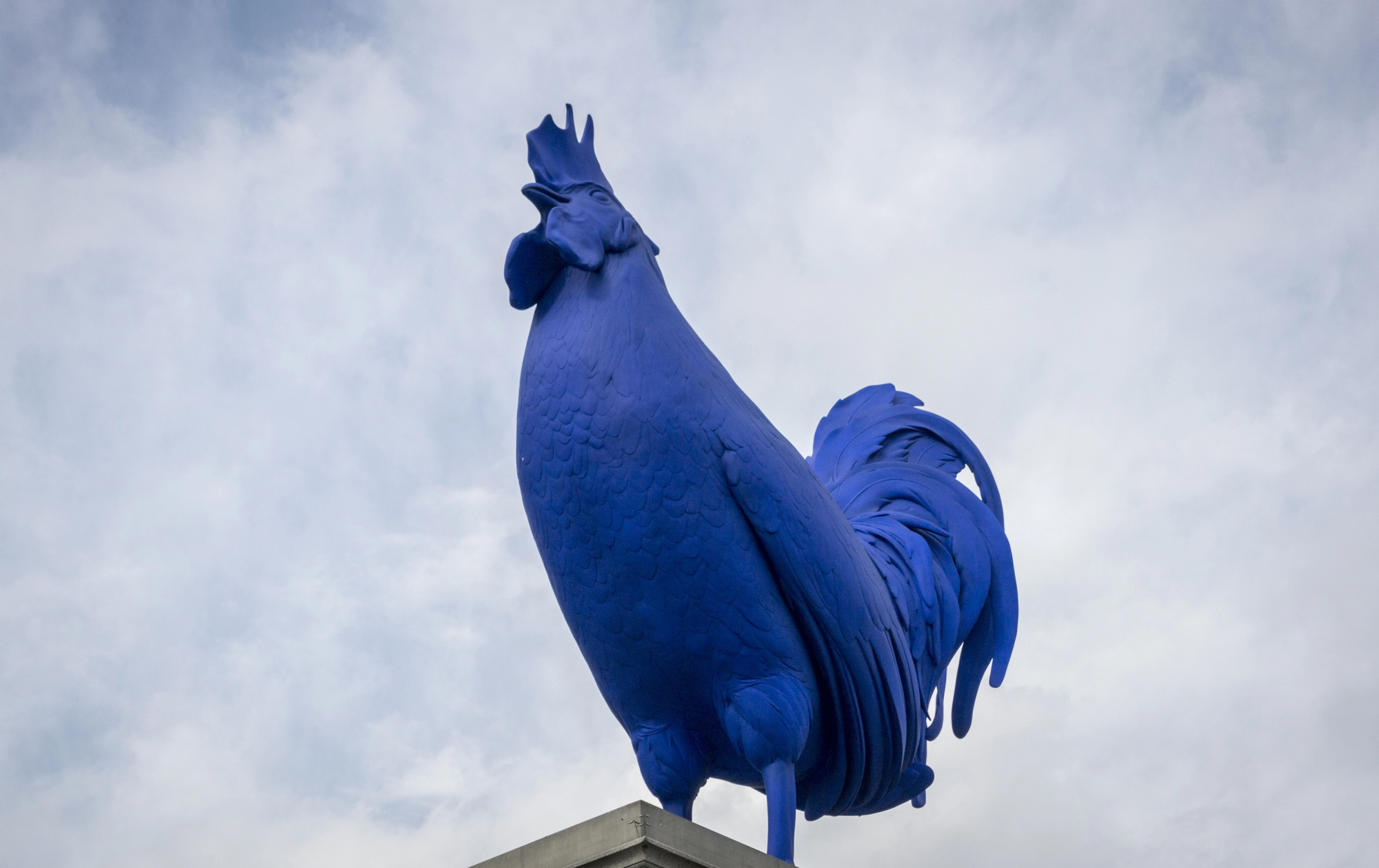
There’s something almost theatrical about roadside attractions — they’re performances that never end, shows that play to an audience of passing strangers who slow down just long enough to stare. The Big Blue Rooster in Dorchester, Iowa, stands 15 feet tall and commands attention like a feathered lighthouse, except instead of warning ships away from rocks, it warns travelers that they’ve entered a place where someone decided the landscape needed more poultry.
And somehow it works (the thing draws thousands of visitors each year), which makes you wonder if the person who built it understood something fundamental about human nature that the rest of us missed.
The monument wasn’t always blue — it started life as a more traditional rooster color before someone decided subtlety wasn’t the point. Now it perches beside Highway 9 like a children’s book illustration that escaped into the real world.
The World’s Largest Ketchup Bottle
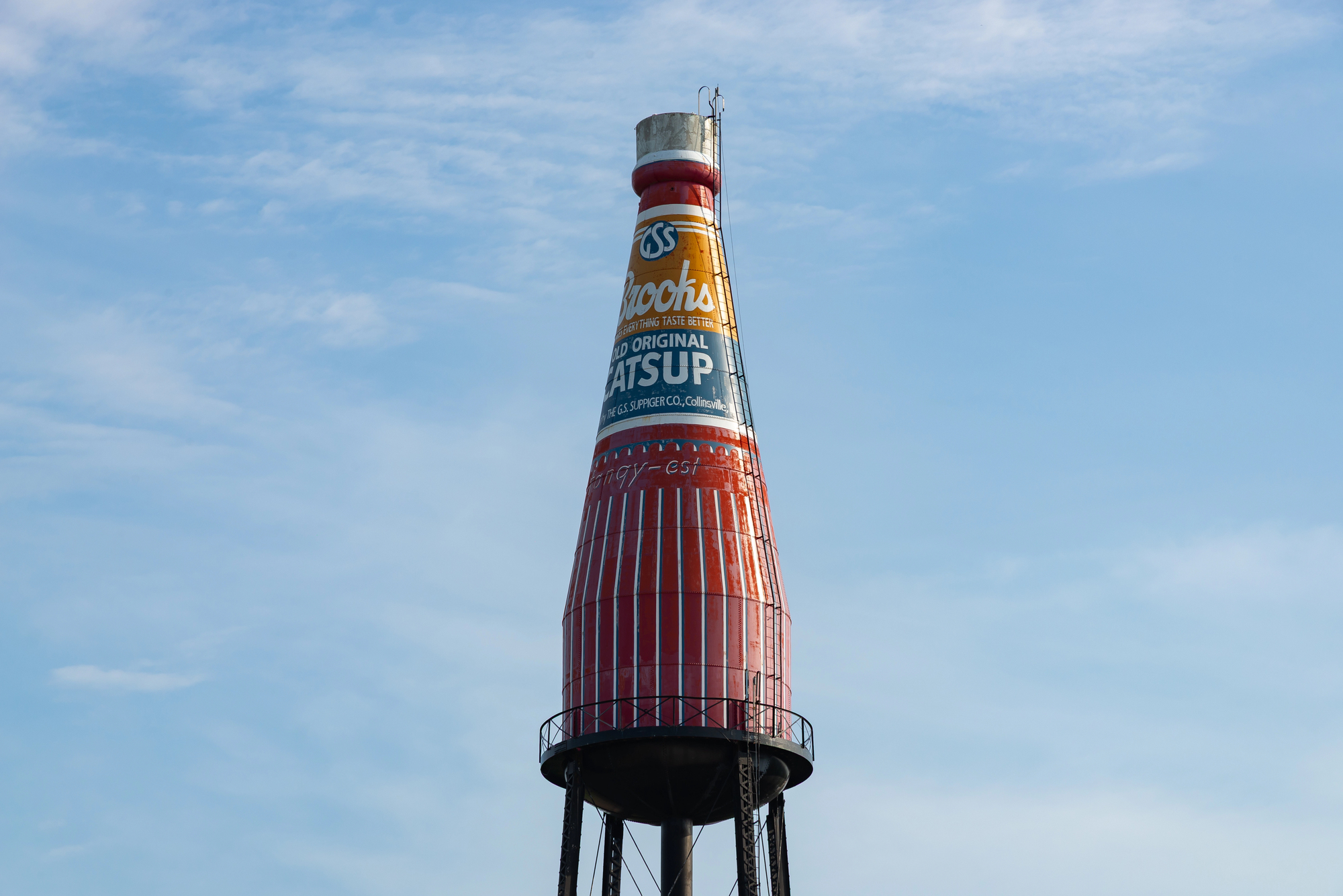
Corporate monuments are the most honest landmarks in America. The 170-foot-tall ketchup bottle water tower in Collinsville, Illinois, doesn’t pretend to commemorate anything noble or historically significant — it’s just a really big advertisement for Brooks Tangy Catsup that happens to have outlived the company it was built to promote.
The tower went up in 1949 and kept working long after Brooks Catsup disappeared, which means it’s now less a marketing tool than a monument to the staying power of well-made infrastructure. Sometimes the most practical thing turns out to be the most surreal.
Lucy the Elephant
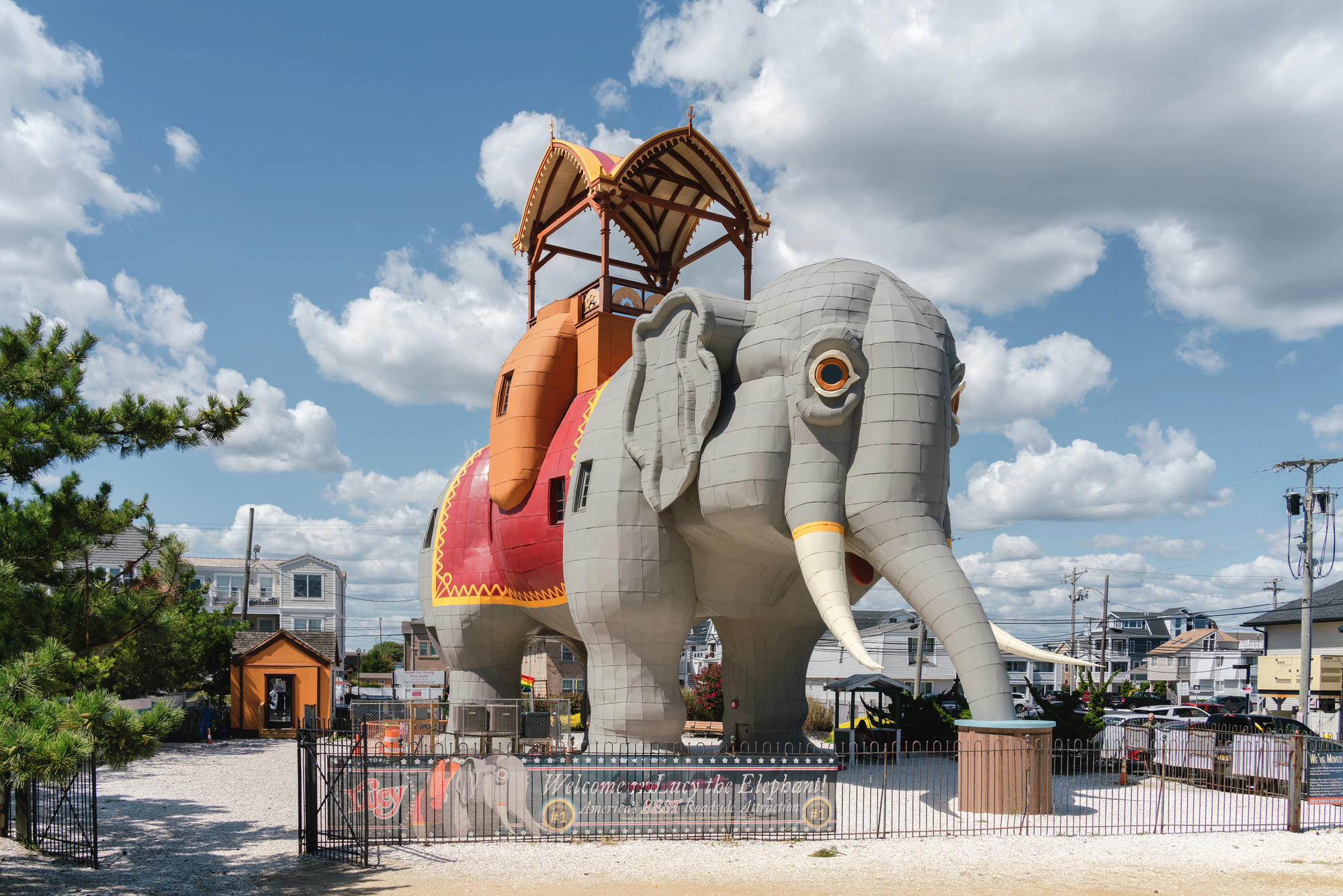
Lucy stands six stories tall on the New Jersey shore, a wooden elephant built in 1881 to sell real estate (because nothing says “buy property here” like a giant pachyderm you can climb inside). She’s technically architecture — you can walk through her legs and up into her body, which contains windows and once housed a real estate office — but she reads as pure monument, a landmark that announces its presence from miles away.
The original owner figured people would be curious enough about the elephant to stop and listen to his sales pitch, and given that Lucy is still drawing visitors 140 years later, his understanding of human psychology was essentially perfect. She’s survived hurricanes, neglect, and the kind of weather that reduces most wooden structures to splinters, standing as proof that sometimes the most ridiculous idea is also the most durable.
The World’s Largest Prairie Dog
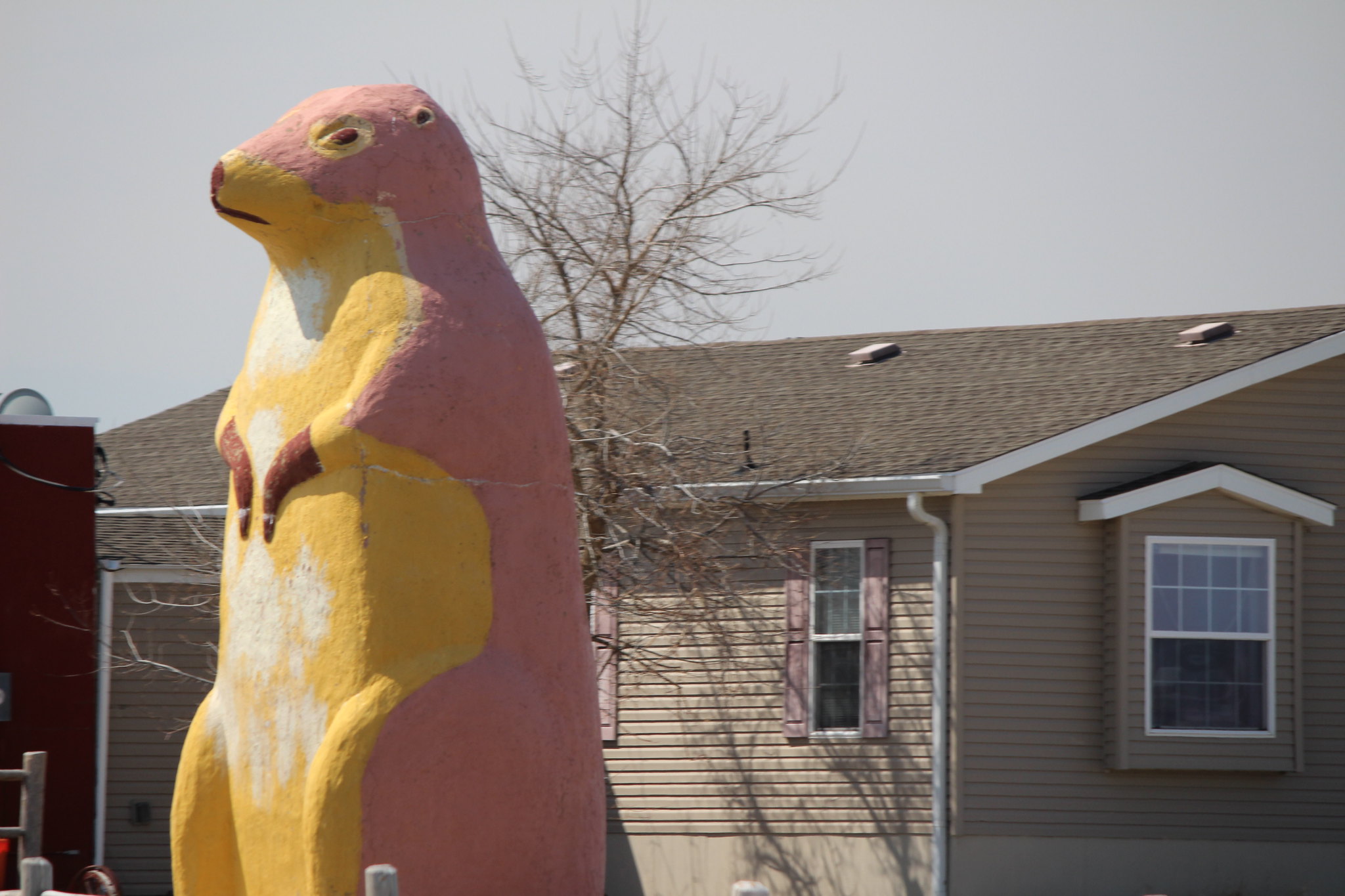
Route 66 runs through some strange territory, but Prairie Dog Town in Elk City, Oklahoma, might be the strangest. A 20-foot-tall concrete prairie dog sits next to a collection of actual prairie dog burrows, creating a roadside attraction that’s part zoo, part monument, part fever dream.
The giant prairie dog wears clothes that change seasonally — Santa hat in December, Uncle Sam outfit for July 4th — because apparently a 20-foot rodent wasn’t surreal enough on its own.
Paul Bunyan and Babe the Blue Ox
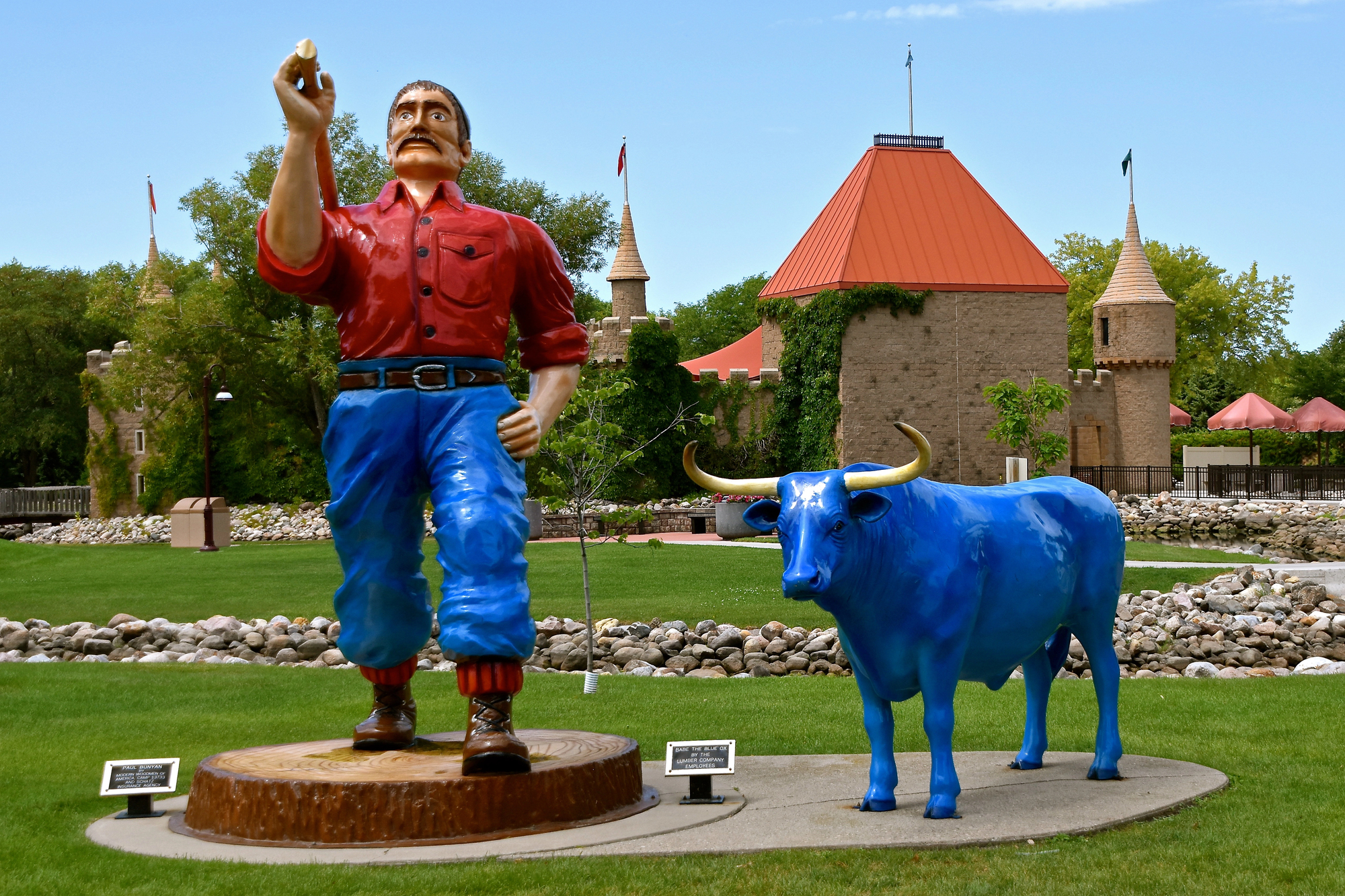
Minnesota went all-in on fictional lumberjack mythology. The Paul Bunyan and Babe statues in Bemidji stand 18 and 10 feet tall respectively, commemorating characters who never existed but somehow feel more real than most historical figures.
Paul’s been standing there since 1937, one hand on his hip, looking out over Lake Bemidji like he’s considering which trees to cut down next (even though the whole point now is forest conservation, but nobody seems worried about the irony). Babe stands nearby with the patient expression of a creature who’s been posing for photos for 80-plus years and has made peace with the absurdity of it all.
The Corn Palace
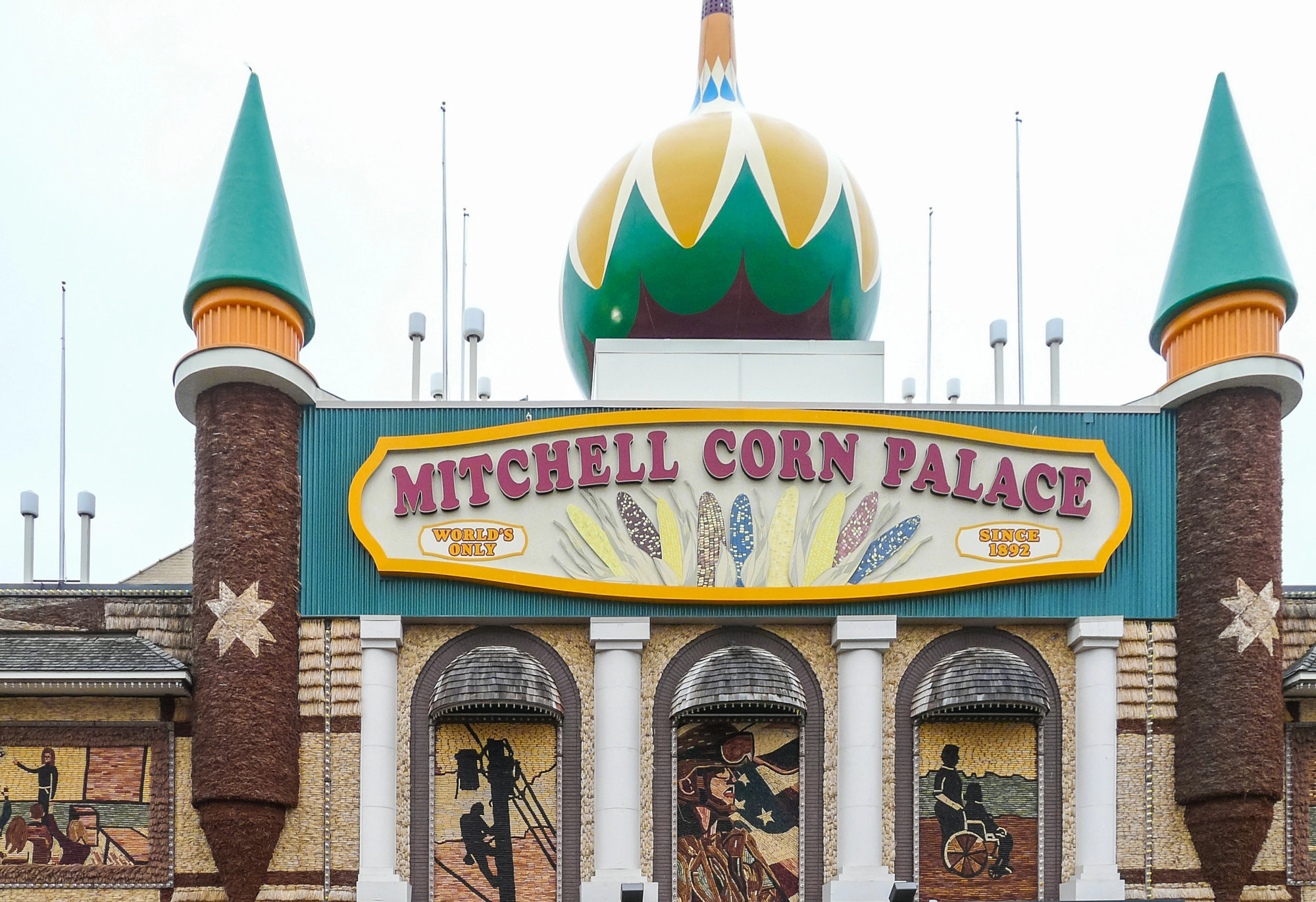
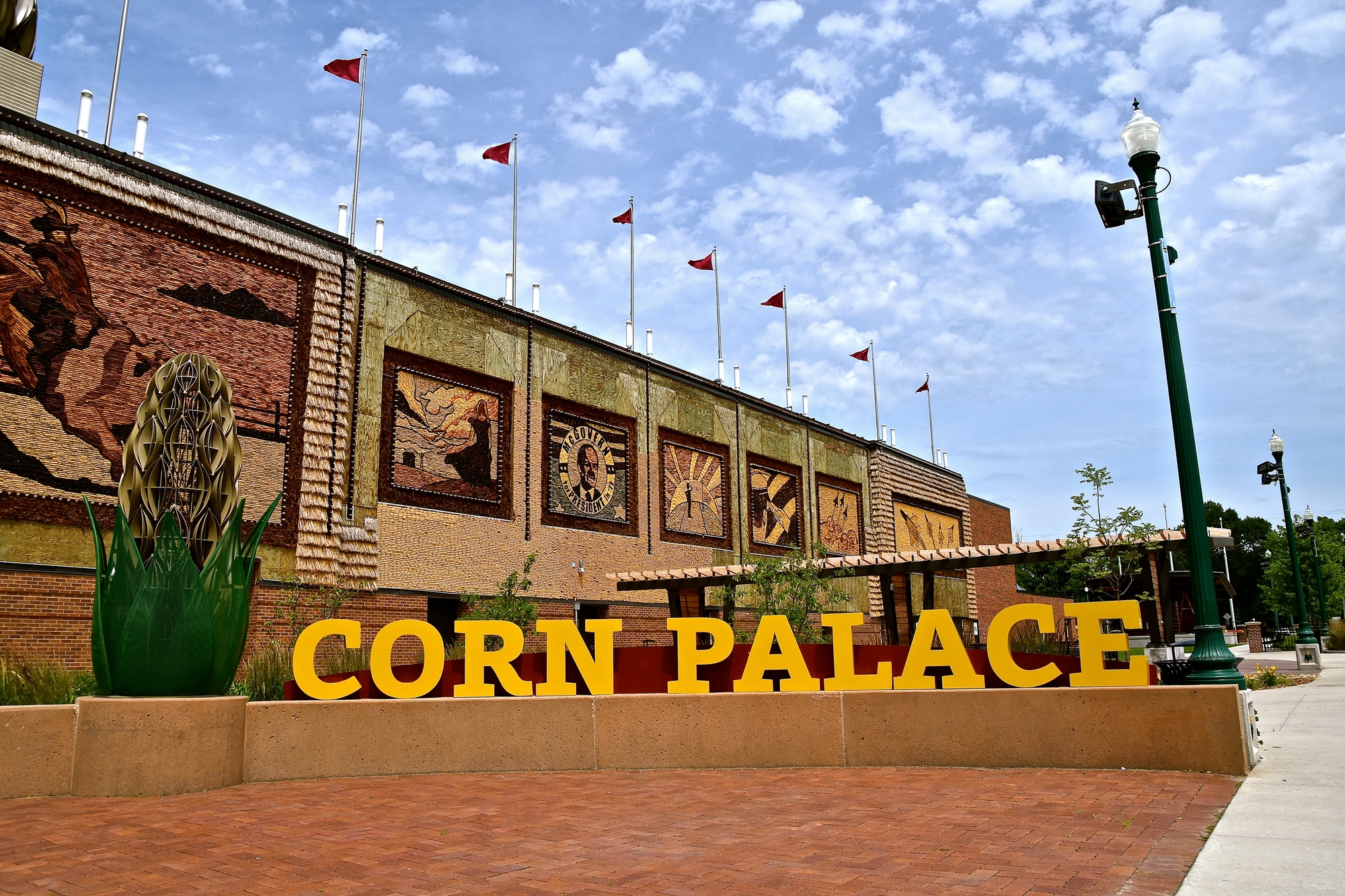
Every year, Mitchell, South Dakota, covers an entire building with thousands of bushels of corn and other grains to create murals that celebrate — well, corn, mostly. The Corn Palace isn’t exactly a monument in the traditional sense (it’s a functioning events venue), but it operates like one: a landmark that exists primarily to be looked at and marveled over, a testament to agricultural abundance that gets rebuilt annually because corn eventually rots and needs replacing.
The building hosts basketball games and concerts, which means performers have entertained audiences while surrounded by elaborate grain mosaics, and somehow that combination of high school athletics and crop art captures something essentially American that’s hard to define but impossible to ignore.
The World’s Largest Peanut
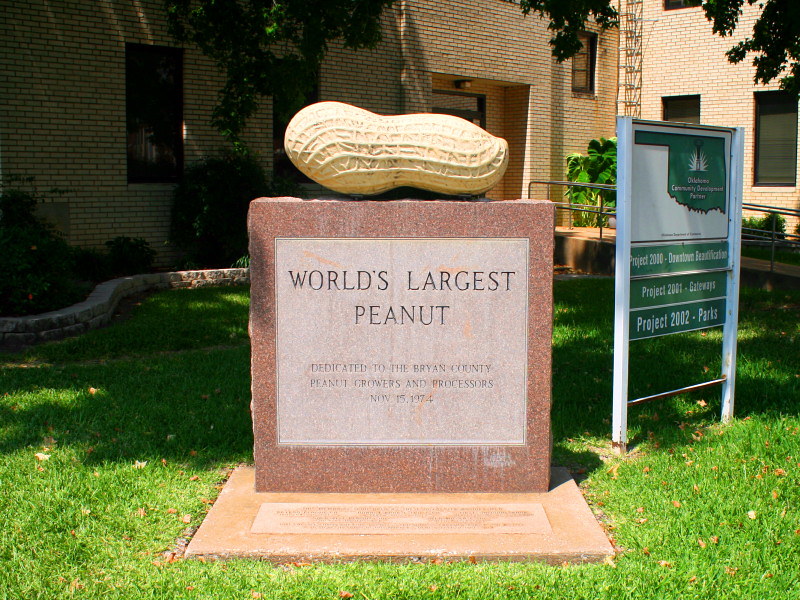
Turner County, Georgia, decided its claim to fame should be legume-related. A 20-foot-tall peanut sits in the center of Ashburn, painted to look like an actual peanut but sized like a small building.
It’s not the only giant peanut in America — several states have competing claims — but this one has the advantage of being surrounded by actual peanut farms, which gives it a legitimacy that the others lack. The peanut serves as both monument and marketing tool, a reminder that this region grows the things, and grows them well enough to build landmarks in their honor.
Jolly Green Giant Statue
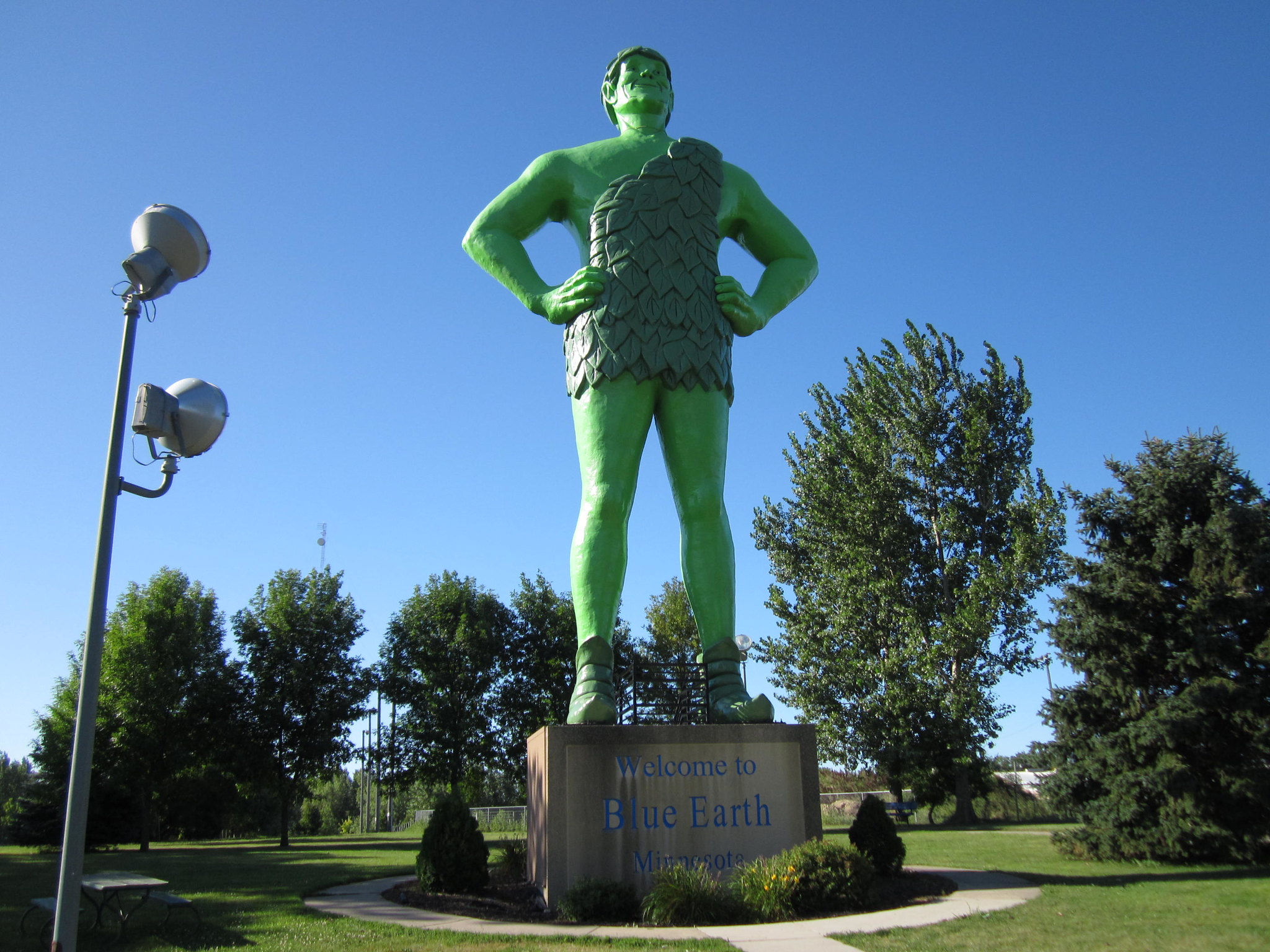
Minnesota strikes again with a 55-foot-tall fiberglass Jolly Green Giant in Blue Earth, the town that served as the inspiration for the vegetable company’s fictional hometown. The statue went up in 1979 and immediately became the kind of landmark that people either drive hours to see or go significantly out of their way to avoid, depending on their tolerance for corporate whimsy made manifest.
The Giant stands in a small park with his hands on his hips and a smile that suggests he’s genuinely pleased to be there, which is more than you can say for most advertising mascots who get turned into public monuments. The whole thing works because it doesn’t take itself seriously — it’s a 55-foot joke that everyone’s in on.
The World’s Largest Round of Paint

Mike Carmichael started painting a baseball in 1977 and never stopped. The orb now weighs over 4,000 pounds and sits in Alexandria, Indiana, where visitors can add their own coat of paint to the accumulating layers.
It’s less a monument than an ongoing project, a collaborative artwork that grows by increments so small they’re barely visible but that add up, over decades, to something genuinely impressive in its pointless dedication. Carmichael keeps detailed records — over 26,000 coats of paint and counting — which transforms the whole thing from folk art into something closer to performance, a decades-long demonstration of what happens when someone commits completely to an arbitrary goal.
The Leaning Water Tower of Britten
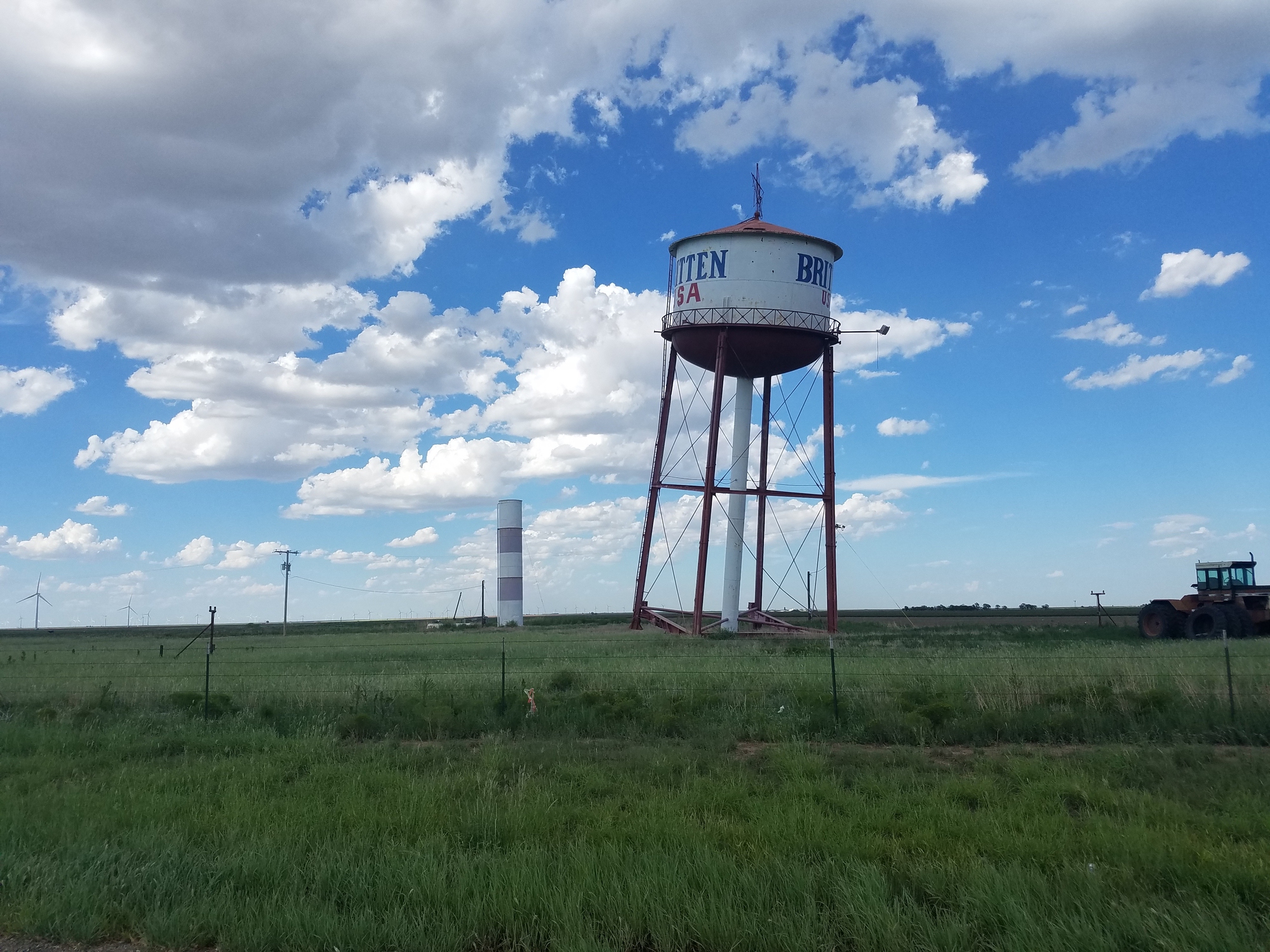
Some monuments are accidents that get preserved. The water tower in Britten, Texas, started leaning after a storm damaged its foundation, and instead of fixing it, the town decided to embrace the tilt and market itself as having its own version of the Leaning Tower of Pisa.
The tower leans at about 15 degrees, which is noticeable enough to photograph but not so extreme that it looks immediately dangerous. It’s a monument to pragmatism as much as anything else — when life gives you a leaning water tower, you build a gift shop and start selling postcards.
The Giant Artichoke
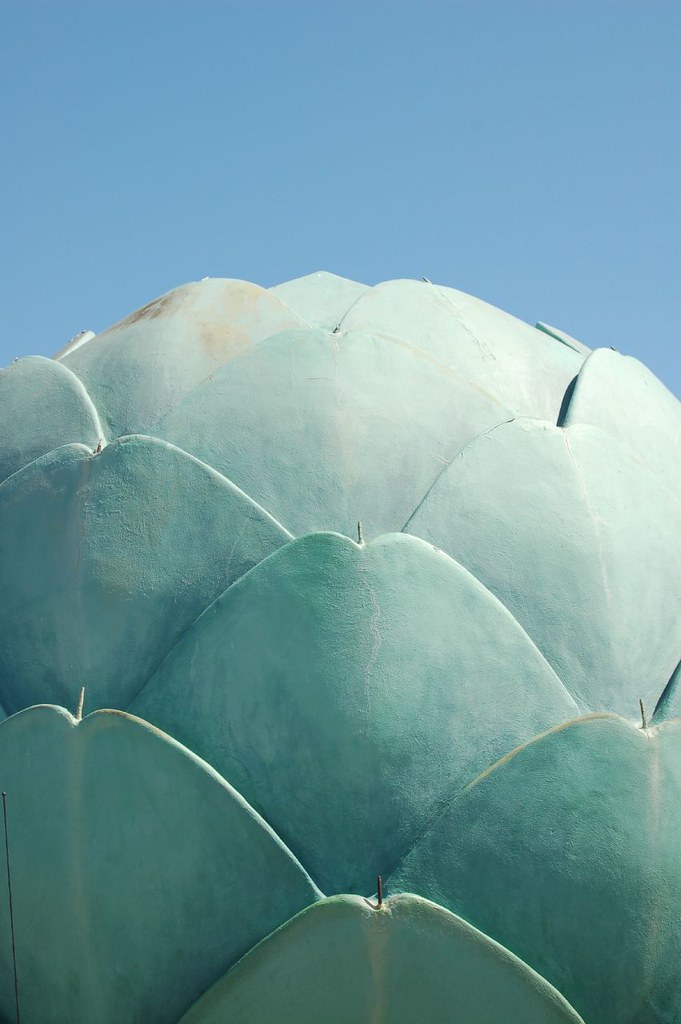
Castroville, California, calls itself the Artichoke Center of the World, and to prove it, they built a 20-foot-tall concrete artichoke that sits next to a restaurant shaped like, well, an artichoke. The monument doubles as advertising — the restaurant specializes in artichoke-based dishes — but it’s become a landmark independent of its commercial purpose.
The artichoke has the kind of attention to botanical detail that suggests someone really cared about getting the proportions right, which elevates it above the usual roadside attraction into something closer to public sculpture, assuming public sculpture can also function as a really big menu item.
Cadillac Ranch
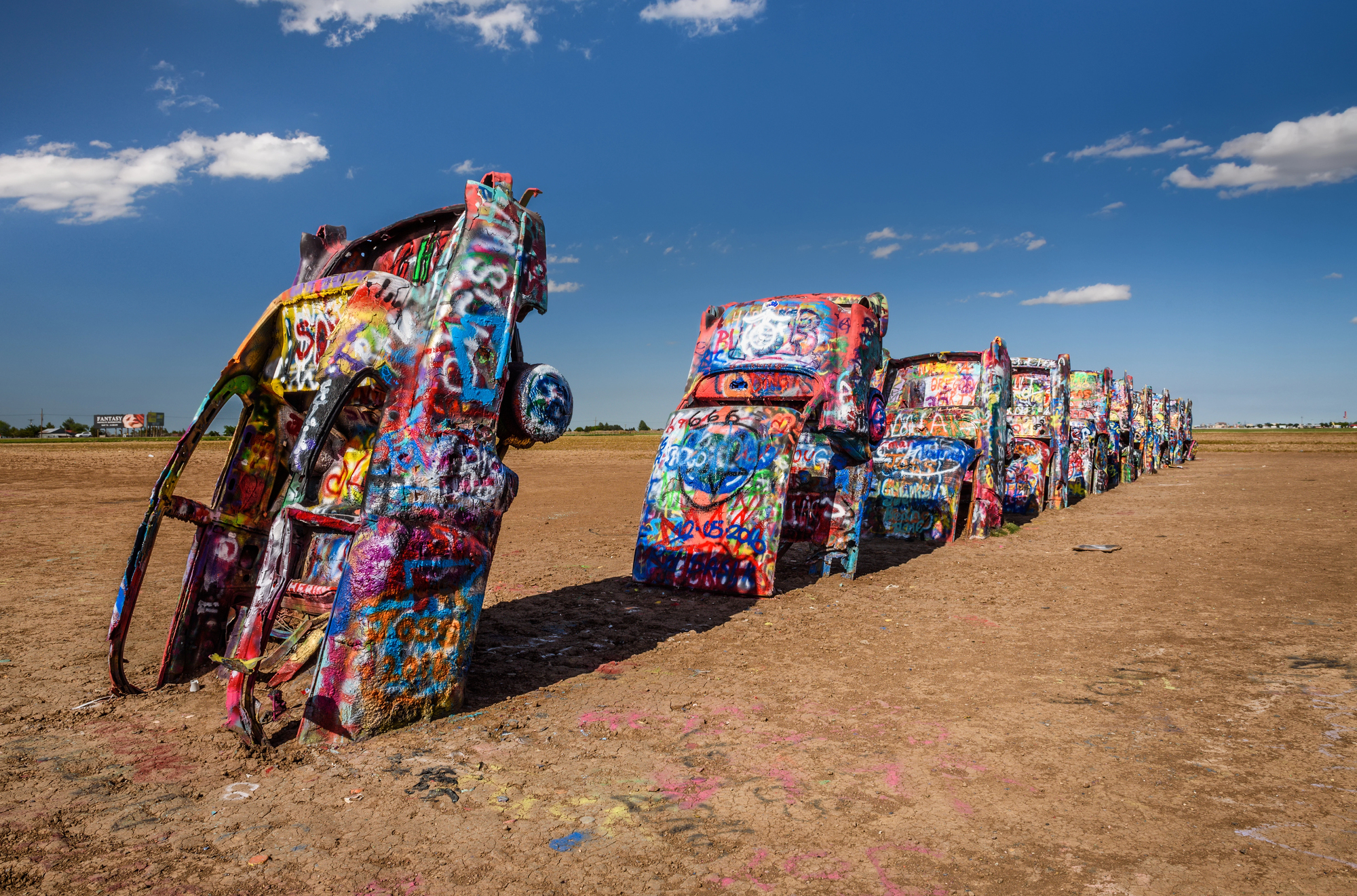
Ten Cadillacs buried nose-first in a Texas field, their tail fins pointing toward the sky like some kind of automotive Stonehenge. Ant Farm, an art collective, installed the cars in 1974 as a monument to the golden age of American automobile design, and visitors have been spray-painting them ever since, creating a constantly changing surface that makes the installation part sculpture, part graffiti wall, part archaeological site of American car culture.
The cars date from 1949 to 1963, spanning the era when Detroit still believed that bigger fins meant better cars, and seeing them half-buried in prairie dirt gives them a dignity they probably never had sitting in suburban driveways. It’s art that functions as monument, monument that functions as playground, playground that functions as museum.
The Spot Where Magic Truly Happens
Road trips change you in small ways that don’t show up until later. You drive hours to see a giant orb of twine or a concrete artichoke, and while you’re standing there taking pictures, something shifts.
Maybe it’s the realization that someone cared enough about something completely arbitrary to make it permanent, or maybe it’s the simple fact that America still has space for this kind of inspired nonsense. These monuments won’t teach you history or inspire patriotic feelings, but they’ll remind you that creativity and obsession often look identical from the outside, and that sometimes the most meaningful landmarks are the ones that refuse to take themselves seriously.
More from Go2Tutors!

- The Romanov Crown Jewels and Their Tragic Fate
- 13 Historical Mysteries That Science Still Can’t Solve
- Famous Hoaxes That Fooled the World for Years
- 15 Child Stars with Tragic Adult Lives
- 16 Famous Jewelry Pieces in History
Like Go2Tutors’s content? Follow us on MSN.



