15 Extreme Historical Sports Ranked by How Made‑Up They Sound
History has produced some truly bizarre athletic competitions. While modern extreme sports might seem wild, they pale in comparison to the outright dangerous, absurd, and seemingly impossible contests that people once considered legitimate sporting events.
Some of these sound so ridiculous that you’d swear they came from a satirical newspaper or a fever dream. The following historical sports are real — verified through historical records, newspaper accounts, and documentation.
Yet they sound so preposterous that ranking them by their fictional quality reveals just how strange human competitive spirit can get.
Pankration
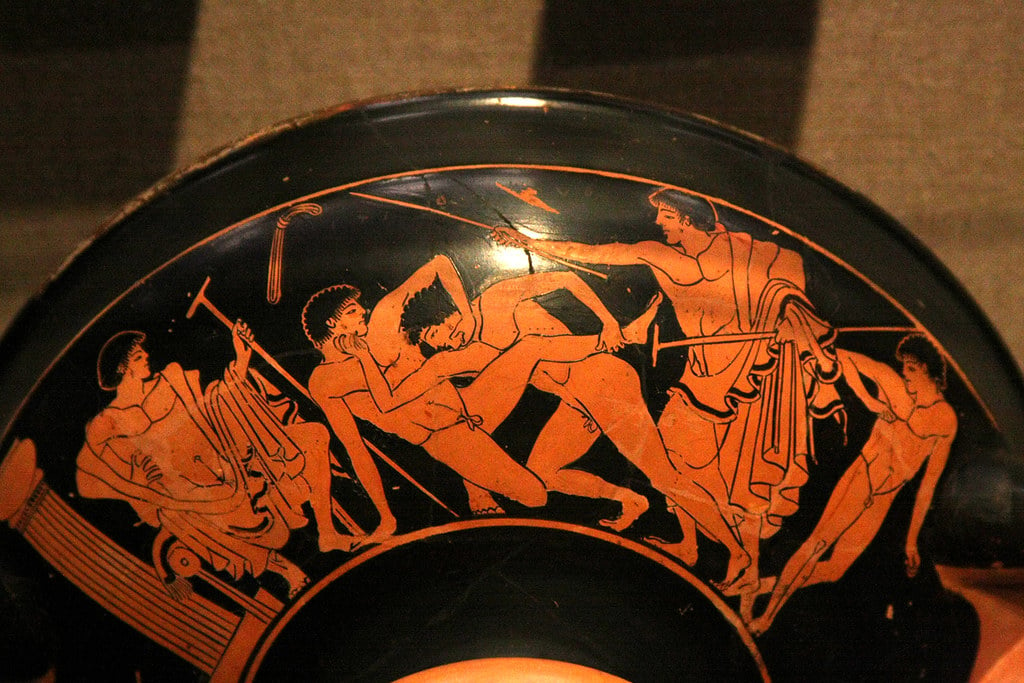
Ancient Greek pankration combined wrestling and boxing with almost no rules. Competitors could punch, kick, choke, and break bones.
Only biting and eye-gouging were forbidden. Death was common enough that it wasn’t considered unusual.
Calcio Storico
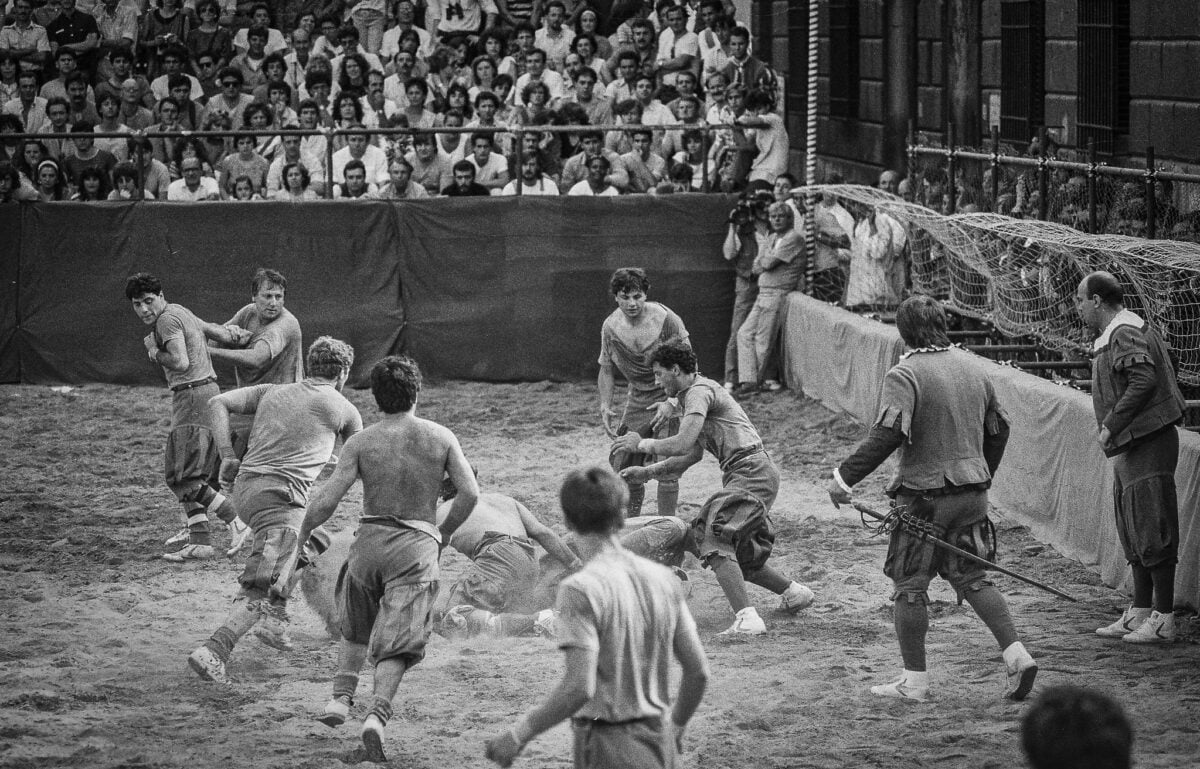
Florence invented this sport in the 16th century. Two teams of 27 men fought over an orb using fists, feet, elbows, and whatever violence seemed necessary.
The matches lasted 50 minutes with no substitutions, no matter how many players were unconscious. Think rugby crossed with a riot, and you’re getting close.
Fox Tossing

European nobility spent their afternoons hurling live foxes into the air using slingshot-style blankets (because apparently regular hunting wasn’t entertaining enough). The goal was to launch the animals as high as possible, and records show some foxes reached heights of 24 feet before plummeting back down — which, as you might expect, didn’t end well for anyone involved, though the foxes certainly got the worst of it.
Rabbits and wildcats were also used when foxes weren’t available. But here’s the thing that makes this sound completely fabricated: entire royal courts would gather to watch these events, with hundreds of animals being tossed in a single afternoon, and someone was apparently keeping careful records of launch heights like it was an Olympic sport.
Shin Kicking
Competitors kicked each other in the shins until someone gave up. Participants wore steel-toed boots and could stuff straw down their pants for padding.
Some matches lasted hours. The sport originated in England’s Cotswolds and continued into the 20th century.
Staddle Stone Lifting

This feels like something a medieval prankster made up to mess with tourists, except the evidence suggests people genuinely spent their time trying to lift oddly-shaped stone pedestals that supported granary buildings. The stones were designed specifically not to be lifted — their mushroom shape and weight distribution made them nearly impossible to grip properly — yet entire communities turned this futility into competition.
And the strangest part isn’t that people tried it, but that they kept trying it, generation after generation, as if the stones might eventually cooperate.
Dwile Flonking
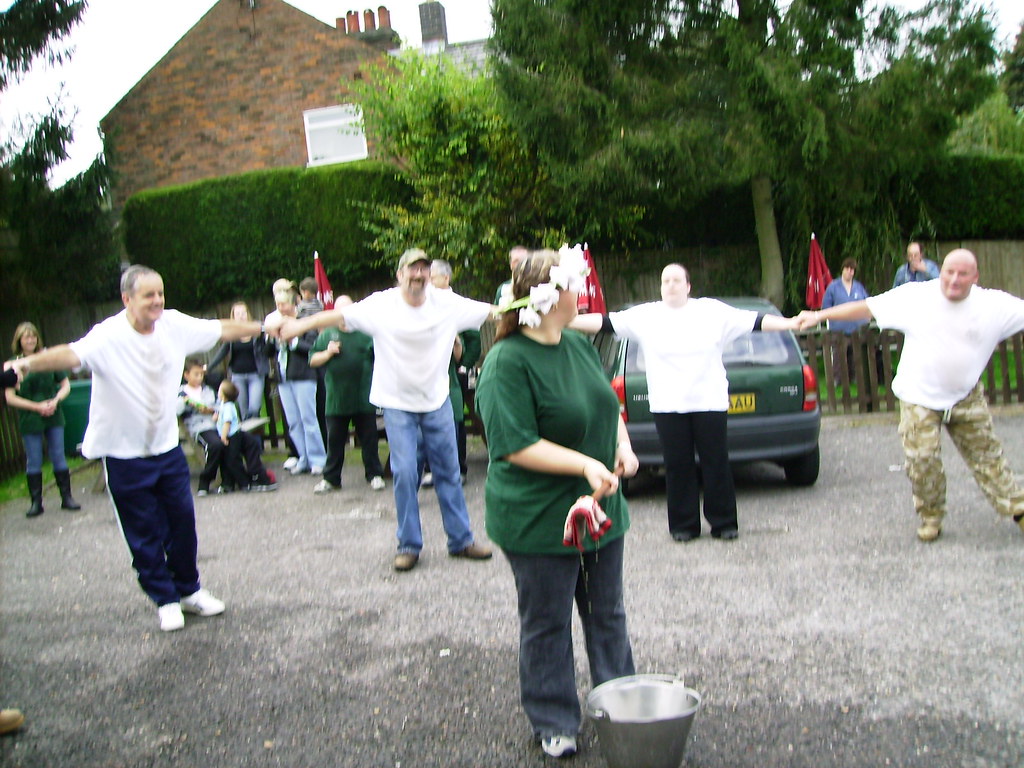
Teams took turns spinning around a pole while opponents threw beer-soaked rags at them. Points were awarded based on which body part the rag hit.
The spinning player held a stick called a “driveller” for balance. Missing the target meant buying a round of drinks for everyone.
The sport allegedly originated in English pubs during the 1960s, though some claim medieval roots. Either way, it sounds like exactly the kind of thing people would invent after several pints and then somehow convince others it was a legitimate sporting tradition.
Competitive Plank Walking

Pirates apparently turned walking off ship planks into a sport rather than an execution method. Contestants competed to see who could balance longest on increasingly narrow boards suspended over water.
Points were awarded for style, distance, and creative dismounts. Some events featured obstacles or required participants to carry objects while walking.
Firework Boxing

Boxers attached small fireworks to their gloves and fought until the explosives detonated. The goal was to land punches before your own fireworks went off in your hands.
Matches were timed to coincide with the fuse lengths, creating intense pressure to finish quickly. Safety equipment was not used.
If someone told you this at a party, you’d assume they were making it up. Yet historical accounts from various European festivals describe exactly these competitions, complete with spectators betting on explosion timing and winner predictions.
The fact that anyone thought strapping explosives to their hands was sporting entertainment defies all logic about human self-preservation instincts — which, granted, seems to be a running theme in historical athletic competition, but this one really takes the concept to its natural conclusion and then keeps going just to see what happens next. So naturally, it lasted for decades before someone finally decided maybe this wasn’t the best idea.
Competitive Hermiting

Wealthy landowners hired hermits to live in garden follies for entertainment, and this somehow became competitive. Hermits were judged on authenticity, dedication, and ability to remain in character when visitors approached.
Contracts lasted months or years, with strict rules about maintaining beards, wearing robes, and avoiding social interaction.
Goose Pulling
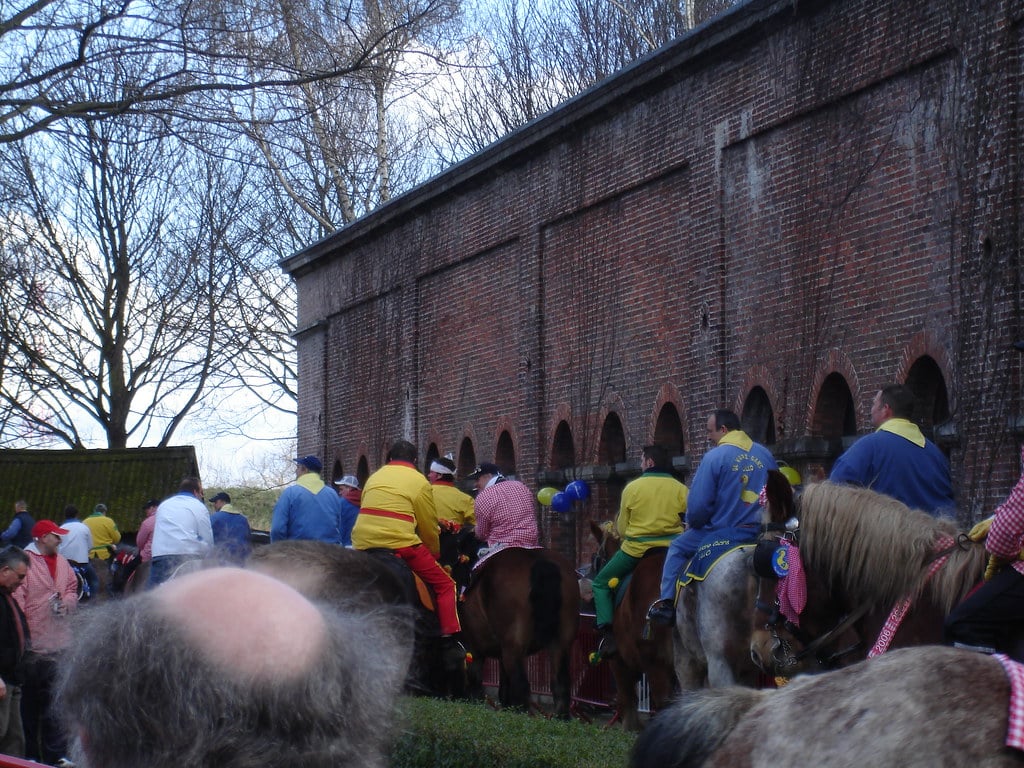
Riders on horseback attempted to pull the head off a live goose suspended from a rope while galloping at full speed. The goose was often greased to make gripping more difficult.
Success required perfect timing and considerable grip strength. The winner kept the goose.
The mental image alone sounds like something from a dark comedy sketch rather than actual sporting history. Yet this was popular entertainment across Europe and colonial America for centuries.
Competitive Bridge Jumping
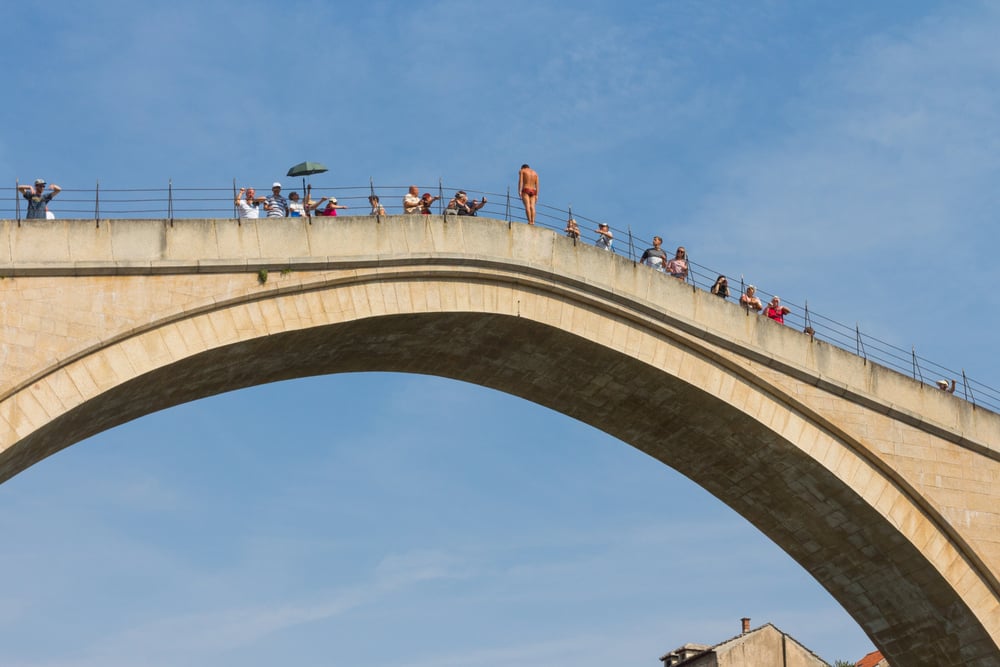
This wasn’t bungee jumping or any modern extreme sport — participants competed to see who could survive jumping from increasingly dangerous bridges into water below, but the catch was that someone else chose which bridge you had to jump from, and the bridges kept getting higher and more treacherous as the competition progressed (because apparently regular diving wasn’t sufficiently life-threatening). Winners were determined by style, survival, and willingness to attempt jumps that previous contestants had refused.
And the truly absurd part: spectators would gather in such large numbers that temporary viewing platforms had to be constructed, which sometimes collapsed under the weight, creating an entirely separate category of casualties that had nothing to do with the actual jumping. But people kept showing up anyway, because apparently watching someone potentially die from a bridge was premium entertainment, and the jumpers kept volunteering because the prize money was substantial enough to risk everything.
Which, when you think about it, says something deeply strange about both economic desperation and human entertainment preferences in historical periods.
Mob Football
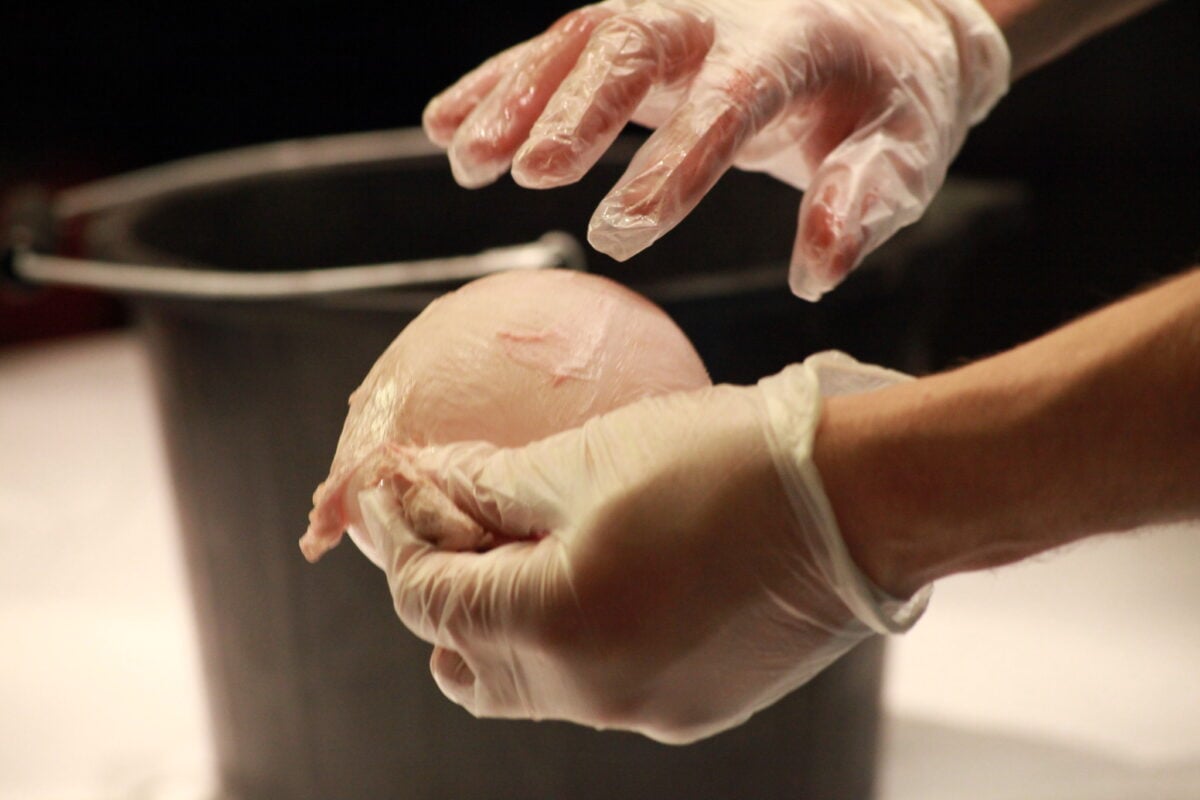
Entire villages competed against each other using an inflated pig’s bladder as football. Goals were miles apart, usually at opposite ends of town.
Hundreds of people participated simultaneously. No rules existed beyond getting the orb to the target.
Property damage was expected and factored into the event planning. The scale alone makes it sound fictional — imagine explaining to someone that medieval villages regularly organized riots disguised as sporting events.
Wife Carrying While Blindfolded
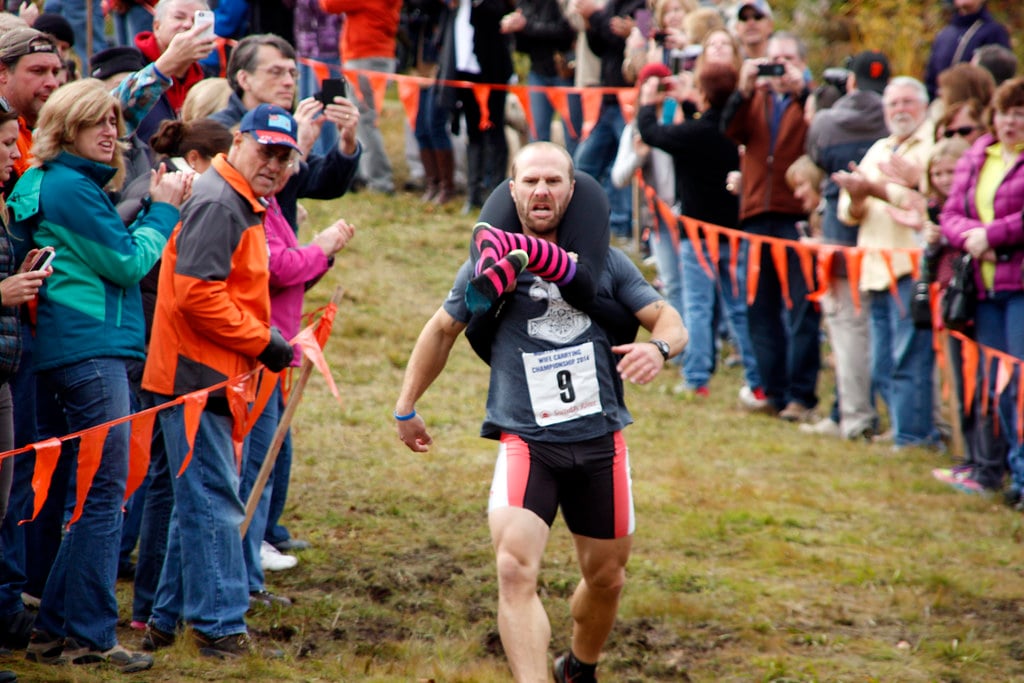
Standard wife carrying competitions exist today, but historical versions required the carrier to be blindfolded while navigating obstacle courses. Wives could provide verbal directions but couldn’t dismount to help.
Courses included water crossings, fence climbing, and maze sections. Time penalties were added for dropping the wife or removing the blindfold.
Competitive Plague Dodging
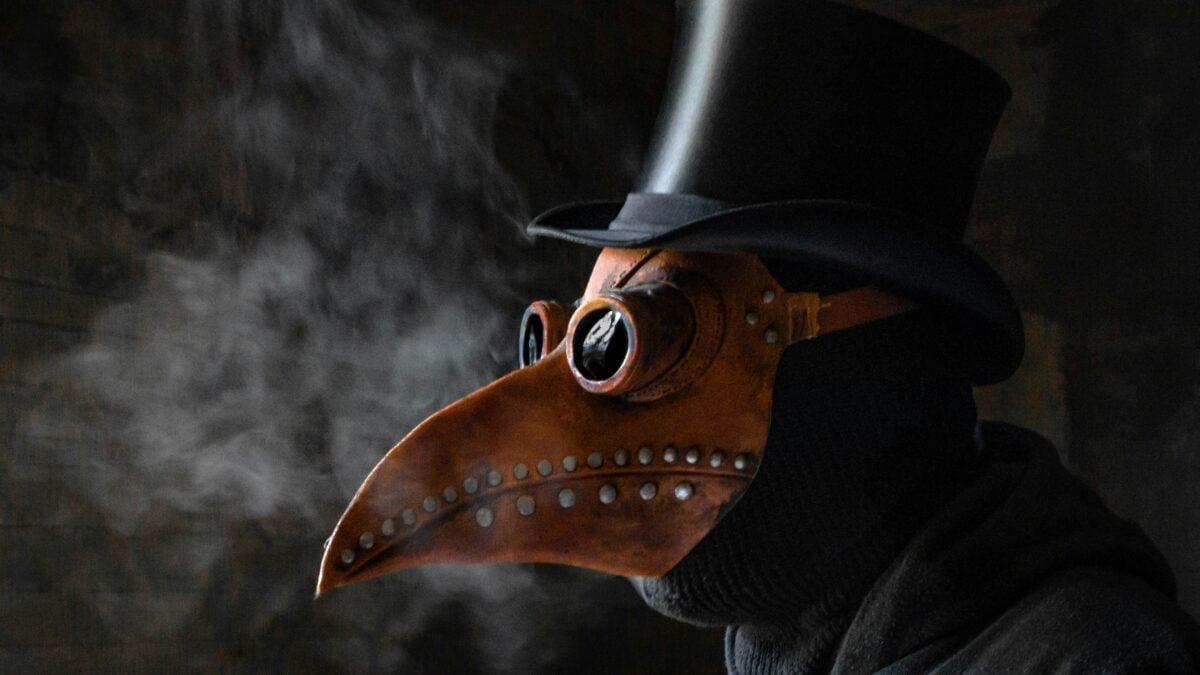
During plague outbreaks, some communities held contests to see who could visit the most infected areas and return healthy. Participants had time limits and had to bring back proof of their visits.
Winners received prize money and were considered blessed or particularly skillful at avoiding contagion. This one crosses the line from dangerous sport into active self-harm attempt disguised as competition.
Live Coal Walking Races
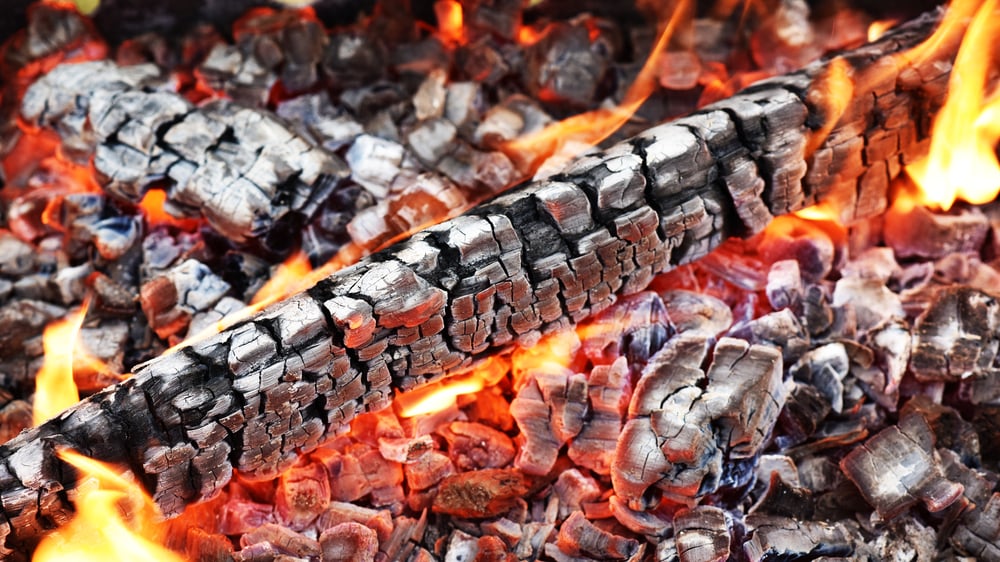
Competitors raced barefoot across beds of live coals while carrying water buckets. The goal was speed without spilling water or stopping due to burns.
Longer races required multiple coal pit crossings. Winners were determined by time, water retention, and foot condition at the finish line.
The logistical complexity alone — maintaining multiple coal pits at proper temperature, having medical attention standing by, organizing timing systems — suggests this wasn’t a spontaneous dare but an actual organized sporting event with planning committees and spectators who paid admission fees.
The Absurdity Never Really Ended

These sports reveal something unsettling about human competitive nature. The fact that people willingly participated in activities that combined athleticism with genuine mortal peril suggests that boredom and the desire for glory can override basic survival instincts in ways that seem almost fictional in hindsight.
And yet, modern extreme sports continue this tradition. We’ve simply gotten better at safety equipment and medical response times.
The fundamental human urge to turn dangerous activities into competitions remains unchanged — we just prefer our risks calculated rather than completely insane.
More from Go2Tutors!

- The Romanov Crown Jewels and Their Tragic Fate
- 13 Historical Mysteries That Science Still Can’t Solve
- Famous Hoaxes That Fooled the World for Years
- 15 Child Stars with Tragic Adult Lives
- 16 Famous Jewelry Pieces in History
Like Go2Tutors’s content? Follow us on MSN.