15 Air Travel Rules That Were Created Because of One Wild Incident
Since the Wright brothers’ maiden flight in 1903, air travel has seen significant change. Today’s aviation sector is governed by several laws, many of which are intended to keep travelers safe and comfortable.
It’s interesting to note how many of these regulations were direct reactions to particular, frequently strange occurrences rather than being a part of some overarching scheme. Here is a list of 15 air travel regulations that came into existence because of a single remarkable event.
Each one reminds us that our safety protocols are often written in reaction to real-world experiences rather than theoretical scenarios.
Liquid Restrictions

The familiar 3.4-ounce (100ml) limit on liquids wasn’t always part of the airport experience. This rule emerged in 2006 following the discovery of a plot to detonate liquid explosives disguised as soft drinks on flights from London to North America.
The plotters had planned to use hydrogen peroxide-based explosives that could pass through the security screenings of that era. This single foiled plot changed how everyone travels, creating the now-familiar ritual of placing tiny bottles in clear plastic bags.
Reinforced Cockpit Doors
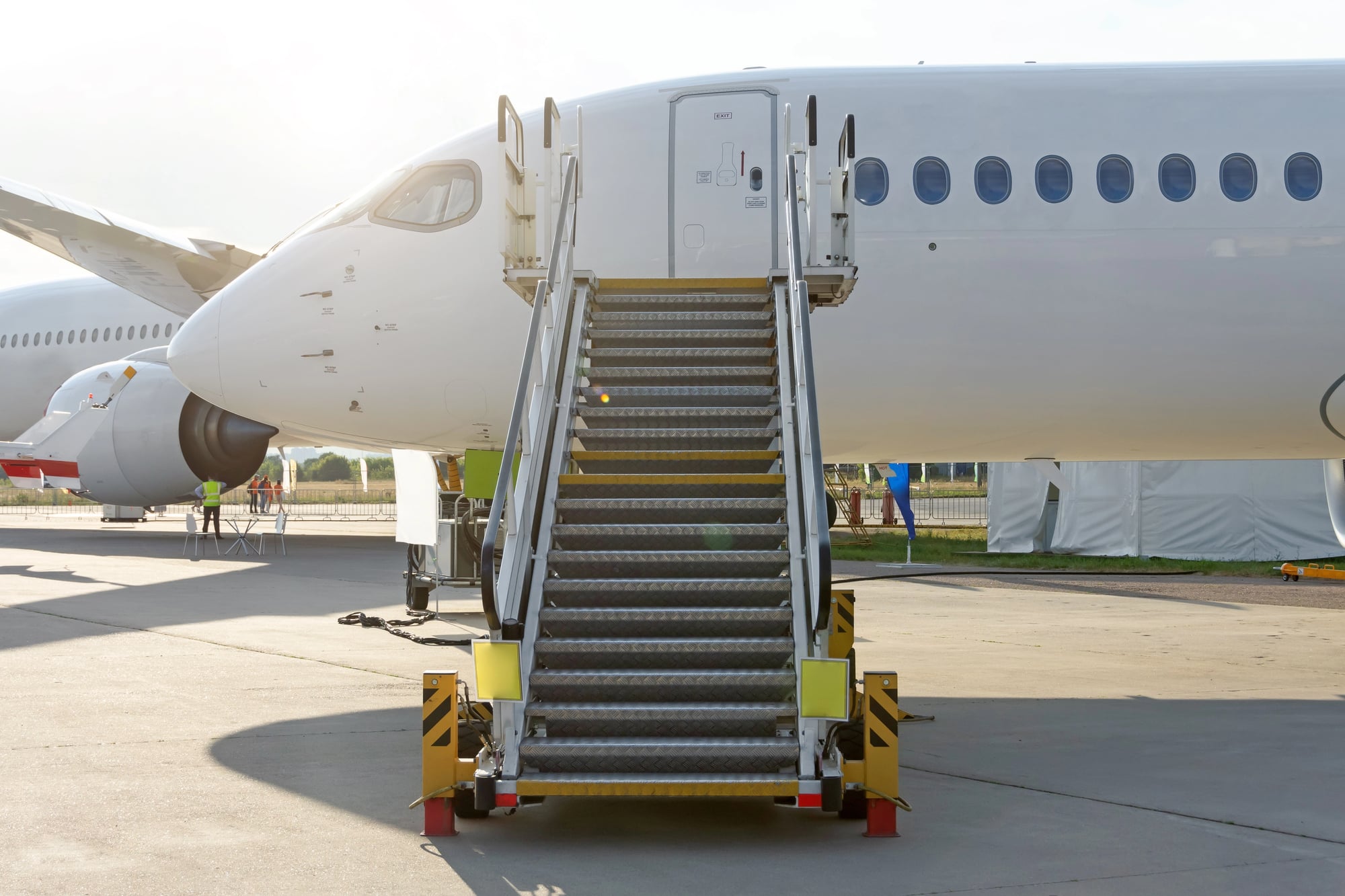
Prior to September 11, 2001, cockpit doors on commercial aircraft were often left unlocked during flight, allowing passengers to occasionally visit the flight deck. The tragic events of that day led to immediate regulations requiring fortified, locked cockpit doors on commercial aircraft.
These doors are now designed to withstand gunfire and even small explosions, creating a secure command center that can withstand forceful entry attempts.
Shoe Removal at Security

The requirement to remove your shoes at airport security checkpoints stems directly from Richard Reid’s failed attempt to detonate explosives hidden in his sneakers on American Airlines Flight 63 in December 2001. Fellow passengers subdued Reid when they noticed him trying to light a match.
Since then, millions of travelers have participated in the collective ritual of shoe removal, though some expedited screening programs now allow certain passengers to keep their footwear on.
The No-Fly List

While government watchlists existed before, the formal No-Fly List as we know it today was rapidly expanded following the September 11 attacks. This database contains the names of people prohibited from boarding commercial aircraft for travel within, into, or out of the United States.
The single catastrophic event prompted a complete overhaul of how potential threats are identified and managed before they ever reach an airport gate.
Tray Tables Up for Takeoff

The requirement to stow tray tables during takeoff and landing came after a 1988 accident involving a Boeing 737 crash in which deployed tray tables hampered some passengers’ evacuation. During an emergency evacuation, a few precious seconds can make the difference between life and death.
The simple act of folding up that plastic surface creates clear paths to exits when every moment counts.
Ban on Samsung Galaxy Note 7

In 2016, Samsung’s Galaxy Note 7 smartphones gained unwanted fame for their tendency to catch fire due to battery defects. After multiple incidents of devices smoking, catching fire, or exploding on aircraft, aviation authorities worldwide banned the device from flights.
It remains one of the few instances where a specific consumer product has been explicitly banned from air travel, becoming a case study in rapid regulatory response to an emerging threat.
No Smoking Policies
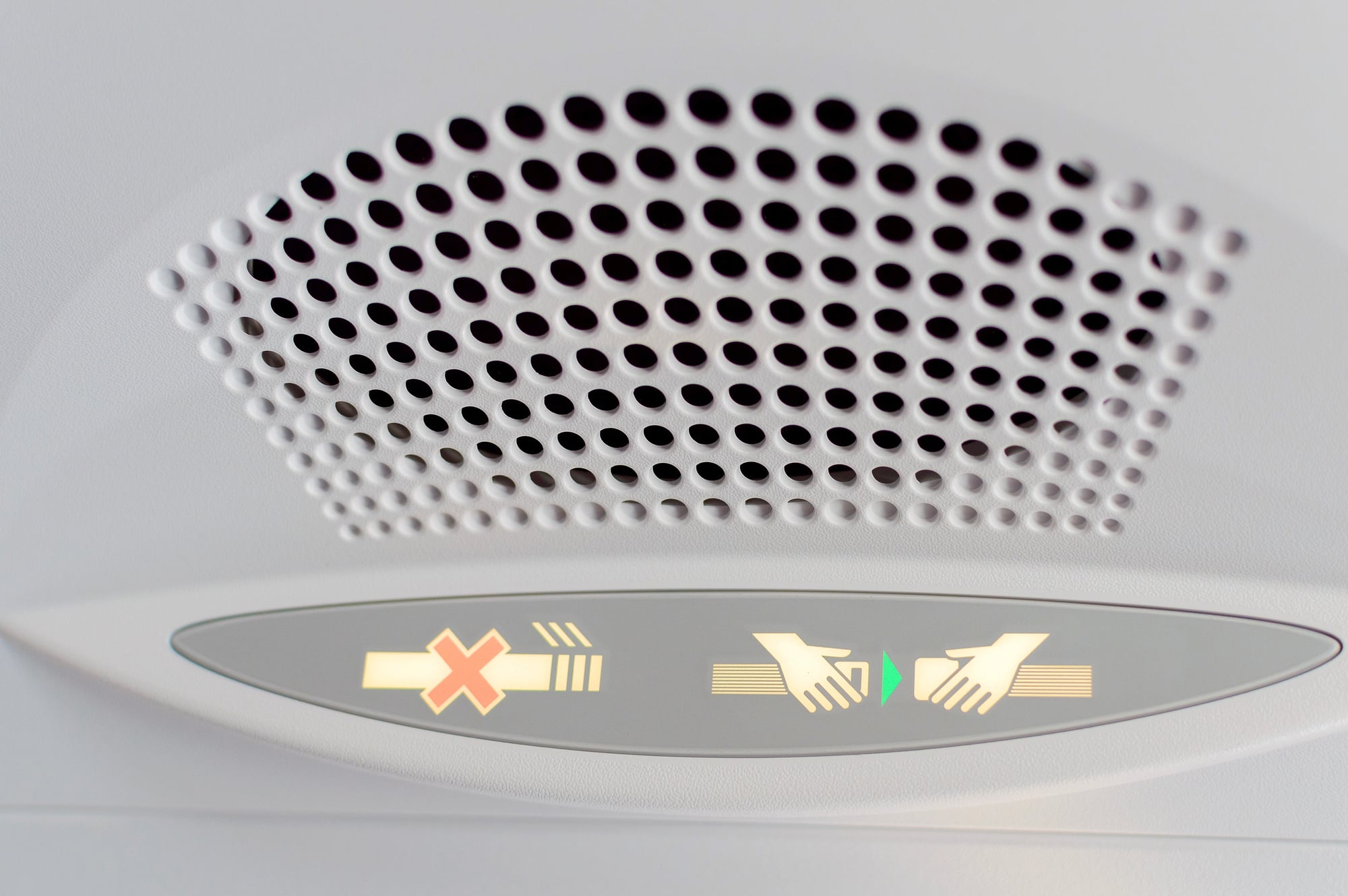
Although smoking bans changed slowly, a key event in 1973 saw Varig Flight 820 crash killing 123 people as a cigarette-ignited fire in a bathroom set off. This tragedy hastened the installation of automatic fire extinguishers and smoke detectors in aircraft lavatories.
Smoking was banned on almost all international flights by 2000, proving how one disaster can drive more safety changes that could otherwise take decades.
Passenger Name Records

The requirement for airlines to collect detailed Passenger Name Record data became standardized after the 1985 bombing of Air India Flight 182, which killed 329 people. Investigators discovered that the bombers had checked in luggage containing explosives but never boarded the aircraft themselves.
This led to regulations requiring passenger-baggage reconciliation and more comprehensive collection of traveler information before boarding is permitted.
GPWS Installation
Ground Proximity Warning Systems became mandatory after Eastern Air Lines Flight 401 crashed into the Florida Everglades in 1972, killing 101 people. The pilots had become distracted by a malfunctioning landing gear indicator light and failed to notice their gradual descent.
Modern GPWS equipment now loudly alerts pilots with the unmistakable warning ‘TERRAIN, TERRAIN, PULL UP’ when aircraft get too close to the ground, preventing similar accidents caused by momentary distraction.
Life Vest Requirements
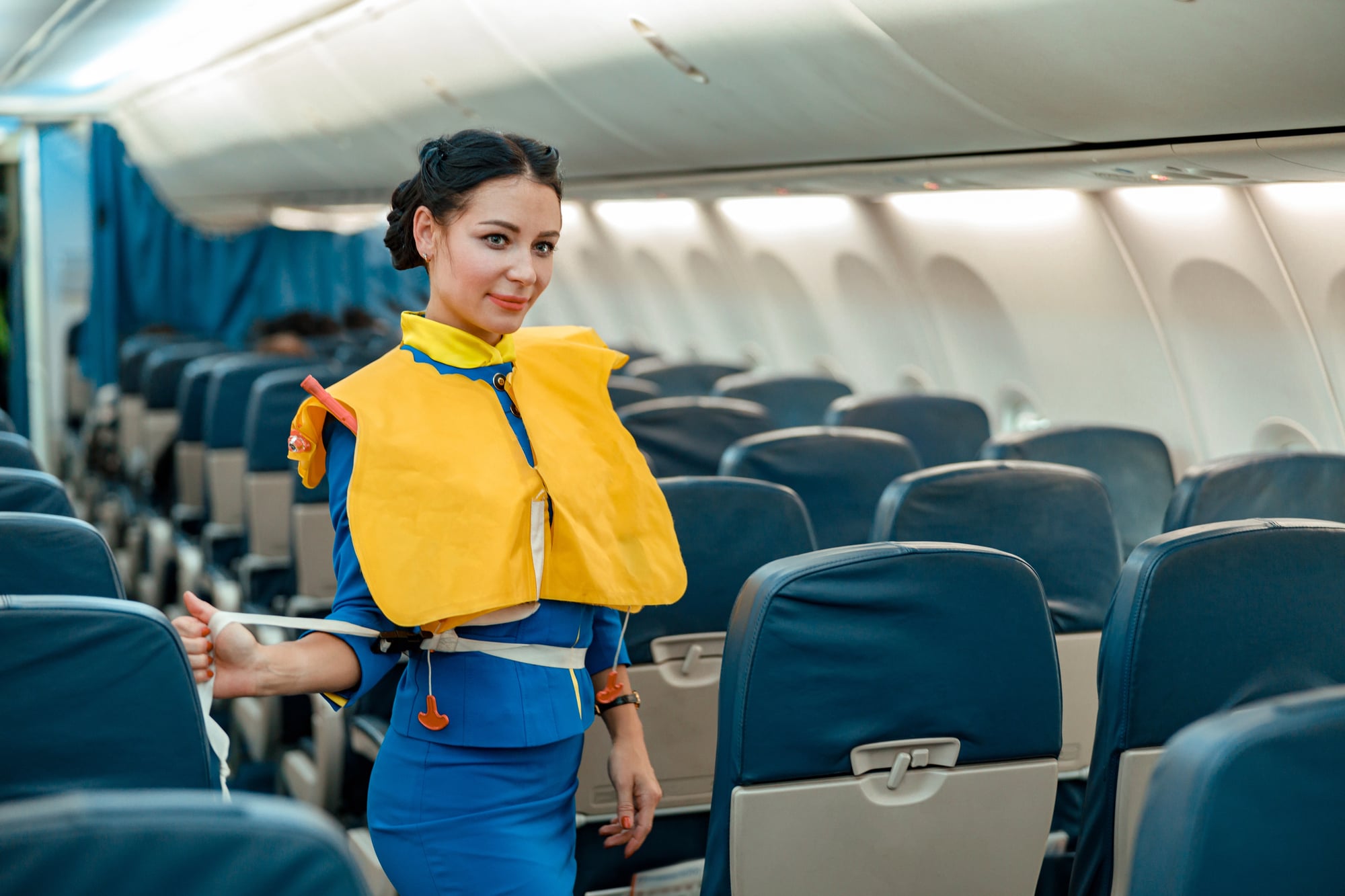
The requirement for life vests on all flights, even those not crossing large bodies of water, was strengthened after USAir Flight 1549 made its miraculous emergency landing on the Hudson River in 2009. Captain Chesley ‘Sully’ Sullenberger’s skilled water landing demonstrated that even flights not planned over water might need flotation devices.
The incident transformed what some viewed as excessive regulation into an acknowledged necessity.
Unattended Baggage Announcements

Those repetitive announcements about not leaving baggage unattended stem directly from the 1985 bombing at Tokyo’s Narita Airport. In this incident, a bag containing explosives was left in the baggage claim area, killing two airport employees.
This single event changed how airports worldwide handle security announcements and approach unattended items, with many implementing immediate evacuation protocols when suspicious packages are discovered.
Window Shades Up for Takeoff

The requirement to raise window shades during takeoff and landing became standard after a British Airtours flight caught fire during takeoff in 1985, killing 55 people. Investigators found that open window shades allow passengers and crew to spot external hazards before evacuation and help their eyes adjust to outside light conditions.
This simple action, born from tragedy, provides crucial seconds of visibility during emergencies.
Clear View 30 Rule

After several near-misses in the early 2000s involving pilots attempting to take off from the wrong runway, the ‘Clear View 30’ rule was implemented. This regulation requires pilots to have at least 30 minutes of improved visibility before attempting certain low-visibility takeoffs.
A particularly notable incident at Lexington, Kentucky in 2006, where pilots attempted takeoff from the wrong runway resulting in 49 fatalities, spurred this rule’s widespread adoption.
Child Safety Restraint Systems

For decades, children under two could fly on a parent’s lap without their own seat. This changed dramatically after United Airlines Flight 232 crashed in Sioux City in 1989. A mother on that flight was unable to hold her child on her lap during the crash sequence, despite her best efforts.
Though the child initially survived the impact, he later succumbed to his injuries. This heartrending case led to strengthened recommendations about child safety restraints on aircraft.
TCAS Collision Avoidance

Traffic Collision Avoidance Systems became mandatory after the 1986 collision between Aeromexico Flight 498 and a private aircraft over Cerritos, California. This mid-air collision, which killed 82 people, occurred in part because neither aircraft was aware of the other’s presence.
TCAS now provides pilots with automated warnings and resolution advisories when aircraft get too close, creating an additional layer of protection beyond air traffic control instructions.
Aviation’s Evolving Playbook
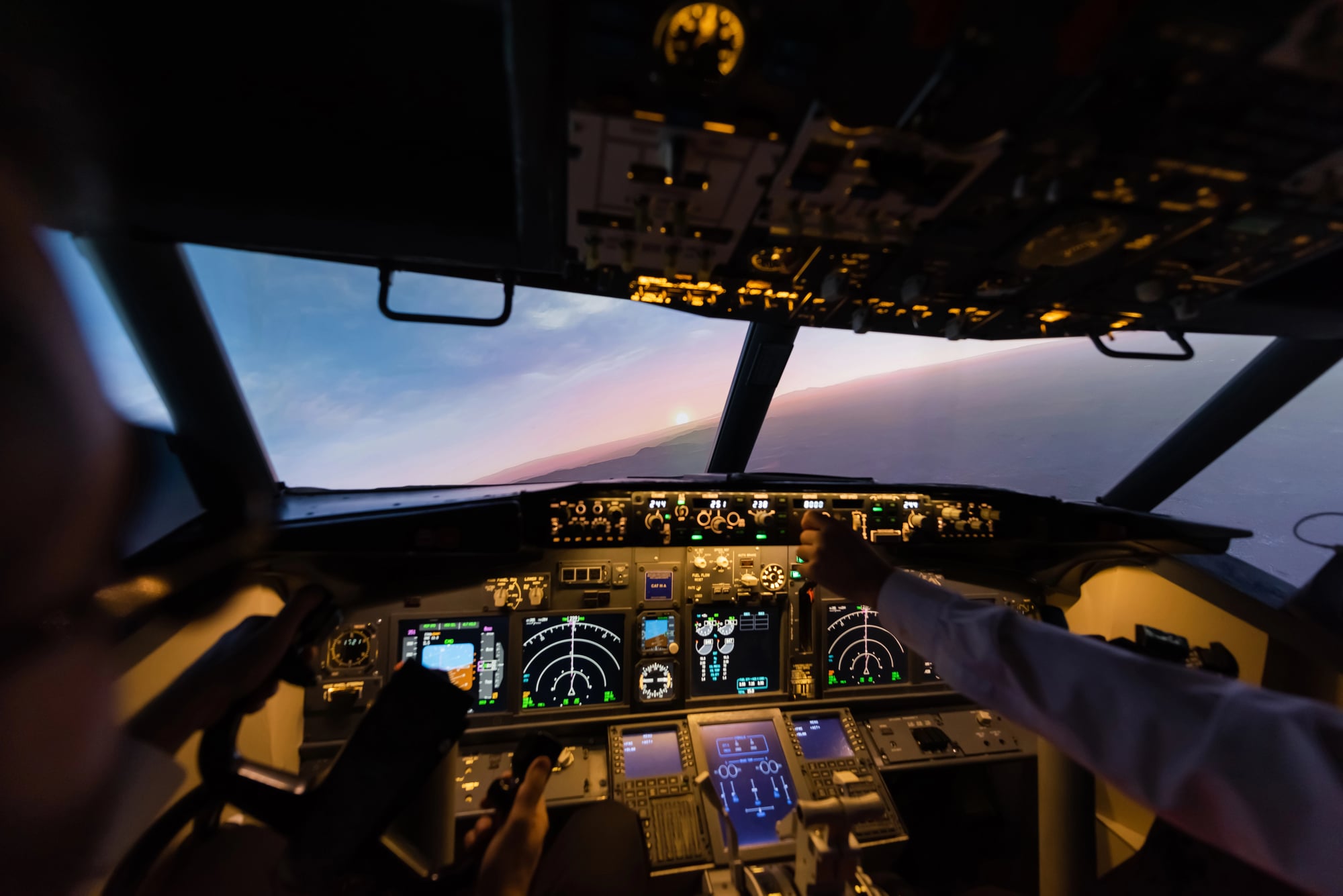
Air travel safety rules rarely emerge from hypothetical scenarios. Instead, they’re often written in response to real incidents that expose vulnerabilities in existing systems.
Each regulation tells a story of adaptation, with human ingenuity responding to unforeseen challenges. The next time you’re annoyed by an aviation rule, remember that there’s likely a compelling reason behind it—one that might have saved countless lives since its implementation.
This reactive approach to safety has made air travel the safest form of transportation available today. These fifteen examples represent just a fraction of the countless adjustments made over decades of commercial aviation, each contributing to an impressive safety record that continues to improve with every lesson learned.
More from Go2Tutors!

- The Romanov Crown Jewels and Their Tragic Fate
- 13 Historical Mysteries That Science Still Can’t Solve
- Famous Hoaxes That Fooled the World for Years
- 15 Child Stars with Tragic Adult Lives
- 16 Famous Jewelry Pieces in History
Like Go2Tutors’s content? Follow us on MSN.