15 Little-Known Facts About Antarctica’s Frozen Landscape
Antarctica captures the imagination like nowhere else on Earth. This vast, white continent at the bottom of the world seems almost otherworldly in its extremes — temperatures that can freeze metal, winds that howl across endless ice, and a silence so complete it can feel overwhelming.
Yet beneath its seemingly barren surface lies a landscape full of surprises, hidden features, and phenomena that challenge everything most people think they know about this frozen wilderness.
Blood Falls
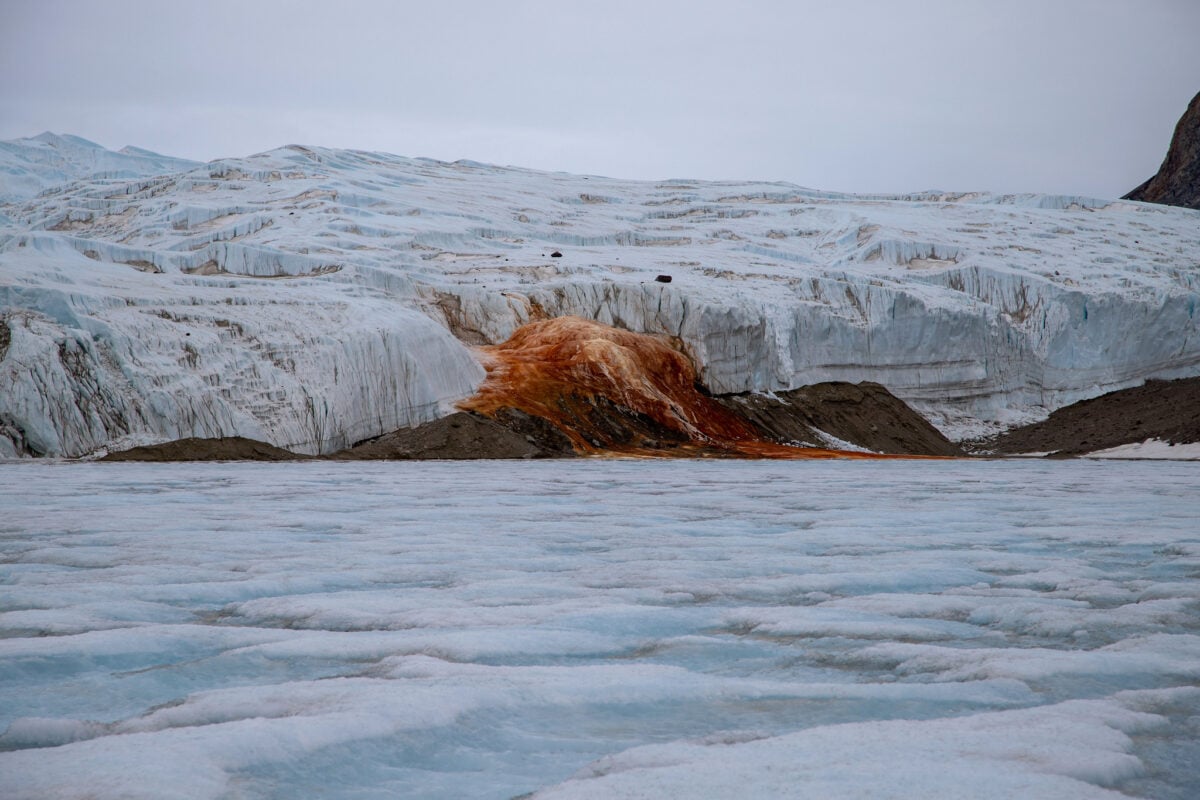
Antarctica bleeds red water. Blood Falls looks exactly like what the name suggests — a crimson waterfall streaming down Taylor Glacier.
The color comes from iron oxide in ancient saltwater that’s been trapped beneath the ice for millions of years.
Gamburtsev Mountains
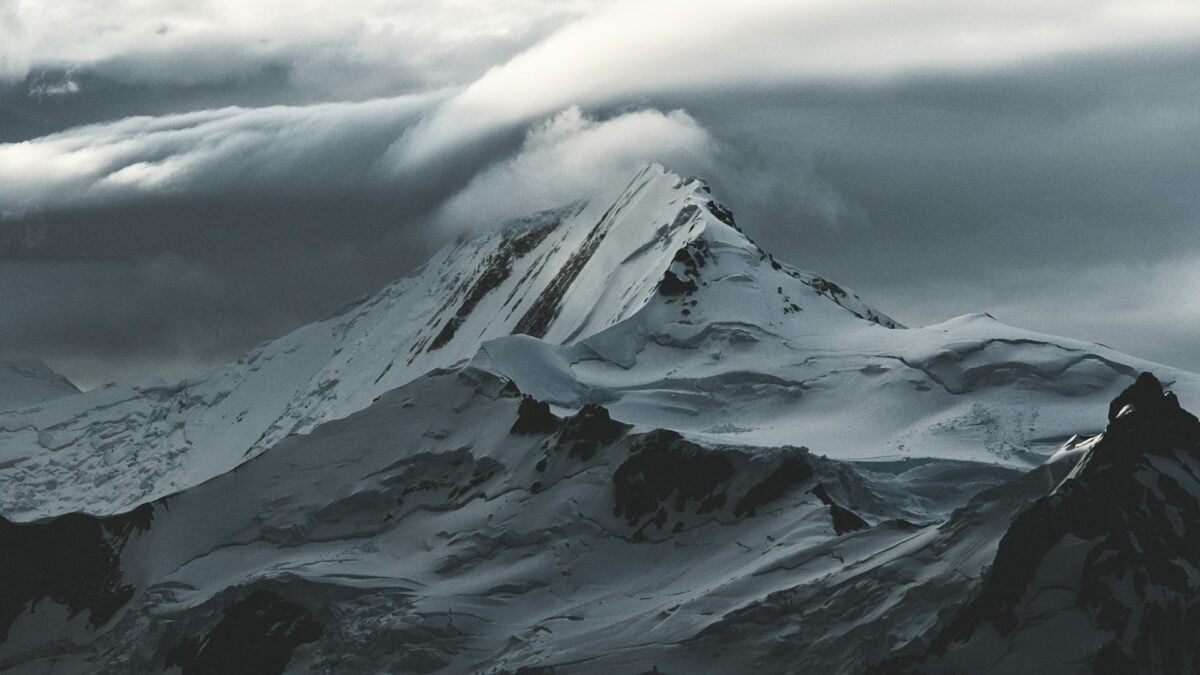
Buried beneath two miles of ice sits a mountain range the size of the Alps. The Gamburtsev Mountains were only discovered in the 1950s, and scientists still debate how they formed.
These peaks rise over 11,000 feet from the bedrock, completely hidden from view. So here’s the thing about Antarctica that gets overlooked in all the talk about penguins and polar exploration: it’s not just ice sitting on flat ground — there’s an entire hidden topography down there that would rival any continent if you could see it.
The landscape beneath all that frozen water (because that’s what ice is, after all, just water that decided to stick around for a few million years) includes valleys deeper than the Grand Canyon, lakes that have been sealed off from the rest of the world since before complex life existed, and mountain ranges that stretch for hundreds of miles without a single human having ever seen them directly. And yet we’ve mapped them with radar and seismic equipment, creating these ghostly portraits of a world that exists in permanent darkness.
Dry Valleys
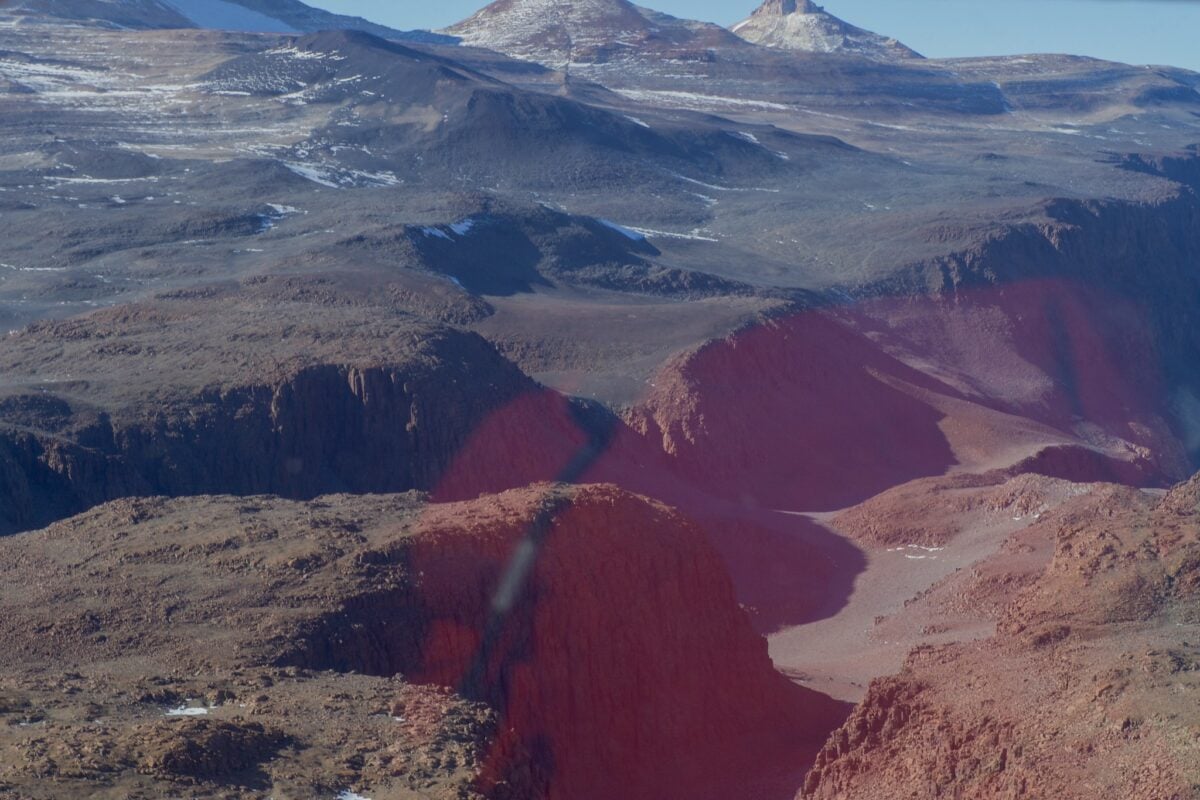
Antarctica has deserts. The McMurdo Dry Valleys receive no snowfall and contain no ice — just exposed rock, gravel, and soil.
These valleys are so dry and cold that they’re used as Mars analogs for space mission training. The wind here strips away any moisture before it can settle.
Some areas haven’t seen precipitation in over two million years. The landscape looks more like an alien planet than anywhere on Earth.
Moving Ice Streams
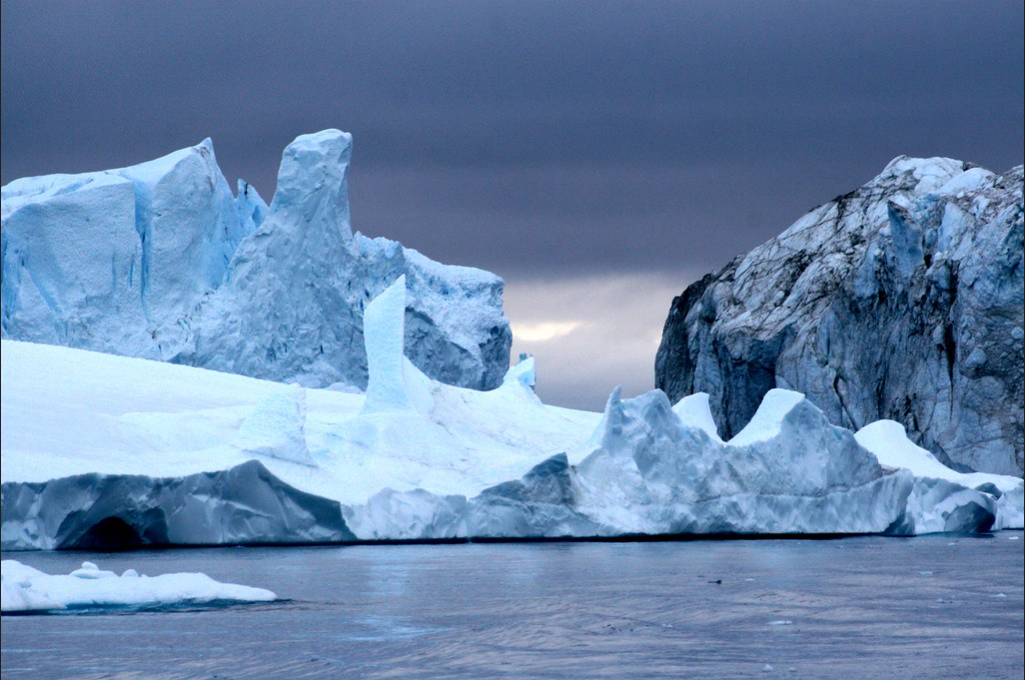
The ice sheet moves like slow-motion rivers. These ice streams can flow several feet per day, carrying massive amounts of ice from the interior toward the coast.
Some move faster than others, creating a complex network of frozen currents beneath the surface. Think of it like a conveyor belt that’s been running for millennia, constantly reshaping the continent in ways invisible to casual observation.
Subglacial Lakes
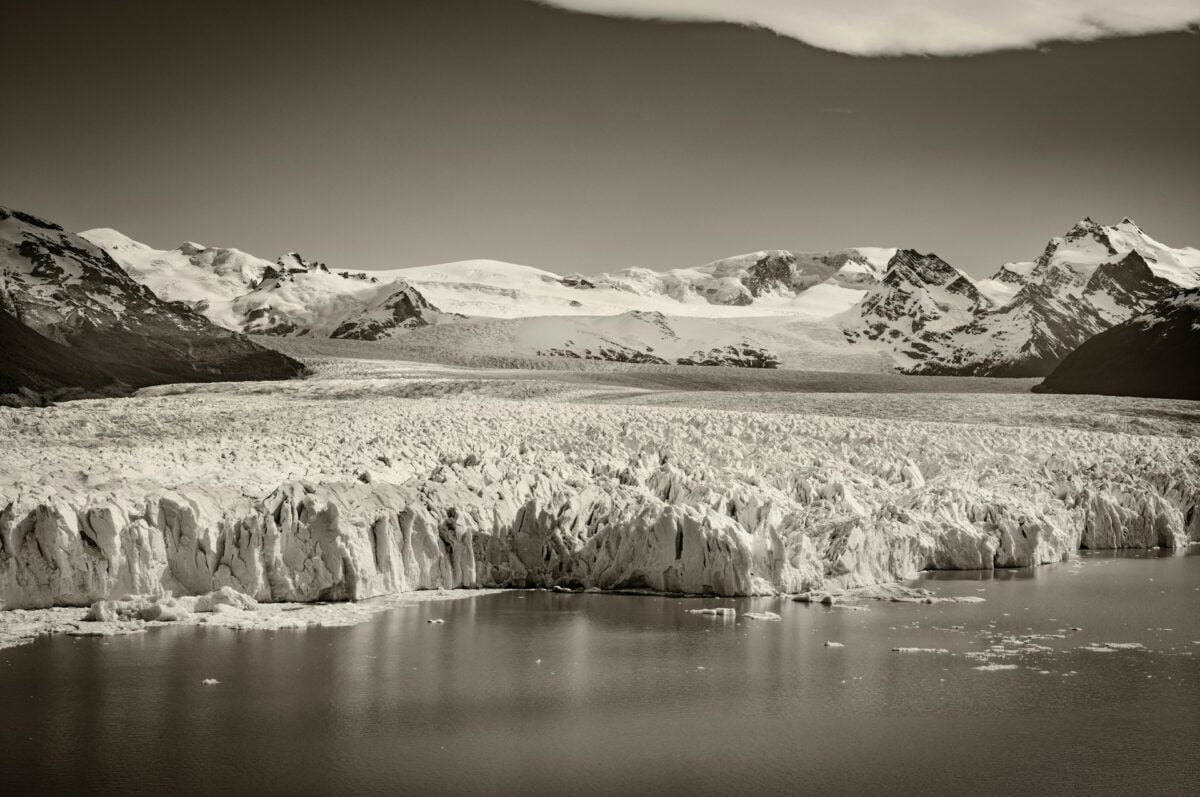
Lake Vostok is larger than Lake Ontario and sits beneath 2.5 miles of ice. This subglacial lake has been sealed off from the surface for at least 15 million years.
Scientists believe it may contain life forms that evolved in complete isolation from the rest of the planet. Over 400 other subglacial lakes have been discovered across Antarctica.
Each one represents a potential time capsule of ancient life.
Ice Thickness Extremes
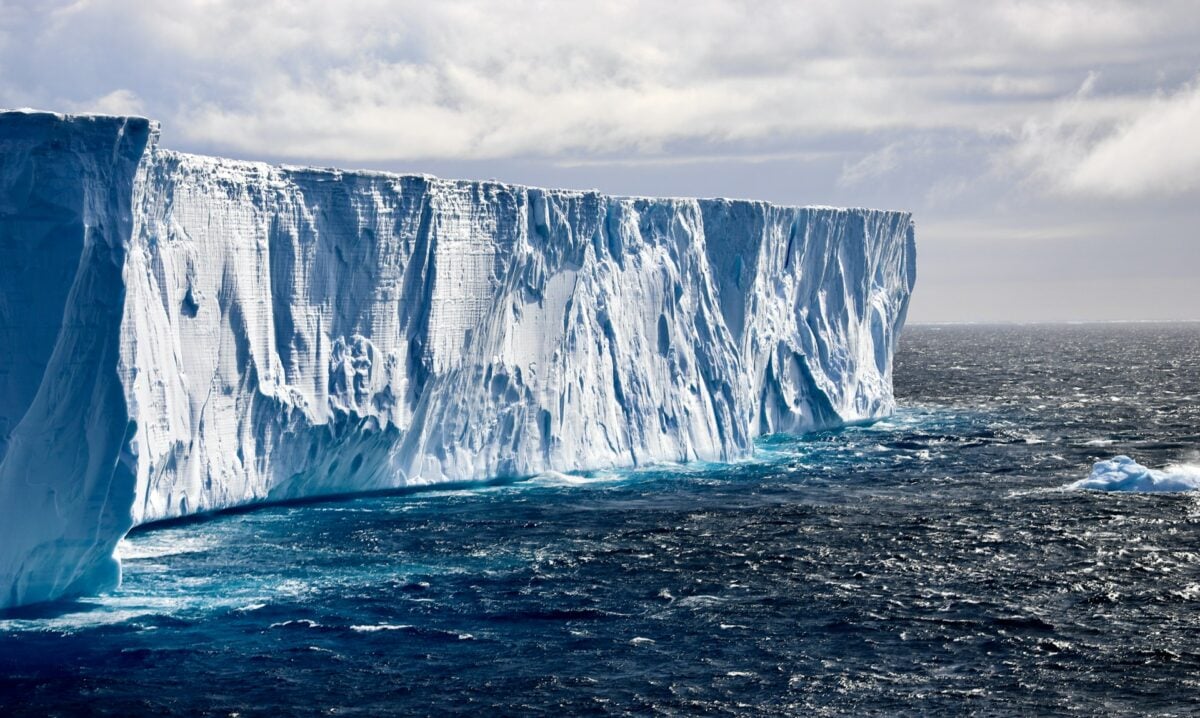
The ice gets absurdly thick in some places — over 15,000 feet deep in certain areas (that’s nearly three miles of solid ice, which means if you could somehow drill straight down, you’d pass through ice for longer than it takes to drive across most small states). But here’s what makes this even stranger: the weight of all that ice actually pushes the bedrock down, creating depressions that would be below sea level if the ice disappeared, which means parts of Antarctica are essentially giant bowls that would flood if the ice melted.
And in other areas, the ice is surprisingly thin, sometimes just a few hundred feet thick, creating this patchwork of depths that makes the whole continent feel like a layer cake where someone forgot to make the layers even.
Katabatic Winds
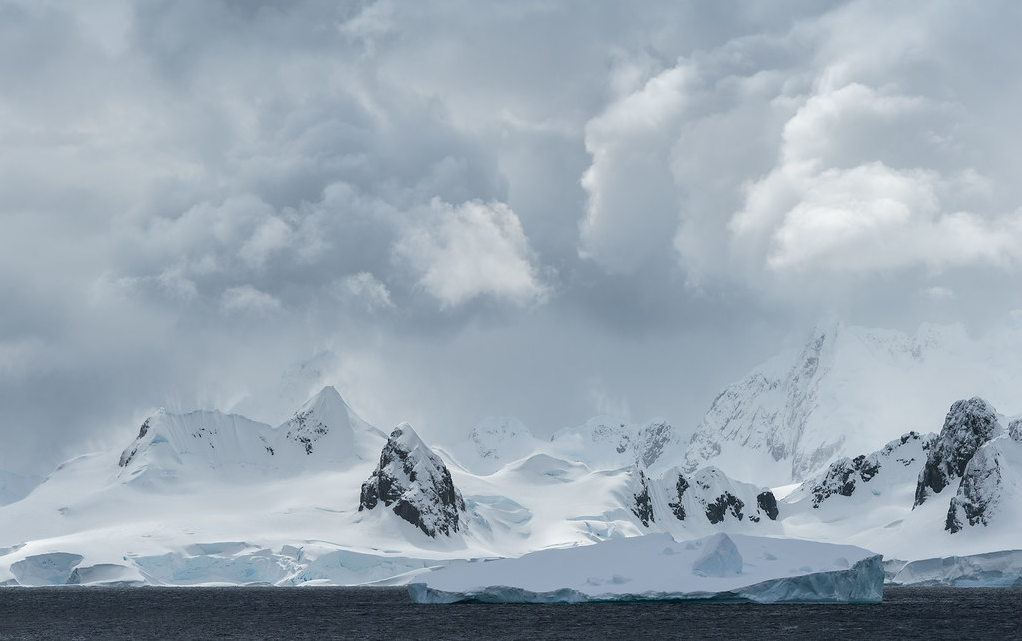
Antarctica creates its own weather system through katabatic winds that can reach over 200 mph. These winds form when cold, dense air flows downhill from the interior ice sheet toward the coast.
The air becomes so compressed and accelerated that it can knock a person off their feet from miles away.These aren’t regular storms — they’re constant, predictable, and powerful enough to scour the landscape clean.
Ice Shelves
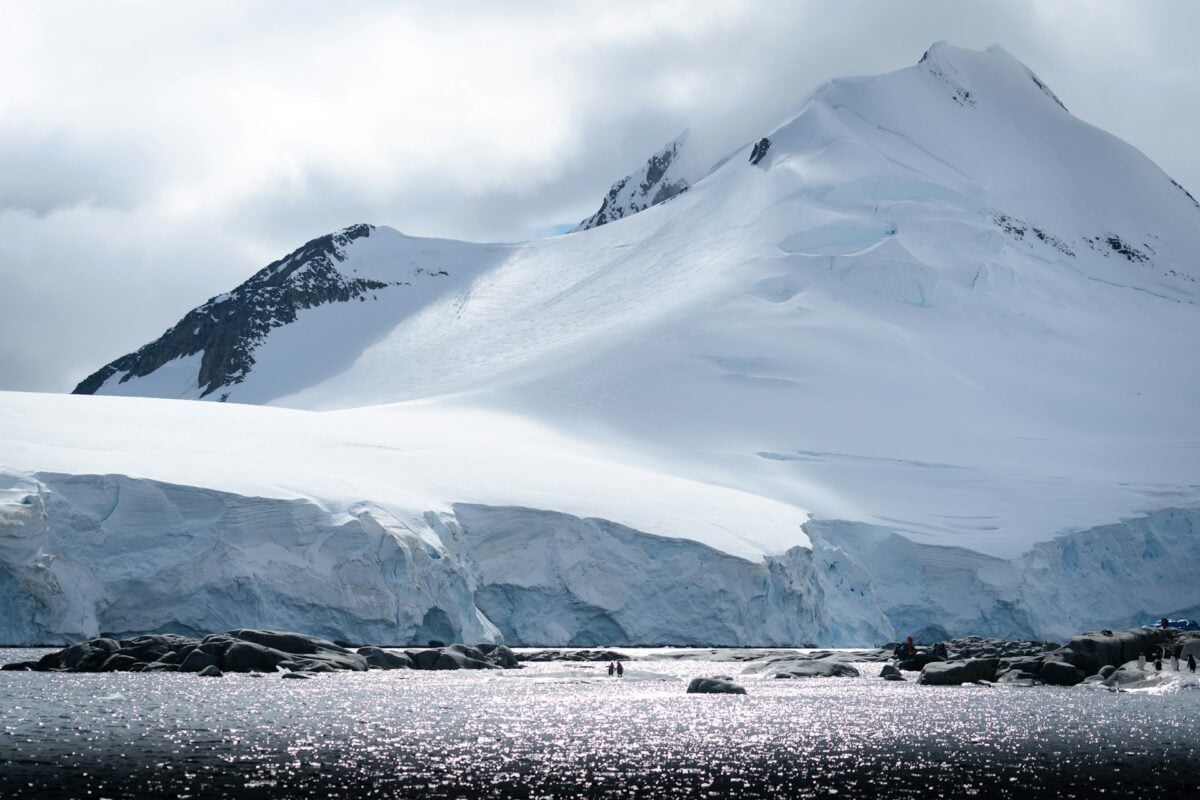
Picture a wooden deck extending out over a lake, except the deck is made of ice hundreds of feet thick and extends for thousands of square miles over the ocean. That’s an ice shelf — a floating extension of the continental ice sheet that can be larger than entire countries.
The Ross Ice Shelf alone is roughly the size of France, bobbing gently (if something that massive can be said to bob) on the Southern Ocean while remaining attached to the mainland by what amounts to a hinge of compressed snow and ice. These shelves breathe with the tides, rising and falling by several feet twice daily, creating stress fractures and crevasses that appear and disappear like cracks in old paint.
When pieces break off — a process called calving — they create icebergs that can drift in the ocean for decades, carrying chunks of ancient Antarctic ice to warmer waters where they slowly surrender their frozen history to the sea.
Fossil Discoveries
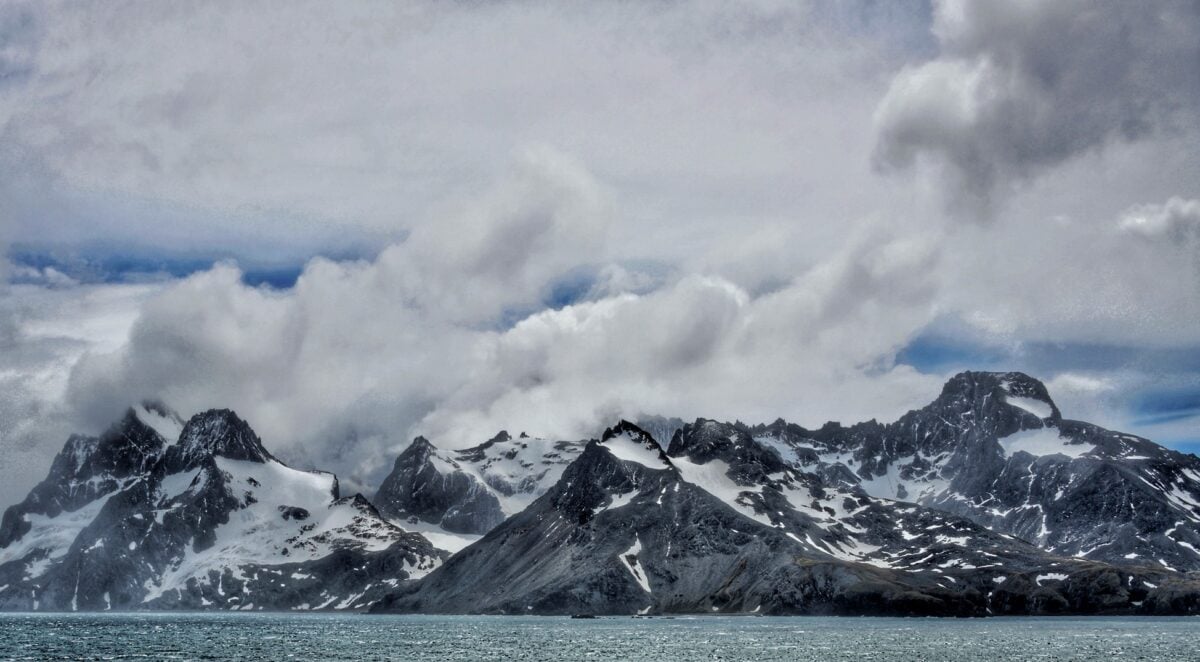
Antarctica used to be tropical. Coal deposits and fossils of temperate plants prove this continent once sat near the equator before continental drift moved it south.
Paleontologists have found remains of dinosaurs, ancient forests, and even early mammals. The continent preserves a record of Earth’s climate going back hundreds of millions of years.
Each fossil discovery rewrites the story of how dramatically our planet has changed.
Volcanic Activity
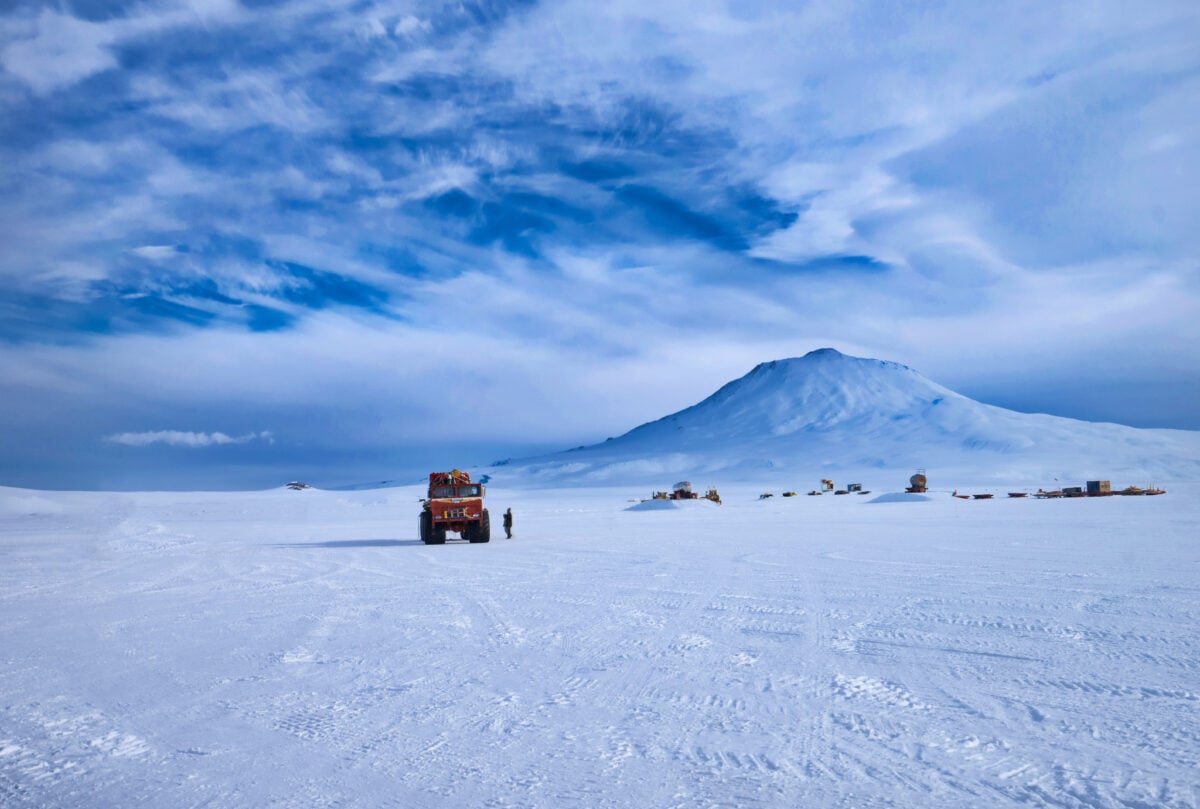
Antarctica has active volcanoes hiding beneath the ice (because apparently a continent covered in miles of frozen water wasn’t dramatic enough — it needed underground fire too). Mount Erebus has been erupting continuously since 1972, creating the surreal image of lava fountains surrounded by ice, and scientists keep discovering new volcanic activity beneath the ice sheet that suggests there’s a whole network of geothermal features down there warming the bedrock and creating pockets of liquid water in places where everything should be frozen solid.
So while the surface temperature can drop to minus 128 degrees Fahrenheit, there are spots where the ground itself is heated from below, creating these bizarre microclimates that exist in complete darkness under miles of ice.
Unique Ice Formations
Sastrugi are wind-carved ice sculptures that cover much of Antarctica’s surface. These ridges and waves in the snow can reach several feet high and create a landscape that looks like a frozen sea caught mid-storm.
The formations are sharp enough to damage equipment and difficult enough to navigate that they influence where research stations can be built. Nature becomes the architect here.
Meteorite Collection
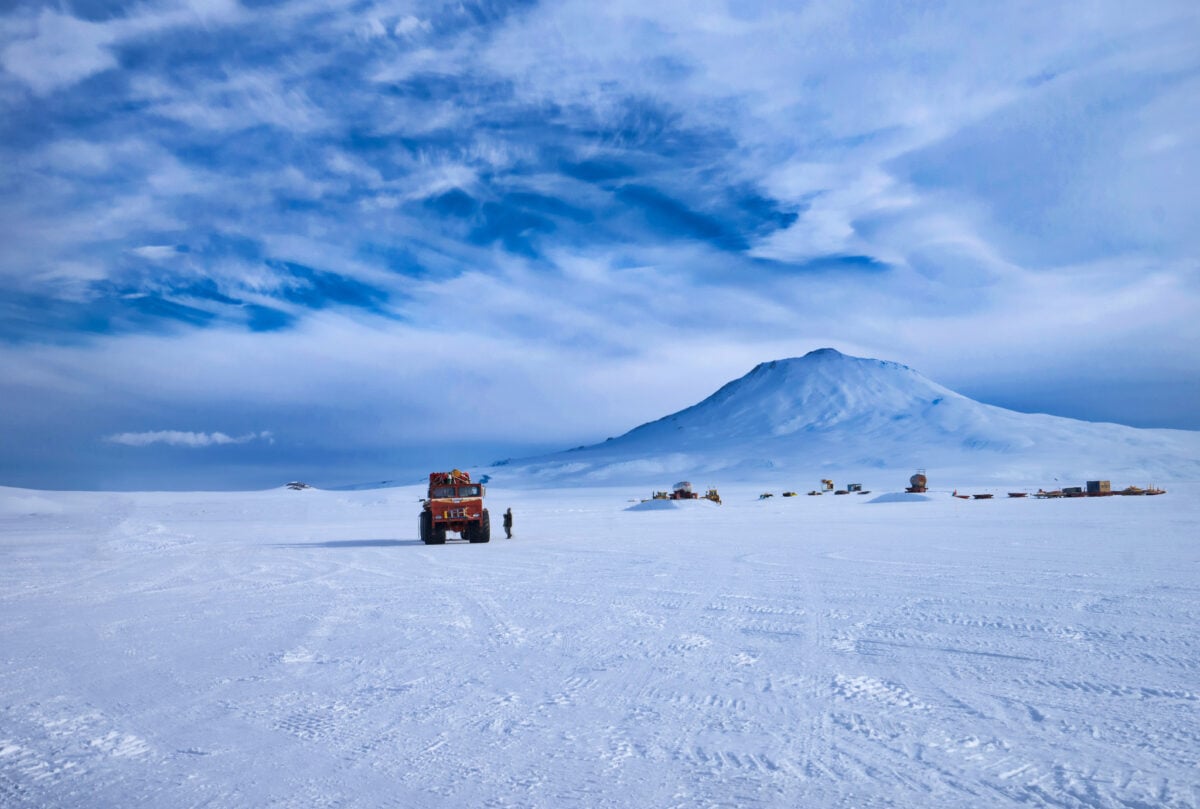
Antarctica is the best place on Earth to find meteorites, not because more of them fall there, but because the ice preserves them and concentrates them in specific areas. The white surface makes dark meteorites easy to spot, and the cold, dry conditions prevent them from weathering away.
Some meteorites found in Antarctica are over four billion years old — older than any rock formation on Earth. They provide snapshots of the early solar system.
Ice Core Records
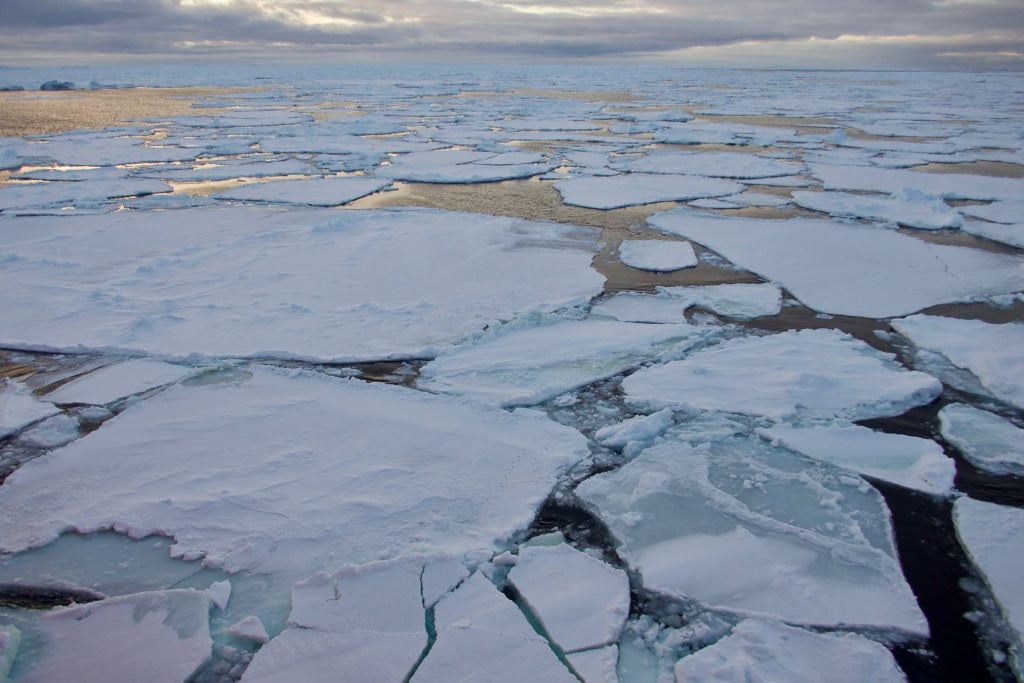
Every layer of ice tells a story. Ice cores drilled from Antarctica provide a detailed climate record going back nearly a million years.
Scientists can read atmospheric conditions, volcanic eruptions, and even asteroid impacts from these frozen archives. The ice traps ancient air bubbles that contain samples of Earth’s atmosphere from thousands of years ago. It’s like having a time machine that runs on frozen water.
Sound Behavior
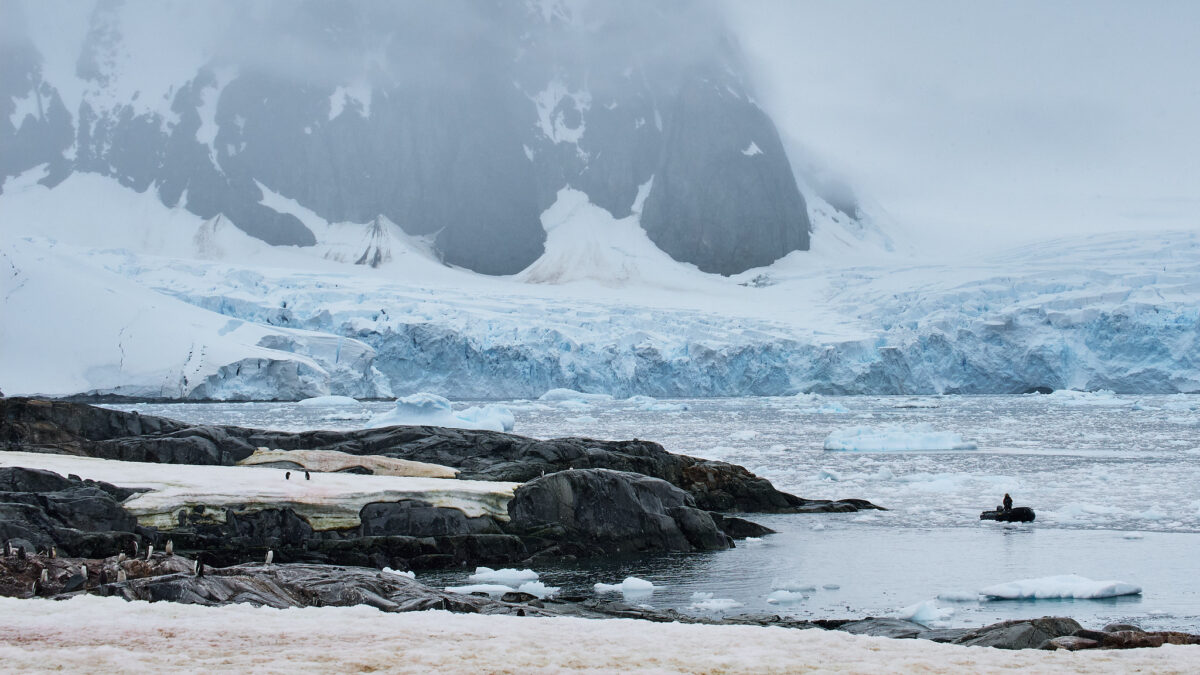
The cold does strange things to sound in Antarctica. Conversations can be heard clearly from miles away on calm days, while other times voices seem to disappear just feet from the speaker.
The extreme cold makes the air so dense that sound travels differently than anywhere else on Earth. Some researchers report hearing phantom sounds — voices, machinery, or music — in the complete silence of the interior.
The brain, starved for auditory input, begins creating its own soundtrack to fill the void.
The Persistence of Mystery
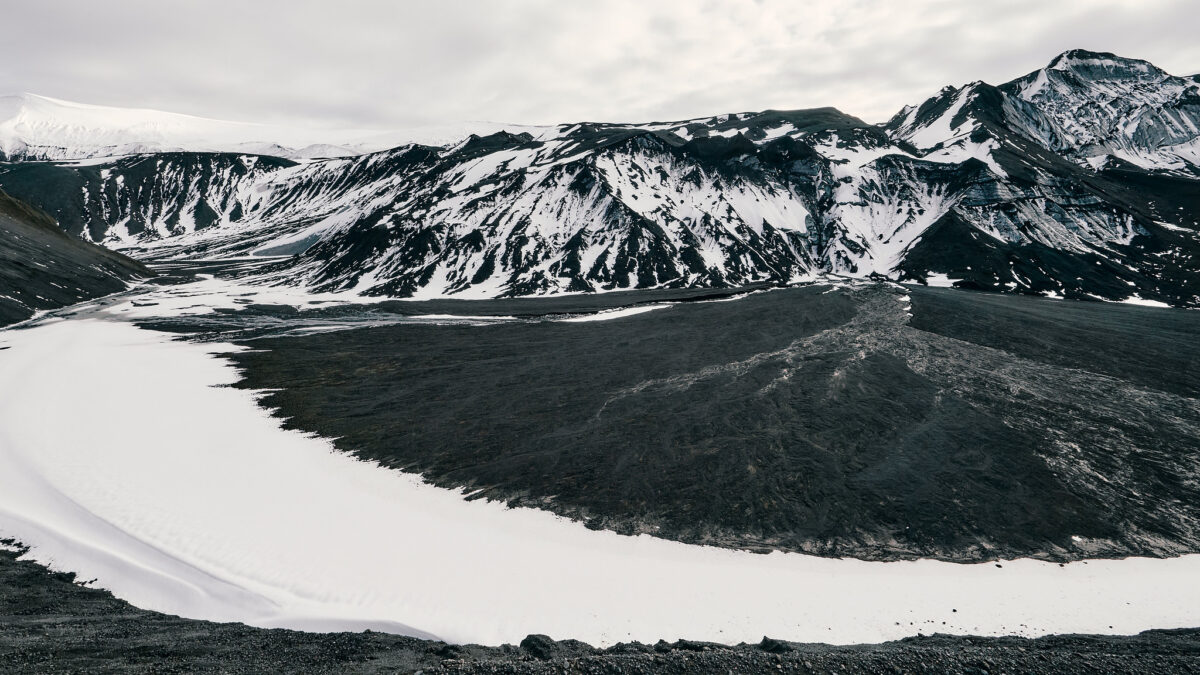
What strikes you most about these hidden aspects of Antarctica isn’t just their scale or strangeness, but how they remind you that Earth still holds secrets. Here’s a continent that we’ve been studying for over a century, and we’re still discovering mountain ranges, underground rivers, and entire ecosystems that have been quietly existing beneath our feet.
The frozen landscape that appears so static and lifeless from the surface turns out to be dynamic, complex, and full of activity that happens just outside human perception. That feels like something worth remembering in an age when it’s easy to assume everything has already been found and mapped and explained.
More from Go2Tutors!

- The Romanov Crown Jewels and Their Tragic Fate
- 13 Historical Mysteries That Science Still Can’t Solve
- Famous Hoaxes That Fooled the World for Years
- 15 Child Stars with Tragic Adult Lives
- 16 Famous Jewelry Pieces in History
Like Go2Tutors’s content? Follow us on MSN.