15 Largest Empires in History by Land Area
Long ago, strength came from how much ground a ruler owned. When empires grew wider, they grabbed more wealth, ruled larger crowds, yet their reach still faded at distant edges.
Color spilled across paper landscapes, each shade showing hunger just as clearly as borders did. What stood on maps often shouted who held sway.
Yet size by itself misses key details. Even so, some empires grew fast but fell faster.
In contrast, others kept huge lands united using systems of rule, commerce, or common beliefs. Now comes a clear view of the fifteen biggest empires ever.
Each one appears here based on how much land it ruled at its height. The measure used is square miles.
Focusing on size shows much about the times behind these vast empires. Looking closer uncovers why they expanded so far.
British Empire

At its height in the early twentieth century, the British Empire covered roughly 13.7 million square miles, making it the largest empire the world has ever seen. Its reach spanned every inhabited continent, connected by naval power and trade routes rather than continuous land borders.
Control was often indirect, relying on local administrations, economic influence, and strategic ports. That flexibility helped Britain govern distant territories without maintaining massive standing armies everywhere.
The empire’s scale reshaped global politics, trade, and language in ways that are still visible today.
Mongol Empire
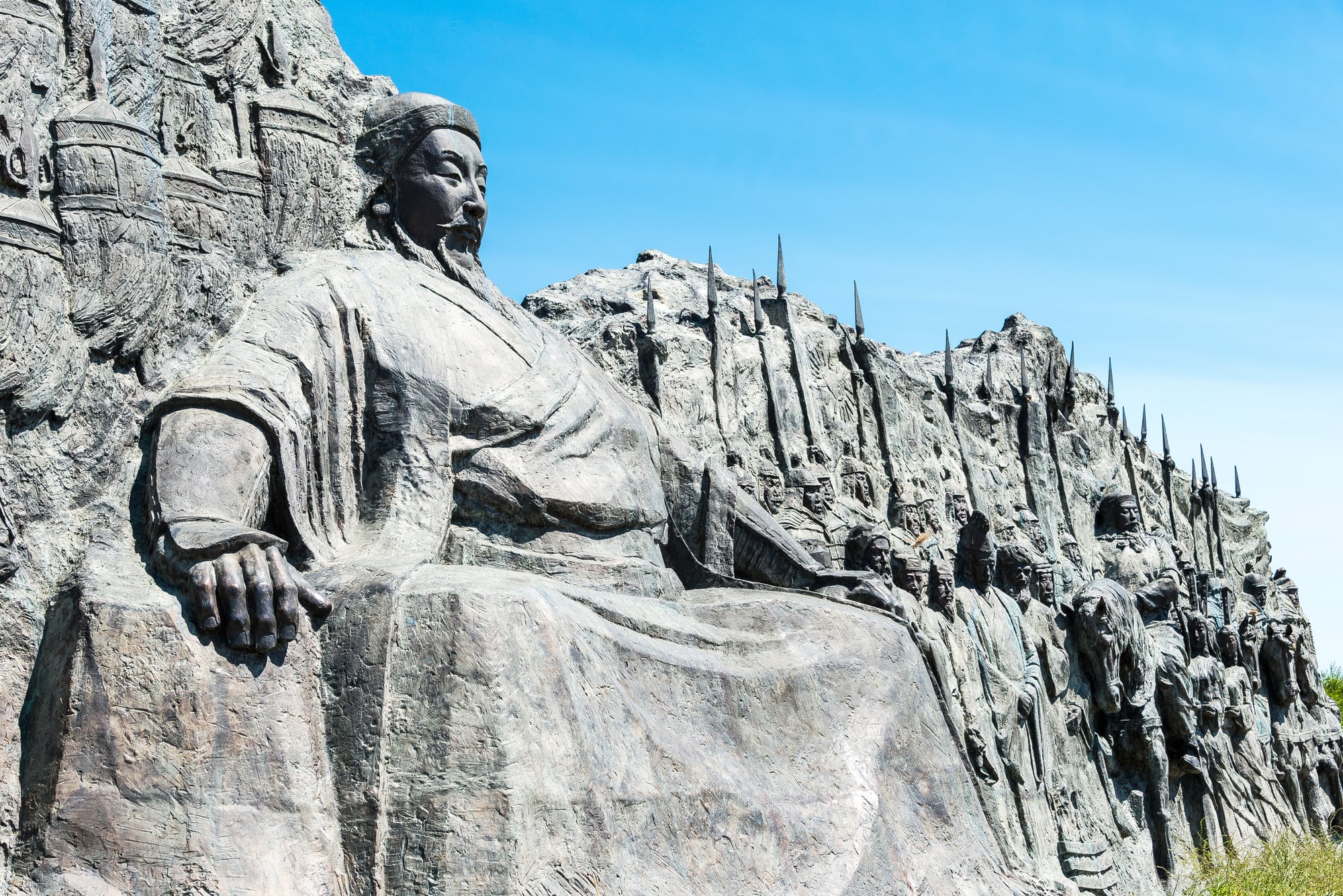
The Mongol Empire remains the largest contiguous land empire in history, stretching across about 9.3 million square miles at its peak. Built through rapid conquest under leaders like Genghis Khan, it connected East Asia with Eastern Europe in a single political entity.
Speed, mobility, and military innovation allowed the Mongols to overwhelm larger but slower states. Even so, governing such a vast and diverse territory proved difficult.
After a few generations, the empire fractured into separate khanates that followed their own paths.
Russian Empire
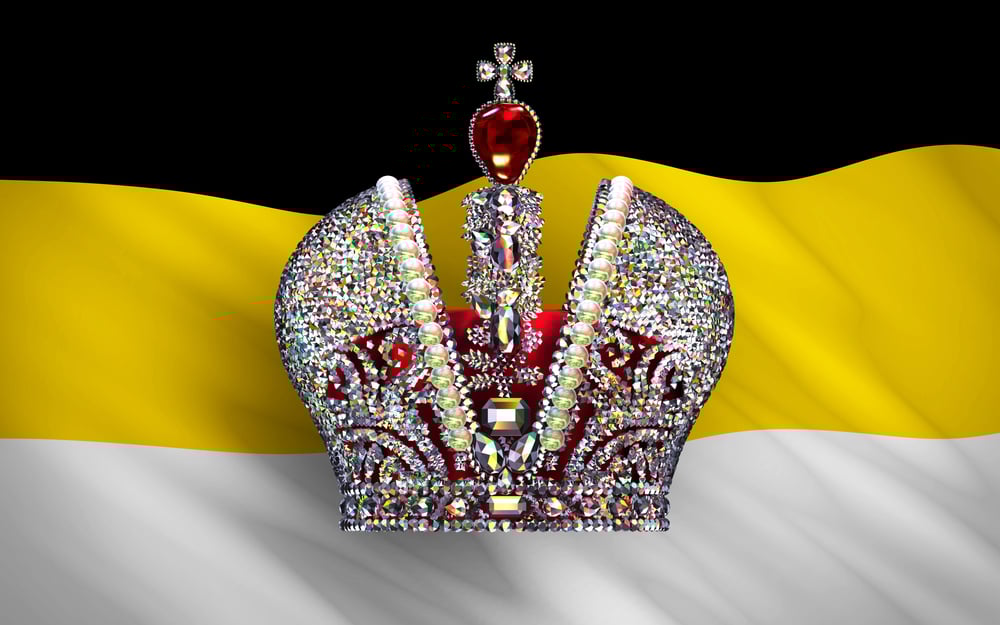
By the late nineteenth century, the Russian Empire controlled close to 8.8 million square miles. Its expansion was largely land-based, pushing eastward across Siberia rather than overseas.
This created a massive, continuous territory that spanned Europe and Asia. The empire’s size came with logistical challenges, from harsh climates to long communication lines.
Even so, its vast land holdings helped shape Russia’s enduring identity as a continental power rather than a maritime one.
Qing dynasty

At its peak in the eighteenth century, the Qing dynasty ruled around 5.7 million square miles. This made it the largest dynasty in Chinese history by territory.
Expansion into Central Asia brought diverse regions under imperial control, including areas with very different cultures and climates. The Qing relied on a mix of military force and administrative adaptation to maintain stability.
That territorial breadth played a key role in shaping the modern boundaries of China.
Spanish Empire
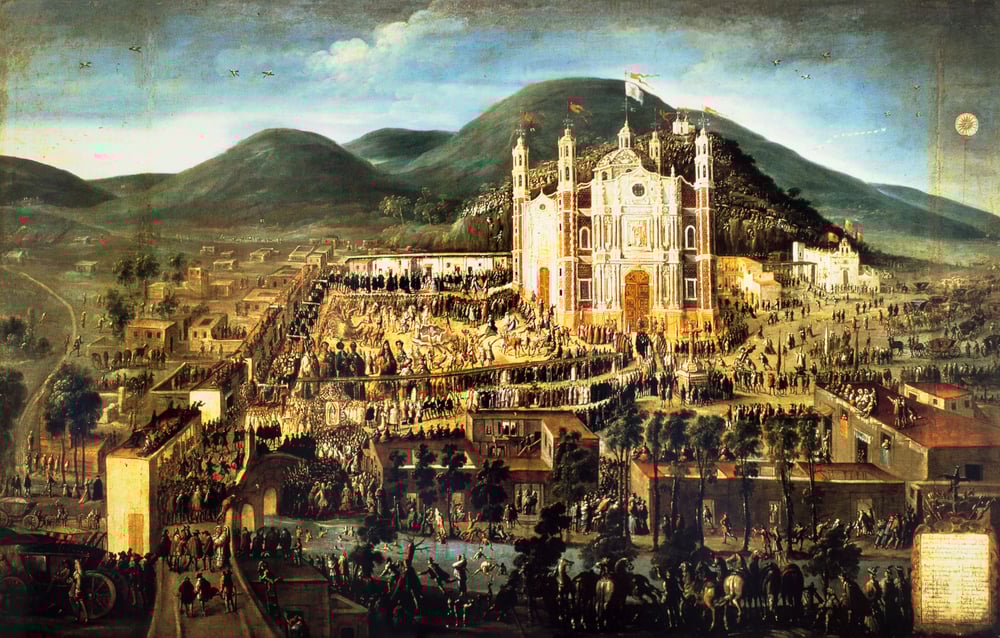
The Spanish Empire reached roughly 5.3 million square miles during its height in the sixteenth and seventeenth centuries. It was one of the first truly global empires, linking Europe, the Americas, and parts of Asia through colonial rule.
Vast American territories supplied wealth that fueled Spain’s influence in Europe. Distance, however, made control uneven and costly.
Over time, administrative strain and regional resistance weakened the empire’s grip.
French Colonial Empire
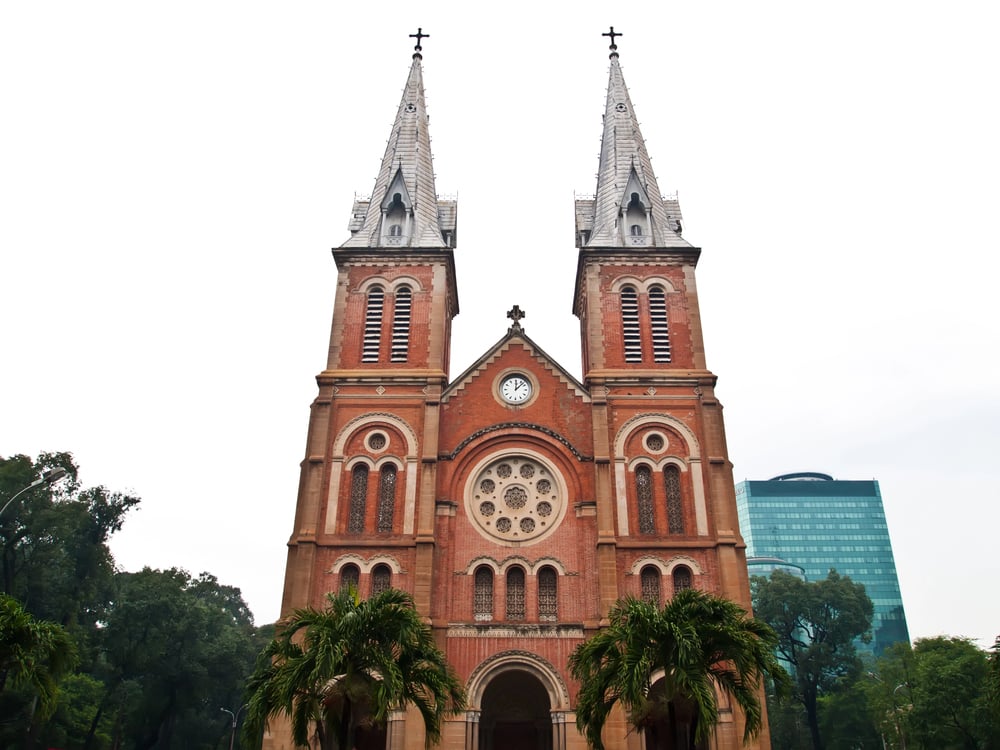
At its greatest extent between the World Wars, the French Colonial Empire covered about 4.4 million square miles. Much of this territory lay in Africa, with additional holdings in Asia and the Pacific.
France emphasized centralized administration and cultural influence, particularly through language and education. While its empire was smaller than Britain’s, it was still immense by global standards.
The legacy of French rule remains visible across several continents today.
Umayyad Caliphate

The Umayyad Caliphate expanded rapidly in the seventh and eighth centuries, reaching approximately 4.3 million square miles. In just a few decades, it stretched from the Iberian Peninsula to Central Asia.
This growth was driven by military campaigns combined with administrative continuity from earlier empires. Arabic became a unifying language of governance across vast distances.
Despite its size, internal tensions eventually led to its replacement by the Abbasids.
Abbasid Caliphate
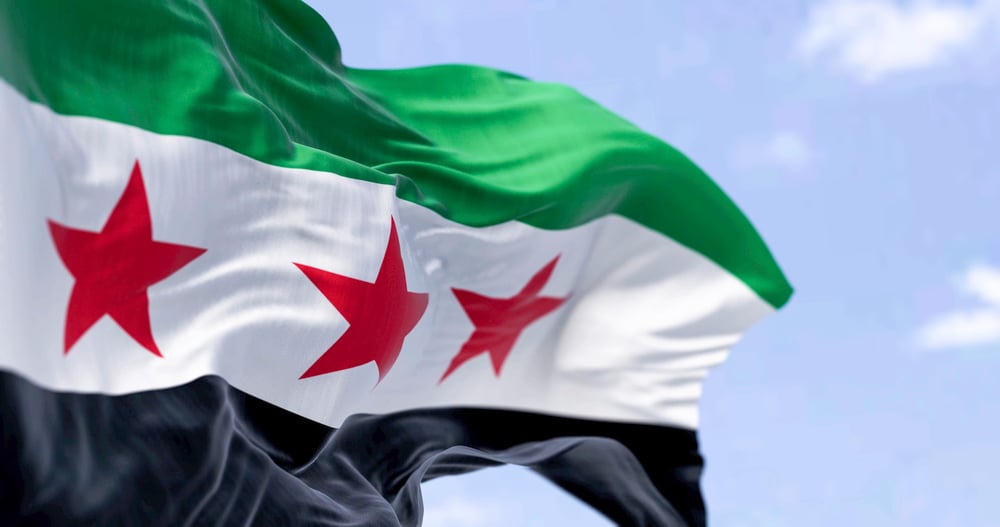
The Abbasid Caliphate controlled around 4.1 million square miles at its peak. While slightly smaller than the Umayyad realm, it became a center of learning, trade, and culture.
Its capital, Baghdad, sat at the crossroads of major trade routes. Over time, real power fragmented as regional rulers gained autonomy.
Even so, the Abbasid era left a lasting intellectual and cultural legacy that outlived its political unity.
Yuan dynasty

Founded by Kublai Khan, the Yuan dynasty governed roughly 4 million square miles. It represented the Mongol Empire’s rule over China and nearby regions.
Managing a sedentary population required different strategies than steppe conquest. The Yuan blended Mongol leadership with existing Chinese administrative systems.
Though relatively short-lived, its territory marked an important chapter in East Asian history.
Portuguese Empire

The Portuguese Empire reached close to 4 million square miles at its height, though much of it was scattered across distant coasts. Rather than controlling large inland territories, Portugal focused on ports, trade routes, and naval dominance.
This network-based empire connected Africa, South America, and Asia. Its influence was outsized compared to its population at home.
Over time, stronger rivals eroded its global position.
Ottoman Empire

At its peak in the sixteenth century, the Ottoman Empire spanned about 2 million square miles. It controlled key crossroads between Europe, Asia, and Africa.
Strong central administration and military organization supported its expansion. The empire ruled over many ethnic and religious groups with relative stability for centuries.
Its gradual decline reflected changing trade routes and internal pressures rather than sudden collapse.
Achaemenid Empire

The Achaemenid Empire of ancient Persia covered roughly 2.1 million square miles, making it the largest empire of the ancient world. It pioneered systems of governance that allowed local customs to coexist under imperial rule.
Roads and standardized administration helped maintain control across vast distances. This approach influenced later empires that faced similar challenges.
Its fall came at the hands of Alexander the Great, not internal failure.
Roman Empire

At its greatest extent, the Roman Empire governed around 1.9 million square miles. Its strength lay less in raw size and more in infrastructure, law, and administration.
Roads, cities, and shared legal systems bound distant provinces together. Rome’s borders shifted over time, reflecting both expansion and contraction.
The empire’s cultural influence far outlasted its territorial limits.
Han dynasty

The Han dynasty controlled approximately 2 million square miles during its peak. It consolidated earlier Chinese territories and expanded into Central Asia.
Strong bureaucracy and standardized practices supported long-term stability. The Han period helped define Chinese identity and governance for centuries.
Its territorial reach set a foundation for later dynasties.
Songhai Empire

The Songhai Empire reached around 1.5 million square miles in West Africa during the fifteenth and sixteenth centuries. It controlled vital trade routes across the Sahara, linking inland regions with Mediterranean markets.
Wealth from commerce supported strong central authority. Though less discussed in global narratives, its scale rivaled many contemporary states.
Internal strife and external invasion eventually led to its decline.
Why Scale Still Shapes Power

Long ago, two empires grew far apart in time but thought much alike about power. Land was seen as might, something solid and real.
To hold ground often brought laborers, raw materials, later advantage on maps where movement mattered. Ruling such spaces though came with tangles, heavy burdens now and then.
Slowly some discovered vastness did not always mean peace within borders. Nowhere is the past more alive than in lines on a map made by rulers who vanished centuries ago.
Still, those old decisions steer how nations act, think, even fight today. From Africa to Asia, the shape of countries traces back to empires that once stretched without limits.
Even when independence came, borders stayed – frozen in place by distant meetings and cold calculations. You can erase flags, but not the frame they left behind.
So what fell apart long ago lives on – in disputes, languages, city plans – the quiet hand of reach too far.
More from Go2Tutors!

- The Romanov Crown Jewels and Their Tragic Fate
- 13 Historical Mysteries That Science Still Can’t Solve
- Famous Hoaxes That Fooled the World for Years
- 15 Child Stars with Tragic Adult Lives
- 16 Famous Jewelry Pieces in History
Like Go2Tutors’s content? Follow us on MSN.