Surprising Facts About the Early Days of Television
Television feels like it’s been around forever, but the medium’s early years were stranger and more experimental than most people realize. Before TV became the polished entertainment machine we know today, inventors, broadcasters, and audiences were all figuring it out as they went along.
The results were often bizarre, brilliant, and completely unpredictable.
Television Existed Before World War II
Most people think television arrived in the 1950s. Wrong.
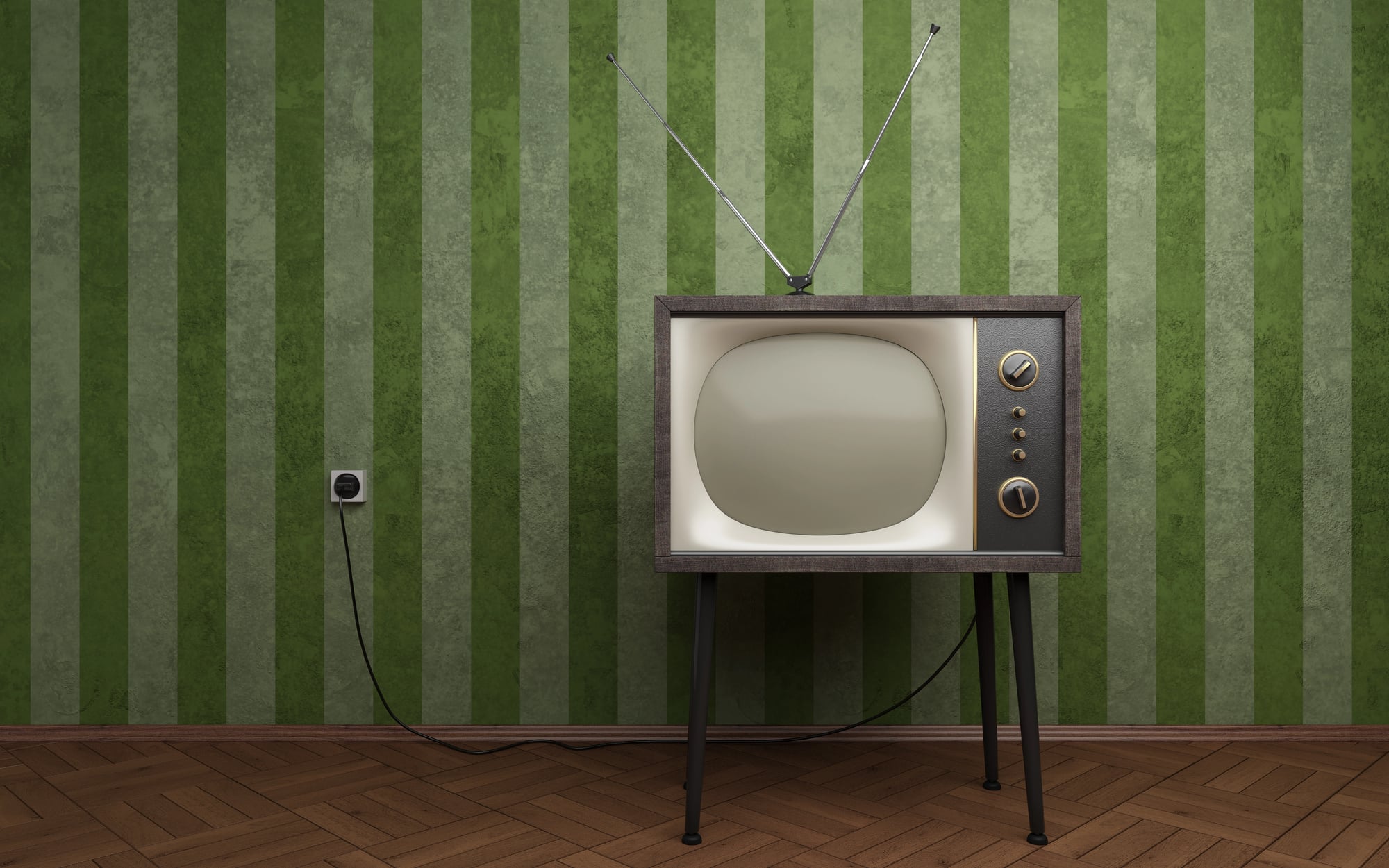
Regular TV broadcasts were happening in the 1930s, with some experimental transmissions dating back to the 1920s. The BBC started the world’s first regular public television service in 1936, broadcasting to a few thousand viewers in London who owned expensive television sets the size of refrigerators.
The First TV Shows Were Just Radio with Cameras

Early television producers had no idea what they were doing, so they simply pointed cameras at radio shows and hoped for the best. Announcers sat rigidly behind desks, reading news exactly as they would on radio, occasionally glancing up at the camera with the nervous expression of someone who’d forgotten they were being watched.
The results were about as exciting as watching paint dry, but audiences were so fascinated by the novelty of seeing moving pictures in their homes that they watched anyway.
Mechanical Television Came First
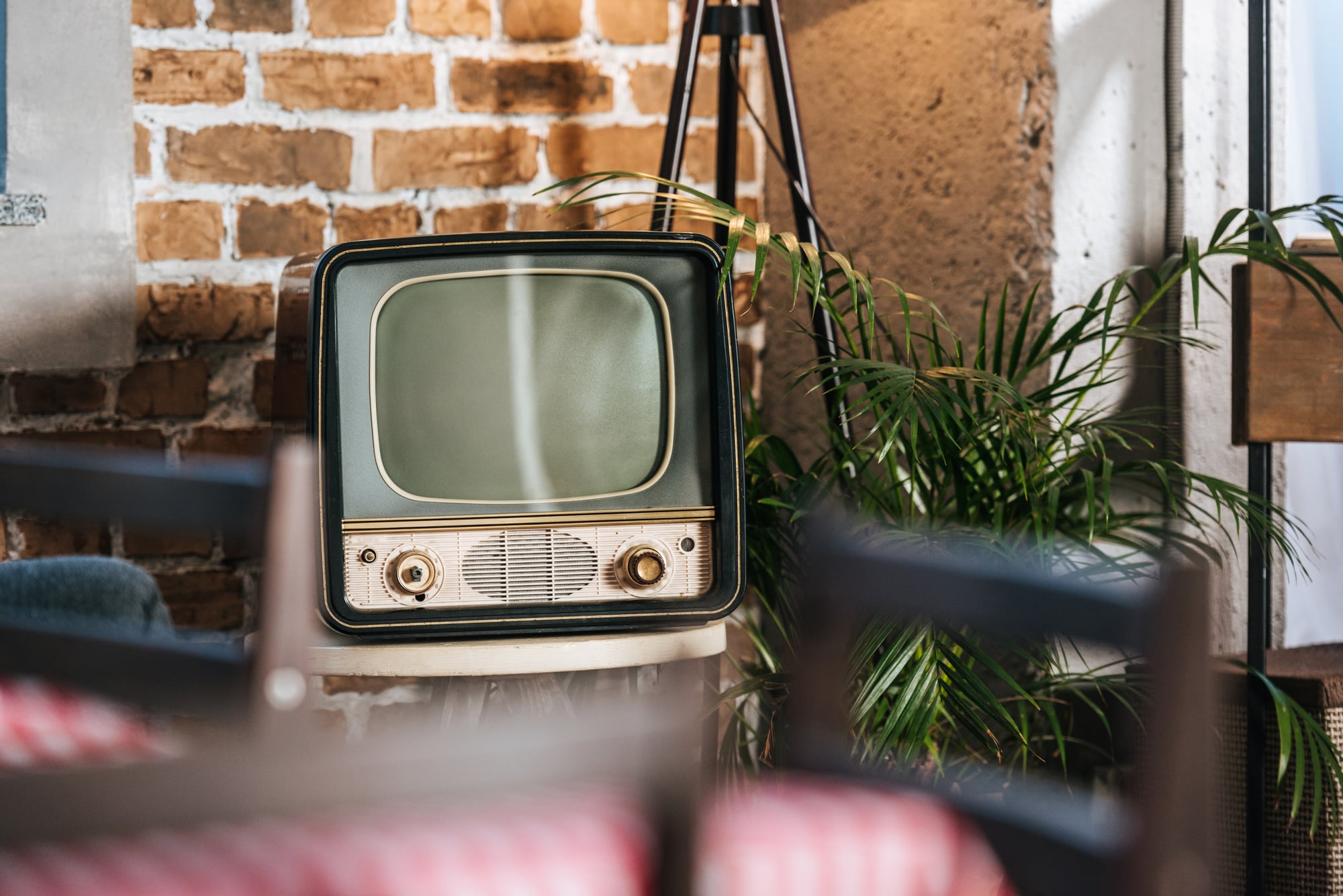
Before electronic television (the kind that actually worked), there was mechanical television — and calling it television is generous, really, because the picture quality made a flip-book look like high definition. The system used a spinning disk with pits punched in it, and the image it produced was roughly the size of a postage stamp, flickering orange and black like a dying campfire.
But here’s the thing that gets overlooked: for people who had never seen moving images transmitted through the air, even that pathetic little orange glow must have felt like witnessing magic, the same way a child’s drawing of a house somehow contains all the warmth and protection the word “home” carries, despite being nothing more than a square with a triangle on top.
Some Early TV Sets Had Tiny Screens with Magnifying Glasses

Since early television screens were often smaller than a smartphone, manufacturers came up with a solution that sounds like something from a comedy sketch: they attached magnifying glasses to the front of the TV set. Picture this: entire families gathered around a wooden cabinet the size of a washing machine, squinting through a magnifying lens at a three-inch screen showing a fuzzy image of a man in a suit reading the news.
The magnifying glass made the picture bigger, sure, but it also made it even blurrier and added a strange fish-eye distortion that made everyone on screen look like they were broadcasting from inside a funhouse mirror.
The BBC Suspended Television During World War II with a Mickey Mouse Cartoon
When Britain declared war on Germany in 1939, the BBC immediately shut down television broadcasts — but not before airing one final program. The last thing British viewers saw before their screens went dark for six years was a Mickey Mouse cartoon called “Television Comes to Town.”
The BBC resumed broadcasting in 1946 with the same cartoon, as if the war had been nothing more than an intermission. Talk about commitment to programming continuity.
Early TV Cameras Needed Blazing Hot Lights
Television cameras in the 1930s and 1940s were so insensitive to light that studios had to blast performers with lights hot enough to roast a turkey. Actors and news anchors regularly fainted under the heat, makeup melted off faces mid-broadcast, and more than one performer suffered burns from getting too close to the lighting equipment.
The studios were essentially furnaces with cameras in them.
Felix the Cat Was Television’s First Star
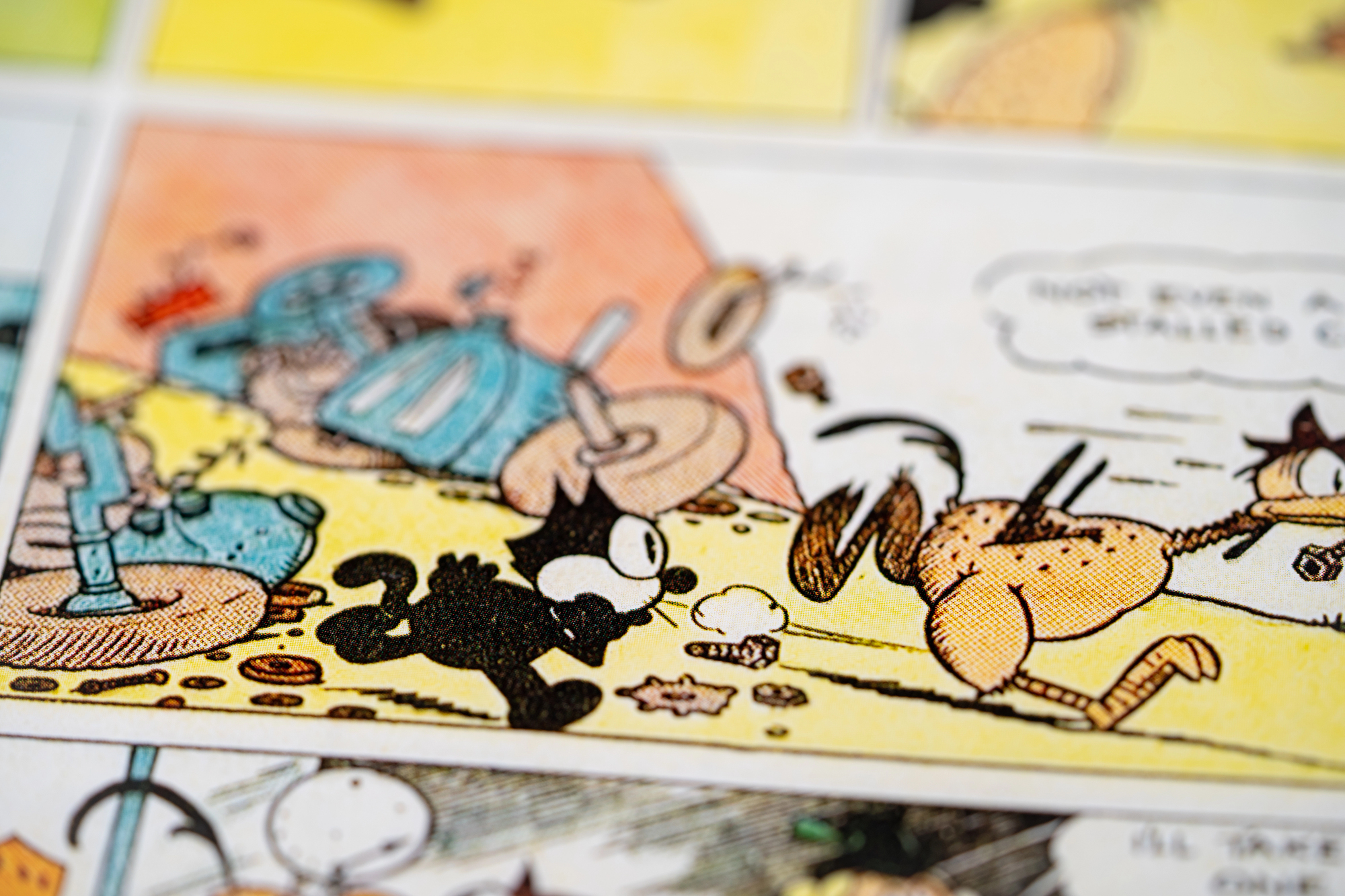
Before there were TV celebrities, there was Felix the Cat — not the cartoon version, but a papier-mâché doll that sat on a turntable in front of early television cameras. Felix was television’s test pattern, spinning endlessly under blazing lights for hours while engineers adjusted their equipment.
The doll was chosen because its black and white coloring created good contrast for the primitive cameras, and because unlike human performers, Felix didn’t complain about the heat, demand payment, or pass out from exhaustion.
Color Television Was Demonstrated in 1928
Everyone assumes color TV arrived in the 1960s, but John Logie Baird demonstrated color television in London in 1928 — the same year Mickey Mouse made his debut. Baird’s system used red, green, and blue filters spinning in front of the camera and television screen, creating a crude but recognizable color image.
The demonstration showed a man puffing a cig, with viewers able to distinguish the pink tone of his skin and the red tip of the cig. Of course, the system was completely impractical and would remain so for decades, but the basic concept was there from almost the beginning.
TV Dinners Were Invented Because of Television
The connection between television and frozen dinners runs deeper than just convenient timing — TV dinners existed because television changed how families ate. Before TV, families gathered around the dinner table for meals, but television drew them to the living room instead.
Food companies noticed the shift and created meals that could be eaten while watching TV: everything portioned onto a single tray, no serving dishes required, no conversation necessary. The aluminum tray even resembled a TV screen, complete with divided sections like different channels.
Early TV Broadcasts Could Only Travel About 50 Miles
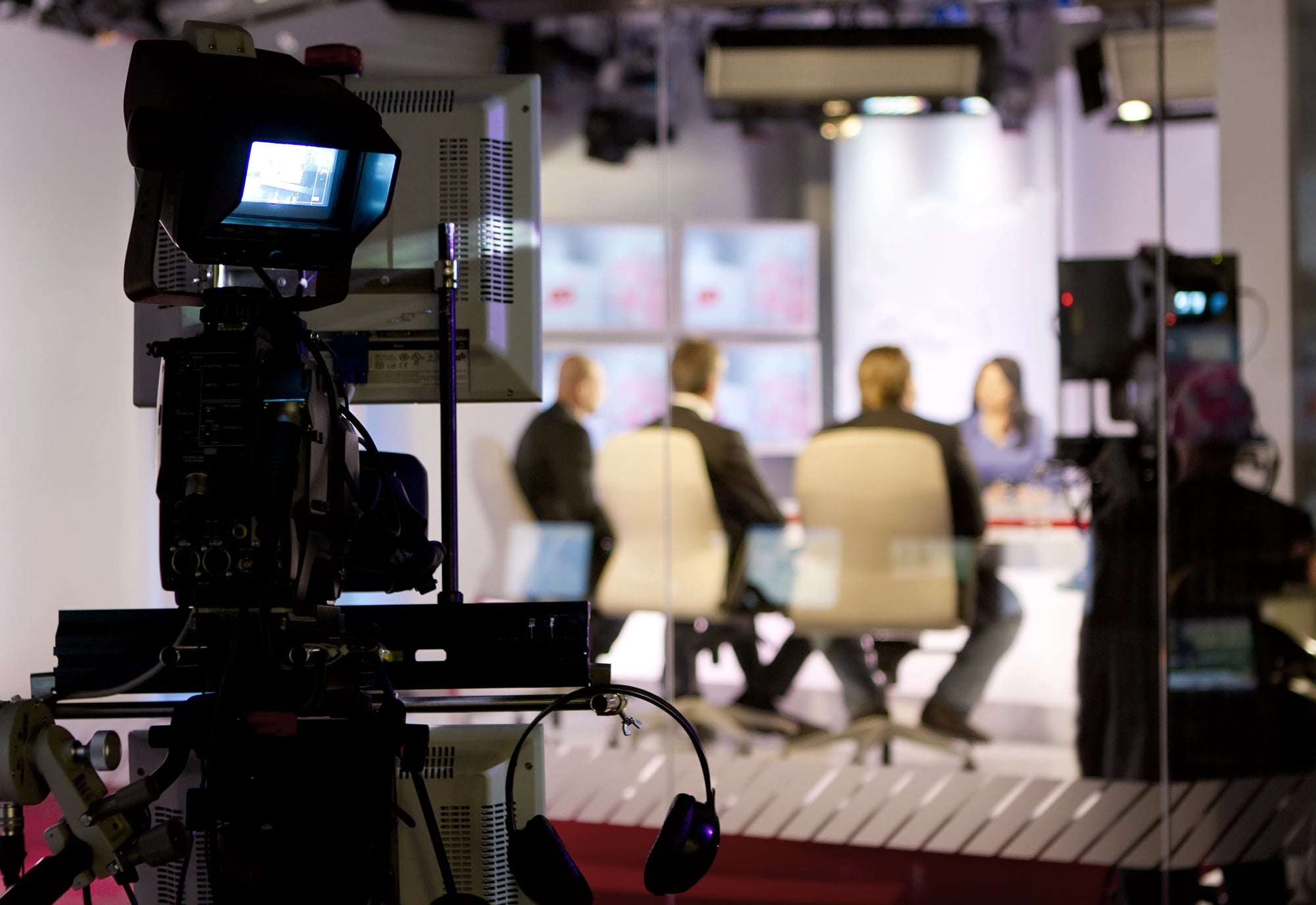
Television signals travel in straight lines, which means they can’t follow the curve of the Earth the way radio waves can. In the early days, this limited TV broadcasts to roughly the distance you could see to the horizon from a very tall tower — about 50 miles on a good day.
If you lived outside that magic circle, you simply couldn’t watch television, no matter how much money you had or how badly you wanted to see what all the fuss was about. This created strange geographical divides where people 60 miles apart might as well have been living in different technological eras.
The First TV Remote Control Was Connected by a Wire
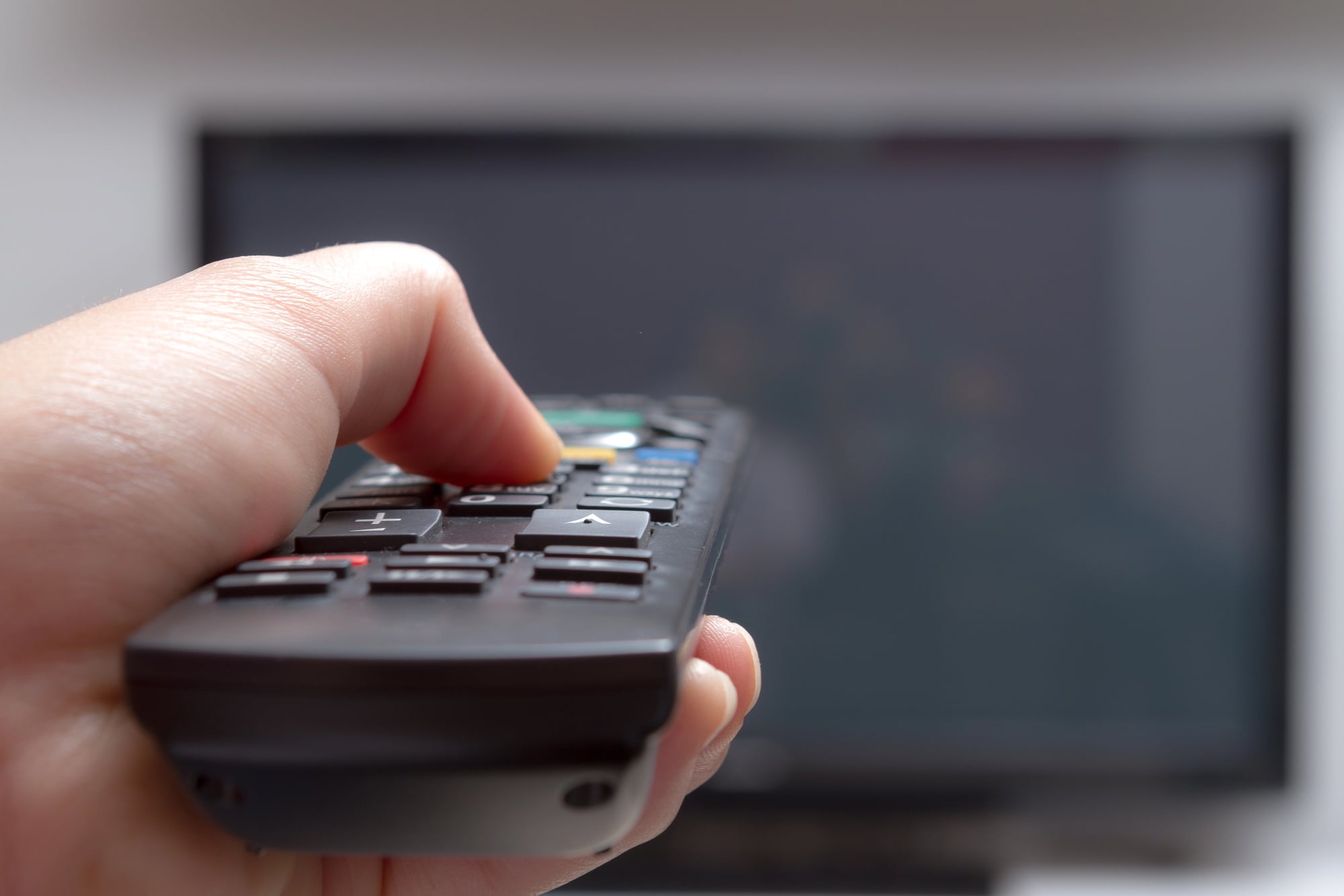
When Zenith introduced the first television remote control in 1950, it solved the problem of getting up to change channels by creating a new problem: a thick wire running across the living room from the TV to your chair. The “Lazy Bones” remote did exactly what it promised — it let you change channels without leaving your seat — but it also turned every living room into an obstacle course.
Families quickly learned to step carefully around the remote wire, and more than one person took a tumble after catching their foot on the cord during a midnight trip to the kitchen.
Television Killed Vaudeville Almost Overnight
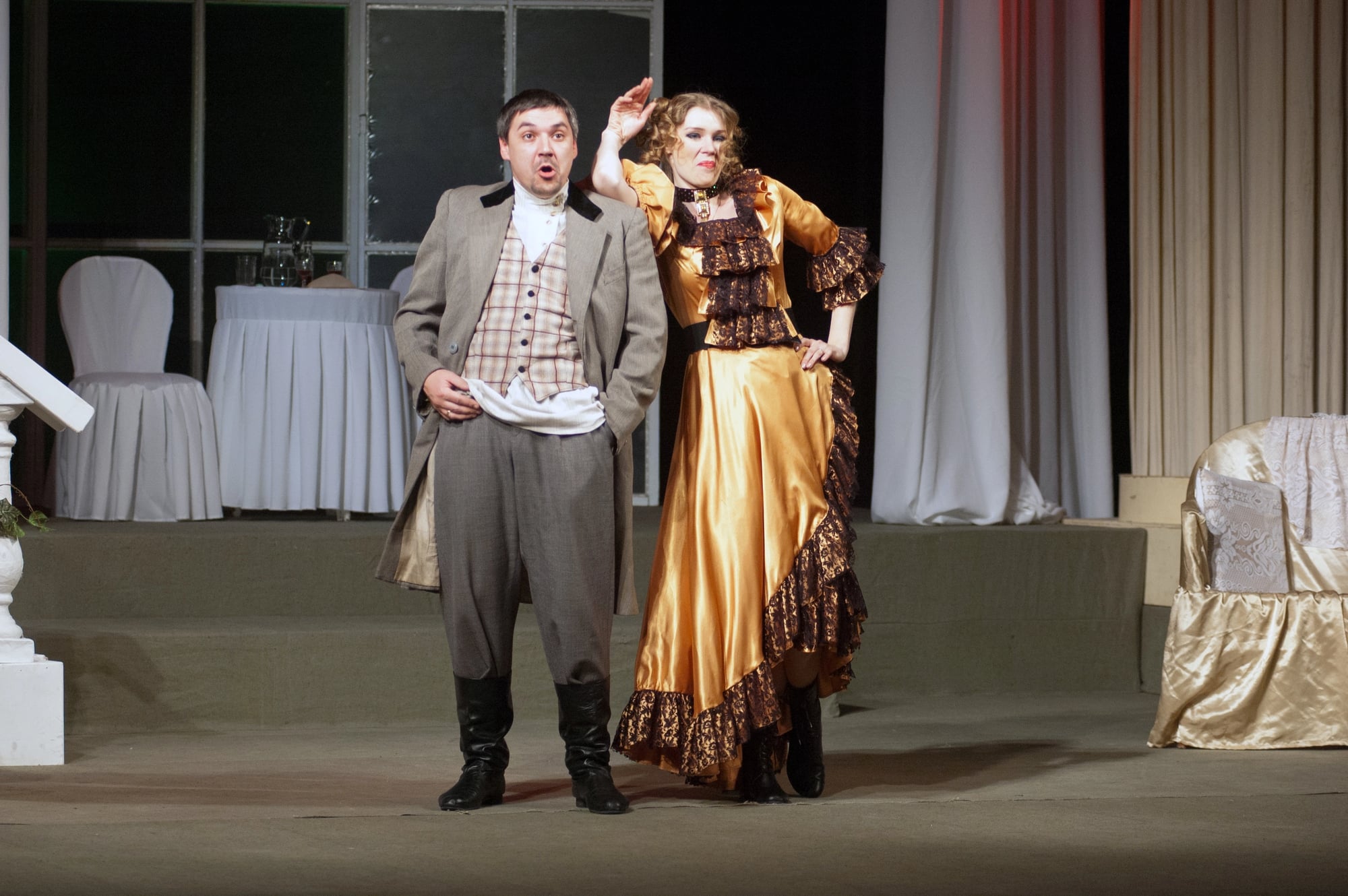
Vaudeville had survived movies and radio, but television delivered the killing blow with surgical precision. Why pay to see variety acts at a theater when you could watch similar entertainment at home for free?
Vaudeville theaters closed by the hundreds in the early 1950s, and performers who had spent decades perfecting their craft suddenly found themselves obsolete. Some made the transition to television, but many simply disappeared, taking their acts with them.
An entire form of entertainment that had thrived for half a century vanished in less than a decade.
Early TV Broadcasts Were Live and Unrehearsed
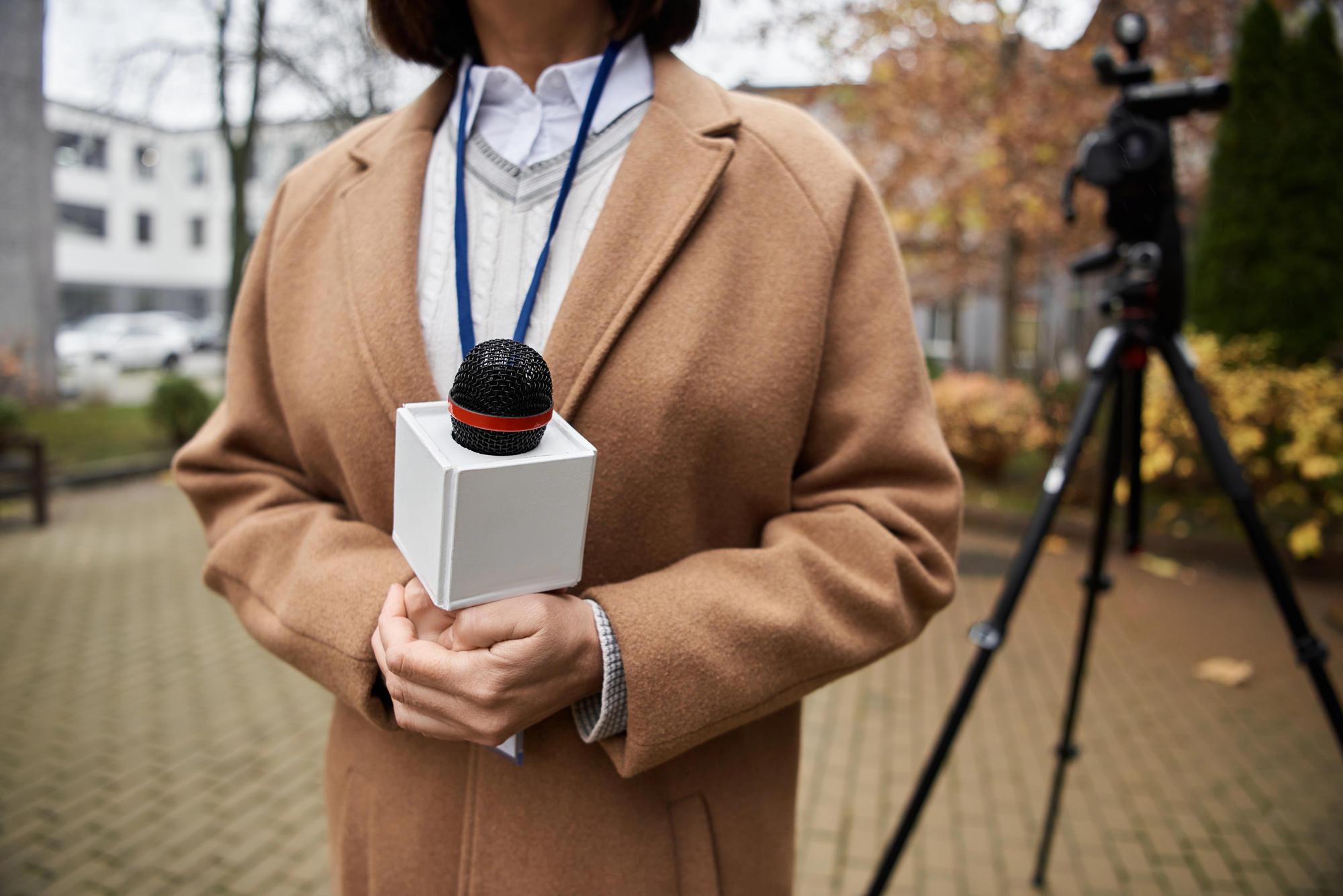
There was no such thing as “do-overs” in early television because there was no way to record and replay broadcasts. Everything happened live, which meant viewers regularly witnessed spectacular failures: actors forgetting their lines, sets collapsing, microphones picking up police radio chatter, and technical difficulties that left screens blank for minutes at a time.
The unpredictability became part of television’s charm, and audiences developed a strange affection for the medium’s technical limitations, the same way people feel protective of a clumsy friend who means well but can’t seem to avoid walking into glass doors.
When the Experiment Became Ordinary
Television transformed from a miraculous curiosity into a piece of furniture so quickly that people forgot how impossible it had seemed just years earlier. The medium that had once required teams of engineers, blazing lights, and mechanical contraptions became as common as a radio, then more common than a radio, then so embedded in daily life that its absence felt strange rather than its presence feeling magical.
What started as an experiment in transmitting moving pictures through the air became the thing that taught children about the world, sold them their desires, and filled the quiet spaces in their homes with voices.
More from Go2Tutors!

- The Romanov Crown Jewels and Their Tragic Fate
- 13 Historical Mysteries That Science Still Can’t Solve
- Famous Hoaxes That Fooled the World for Years
- 15 Child Stars with Tragic Adult Lives
- 16 Famous Jewelry Pieces in History
Like Go2Tutors’s content? Follow us on MSN.