Unusual Modern Skyscrapers with Terrible Design Flaws
Modern architecture pushes boundaries, chases records, and makes bold statements against the skyline. Sometimes those statements end up being “we didn’t think this through.” Architects and developers around the world have created towering monuments to ambition that come with unexpected consequences — buildings that cook eggs on the sidewalk, sway like ships in a storm, or create wind tunnels powerful enough to knock people over.
These aren’t just minor inconveniences or quirky features. They’re genuine design oversights that affect thousands of people daily, from office workers to pedestrians just trying to walk down the street. The bigger and more innovative these buildings get, the more spectacular their unintended side effects become.
20 Fenchurch Street, London
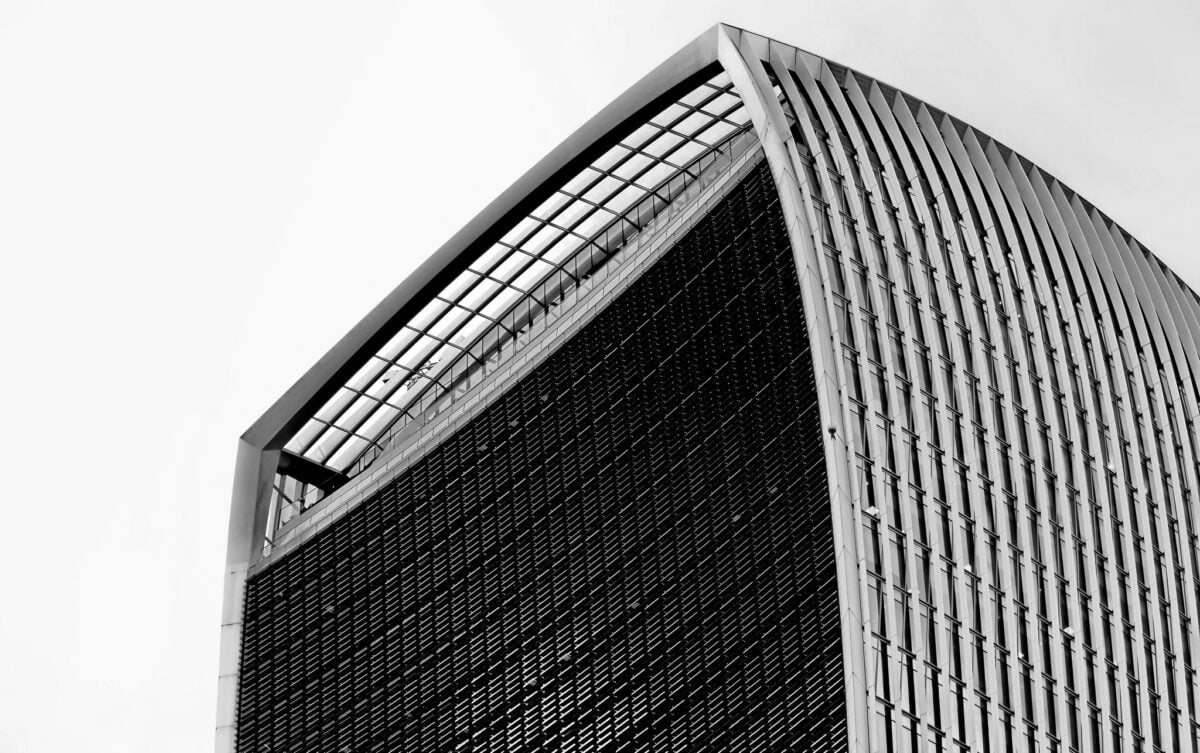
The Walkie Talkie building earned its nickname through shape, but it earned its infamy through physics. The concave glass facade acts like a massive magnifying glass, concentrating sunlight into a focused beam hot enough to melt car parts and scorch sidewalks.
Local business owners watched in bewilderment as the building literally cooked items on the street below. Jaguar parts warped. Bicycle seats melted.
A journalist famously fried an egg on the pavement using nothing but reflected sunlight from the building’s surface.
Bridgewater Place, Leeds
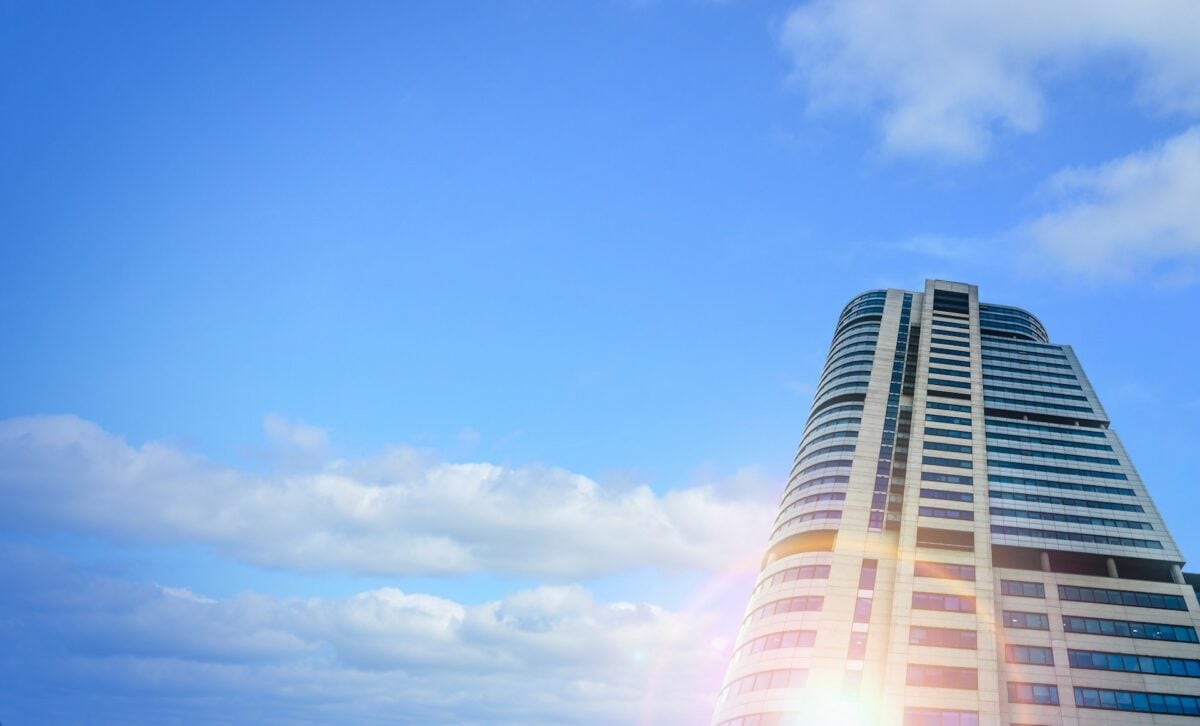
Wind doesn’t care about architectural awards. This 32-story tower creates ground-level wind speeds so violent they’ve knocked people unconscious and shattered windows in surrounding buildings.
The building acts like a massive sail, catching wind and redirecting it downward with devastating force. Pedestrians have been hospitalized.
Local businesses installed wind screens just to keep their doors from being ripped off. The city eventually had to install barriers and warning signs — essentially admitting that walking near the building on windy days is genuinely dangerous.
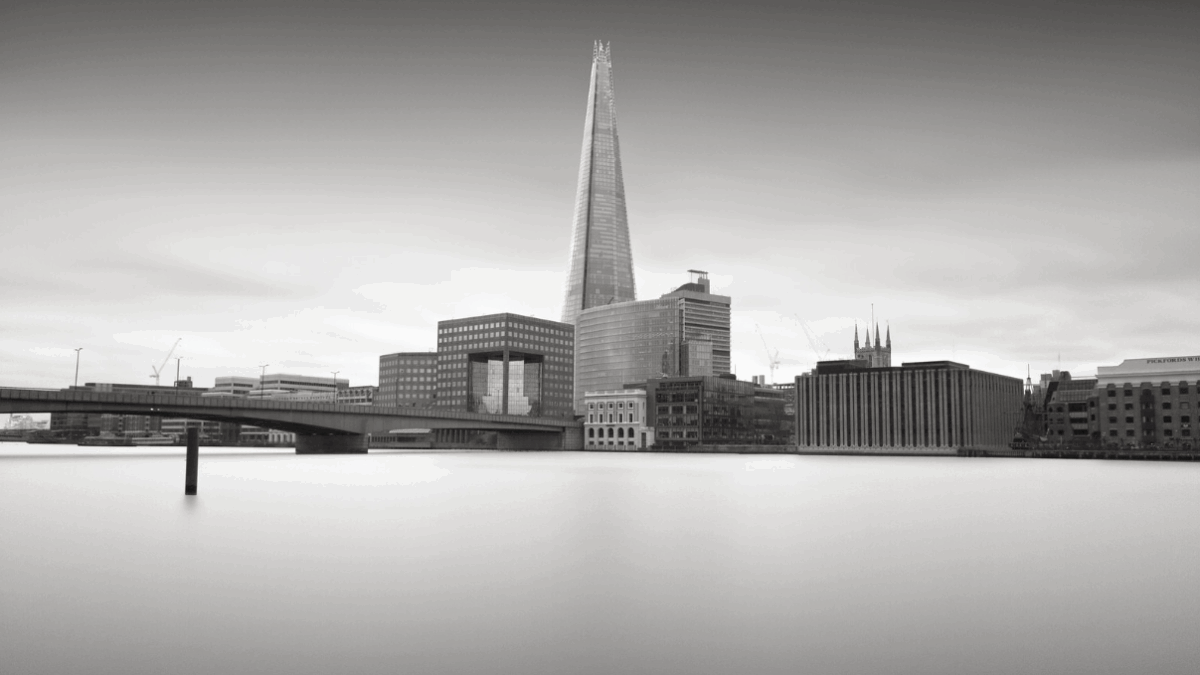
The Shard, London
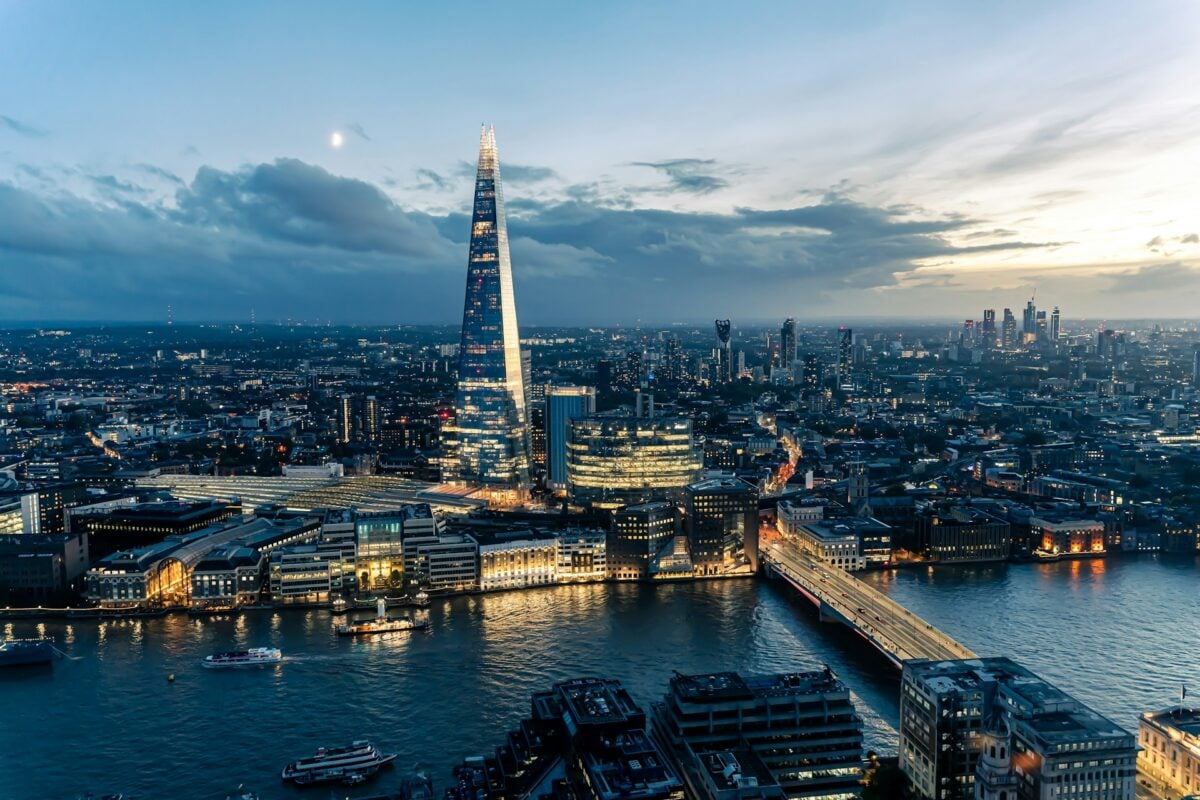
Glass towers are supposed to disappear into the sky with elegance and grace — that whole “less is more” philosophy that architects love to discuss over expensive coffee. But The Shard, for all its record-breaking height and crystalline beauty, forgot to account for what happens when you create the tallest building in Western Europe using materials that expand and contract with temperature changes.
So you end up with a building that creaks, groans, and shifts so noticeably that office workers on the upper floors (those fortunate enough to afford the rent up there, which is saying something) report feeling seasick on particularly hot or cold days when the glass and steel framework expands and contracts like a living thing. And then there’s the issue that nobody really talks about in the glossy architectural magazines: the building’s lighting system, designed to make it glow like a beacon against the London sky, creates such an intense glare that pilots have complained about visibility issues.
Night flights approaching the city have to navigate around what’s essentially a 310-meter-tall lighthouse that nobody asked for.
Beetham Tower, Manchester
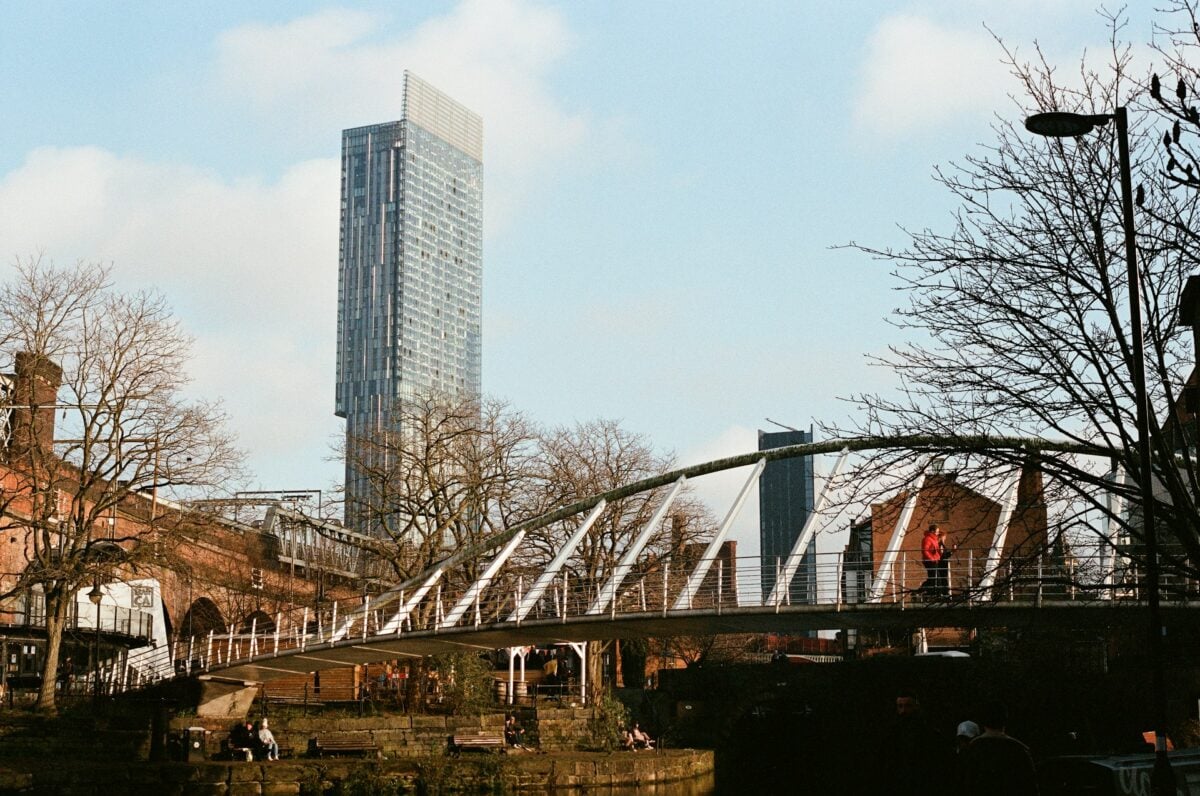
Some buildings sing. This one screams.
The Beetham Tower’s distinctive blade-like crown catches wind in such a way that it produces an otherworldly howling sound audible for miles. The noise isn’t charming or atmospheric.
It’s described by residents as somewhere between a foghorn and a banshee, loud enough to wake people in the middle of the night and persistent enough to drive them slightly mad. The sound varies with wind direction and speed, which means the entire city gets an unpredictable symphony of architectural anguish.
Multiple noise complaints and engineering studies later, the building still howls. Turns out retrofitting a 47-story tower to fix an acoustic problem is more complicated than anyone anticipated.
Veer Towers, Las Vegas
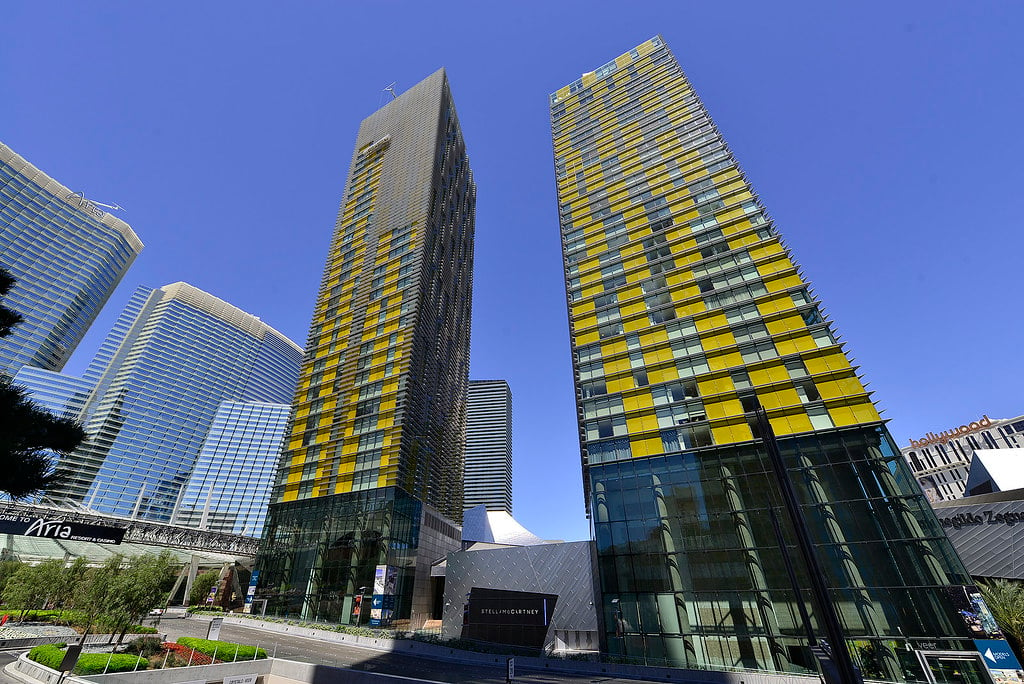
Leaning buildings make a statement, and the statement these twin towers make is simple: motion sickness doesn’t end when you step off the elevator. The deliberate 5-degree lean creates a constant sense of unease for residents and visitors.
Furniture placement becomes a puzzle. Hanging artwork requires special hardware.
Walking through the upper floors triggers vertigo in some people, even when they know intellectually that the building is stable.
One World Trade Center, New York
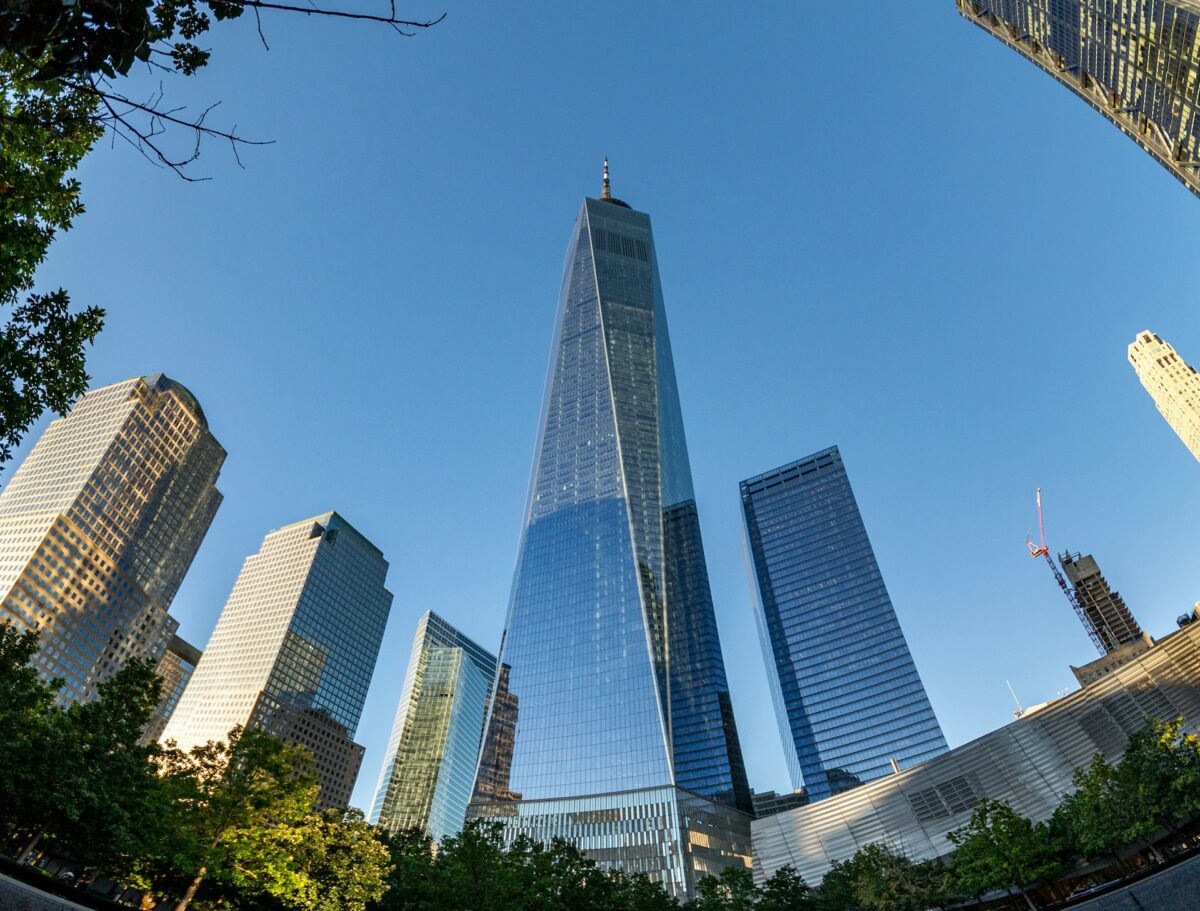
The fortress-like base was designed for security, but it created an urban dead zone that makes the surrounding area feel unwelcoming and sterile. The 200-foot concrete and steel base, built to withstand potential attacks, stretches along multiple city blocks like a bunker.
Pedestrians walking past describe feeling small and intimidated. The street-level experience around what should be a monument to resilience instead feels like walking past a prison.
432 Park Avenue, New York
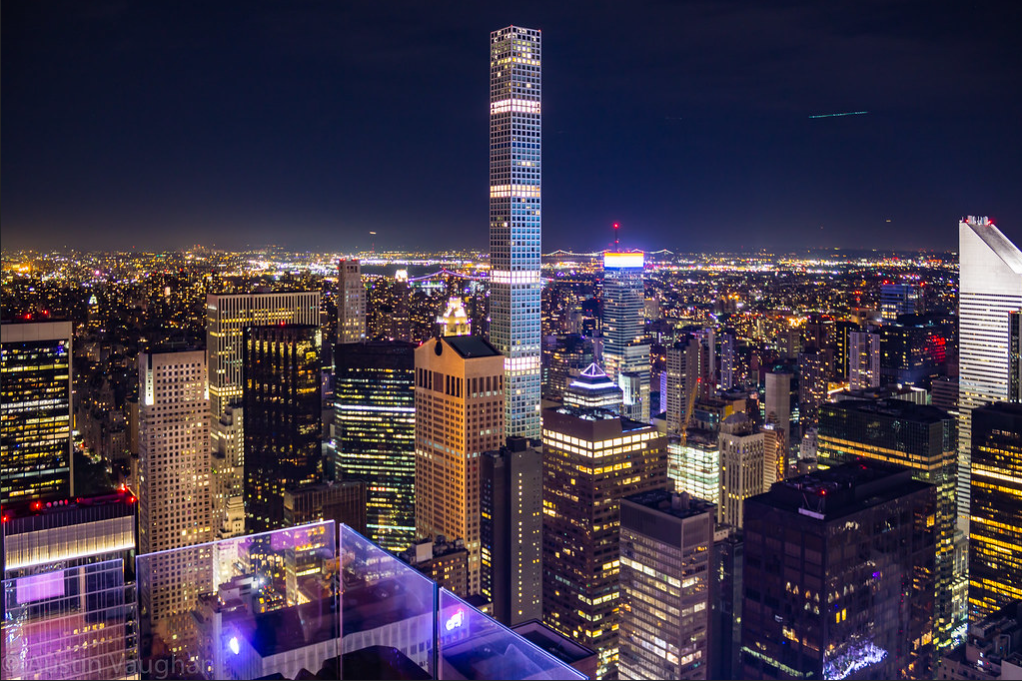
Tall buildings sway, but this one throws dinner parties off balance and makes residents question their drink limits. The 432-meter tower sways so noticeably in moderate wind that people on upper floors report feeling seasick during meals and having trouble sleeping during storms.
The building’s extreme height-to-width ratio makes it particularly susceptible to wind movement. Residents have complained about elevators that feel like carnival rides and the constant creaking sounds that accompany the swaying motion.
Some have moved out specifically because of the motion-related issues.
The Leadenhall Building, London
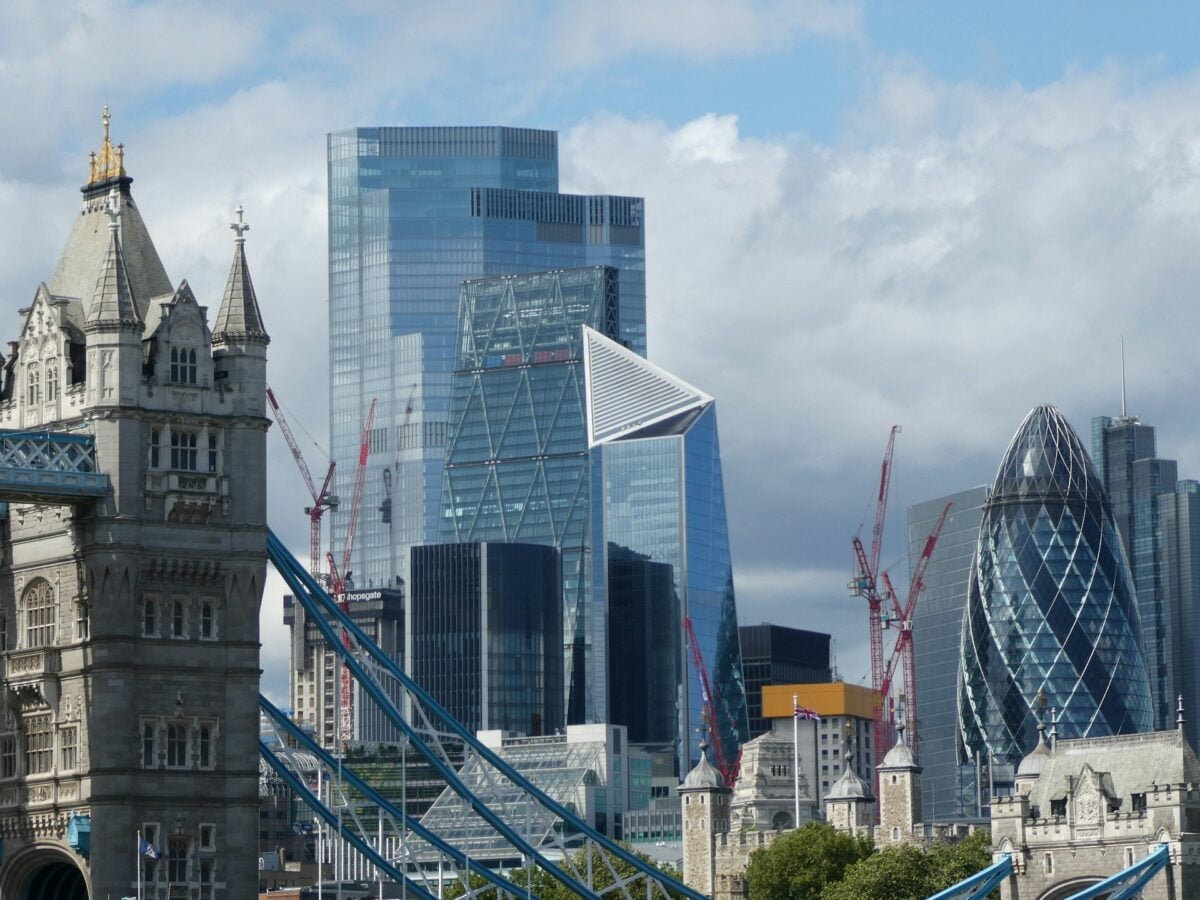
Street-level wind tunnels turn everyday sidewalk navigation into an extreme sport (though calling it sport suggests people volunteered for this particular challenge, which they most certainly did not). The building’s distinctive wedge shape acts like a funnel, taking normal London breezes and transforming them into gusts strong enough to knock pedestrians off their feet — and not in the metaphorical sense that architects might have intended when they drew up plans for a building that would “take your breath away.”
Workers in nearby offices have learned to time their lunch breaks around wind patterns, checking weather reports not for rain but for wind speed. The building has essentially created its own microclimate of inconvenience, where umbrellas become projectiles and walking in a straight line requires the kind of determination usually reserved for mountain climbing.
Strata SE1, London
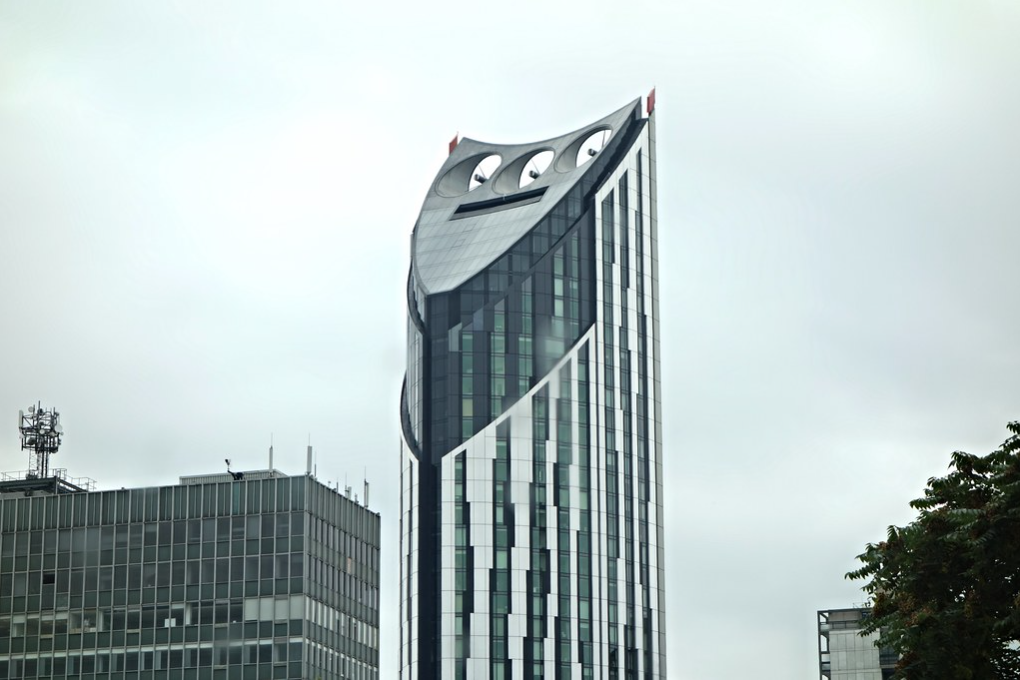
The wind turbines mounted on top looked innovative in the planning documents. In reality, they barely generate enough electricity to power a coffee machine and create a constant low-frequency humming that drives nearby residents to distraction.
The three turbines were supposed to provide renewable energy for the building’s common areas. They mostly provide proof that sticking green technology on top of a building without proper planning creates more problems than solutions.
One57, New York
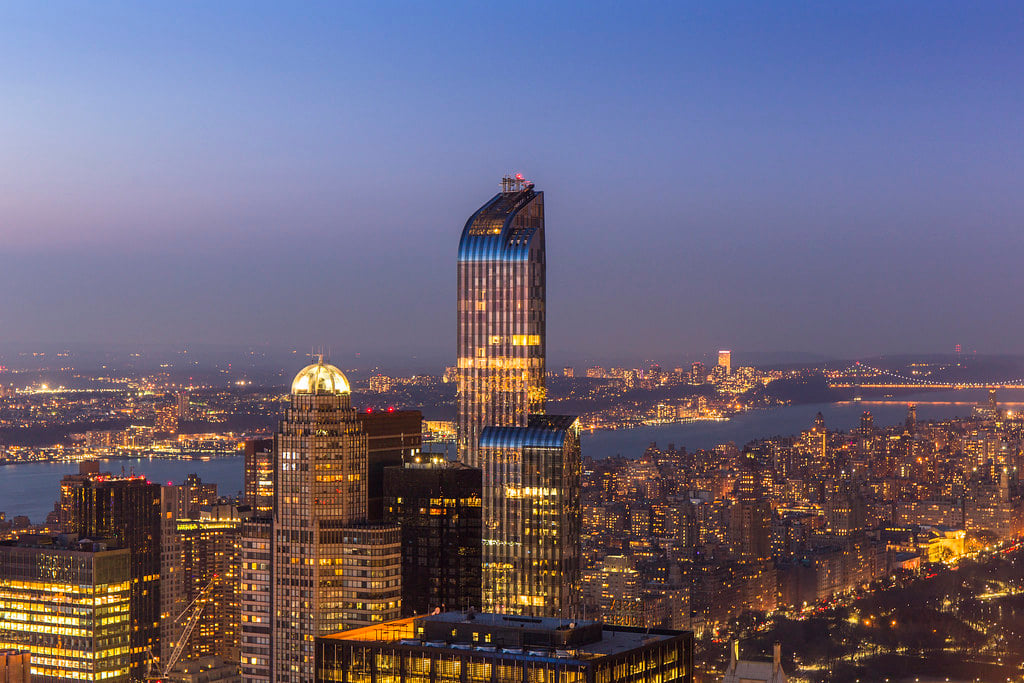
This ultra-luxury tower proves that money can’t buy good urban planning. The building created such severe wind conditions at street level that the city had to redesign the surrounding sidewalks and install protective barriers.
The tower’s height and positioning create downdrafts that turn casual walks into battles against invisible forces. Doormen at nearby buildings report having to help pedestrians who’ve been knocked off balance by unexpected wind gusts.
The irony of a building marketed to the wealthy making life miserable for everyone else on the street isn’t lost on local residents.
The Pinnacle, London
Construction stopped partway through, leaving London with an expensive metal skeleton that serves no purpose except reminding everyone that ambitious architectural projects sometimes just… stop.
The incomplete building stands as an accidental monument to overreach and poor planning. It affects local property values, creates an eyesore visible across the city, and demonstrates what happens when vision exceeds practical reality.
Millennium Tower, San Francisco
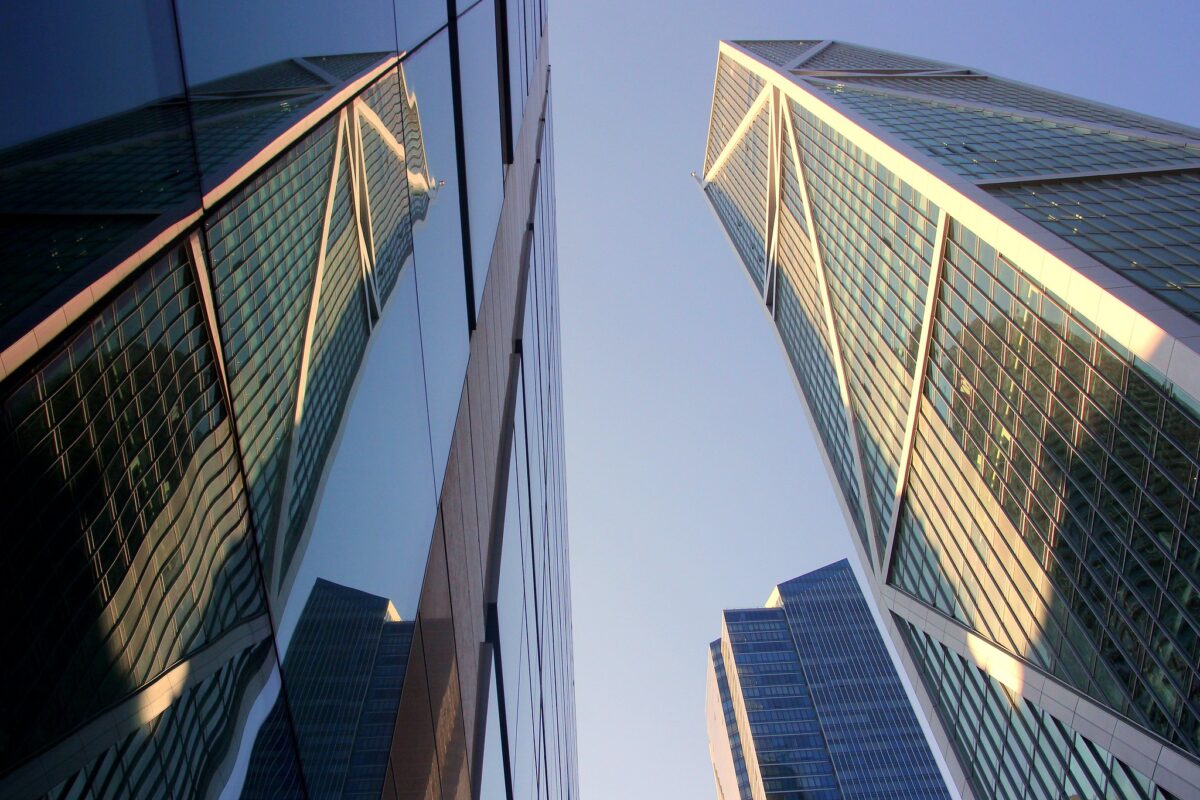
Sinking and tilting simultaneously, this luxury tower has residents watching their multimillion-dollar investments slowly disappear into unstable soil. The building has sunk more than a foot and tilted several inches since opening.
Residents report doors that won’t close properly, windows that crack under stress, and the general unease that comes with living in a structure that’s gradually but noticeably failing. Some units have lost significant value as the building’s problems become impossible to ignore.
Torre Espacio, Madrid
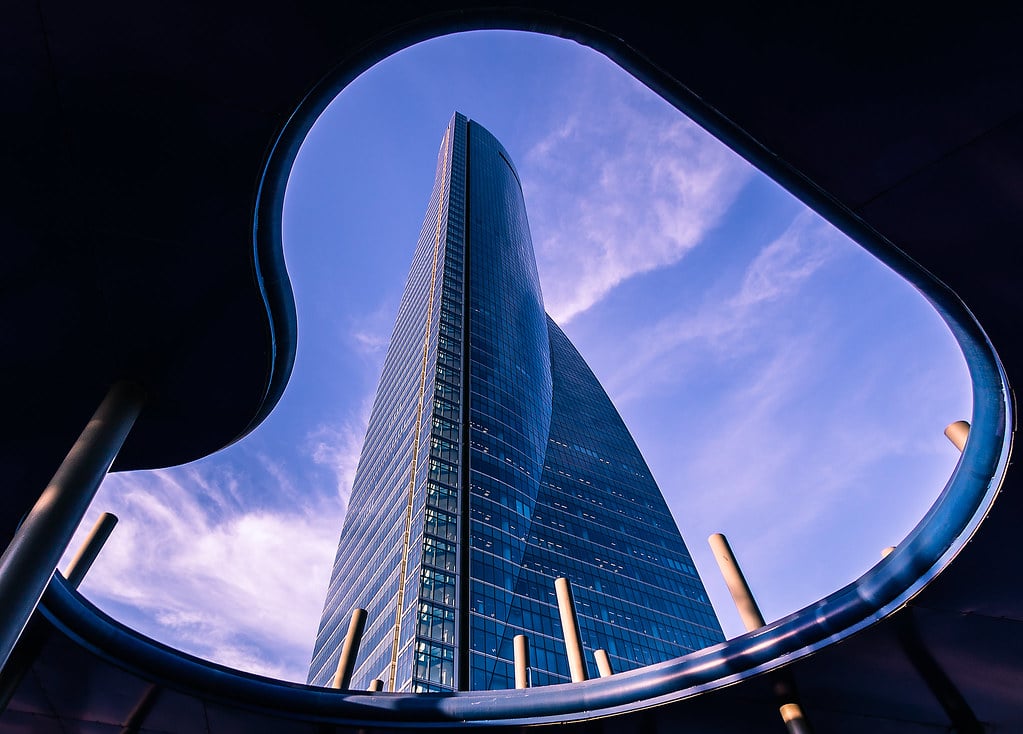
The building’s glass facade creates focused light beams that have melted parts of cars parked nearby and made certain sidewalks unusable during peak sun hours. Local business owners have learned to warn customers about the “death ray” effect, and the city has had to install shading structures to protect pedestrians.
The building essentially weaponized sunlight, turning routine activities like parking a car into calculated risks.
Federation Tower, Moscow
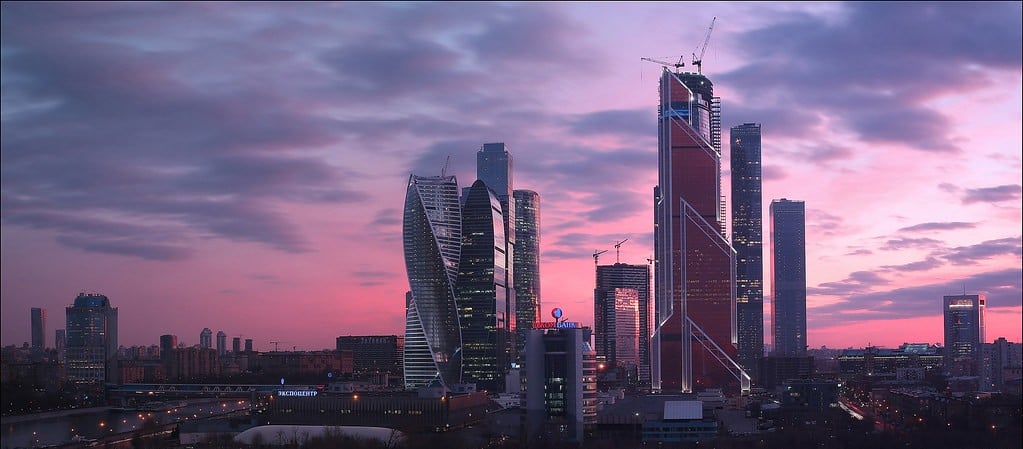
Europe’s tallest building experiences such severe swaying that upper-floor residents report furniture sliding across rooms during windy conditions and chronic motion sickness affecting people who work on higher floors. The extreme height creates problems that engineers are still trying to solve.
Office workers describe difficulty concentrating during windy days, and some businesses have relocated specifically because of the building’s movement issues.
When Ambition Meets Physics
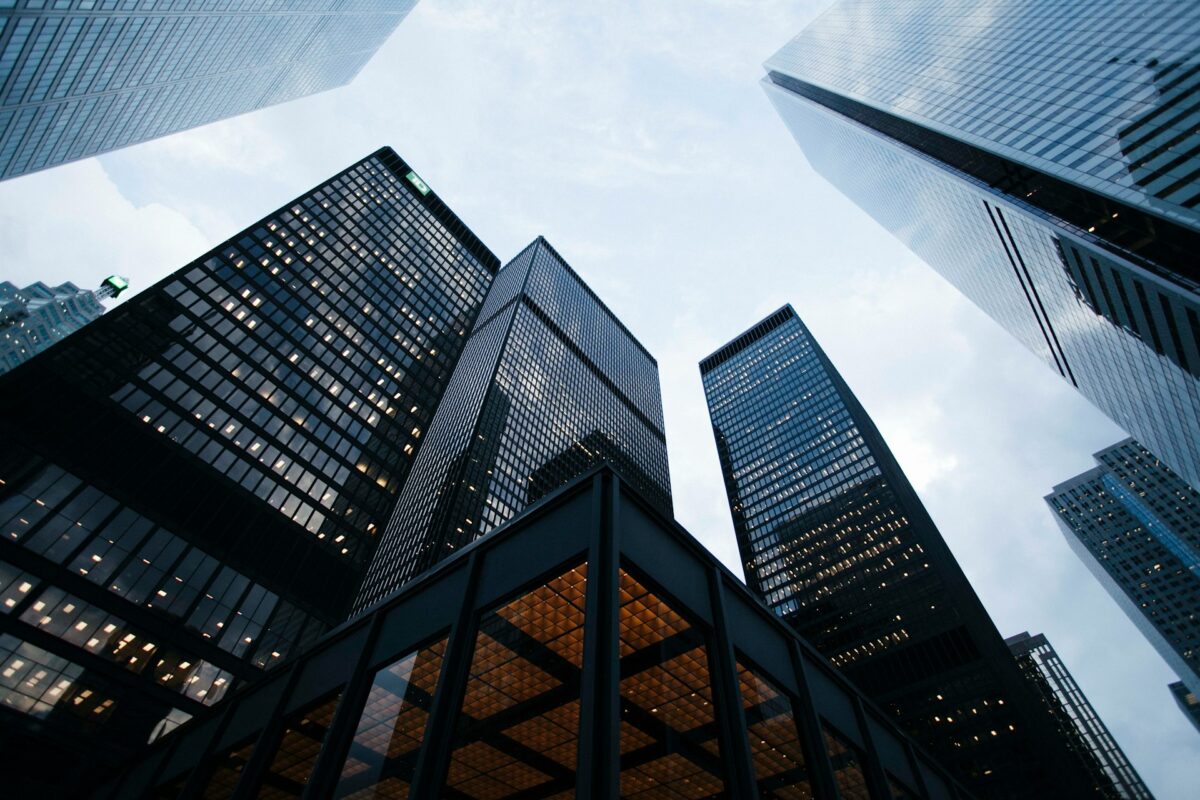
These buildings represent the collision between architectural ambition and physical reality. They’re reminders that impressive height, innovative design, and engineering prowess mean nothing if people can’t comfortably exist around them.
Each tower stands as an expensive lesson in the importance of considering not just how a building looks, but how it behaves once it’s built. The most successful skyscrapers disappear into their surroundings despite their size, becoming part of the urban fabric rather than fighting against it.
These buildings do the opposite — they announce their presence through melted car parts, howling winds, and seasick residents, proving that sometimes the most ambitious architectural statements are the ones that should have stayed on the drawing board.
More from Go2Tutors!

- The Romanov Crown Jewels and Their Tragic Fate
- 13 Historical Mysteries That Science Still Can’t Solve
- Famous Hoaxes That Fooled the World for Years
- 15 Child Stars with Tragic Adult Lives
- 16 Famous Jewelry Pieces in History
Like Go2Tutors’s content? Follow us on MSN.