Know the World’s Tiniest Flying Mammal
Imagine a mammal so small it could comfortably sit on your thumb, weighing less than a penny. This isn’t science fiction—it’s the remarkable reality of the bumblebee bat, a creature that challenges everything we think we know about size in the animal kingdom.
Despite being discovered less than fifty years ago, this tiny flyer has captured the attention of scientists and nature enthusiasts worldwide, not just for its miniature proportions but for its incredible adaptations and precarious existence. Here is a list of fascinating facts about this extraordinary creature that proves big things really do come in small packages.
It’s Actually Called Kitti’s Hog-Nosed Bat

The scientific name is Craseonycteris thonglongyai, named after Thai zoologist Kitti Thonglongya who discovered it. Most people know it as the bumblebee bat because of its tiny size, but the formal name honors the researcher who first found this incredible species.
Thonglongya worked with British partner John E. Hill in classifying Thailand’s bats, and after Thonglongya died suddenly in February 1974, Hill formally described the species.
It Weighs Less Than a Dime

The bumblebee bat has a body weight of up to 2 grams, which is to say it has the heft of a bottle cap, business card, plastic spoon or paperclip. To put this in perspective, a standard U.S. dime weighs 2.268 grams, making this bat even lighter than pocket change.
It measures just 29 to 33 mm (1.1 to 1.3 in) in length, roughly the size of a large bumblebee.
Like Go2Tutors’s content? Follow us on MSN.
It’s the World’s Smallest Mammal by Length
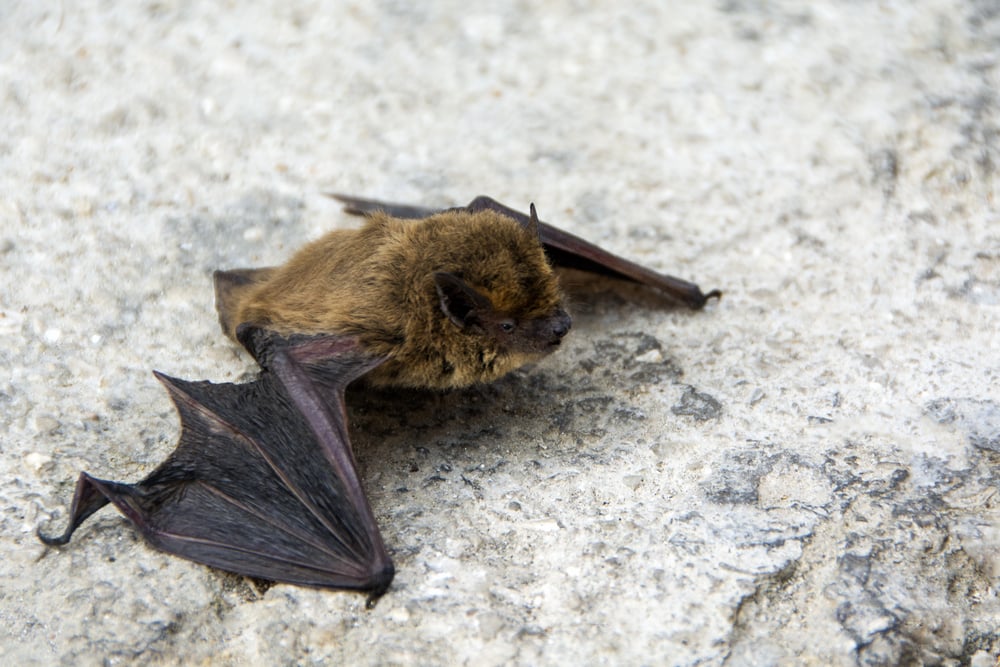
Kitti’s hog-nosed bat is the smallest species of bat and arguably the world’s smallest mammal by body length. There’s some debate about this title since the Etruscan shrew may be lighter at 1.2 to 2.7 g but its body is longer, measuring 36 to 53 mm from its head to the base of the tail.
Think of it as a friendly competition between two incredibly tiny mammals for the crown of ‘world’s smallest.’
It Has a Distinctive Pig-Like Nose
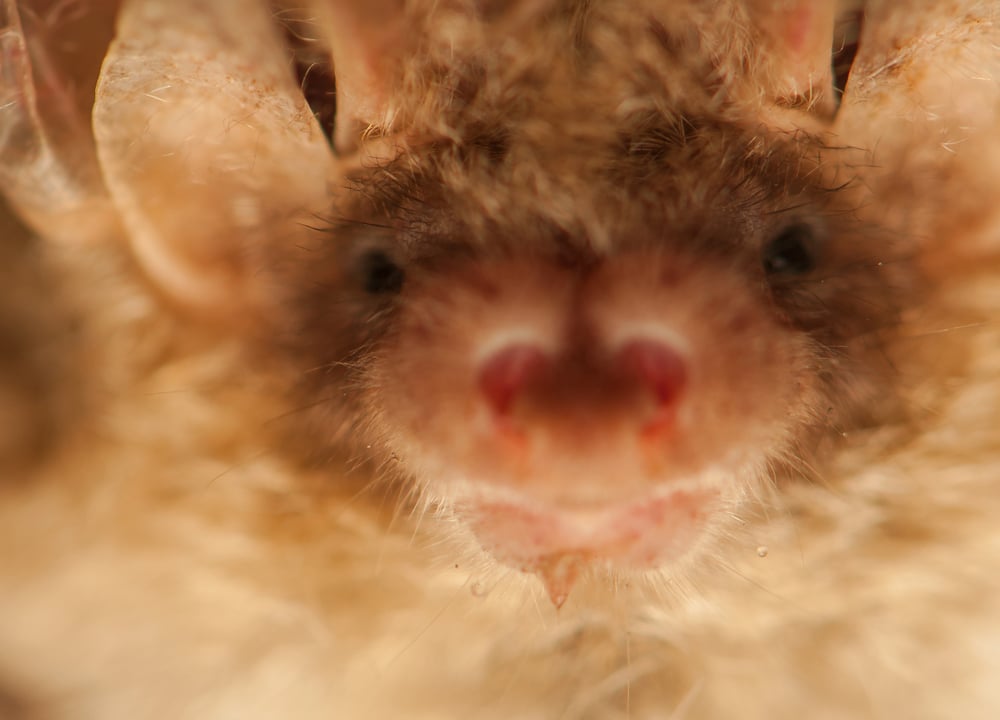
The bat has a distinctive swollen, pig-like snout with thin, vertical nostrils. This unusual facial feature is so prominent that it earned the bat its official common name.
They have distinctive pig-like noses (hence their other common name Kitti’s Hog-nosed Bat), and this isn’t just for show—the specialized nose helps with their feeding behavior and echolocation abilities.
It Lives in Only Two Countries

It occurs in western Thailand and southeast Myanmar, where it occupies limestone caves along rivers. In Thailand, it is restricted to a small region of the Tenasserim Hills in Sai Yok District, Kanchanaburi Province, within the drainage basin of the Khwae Noi River.
This incredibly limited range makes the species particularly vulnerable to environmental changes and human interference.
Like Go2Tutors’s content? Follow us on MSN.
It Was Discovered Remarkably Recently

Kitti’s hog-nosed bat was unknown to the world at large prior to 1974. In the grand timeline of scientific discovery, this makes it practically brand new.
The Bumblebee Bat was only discovered in 1973, making it a relatively recent addition to the scientific community. It’s amazing to think that such a unique mammal remained hidden from science until so recently.
It Roosts Deep in Limestone Caves

Kitti’s hog-nosed bat roosts in caves in limestone hills, far from the entrance. While many caves contain only 10 to 15 individuals, the average group size is 100, with a maximum of about 500.
They’re picky about their real estate, choosing caves that provide the right temperature and humidity for their tiny bodies.
It’s Only Active for Minutes Each Day

Kitti’s hog-nosed bat has a brief activity period, leaving its roost for only 30 minutes in the evening and 20 minutes at dawn. That’s less than an hour of active time per day!
Much of the intervening time is spent in torpor, a metabolically slowed-down state that saves energy. It’s like they’ve perfected the art of efficient living.
Like Go2Tutors’s content? Follow us on MSN.
It Can Hover Like a Hummingbird

They are one of the few bat species that can hover in place, a fascinating spectacle that resembles a hummingbird in flight. The wings are relatively large and darker in colour, with long tips that allow the bat to hover.
This hovering ability helps them catch insects from leaves and branches with remarkable precision.
It Has Incredibly Fast Echolocation

These bats can produce extremely fast echolocation calls as they close in on prey, calling as much as 220 times per second. That’s faster than a machine gun fires bullets!
Their echolocation calls usually range between 70 – 80 kHz, with Thai populations having significantly higher frequency calls than bats in Myanmar.
It Eats a Variety of Tiny Insects
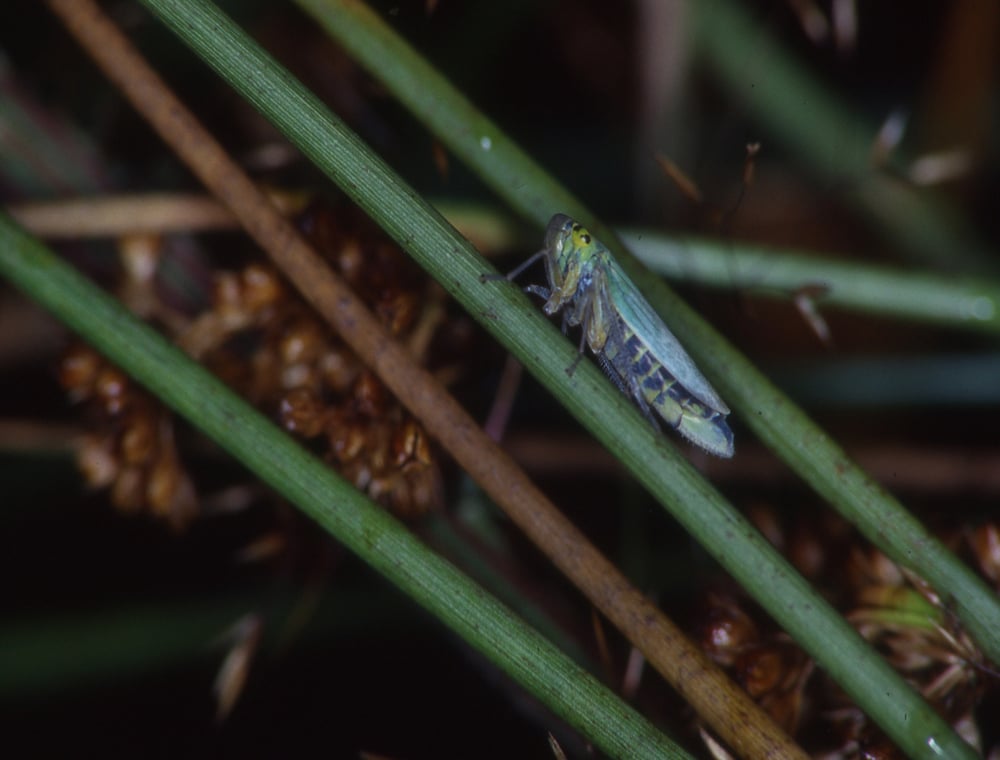
They feed along the tops of bamboo and teak forests, hunting for flies and other small insects. A dissection of a bumblebee bat’s stomach, after it had fed, revealed a menagerie of different bug parts, including spider legs and fragments of beetles.
Despite their size, they’re not picky eaters when it comes to small arthropods.
Like Go2Tutors’s content? Follow us on MSN.
They Don’t Travel Far From Home

They have very small home ranges, ranging only about one kilometer from their roost to hunt. Bumblebee bats only fly about 1 km from the cave to forage.
This limited travel range means they depend entirely on the immediate area around their caves for survival, making habitat protection crucial.
Where Science Meets Wonder
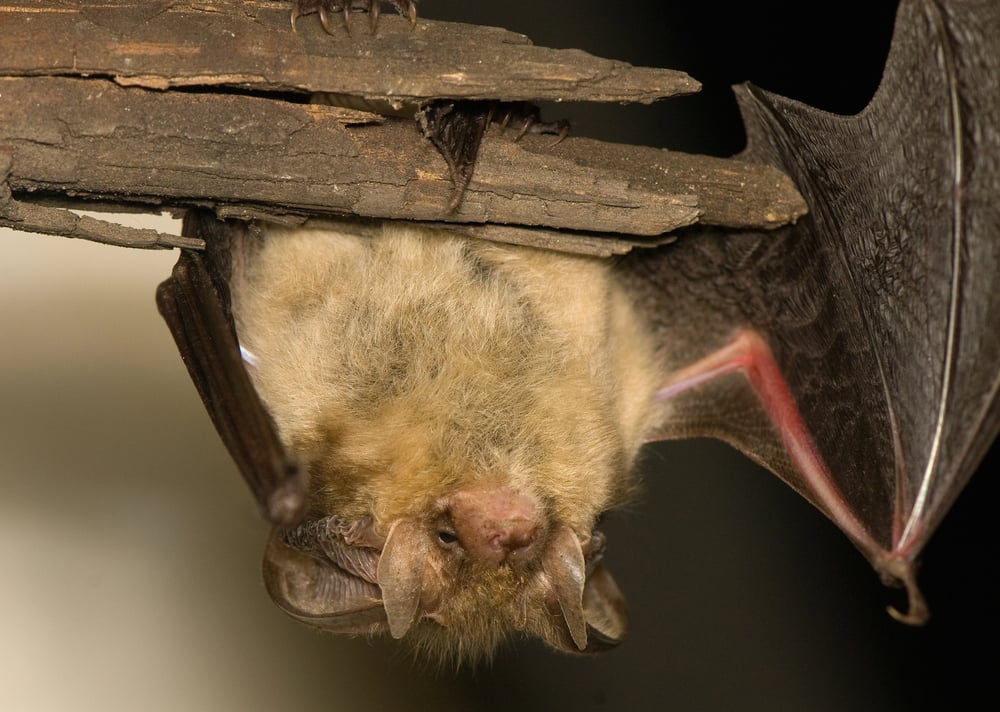
The story of the bumblebee bat reminds us that our planet still holds surprises, even in an age when we think we’ve catalogued everything. One of the most fascinating facts about the bumblebee bat is that its two geographically separated populations in Thailand and Myanmar might currently be undergoing speciation, a process scientists would like to observe.
This tiny mammal represents both the incredible diversity of life on Earth and the urgent need to protect the small, specialized habitats that allow such remarkable creatures to exist. Every gram of their existence matters—not just to science, but to the delicate balance of the forests they call home.
More from Go2Tutors!

- 16 Historical Figures Who Were Nothing Like You Think
- 12 Things Sold in the 80s That Are Now Illegal
- 15 VHS Tapes That Could Be Worth Thousands
- 17 Historical “What Ifs” That Would Have Changed Everything
- 18 TV Shows That Vanished Without a Finale
Like Go2Tutors’s content? Follow us on MSN.