15 Fascinating Rulers You’ve Probably Never Heard Of
History tends to remember the loudest voices. The conquerors who painted the world in broad strokes, the monarchs whose names ring through textbooks.
But scattered across centuries and continents are rulers whose stories got buried under more famous headlines — leaders who shaped their corners of the world in ways both brilliant and bizarre, yet somehow never made it into the popular narrative. These aren’t footnotes or minor players.
They’re fascinating figures who ruled with cunning, creativity, and sometimes complete madness. Their kingdoms may have been forgotten, their dynasties lost to time, but their stories deserve to be told.
Nzinga of Ndongo and Matamba
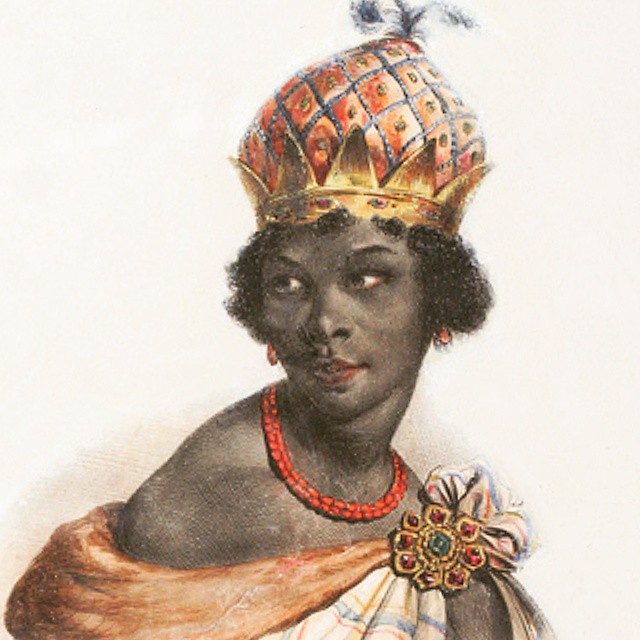
Queen Nzinga fought Portuguese colonizers for four decades. She personally led troops into battle well into her sixties.
When Portuguese negotiators refused to provide her with a chair during peace talks, she had her servant get on hands and knees to serve as her throne. The message was clear.
She wouldn’t be diminished by anyone’s disrespect.
Tamar of Georgia
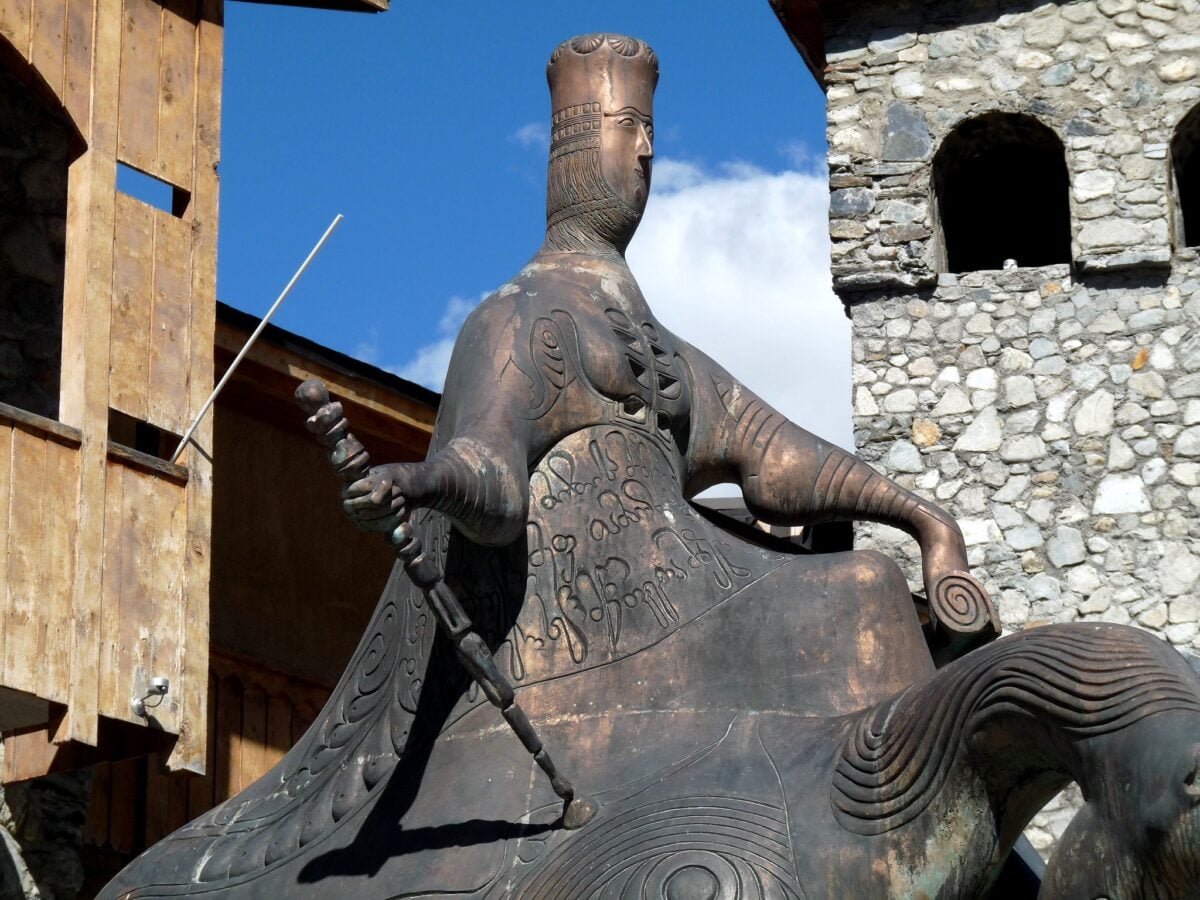
The medieval chroniclers called her reign Georgia’s Golden Age, which (when you consider how rarely medieval chroniclers praised anyone, let alone a woman) should tell you something about what she accomplished. Tamar expanded Georgia’s borders to their greatest extent, commissioned some of the most stunning architecture in the Caucasus, and somehow managed to rule for nearly three decades without a single major internal rebellion — which, for a medieval monarch, was roughly equivalent to winning the lottery while being struck by lightning.
And yet her story gets lost somewhere between the Crusades and the rise of the Mongols, even though she was busy turning Georgia into a regional powerhouse that wouldn’t be matched again for centuries. So much for historical priorities.
Sundiata Keita
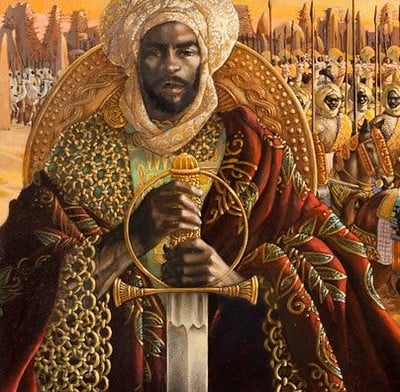
Picture the moment when scattered tribes decide to become an empire. That transformation doesn’t happen through committee meetings or gradual policy shifts.
It happens because someone sees the shape of what could be and has the will to make it real. Sundiata built the Mali Empire from the ground up in the 13th century, creating trade networks that stretched across West Africa and establishing Timbuktu as a center of learning that rivaled anything in Europe.
But his story feels like something from another world entirely — the epic poetry that preserved his legacy reads more like mythology than history, full of supernatural elements and dramatic reversals that make you wonder where the facts end and the legend begins.
Lalibela of Ethiopia
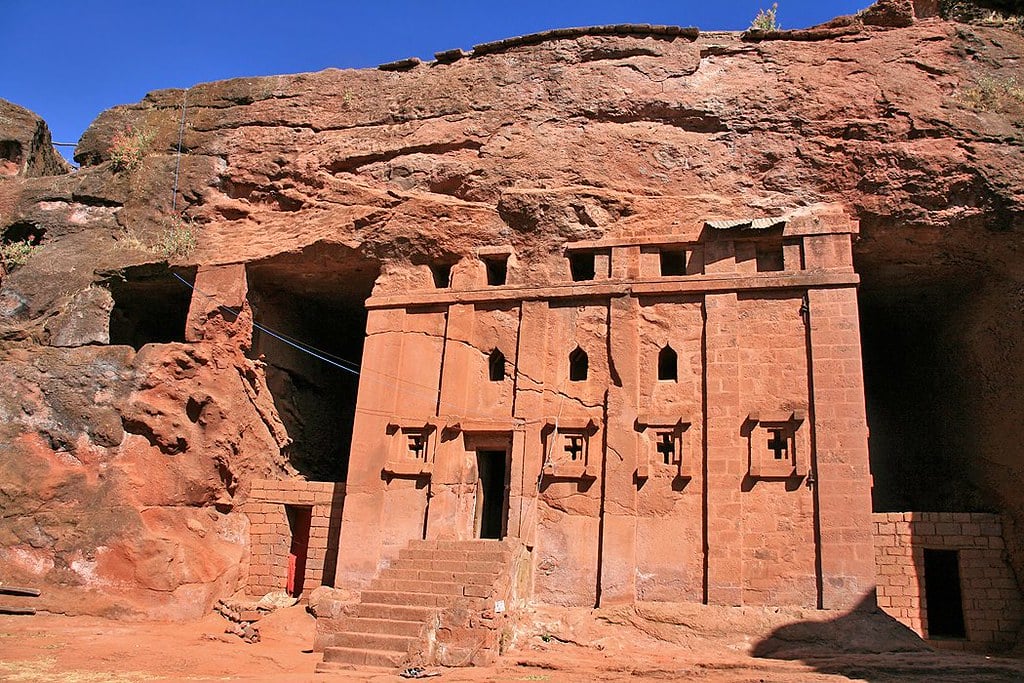
Lalibela decided Jerusalem was too far away for his people to visit. His solution was to build a new Jerusalem in the Ethiopian highlands — eleven churches carved directly into solid rock, connected by underground tunnels and waterways designed to mirror the holy city.
The engineering alone should have been impossible with 12th-century tools. The churches are still there, still in use, still defying explanation for how they were built.
Lalibela turned religious devotion into architecture that looks like it was carved by giants.
Jayavarman VII of the Khmer Empire
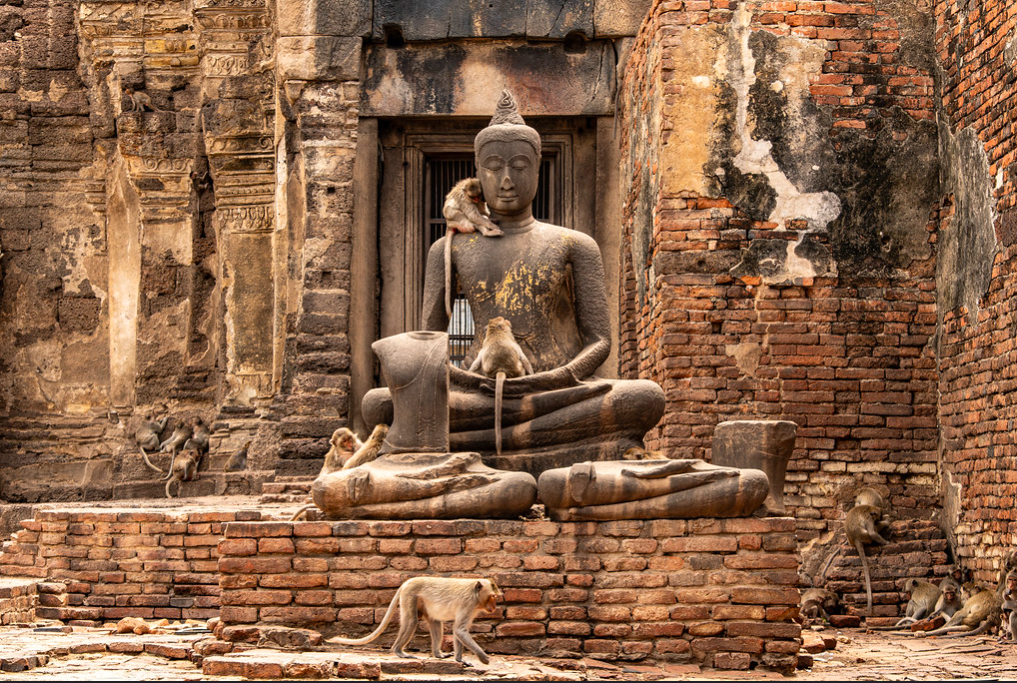
Most rulers build monuments to themselves, but Jayavarman VII took a different approach when he came to power in the late 12th century (after watching the Khmer Empire nearly collapse under invasion and internal strife, which tends to shift your priorities somewhat). Instead of palaces or tomb complexes, he built hospitals — over a hundred of them scattered across his territory, complete with detailed medical texts carved into stone walls and herb gardens maintained by state-appointed physicians.
He also happened to construct Angkor Thom, including the famous faces of the Bayon temple, but the hospitals matter more. And yet — because healing the sick doesn’t make for dramatic television documentaries the way giant temple complexes do — his medical revolution gets mentioned as a footnote, if at all.
The faces get all the attention.
Padmini of Chittor
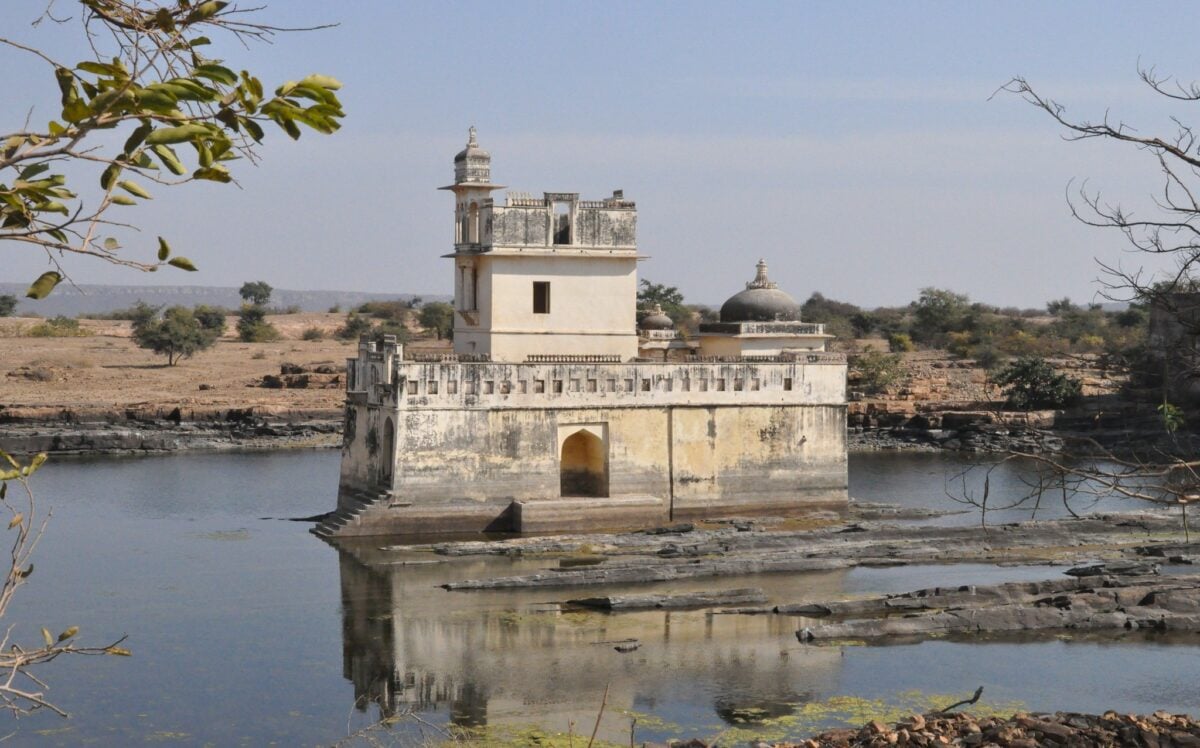
The line between history and legend blurs when you reach Padmini. The story goes that Sultan Alauddin Khilji laid siege to Chittor just to possess her legendary beauty.
Rather than surrender, she led the women of the fortress in jauhar — choosing death over dishonor. The historical evidence is thin.
The legend is powerful. Sometimes that’s enough to shape a culture’s understanding of honor and resistance for centuries afterward.
Tomyris of the Massagetae
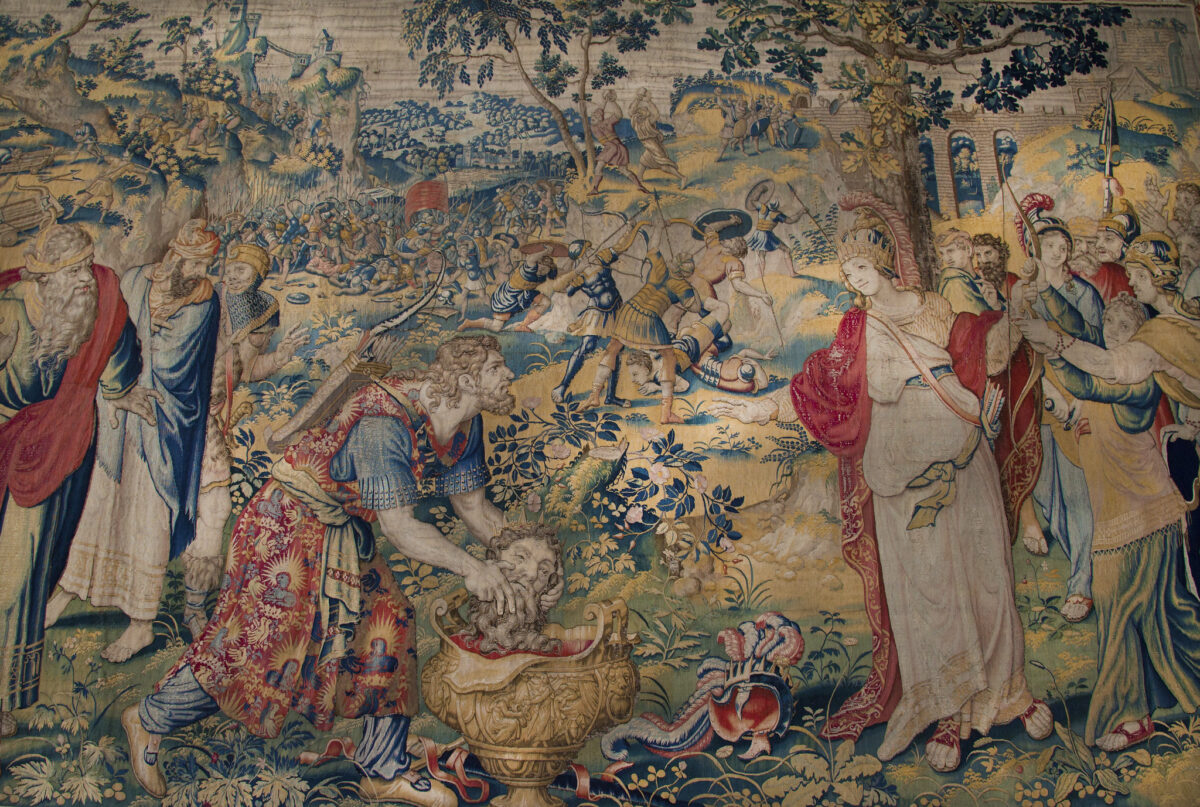
Cyrus the Great conquered most of the known world. Then he met Tomyris.
She ruled the Massagetae, a nomadic people north of Persia. When Cyrus invaded her territory, she killed him and his entire army.
According to Herodotus, she stuffed Cyrus’s severed head into a bag of blood, telling him to drink his fill of what he’d spent his life spilling.
Raziya Sultan of Delhi
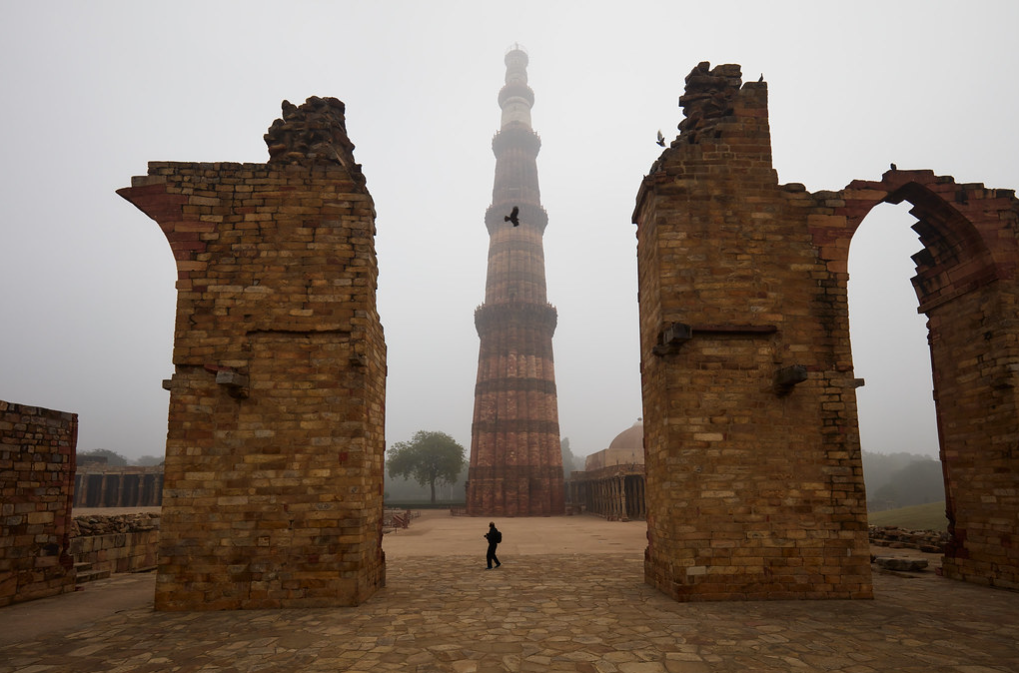
Delhi’s nobles thought they were clever when they put Raziya on the throne in 1236. She was supposed to be a placeholder — a woman ruler who would be easy to control while they sorted out the real succession.
Instead, she showed up to court dressed as a man, refused to hide behind a curtain during public audiences, and started making actual decisions about running the empire. She lasted four years, which doesn’t sound like much until you consider that most Delhi sultans of that era measured their reigns in months rather than years (court intrigue being what it was, and poison being readily available).
The nobles eventually got rid of her, but not before she’d proven that gender had nothing to do with political competence — a lesson they apparently preferred not to learn.
Mansa Sakura of Mali
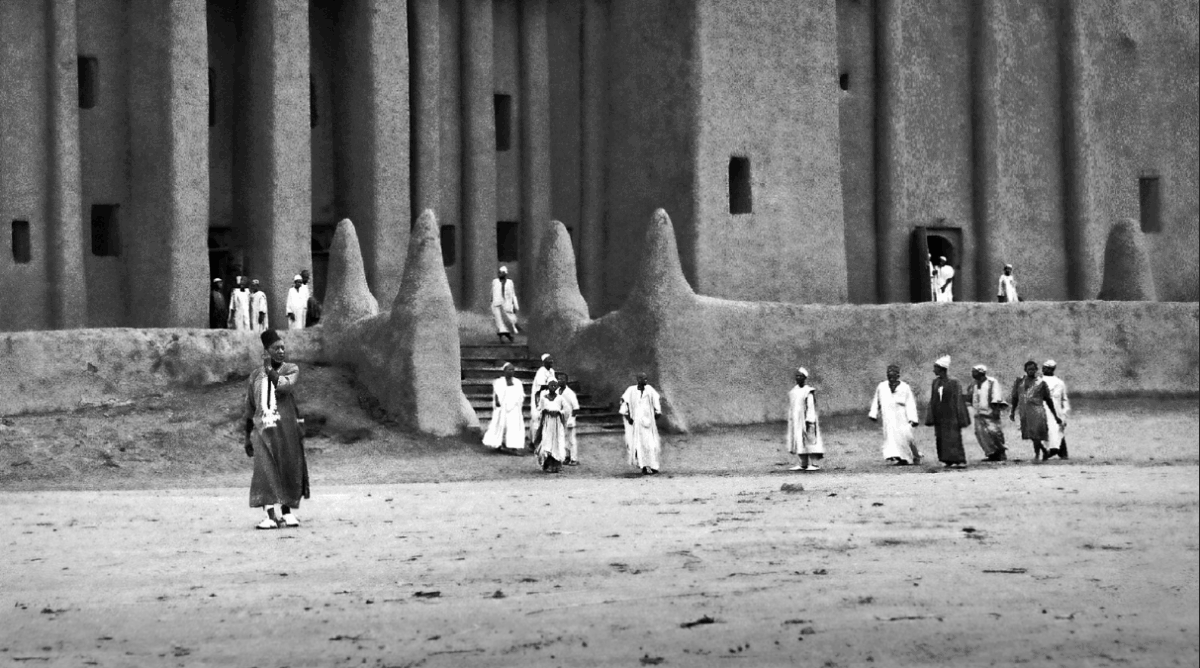
Sometimes the most interesting rulers are the ones who were never supposed to rule at all. Sakura started as a slave in the Mali court, worked his way up to become a trusted general, and eventually took the throne during a succession crisis in the late 13th century (the royal family being too busy fighting each other to notice that their former slave had quietly gathered enough support to seize power).
He turned out to be exactly what Mali needed. Sakura expanded the empire’s borders, strengthened its trade networks, and made the famous pilgrimage to Mecca that announced Mali’s wealth to the Islamic world — the same journey that would make his successor Mansa Musa legendary for crashing the gold market in Cairo. But Sakura gets forgotten because he wasn’t born royal, as if the accident of birth matters more than what someone actually accomplishes once they’re in charge.
Which is a very human way to miss the point entirely.
Wu Zetian of China
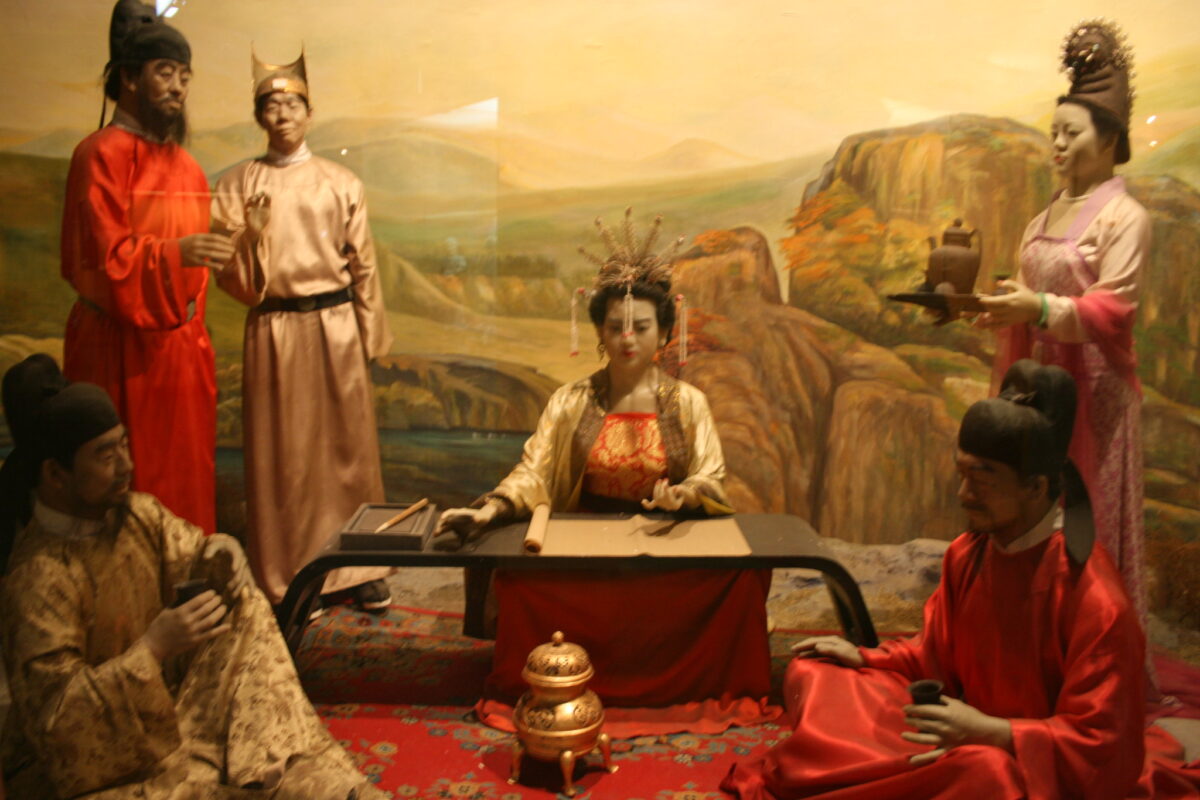
Wu Zetian remains the only woman to hold the title of Emperor in Chinese history. She clawed her way from concubine to empress to emperor through a combination of political brilliance and ruthless elimination of rivals.
Her reign was marked by expansion, cultural flourishing, and administrative reforms that strengthened the empire. Contemporary accounts paint her as a monster.
Modern historians suggest the sources might have been biased against a woman wielding ultimate power. History, as usual, is written by people with opinions.
Zenobia of Palmyra
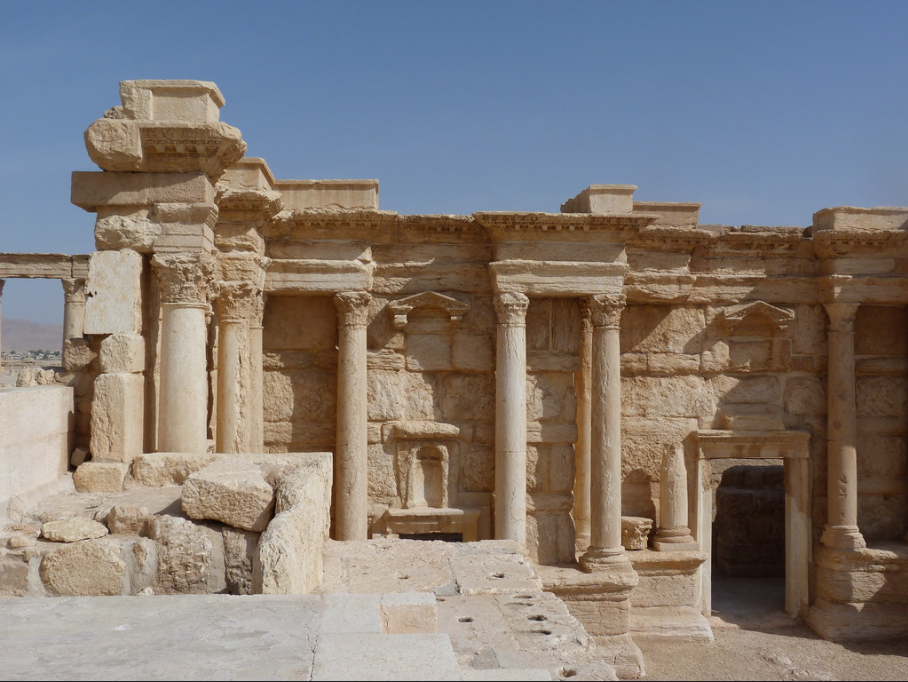
Picture Rome at its height, then imagine someone deciding to challenge it head-on. That was Zenobia’s approach when she declared independence for Palmyra in the 3rd century, conquered Egypt and most of Asia Minor, and proclaimed herself Queen of the East while Rome was distracted by civil wars and barbarian invasions.
She held her expanded kingdom for six years before Emperor Aurelian finally gathered enough forces to take her down — but those six years represent one of the few times someone successfully carved out a chunk of the Roman Empire and made it stick, even temporarily. The Romans respected her enough to parade her through the streets in golden chains rather than simply executing her, which was their version of a compliment.
Amina of Zazzau
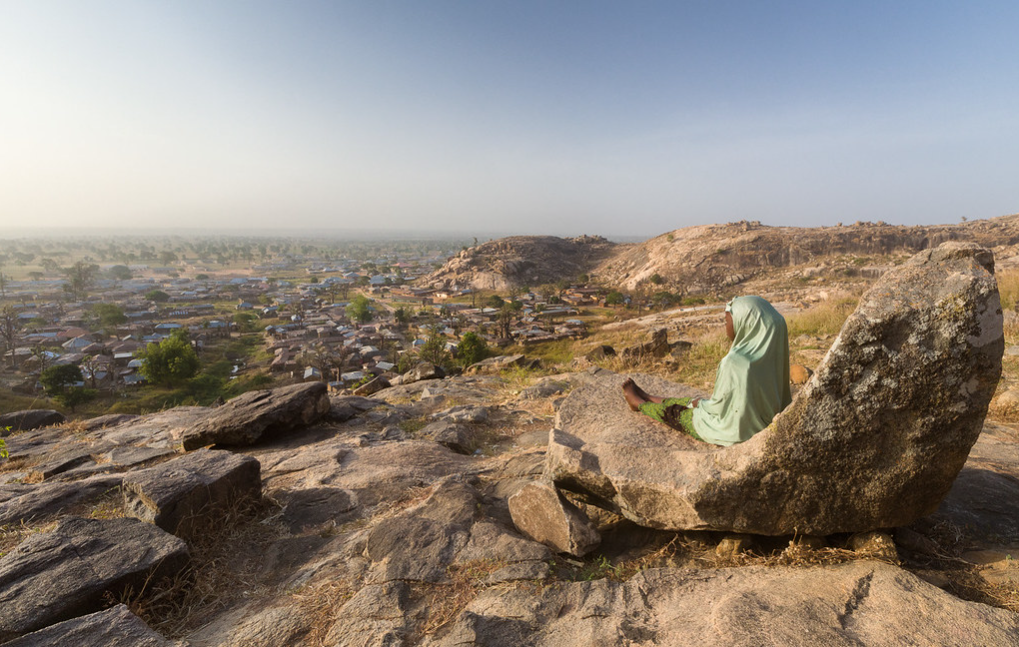
Amina expanded the Hausa city-state of Zazzau through military conquest in the 16th century. She personally led cavalry charges and surrounded each conquered city with walls — fortifications that became known as “Amina’s walls” and some of which still stand today.
She never married, claiming no man was her equal in battle. Given her track record, this wasn’t boasting.
Sunandha Kumariratana of Siam
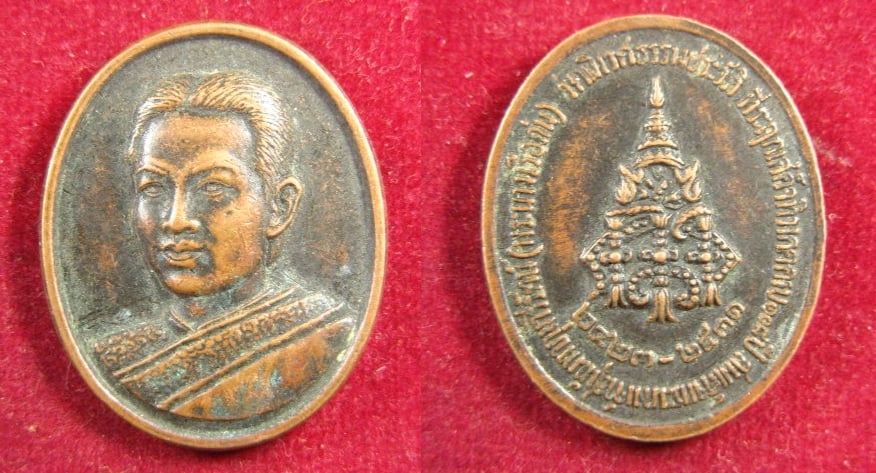
The tragedy of Sunandha’s story isn’t just that she drowned in a boating accident in 1880 — it’s that she drowned because Siamese law forbade anyone from touching the queen, even to save her life. Servants stood on the riverbank and watched the 19-year-old queen and her infant daughter drown rather than break protocol by reaching into the water.
Her death forced a complete reexamination of royal protocol in Siam. Sometimes change comes from the most senseless losses, and sometimes the most rigid traditions collapse under the weight of their own absurdity.
But the cost of that lesson feels impossibly high.
Dihya of the Aurès Mountains
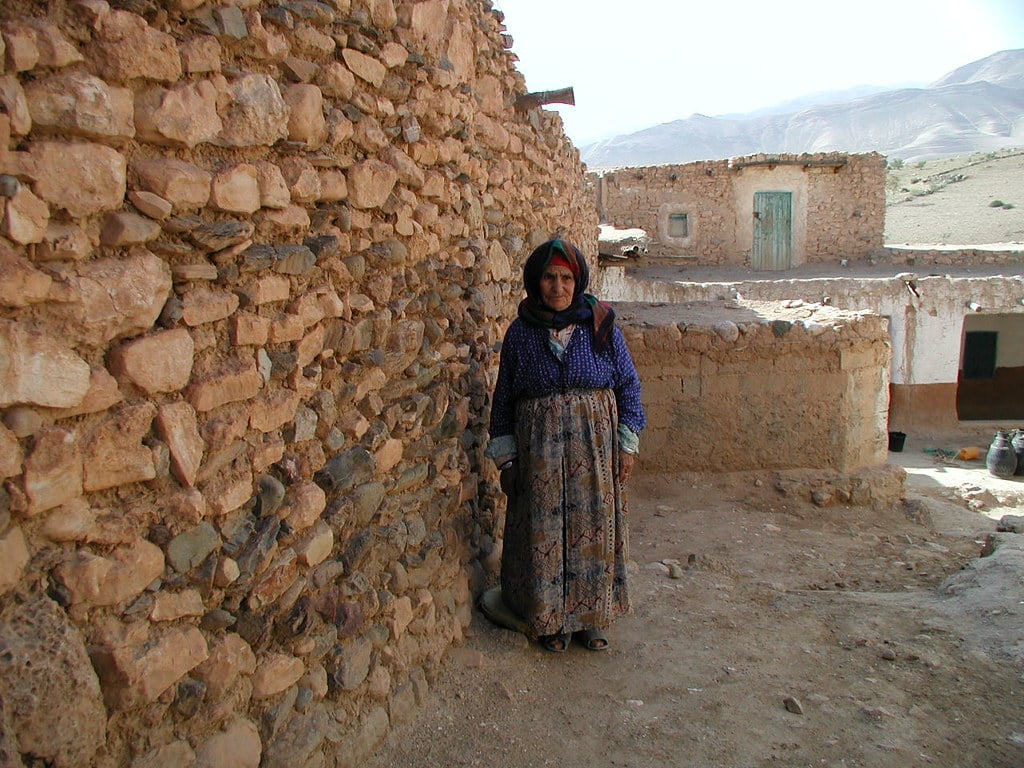
The Arabs called her “Kahina” — the sorceress — because they couldn’t explain how a Berber woman kept defeating their armies in 7th-century North Africa. Dihya used guerrilla tactics, scorched earth policies, and detailed knowledge of mountain terrain to hold off the Islamic conquest for years.
She eventually lost, as most resistance fighters do when facing a larger empire. But she bought time for her people to adapt to the changing world on their own terms rather than being swept away entirely.
Didda of Kashmir

Didda ruled Kashmir for nearly five decades in the 10th and 11th centuries, first as regent for her young son, then as queen in her own right after his death. She’s remembered for being ruthless in eliminating rivals — which was standard operating procedure for medieval rulers, though somehow it sounds more shocking when the ruler happens to be a woman.
What’s more interesting is that she managed to keep Kashmir independent and prosperous during a period when most neighboring kingdoms were being absorbed into larger empires. Ruthlessness without results is just cruelty.
Ruthlessness that preserves a kingdom for half a century is statecraft.
The Threads That Connect
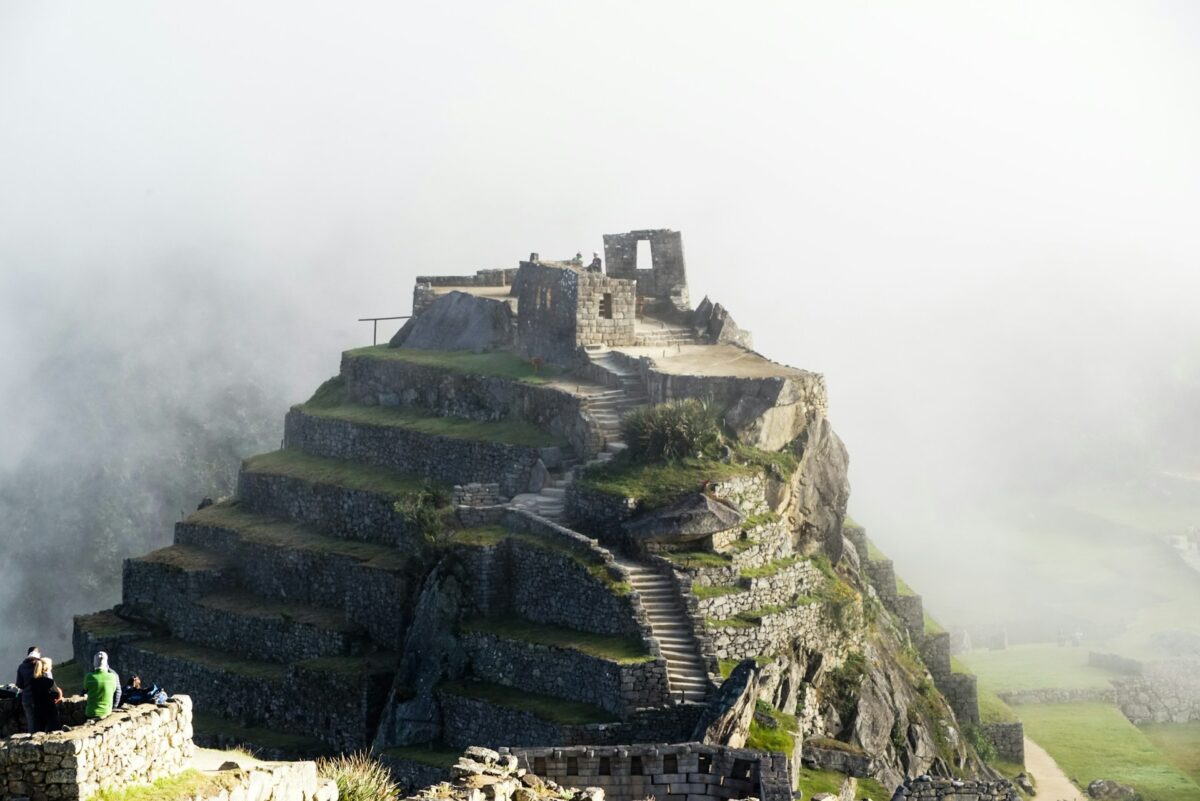
These rulers span continents and centuries, but they share something beyond obscurity. They ruled during moments of transition — when old systems were breaking down, when empires were shifting, when someone needed to hold things together or build something new from scratch.
Maybe that’s why their stories got buried. History prefers neat narratives about established powers, not complicated tales about people navigating uncertainty with limited resources and unlimited determination.
Their kingdoms may have faded, but their approaches to leadership — pragmatic, adaptive, occasionally brilliant — feel surprisingly relevant. They remind us that power isn’t just about inheritance or conquest.
Sometimes it’s about seeing what needs to be done and finding a way to do it, even when no one expects you to succeed.
More from Go2Tutors!

- The Romanov Crown Jewels and Their Tragic Fate
- 13 Historical Mysteries That Science Still Can’t Solve
- Famous Hoaxes That Fooled the World for Years
- 15 Child Stars with Tragic Adult Lives
- 16 Famous Jewelry Pieces in History
Like Go2Tutors’s content? Follow us on MSN.