Largest Autonomous Vessels Mapping the Deep Ocean
The deep ocean remains one of Earth’s last frontiers, a vast expanse where crushing pressures and perpetual darkness have kept human exploration at bay for millennia. While astronauts have walked on the moon and rovers have traversed Mars, less than five percent of our own planet’s seafloor has been mapped with the same resolution we have of the lunar surface.
That reality is changing, thanks to a fleet of remarkable autonomous vessels that are quietly revolutionizing our understanding of the deep ocean realm. These technological marvels represent a convergence of cutting-edge engineering, artificial intelligence, and marine science.
Hugin Superior AUV
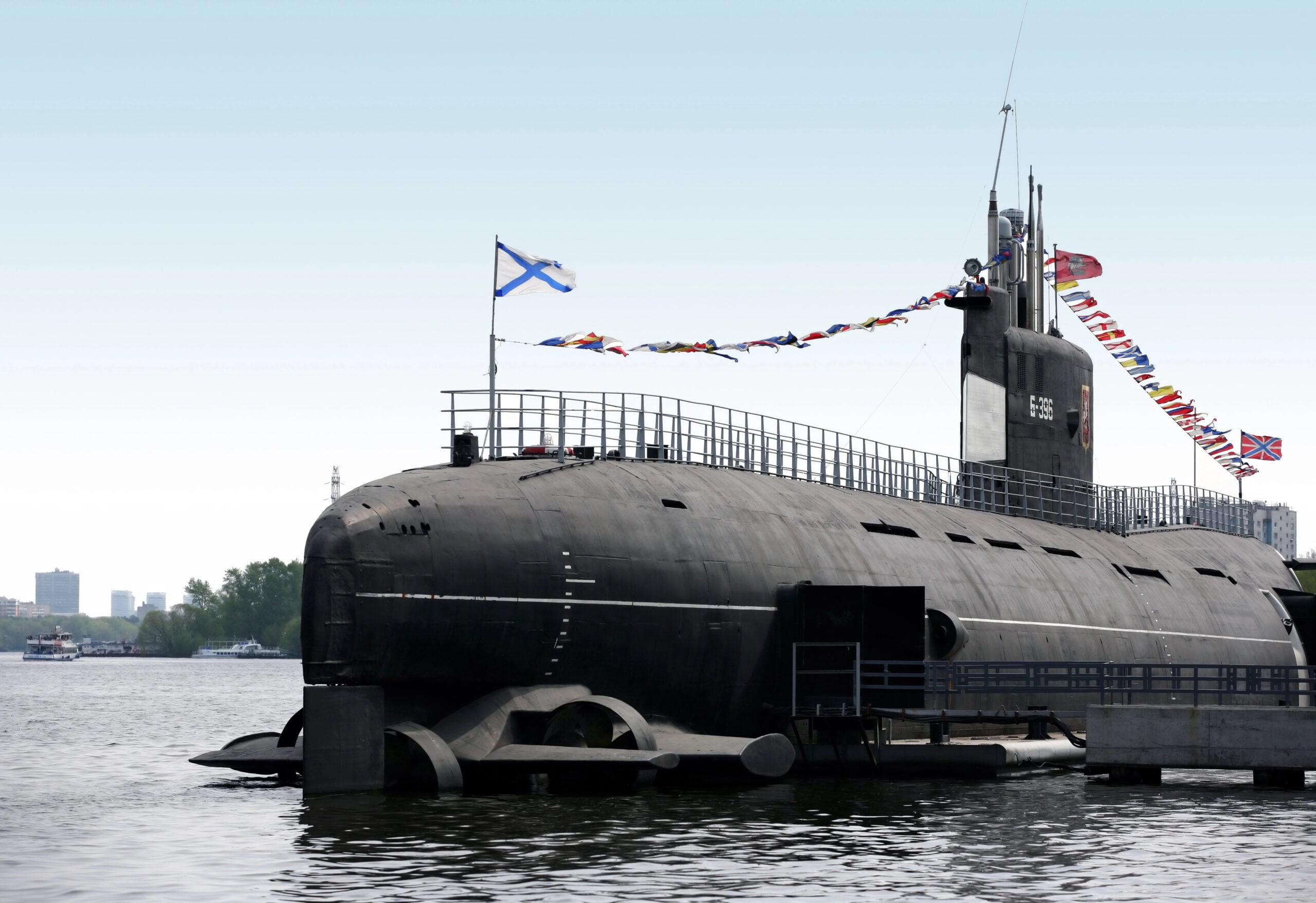
The Hugin Superior stands as Norway’s contribution to deep-sea exploration dominance. This 20-meter autonomous giant can dive to 6,000 meters and stay submerged for up to 60 hours.
Its synthetic aperture sonar creates seafloor maps so detailed you can identify objects the size of a coffee cup.
Deep Ocean Search And Survey Dossee
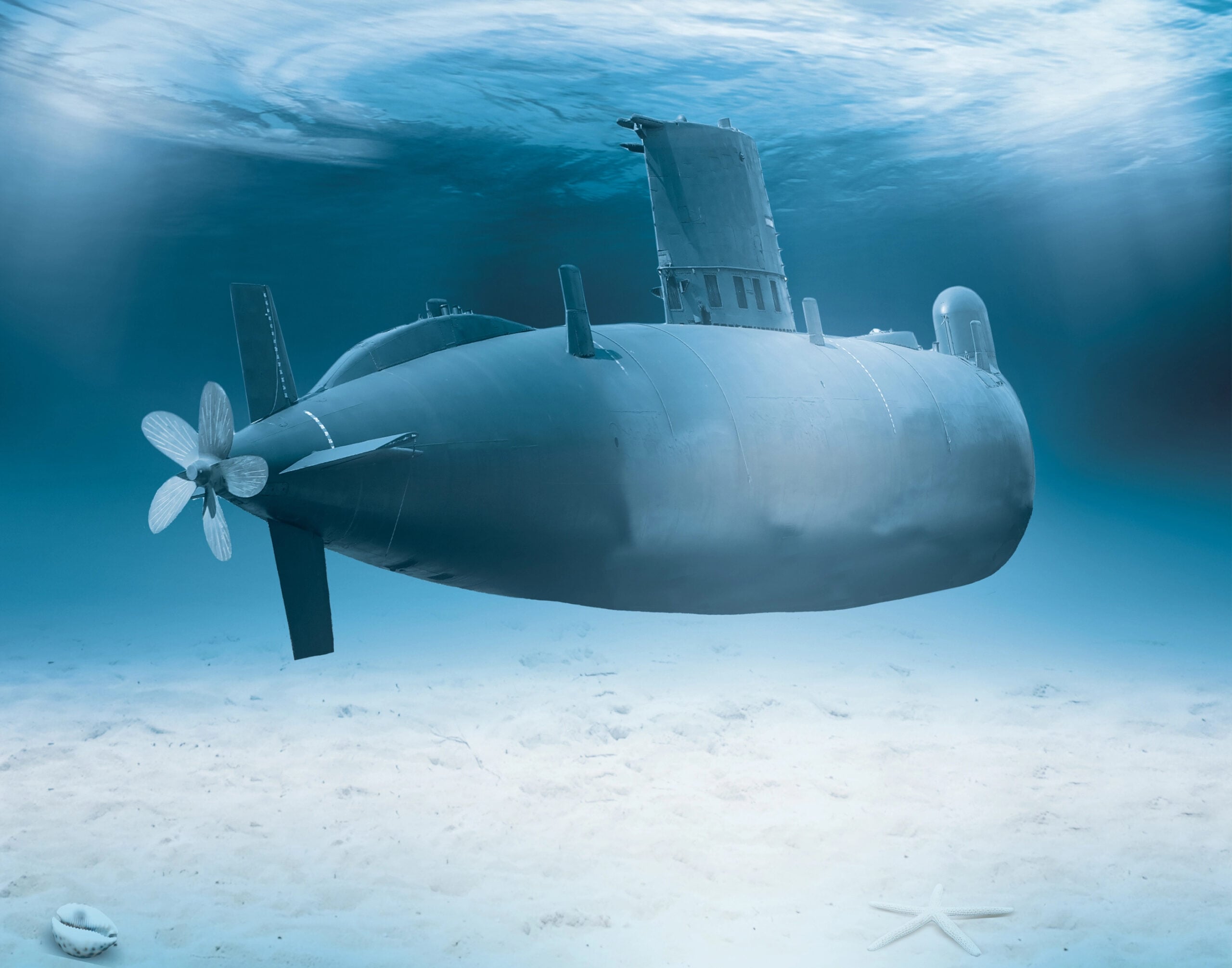
Think of DOSSEE as the marathon runner of autonomous ocean mapping — it’s not the fastest, but it keeps going when everything else has given up (which, in the deep ocean, happens more often than anyone likes to admit). Built by Germany’s marine technology consortium, this 25-meter vessel represents what happens when engineers decide that endurance matters more than speed, and as it turns out, they were absolutely right.
The deep ocean doesn’t care about your schedule, your deadlines, or your perfectly calibrated mission parameters — it operates on geological time, where patience isn’t a virtue so much as a basic requirement for survival. So the question isn’t whether DOSSEE is impressive — it’s whether the rest of the ocean mapping world is stubborn enough to keep up.
And where other vessels might surface after a few days of data collection, DOSSEE disappears beneath the waves for months at a time, methodically mapping sections of seafloor that haven’t been documented since the continents were in different positions.
Wave Glider Sv3
The Wave Glider operates on a different principle entirely. It’s the ocean’s equivalent of a patient naturalist, content to let the water itself provide all the energy it needs while it quietly observes everything around it.
This 6-meter surface vessel tows a subsurface glider through ocean swells, converting wave motion into forward propulsion with an elegance that feels almost organic.
Wave energy becomes movement becomes data becomes understanding — a chain of transformation that happens so smoothly you forget how remarkable the whole process really is. The Wave Glider doesn’t fight the ocean or impose itself upon it.
Instead, it finds a way to dance with the waves, using their own rhythm to carry its instruments across thousands of miles of open water.
Seaglider Autonomous Underwater Vehicle
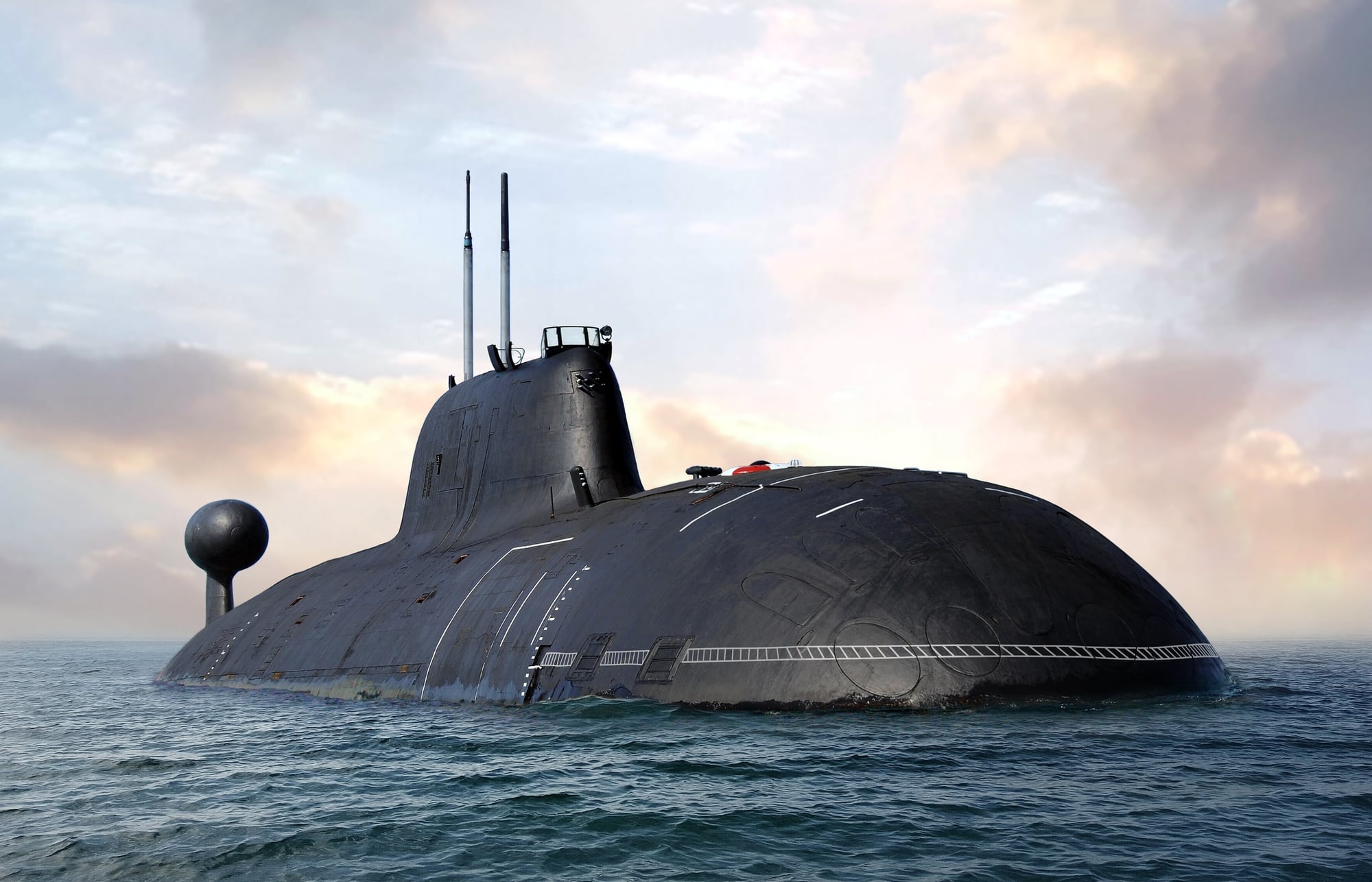
Seagliders are the minimalists of autonomous ocean mapping. They get the job done without fanfare, which is exactly what long-term ocean monitoring requires.
These 1.8-meter vehicles change their buoyancy to glide through the water column, surfacing every few hours to transmit data via satellite. Simple concept, flawless execution.
They’ve been mapping ocean basins continuously for over two decades.
Remus Sharkcam
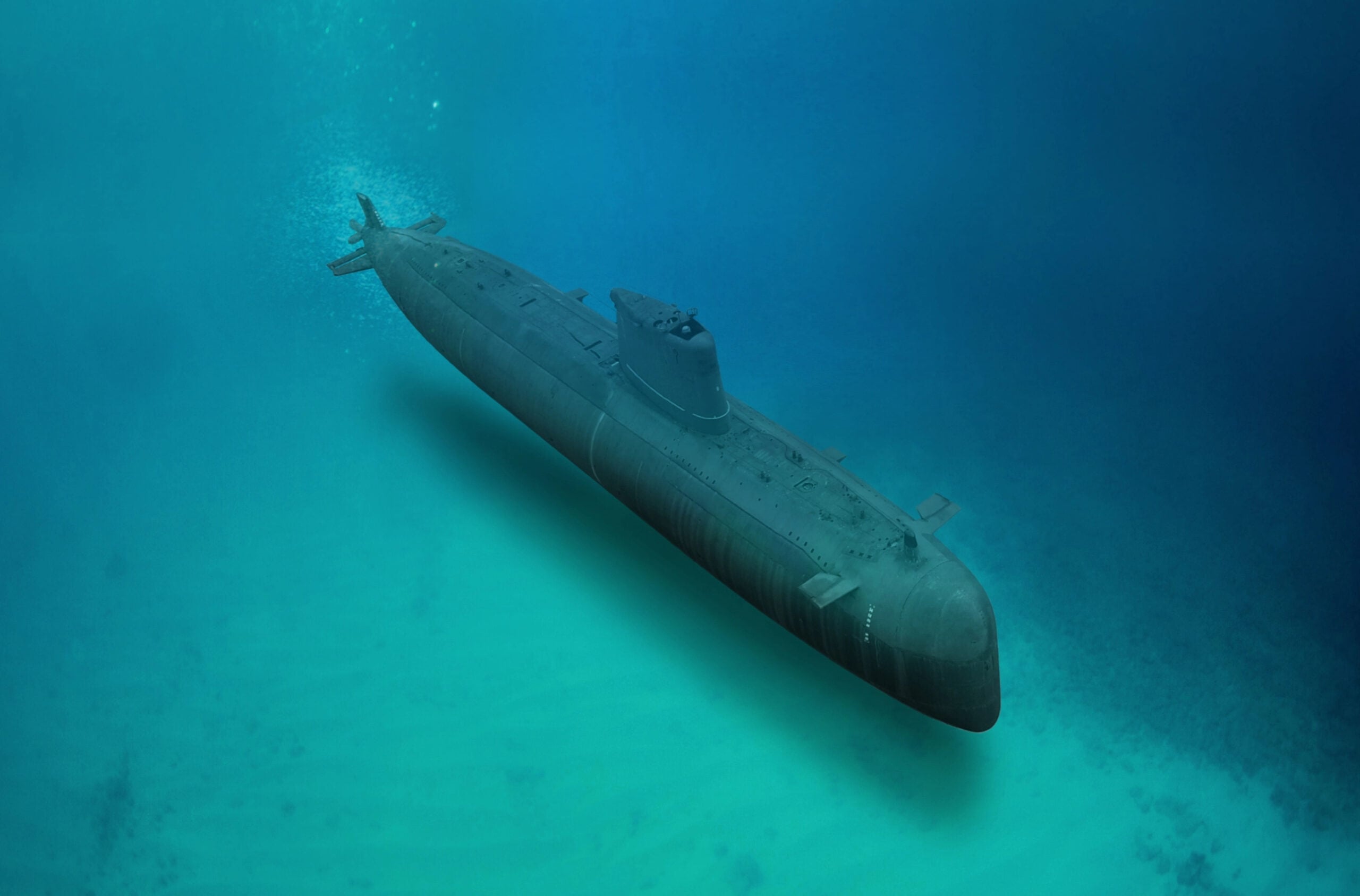
REMUS SharkCam proves that the most sophisticated technology sometimes serves the most primal fascination — our need to follow apex predators through their own domain and see what they see (even when, or perhaps especially when, we’re not entirely sure we want to know). This 1.5-meter yellow torpedo doesn’t just map the seafloor; it shadows sharks, whales, and other marine giants, collecting environmental data while documenting behavior that remains largely mysterious to surface-bound humans.
And the footage it captures has that quality of accidental intimacy, like stumbling upon a conversation you weren’t meant to hear. The vehicle’s ability to autonomously track and follow marine life means it becomes, in essence, a temporary member of the ecosystem it’s studying.
But what makes REMUS SharkCam particularly compelling is how it transforms scientific data collection into something that feels almost voyeuristic — suddenly you’re seeing the ocean from the perspective of creatures that have been navigating these waters for millions of years longer than humans have existed.
Autonomous Underwater Vehicle Abyss
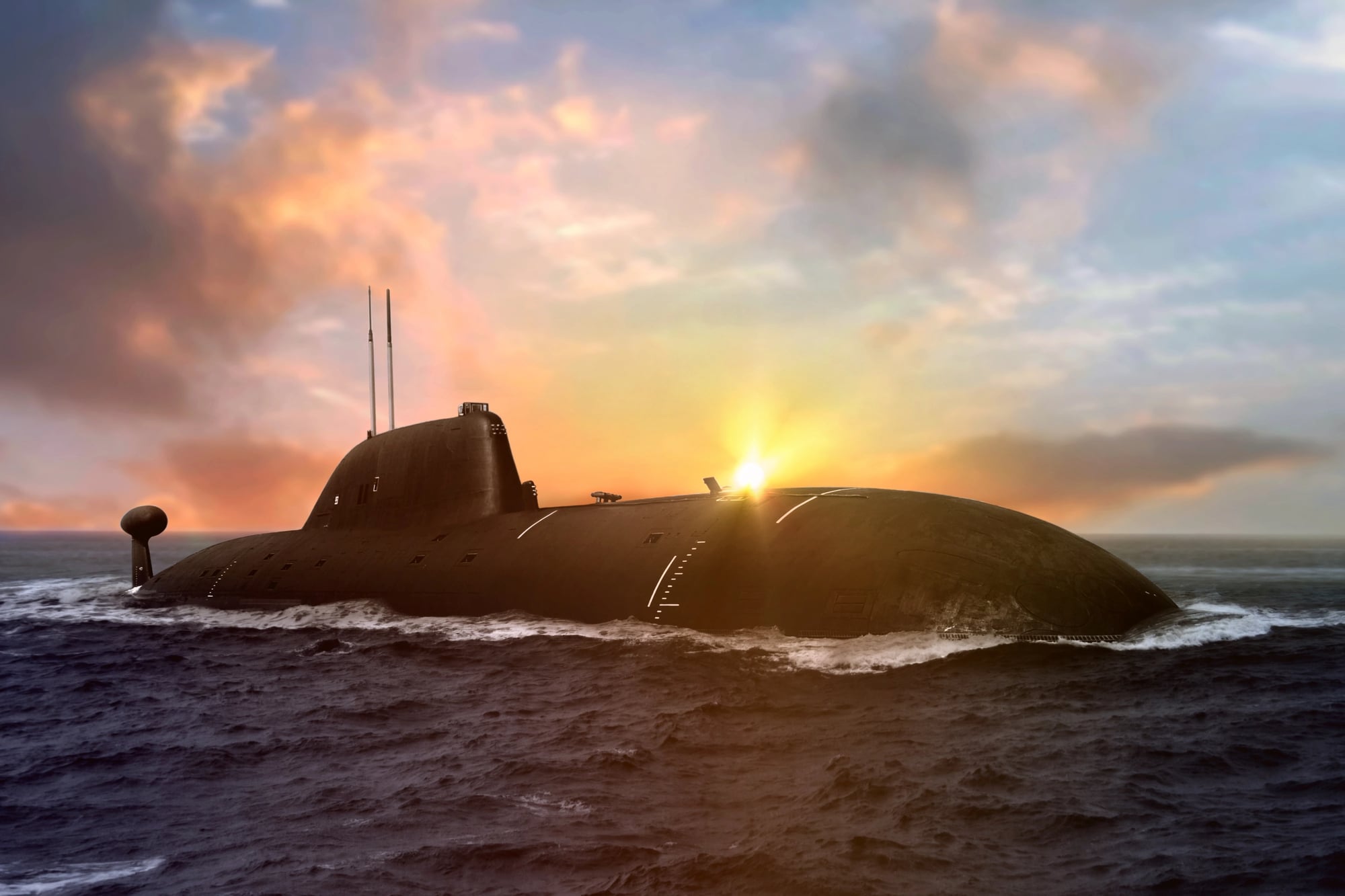
ABYSS handles the ocean’s most punishing environments without breaking stride. Built to withstand pressures that would crush a steel drum like a soda can, this Russian-designed vehicle operates at depths where the water itself becomes a different substance entirely.
The engineering required to create electronics that function under such extreme conditions borders on the absurd. Yet ABYSS routinely dives to 6,000 meters, maps active volcanic vents, and returns to the surface with data intact.
Most impressive is how routine these impossible missions have become.
Bluefin-21 AUV
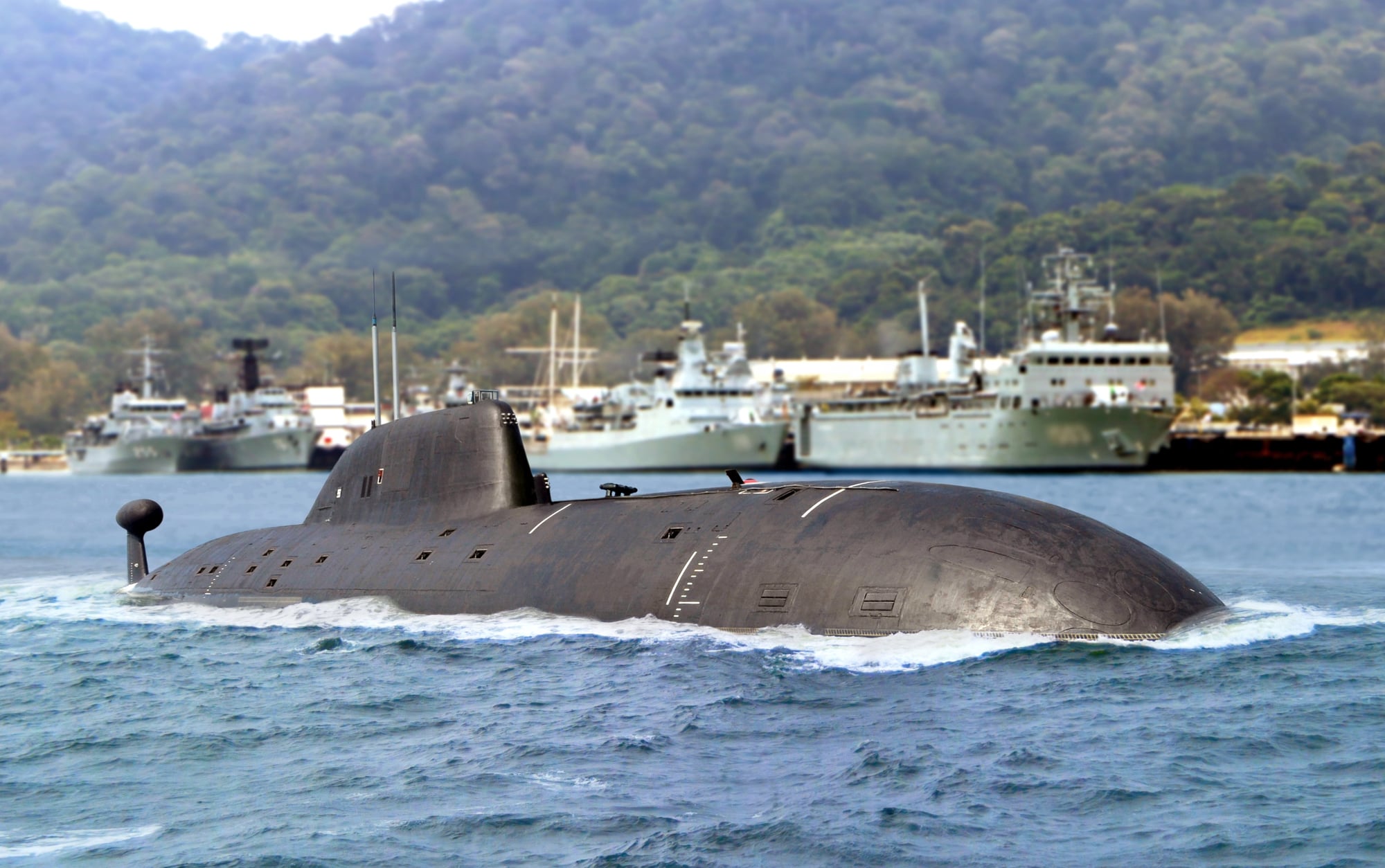
The Bluefin-21 earned its reputation during the search for Malaysia Airlines Flight 370, but its mapping capabilities extend far beyond high-profile recovery missions. This 4.9-meter vehicle combines side-scan sonar with autonomous navigation systems that allow it to create detailed seafloor maps while avoiding obstacles in real-time.
Its modular design means the same platform can be configured for different mapping missions — bathymetric surveys, geological sampling, or archaeological exploration. The Bluefin-21 adapts to whatever the mission requires, which explains why it’s become the go-to choice for complex deep-water mapping projects.
Slocum Glider
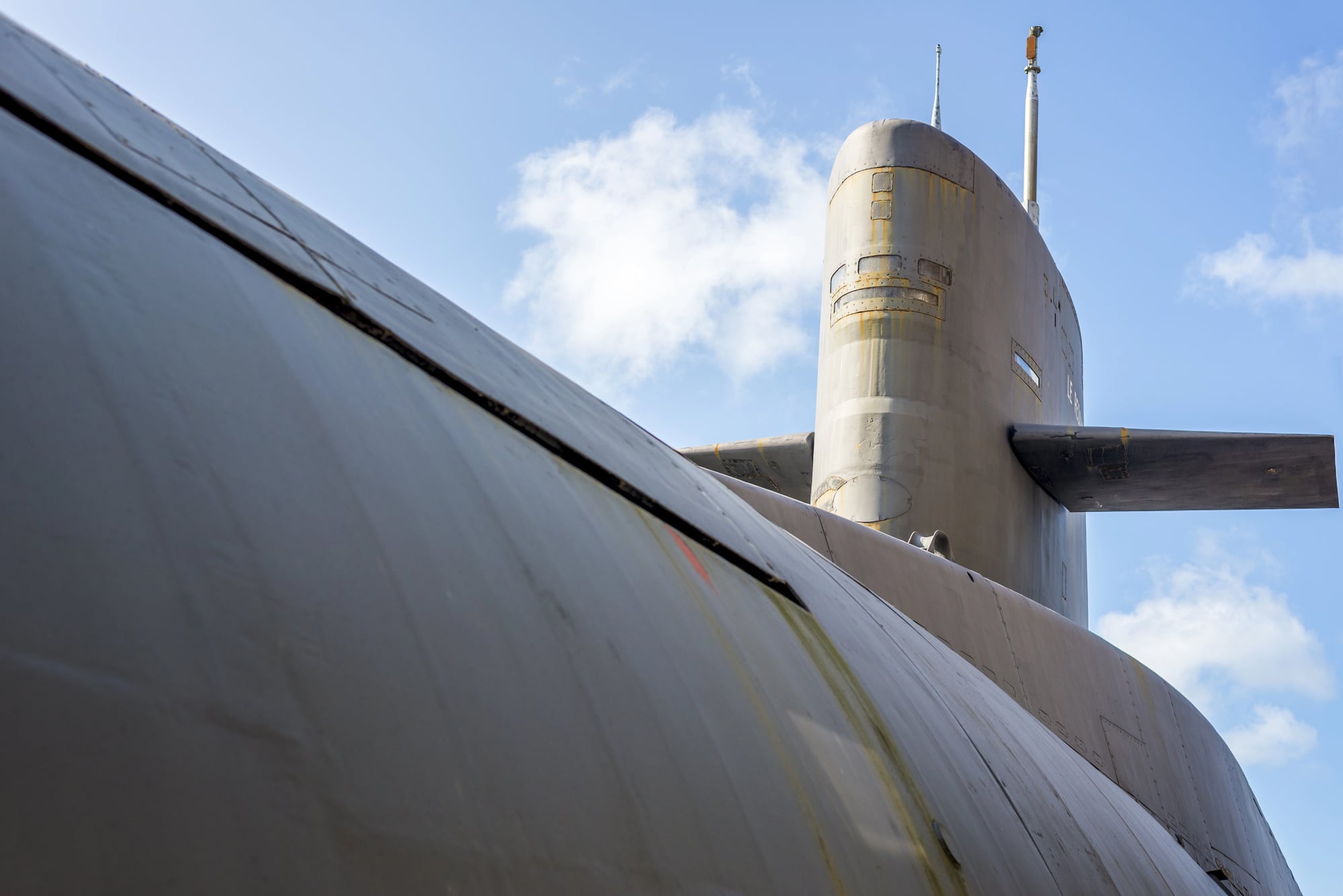
Slocum Gliders are the workhorses that make large-scale ocean mapping economically feasible, though calling them workhorses probably undersells their elegance (they move through the water with a grace that most marine life would envy, if marine life cared about such things, which it probably doesn’t). These 1.5-meter vehicles use changes in buoyancy to glide up and down through the water column, covering vast distances while consuming minimal power — a feat of efficiency that makes conventional propeller-driven vehicles look wasteful and loud.
And the data they collect during these months-long journeys builds into comprehensive pictures of ocean conditions that simply couldn’t be gathered any other way. But here’s what makes Slocum Gliders particularly remarkable: they’ve been quietly revolutionizing oceanography by making it possible to maintain continuous monitoring of ocean basins for years at a time.
So while researchers debate the finer points of ocean mapping methodology, Slocum Gliders just keep swimming, collecting data that becomes the foundation for understanding everything from climate change to marine ecosystem health.
Kongsberg Hugin
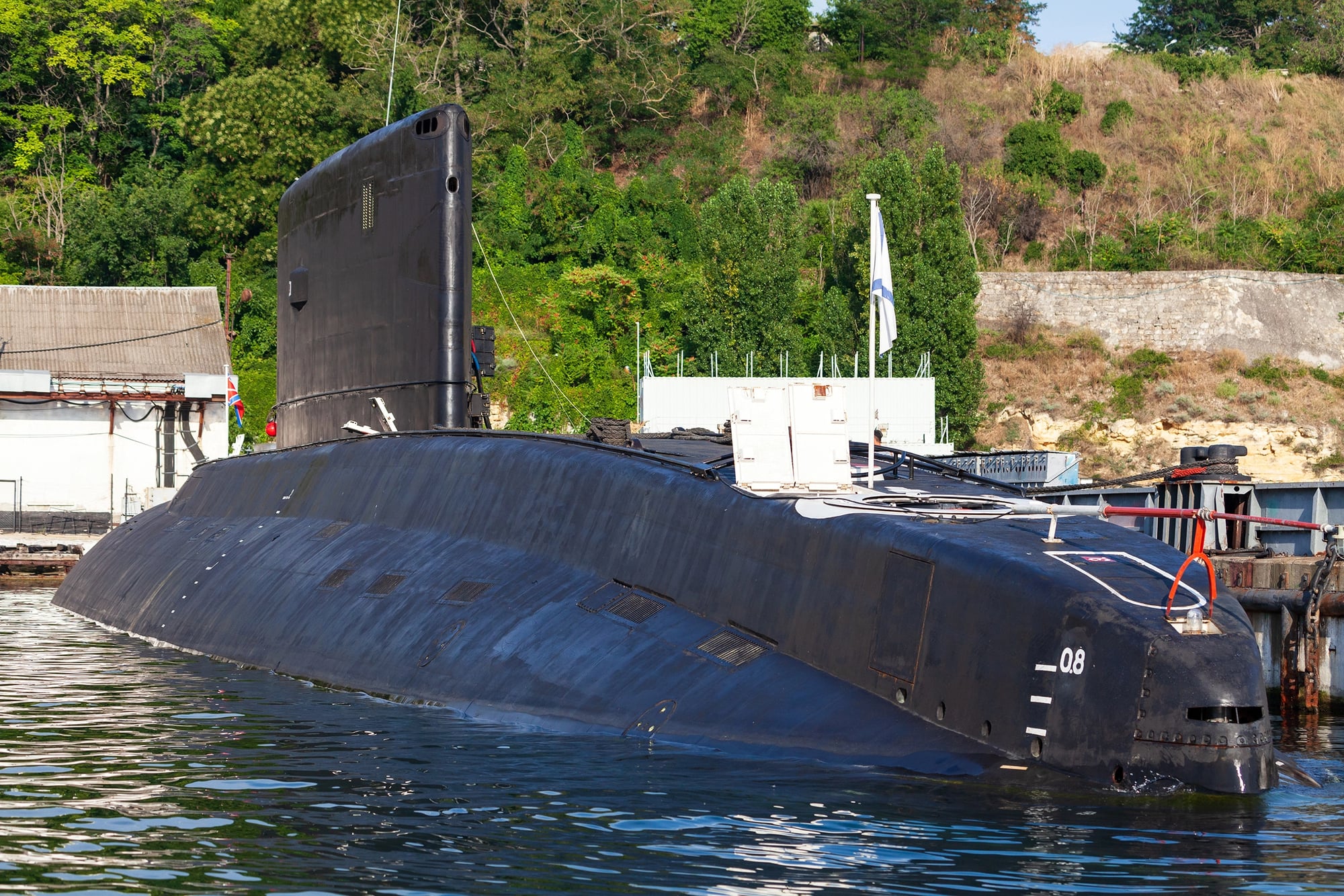
The Kongsberg HUGIN series represents Norwegian precision applied to deep-ocean mapping. These vehicles don’t just map the seafloor — they dissect it with surgical accuracy, revealing geological features that reshape our understanding of underwater landscapes.
The HUGIN’s synthetic aperture sonar creates images so detailed that marine archaeologists can identify individual artifacts scattered across ancient shipwrecks. For geological surveys, this level of resolution means discovering underwater mountain ranges, volcanic formations, and tectonic features that were invisible to previous mapping technologies.
Ocean Infinity Auv Fleet
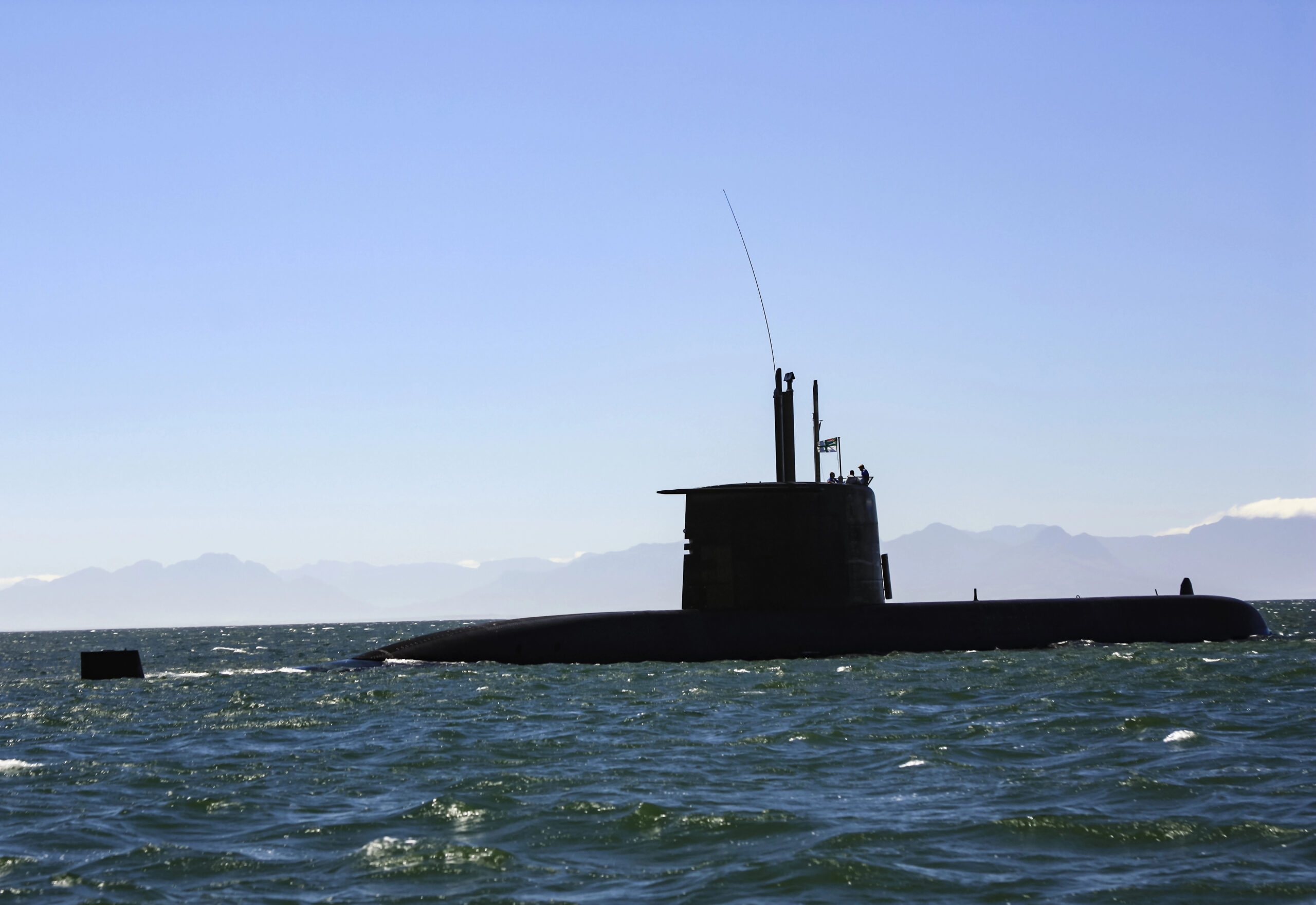
Ocean Infinity operates the largest fleet of autonomous mapping vehicles in commercial service, deploying up to eight Hugin vehicles simultaneously from a single mothership. The coordinated mapping approach allows them to survey vast areas of seafloor in a fraction of the time required by traditional methods.
Their fleet approach has proven particularly effective for large-scale geological surveys and offshore infrastructure planning. Multiple vehicles working in coordination can map entire continental shelf regions while collecting different types of data simultaneously — bathymetric, magnetic, gravitational, and acoustic.
Autosub Long Range
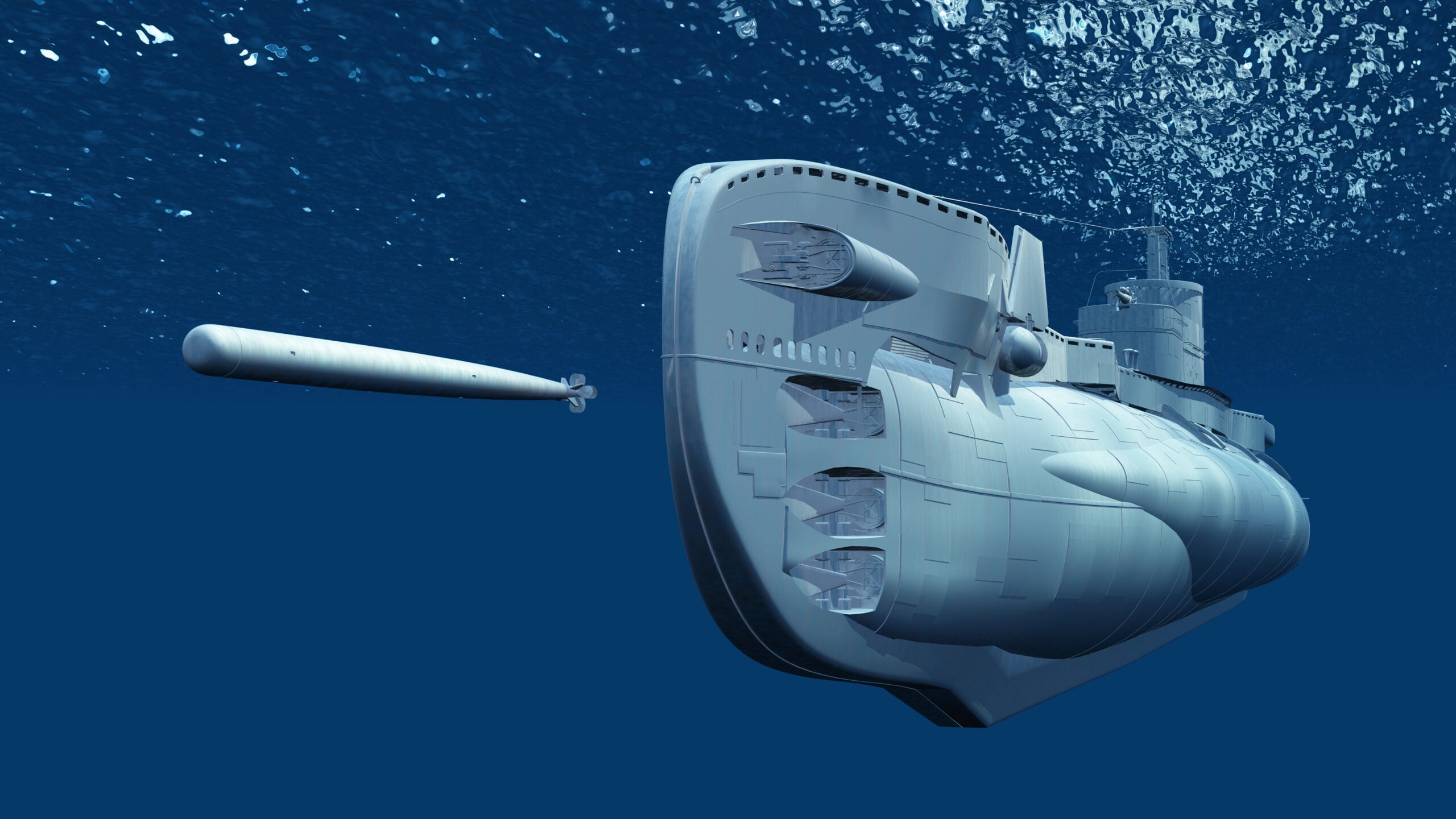
AutoSub Long Range embodies British engineering’s approach to extreme endurance challenges, designed specifically for missions where other vehicles would simply run out of power and sink to the bottom like expensive paperweights (which, to be fair, is exactly what happens more often than the marine robotics industry likes to discuss publicly). This 7-meter vehicle can operate independently for up to six months, navigating beneath polar ice sheets and mapping seafloor regions that remain inaccessible to surface vessels.
And the missions it undertakes — solo journeys under Antarctic ice shelves, months-long transects across remote ocean basins — sound like the kind of assignments you’d give to a robot specifically because no human would be foolish enough to attempt them. AutoSub Long Range has mapped sections of seafloor beneath ice shelves that are actively changing due to climate effects, providing data that becomes crucial for understanding how quickly these massive ice formations might collapse.
But perhaps more importantly, it does this work with a methodical patience that human-crewed expeditions simply cannot sustain — returning with datasets that represent months of continuous observation in some of the planet’s most remote locations.
Iver Auv Series
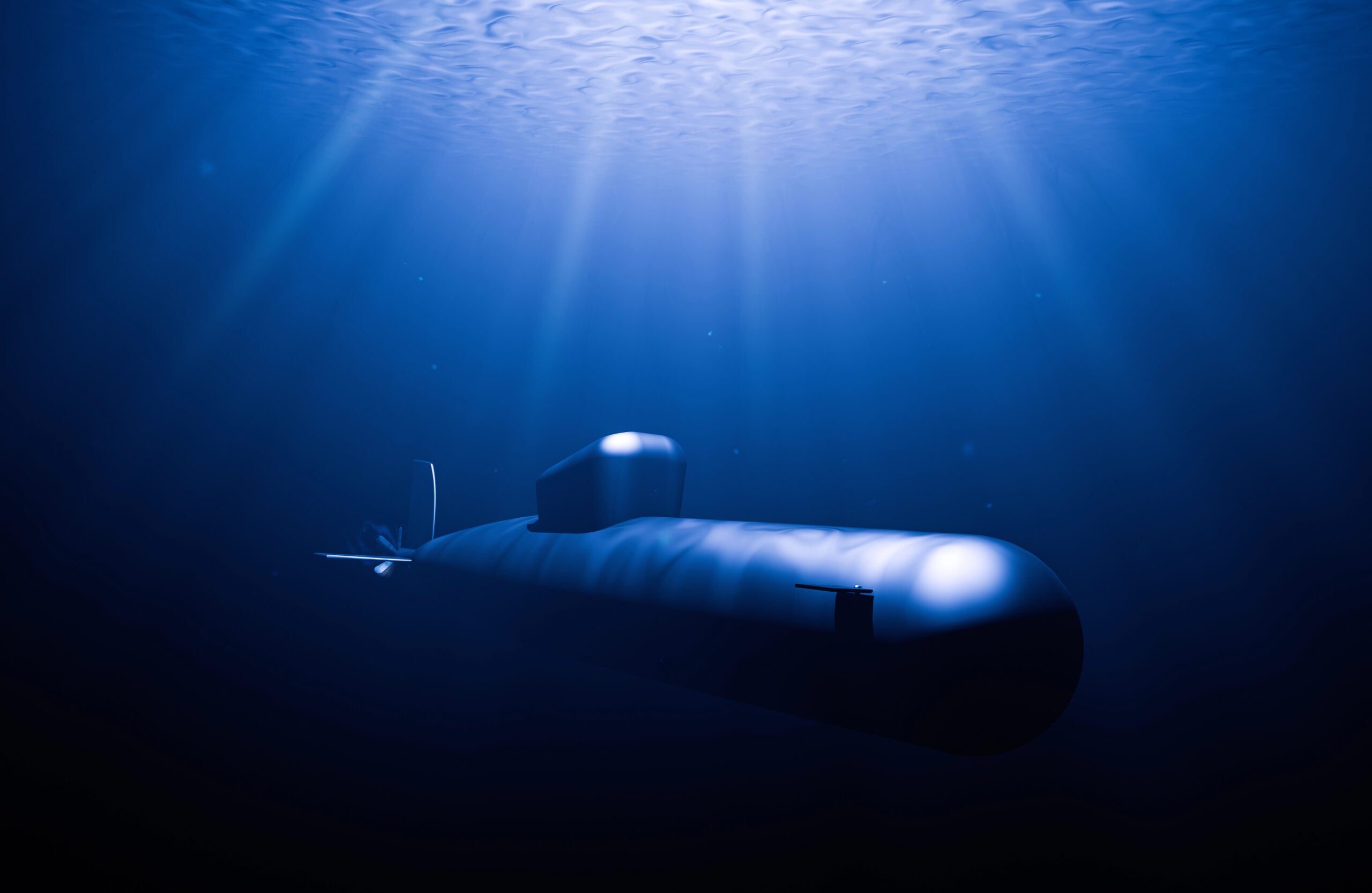
The Iver series proves that effective ocean mapping doesn’t always require massive, expensive platforms. These compact vehicles excel at high-resolution coastal mapping and archaeological surveys.
At just 2.2 meters long, Iver AUVs can access shallow waters and confined spaces that larger vehicles cannot navigate. Their small size also makes deployment simpler — they can be launched from small boats or even directly from shore in some cases.
Autosub 6000
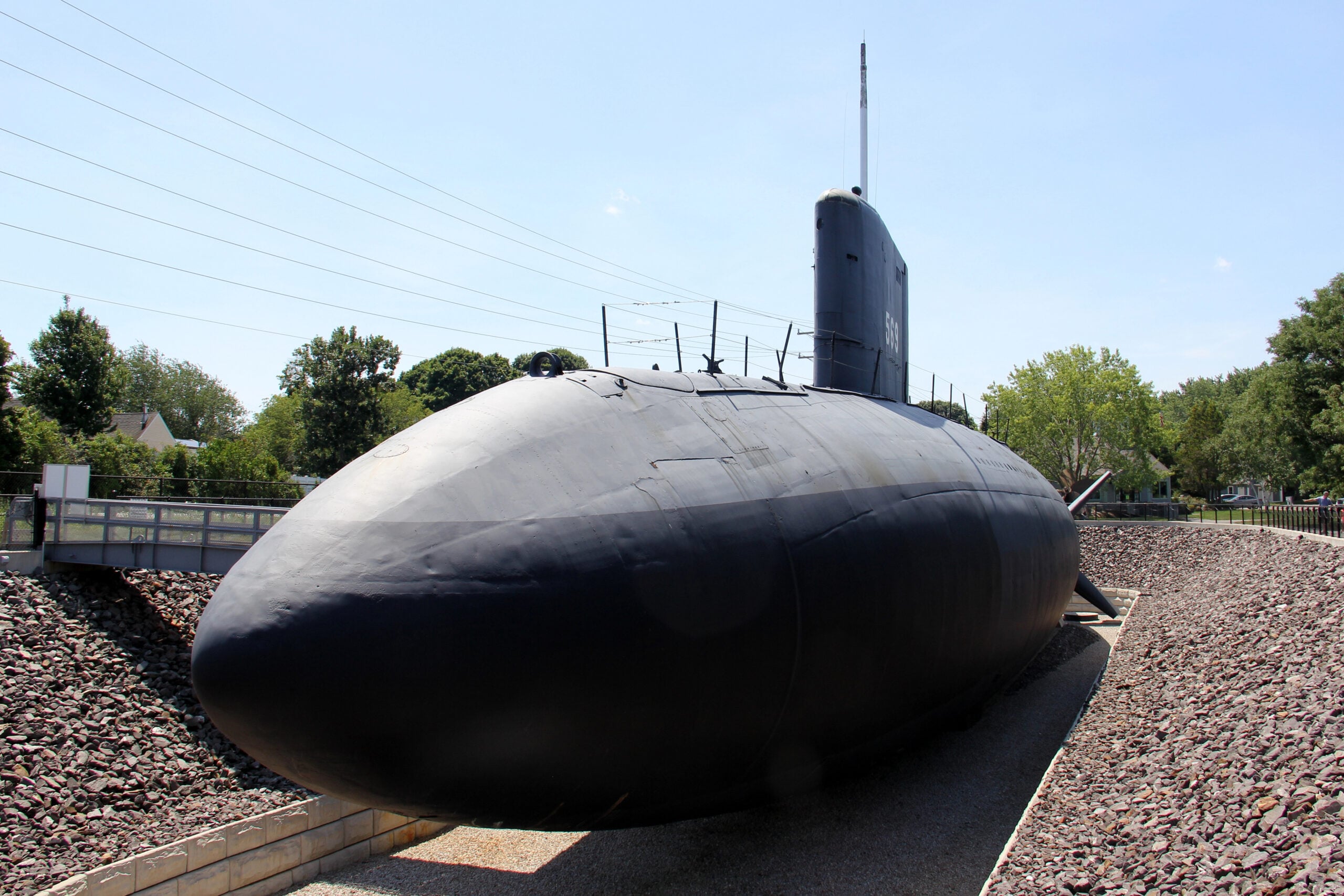
Autosub 6000 was specifically engineered for hadal zone exploration — the deepest ocean trenches where crushing pressures and complete darkness create conditions more extreme than outer space. This British-built vehicle has mapped sections of ocean floor at depths approaching 6,000 meters, revealing underwater landscapes that challenge our basic assumptions about deep-sea geology.
The vehicle’s titanium pressure hull and advanced navigation systems allow it to operate in environments where a single system failure would mean permanent loss. Yet Autosub 6000 routinely completes missions in these conditions, returning with data from some of the most remote and hostile environments on Earth.
Looking Forward Into The Abyss
The largest autonomous vessels mapping our deep ocean represent more than technological achievement — they’re quietly writing the first comprehensive biography of a planet we thought we knew. Each dive reveals seafloor mountains taller than the Himalayas, underwater rivers that dwarf the Amazon, and geological processes that operate on timescales that make human civilization look like a brief flicker.
These robotic explorers work in perpetual darkness, under pressures that would instantly crush any human observer, methodically documenting a world that exists in parallel to our own yet remains largely invisible to us. What emerges from their data is both humbling and essential: the recognition that Earth’s largest habitat — the deep ocean that covers more than half the planet’s surface — has been operating according to its own vast logic for billions of years, largely unobserved and poorly understood.
The autonomous vessels now mapping these depths aren’t just collecting scientific data. They’re finally introducing us to the planet we actually live on.
from Go2Tutors!

- The Romanov Crown Jewels and Their Tragic Fate
- 13 Historical Mysteries That Science Still Can’t Solve
- Famous Hoaxes That Fooled the World for Years
- 15 Child Stars with Tragic Adult Lives
- 16 Famous Jewelry Pieces in History
Like Go2Tutors’s content? Follow us on MSN.