Countries with the Most Royal Families
While many people associate royalty primarily with European kingdoms like Britain or Sweden, the reality is far more global and fascinating. Today’s world still hosts dozens of active monarchies scattered across every continent except Antarctica, with some regions proving to be genuine hotbeds of royal activity.
The distribution of royal families worldwide might surprise you. Here’s where you’ll find the most countries still maintaining their monarchies in 2025.
Europe: The Royal Stronghold
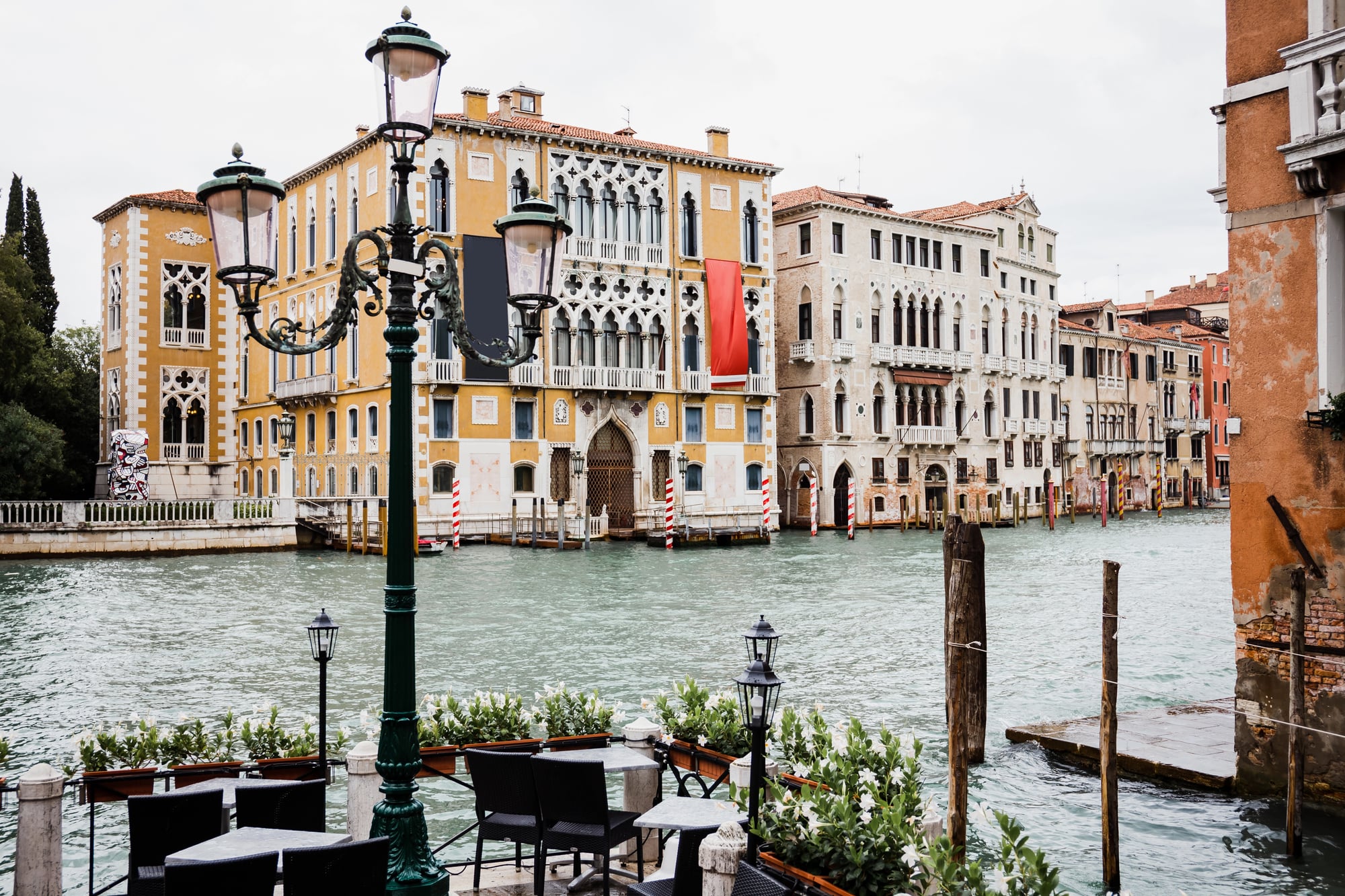
Europe remains the undisputed champion when it comes to royal family density. 12 European countries have royal families, making it the continent with the highest concentration of monarchies relative to its size.
The British Isles house the most internationally recognized royal family, the House of Windsor. The Windsor family, arguably the most well-known royal family globally, is the ruling family of far more than just the United Kingdom.
In fact, the British monarch technically also presides over 15 other countries spread all over the world, including Canada, Australia, and New Zealand. This gives King Charles III one of the largest royal footprints on the planet.
Scandinavia presents a particularly interesting case with three neighboring monarchies. Denmark boasts one of the oldest monarchies in the world, related to the British, Norwegian, and Swedish royal families.
Norway’s King Harald V and Sweden’s King Carl XVI Gustaf round out this Nordic royal triangle, with all three families interconnected through centuries of strategic marriages.
Asia: The Diversity Capital
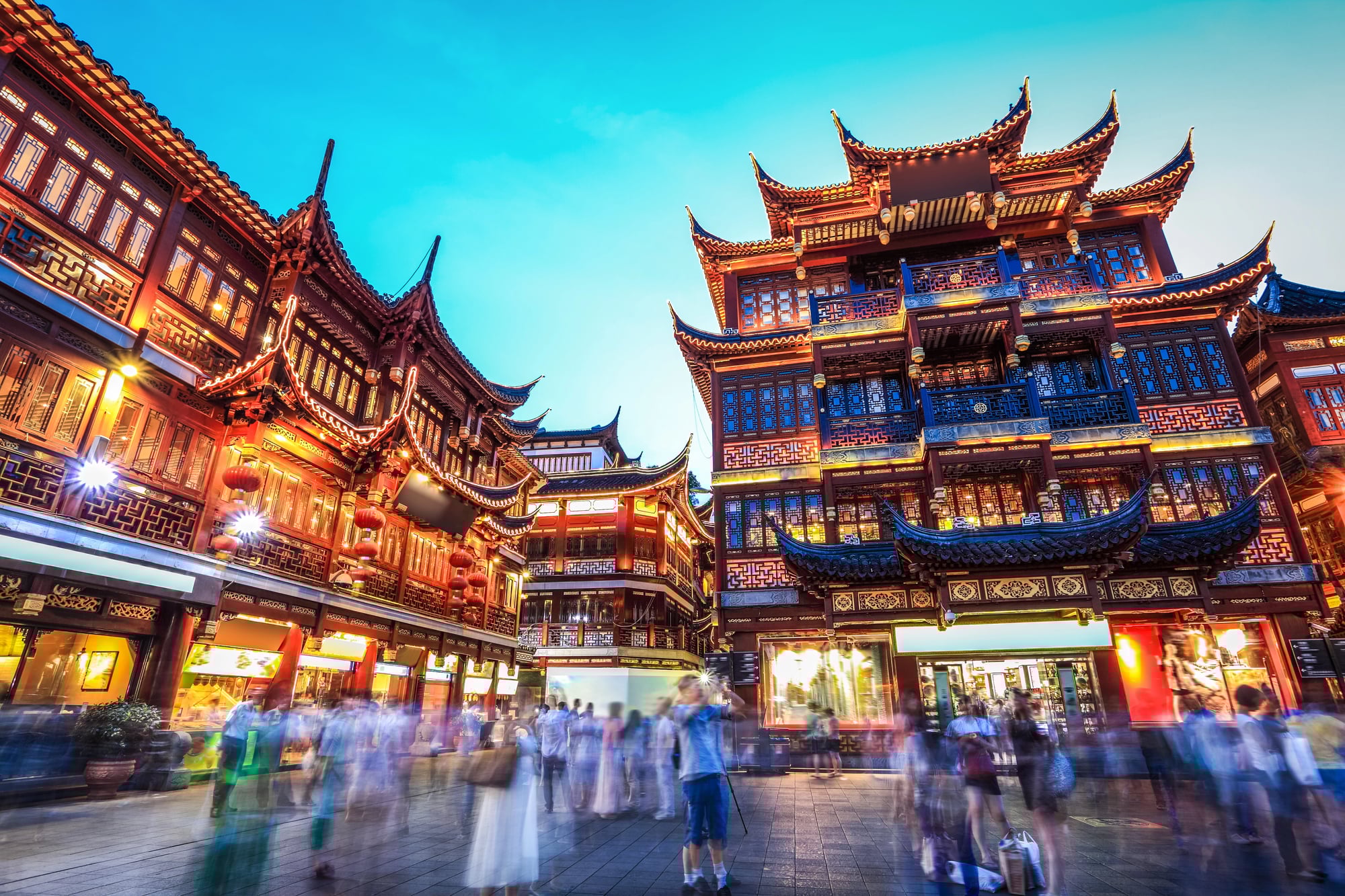
Asia, the largest continent, hosts the most countries with monarchies; 13 countries in Asia have a ruling family. What makes Asia particularly fascinating is the incredible variety of monarchical systems represented across the continent.
Japan holds the crown for historical significance. Naruhito comes from the oldest royal line in history as Japan has lived under one royal family’s reign, the Yamato Dynasty, since 660 BC.
The Japanese Imperial Family represents an unbroken chain of succession spanning over 2,600 years, making them arguably the most historically significant monarchy in the world.
Southeast Asia showcases some of the world’s wealthiest royal families. The royal family of Thailand is famous for having the largest amount of wealth for a reigning monarchy.
Their wealth is attributed largely to their vast amounts of properties across the country. The King’s net worth is said to be $30 billion, greater than any other monarch in the world.
Not to be outdone, Brunei’s Sultan became Sultan at only 21 when his father abdicated in 1967. His net worth is estimated to be $20 billion, making him the second richest monarch in the world.
Malaysia presents a unique system where Malaysia is one of the few countries that elects its monarchs. The head of state is elected to a five-year term by the Conference of Rulers, who are made of nine rulers from the Malay states.
This rotational monarchy ensures different royal families take turns leading the nation.
Americas: The Commonwealth Connection

The Americas host nine monarchies, but they share a common thread – they’re all linked back to the United Kingdom, and all nine have Queen Elizabeth as their monarch; these are Antigua and Barbuda, Bahamas, Belize, Canada, Grenada, Jamaica, Saint Kitts and Nevis, St Lucia, and Saint Vincent and the Grenadines (now King Charles III following Queen Elizabeth’s death in 2022).
Canada stands out as the most significant of these Commonwealth realms in terms of global influence and population. The Canadian monarchy operates through a Governor-General system, maintaining the Westminster parliamentary tradition while adapting it to North American realities.
These Caribbean and North American monarchies represent an interesting evolution of royal power, where the monarch serves as a unifying figurehead while democratic institutions handle day-to-day governance.
Africa: The Survivors

Africa hosts the fewest sovereign monarchies today, but the three that remain tell compelling stories of cultural persistence. Two of the former are constitutional monarchies (Lesotho and Morocco), in which the sovereign is bound by laws and customs in the exercise of his or her powers, and one is an absolute monarchy (Eswatini), in which the sovereign rules without bounds.
Morocco’s King Mohammed VI represents one of the most politically active monarchs in the world. Under the current constitution passed in 2011, Morocco is a constitutional monarchy, though the King maintains a fair amount of power.
He is the chair of the Superior Council of the Ulema, charged with maintaining Moroccan Islam, as well as Morocco’s Supreme Court. The Moroccan monarchy successfully navigated the Arab Spring while maintaining both tradition and modernization.
King Mswati III is known to be the last absolute monarch in Africa, and he has reportedly used his complete power to establish rules many find archaic and counterproductive. Eswatini (formerly Swaziland) represents a fascinating anachronism – a genuinely absolute monarchy in the 21st century, complete with traditional ceremonies and multiple wives.
Oceania: The Pacific Kingdoms

The Pacific Ocean region maintains six monarchies, creating an interesting mix of island kingdoms and Commonwealth realms. King Charles III is the monarch of fifteen Commonwealth realms, several of which are Pacific nations including Australia, New Zealand, Papua New Guinea, Solomon Islands, and Tuvalu.
Tonga stands apart as the region’s only indigenous monarchy. The Kingdom of Tonga never lost its independence during the colonial period, making it unique among Pacific nations.
The Tongan royal family represents centuries of Polynesian tradition adapted to modern statehood requirements.
The Middle Eastern Powerhouses
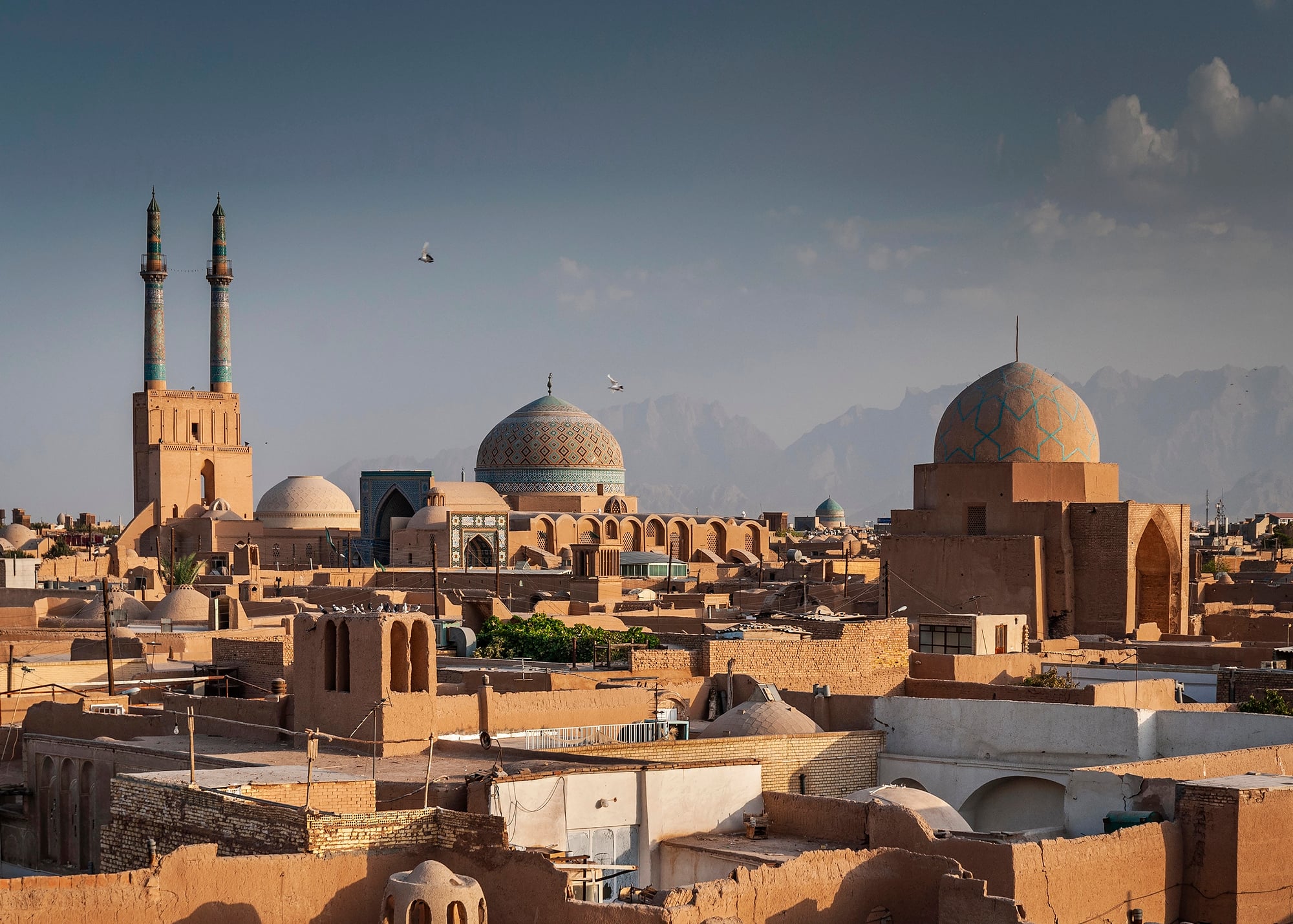
The Middle East deserves special mention for hosting some of the world’s most influential absolute monarchies. Absolute monarchs remain in Brunei, Oman and Saudi Arabia, and the United Arab Emirates and Qatar are classified as mixed, meaning there are representative bodies of some kind, but the monarch retains most of his powers.
Saudi Arabia’s House of Saud controls one of the world’s most important economies due to oil wealth. Al Saud has been the country’s monarch since 2015 when his half-brother Abdullah died of pneumonia.
Due to his age, his son, Crown Prince Mohammad bin Salman, has been ruling the country in his stead. Al Saud is said to have a net worth of $18 billion, making him the third richest royal in the world.
The United Arab Emirates presents a federal monarchy system where The UAE is made up of seven emirates, each with its own emir: Abu Dhabi, Ajman, Dubai, Fujairah, Ras al-Khaimah, Sharjah and Umm al-Quwain. The head of the federal monarchy, referred to as the emir, is chosen from the rulers of the emirates.
This creates multiple royal families within a single nation.
The Power Behind the Crowns

Understanding which countries have the most royal families requires looking beyond mere numbers. Power in modern monarchies tracks state capacity more than royal prerogative.
The countries below combine hard power and reputation in different ways. Constitutional monarchies like the United Kingdom and Japan bring G7-scale economies, alliances, and high soft-power scores.
Energy monarchies like Saudi Arabia, the United Arab Emirates and Qatar convert hydrocarbons and sovereign wealth into diplomatic reach. Some royal families wield genuine political power, while others serve primarily ceremonial roles.
The British monarchy’s influence spans multiple continents through the Commonwealth system, while absolute monarchs like those in Saudi Arabia and Eswatini make decisions that directly impact millions of lives. Constitutional monarchs in countries like Japan and Sweden provide stability and cultural continuity without interfering in democratic processes.
Royal Interconnections

European royal families demonstrate particularly intricate connections. Europe has more than its fair share of royal families, and many of them are related to one another.
These relationships create a complex web of diplomatic and personal ties that can influence international relations in subtle but meaningful ways. The Danish royal family exemplifies these connections perfectly.
Denmark has one of the oldest monarchies in the world, related to the British, Norwegian, and Swedish royal families. Similar patterns exist throughout Europe, where centuries of intermarriage have created an extended royal family network spanning multiple nations.
From Ancient Traditions to Tomorrow’s Kingdoms

The global distribution of royal families reflects humanity’s enduring fascination with monarchy as both historical institution and living tradition. As of 2024, there are approximately 26 royal families reigning over 45 monarchies around the world, proving that crowned heads of state remain surprisingly resilient in our democratic age.
Whether serving as constitutional figureheads, absolute rulers, or something in between, these royal families continue shaping their nations’ identities while adapting to modern realities. From Asia’s ancient dynasties to Europe’s intermarried nobility, from Africa’s cultural guardians to the Pacific’s island kingdoms, royal families persist as bridges between past and future, tradition and progress.
More from Go2Tutors!

- The Romanov Crown Jewels and Their Tragic Fate
- 13 Historical Mysteries That Science Still Can’t Solve
- Famous Hoaxes That Fooled the World for Years
- 15 Child Stars with Tragic Adult Lives
- 16 Famous Jewelry Pieces in History
Like Go2Tutors’s content? Follow us on MSN.