Smallest Modern Drones Utilized by the Military
The battlefield has shrunk. Where reconnaissance once required human eyes peering through binoculars or massive aircraft circling overhead, today’s military operations increasingly rely on devices small enough to fit in a backpack—or even a pocket.
These miniature aerial systems have transformed how soldiers gather intelligence, navigate dangerous terrain, and execute precision missions without announcing their presence to everyone within a fifty-mile radius.
The evolution from room-sized surveillance equipment to palm-sized flying computers represents more than just technological progress. These tiny machines slip through urban environments like mechanical insects, hover silently outside windows, and transmit real-time intelligence back to operators who might be continents away.
Yet for all their sophisticated capabilities, many of these drones share an almost mundane simplicity in their basic design—four rotors, a camera, and just enough battery life to complete their mission before disappearing back into the hands that launched them.
PD-100 Black Hornet Nano
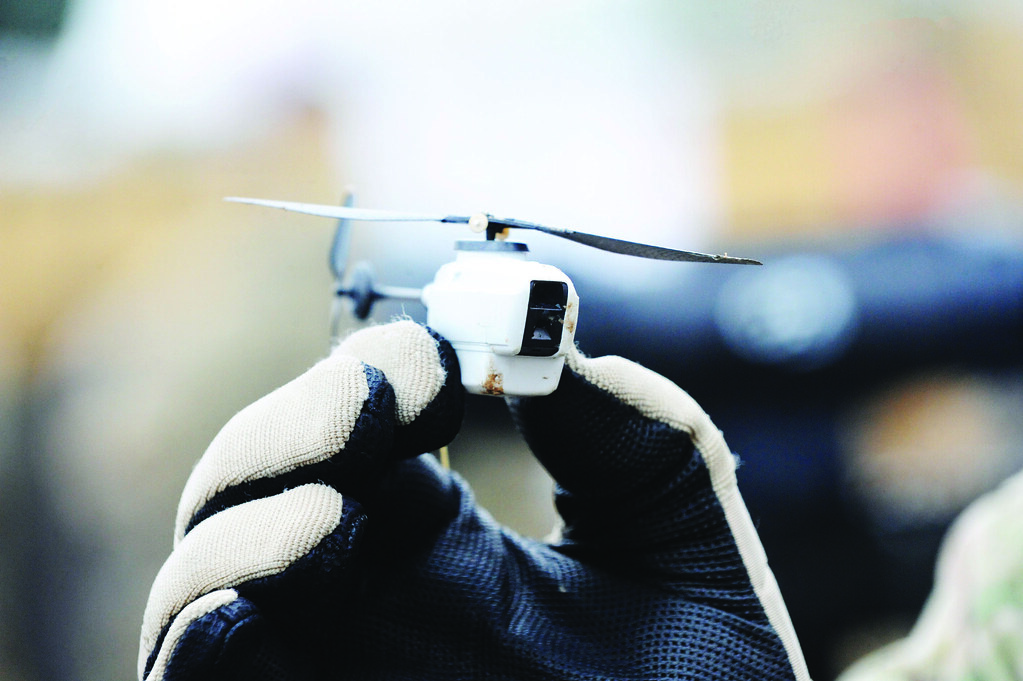
This Norwegian-designed drone weighs less than a house key. At 33 grams, the Black Hornet Nano slips through doorways, hovers motionless in corridors, and records everything without making more noise than a large insect.
Military units carry these in their standard kit because they work exactly when you need them to work.
The drone’s 25-minute flight time covers enough ground to scout an entire building complex. Its cameras capture both regular and thermal imagery, which means soldiers know what’s waiting around the corner before they turn it.
No surprises, no guesswork.
RQ-11 Raven
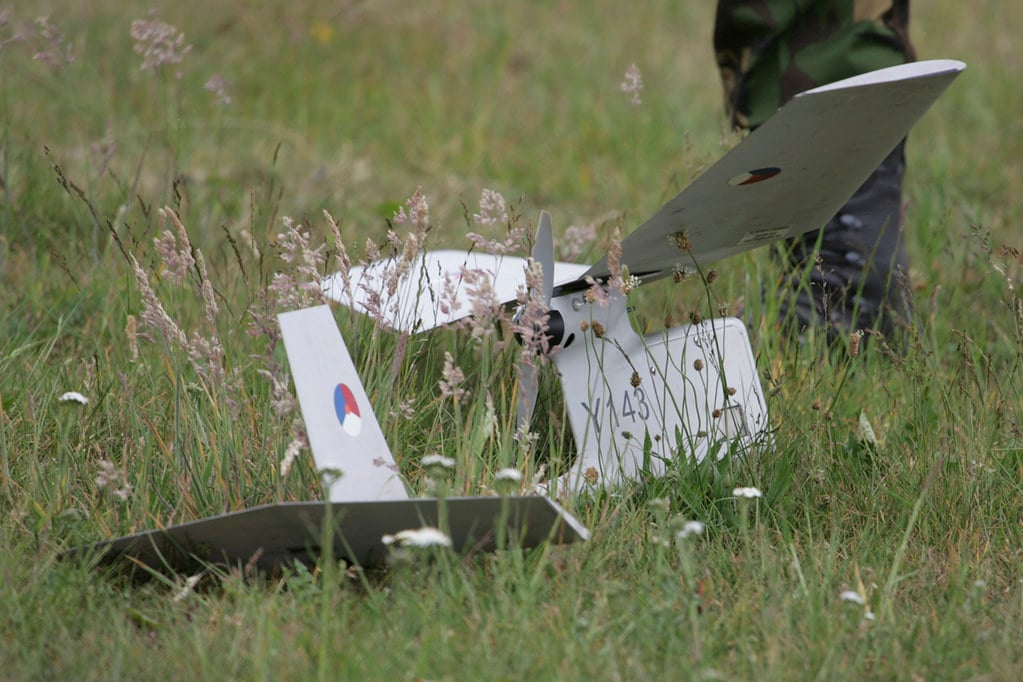
Hand-launched drones don’t get more practical than the Raven. Soldiers literally throw this 4.2-pound aircraft into the air, and it immediately begins transmitting live video back to a handheld control unit.
The entire system fits in a backpack, deploys in under five minutes, and operates up to 6.2 miles away from its launch point.
What makes the Raven particularly useful (and this is where its reputation among ground troops comes from) is its ability to operate in conditions where larger drones would struggle or attract unwanted attention.
Urban environments, mountainous terrain, areas with significant electromagnetic interference—the Raven handles these situations without requiring specialized launch equipment or dedicated runways.
Wasp AE
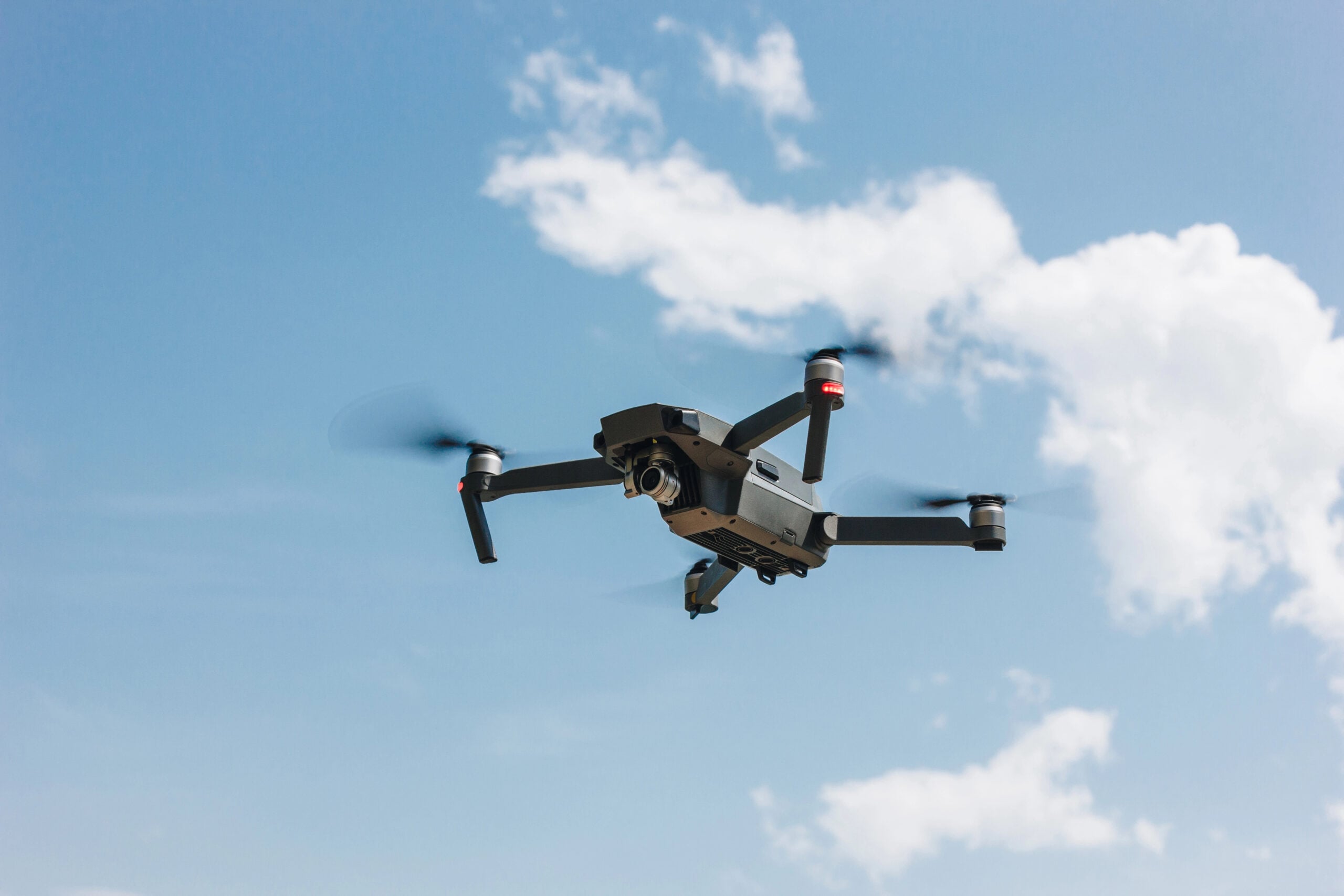
The Wasp AE occupies a curious space in military drone technology: small enough to carry easily, sophisticated enough to handle complex reconnaissance missions, and—perhaps most importantly for extended operations—capable of landing on water without immediately sinking to the bottom like an expensive paperweight.
This amphibious capability matters more than it initially sounds because it expands operational flexibility in ways that aren’t immediately obvious until you need them.
At 2.85 pounds with a 50-minute flight endurance, the Wasp represents something like the reliable middle child of small military drones (if middle children could transmit encrypted video feeds and operate in temperatures ranging from -20°F to 120°F, which would admittedly make family gatherings more interesting).
But that reliability translates into actual battlefield utility: soldiers can depend on the Wasp to perform consistently across diverse environments and mission profiles.
Snipe Nano Quad
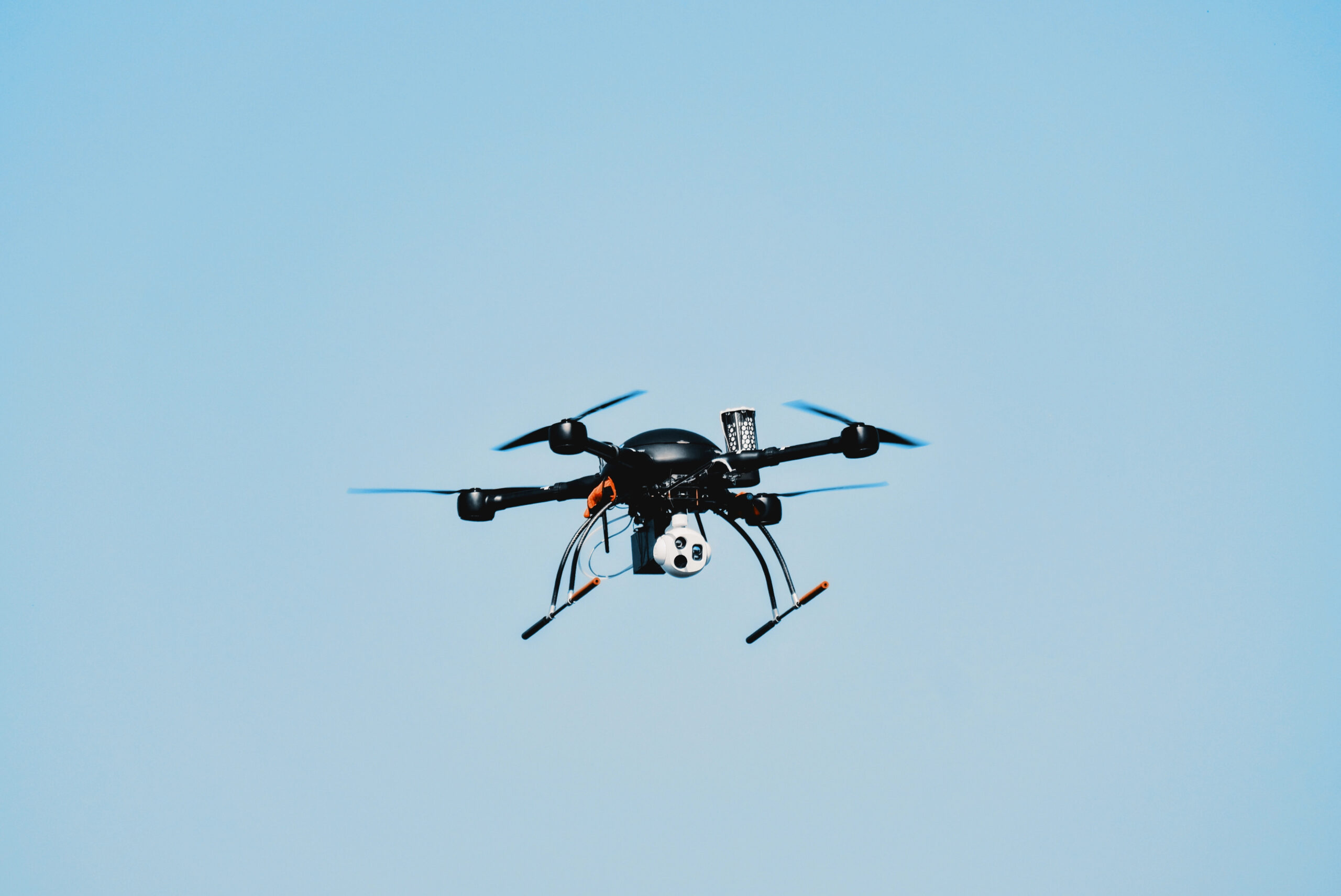
Developed by FLIR Systems, the Snipe weighs 1.07 pounds and fits entirely in the palm of your hand when folded. This is as close to disposable surveillance as military technology currently gets.
Units can carry multiple Snipes, deploy them as needed, and treat them as consumable equipment rather than precious assets that require careful recovery.
The drone’s 15-minute flight time sounds limiting until you consider its intended use: quick looks over walls, rapid area sweeps, immediate threat assessment.
For those specific missions, 15 minutes provides plenty of time to gather the intelligence that keeps soldiers alive.
InstantEye Mk-2 GEN5-D1
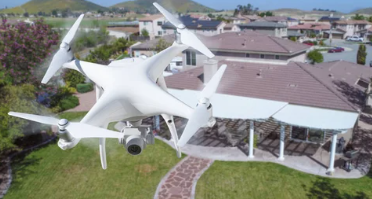
Like origami that decided to become a surveillance platform, the InstantEye folds into a 6-inch cube and deploys into a functioning quadcopter in under 60 seconds.
There’s something almost meditative about watching a piece of military hardware unfold itself from a compact square into a hovering aircraft, except meditation isn’t typically the primary concern when you’re trying to determine whether that building ahead contains hostile forces or confused civilians.
The drone’s modular payload system allows operators to swap cameras, sensors, or other equipment based on mission requirements, which sounds technical but translates into practical battlefield flexibility.
And since the entire system weighs under 1.5 pounds, soldiers can carry it without feeling like they’re hauling around additional equipment that might slow them down when speed becomes the difference between mission success and something considerably less desirable.
Storm VTOL
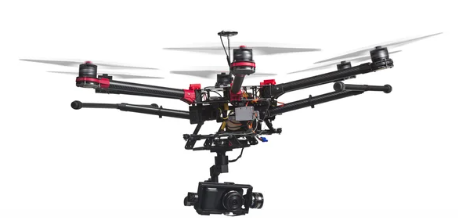
At 2.7 pounds, the Storm represents the intersection of helicopter convenience and airplane efficiency. It takes off vertically like any quadcopter but transitions to forward flight like a fixed-wing aircraft.
This hybrid design extends its operational range to 15.5 miles and flight time to 50 minutes—impressive numbers for something small enough to carry in a daypack.
The transition between hover and forward flight happens automatically. Soldiers don’t need pilot training to operate advanced aircraft systems because the Storm handles the complex aerodynamics independently.
Hummingbird Nano Air Vehicle
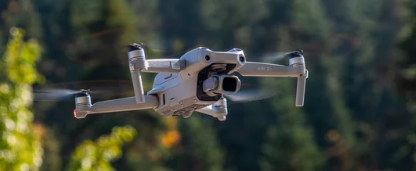
DARPA’s Hummingbird drone doesn’t just look like its namesake bird—it flies like one too. The biomimetic design allows it to hover, fly backwards, and navigate tight spaces with the same fluid motion actual hummingbirds use to steal sugar water from backyard feeders (though presumably with different strategic objectives in mind).
At just 19 grams, it represents the extreme miniaturization end of military drone technology.
But here’s what makes the Hummingbird particularly fascinating from an operational standpoint: its flight characteristics are so bird-like that casual observers often mistake it for actual wildlife, which creates surveillance opportunities that other more obviously mechanical drones simply cannot provide.
So it turns out that millions of years of evolutionary refinement produced a pretty effective drone design—DARPA just had to figure out how to build it with cameras and transmitters instead of hollow bones and tail feathers.
Cicada (Covert Autonomous Disposable Aircraft)
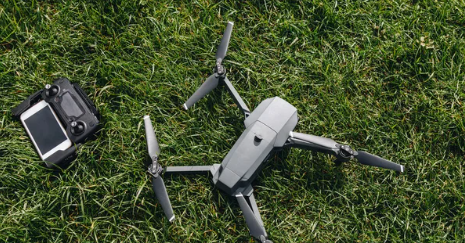
Cicada drones cost about as much as a few tanks of gas and are designed to be used once and forgotten. These 2.5-ounce gliders get dropped from aircraft or launched from ground systems, glide to their target areas, and transmit data until their batteries die or something breaks them.
The economics make sense when you consider the alternative. Traditional reconnaissance missions require expensive aircraft, trained pilots, and complex logistics.
Cicadas require none of that. Deploy them in swarms, collect intelligence from multiple sources simultaneously, and accept that some won’t make it back.
SkyRaider R60
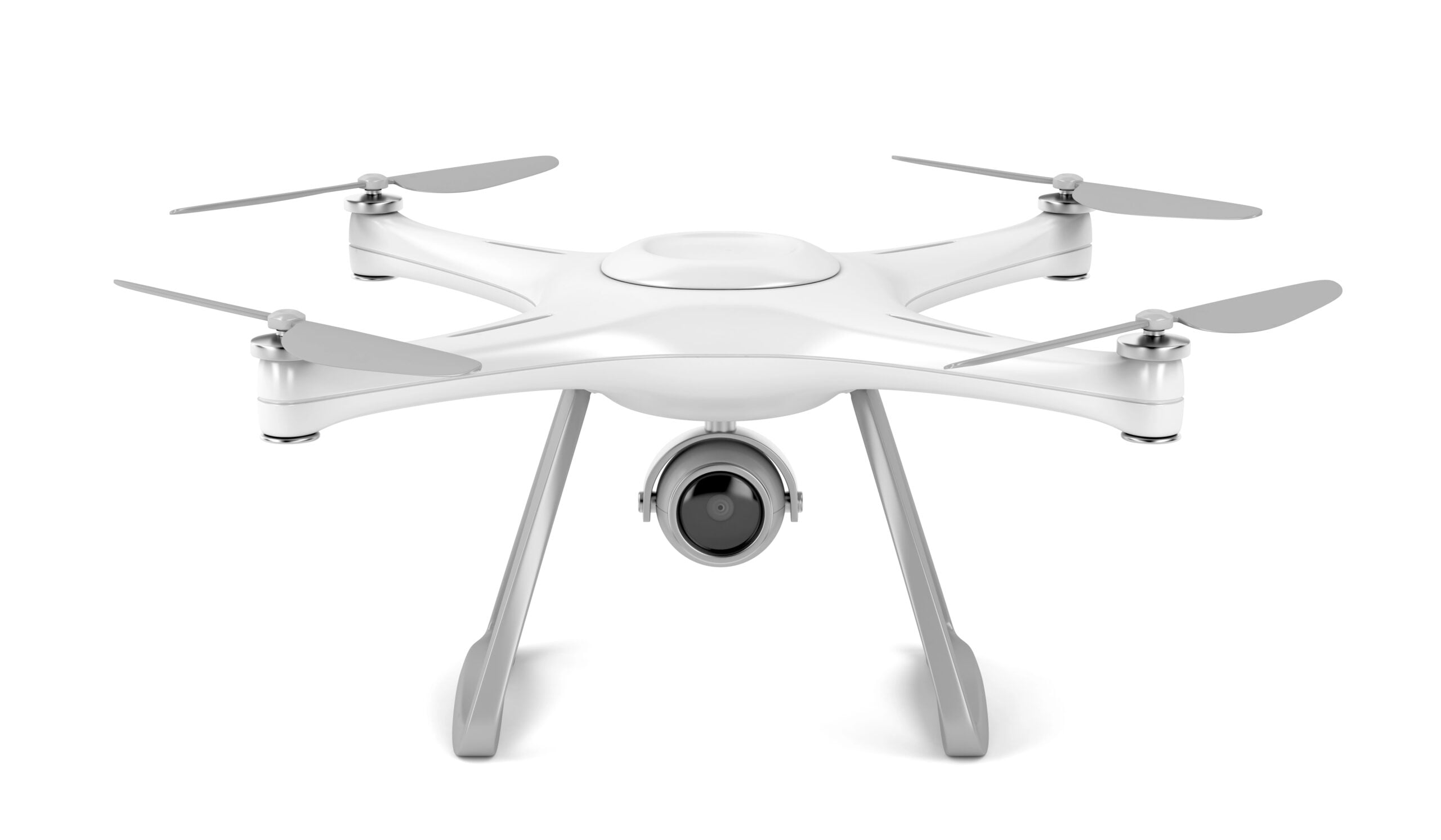
The R60 weighs 5.8 pounds and carries enough battery power for 25 minutes of flight time, but its real advantage lies in its rugged construction and weather resistance.
While other small drones retreat to carrying cases when conditions turn difficult, the SkyRaider continues operating in rain, wind, and temperatures that would ground more delicate systems.
Military operations don’t pause for weather forecasts. Equipment that works only under ideal conditions isn’t equipment—it’s a liability.
The R60 acknowledges this reality through design choices that prioritize reliability over maximum performance specifications.
Puma 3 AE
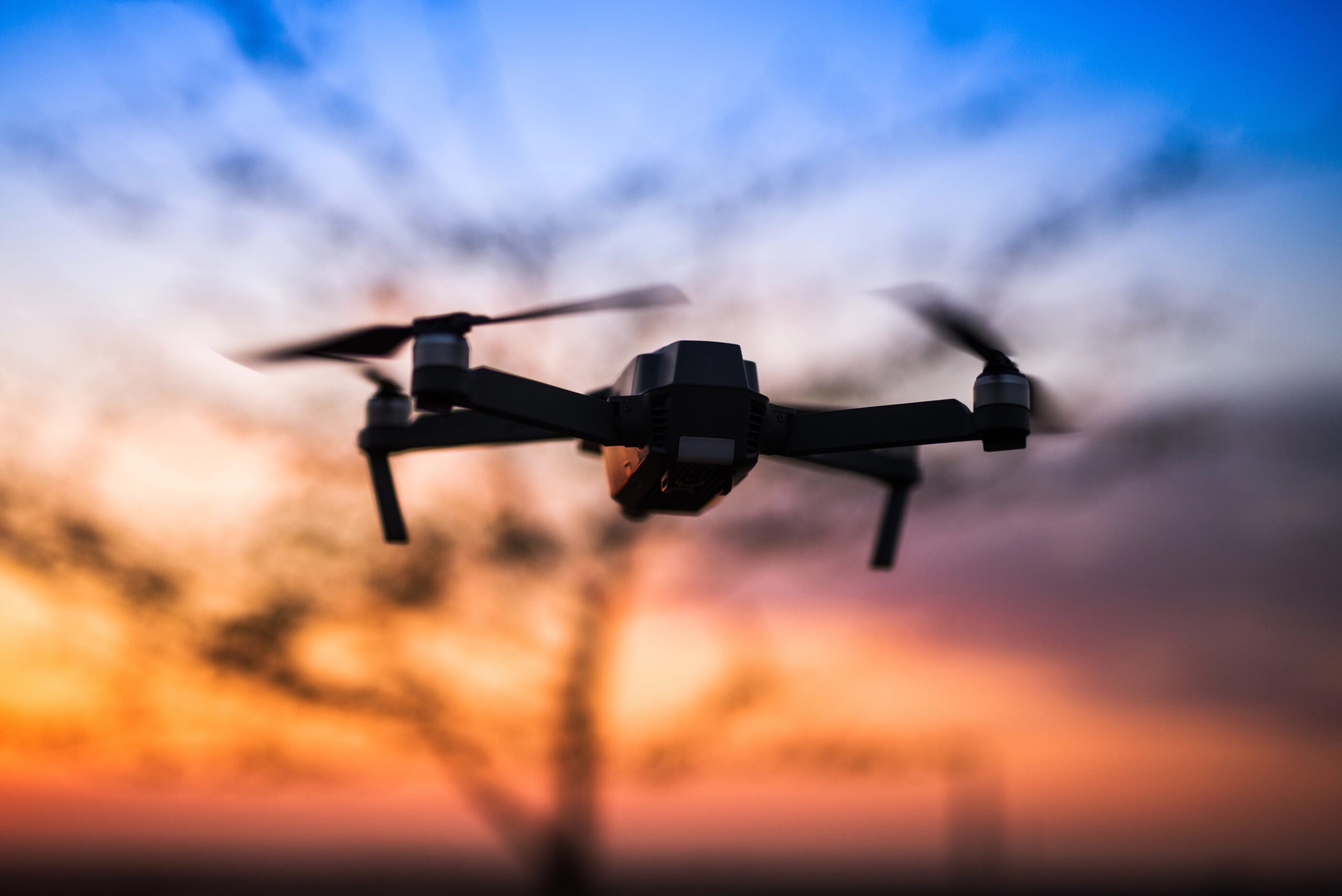
At 15 pounds, the Puma 3 AE sits at the larger end of “small” military drones, but its capabilities justify the additional weight. Hand-launched like its smaller cousins, the Puma delivers 5.5 hours of flight time and operates up to 37 miles from its control station.
These numbers represent a significant leap in operational capability.
The drone’s deep-stall landing system allows it to touch down in areas as small as 50 square meters without requiring runway infrastructure.
For military units operating in remote locations, this combination of long endurance and flexible deployment makes the Puma 3 AE worth carrying despite its additional bulk.
Vector Hawk
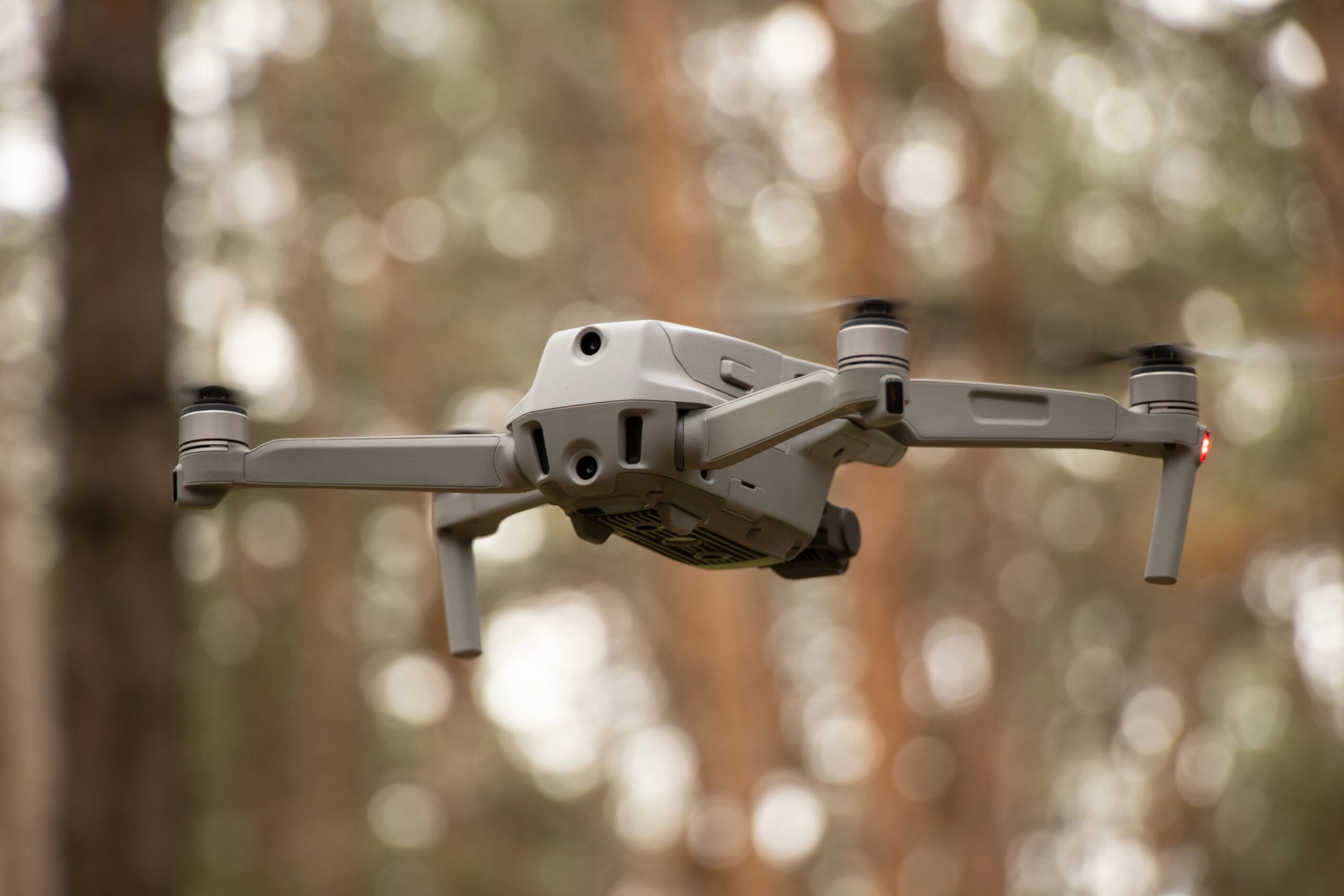
This tube-launched drone deploys from a pneumatic system and immediately begins its reconnaissance mission without requiring any setup time from operators.
The launch system fits in vehicle-mounted configurations or portable ground units, and the drone itself weighs just 2.7 pounds while delivering 70 minutes of flight time.
Tube-launched systems eliminate the vulnerability window that exists during traditional drone deployment.
Soldiers don’t need to stand exposed while hand-launching aircraft or setting up complex equipment. The Vector Hawk goes from concealed storage to operational altitude in seconds.
Switchblade 300
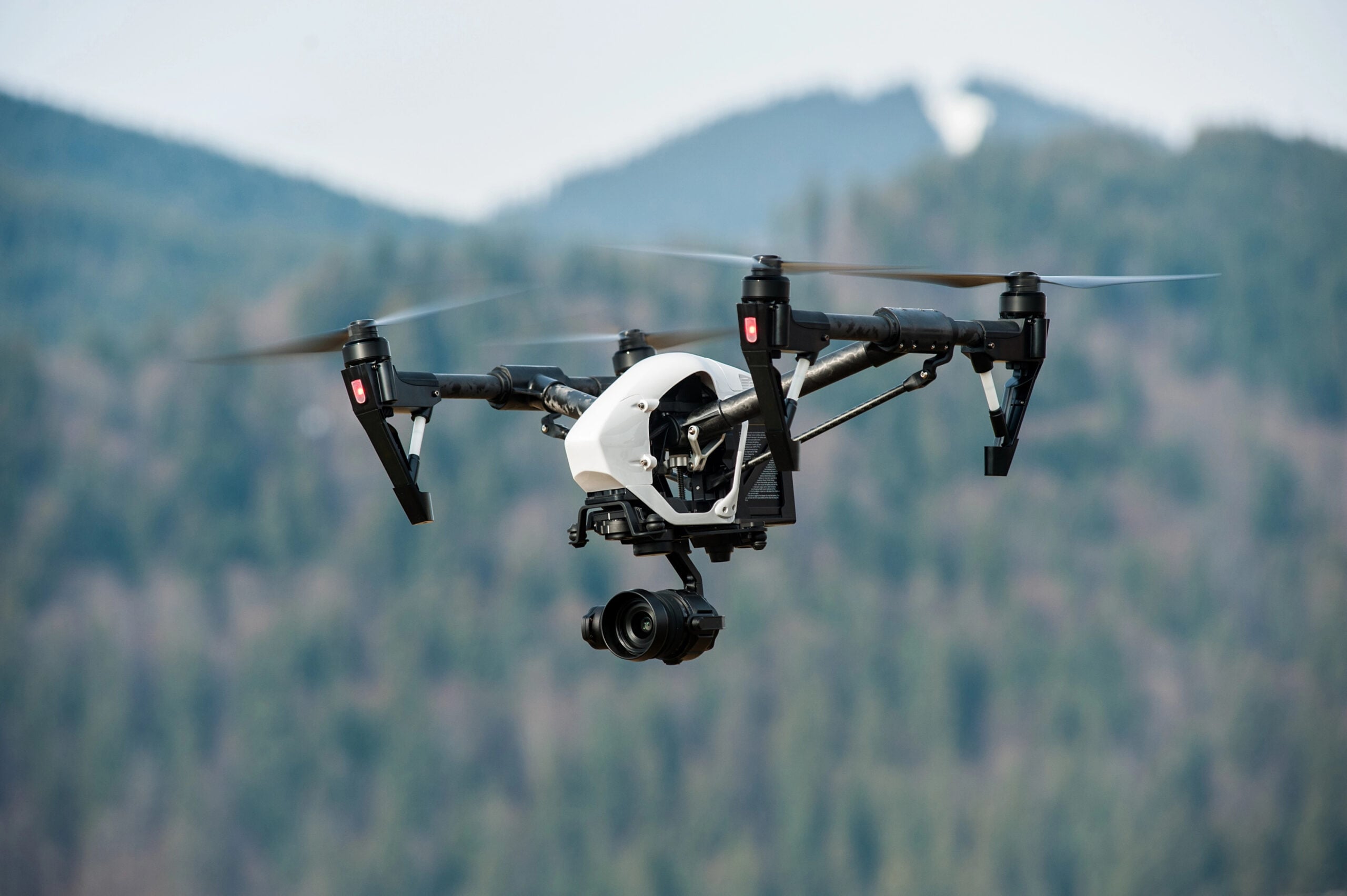
The Switchblade 300 occupies a unique category: loitering munition. This 5.5-pound system combines drone surveillance capabilities with explosive payload delivery.
It can hover over target areas for 15 minutes, identify specific threats, and then dive into them at over 100 mph. Think of it as a guided missile with a pause button.
From a tactical perspective, the Switchblade solves the problem of fleeting targets. Traditional munitions require precise coordinates and timing.
The Switchblade can wait, watch, and strike when conditions are optimal.
Ghost Robotics Vision 60 Micro Drone
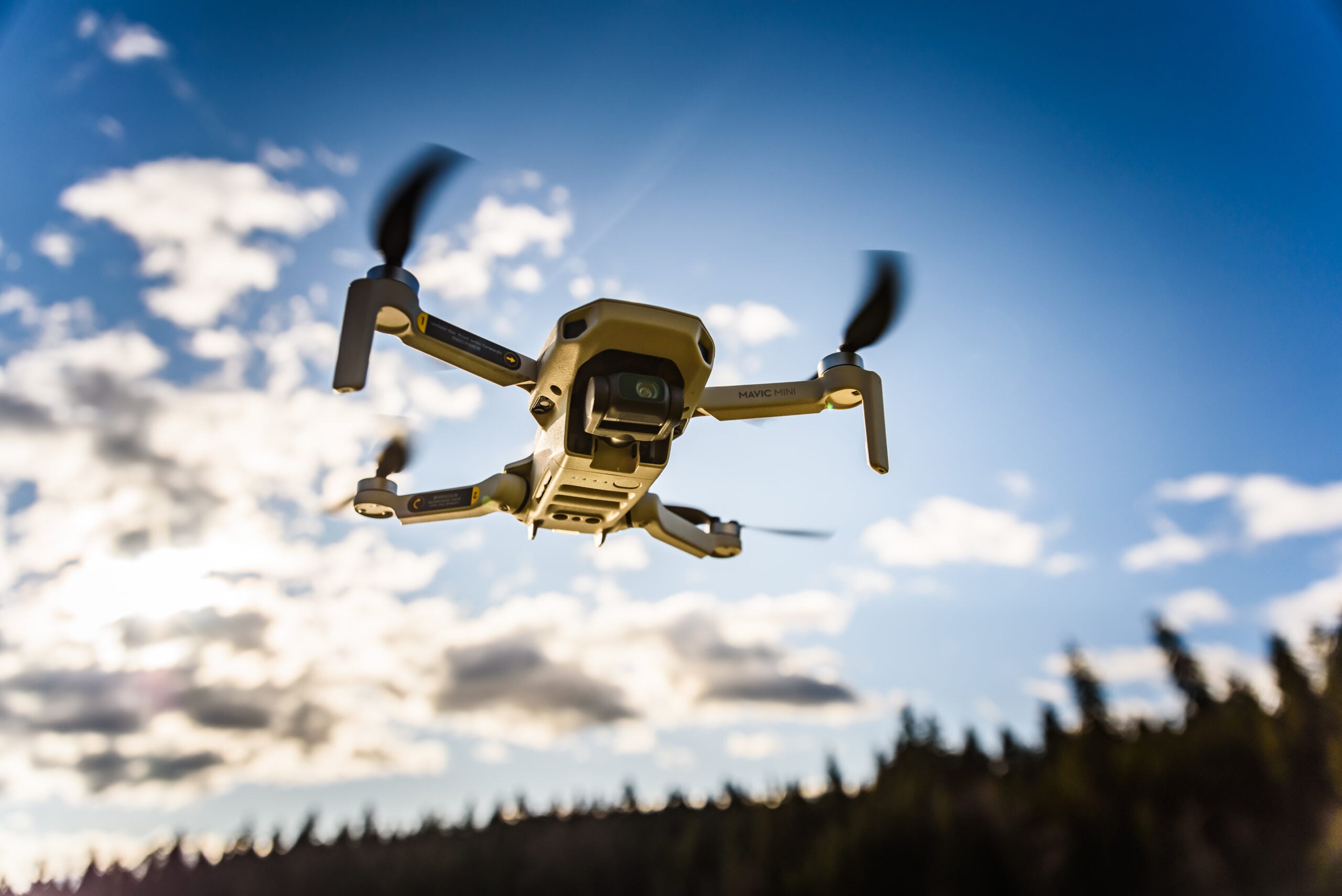
Technically a companion system rather than a standalone platform, this micro drone launches from Ghost Robotics’ quadruped robots.
The tiny aircraft provides aerial reconnaissance while the ground robot handles terrestrial surveillance. Together, they create a comprehensive surveillance package that covers both horizontal and vertical operational space.
The integration represents a logical evolution in military robotics: systems that work together rather than independently.
The micro drone extends the ground robot’s sensor range while the robot provides a mobile launch and recovery platform.
Sky Hero SPYDER
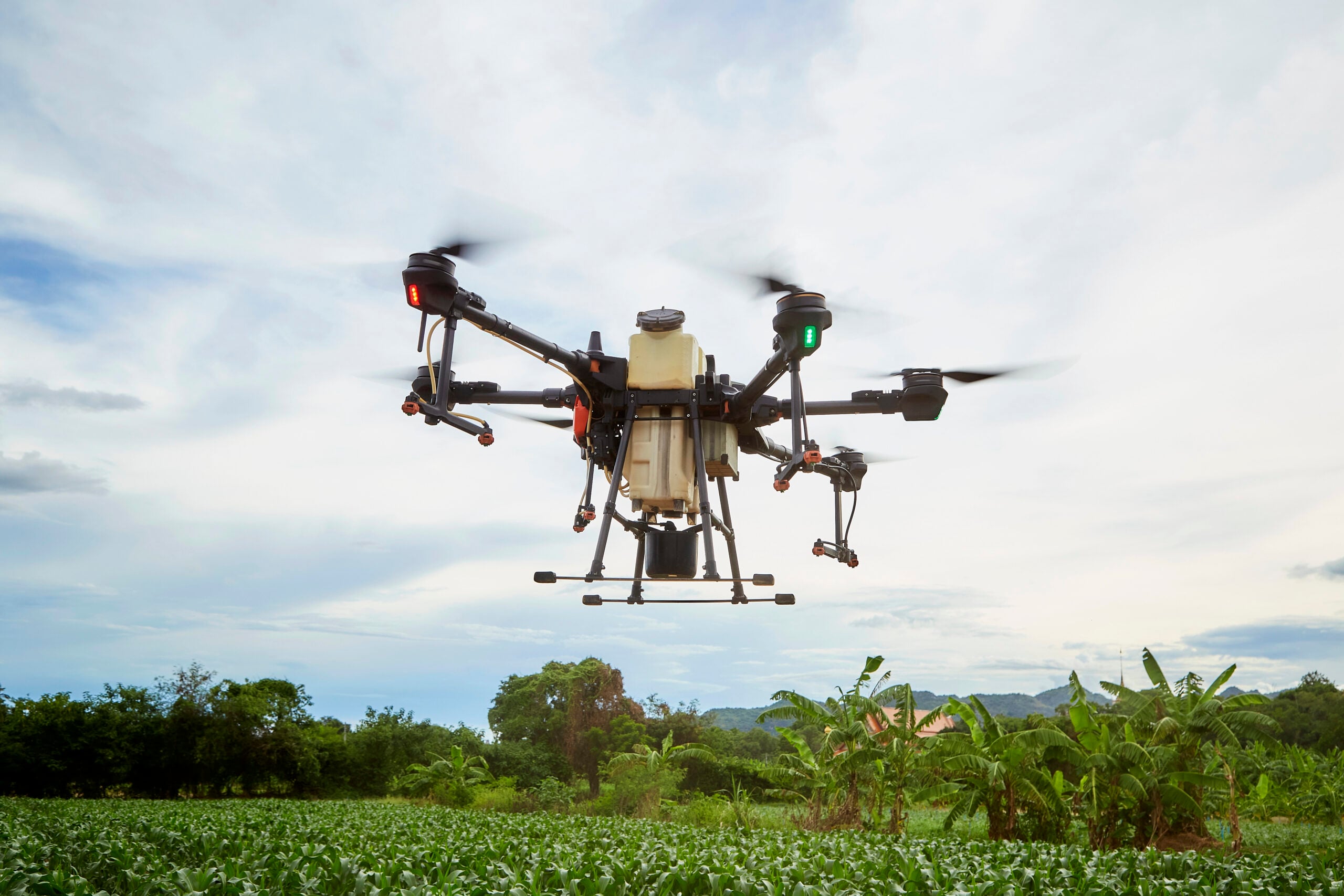
Designed specifically for indoor operations, the SPYDER weighs 12 ounces and navigates building interiors with precision that outdoor-optimized drones cannot match.
Its ducted fan design protects the rotors from collision damage while reducing noise signature—both critical advantages when operating in confined spaces where stealth matters more than speed.
The SPYDER’s collision tolerance allows it to bounce off walls and continue flying, which sounds amusing but translates into serious operational advantages when clearing buildings or navigating complex urban environments where perfect piloting isn’t always possible under stress.
The New Scale of Warfare
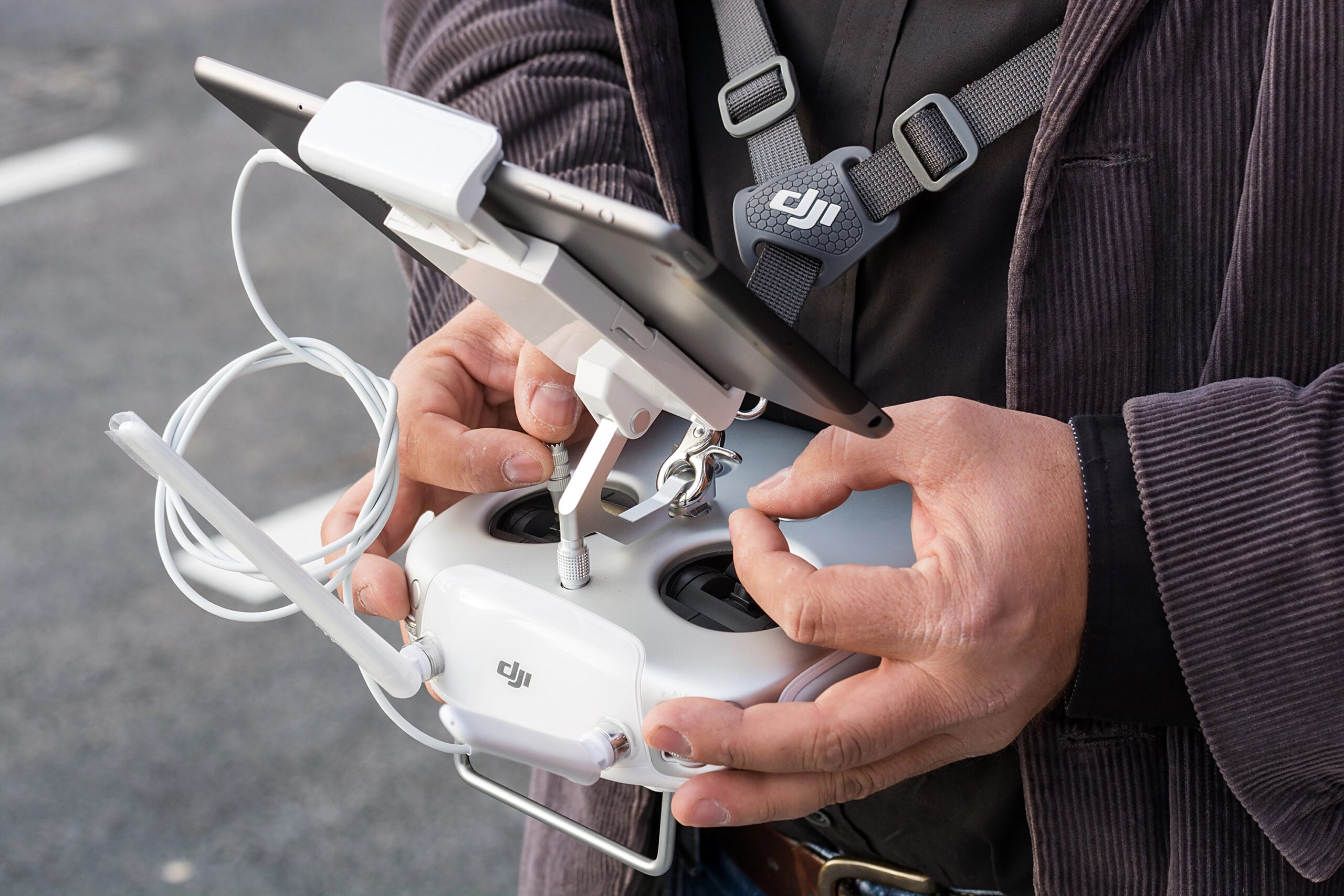
These miniature aircraft have fundamentally altered military reconnaissance by making surveillance ubiquitous rather than exceptional. Where intelligence gathering once required dedicated missions with specialized equipment and trained personnel, today’s soldiers deploy eyes in the sky as routinely as they check their radios.
The technology has become so compact and reliable that tactical advantages once reserved for large-scale operations now extend down to individual squad level.
Yet perhaps the most significant change isn’t technological—it’s psychological. When reconnaissance becomes this accessible, military planning shifts from making decisions with limited information to managing abundance of real-time intelligence.
The smallest drones have created the biggest change in how modern militaries see their battlefield, and there’s no indication this miniaturization trend has reached its limits.
More from Go2Tutors!

- The Romanov Crown Jewels and Their Tragic Fate
- 13 Historical Mysteries That Science Still Can’t Solve
- Famous Hoaxes That Fooled the World for Years
- 15 Child Stars with Tragic Adult Lives
- 16 Famous Jewelry Pieces in History
Like Go2Tutors’s content? Follow us on MSN.