Interesting Trivia About Modern Space Stations
Space stations orbit overhead while most people go about their daily lives, completely unaware of the remarkable engineering marvels passing by at 17,500 miles per hour. These outposts of human ingenuity represent some of the most complex machines ever built, packed with systems that would make even the most advanced earthbound facilities seem simple by comparison.
From the way astronauts sleep to the peculiar behavior of flames in zero gravity, life aboard these orbital laboratories is filled with unexpected details that rarely make it into the textbooks.
The International Space Station Is Larger Than a Football Field
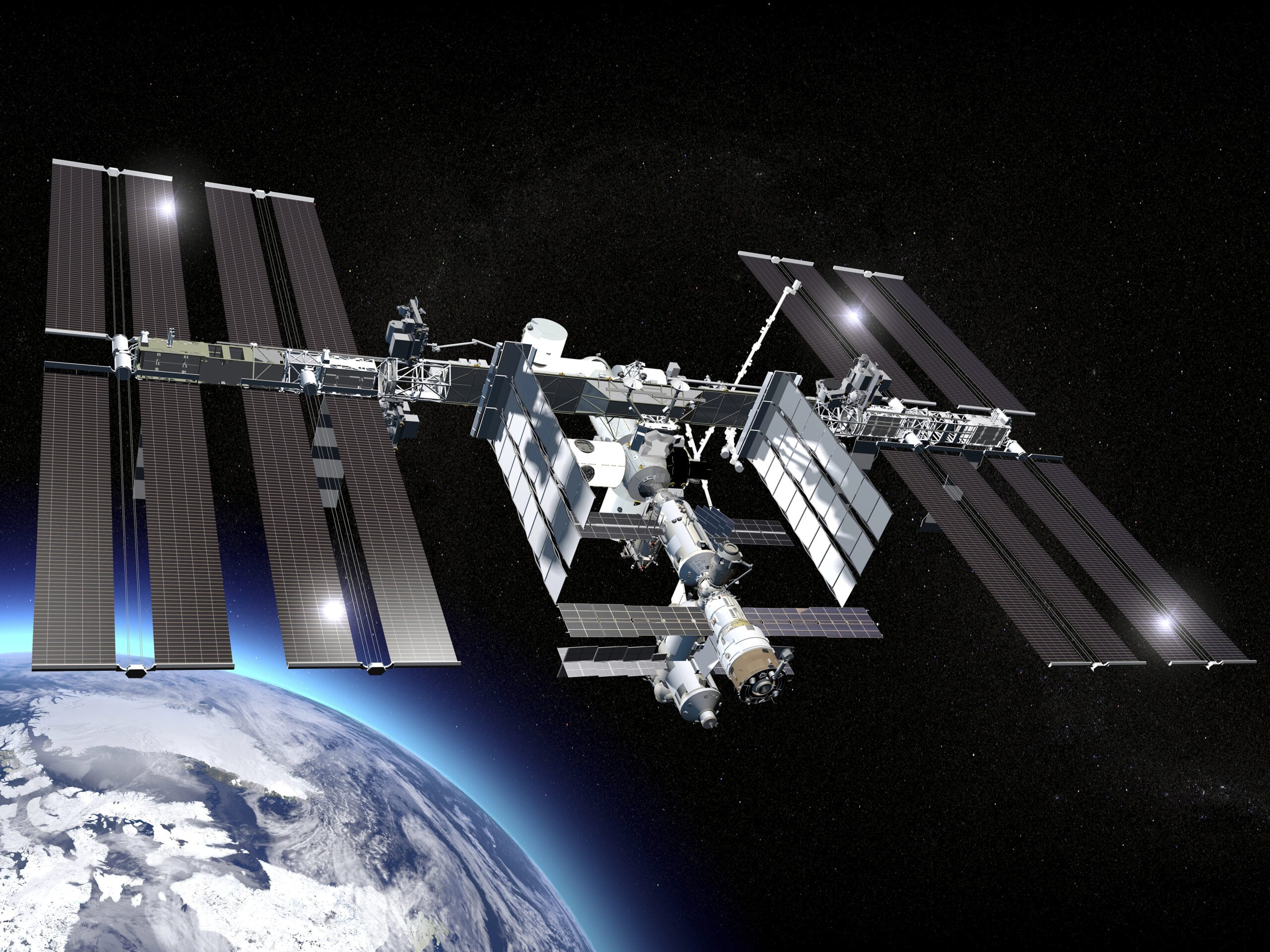
The ISS stretches 356 feet from end to end. That’s longer than an American football field and wider than a soccer pitch when you include the solar arrays.
The pressurized volume inside equals about six bedrooms worth of space, though calling it spacious would be generous. Astronauts live in what amounts to a very expensive, very fast-moving studio apartment.
Astronauts Experience 16 Sunrises and Sunsets Every Day
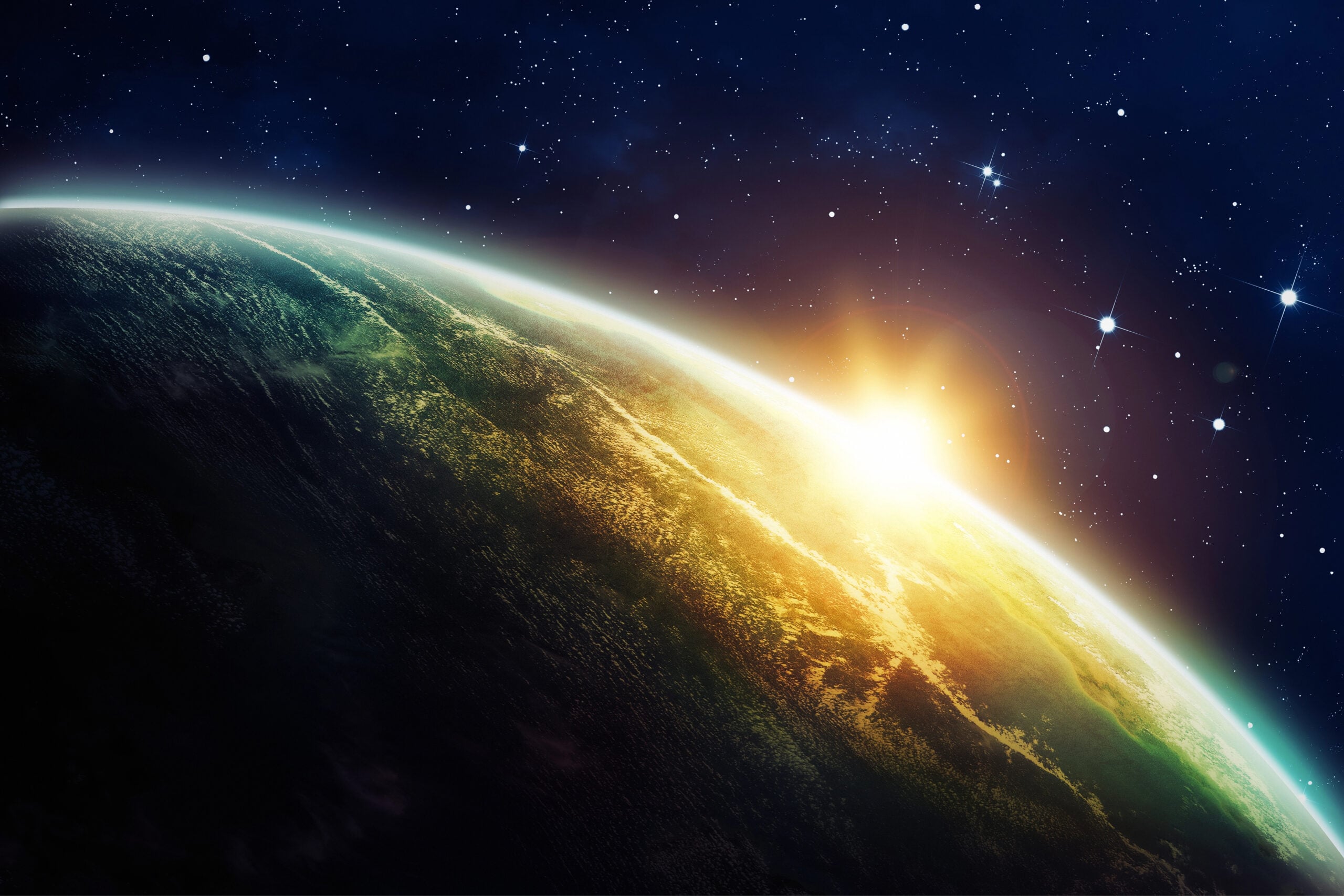
Orbital mechanics create a phenomenon that earthbound humans never experience: rapid cycling between day and night. The space station completes one orbit roughly every 90 minutes, which means the sun rises and sets 16 times in a 24-hour period.
And yet this constant transition doesn’t feel natural or peaceful the way sunrise might feel from your bedroom window — it’s more like living inside a strobe light that never quite settles into a rhythm your body can follow, which explains why astronauts often struggle with sleep patterns despite (or perhaps because of) having blackout shades that can block out the sun itself.
Flames Burn as Perfect Spheres in Zero Gravity
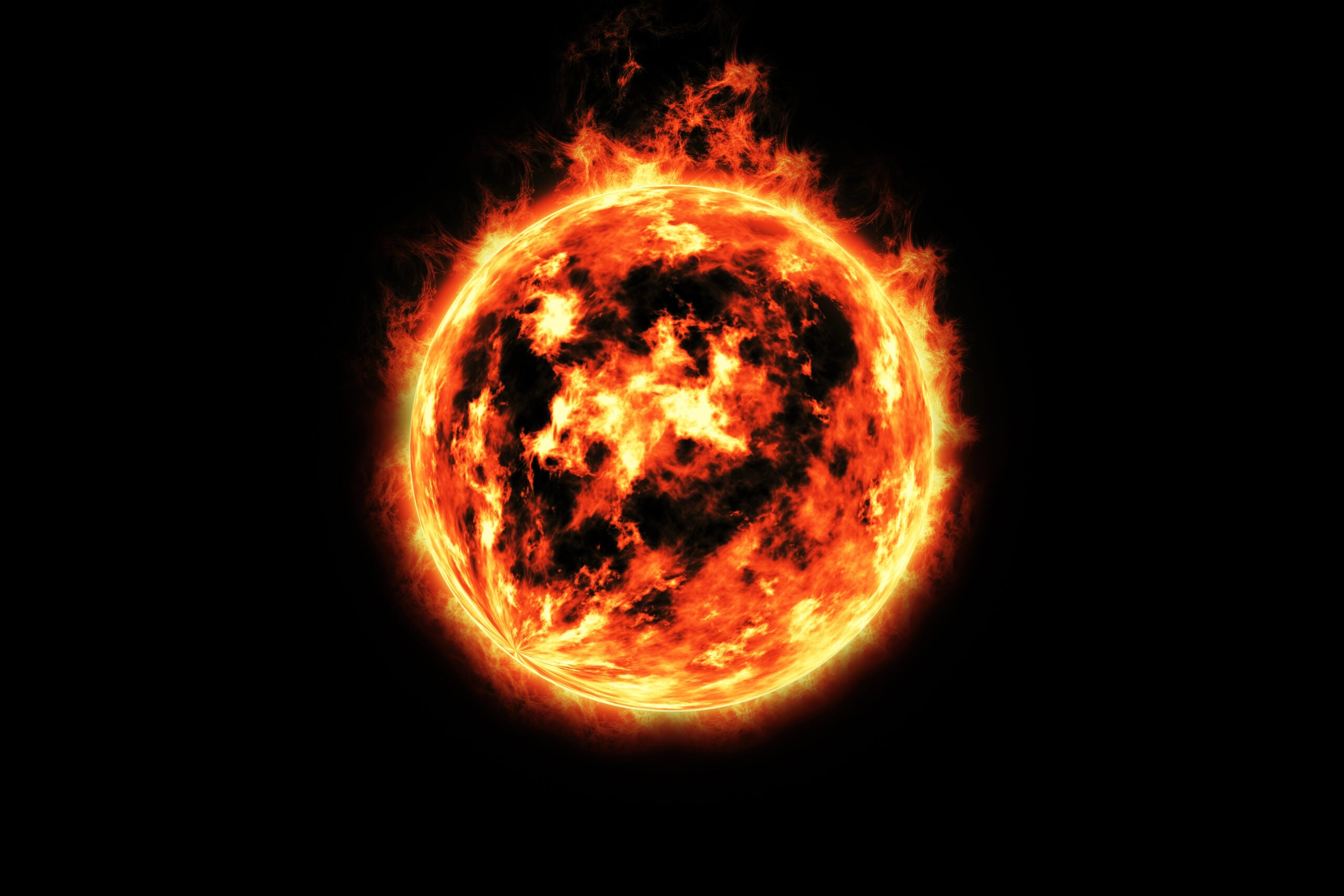
Fire behaves like a meditation on geometry when gravity disappears from the equation. Without the upward pull that creates the familiar teardrop shape of earthbound flames, combustion spreads evenly in all directions, forming a nearly perfect sphere that burns cooler and bluer than its earthly counterpart.
The flame becomes almost contemplative in its symmetry, like watching physics choose beauty over chaos when given the freedom to do so. Scientists study these spherical flames not for their aesthetic appeal, though that’s undeniable, but because the slower, more complete burning process reveals details about combustion that remain hidden in the frantic upward rush of gravity-bound fire.
Space Station Toilets Cost More Than Most Houses
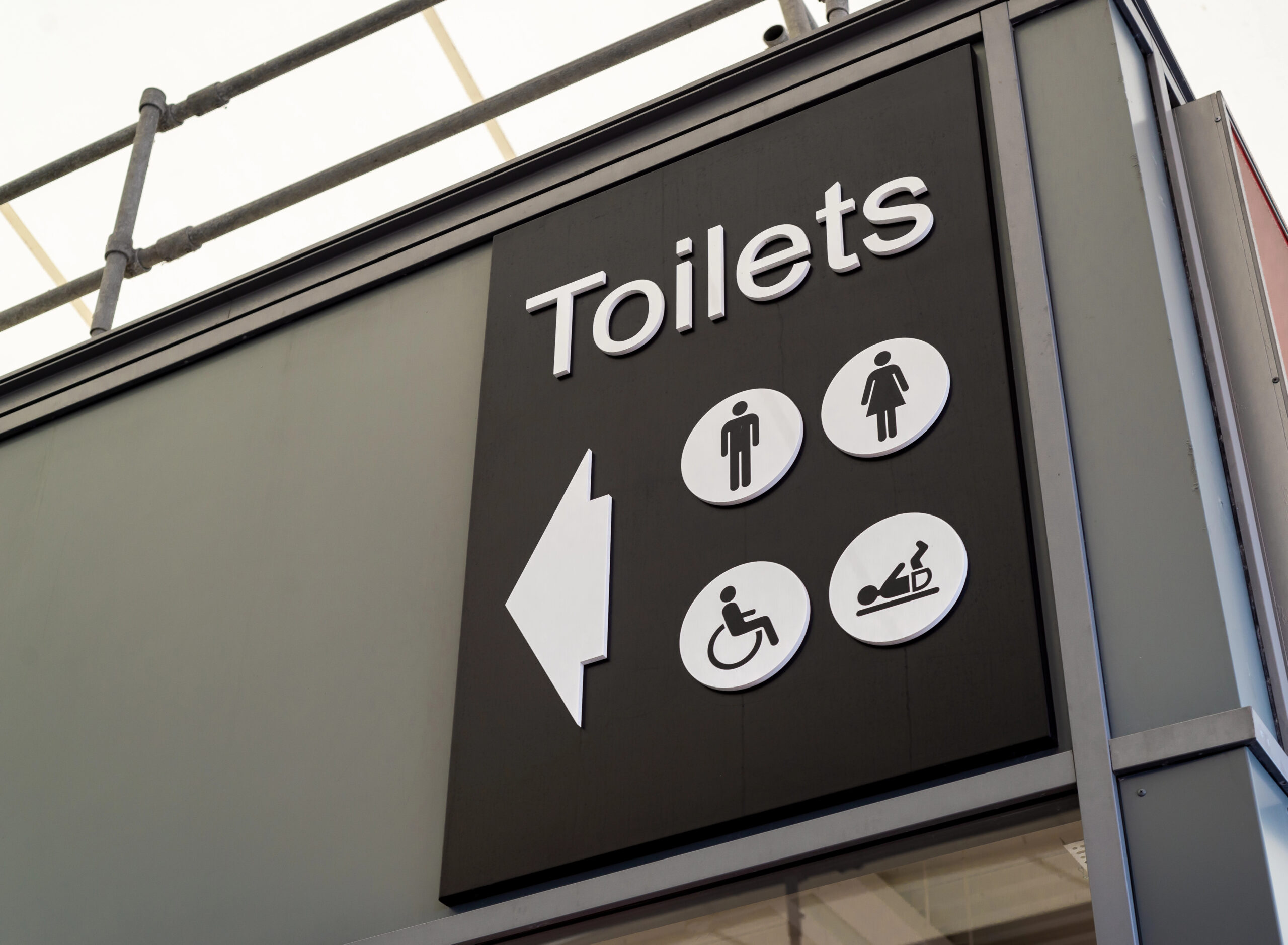
Each toilet system aboard the ISS costs approximately $19 million. That’s not a typo. The engineering required to handle human waste in zero gravity involves pumps, airlocks, and containment systems that make earthbound plumbing look primitive.
The toilet uses airflow instead of water and requires astronauts to strap themselves in. Missing the target isn’t just embarrassing — it’s a legitimate safety hazard.
Astronauts Grow Taller in Space

The human spine stretches in microgravity because the constant downward pressure of Earth’s gravity no longer compresses the vertebrae (something that happens so gradually throughout each day that most people never notice their height fluctuating by nearly an inch from morning to evening). Astronauts can grow up to two inches taller during their missions, though this isn’t the pleasant growth spurt it might sound like.
But the expansion often comes with back pain and muscle tension as the body adjusts to its new proportions, and the process reverses itself once they return to Earth — so the height gain ends up being more of a temporary side effect than any kind of lasting benefit.
The Space Station Travels Fast Enough to Circle Earth in 90 Minutes
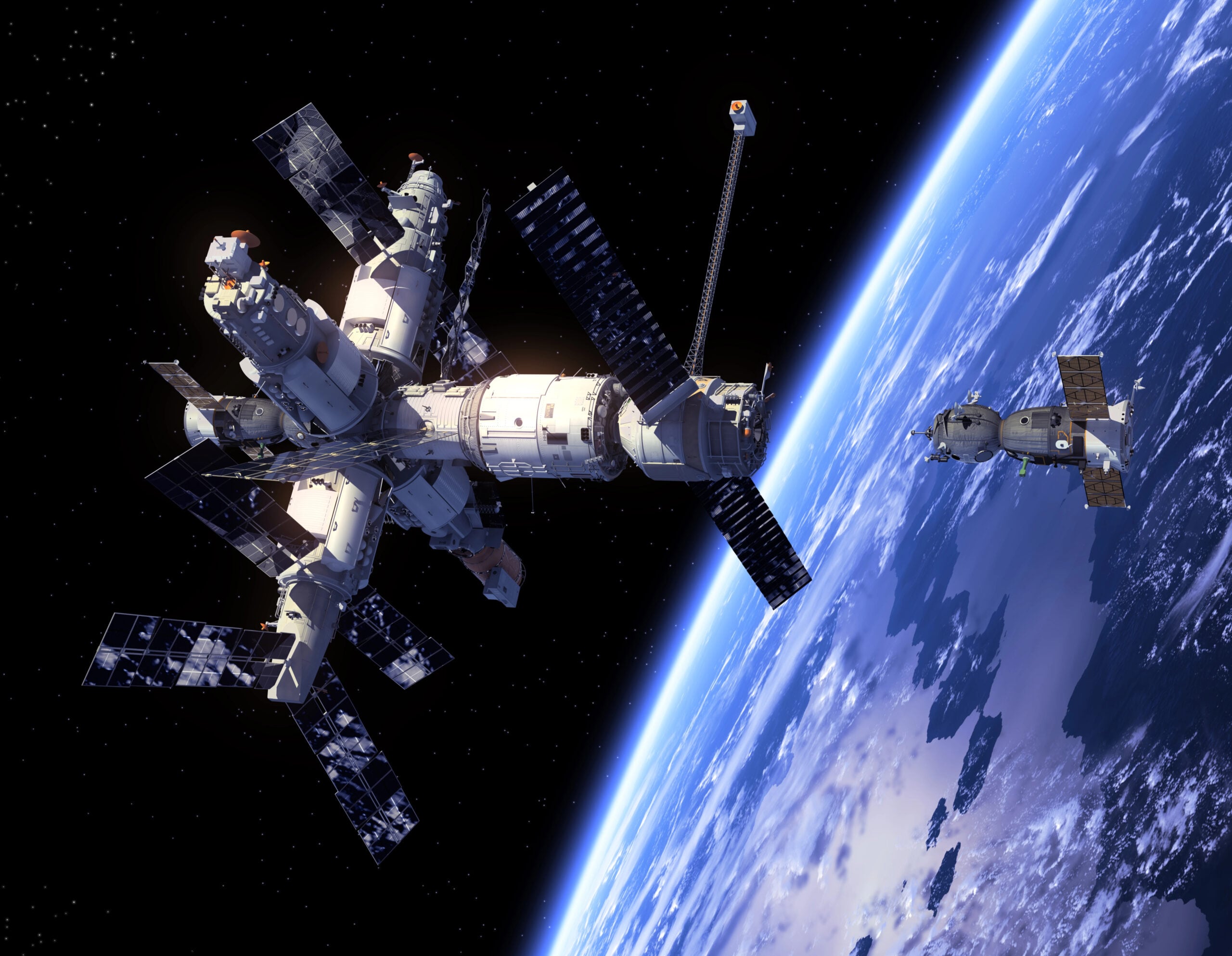
Speed becomes an abstract concept when there’s no wind in your hair or scenery rushing past the windows. The ISS moves at 17,500 miles per hour, which sounds impossibly fast until you realize that astronauts inside experience no sensation of movement whatsoever.
They’re falling constantly — toward Earth — but moving forward just fast enough that they keep missing it, which is the most elegant definition of orbital mechanics ever conceived.
Space Stations Have Been Continuously Occupied Since November 2000
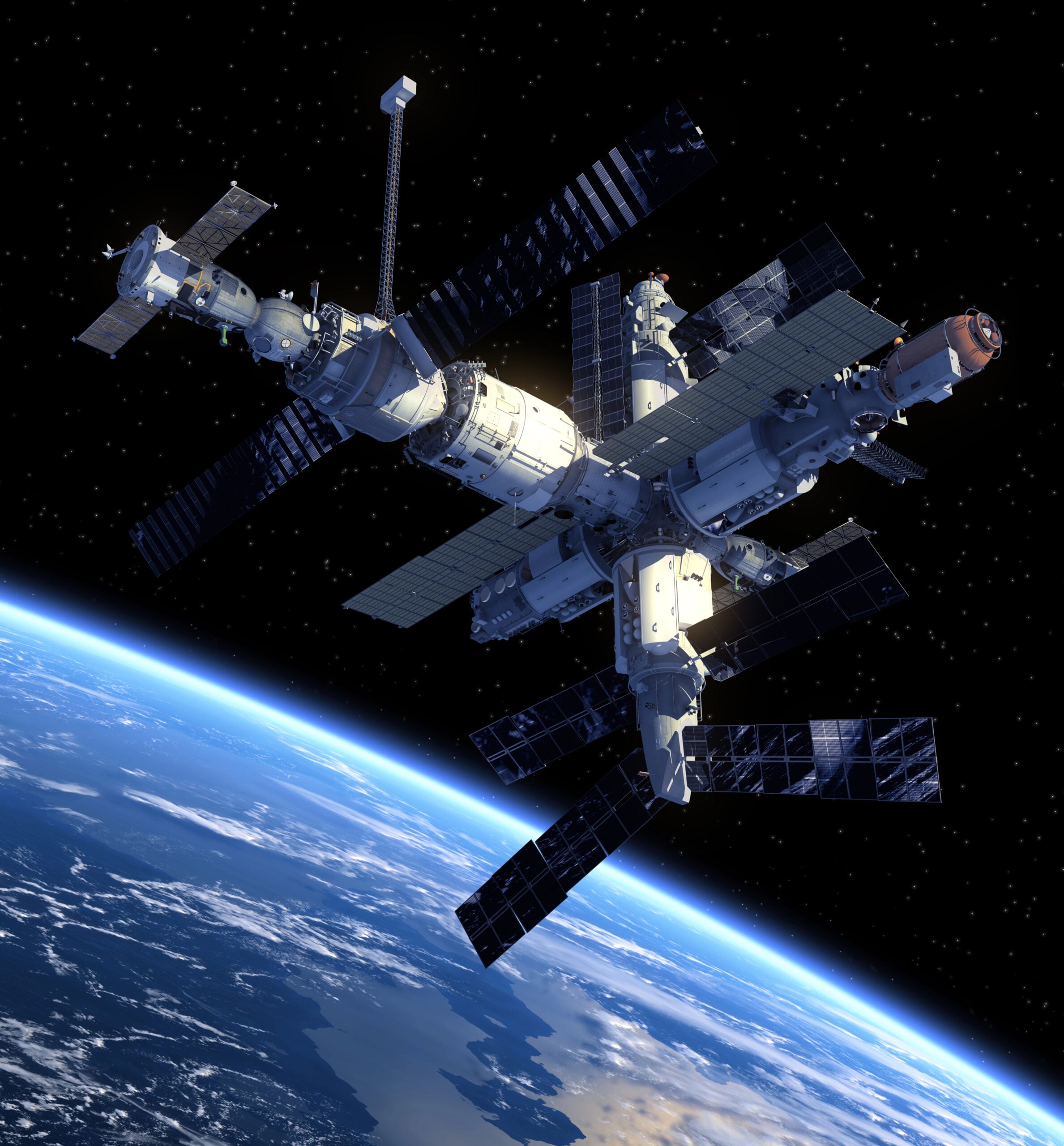
Twenty-five years of unbroken human presence in space represents something unprecedented in the history of our species. Crews rotate, but the lights stay on.
Someone is always up there, conducting experiments, maintaining systems, or simply existing as Earth’s permanent orbital representatives. This streak of continuous habitation has outlasted multiple presidential administrations, several economic recessions, and countless earthbound crises.
Tears Don’t Fall in Zero Gravity
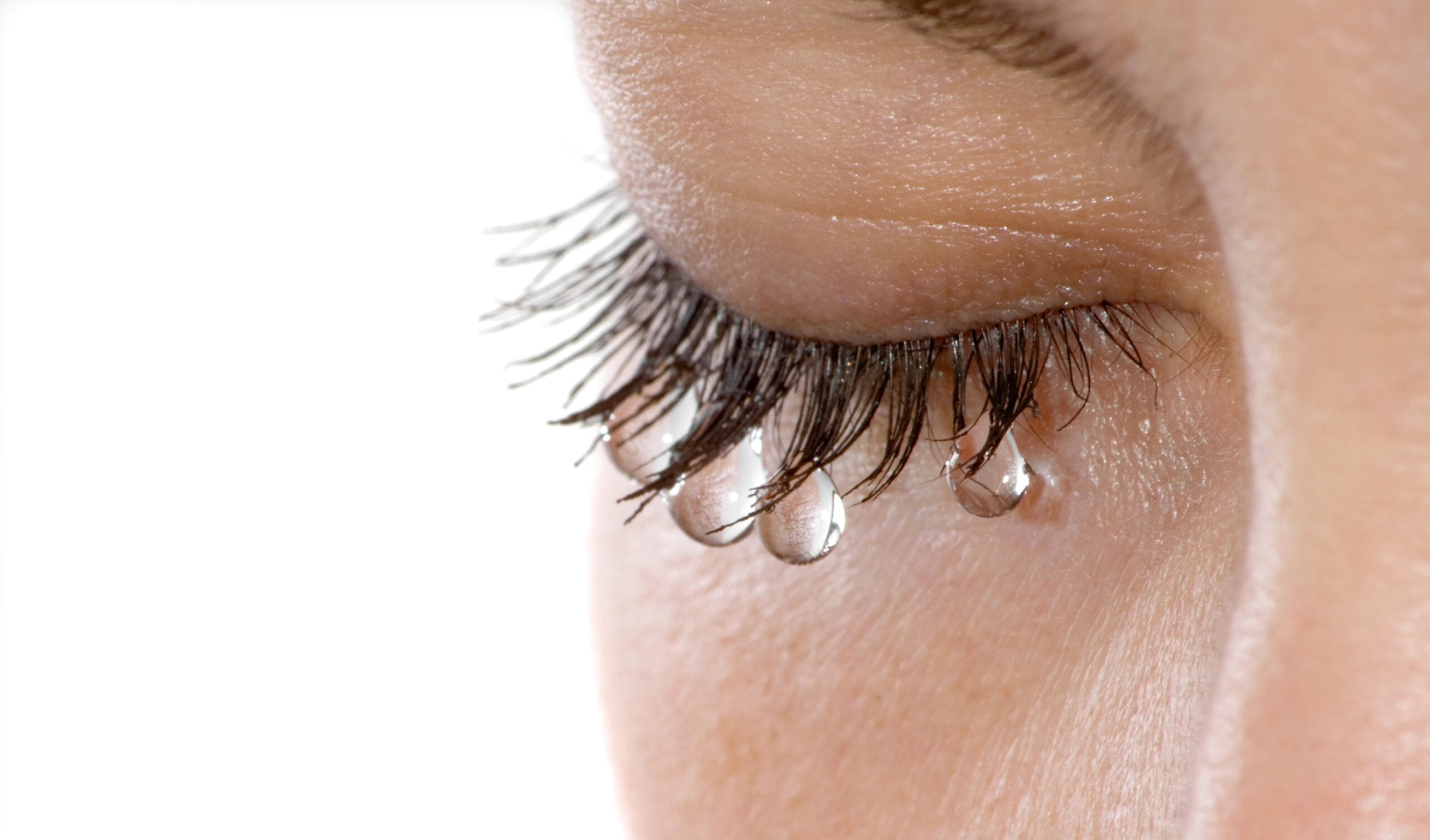
Crying in space creates a peculiar problem: tears have nowhere to go (since gravity isn’t there to pull them down your cheeks the way it does on Earth, where even the saddest moment follows predictable physics). Instead, they form a bubble around the eye until surface tension eventually breaks and sends the droplet floating away.
So emotional moments in space come with the additional complexity of managing wayward tears that might drift into equipment or another person’s breathing space, which adds an almost absurd practical element to what should be purely emotional experiences.
Astronauts report that this makes crying feel incomplete somehow, as if the physical release that comes with tears streaming down your face is necessary for the emotional process to work properly.
The Space Station Requires Constant Adjustments to Stay in Orbit
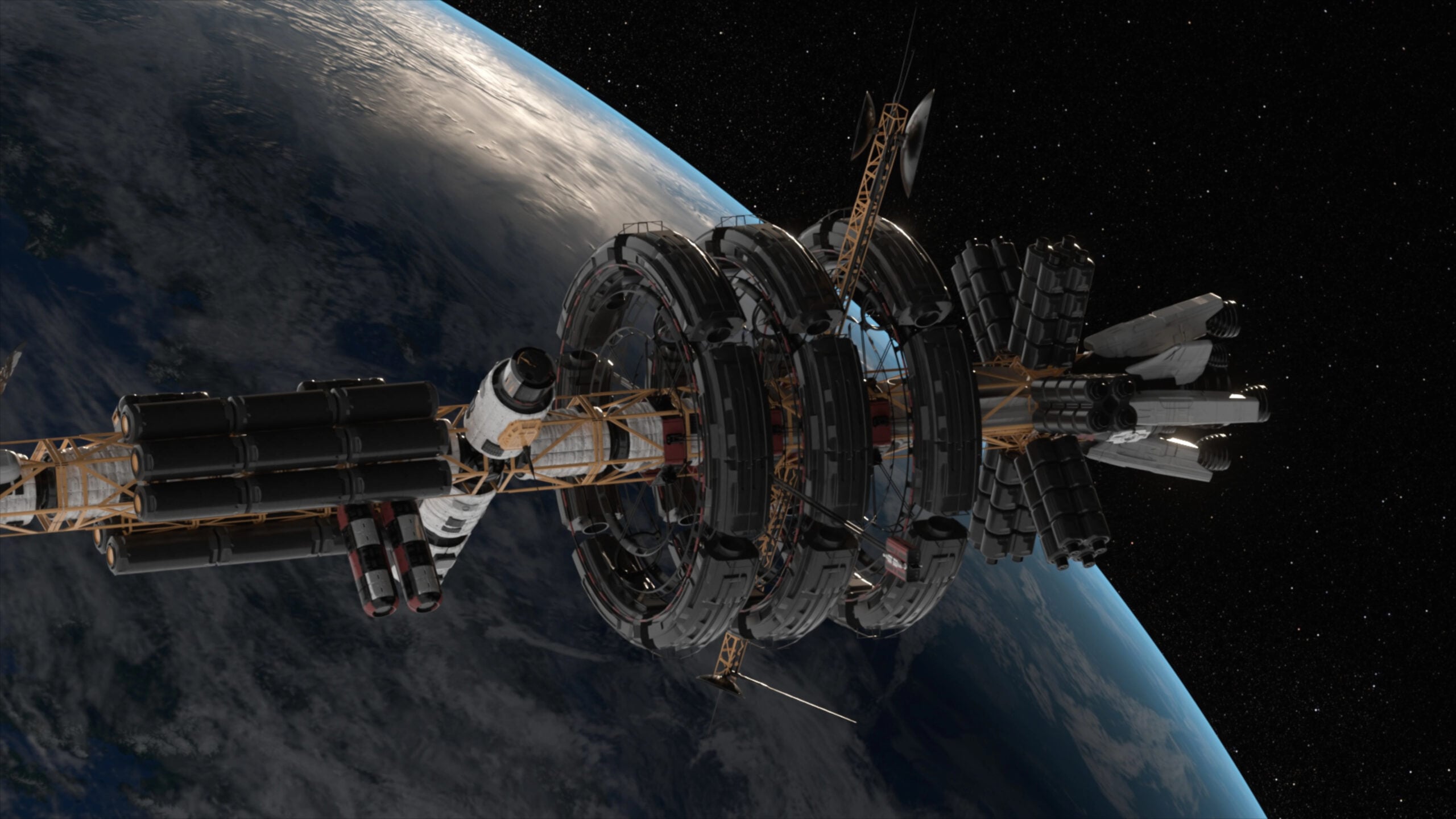
Atmospheric drag affects even objects 250 miles above Earth’s surface. The ISS loses altitude gradually and requires periodic boosts from visiting spacecraft to maintain its orbit.
Without these adjustments, it would eventually spiral back to Earth and burn up in the atmosphere. The station essentially falls a little bit every day and gets pushed back up by rocket engines — a cosmic game of catch that never ends.
Plants Grow in Strange Directions Without Gravity

Roots and shoots lose their sense of direction in microgravity since they can’t feel which way is down. Plants grown on the space station often develop curved or spiral growth patterns as they search for the gravitational cues that aren’t there.
Some vegetables manage to grow normally, while others seem to give up on the concept of “up” entirely and create their own random architecture. Watching a plant try to figure out how to be a plant without gravity reveals just how much life on Earth takes that constant downward pull for granted.
Space Station Crews Must Exercise 2.5 Hours Every Day
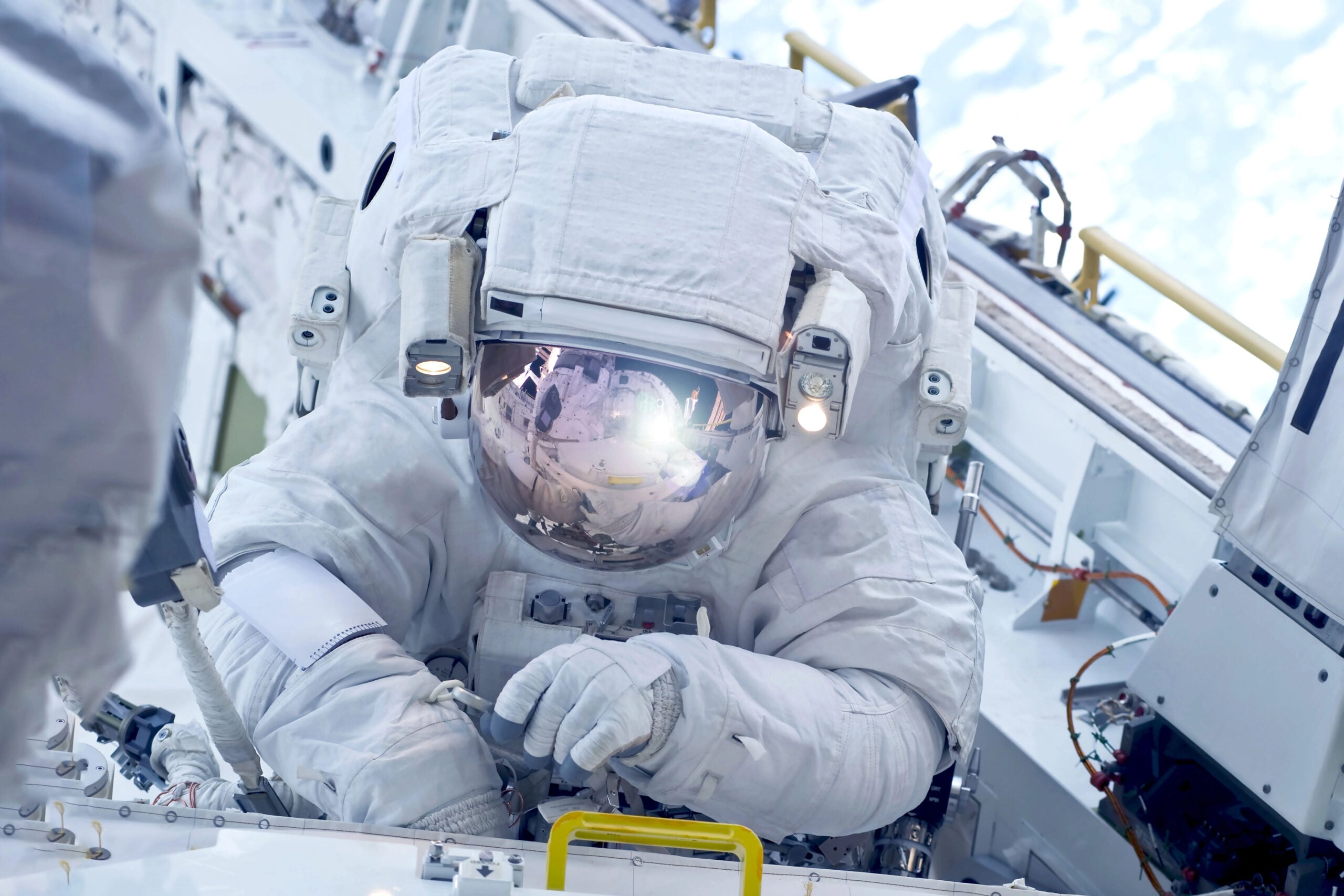
Muscle atrophy and bone loss happen quickly in zero gravity. Without the constant work of fighting gravity, the human body essentially decides it no longer needs to maintain its earthbound strength and begins breaking down muscle and bone tissue within days.
Astronauts spend more time exercising than most fitness enthusiasts on Earth, using specialized equipment that creates artificial resistance. The alternative is returning to Earth significantly weaker and facing months of rehabilitation.
The Space Station Has Its Own Time Zone
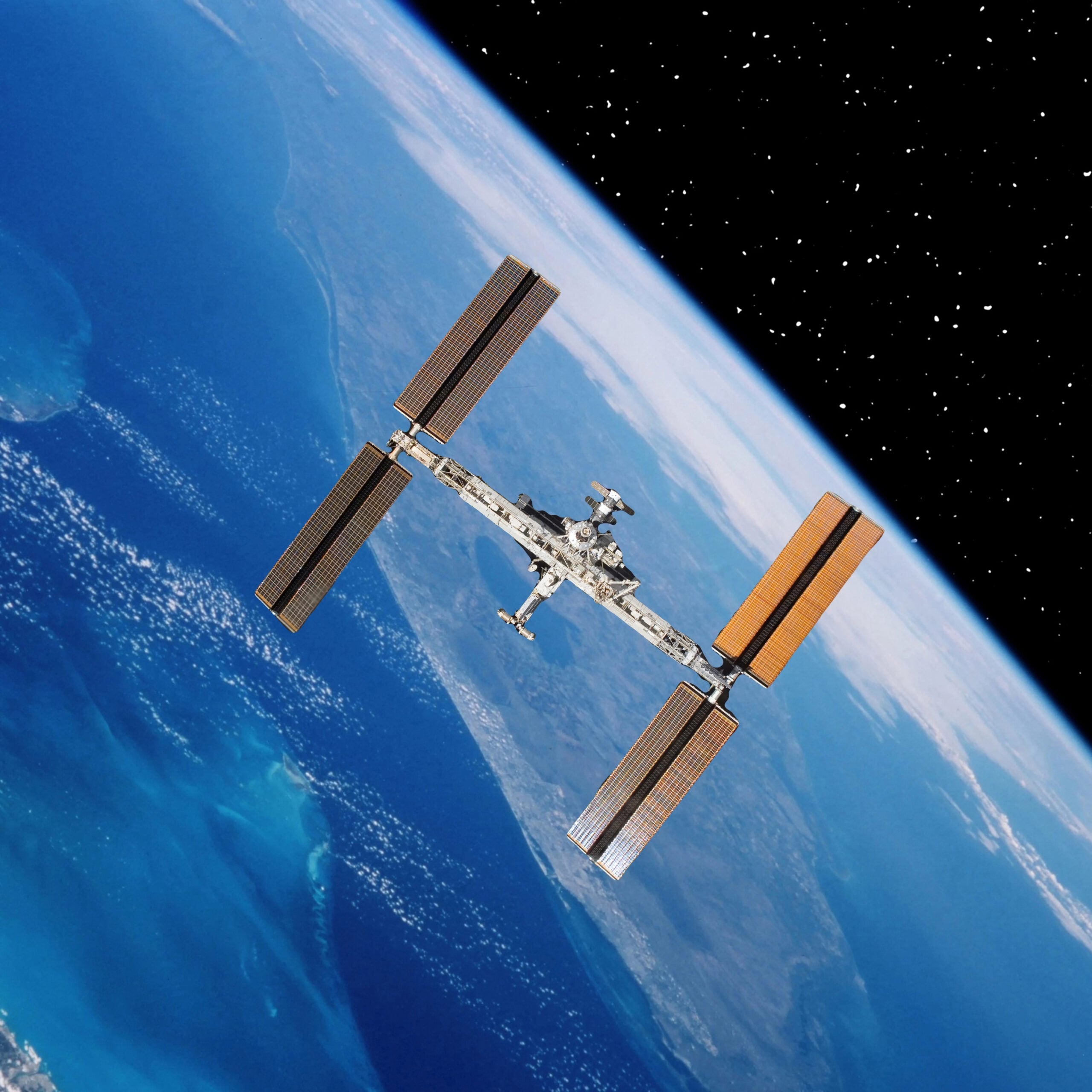
The ISS operates on Coordinated Universal Time (UTC), which means astronauts live on London time regardless of where they’re orbiting. Since they experience 16 day-night cycles every 24 hours, picking any earthbound time zone becomes somewhat arbitrary.
UTC was chosen because it’s widely used in international operations and helps coordinate with mission control centers around the world. So astronauts might be watching the sun rise over Australia while eating breakfast scheduled for London lunchtime.
Water Forms Perfect Spheres That Float Through the Air
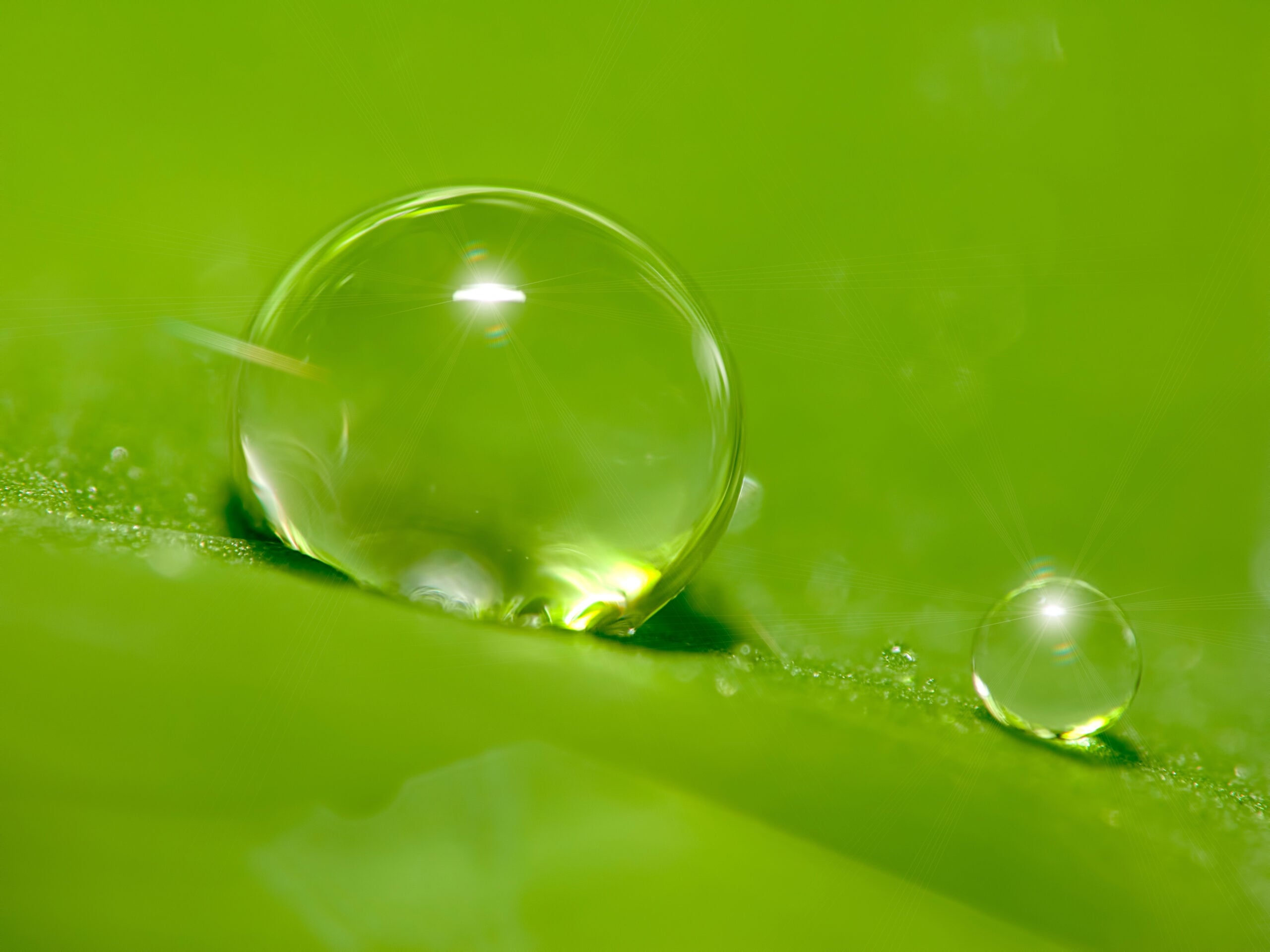
Surface tension becomes the dominant force when gravity disappears, and water behaves accordingly. Spilled water doesn’t splash or puddle — it forms floating spheres that drift through the station until they encounter a surface or get captured by air circulation systems.
Astronauts can create water bubbles the size of tennis orbs that hold their shape perfectly until something disturbs them. Drinking water requires either a pouch with a straw or the skill to catch floating drops with your mouth.
Looking Back at What We’ve Built Above Us
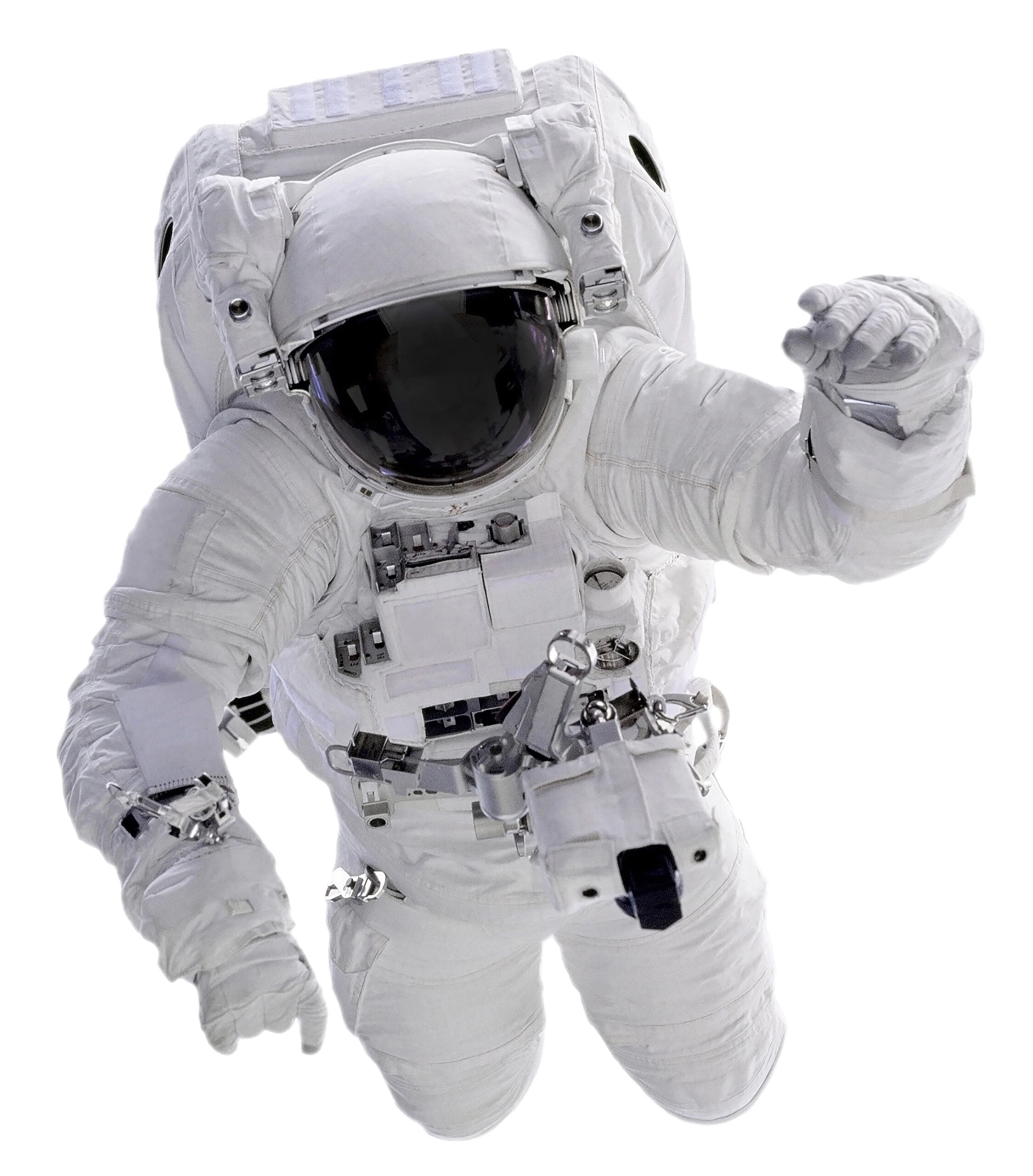
These orbital outposts represent something that would have been pure fantasy just a few generations ago: permanent human settlements beyond Earth’s surface. The mundane details — the expensive toilets, the floating tears, the daily exercise requirements — matter because they represent the practical reality of expanding human presence beyond our home planet.
Each strange adaptation and engineering solution brings us closer to understanding what it really means to live among the stars, even if that life involves strapping yourself to a toilet and chasing floating water droplets through a very expensive aluminum tube traveling at impossible speeds.
from Go2Tutors!

- The Romanov Crown Jewels and Their Tragic Fate
- 13 Historical Mysteries That Science Still Can’t Solve
- Famous Hoaxes That Fooled the World for Years
- 15 Child Stars with Tragic Adult Lives
- 16 Famous Jewelry Pieces in History
Like Go2Tutors’s content? Follow us on MSN.