15 Differences Between Asteroids, Comets, and Meteors Explained
Look up at the night sky, and you’re seeing a cosmic neighborhood filled with wandering rocks, icy visitors, and streaking lights. These celestial objects have captivated humans for millennia, inspiring everything from ancient mythology to modern space missions.
Yet despite their prominent place in our collective imagination, many people use the terms asteroid, comet, and meteor interchangeably — which is understandable, considering they’re all essentially space debris hurtling through the solar system. The differences between these three types of objects, however, run much deeper than their shared status as cosmic wanderers.
From their composition and origins to how they behave and where they call home, asteroids, comets, and meteors each tell a distinct story about our solar system’s formation and evolution. Understanding these differences transforms casual stargazing into something more profound: a glimpse into the ancient processes that shaped the world beneath your feet.
Composition
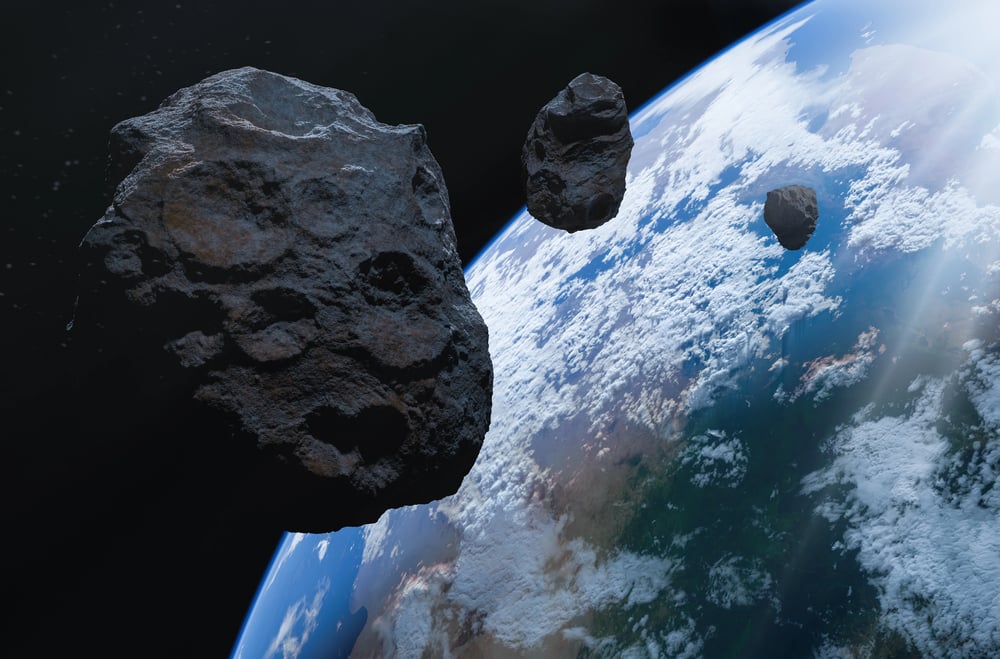
Asteroids are rocky. That’s the foundation of what they are.
Made primarily of metals and stone, they’re essentially the leftover building blocks from when planets formed billions of years ago. Think of them as cosmic rubble.
Origin Stories
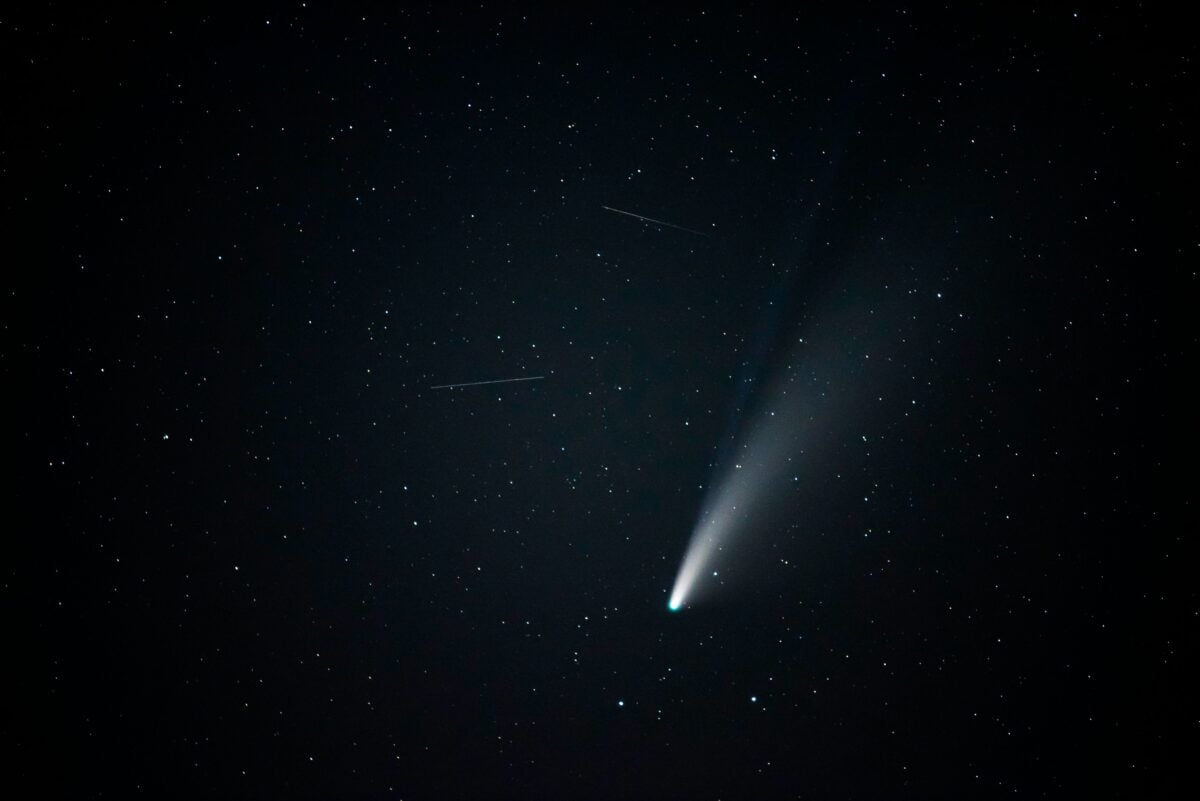
Comets tell a different story entirely — one that begins in the frozen outer reaches of the solar system, where water ice mingles with dust and organic compounds in a primordial deep freeze. These “dirty snowballs” (as astronomers rather unglamorously call them) spent their early years in places so cold and remote that the warmth of the Sun was nothing more than a distant rumor.
Asteroids, meanwhile, were born closer to home, forming in the warmer regions between Mars and Jupiter where rock and metal could condense but ice could not survive. And meteors? They’re not born anywhere, because they’re not objects at all — they’re events.
The streak of light you see burning across the night sky is simply what happens when any piece of space debris, whether it started as part of an asteroid or a comet, decides to visit Earth’s atmosphere uninvited.
Size Range
The size game varies wildly here. Asteroids can range from pebbles to planetoids — Ceres, the largest asteroid, stretches 940 kilometers across and actually earned itself a promotion to “dwarf planet” status.
Comets are generally smaller than the largest asteroids (though when you factor in their tails, they can span millions of kilometers). But here’s where things get interesting: meteors are defined by their size in a backwards way.
The smaller the original piece of debris, the more likely you are to see it as a meteor, because small objects burn up completely in our atmosphere. Large objects either stay in space as asteroids and comets, or they make it through the atmosphere to become meteorites.
Location in the Solar System
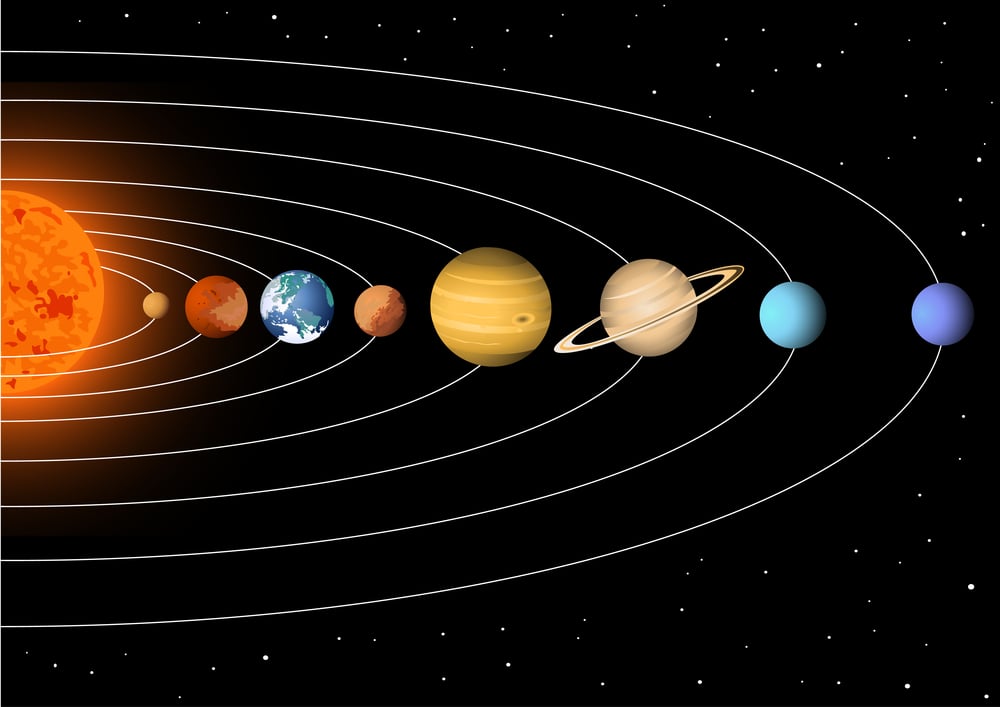
Picture the solar system as a series of neighborhoods, each with its own character and residents. Asteroids mostly live in the suburbs — specifically, the asteroid belt between Mars and Jupiter, though some have wandered into Earth’s neighborhood (these are called near-Earth asteroids, and they get quite a bit of attention from astronomers who prefer that they stay at a respectful distance).
Comets, on the other hand, come from the cosmic equivalent of rural farmland: the Kuiper Belt beyond Neptune, and the even more distant Oort Cloud that surrounds our entire solar system like a spherical shell of frozen objects. When something disturbs a comet’s quiet existence out there — perhaps the gravitational nudge of a passing star — it begins the long journey inward toward the Sun.
So when you see a comet, you’re witnessing a visitor from the solar system’s most remote regions, making what might be its first and only visit to the inner planets. Meteors, being events rather than objects, don’t have permanent addresses, but they happen exclusively in planetary atmospheres — specifically, in our case, about 80 to 120 kilometers above Earth’s surface.
Orbital Patterns
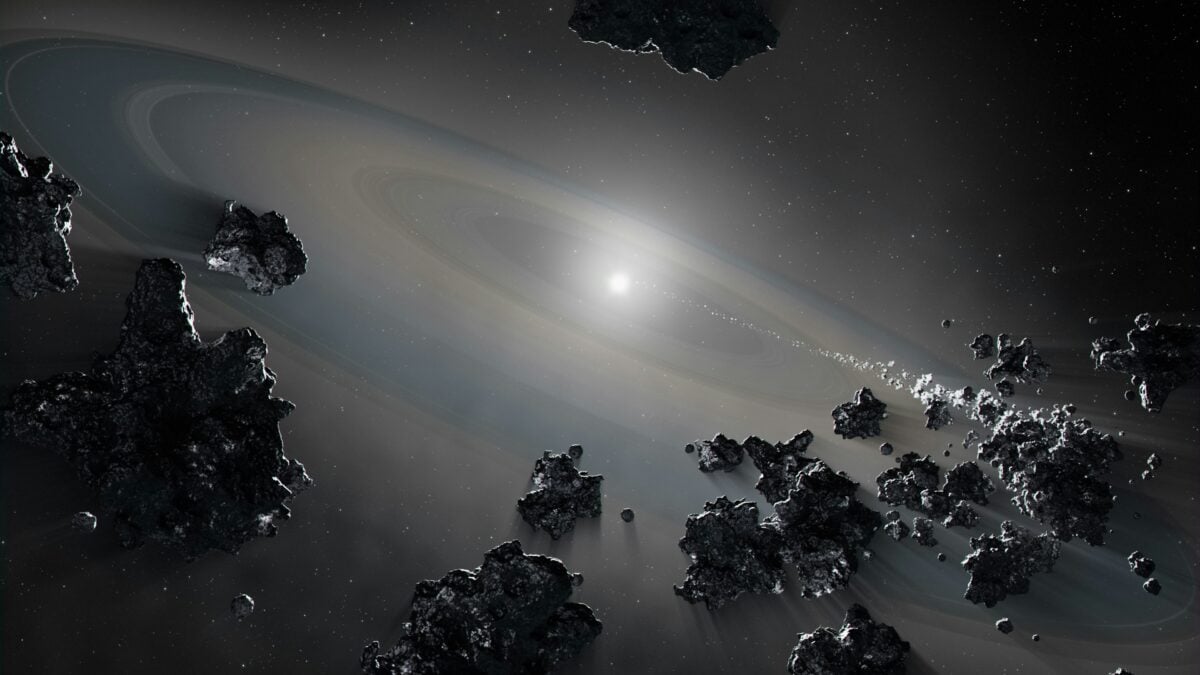
Asteroids are homebodies. Most follow predictable, roughly circular orbits in the asteroid belt, content to circle the Sun in the same general neighborhood for billions of years.
They’re the suburbanites of space: reliable, predictable, not much given to dramatic gestures. Comets are the wanderers — restless spirits with highly elliptical orbits that carry them from the frigid outer solar system to intimate encounters with the Sun, then back out again.
Some comets are frequent visitors (Halley’s Comet returns every 76 years), while others take millennia to complete a single orbit. But here’s what makes them fascinating: many comets are on their first-ever journey to the inner solar system, which means you might be seeing an object that has remained virtually unchanged since the solar system formed 4.6 billion years ago.
Brightness and Visibility
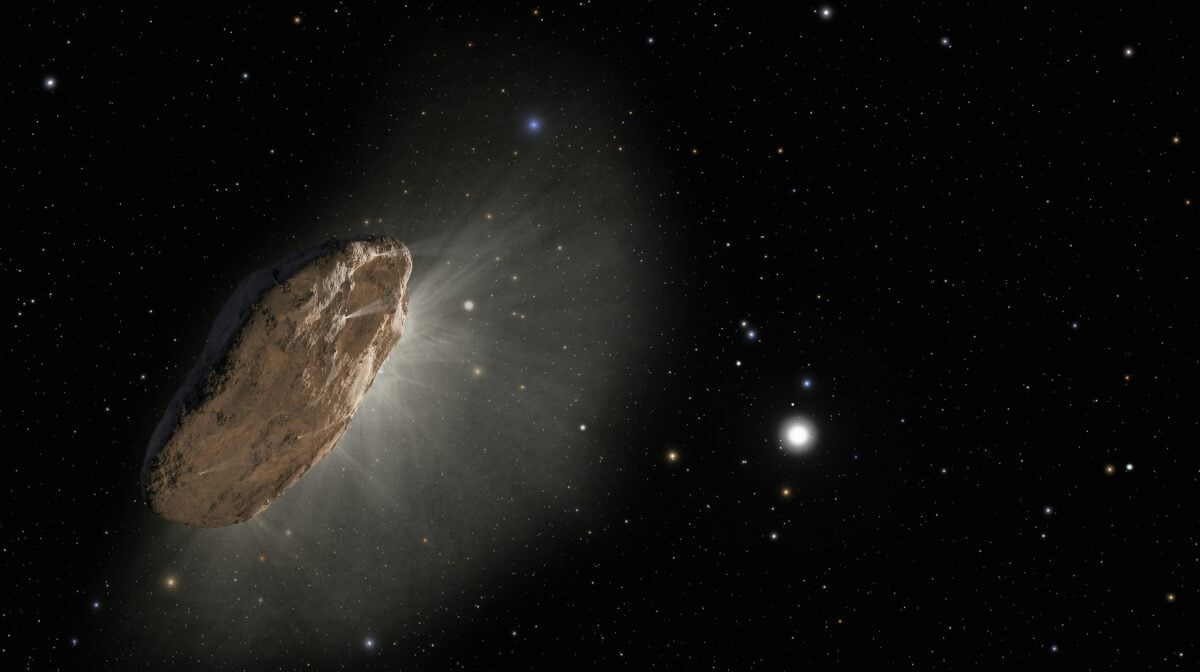
Here’s a truth that surprises people: despite being much larger, asteroids are terrible at putting on a show. Even the biggest ones appear as nothing more than points of light through most telescopes, earning them the name “asteroid,” which means “star-like.”
They don’t generate their own light, and their dark, rocky surfaces reflect sunlight about as well as charcoal reflects a flashlight beam. Comets, however, are nature’s showoffs.
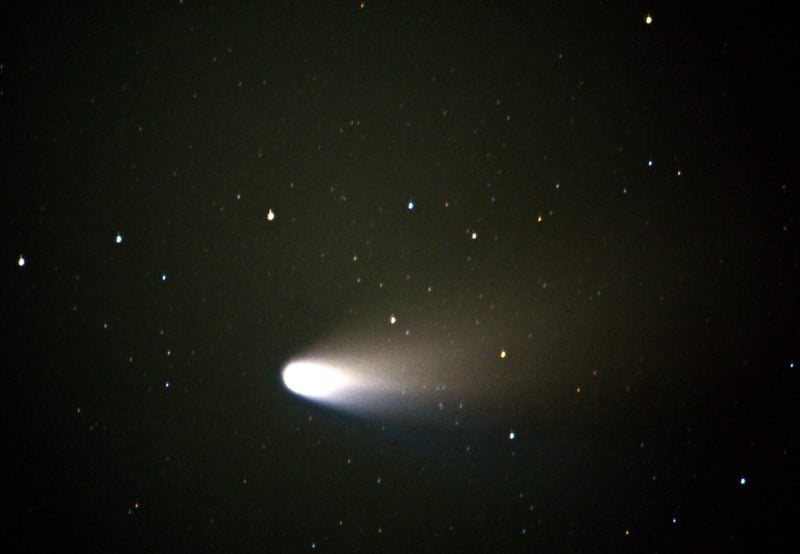
As they approach the Sun, the ice on their surface begins to sublimate (turning directly from solid to gas), creating those spectacular glowing tails that can stretch for millions of kilometers. A comet’s brightness can increase by millions of times as it approaches the Sun — which explains why comets have been inspiring awe and terror in equal measure throughout human history.
And meteors? They literally burn themselves up to create light, producing those brief but brilliant streaks that can momentarily outshine Venus.
Atmospheric Interaction
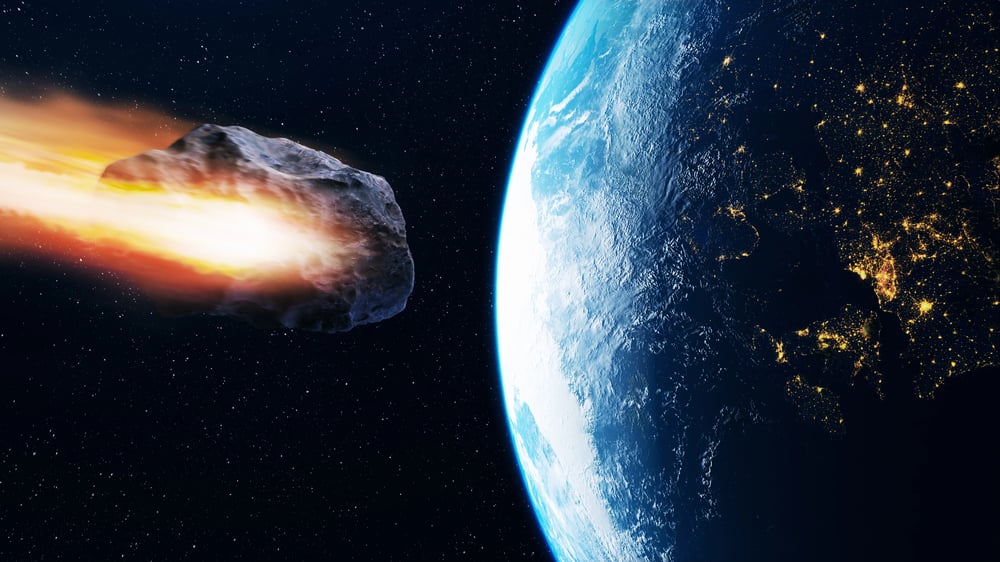
This is where the three diverge most dramatically, because only one of them actually interacts with planetary atmospheres on a regular basis. Asteroids and comets spend their time in the vacuum of space, where atmospheric interaction isn’t a concern — unless something goes wrong and they find themselves on a collision course with a planet.
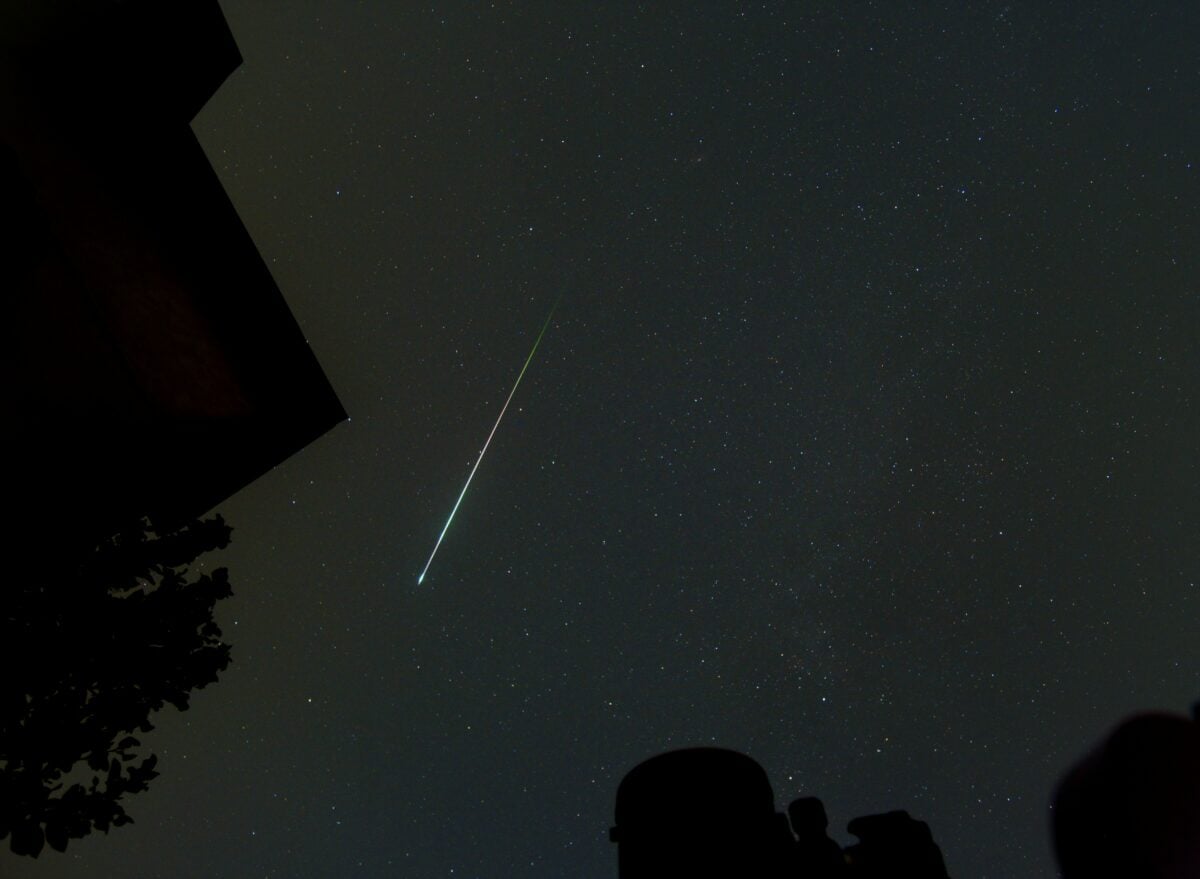
Meteors exist because of atmospheric interaction (or more precisely, because of the violent friction that occurs when space debris hits our atmosphere at speeds that can exceed 70 kilometers per second). The “meteor” is the streak of light produced when the atmosphere destroys the incoming object.
So in a way, meteors are less like celestial objects and more like very brief, very bright obituaries for pieces of space debris.
Tail Formation
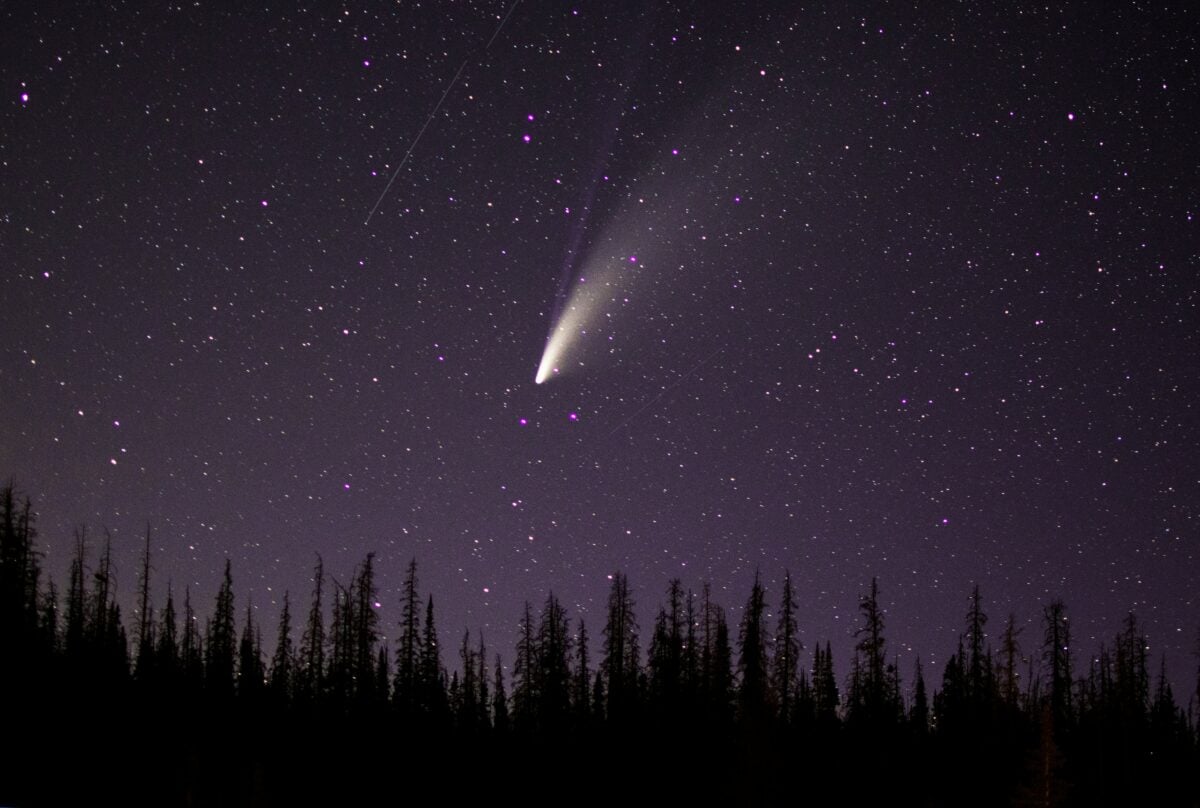
Comets grow tails as they approach the Sun, and not because they’re happy to see it — the Sun’s heat vaporizes the ice on a comet’s surface, creating a glowing coma (atmosphere) around the nucleus and often producing two distinct tails: a dust tail and an ion tail. These tails always point away from the Sun, regardless of the comet’s direction of travel, because they’re being pushed by solar wind and radiation pressure.
Asteroids don’t grow tails because they don’t contain significant amounts of volatile materials that would vaporize when heated. They’re stoic, unchanging rocks that maintain their dignity regardless of how close they get to the Sun.
And meteors? They create their own kind of tail — that streak of ionized gas and vaporized debris that marks their passage through the atmosphere. But these “tails” last only seconds, and they point backward along the meteor’s path of travel, showing where it’s been rather than where it’s going.
Discovery History

Asteroids were the first of the three to be systematically discovered and catalogued, beginning with Ceres in 1801. Giuseppe Piazzi initially thought he had found a comet, but its lack of a tail and consistent brightness suggested something different entirely.
The term “asteroid” wasn’t coined until 1802, and by the mid-1800s, astronomers had identified the asteroid belt and begun the ongoing project of cataloguing its residents. Comets, of course, have been known since ancient times — they’re hard to miss when they develop those spectacular tails.
But scientific understanding of what comets actually are didn’t develop until the 20th century. Meteors were also observed throughout history, but like comets, they were often interpreted through the lens of mythology rather than astronomy.
Naming Conventions
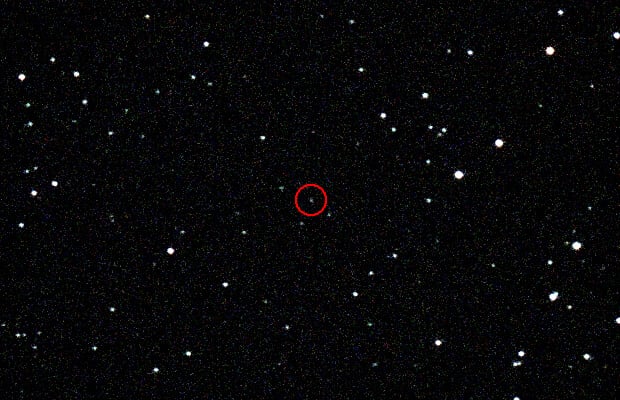
The naming game reveals personality differences between astronomical communities. Asteroids get names that range from goddesses (the early tradition) to scientists, family members, cities, and even pets.
Asteroid 2309 is named Mr. Spock — not after the Star Trek character, but after the discoverer’s cat, who was apparently named after the Star Trek character, which makes this a delightfully indirect pop culture reference. Comets are named after their discoverers, which can result in names like Hale-Bopp (discovered independently by Alan Hale and Thomas Bopp) or the more straightforward Halley’s Comet.
Meteors don’t get individual names because they’re events, not objects — but meteor showers are named after the constellation they appear to radiate from, like the Perseids or the Leonids.
Impact History
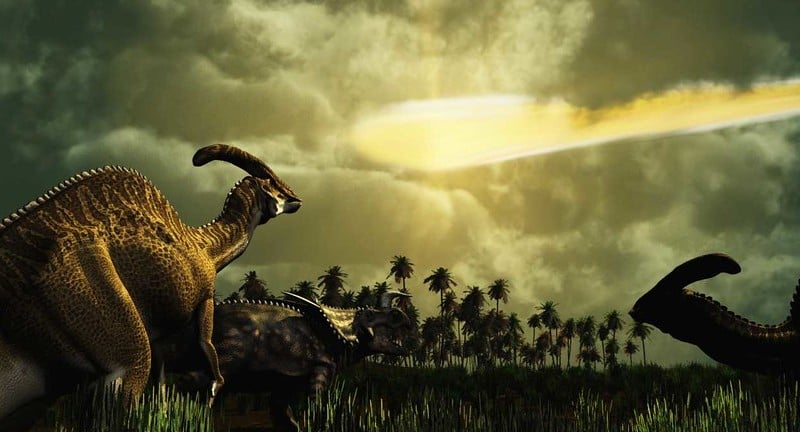
Looking at Earth’s scarred surface tells a story of cosmic bombardment that spans billions of years, and both asteroids and comets have played starring roles in this ongoing drama. The Chicxulub impact that contributed to the extinction of the dinosaurs 66 million years ago was likely caused by an asteroid roughly 10 kilometers across — a relatively modest resident of the asteroid belt that happened to find itself in the wrong place at the wrong time (from the dinosaurs’ perspective, anyway).
But comets have also left their mark, and some scientists suggest that much of Earth’s water may have been delivered by comets during the Late Heavy Bombardment about 4 billion years ago. So in a sense, every glass of water you drink might contain molecules that once resided in the frozen outer reaches of the solar system, carried here by comets that sacrificed themselves to help create the oceans.
Meteors, being the visible effects of small debris burning up in the atmosphere, rarely make it to the surface intact. When they do, they’re called meteorites, and they become valuable sources of information about the composition and history of their parent objects.
Role in Solar System Formation
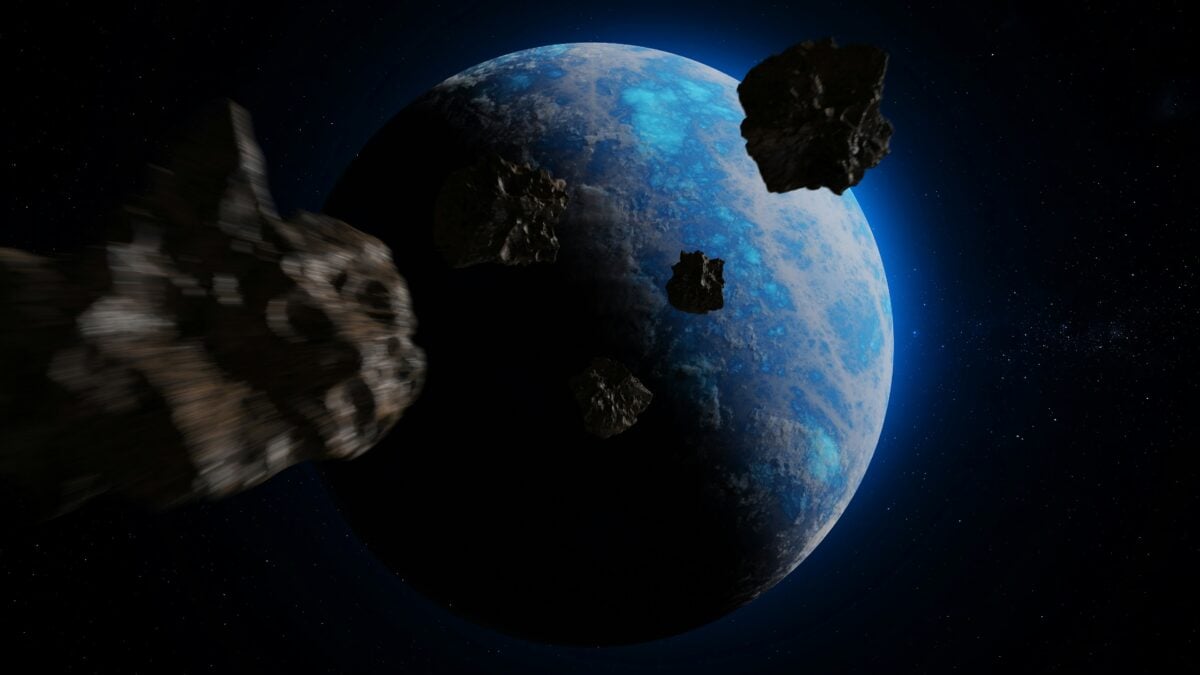
Each of these object types serves as a time capsule, preserving evidence of conditions during the solar system’s formation 4.6 billion years ago, but they tell different parts of the story. Asteroids represent the raw materials from which the inner planets formed — rocky and metallic debris that could withstand the heat of the young Sun. Study an asteroid, and you’re examining a sample of the primordial disk of material from which Earth itself condensed.
Comets are even more pristine time capsules, having spent most of their existence in a deep freeze at the solar system’s edge. The organic compounds found in comets may represent some of the original building blocks of life itself.
When astronomers study comets, they’re essentially examining samples of the solar system’s original ingredients, largely unchanged by 4.6 billion years of evolution.
Research and Study Methods
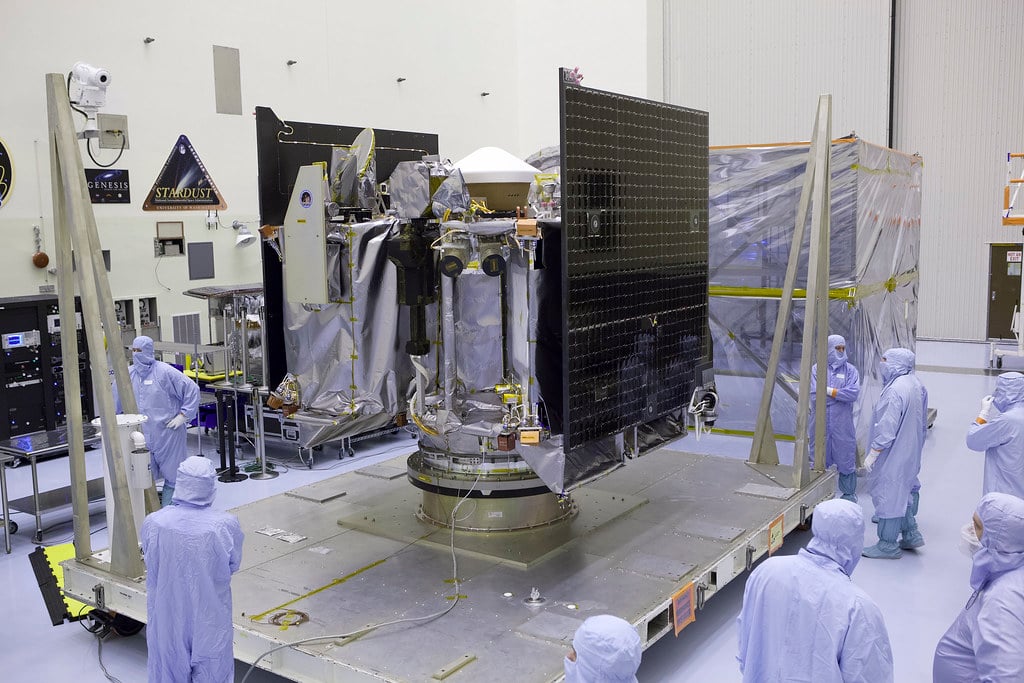
Studying asteroids means dealing with objects that are relatively predictable and accessible. Space missions to asteroids are challenging but feasible — NASA’s OSIRIS-REx mission successfully collected samples from asteroid Bennu and returned them to Earth, giving scientists direct access to pristine asteroid material.
Comets present different challenges because their orbits are less predictable and their active surfaces (constantly venting gas and dust) make landing difficult. But when the European Space Agency’s Rosetta mission successfully placed a lander on comet 67P/Churyumov-Gerasimenko in 2014, it provided unprecedented close-up data about comet composition and behavior.
Meteors are studied primarily through observation and analysis of meteorites that survive atmospheric entry. Every meteor shower provides an opportunity to collect data about the parent object (usually a comet) that left behind the debris trail.
Frequency of Observation
Your chances of seeing each type of object depend largely on where you live and how patient you are. Meteors are by far the most commonly observed — on any clear night, away from city lights, you can expect to see several meteors per hour. During major meteor showers, the rate can increase to dozens per hour.
Bright comets visible to the unaided eye appear roughly once every few years, though truly spectacular comets like Hale-Bopp (1997) or NEOWISE (2020) are less frequent. Most comets require binoculars or a telescope to see clearly.
Asteroids are the most challenging for amateur observers because they appear as dim points of light that move slowly against the star background. Even the brightest asteroids require knowing exactly where to look, and their motion is only apparent over several nights of observation.
Future Implications
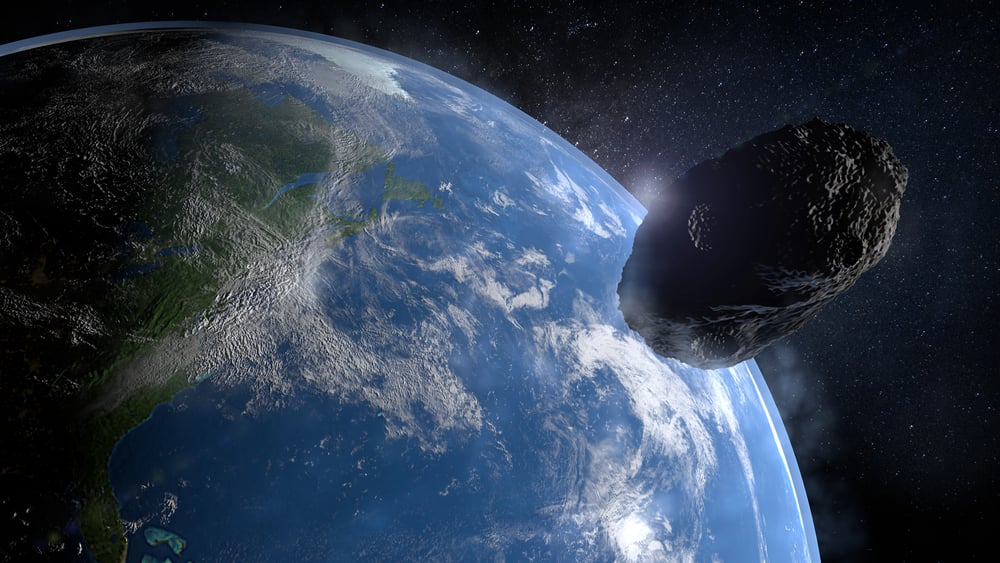
These three types of objects represent both potential threats and opportunities for humanity’s future in space. Near-Earth asteroids pose the most immediate impact risk, but they also represent the most accessible sources of raw materials for space-based industries.
An asteroid just a few hundred meters across contains more platinum than has ever been mined on Earth. Comets, with their loads of water ice and organic compounds, might serve as refueling stations for deep space missions — cosmic gas stations positioned throughout the outer solar system.
And the constant rain of small meteors that burn up in our atmosphere serves as a reminder that Earth exists in a dynamic cosmic environment that has shaped our planet’s evolution and will continue to do so for billions of years to come.
The Dance Goes On
Understanding the differences between asteroids, comets, and meteors transforms them from abstract points of light into storytellers, each carrying news from different neighborhoods of our cosmic home. Asteroids speak of the violent early days when planets were still forming from colliding debris.
Comets bring messages from the solar system’s frozen frontier, carrying ingredients that may have helped spark life on Earth. And meteors serve as daily reminders that the space around our planet isn’t empty — it’s filled with the remnants of ancient cosmic processes that continue to unfold above our heads every single night.
The next time you see a streak of light crossing the sky, you’ll know you’re witnessing the final moment in a story that began billions of years ago, when our solar system was nothing more than a disk of gas and dust surrounding a young star. That brief flash represents the end of a journey that may have started in the asteroid belt, or perhaps in the distant Oort Cloud, carrying with it secrets about the formation of worlds.
More from Go2Tutors!

- The Romanov Crown Jewels and Their Tragic Fate
- 13 Historical Mysteries That Science Still Can’t Solve
- Famous Hoaxes That Fooled the World for Years
- 15 Child Stars with Tragic Adult Lives
- 16 Famous Jewelry Pieces in History
Like Go2Tutors’s content? Follow us on MSN.