15 Erased Lessons Schools Finally Want You To Know
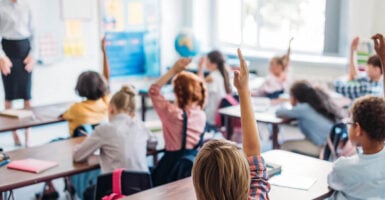
Growing up, there was always that nagging sense that something important was missing from the classroom. Between memorizing state capitals and dissecting frogs, deeper truths about life remained locked away — deemed too messy or too real for traditional education. But times are changing. Educators are finally ready to fill in those gaps, acknowledging that the most valuable lessons often live in the spaces between textbook chapters.
Critical Thinking Beats Memorization

Facts change. Your ability to question them doesn’t.
Schools spent decades drilling information into students’ heads without teaching them what to do with it. Critical thinking cuts through the noise and gets to what actually matters.
Failure Is A Teacher, Not An Enemy

The education system has turned failure into this terrifying monster that must be avoided at all costs, when in reality (and this might sound counterintuitive, but bear with the logic here), failure is often the most efficient teacher available — it shows up unannounced, delivers its lesson without sugarcoating anything, and leaves you with knowledge that actually sticks because you earned it through experience rather than theory.
Schools are finally admitting what parents and employers have known for years: the students who bounce back from setbacks are often more resilient and creative than those who never stumbled.
But here’s the thing that really matters.
Recovery teaches problem-solving in ways that straight-A report cards never could.
Mental Health Isn’t Optional
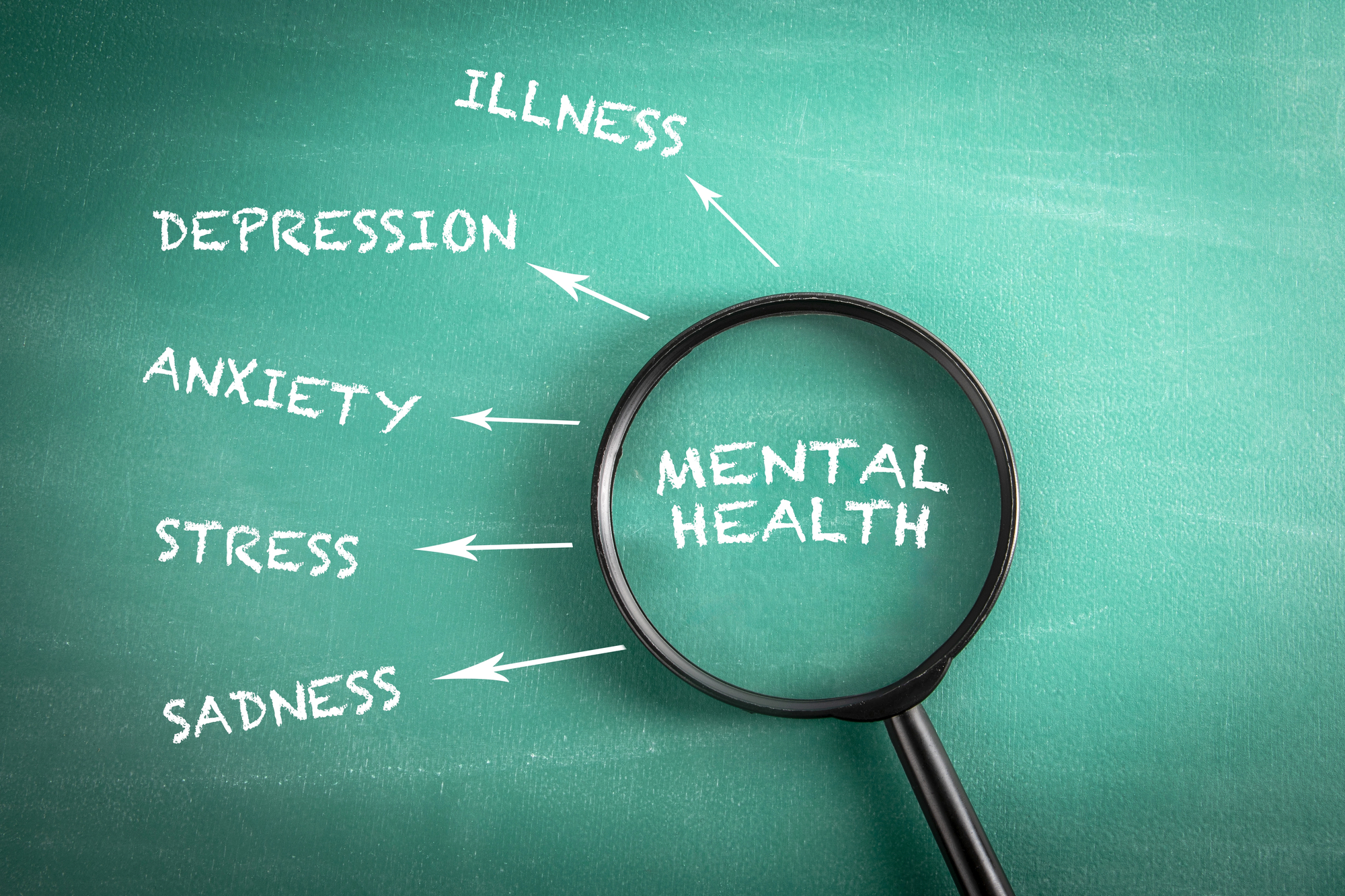
Like tending a garden that everyone walks past but no one wants to acknowledge is dying, mental health has been the invisible crisis hiding in plain sight.
Schools are learning to notice the wilted edges before the whole plant fails — the quiet kid who stops participating, the overachiever whose perfectionism has turned toxic, the class clown whose humor masks something heavier.
There’s a difference between academic pressure and academic support, and that difference lives in recognizing that minds, like bodies, need care to function properly.
Money Management Is Survival

Schools teach calculus but not compound interest.
Students graduate knowing the periodic table but not how credit scores work.
This is educational malpractice disguised as academic rigor, and everyone involved knows it.
Emotional Intelligence Trumps IQ
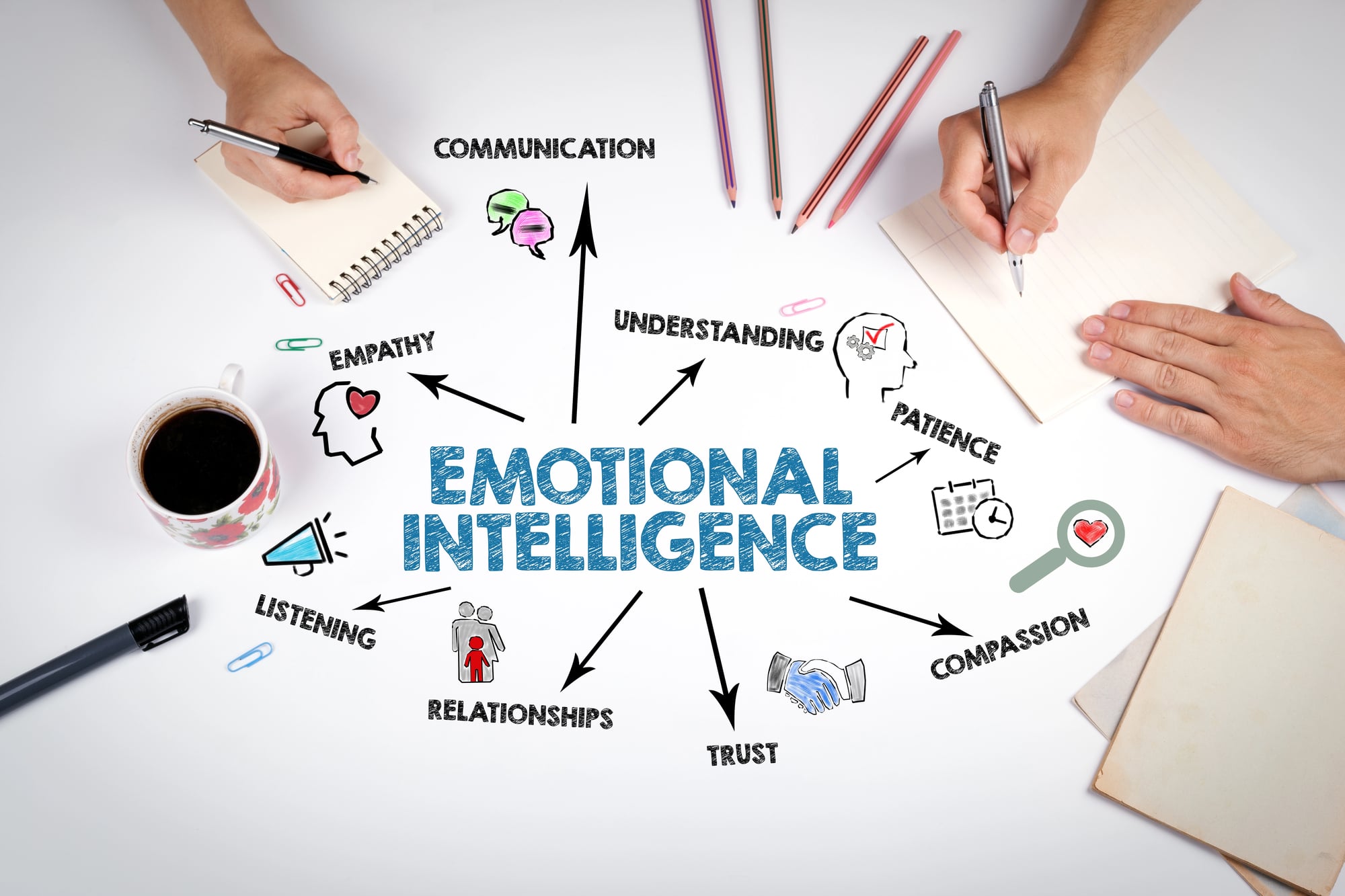
The smartest person in the room isn’t always the one with the highest test scores — it’s usually the one who can read the room, navigate conflict without creating enemies, and understand that intelligence without empathy is just sophisticated ignorance.
And here’s what’s particularly interesting about emotional intelligence (though schools have been slow to recognize this): it’s actually more teachable than raw intellectual ability, which means the students who struggle with traditional academics often excel once they discover they can master the art of human connection.
So schools are finally catching on.
Emotional intelligence predicts success better than SAT scores.
Builds better teams than individual brilliance.
And creates leaders rather than just experts.
Creativity Isn’t Just For Art Class

Creativity is problem-solving in disguise.
It shows up in engineering solutions, business innovations, and everyday life decisions.
Schools that treat creativity like a luxury subject rather than a core skill are preparing students for a world that no longer exists.
Every field needs people who can think differently, connect unexpected dots, and approach challenges from angles no one else considered.
Art class was never about making pretty pictures — it was about training minds to see possibilities where others see dead ends.
Your Learning Style Matters

Cookie-cutter education assumes every mind works the same way.
Some students need to move while they think, others need complete silence.
Some learn by doing, others by listening, still others by teaching what they just discovered to someone else.
Schools spent decades forcing square pegs into round pits and then wondering why so many students felt broken.
Real-World Skills Beat Theoretical Knowledge

Knowing how to change a tire matters more than memorizing Shakespeare’s birthday, though schools have been reluctant to admit this obvious truth because it challenges the entire academic hierarchy that places abstract knowledge above practical capability (which, when you think about it, is a fairly recent historical anomaly since most of human learning has always been hands-on, experiential, and immediately applicable to daily survival).
But times are shifting.
Students need to know how to file taxes, change a flat tire, cook a decent meal, and navigate basic legal documents — skills that determine quality of life far more than the ability to analyze 16th-century poetry.
Collaboration Beats Competition

The real world runs on teamwork, not individual achievement.
Projects succeed when people combine their strengths, not when one person dominates everyone else.
Schools are discovering that teaching students to work together produces better outcomes than teaching them to work against each other.
Competition has its place, but cooperation builds the foundation for everything that actually matters.
Technology Is A Tool, Not A Crutch

Schools swung too far in both directions — first banning technology entirely, then treating it like a magic solution to every educational problem.
The truth sits somewhere in the middle, where students learn to use technology purposefully rather than mindlessly.
Mistakes Are Data Points

Every wrong answer contains information about how to find the right one.
Schools traditionally treated mistakes like moral failures rather than learning opportunities (and this approach, frankly, created generations of students who were more afraid of being wrong than excited about being right, which is exactly backwards from how actual discovery works in every field that matters).
Scientists expect failed experiments because failure reveals what doesn’t work, bringing them closer to what does.
And students deserve the same permission to learn through trial and error.
Mistakes aren’t character flaws.
They’re feedback.
Your Voice Deserves To Be Heard

There’s something quietly revolutionary about a classroom where students feel safe to disagree, to question, to offer perspectives that don’t match the textbook answer.
Schools are learning to create space for authentic voices rather than demanding uniform responses.
Students who learn to articulate their thoughts, defend their reasoning, and listen to opposing viewpoints develop confidence that serves them long after graduation.
The goal isn’t to produce echoes — it’s to develop thinkers who can contribute something original to the conversation.
Work-Life Balance Starts Now

Burnout isn’t a badge of honor.
Students who learn early that sustainable effort beats destructive perfectionism develop healthier relationships with work, stress, and achievement.
Schools that pile on homework without considering students’ need for rest, relationships, and personal interests are training future adults who won’t know when to stop working.
Independence Is Learned, Not Inherited

Every skill that creates self-sufficiency can be taught, but schools have traditionally focused on dependence — students who need constant instruction, constant validation, constant supervision to function (which makes sense from a classroom management perspective but creates adults who struggle to make decisions, solve problems, or trust their own judgment when authority figures aren’t around to provide answers).
So the shift toward independence starts small.
Students learn to manage their own schedules, evaluate their own work, and make choices about their learning path.
And these small freedoms build the confidence that creates capable adults.
The Path Forward Isn’t Backward

Education evolves when it admits what isn’t working and commits to something better.
These lessons weren’t erased by accident — they were sacrificed for a system that prioritized control over growth, compliance over creativity, and uniformity over understanding.
Schools that embrace these truths create graduates who are prepared for life, not just tests.
More from Go2Tutors!

- The Romanov Crown Jewels and Their Tragic Fate
- 13 Historical Mysteries That Science Still Can’t Solve
- Famous Hoaxes That Fooled the World for Years
- 15 Child Stars with Tragic Adult Lives
- 16 Famous Jewelry Pieces in History
Like Go2Tutors’s content? Follow us on MSN.