14 Cities Made Famous by One Viral Photo
A city is typically defined by history, industry, and culture. However, on occasion, all of this can be reduced into just one image.
It is possible for just one photograph, shot from just the right perspective at just the right time, to define the way millions of people think of a place they have yet to visit. This is nothing new, however.
Long before the advent of social media, newspapers, wire services, and magazines, as well as postcards, enabled photographs to travel the country at incredible rates. It’s just as powerful today, but at incredible rates of speed.
Just one photograph, just one composition, can be used to define a place. Let’s take a closer look at 14 cities in the U.S. whose reputation was forever changed, and in some cases, redefined, through just one photograph.
Let’s take a closer look at just how powerful just one photograph can be in elevating a skyline.
New York City
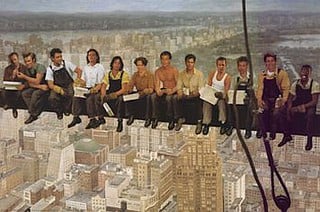
In 1932, a photograph later known as ‘Lunch atop a Skyscraper’ captured eleven ironworkers eating casually on a steel beam 850 feet above Manhattan. The men, suspended over the city without visible safety gear, appeared relaxed — almost playful.
New York was already America’s largest city. Still, that image crystallized something deeper.
It symbolized ambition during the Great Depression, the fearless climb toward modernity, and the sheer audacity of vertical construction. The photograph traveled widely through newspapers and became one of the most reproduced images in American history.
For many, it defined New York as a place where risk and opportunity sit side by side.
San Francisco
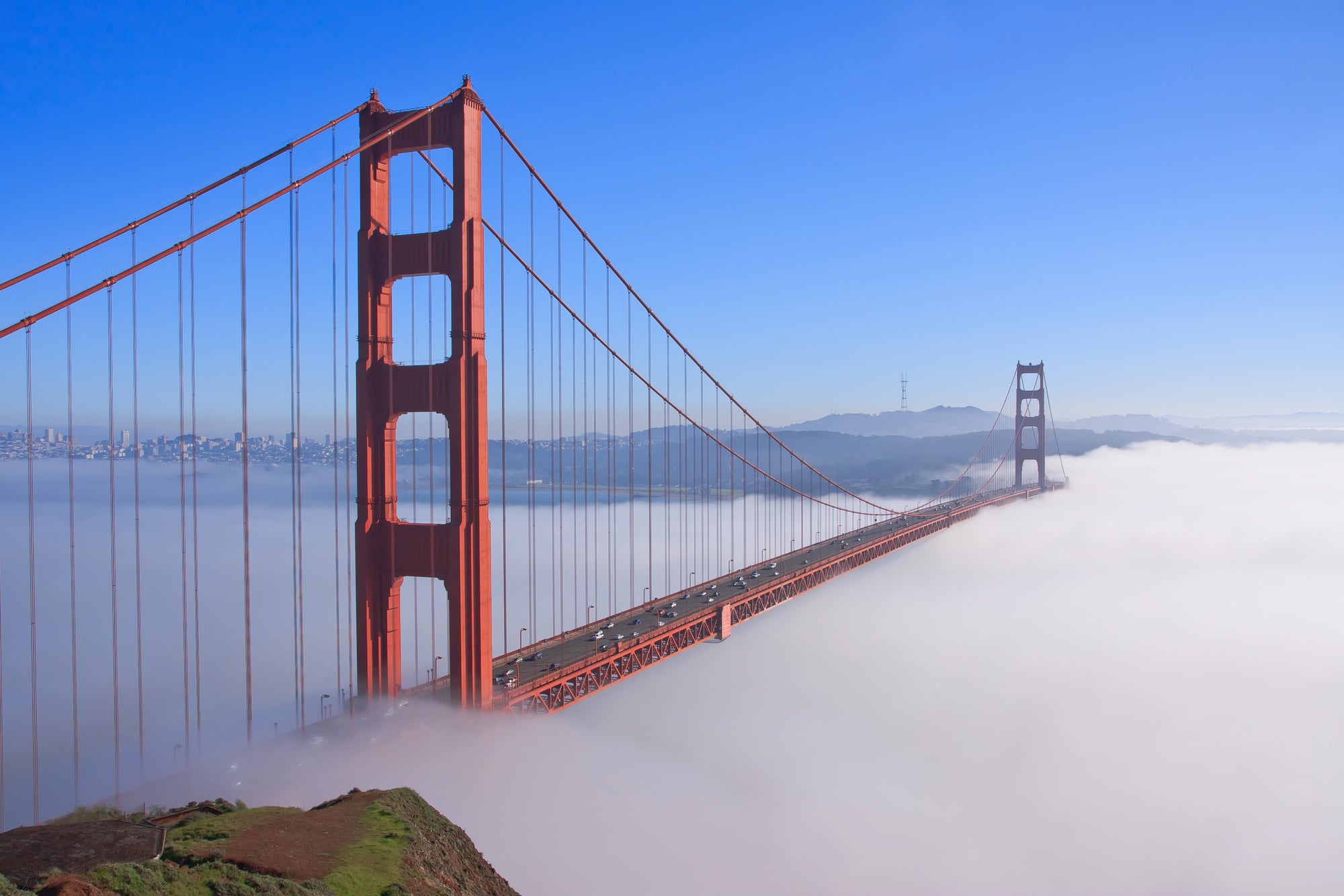
Photographs of the Golden Gate Bridge rising through rolling fog reshaped how the world saw San Francisco. Though completed in 1937, it was the carefully framed shots — a bridge emerging from mist, red steel against pale sky — that gave it mythic status.
The repetition of that composition in magazines and travel campaigns cemented the bridge as visual shorthand for the city. Fog, once considered an inconvenience, became part of the aesthetic.
San Francisco transformed from port city into postcard.
Los Angeles
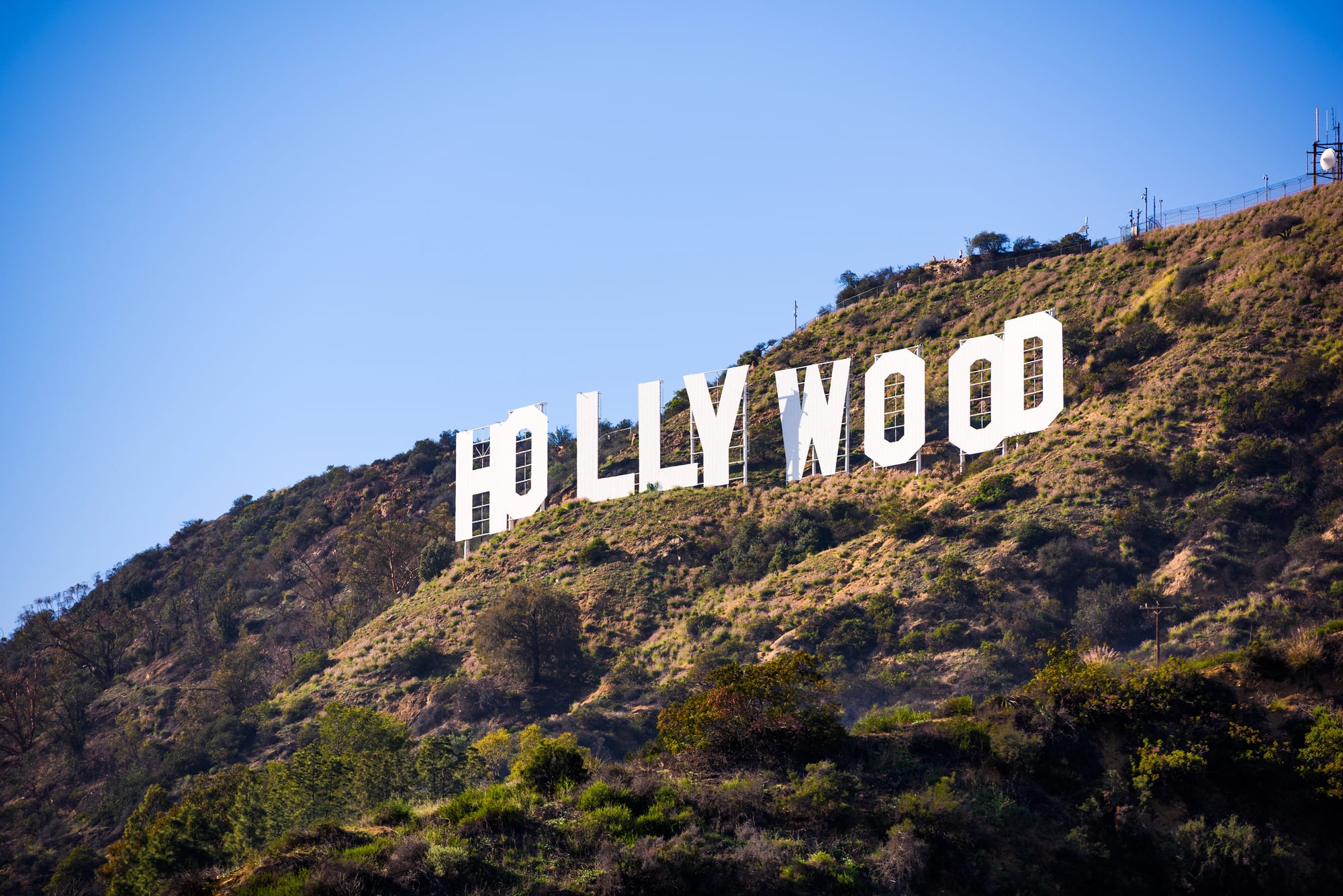
The hillside image of the Hollywood Sign framed against clear blue sky distilled Los Angeles into a single promise: entertainment. Originally erected in 1923 as a real estate advertisement reading ‘Hollywoodland,’ the sign evolved into a cultural beacon.
As film studios rose to prominence, the image circulated in magazines and movie intros. It did not capture traffic, sprawl, or smog.
It captured aspiration. The photograph simplified Los Angeles into a dream factory — a reputation that persists.
Washington, D.C.
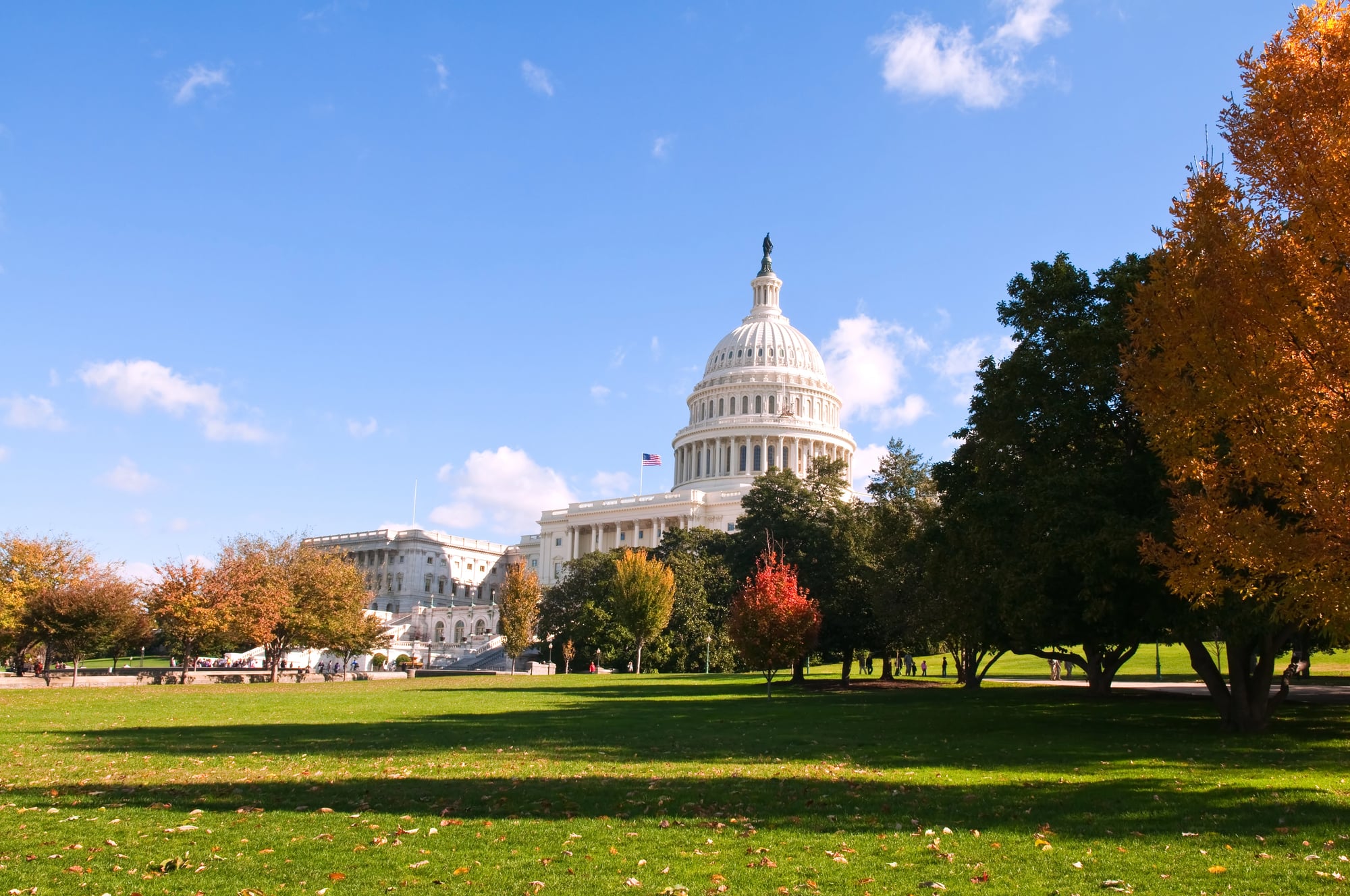
The 1945 photograph of Marines raising the American flag on Iwo Jima quickly became one of the most reproduced images of World War II. Though taken overseas, its sculptural recreation in the Marine Corps War Memorial tied the moment directly to the capital region.
The image fused sacrifice with national power. Washington, D.C., absorbed that symbolism.
One frame helped reinforce the city’s identity as the emotional center of American governance.
Chicago
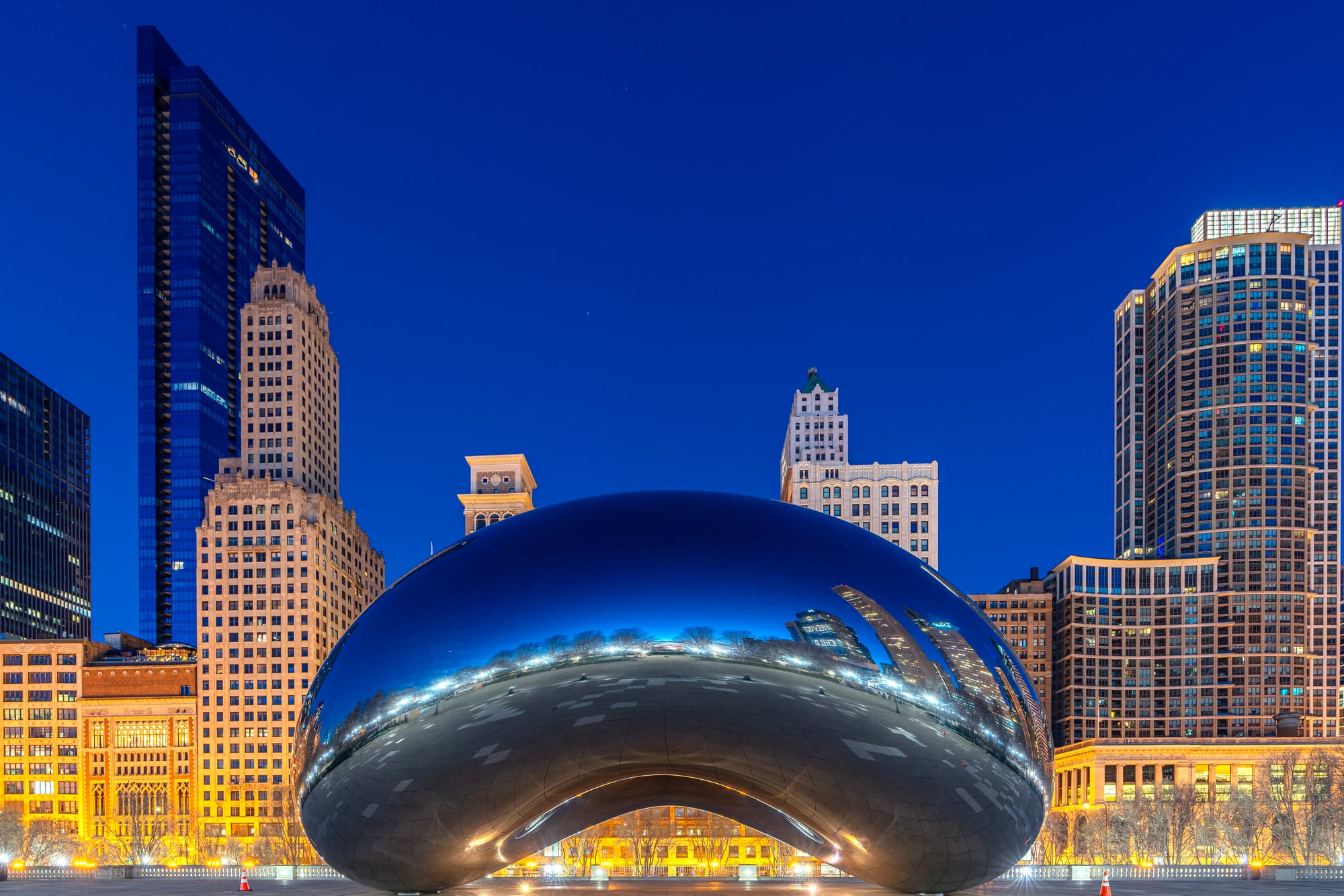
When Cloud Gate was unveiled in 2006, photographers quickly discovered the power of its reflection. The curved stainless steel surface bent the Chicago skyline into a seamless panorama.
One recurring angle — skyline wrapped in silver — began circulating online and in travel features. The sculpture became more than public art.
It became Chicago’s new visual signature, merging architecture and interaction in a single frame.
Seattle
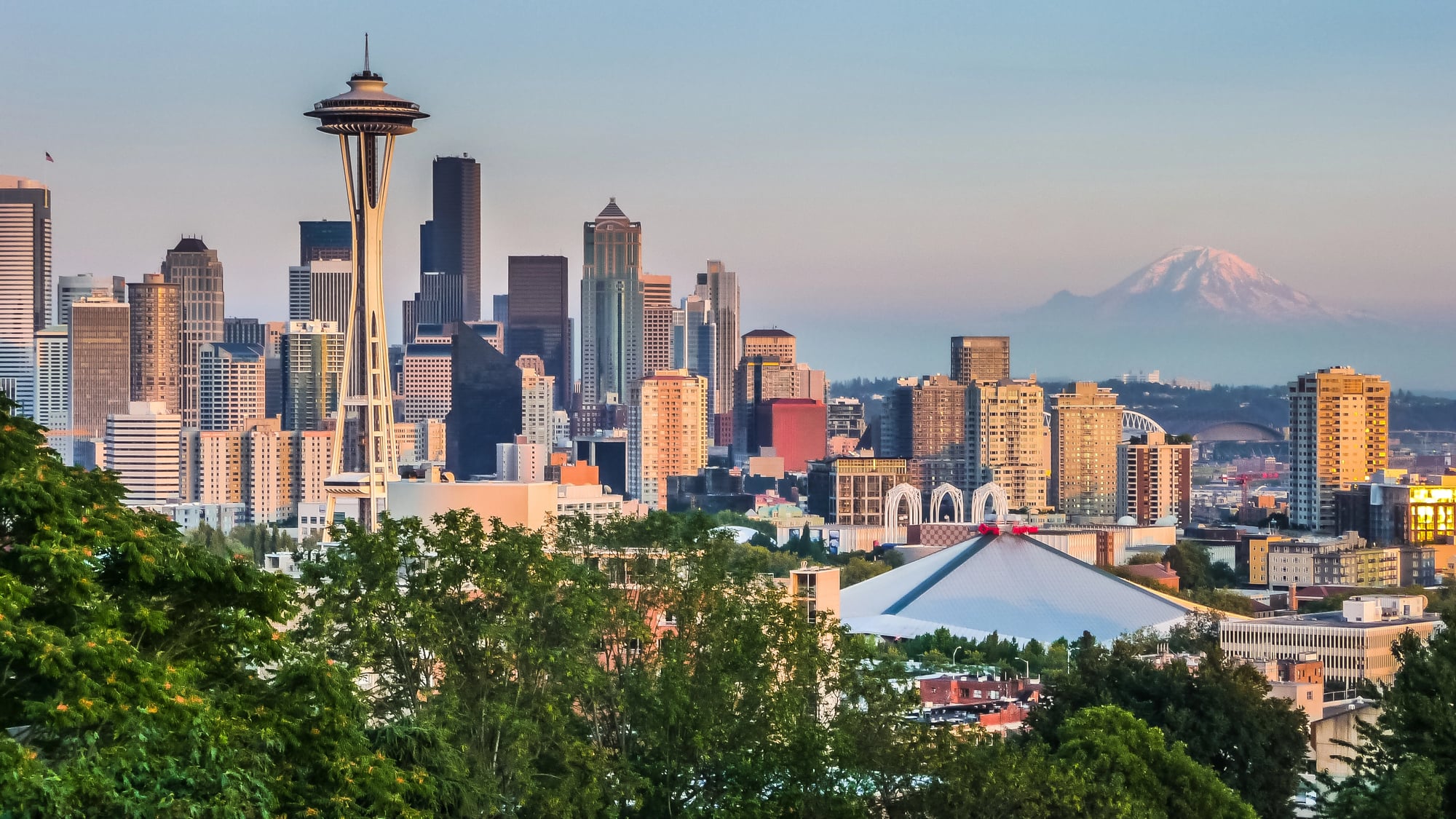
The skyline photograph pairing the Space Needle with Mount Rainier in the background became one of the most circulated images of the Pacific Northwest. The composition compresses geography into elegance — futuristic tower in the foreground, snow-capped peak beyond.
Seattle had industry and music and tech influence. Still, that particular photograph elevated its global recognition.
It turned a regional city into a visual brand.
Las Vegas
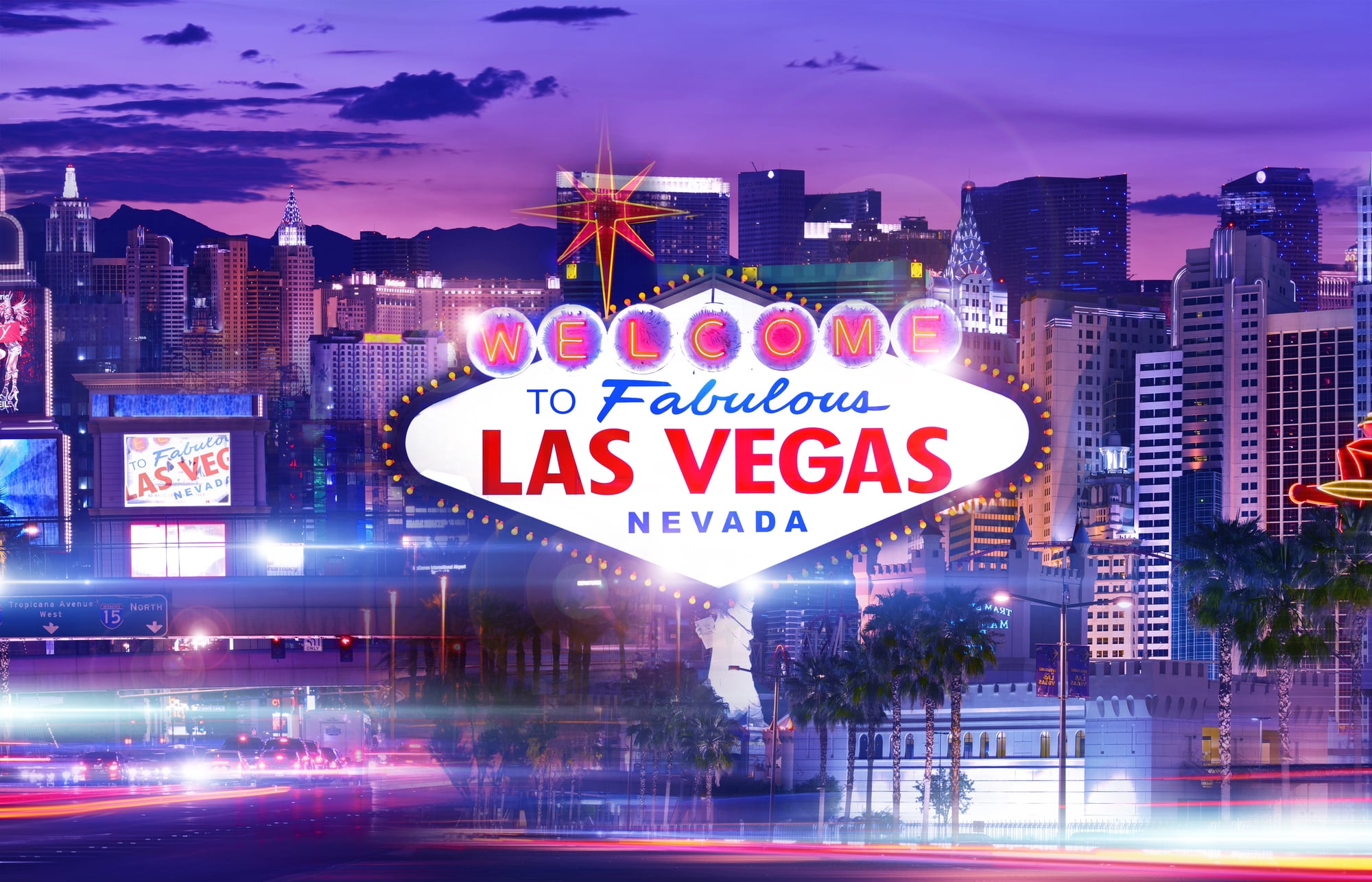
The neon-lit image of the ‘Welcome to Fabulous Las Vegas’ sign glowing against a desert night became an instantly recognizable postcard. The sign itself is modest, yet the photograph magnifies its spectacle.
Repeated in films and tourism campaigns, the image framed Las Vegas as theatrical, indulgent, and illuminated. The sign became shorthand for reinvention and escape.
St. Louis
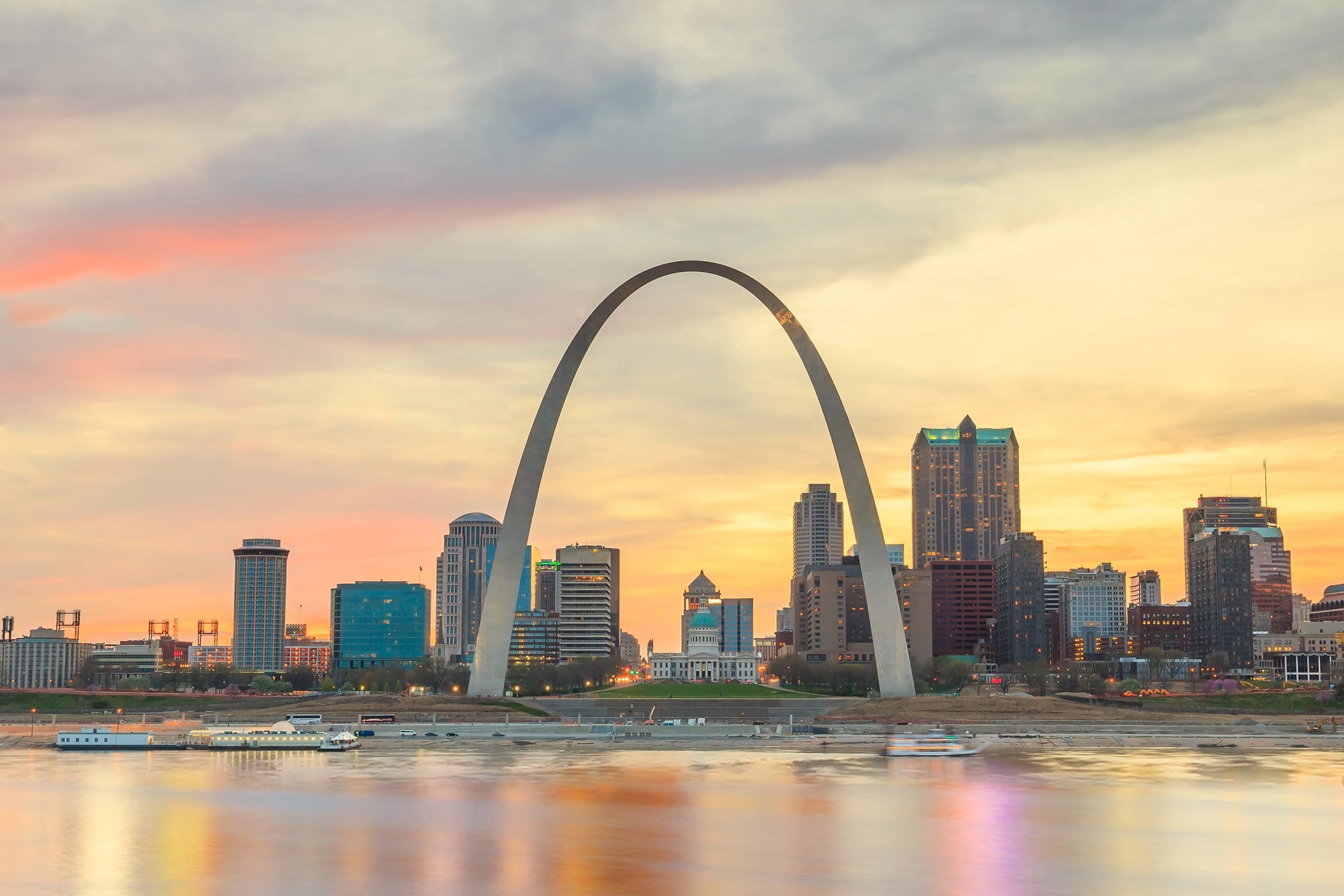
The completion of the Gateway Arch in 1965 provided photographers with a perfect arc against the Mississippi River. A single sunset silhouette composition began appearing in national publications.
That image distilled St. Louis into a symbol of westward expansion and modern design. The Arch reframed the city’s identity, giving it a futuristic landmark tied to historic roots.
Birmingham, Alabama
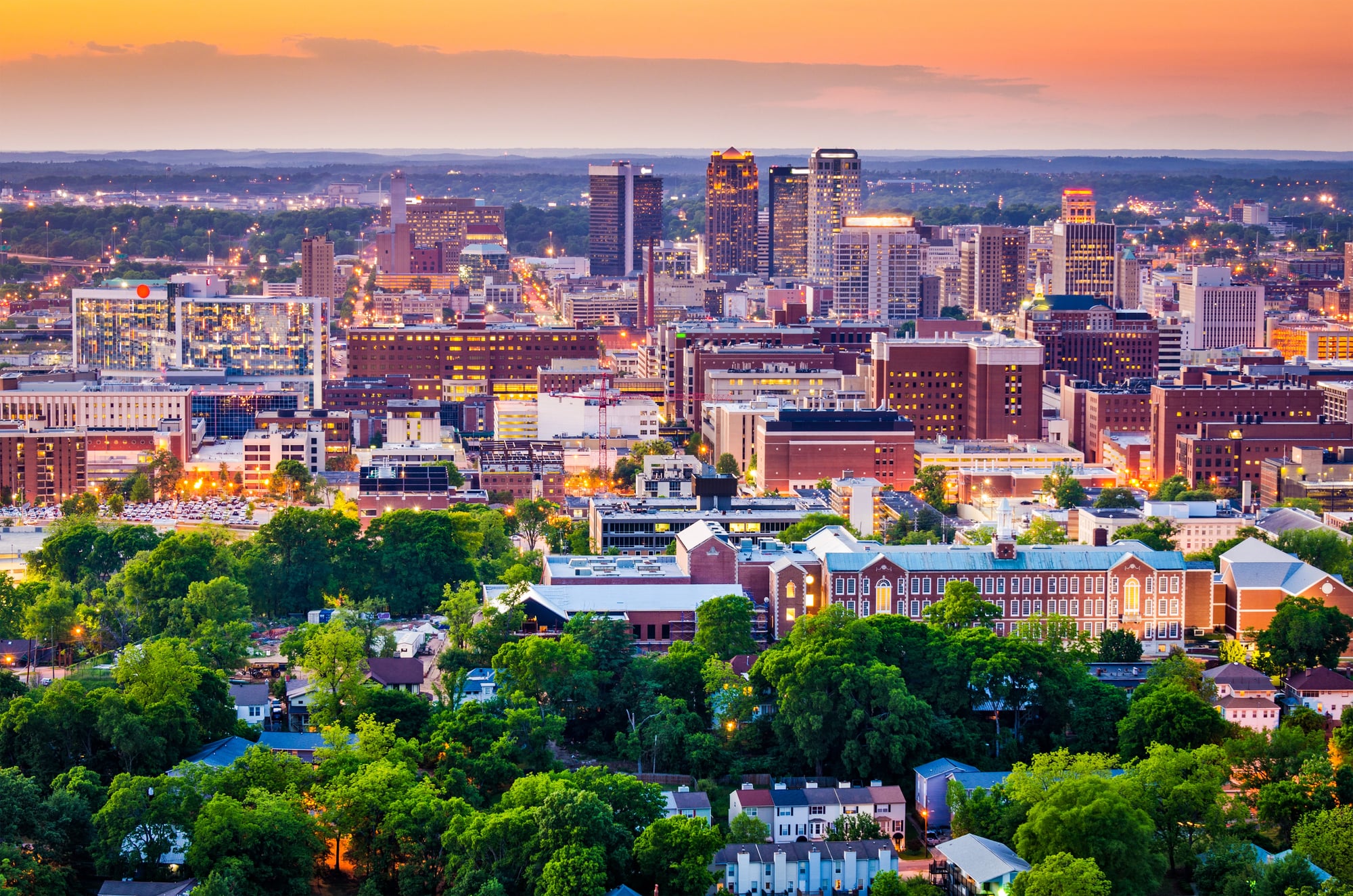
In 1963, photographs of civil rights demonstrators facing police dogs and high-pressure fire hoses circulated worldwide. The stark imagery captured injustice and courage with brutal clarity.
Birmingham became inseparable from that moment. The photographs shifted national sentiment and accelerated civil rights legislation.
One image redefined the city in moral terms.
Dallas
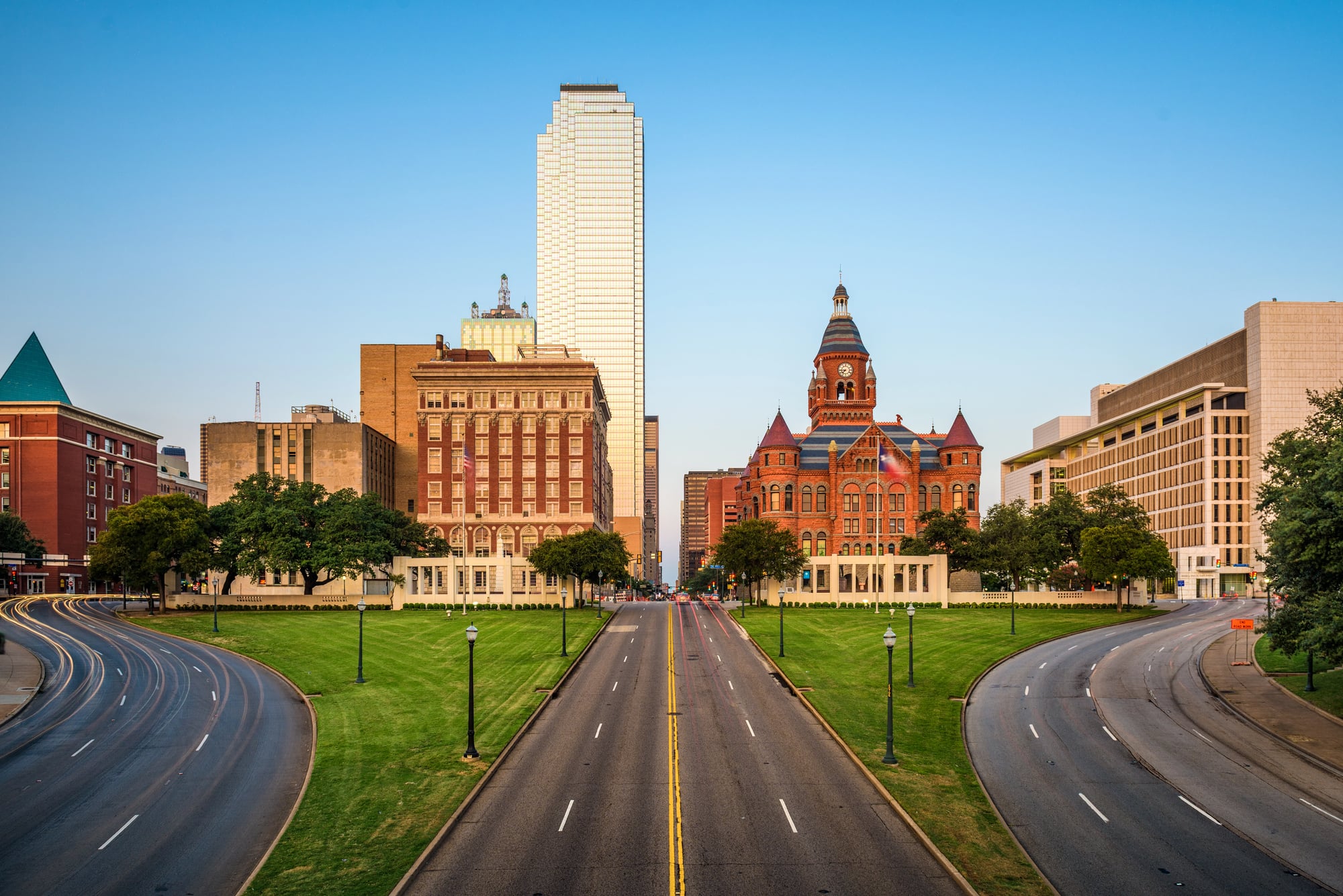
The images captured in Dealey Plaza following the assassination of President John F. Kennedy permanently linked Dallas to that historic tragedy. News footage and photographs traveled instantly across television networks.
The city’s identity absorbed the weight of that frame. Dallas became associated with a single day in November — proof that one image can alter public memory for generations.
Miami
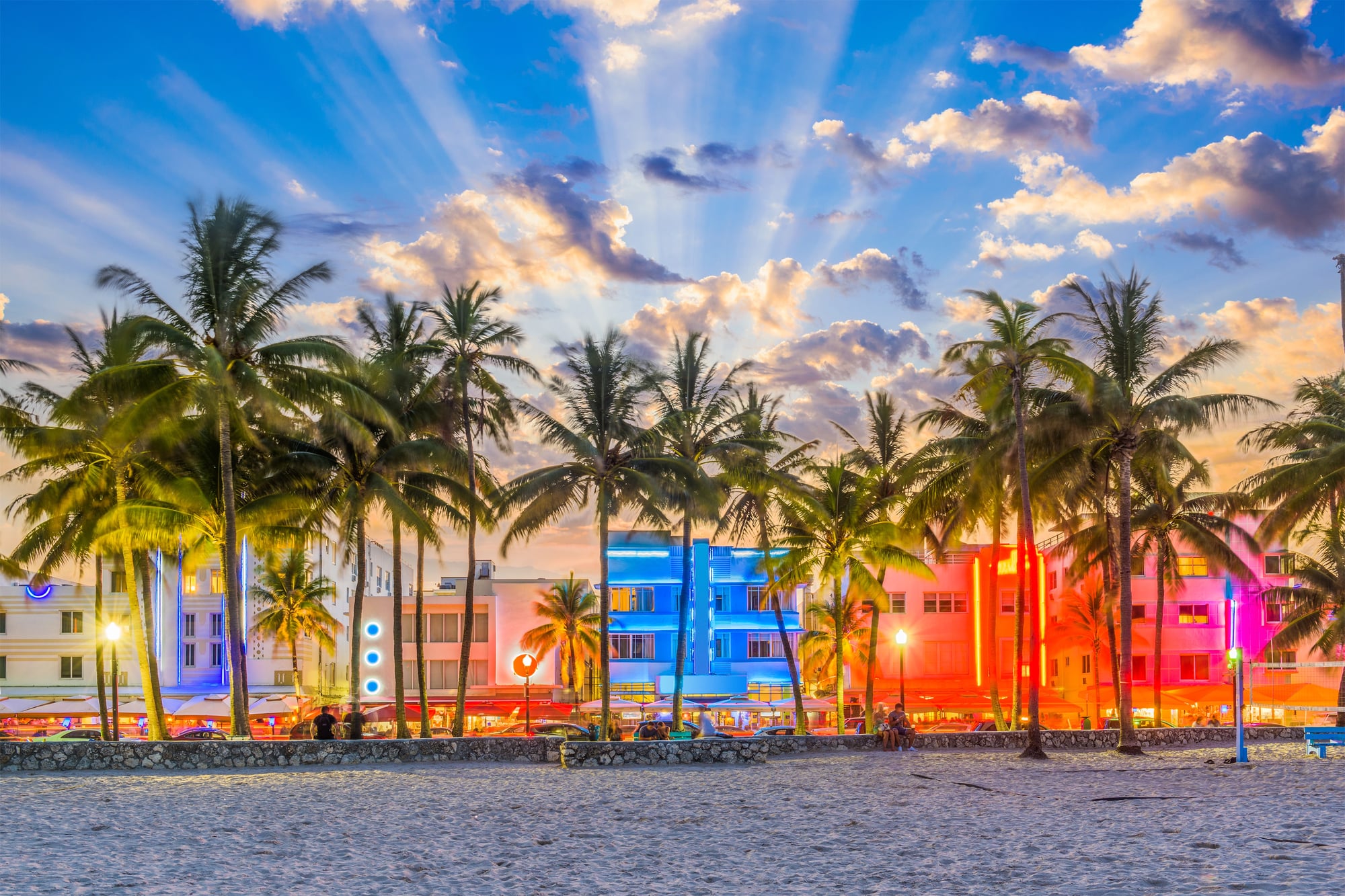
The pastel-colored Art Deco hotels along Ocean Drive, framed by palm trees and turquoise water, became the defining image of Miami in the late 20th century. Travel magazines repeated the same composition.
Miami transformed into a symbol of sunshine and nightlife through that visual shorthand. One stretch of architecture stood in for an entire metropolitan region.
Page, Arizona
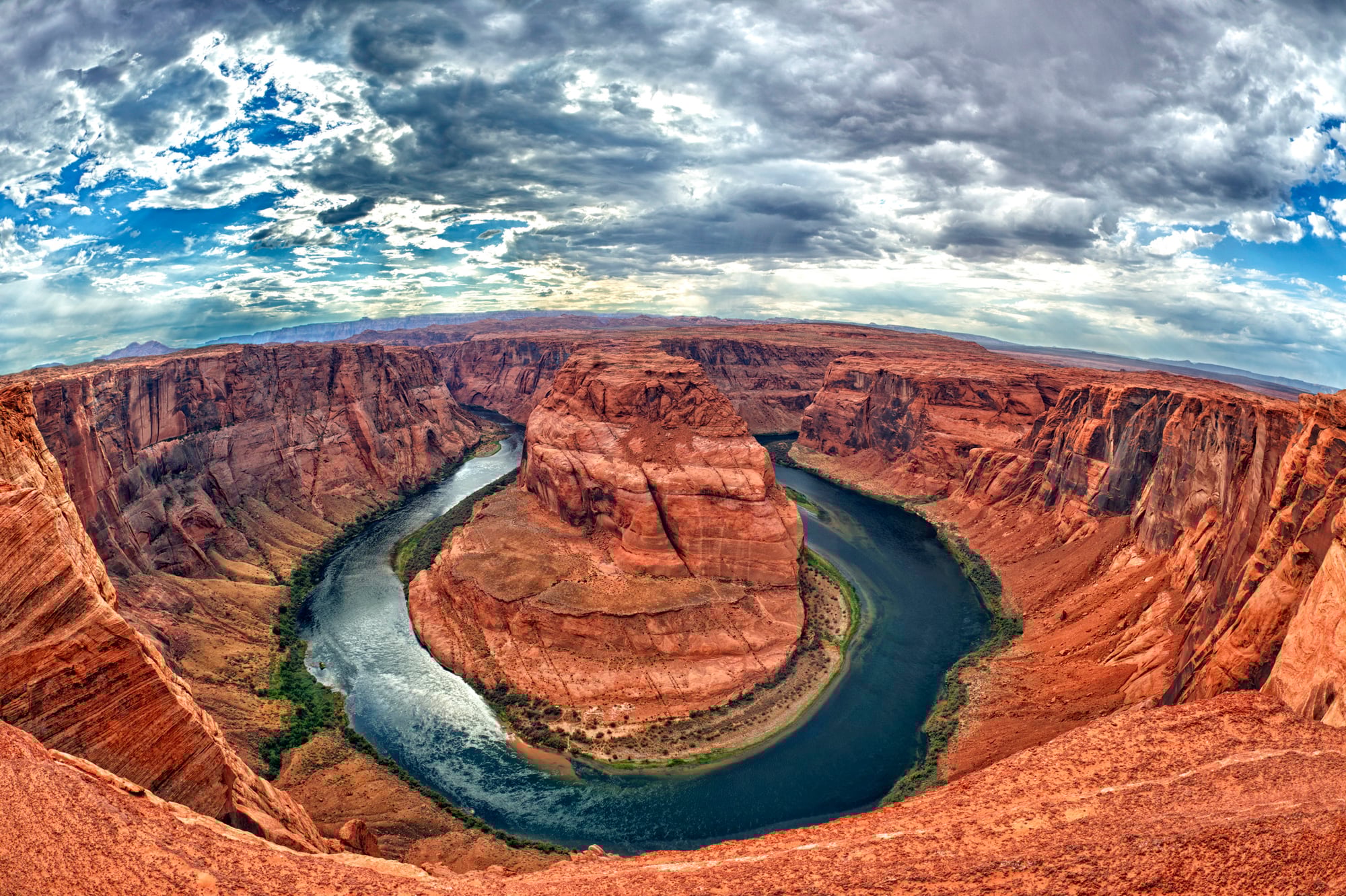
The aerial photograph of Horseshoe Bend — a dramatic Colorado River curve carved into sandstone — spread rapidly online in the 2010s. Though long known regionally, the image propelled Page into global travel itineraries.
Tourism surged as visitors sought to replicate the now-famous angle. One photograph reshaped a remote overlook into an international destination.
Detroit
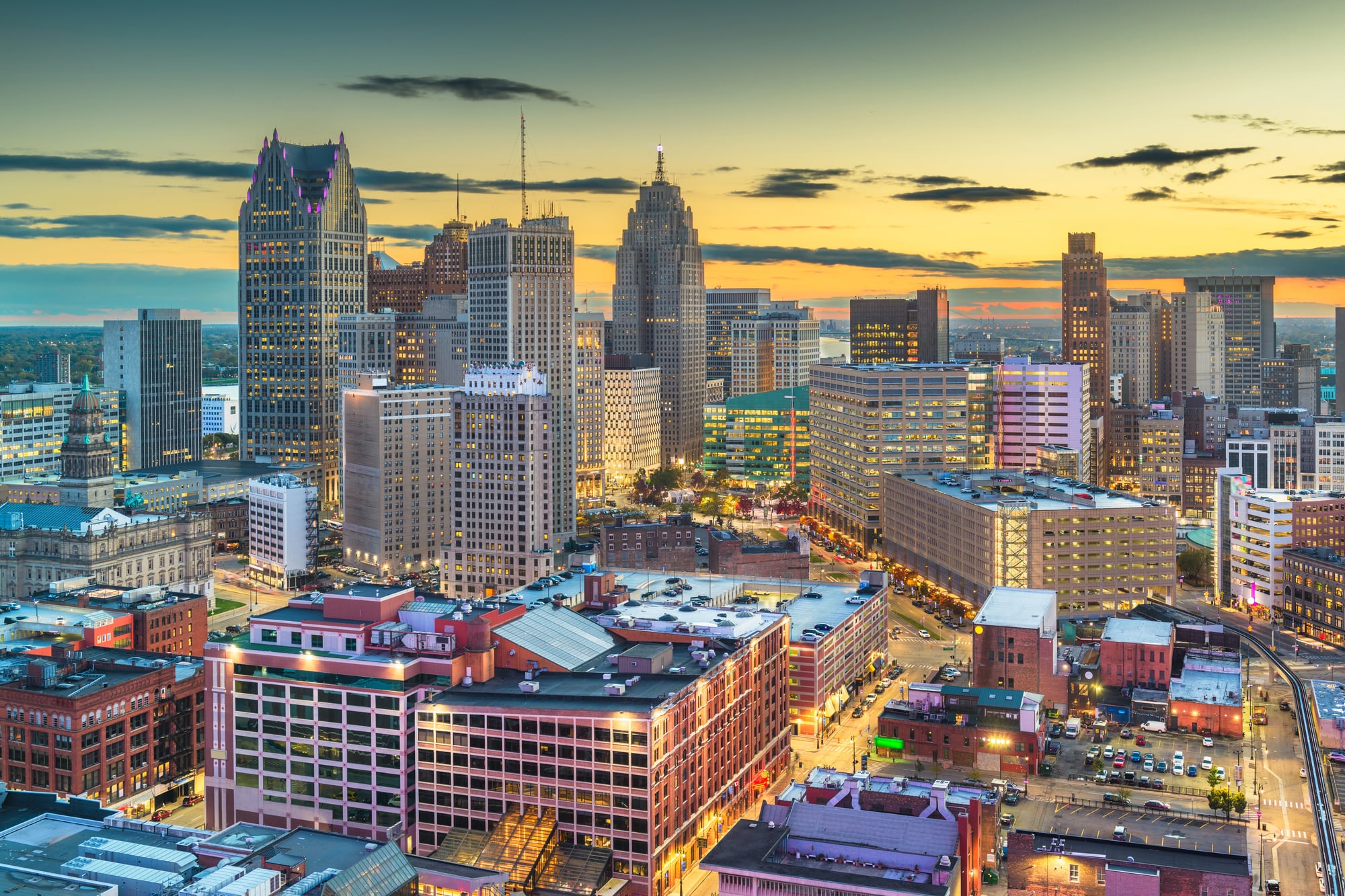
In the late 2000s, photographs of abandoned factories and empty theaters circulated widely, often labeled as visual proof of urban decline. While Detroit’s story was far more complex, those images dominated headlines.
The city became visually synonymous with industrial collapse. Years later, revitalization efforts worked to expand that narrative, but the original photographs left a lasting imprint.
Keystone, South Dakota
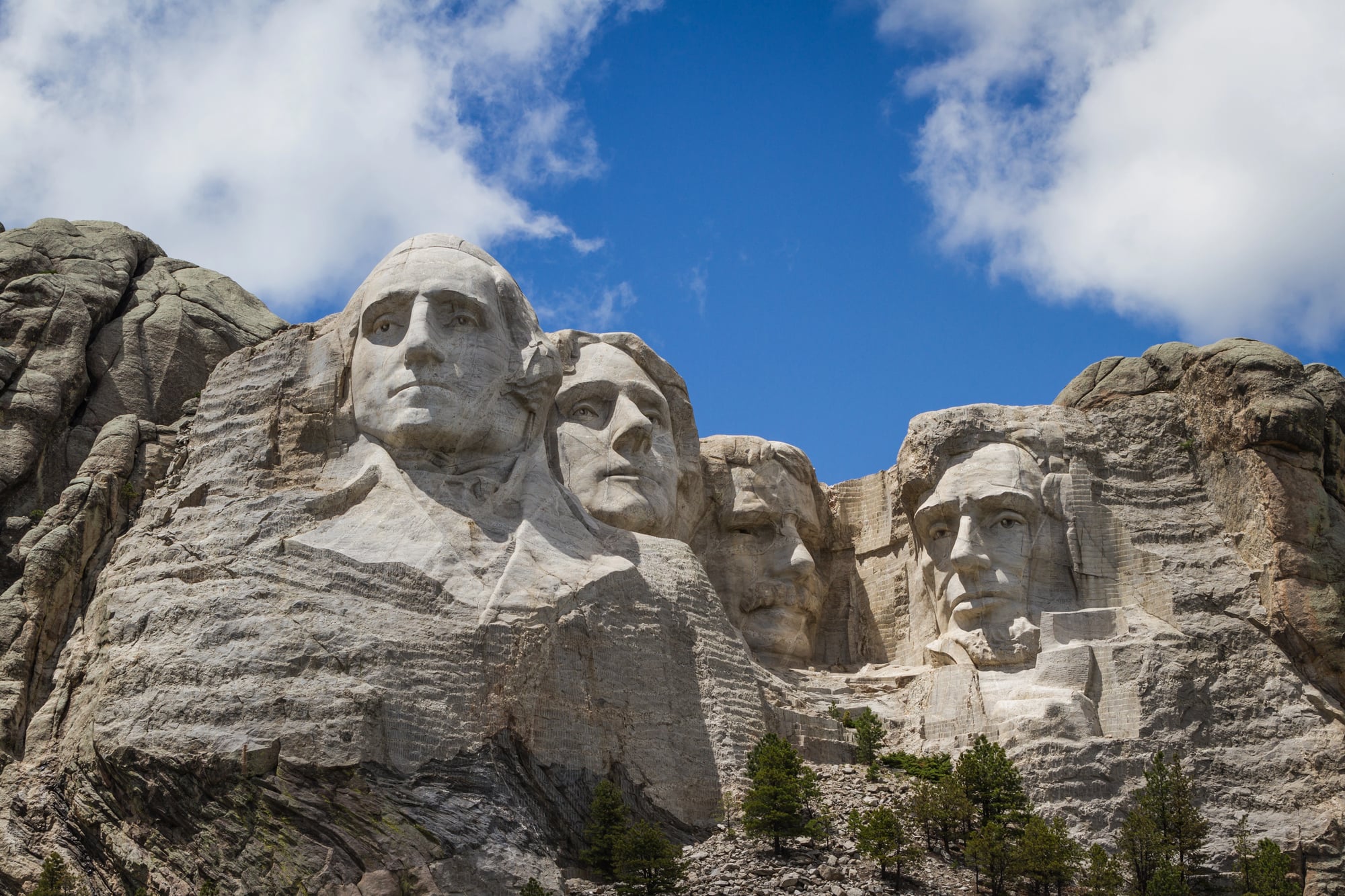
Tight-framed photographs of Mount Rushmore made the carved presidential faces appear larger than life. The image became a symbol of American permanence.
Keystone, a small town nearby, became linked globally to that single granite frame. The monument’s scale in photographs far exceeded its modest setting.
When A Photograph Becomes A City
Photographs are reducing agents. They are selective in that they show something from one perspective and then freeze it so that it represents something larger than itself.
The repetition of images makes them iconic. Cities are complex places.
They are full of contradictions and stories that cannot be reduced to a single image. However, some images are so iconic and evocative that they have helped shape tourism and identity for decades.
The digital revolution and instant sharing have only increased the power of images. An image of a city skyline at sunset or a bend in a canyon can be seen around the world in a matter of hours.
The moral is still the same: some images are not just of a place; they are the place itself.
More from Go2Tutors!

- The Romanov Crown Jewels and Their Tragic Fate
- 13 Historical Mysteries That Science Still Can’t Solve
- Famous Hoaxes That Fooled the World for Years
- 15 Child Stars with Tragic Adult Lives
- 16 Famous Jewelry Pieces in History
Like Go2Tutors’s content? Follow us on MSN.