Educational Qualifications of Today’s World Leaders
When people think about world leaders, they often picture powerful speeches, big decisions, and international summits. But before these figures stepped into the global spotlight, most of them sat in classrooms, took exams, and earned degrees just like everyone else.
Some went to fancy schools while others barely finished high school. Here’s what these leaders actually studied and where they picked up the skills that eventually helped them run countries.
Donald Trump

The current U.S. president started college at Fordham University in New York but switched to the Wharton School at the University of Pennsylvania after two years. He got his bachelor’s degree in economics in 1968.
Wharton has a big reputation for business, and Trump talks about going there pretty regularly. The focus was on real estate and money matters, which made sense since his dad was already in that business.
Right after finishing school, he jumped into the family company and spent decades building it into something much bigger.
Xi Jinping

China’s top leader had a rough start with education. During a chaotic period in Chinese history called the Cultural Revolution, he got sent to work in poor villages instead of going to school like a normal teenager.
Years later, he made it to Tsinghua University and studied chemical engineering, finishing in 1979. But he wasn’t done learning.
He went back and got a doctorate in law and political theory from the same place in 2002. That mix of science and politics training shows up in how he runs things today.
Narendra Modi

India’s prime minister got his master’s degree in political science from Gujarat University back in 1983, but he did it through distance learning instead of sitting in regular classes. His bachelor’s degree from Delhi University also came through correspondence courses.
Modi was already busy working in politics and community groups, so he couldn’t be a full-time student. The guy has always been a big reader and talks about how books shaped his thinking as much as any professor did.
His path to education was definitely not the usual one.
Rishi Sunak

Britain’s former prime minister went to Oxford University and studied philosophy, politics, and economics together. That three-subject combo is super popular with people who want to go into politics in the UK.
After Oxford, he headed to Stanford University in California and got an MBA with help from a Fulbright scholarship. That’s where he met his wife, actually.
Stanford gave him business skills that he used in finance jobs before switching to politics. His education took him to some of the best schools on two different continents.
Emmanuel Macron

France’s president went through a pretty intense school system that’s unique to his country. He studied philosophy at Paris Nanterre University first, then moved to Sciences Po, which is a big deal for anyone interested in politics there.
The real kicker was getting into the École Nationale d’Administration, or ENA for short. Only about 80 people graduate from there each year, and tons of French leaders went through it.
Everything he studied pointed toward government work and understanding how to run things from the inside.
Olaf Scholz

Germany’s chancellor studied law at the University of Hamburg and finished in 1984. He kept going with legal training and passed the tough exam that lets you actually work as a lawyer in Germany.
Scholz spent time as a labor lawyer helping workers before politics took over his life. That legal background shows up in how he thinks about workers’ rights and economic stuff.
Germany seems to produce a lot of politician-lawyers, probably because the system really values people who understand how laws work.
Justin Trudeau

Canada’s prime minister got a bachelor’s degree in literature from McGill University in Montreal, which is one of the best schools in Canada. Then he studied education at the University of British Columbia and became a teacher.
He actually taught high school for a few years before getting serious about politics. Trudeau even started working on a master’s degree in environmental geography but dropped out when his political career started taking off.
Teaching kids gave him practice talking to young people, which became part of his whole political thing.
Luiz Inácio Lula da Silva
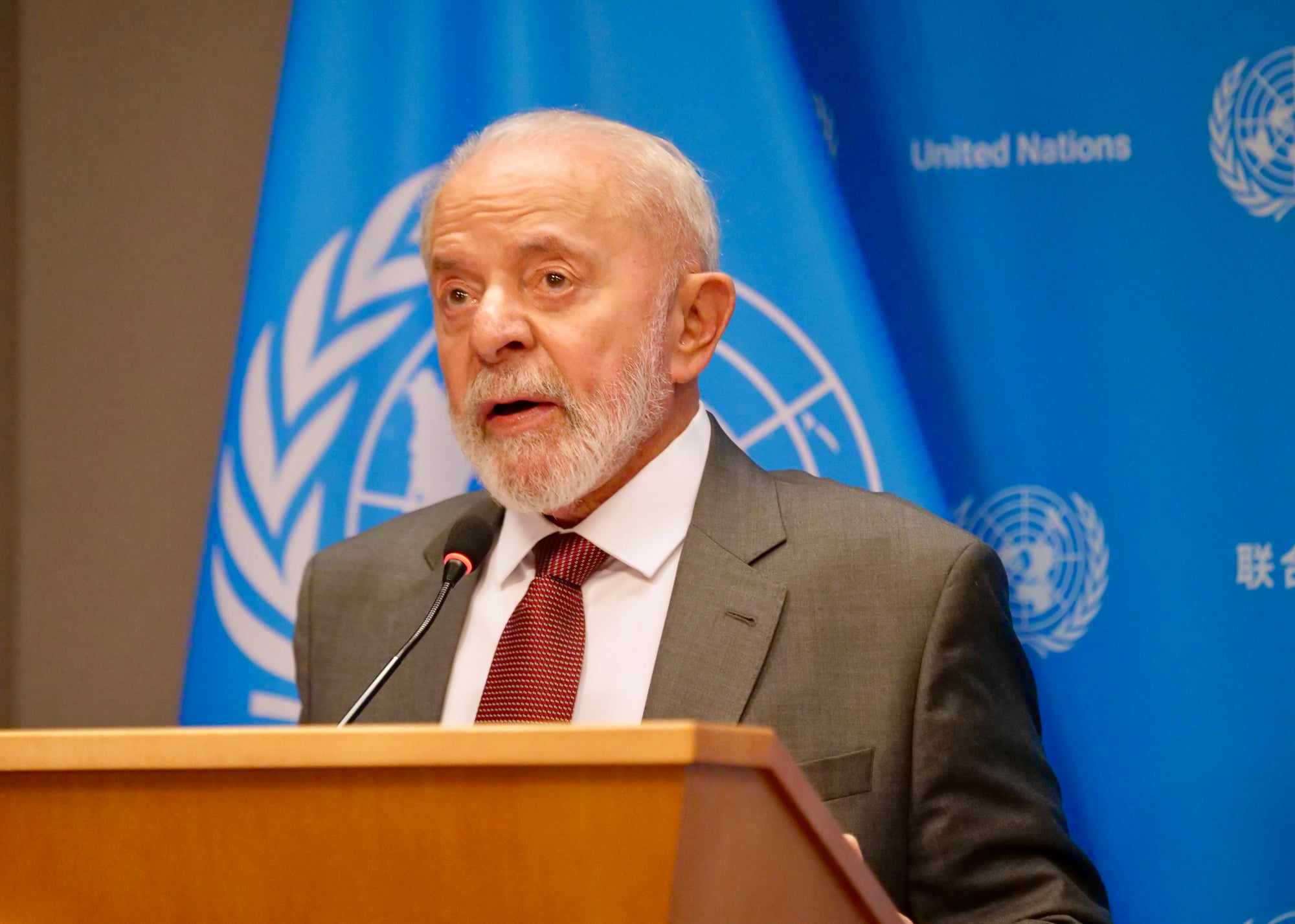
Brazil’s president is completely different from almost everyone else on this list because he never even finished elementary school. Lula started working at 12 years old to help his family get by and ended up in factories.
He went to technical school to learn metalworking but never thought about college. Instead, he became a union leader and built his political power from the ground up with regular workers.
Not having fancy degrees hasn’t stopped him from being president multiple times and becoming hugely influential across South America.
Fumio Kishida

Japan’s prime minister studied law at Waseda University in Tokyo and graduated in 1982. Waseda is one of those respected private universities in Japan that a lot of business people and politicians went to.
After school, Kishida got a job at a bank and worked there for a while before switching to politics. His law degree helped him understand regulations and how the government actually functions.
He comes from a family that was already in politics, so getting a good education was kind of expected as preparation.
Volodymyr Zelenskyy

Ukraine’s president took maybe the weirdest path to leadership. He got a law degree from Kyiv National Economic University in 2000 but never worked as a lawyer even one day.
Instead, he became a comedian and actor and made TV shows. His biggest role was playing a teacher who accidentally becomes president on a comedy series, and then that actually happened in real life when he won the election.
His law education plus years in entertainment gave him a strange but useful mix of skills for communicating with people.
Recep Tayyip Erdoğan

Turkey’s president went to Marmara University in Istanbul and got a degree in business administration in 1981. Before that, he studied at a religious school that really shaped what he believes politically.
Erdoğan also played semi-professional football when he was younger, so he was juggling sports and studying at the same time. The business degree helped him grasp economic policy, which became a huge part of what he focused on in government.
He’s been around Turkish politics forever, doing different jobs before landing the presidency.
Benjamin Netanyahu

Israel’s prime minister studied at a bunch of different places. He got a bachelor’s degree in architecture and then an MBA from MIT in the United States.
He also spent some time at Harvard. That combination of technical design and business training is pretty unusual for someone who ended up running a country.
Netanyahu did military service in Israel before going to college, and studying in America gave him lots of connections to people and institutions there that probably helped his career.
Andrés Manuel López Obrador

Mexico’s president studied political science and public administration at UNAM, which is this massive, old university in Mexico with a big history of student activism. López Obrador, who everyone calls AMLO, got involved in politics while he was still a student.
What he studied lined up perfectly with government work. He held different political jobs for decades before finally becoming president, and what he learned in school shows up in his focus on social programs and helping regular people.
Cyril Ramaphosa

South Africa’s president studied law at the University of the North, which was set up for Black students during apartheid. He got really involved in student politics and fighting against apartheid while earning his degree.
Ramaphosa finished his studies while working as both a lawyer and a union leader. His legal training came in handy during the negotiations that helped end apartheid and create a new constitution.
Before becoming president, he also made a lot of money in business, showing how that law degree opened up different opportunities.
Giorgia Meloni
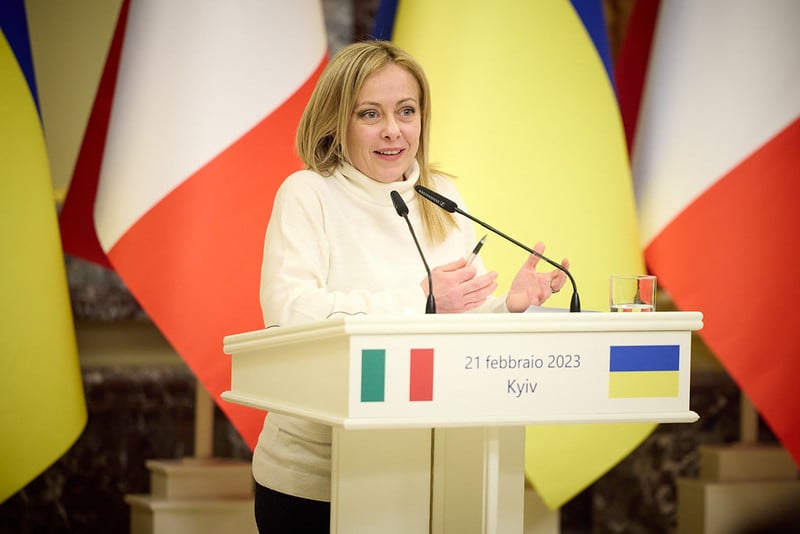
Italy’s prime minister never went to college at all. She finished high school where she focused on learning languages and then dove straight into politics as a teenager.
Meloni joined a youth political group when she was really young and climbed up fast. Everything she learned about politics came from actually doing it rather than studying it in school.
She’s one of the very few leaders of a major country right now without a university degree, which proves you can reach the top through different routes.
Yoon Suk Yeol

South Korea’s president studied law at Seoul National University, which is the top school in the country. After getting his degree, he passed the bar exam and became a prosecutor.
Yoon spent his whole career going after criminals and handling big corruption cases before jumping into politics. His background as a prosecutor made people see him as someone who fights against corruption.
Unlike most politicians who work their way up through elections, Yoon went straight from being a prosecutor to president without any political experience.
Alberto Fernández

Argentina’s former president got his law degree from the University of Buenos Aires, the biggest university in the country. He later became a law professor at the same school and taught there for years while also working as a lawyer.
Fernández specialized in criminal law and even wrote some books about legal stuff. Being a professor gave him credibility as someone who really thinks things through.
He split his time between teaching, practicing law, and advising politicians before deciding to run for president himself.
Javier Milei

Argentina’s current president comes from an economics background instead of law or traditional politics. He earned economics degrees from universities in Buenos Aires and later taught as a professor.
Milei also got a master’s degree and wrote a bunch about free-market economics. Before getting into politics, he became famous on TV talking about economic issues in this really intense, controversial way.
His economics credentials are basically his whole political identity and the foundation for all his ideas about fixing Argentina’s economy.
From textbooks to running countries

The education stories of these leaders prove there’s no magic formula for getting to the top. Some went to world-famous schools, others learned by doing, and a few barely went to school at all.
What really matters isn’t which university name is on the diploma but what people actually did with what they learned.
More from Go2Tutors!

- The Romanov Crown Jewels and Their Tragic Fate
- 13 Historical Mysteries That Science Still Can’t Solve
- Famous Hoaxes That Fooled the World for Years
- 15 Child Stars with Tragic Adult Lives
- 16 Famous Jewelry Pieces in History
Like Go2Tutors’s content? Follow us on MSN.



