15 Surprising Events That Happen Constantly
Every second, the world hums with activity that goes completely unnoticed. While you’re reading this sentence, your heart beats, your cells divide, and somewhere a star dies in a galaxy you’ll never see.
These constant events shape reality in ways both profound and mundane, yet most slip past human awareness entirely. The ordinary world turns out to be far stranger than it appears.
Lightning Strikes
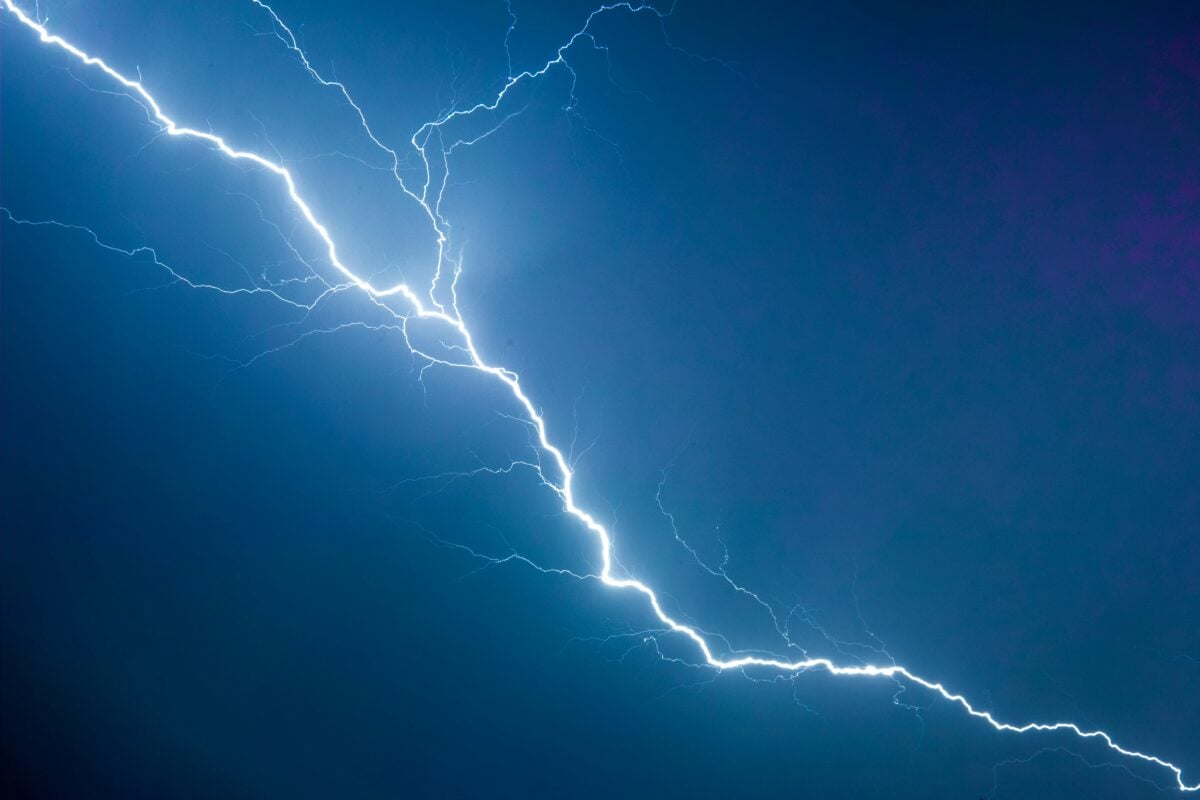
The Earth gets hit by lightning about 100 times every second. Not every few seconds.
Every single second. Most of these strikes happen in places where nobody’s watching.
Remote forests, empty oceans, mountains with no witnesses. The planet is constantly being charged and discharged like some massive electrical engine that never stops running.
Dead Skin Falls Off Your Body

You’re shedding right now. Microscopic flakes of dead skin are drifting off you as you sit there, and this process never stops — not when you sleep, not when you shower, not ever. The human body sheds about 30,000 to 40,000 dead skin cells every minute, which means (and this is the part that gets people) you replace your entire outer layer of skin roughly every 28 days, whether you realize it or not.
So technically, the skin you’re wearing right now wasn’t even part of you a month ago. But here’s where it gets stranger: all that dead skin has to go somewhere, and most of it just becomes household dust — which is to say that a significant portion of the dust in your home is actually previous versions of yourself and everyone else who lives there, just sitting on your furniture.
Your Hair Grows

Hair doesn’t take breaks. Every follicle on your head is either growing hair or preparing to grow hair, and this happens at a rate of about six inches per year.
The hair you can see is technically dead tissue. The living part happens at the root, where cells divide and push the dead material up and out.
It’s a factory that runs 24 hours a day for your entire life.
Stars Die
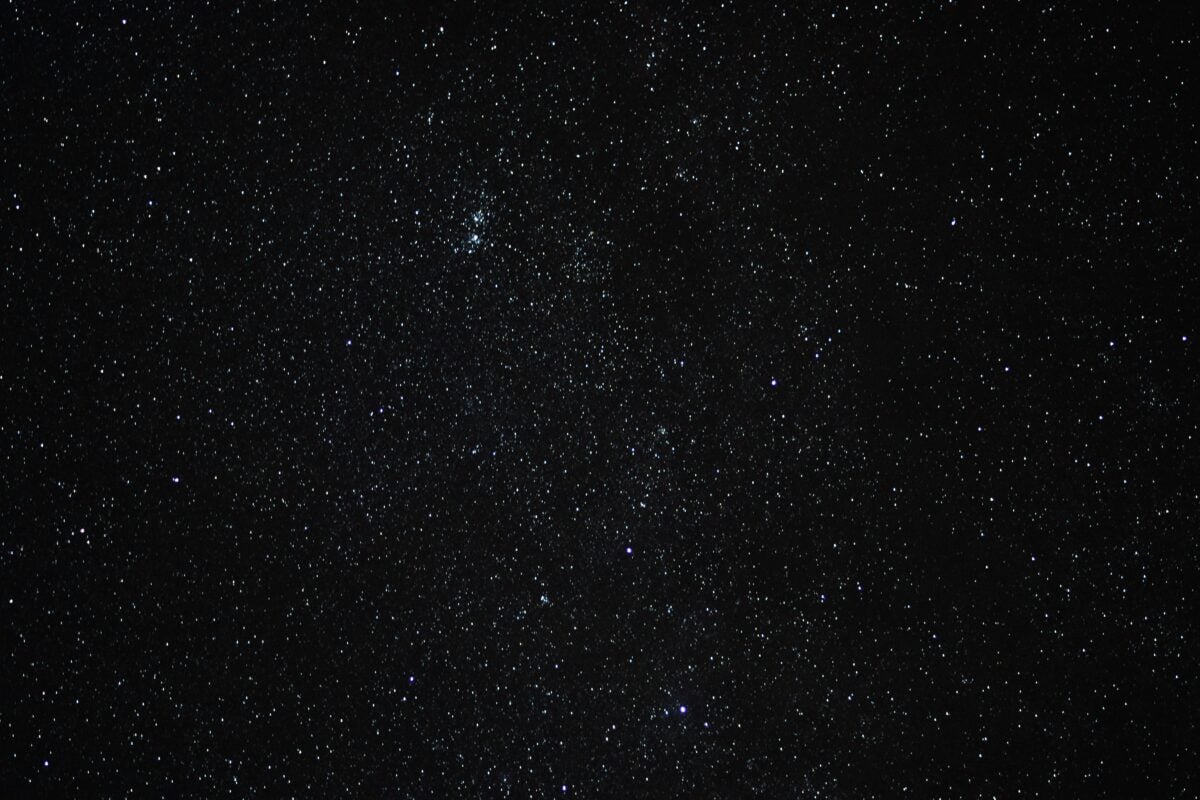
Somewhere in the observable universe, a star runs out of fuel and collapses every few seconds — and when this happens, the explosion (called a supernova) releases more energy in seconds than our sun will produce in its entire 10-billion-year lifespan. These aren’t small events: a single supernova can briefly outshine an entire galaxy containing 100 billion other stars.
And yet most of these explosions happen so far away that their light won’t reach Earth for millions or billions of years, meaning the night sky you see tonight contains the afterglow of stellar deaths that occurred when the universe was fundamentally different than it is now. The elements that make up your body — the calcium in your bones, the iron in your blood — were forged inside stars that exploded long before the solar system existed.
So in a very literal sense, you are made of ancient starlight, and every time another star dies somewhere in the cosmos, it’s continuing the same process that eventually led to your existence.
Memory Gets Rewritten

Memory feels permanent, but it’s actually fluid as water. Every time you remember something, your brain doesn’t just access the memory — it rebuilds it from fragments, and in the process of rebuilding, it changes.
The act of remembering is the act of rewriting. So the memory you have of your tenth birthday isn’t really what happened on your tenth birthday.
It’s what you remember about the last time you remembered your tenth birthday, with tiny alterations layered on top of alterations going back years.
Earthquakes Shake the Ground

The Earth’s crust is constantly moving, which means earthquakes are happening all the time — roughly 500,000 per year, or about one every minute. Most are too small to feel, but they’re still there, gently shaking the ground beneath your feet.
The planet is restless. Tectonic plates grind against each other in slow motion, building pressure and releasing it in thousands of tiny tremors that go unnoticed.
Even when you think you’re standing on solid ground, that ground is subtly shifting.
Atoms in Your Body Get Replaced
The atoms that make up your body right now are not the same atoms that made up your body seven years ago — they’ve been gradually replaced through the food you eat, the air you breathe, and the waste you excrete, which means you are literally not the same person you were seven years ago, at least not at the atomic level. Your body is less like a permanent structure and more like a river: the shape stays the same, but the water is always flowing through.
But it gets stranger than that: some of the atoms in your body right now were once part of dinosaurs, ancient trees, other people, distant stars — the carbon in your muscles, the oxygen in your lungs, the nitrogen in your DNA have been recycling through different forms of life and matter for billions of years. And this process never stops: even as you read this, you’re breathing in atoms that were exhaled by someone else yesterday, last week, last century.
The boundary between “you” and “not you” turns out to be much fuzzier than it feels.
Radio Waves Pass Through You
Right now, radio waves from thousands of sources are passing directly through your body. AM radio, FM radio, television broadcasts, cell phone signals, GPS satellites, WiFi networks — all of it moving through you at the speed of light.
You’re essentially transparent to most electromagnetic radiation. These waves don’t ask permission or announce themselves.
They just pass through flesh and bone like it’s not even there.
Your Heart Beats
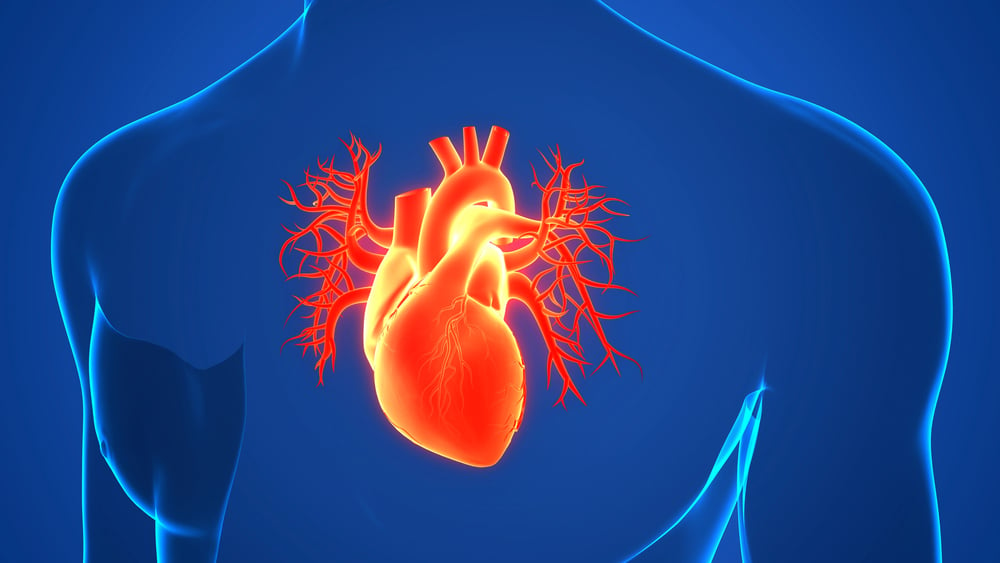
The average heart beats about 100,000 times per day, which adds up to roughly 35 million beats per year — and it does this without any conscious direction from you, starting before you were born and continuing until you die. The heart is essentially a pump that never gets to rest: it has to work every second of every day for your entire life, and if it stops for more than a few minutes, everything else stops too.
But here’s what makes it remarkable: your heart began beating when you were about three weeks old and still smaller than a grain of rice, and it will beat roughly 2.5 billion times over the course of an average lifetime. That’s a machine with no backup, no replacement parts, and no scheduled maintenance, running continuously for 70 or 80 years.
And most of the time, you don’t even notice it’s working.
Bacteria Multiply in Your Body

Your body contains roughly the same number of bacterial cells as human cells. These bacteria are dividing and reproducing constantly, creating new generations every 20 minutes.
Most of them are helpful. They digest food, fight off infections, and produce vitamins.
But they’re also living their own lives inside you, following their own biological imperatives. You’re not just a person — you’re an ecosystem.
Solar Wind Hits Earth

The sun constantly shoots charged particles toward Earth at speeds of about 400 kilometers per second, and when this “solar wind” hits our planet’s magnetic field, it gets deflected toward the poles where it creates the aurora borealis and aurora australis — those dancing lights in the northern and southern skies. This collision between solar particles and Earth’s atmosphere is happening right now, even when you can’t see the results.
The magnetic field that protects us from this constant bombardment extends about 65,000 kilometers into space, which means we’re essentially living inside a giant magnetic bubble that’s being pelted by solar radiation 24 hours a day. And sometimes the sun gets more aggressive: solar flares can send particularly intense bursts of particles our way, strong enough to disrupt satellites, knock out power grids, and make the aurora visible much farther from the poles than usual.
But most of the time, this cosmic collision happens quietly, invisibly, high above our heads while we go about our daily business completely unaware that we’re being shielded from a constant stream of solar particles.
Your Eyes Move

Even when you think you’re staring at something perfectly still, your eyes are in constant motion. They make tiny, rapid movements called microsaccades about three times per second.
This isn’t a bug in the system — it’s a feature. If your eyes actually held perfectly still, the image on your retina would fade and disappear.
The constant micro-movements keep refreshing the visual signal so you can continue to see.
Ocean Currents Circulate
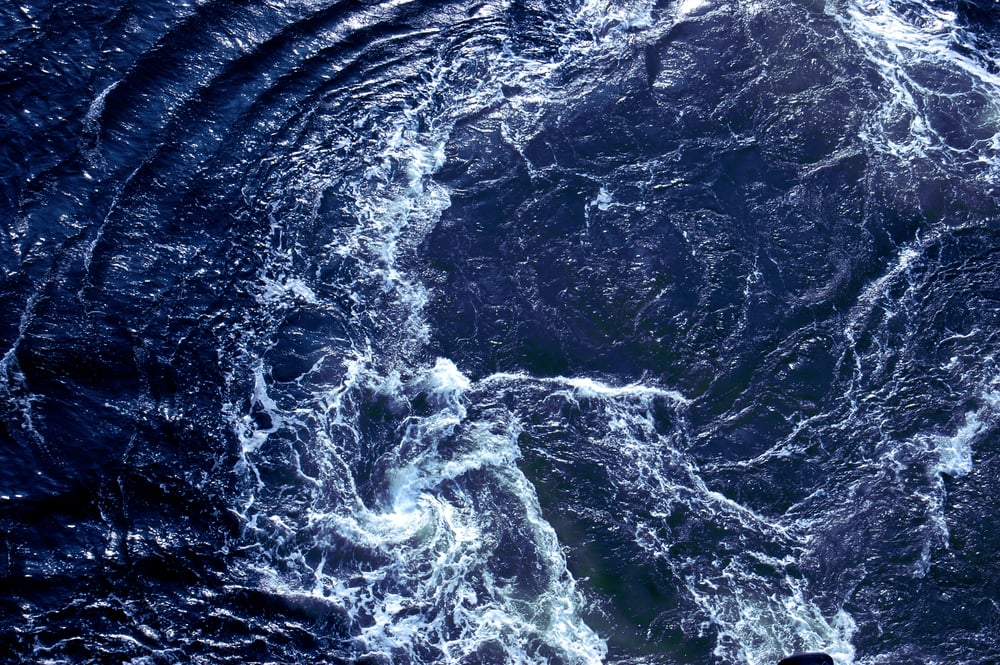
The world’s oceans are in constant motion, driven by temperature differences, wind patterns, and the Earth’s rotation, and this creates massive currents that circulate water around the globe in patterns that can take hundreds or even thousands of years to complete one full cycle. The Gulf Stream alone moves about 7-8 billion gallons of water per second (approximately 30 million cubic meters per second) — that’s more than 600 times the flow of the Amazon River, and it’s running all the time, carrying warm water from the Caribbean toward Europe and helping to moderate the climate of the entire North Atlantic region.
But it’s not just surface currents: there are deep ocean currents too, driven by differences in water density, that slowly churn the deepest parts of the ocean and help distribute heat, nutrients, and dissolved gases around the planet. And all of this happens whether you’re thinking about it or not — right now, as you read this, billions of gallons of seawater are flowing past coastlines, around continents, and between ocean basins in patterns that have been running for thousands of years and will continue long after you’re gone.
Cosmic Rays Hit You
High-energy particles from outer space are constantly bombarding Earth and passing right through your body. These cosmic rays come from exploding stars, the great abyss, and other violent events in distant galaxies.
About one cosmic ray passes through every square centimeter of your body every second. Most cause no harm, but occasionally one will hit a molecule in just the right way to cause a genetic mutation. Evolution runs on cosmic accidents.
The Universe Expands
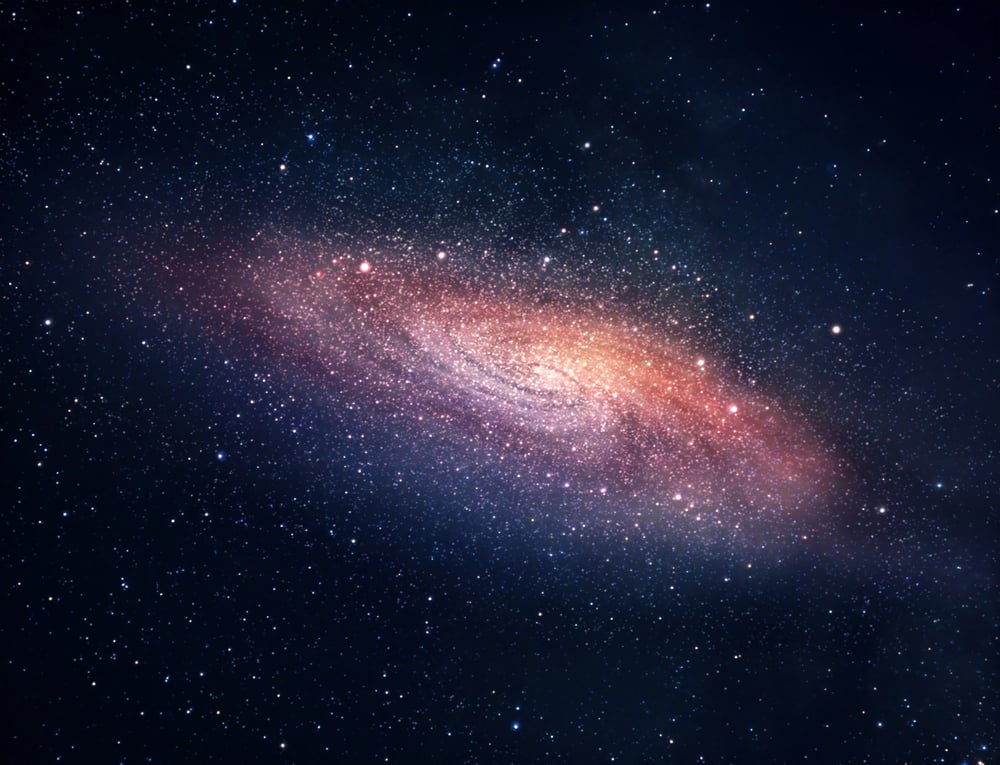
Space itself is getting bigger. Not just the stuff in space — the actual distance between galaxies is increasing every moment, which means the universe is literally expanding like a balloon being inflated, except there’s no “outside” to expand into. This expansion is accelerating: galaxies that are farther away from us are moving away faster than closer ones, and the most distant galaxies we can observe are receding at speeds approaching the speed of light.
And this has been going on for about 13.8 billion years, ever since the Big Bang, which means that right now, as you sit here reading this, the space between Earth and distant galaxies is stretching, making those galaxies slightly more unreachable than they were a moment ago. Eventually, billions of years from now, this expansion will carry most galaxies so far away that their light will no longer be able to reach us, and future civilizations will look up at a much emptier night sky than we see today, with no evidence that there was ever anything beyond our own local group of galaxies.
The Rhythm Beneath Everything

These events don’t pause for holidays or sleep schedules. They don’t care about human concerns or cosmic significance.
They just continue, second after second, forming the background hum of existence that makes everything else possible. The next time you feel like nothing is happening, remember that you’re sitting in the middle of the most elaborate ongoing performance in the known universe.
More from Go2Tutors!

- The Romanov Crown Jewels and Their Tragic Fate
- 13 Historical Mysteries That Science Still Can’t Solve
- Famous Hoaxes That Fooled the World for Years
- 15 Child Stars with Tragic Adult Lives
- 16 Famous Jewelry Pieces in History
Like Go2Tutors’s content? Follow us on MSN.