14 Rare Things That Almost Never Happen
Life has a way of making the extraordinary feel ordinary through movies, social media, and stories we tell each other. Lightning strikes seem commonplace because every storm gets documented, and lottery winners make headlines precisely because they’re so unusual.
But some events remain genuinely rare — so uncommon that most people will never witness them firsthand, no matter how long they live or how widely they travel.
Getting Struck by Lightning Twice
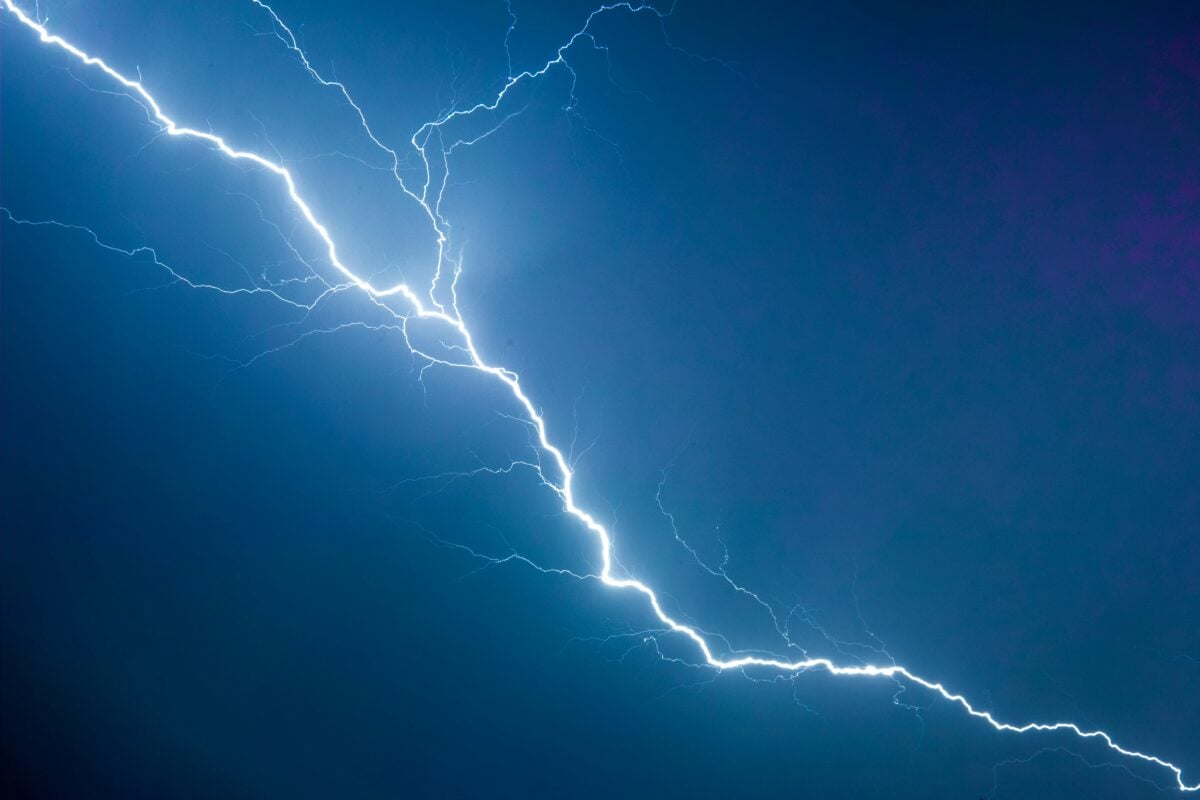
Lightning doesn’t actually avoid people who’ve been hit before. That’s a myth.
But the odds of getting struck twice are roughly one in nine million — which means it’s so rare that when it happens, people remember the person’s name. Roy Sullivan, a park ranger in Virginia, got hit seven times and survived each one.
People called him the Human Lightning Rod.
Winning the Lottery Jackpot

Powerball odds sit at about one in 292 million. Mega Millions isn’t much better.
To put that in perspective, you’re more likely to get attacked by a shark, struck by lightning, and hit by a meteorite in the same year than win either jackpot. Most people who play understand this on some level, but the brain has trouble processing numbers that large.
Which explains why gas stations still sell tickets to people who know better.
Finding a Four-Leaf Clover Naturally
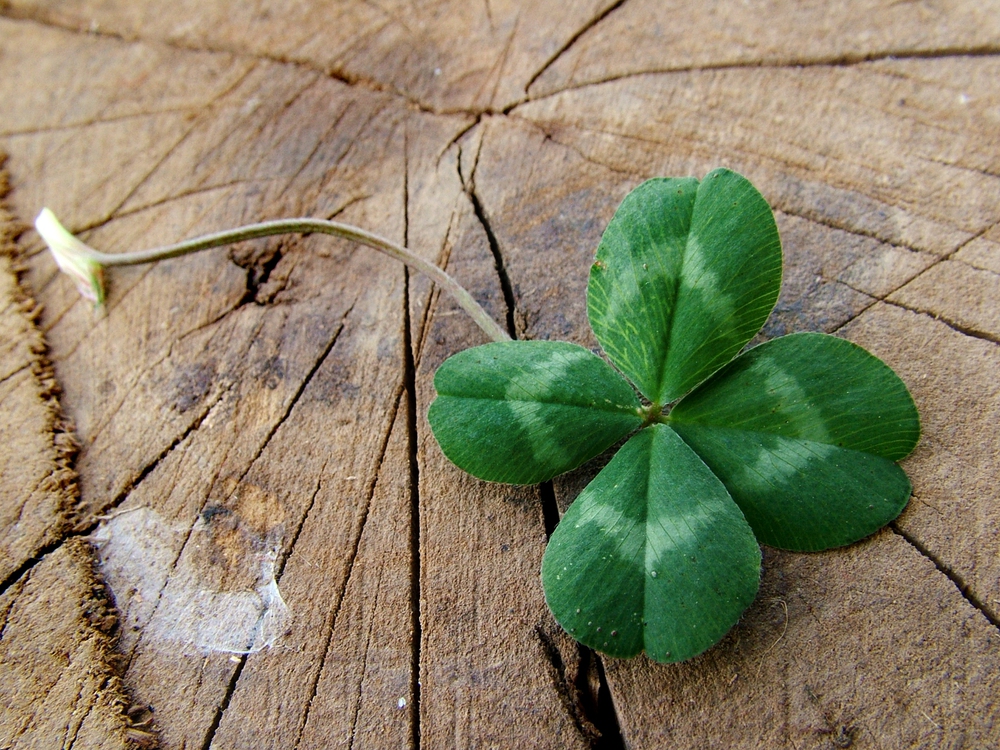
The thing about four-leaf clovers is that they’re not supposed to exist — they’re genetic mutations that occur in roughly one out of every 10,000 three-leaf clovers, and even that estimate might be generous (some botanists put the odds closer to one in a million, depending on the variety). So when children spend entire afternoons crawling through patches of clover, methodically examining each stem, they’re essentially conducting a treasure hunt where the treasure might not be there at all.
But that’s precisely what makes finding one feel like discovering something the world overlooked, even if that world happens to be a small corner of the backyard. The four-leaf clover sits there among thousands of ordinary ones, waiting.
Unremarkable except for that single extra leaf — which changes everything about how people react to it.
Experiencing a Total Solar Eclipse
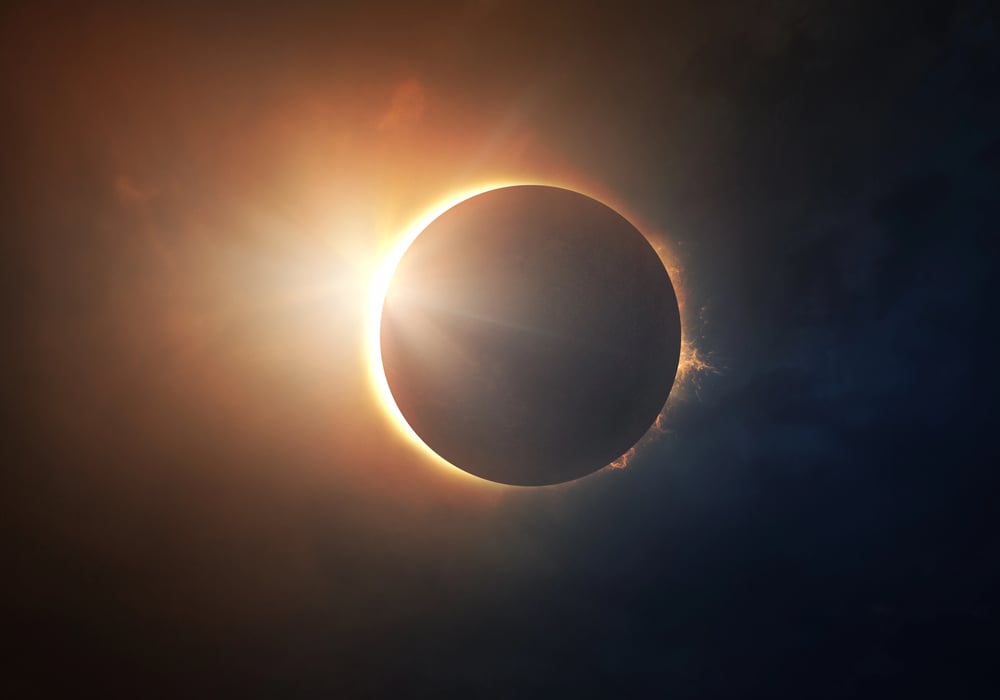
Solar eclipses happen somewhere on Earth every 18 months or so. Total solar eclipses over any specific location occur roughly once every 375 years.
Do the math on that and most places wait centuries between events. The 2017 eclipse that crossed the United States drew millions of people who drove hundreds of miles to stand in the path of totality for two minutes.
They understood something important: partial doesn’t count. Ninety-nine percent coverage still leaves enough sunlight that you need protective glasses and the temperature barely drops.
Totality is different. Stars appear in the middle of the day. The horizon glows orange in every direction. Then it ends, and people start planning trips to see the next one.
Being Born with Heterochromia
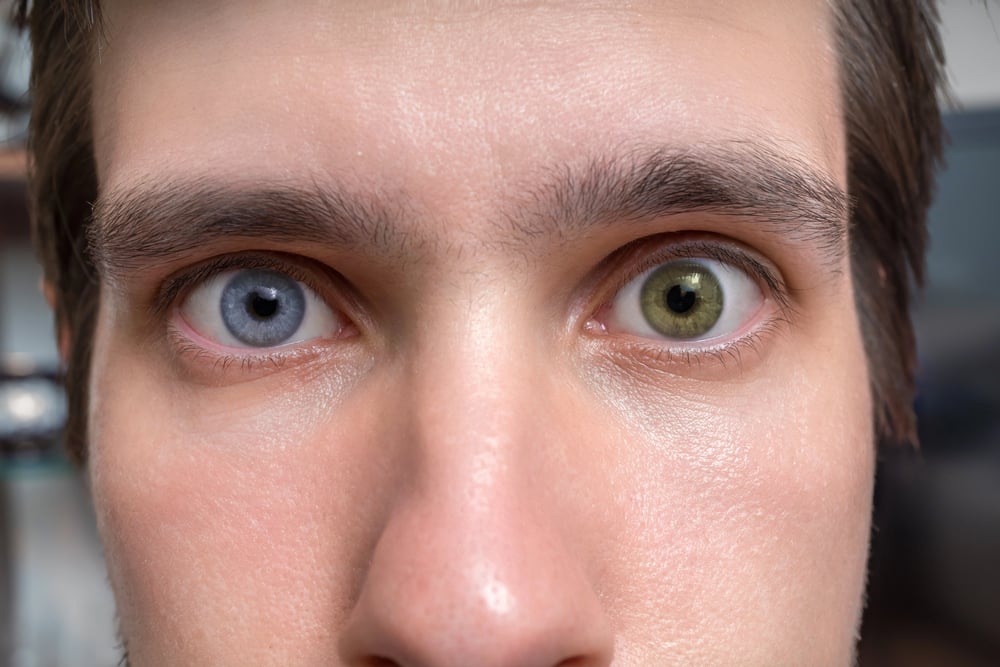
Complete heterochromia — where each eye is a completely different color — occurs in less than one percent of the human population, and the numbers get even smaller when you exclude cases caused by injury or disease and focus only on the genetic lottery that produces one brown eye and one blue eye from birth. It’s the kind of trait that makes people do double-takes in conversation, not because there’s anything wrong, but because the brain expects symmetry in faces and feels momentarily confused when it doesn’t find it.
Central heterochromia, where the inner ring around the pupil is a different color than the outer iris, happens more frequently but still rarely enough that most people never notice they have it until someone points it out, and then they spend the next ten minutes staring at themselves in mirrors, wondering how they missed something so obvious.
Most cases trace back to variations in melanin distribution during development. The eyes simply decided to be different colors.
No deeper meaning, no mystical significance — just genetics taking an uncommon path.
Surviving a Plane Crash

Commercial aviation deaths are extraordinarily rare, but surviving a crash when one does occur is rarer still. The National Transportation Safety Board puts survivability rates at around 95 percent for all aviation accidents, but that number includes minor incidents, emergency landings, and runway mishaps.
Major crashes with survivors make international news precisely because they’re so uncommon. When someone walks away from wreckage that shouldn’t have left anyone alive, it becomes a story people retell for decades.
The phrase “miraculous survival” gets used because the alternative — explaining how physics, timing, and human resilience aligned perfectly — requires more words than most headlines allow.
Having Perfect Pitch

Perfect pitch — the ability to identify or produce any musical note without a reference point — shows up in roughly one in 10,000 people, though some researchers argue the number might be higher since many people with the ability never discover they have it (they simply assume everyone hears music the same way they do, which is a reasonable assumption until proven otherwise). It’s not the same as relative pitch, where someone can identify intervals between notes, or even exceptional relative pitch, where someone can name any note after hearing just one reference tone.
Perfect pitch means hearing a car horn and knowing immediately that it’s a B-flat, or walking into a room where a piano is slightly out of tune and feeling genuinely uncomfortable until someone fixes it. The ability appears to be partly genetic and partly developmental — children who grow up in households where music is constantly playing and discussed have higher rates, but the window for developing it seems to close around age seven.
Musicians with perfect pitch describe it as both a gift and a curse. Sheet music makes immediate sense, but out-of-tune instruments become physically unpleasant to hear.
Becoming a Centenarian

Living to 100 happens to roughly 0.02 percent of the population. The numbers drop dramatically beyond that — reaching 110 puts someone in a group of fewer than 300 people worldwide at any given time.
Genetics plays a role, but not the only role. Centenarians tend to have strong social connections, manageable stress levels, and physical activity that continues into their 90s.
They also tend to have avoided major diseases that typically claim people in their 70s and 80s. What’s interesting is how many centenarians report that they never expected to live so long.
They didn’t follow special diets or exercise regimens designed for longevity. They just kept living, and their bodies kept cooperating longer than anyone anticipated.
Finding a Meteorite

Every day, roughly 100 tons of space debris enter Earth’s atmosphere, but most of it burns up completely before reaching the ground — the bright streaks people call “shooting stars” are typically fragments no larger than grains of sand disintegrating 50 miles above the surface (anything bigger creates those spectacular fireballs that light up entire regions and make the news, but even then, finding the actual meteorite requires knowing approximately where it landed and getting there before weather and scavengers disperse the evidence). The meteorites that do survive the journey tend to land in oceans, forests, or remote areas where no one will ever find them, which means the ones discovered in populated areas represent a tiny fraction of what actually makes it to the ground.
And even when someone finds a suspicious rock, confirming it came from space requires specific equipment and expertise that most people don’t have access to. But occasionally, someone walking through a field or hiking a trail notices a rock that doesn’t belong.
Meteorites often have a distinctive fusion crust from their fiery descent, and they’re usually much heavier than terrestrial rocks of the same size.
Experiencing Synesthesia Strongly
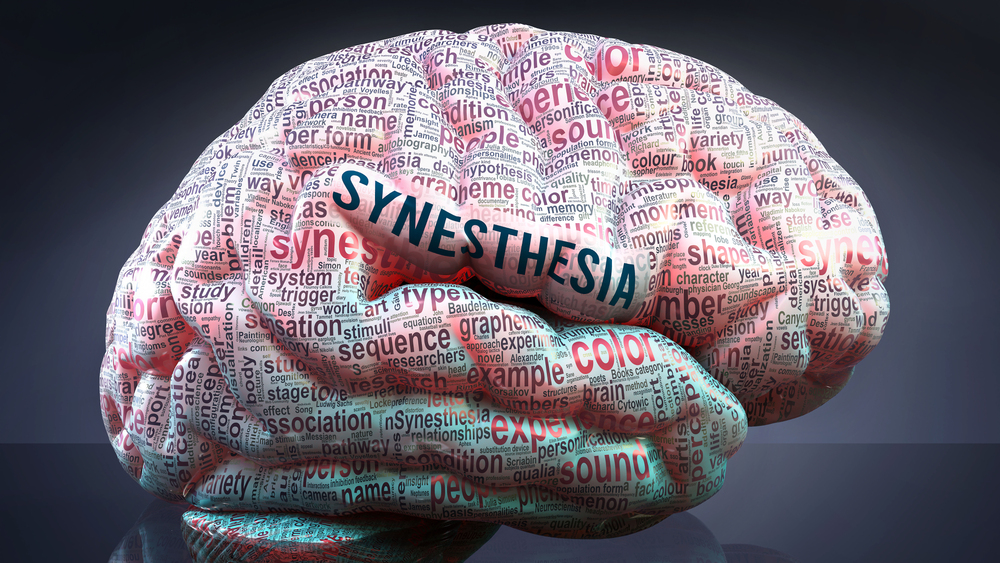
Synesthesia — where one sense triggers another involuntarily — affects somewhere between 2 and 4 percent of the population, but the intensity varies dramatically. Mild synesthesia might mean associating certain numbers with colors, while strong synesthesia can involve tasting words, seeing sounds as complex visual patterns, or experiencing physical sensations when looking at specific shapes.
People with pronounced synesthesia often assume everyone experiences the world this way until they mention that the word “Tuesday” tastes like vanilla or that the number 7 is obviously green, and others look at them strangely.
The condition appears to run in families and affects women more than men. Most people with it consider it beneficial rather than problematic — it provides additional ways to remember information and makes ordinary experiences more vivid.
Surviving a Terminal Diagnosis

Medical professionals use terms like “spontaneous remission” or “unexplained recovery,” but those phrases don’t capture how rare it actually is for someone to outlive a terminal diagnosis by years or decades (the definition of “terminal” typically means less than six months to live, so when someone beats those odds by significant margins, it challenges fundamental assumptions about how disease progression works). It’s not the same as responding well to treatment or catching an illness earlier than expected — it’s the disease itself changing course in ways that medical science can observe but not reliably predict or replicate.
Some cases involve tumors shrinking without intervention, others involve organ function improving beyond what seemed possible, and a few involve symptoms simply disappearing entirely. Doctors study these cases intensively, looking for patterns that might inform future treatment.
But each situation seems to involve a unique combination of factors that can’t be easily reproduced.
Being Born on February 29th

Leap day babies — sometimes called “leaplings” — make up roughly 0.07 percent of the population. That’s about one in 1,461 people, which means most communities have only a handful of residents who were actually born on February 29th.
The legal and practical complications are more interesting than the statistical rarity. What happens when someone born on leap day needs to prove their age for something official during a non-leap year? Most places default to March 1st for legal purposes, but some use February 28th.
People born on February 29th develop strategies for celebrating birthdays during the three out of every four years when their actual birth date doesn’t exist. Some celebrate early, some late, some ignore it entirely until the next leap year comes around.
Witnessing a Green Flash at Sunset
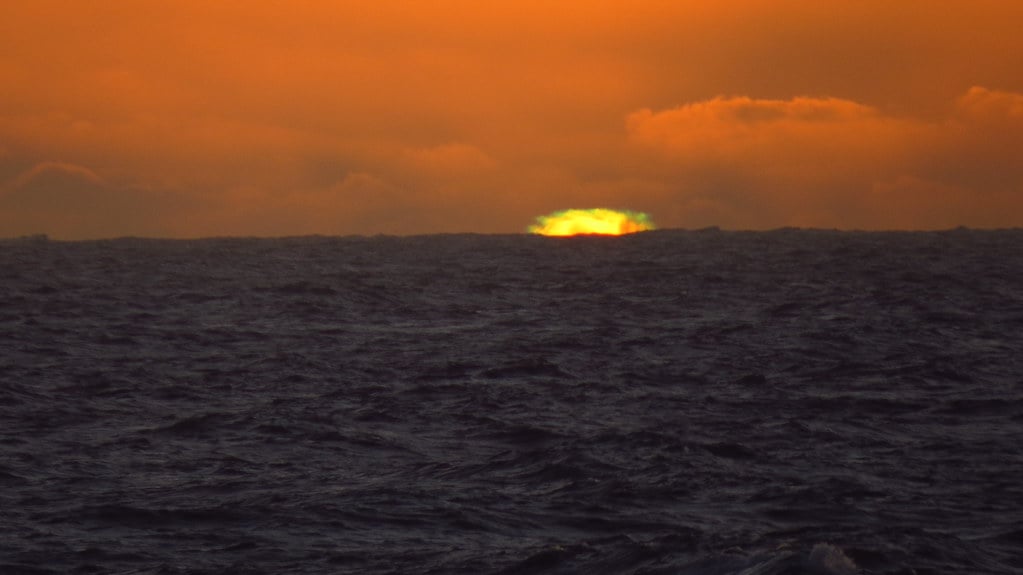
The green flash appears for just one or two seconds as the sun disappears below a clear horizon. It’s not a myth or an optical illusion — it’s atmospheric refraction acting like a prism and separating sunlight into its component colors.
But seeing it requires nearly perfect conditions: a completely unobstructed horizon, minimal atmospheric turbulence, and clear air with low humidity. Ocean horizons work best, which is why sailors reported the phenomenon for centuries before scientists explained what caused it.
Even in ideal conditions, the green flash happens maybe once in every dozen sunsets. Most people who live near coastlines and watch sunsets regularly still haven’t seen one.
Rolling Five Dice and Getting All the Same Number

The odds of rolling five dice and having them all show the same number are 1 in 1,296. Not impossible, but rare enough that it almost never happens by accident during casual games.
In Yahtzee, it’s called getting a “Yahtzee” and it’s worth 50 points precisely because it’s so unlikely. Experienced players might see it happen once or twice during years of regular play.
What makes it memorable is that the odds are low enough to feel significant, but high enough that it occasionally happens to ordinary people doing ordinary things. Unlike lottery jackpots or lightning strikes, rolling five sixes feels achievable — which makes it more exciting when it actually occurs.
When Rarity Becomes Reality

These events share something beyond their statistical improbability: they remind us that extraordinary things still happen in a world that often feels predictable. Most people will never experience even one of these rarities, but knowing they exist changes how we pay attention to the world around us.
The four-leaf clover might be hiding in the next patch of grass, the sunset tonight might produce that green flash, and the storm approaching could create something most people will never see. Rarity doesn’t make these events impossible — it just makes them worth noticing when they finally appear.
More from Go2Tutors!

- The Romanov Crown Jewels and Their Tragic Fate
- 13 Historical Mysteries That Science Still Can’t Solve
- Famous Hoaxes That Fooled the World for Years
- 15 Child Stars with Tragic Adult Lives
- 16 Famous Jewelry Pieces in History
Like Go2Tutors’s content? Follow us on MSN.



