Expensive Rare House Plants Collectors Pay Cash For
The houseplant market has gone completely wild. What started as picking up a pothos at the grocery store has morphed into something that resembles art collecting more than gardening.
People are dropping mortgage-level money on plants with names that sound like Latin tongue twisters. and the prices keep climbing.
The most coveted specimens live in a world where rarity drives desire, and desire drives prices into the stratosphere. These aren’t your grandmother’s spider plants hanging in macrame holders.
These are botanical trophies that signal serious commitment to the hobby — and serious disposable income.
Monstera Albo Borsigiana
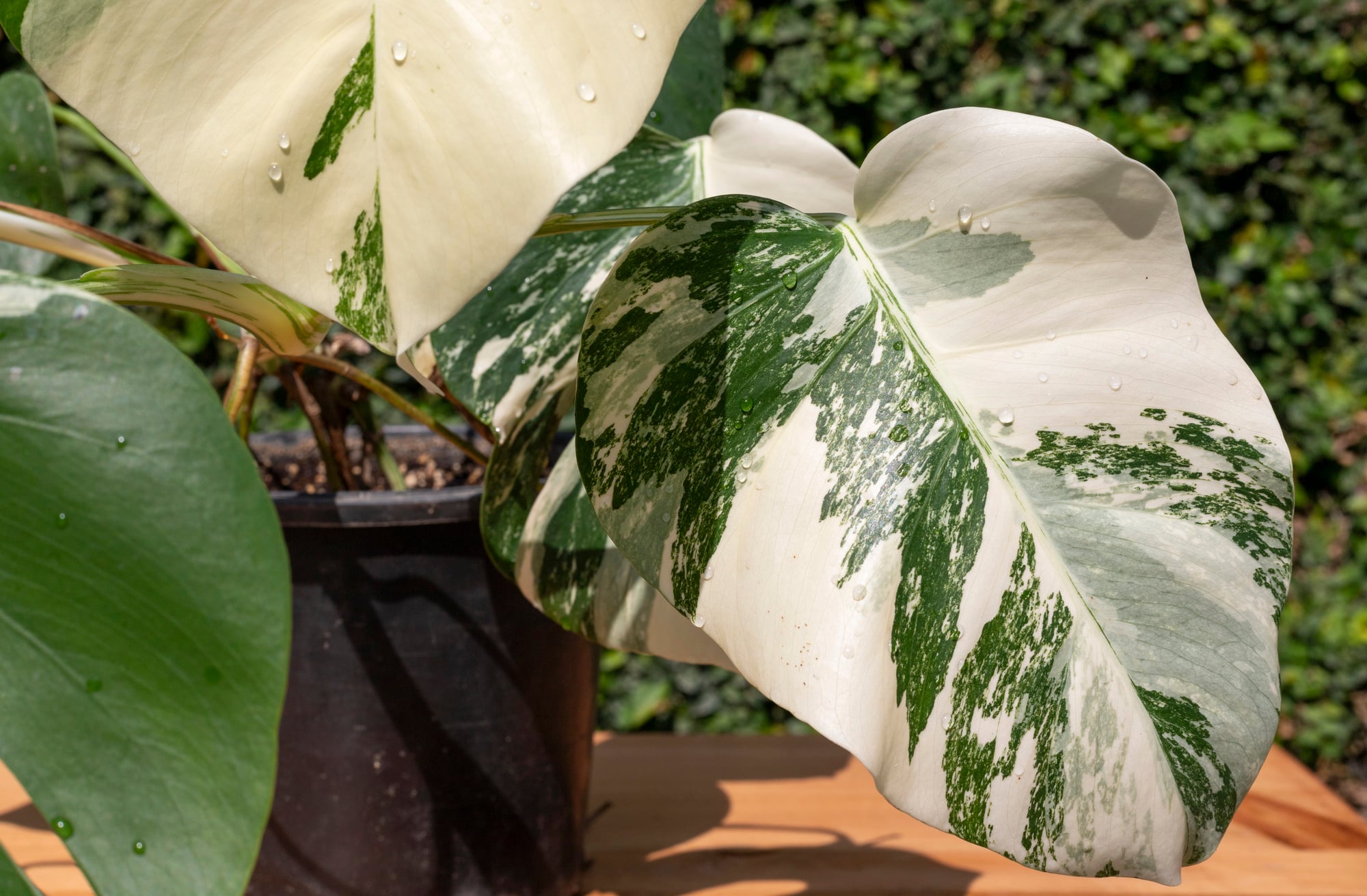
Monstera Albo costs more than most people’s rent. A single cutting can run anywhere from $500 to $5,000 depending on size and variegation.
The white patches on the leaves make each plant unique. No two look exactly the same.
The variegation is unstable, which means the plant might revert to solid green without warning. Collectors pay premium prices for something that could lose its value overnight.
Philodendron Spiritus Sancti
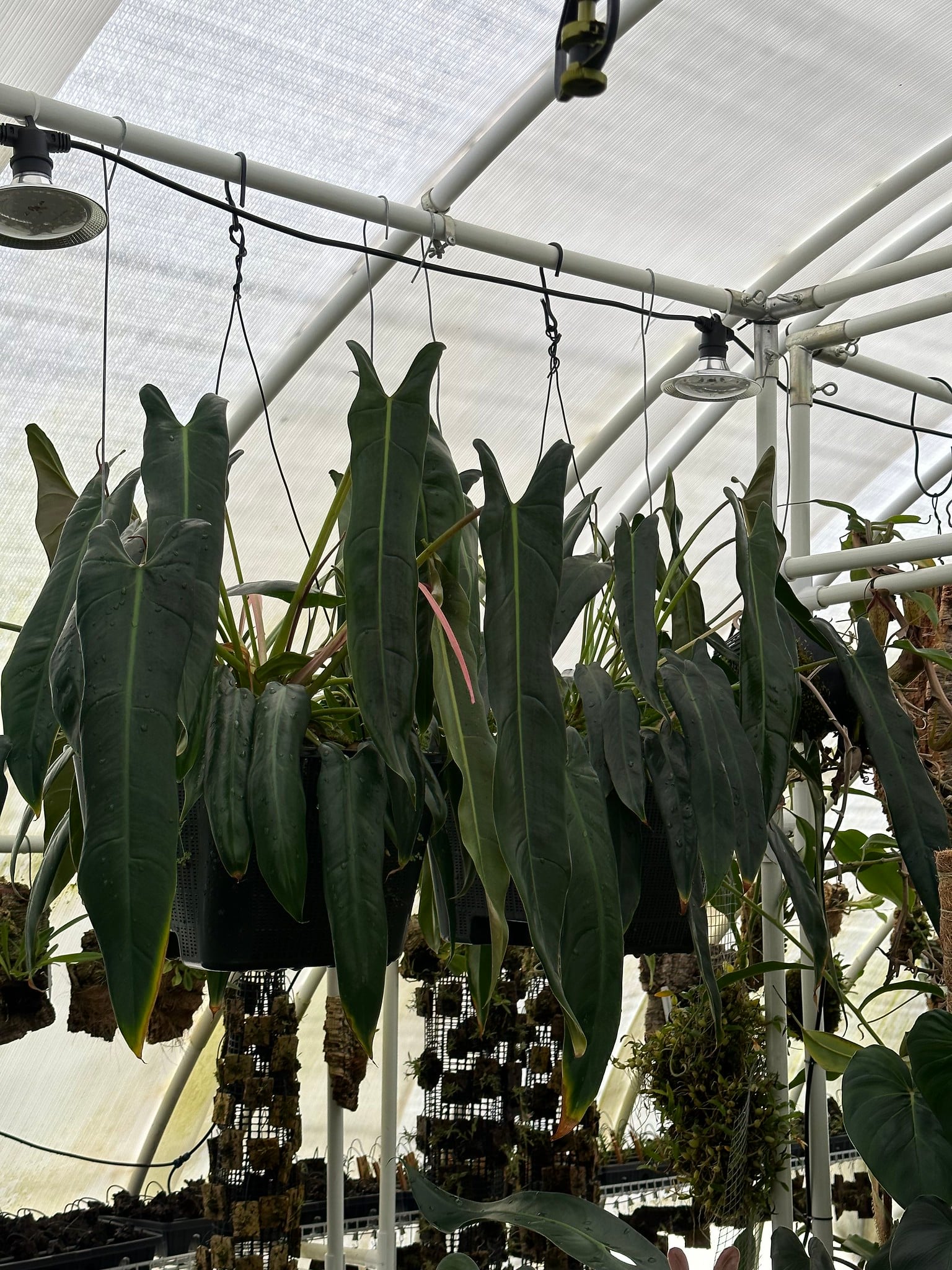
This particular philodendron carries the weight of extinction on its leaves — there are fewer than 100 known to exist in the wild (tucked away in a single location in Brazil, where deforestation threatens even that small population), which explains why a mature specimen can command $10,000 or more from collectors who treat plant hunting the way others approach acquiring rare wines or vintage watches. The leaves are impossibly narrow and elongated, almost architectural in their precision.
So different from typical philodendrons. And the plant grows slowly, which means every leaf represents months of patient cultivation, every cutting a small fortune changing hands between collectors who understand that owning one places them in an extremely exclusive club.
Variegated Minima
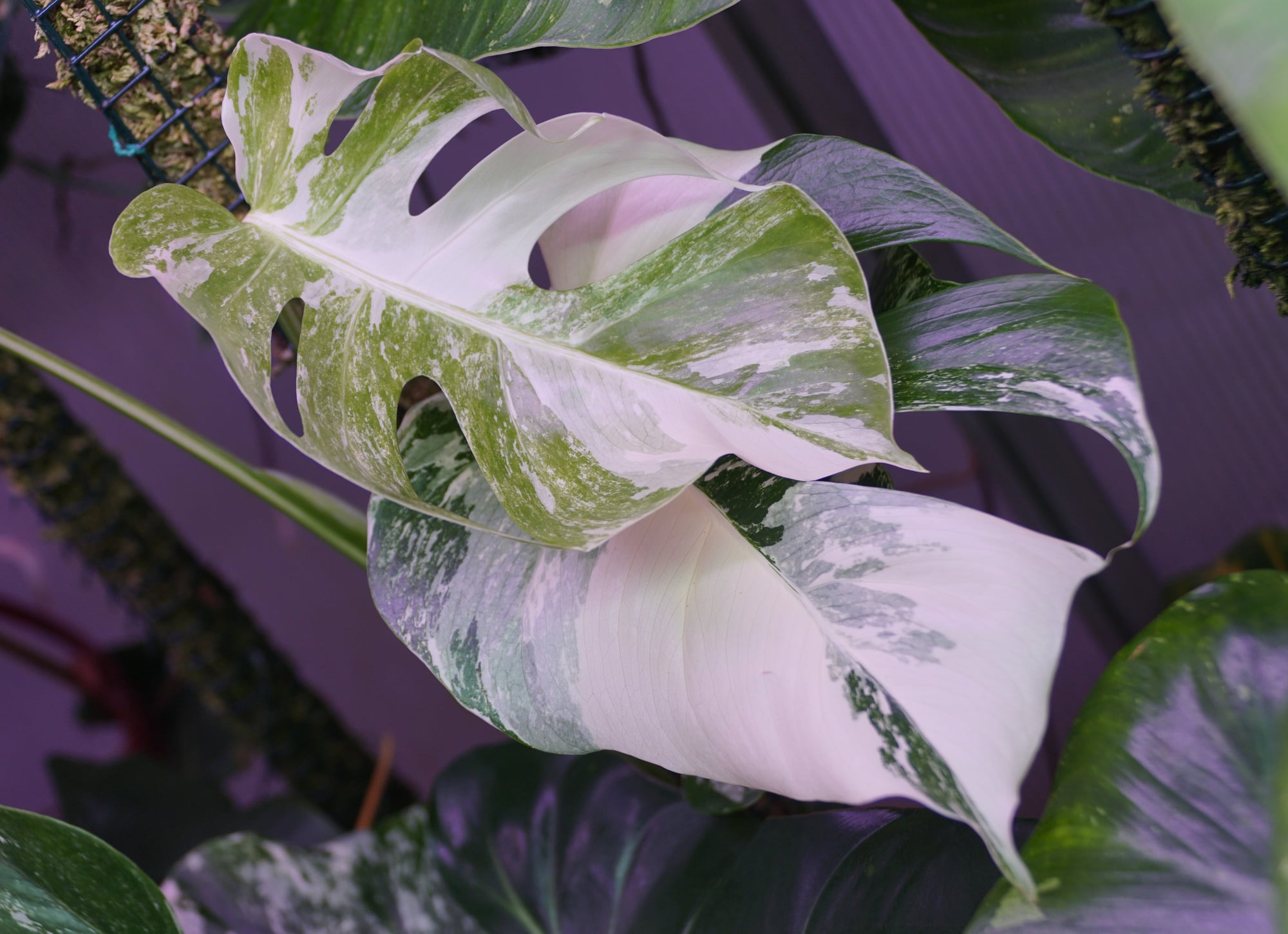
The relationship between scarcity and desire plays out nowhere more clearly than in the variegated minima market. The plant itself seems to understand its own worth — producing variegated growth in unpredictable bursts, withholding the very trait that makes it valuable.
Collectors study their plants like meteorologists watching storm patterns, hoping for that next splash of cream against the deep green. Each new leaf unfurls with the tension of a lottery ticket being scratched.
The variegation might appear, or it might not. The plant keeps its own counsel, which only makes people want it more.
Philodendron Pink Princess
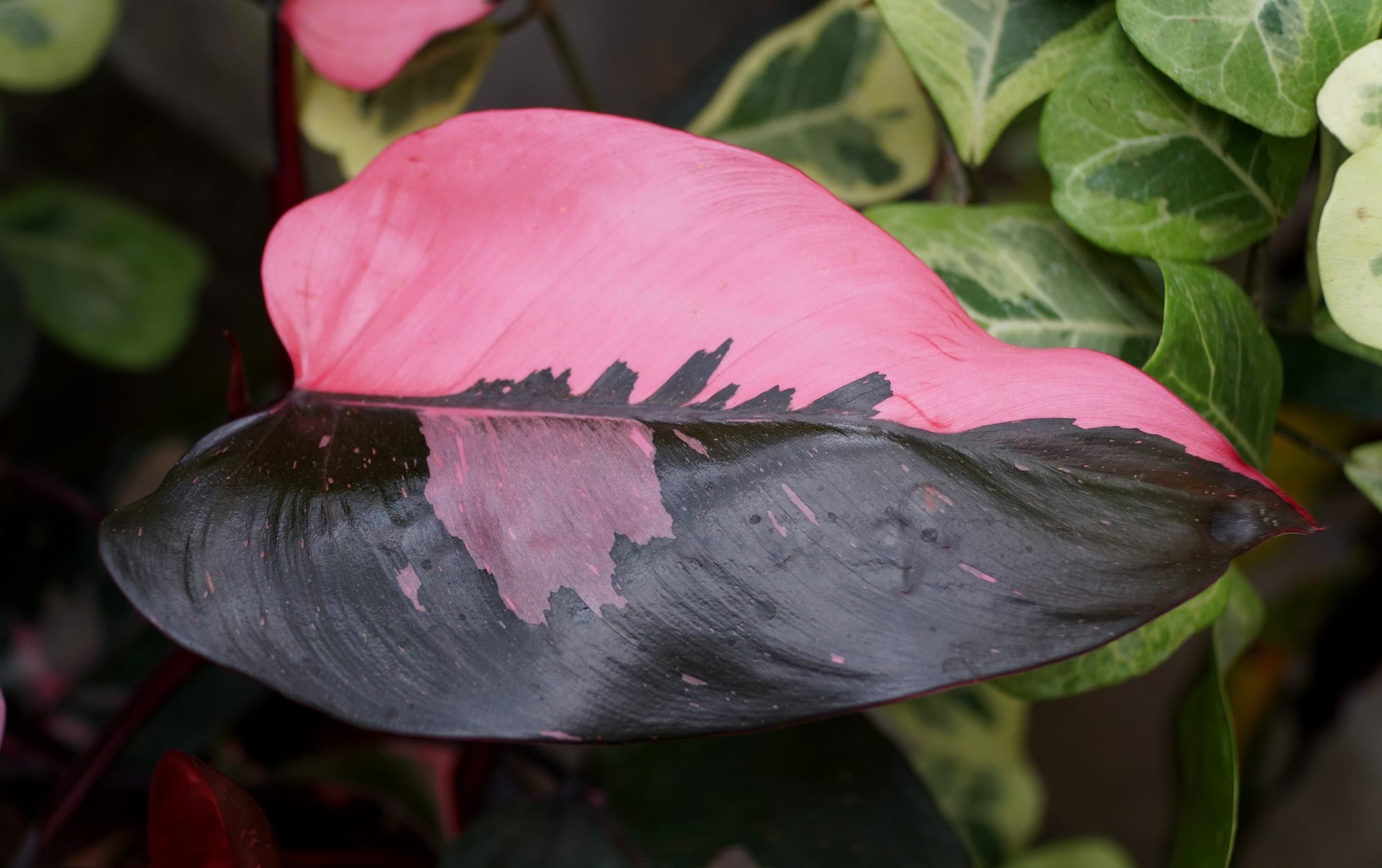
Pink Princess philodendrons are overpriced and everyone knows it. A plant that was selling for $15 five years ago now costs $200 minimum for a decent-sized specimen.
The pink variegation is striking, but the plant itself is notoriously difficult to maintain. The pink fades if the light conditions change even slightly.
Most people end up with expensive green plants after a few months, which is saying something about the gap between Instagram appeal and actual plant care reality.
Anthurium Warocqueanum
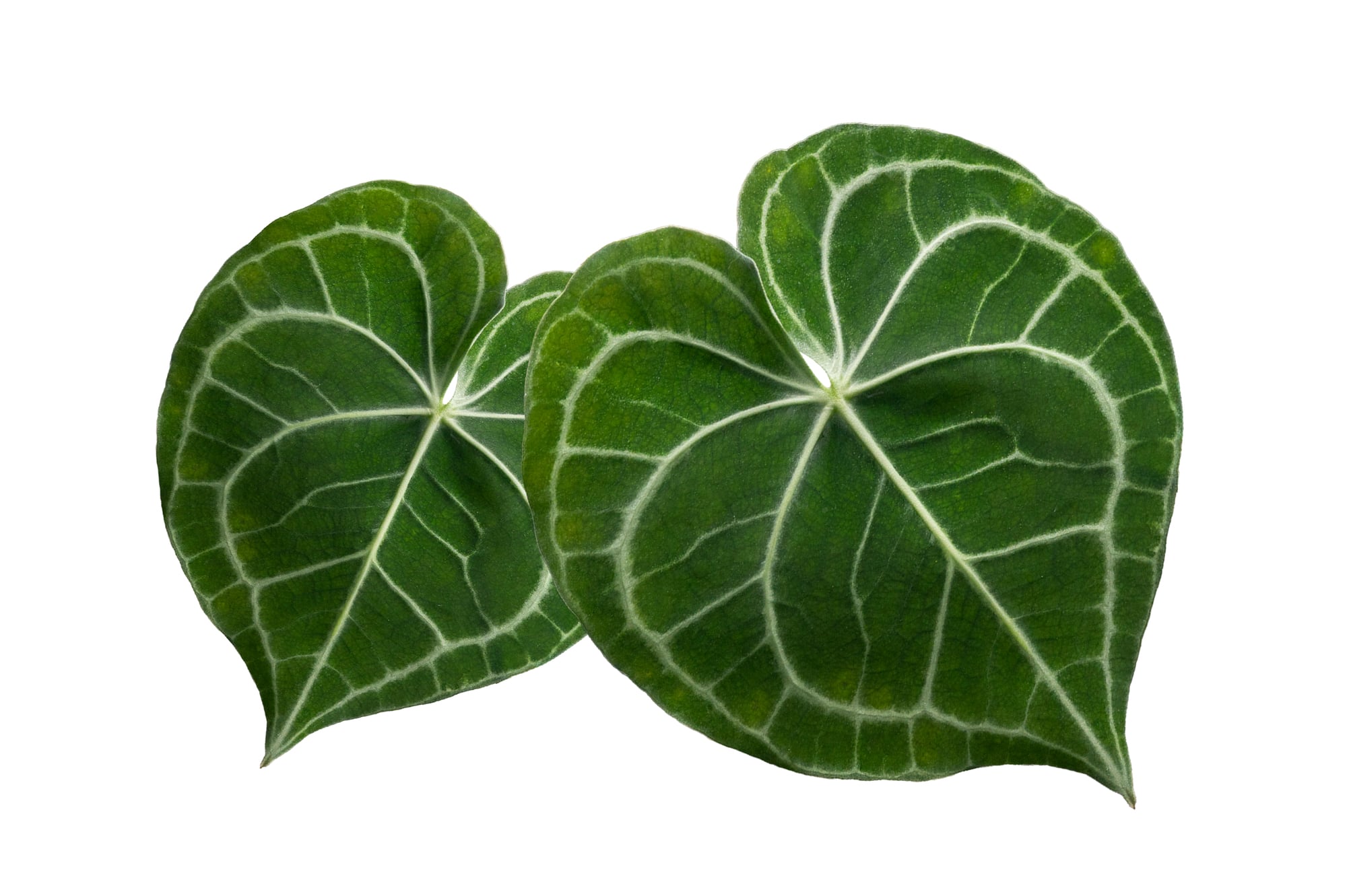
The Queen Anthurium grows leaves that can stretch three feet long in the right conditions, each one ribbed with deep channels that catch light like corrugated metal. The plant demands humidity levels that turn most homes into saunas and care routines that border on obsessive.
People pay $800 to $3,000 for a plant that might sulk for months if the conditions shift even slightly. But when it thrives, few houseplants can match its presence.
The leaves hang like dark green banners, each one a testament to the grower’s skill and dedication. The plant teaches patience in the most expensive way possible.
Monstera Obliqua Peru
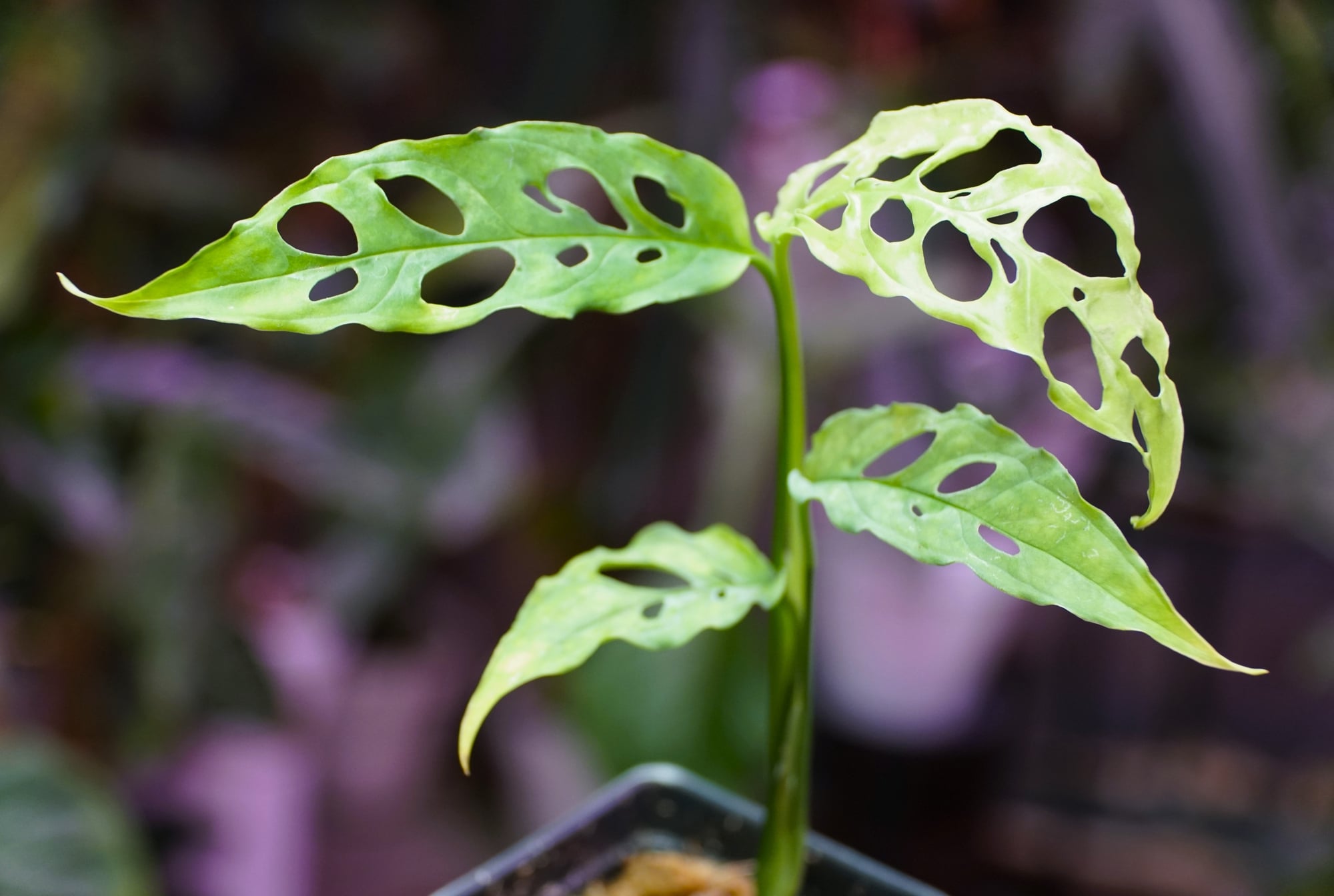
True Monstera Obliqua is almost entirely pits held together by thin strips of leaf tissue. The plant looks like it’s been eaten by insects, but that’s exactly what makes it worth $4,000 to $8,000 per cutting.
The rounds, called fenestrations, can take up 90% of the leaf surface. Most plants sold as Obliqua are actually Adansonii, which has similar rounds but much thicker leaf tissue.
Real collectors can spot the difference immediately. The authentic Obliqua is so delicate it seems like it shouldn’t survive, but somehow it does — barely.
And that barely is worth thousands to the right buyer.
Philodendron Tortum
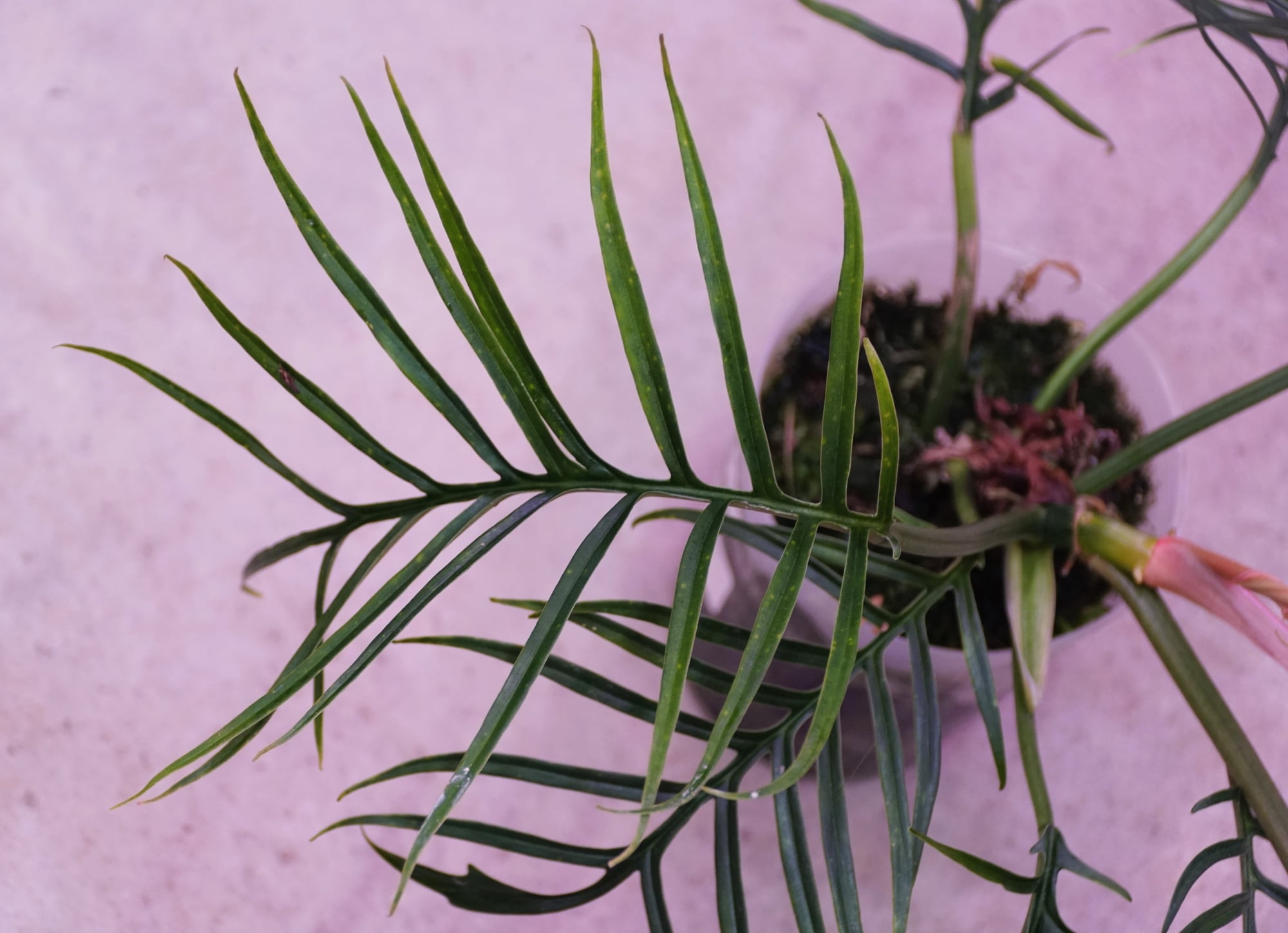
Tortum gets mistaken for a fern until you look closely (the deeply divided leaves create an almost feathery appearance that feels more like something from a forest floor than a typical philodendron), but the plant structure gives it away — those characteristic aerial roots and climbing habit that mark it as part of the philodendron family, even when everything else about it seems to contradict that classification. Prices range from $300 to $1,500 depending on size.
So the appeal isn’t just rarity. And collectors prize it because it offers something different without being impossibly difficult to grow, which puts it in that sweet spot between accessible and exotic that drives steady demand in the high-end plant market.
Variegated Monstera Thai Constellation
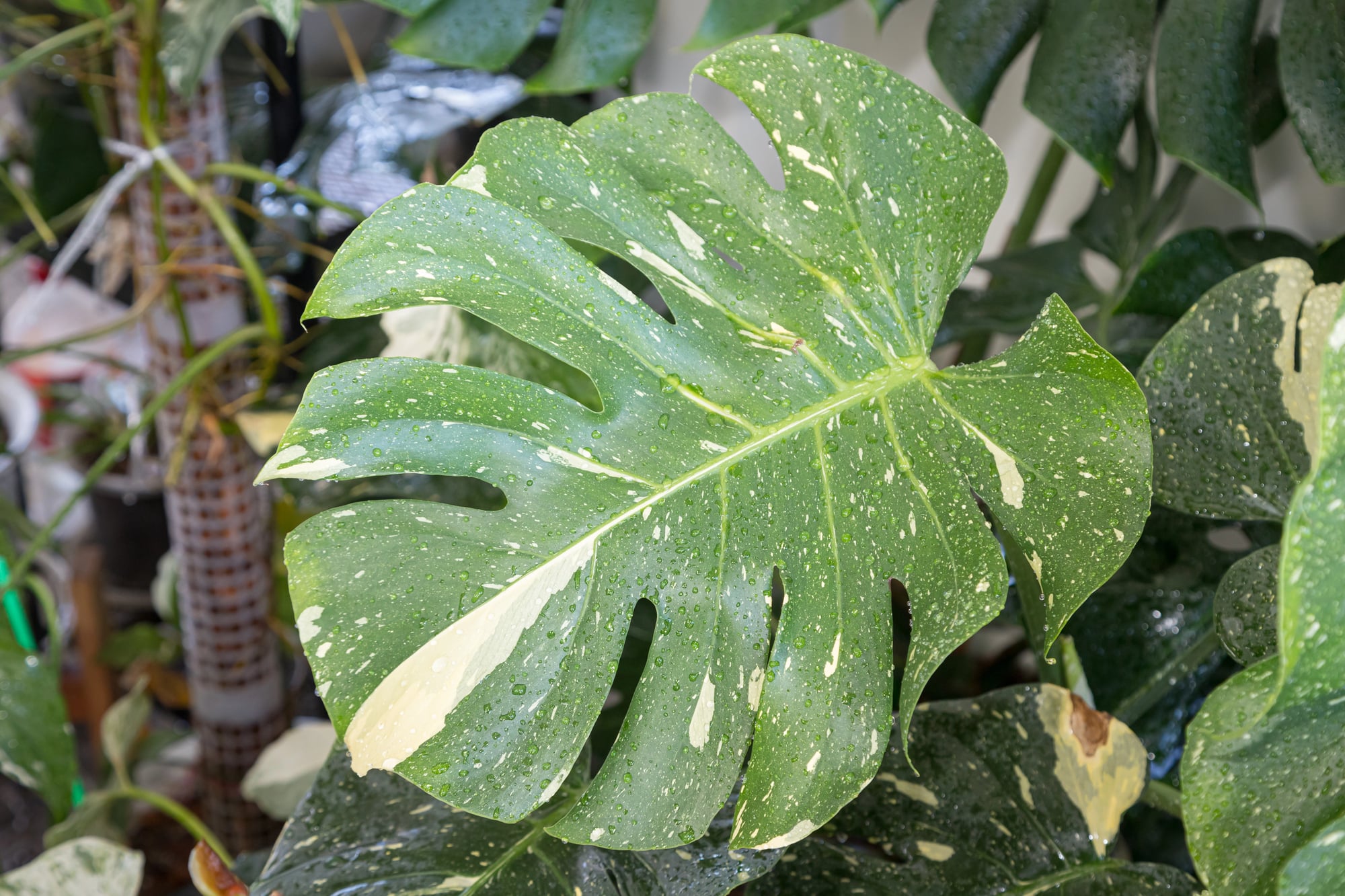
Thai Constellation represents controlled rarity in the plant world. The variegation comes from tissue culture rather than random mutation, which means the patterns are more stable than wild variegated plants.
Collectors pay $400 to $2,000 for this stability — the assurance that their investment won’t revert to common green. The cream and yellow splashes across each leaf follow predictable patterns.
No surprises, no disappointments. Just consistent beauty that holds its value over time. The plant world’s equivalent of a blue-chip stock.
Anthurium Crystallinum
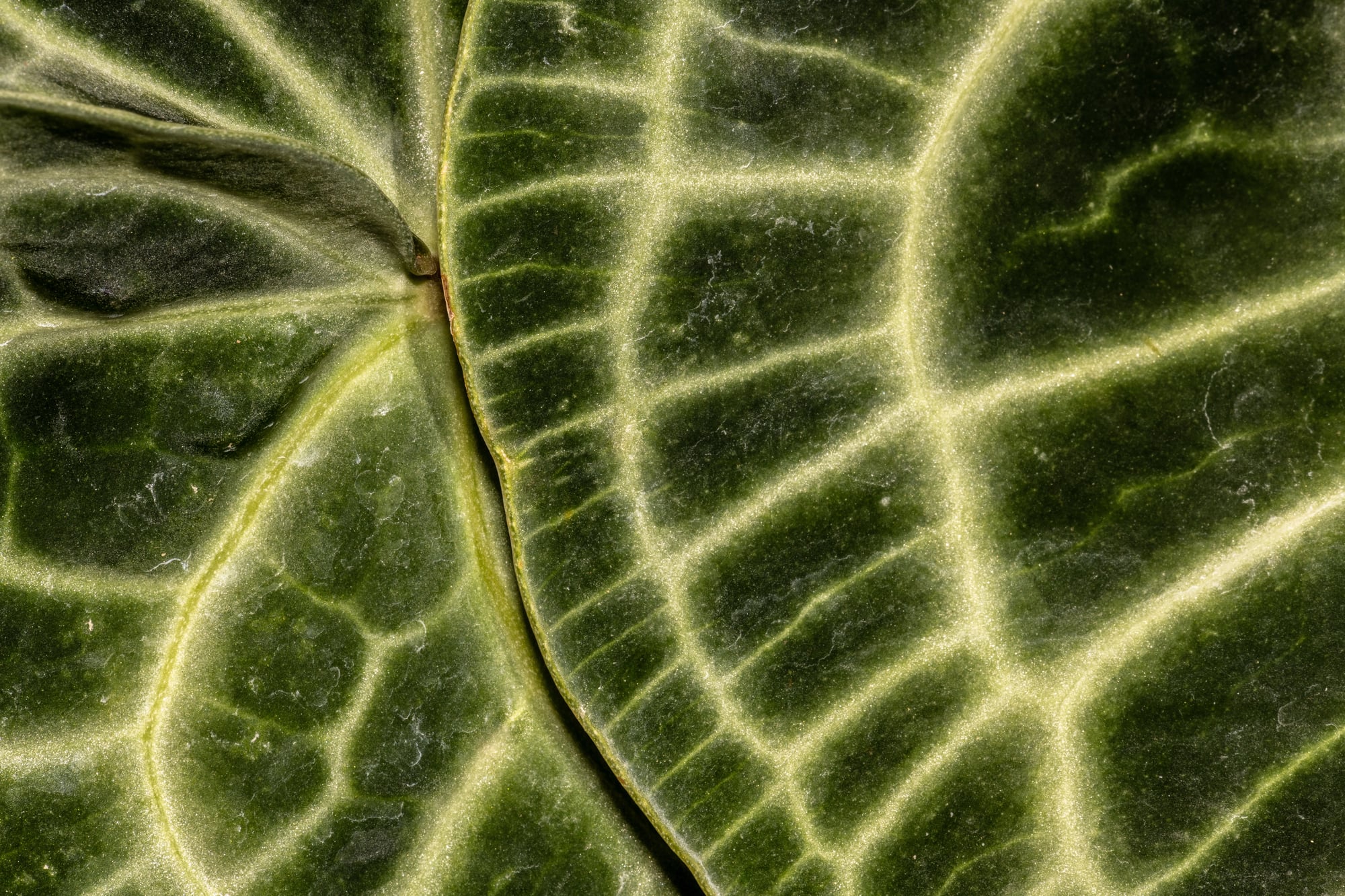
The Crystallinum’s leaves shift color as they mature, starting deep burgundy and gradually turning forest green with white veins that look hand-painted. The velvety texture catches fingerprints, so touching the leaves becomes irresistible despite knowing better.
Prices hover between $150 and $800 depending on size. The plant grows slowly, which means patience gets rewarded with increasingly dramatic foliage.
Each new leaf unfurls like a small revelation, the veins becoming more prominent as the plant matures. Time and money both required, but the results justify both investments.
Philodendron Gloriosum
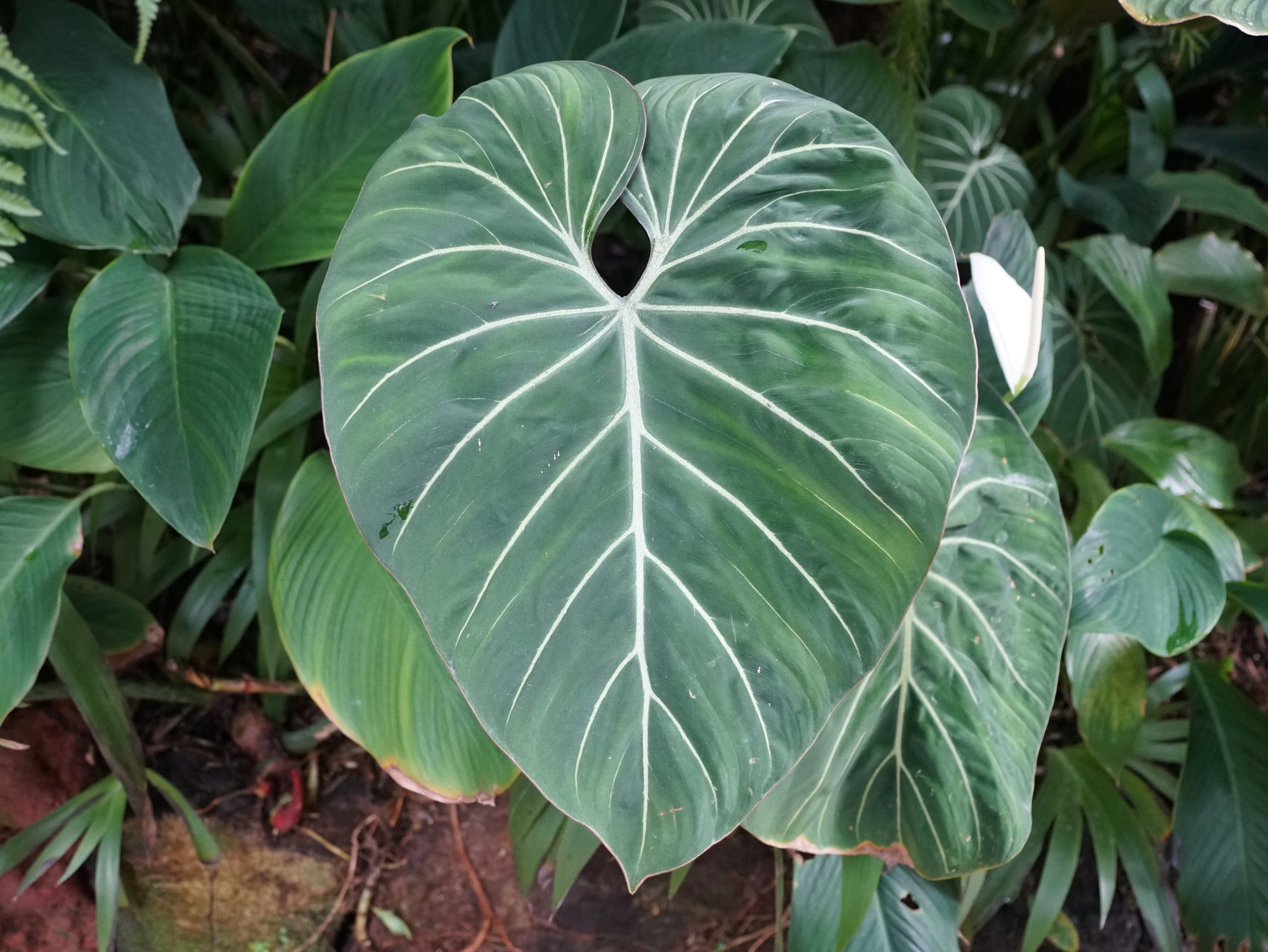
Gloriosum refuses to climb, spreading horizontally instead of reaching upward. The heart-shaped leaves can grow enormous given enough space and proper care.
The white veining creates geometric patterns against the deep green backdrop. Collectors pay $200 to $1,000 for established plants.
The crawling growth habit means the plant needs more horizontal space than most people expect. But patient growers are rewarded with leaves that can reach over a foot across, each one a masterpiece of natural patterning that makes the floor space sacrifice worthwhile.
Monstera Dubia
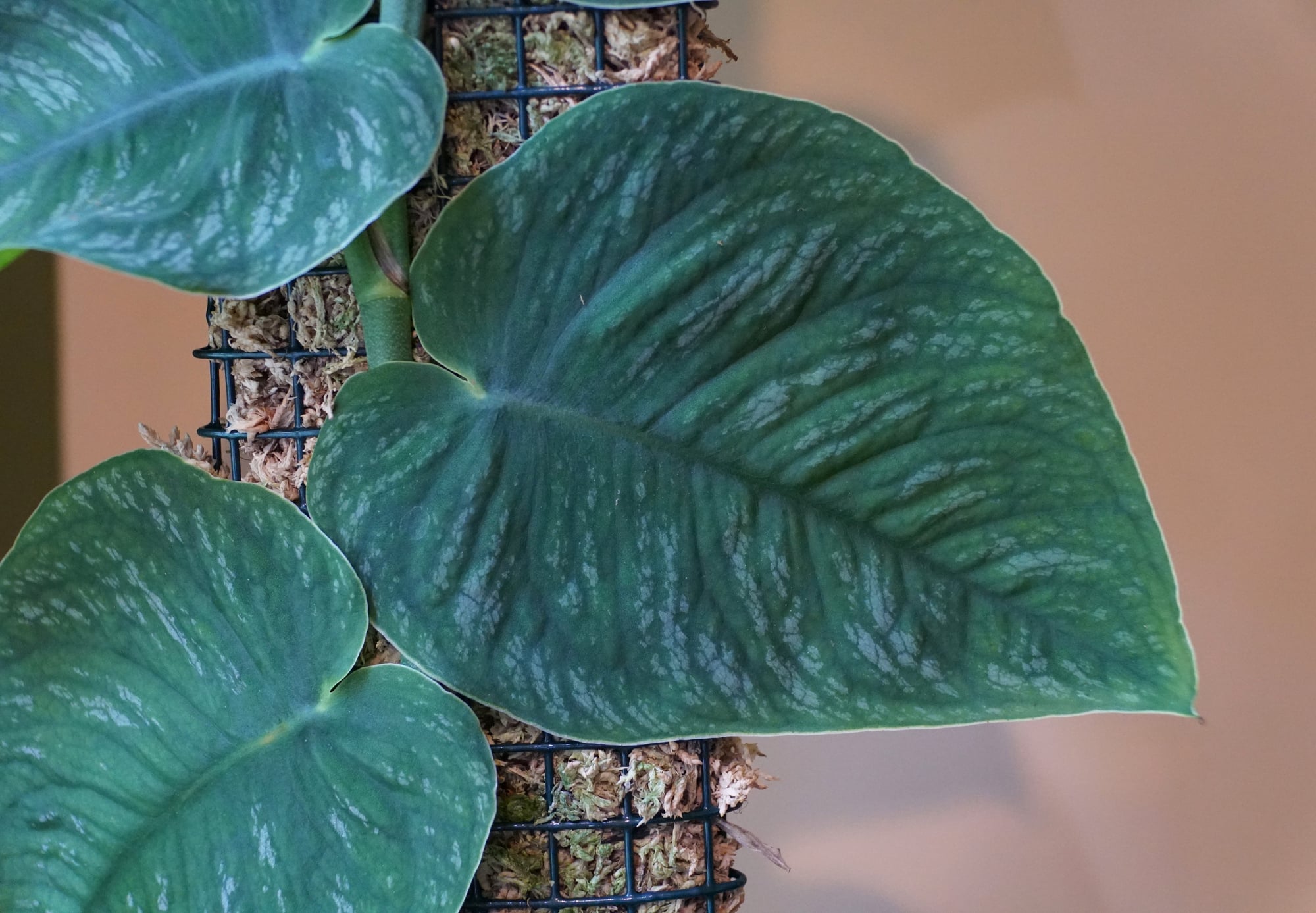
Dubia starts small and unimpressive (the juvenile leaves cling flat against tree bark or moss poles, looking more like a climbing vine than the impressive split-leaf monster it will eventually become), but the transformation from juvenile to mature form represents one of the most dramatic changes in the houseplant world — those small, silver-mottled leaves eventually giving way to massive fenestrated foliage that can span several feet.
Collectors pay $100 to $600 for juvenile plants, betting on future potential rather than current appearance. The wait can take years.
But the payoff makes the patience worthwhile, assuming the grower can provide the climbing structure and consistent care the plant demands throughout its slow metamorphosis.
Hoya Carnosa Compacta Variegated
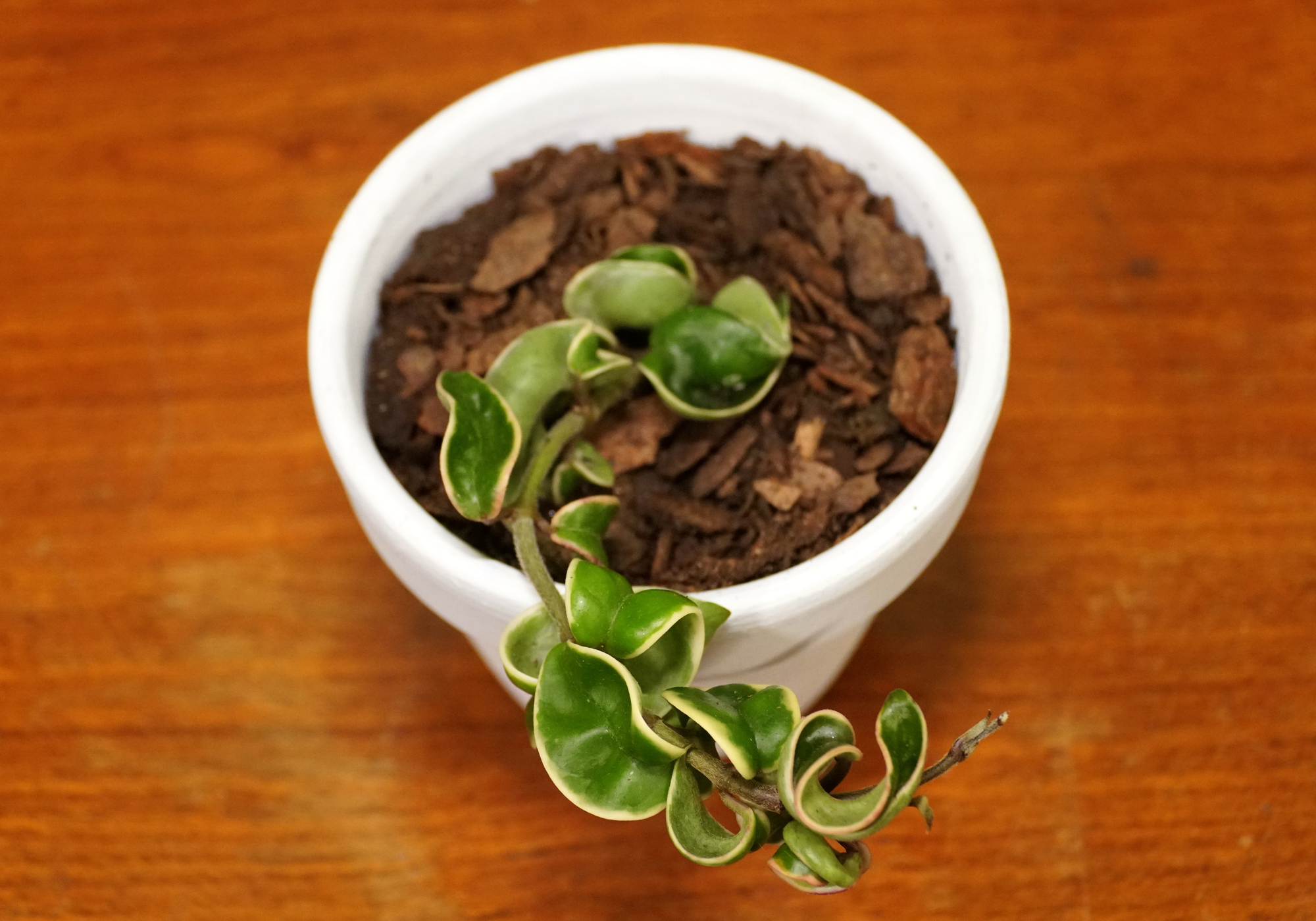
The Variegated Hindu Rope Hoya grows in twisted, rope-like strands with cream and green coloring that makes each vine look hand-dipped. The plant blooms with waxy star-shaped flowers that smell intensely sweet, but only after several years of growth.
Prices range from $80 to $500 for established specimens. The twisted growth pattern means dust settles in all the leaf crevices, making cleaning a tedious process.
But the unusual texture and eventual flowering make the maintenance worthwhile for collectors who appreciate plants that look like living sculptures.
Philodendron White Princess
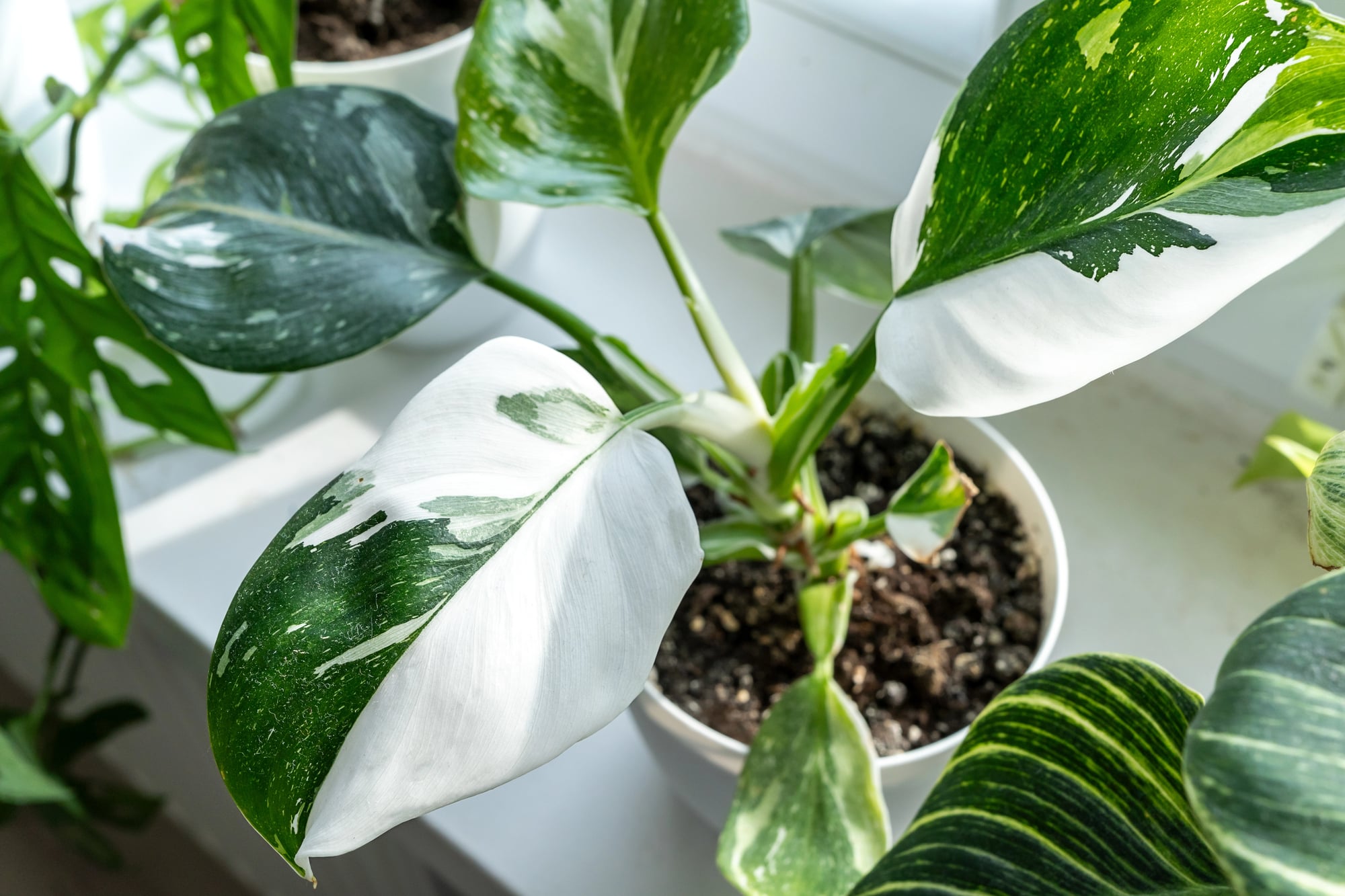
White Princess competes directly with Pink Princess but offers cream variegation instead of pink. The plant is slightly easier to maintain, and the white patterns tend to be more stable under varying light conditions.
Collectors often prefer it for its reliability, paying $150 to $400 for well-variegated specimens. The white sectors can take up significant portions of each leaf, creating dramatic contrast without the temperamental nature of pink variegation.
A safer investment that still delivers visual impact.
Beyond The Price Tags
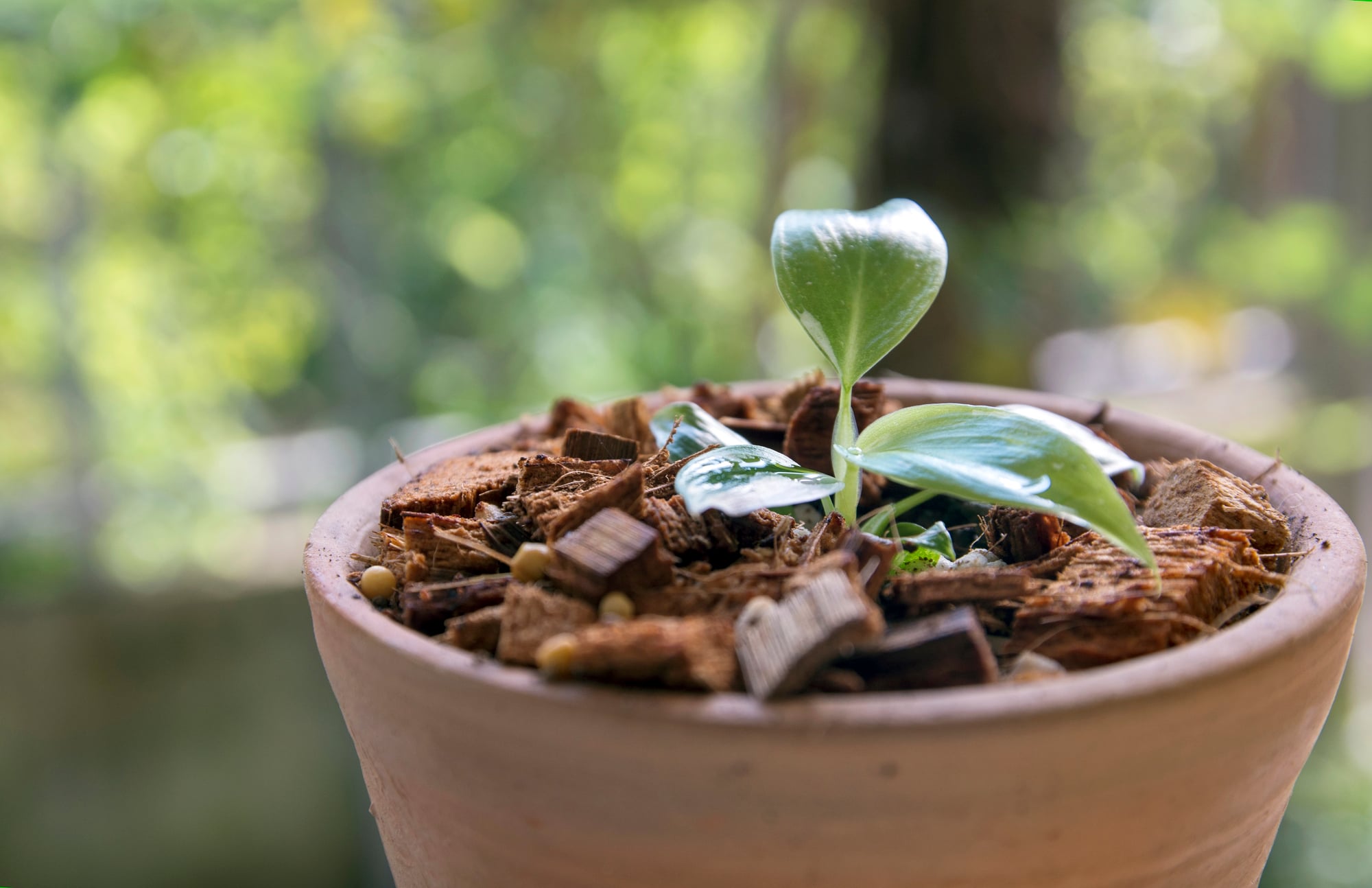
The expensive plant market reflects something deeper than simple collecting. These specimens become living investments, conversation pieces, and symbols of dedication to an increasingly sophisticated hobby.
The prices might seem absurd to outsiders, but they represent genuine scarcity meeting passionate demand in a market that values both rarity and beauty. Whether the bubble will burst remains to be seen.
But for now, collectors continue paying premium prices for plants that transform living spaces into curated botanical galleries. The money flows toward the unusual, the difficult, and the genuinely rare — exactly as it should in any serious collecting market.
More from Go2Tutors!

- The Romanov Crown Jewels and Their Tragic Fate
- 13 Historical Mysteries That Science Still Can’t Solve
- Famous Hoaxes That Fooled the World for Years
- 15 Child Stars with Tragic Adult Lives
- 16 Famous Jewelry Pieces in History
Like Go2Tutors’s content? Follow us on MSN.