Oldest Living Reptiles Documented By Zoologists
Time moves differently when you’re measuring life spans that stretch across centuries. While humans celebrate reaching 100, certain reptiles barely consider that middle age.
These ancient survivors carry histories written in their shells and scales — witnesses to events that happened before their current caretakers were even born.
The reptiles on this list aren’t just old; they represent something deeper about endurance and the quiet persistence of life. Some have been documented through meticulous records kept by generations of zookeepers, while others carry their age in growth rings and cellular markers that scientists can read like tree rings.
Each one challenges what we think we know about longevity.
Jonathan the Aldabra Giant Tortoise
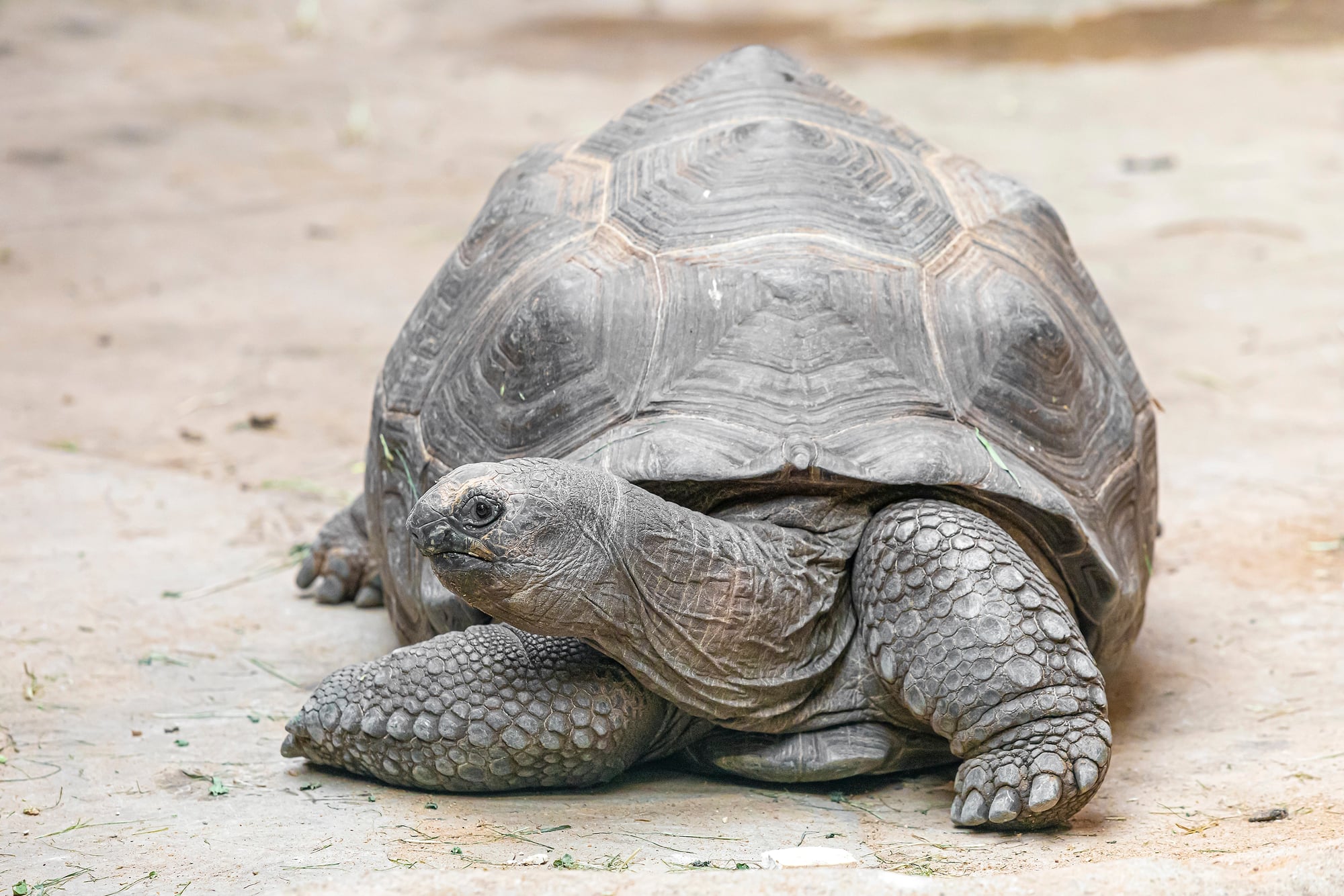
Jonathan holds the title without contest. Born around 1832, this Aldabra giant tortoise has lived through the entire Victorian era, two world wars, and the invention of everything from the telephone to the internet.
He’s been a resident of St. Helena since 1882.
The documentation of his age comes from historical photographs and records kept by the island’s governors. Jonathan was already considered mature when he arrived, which places his birth year in the early 1830s.
At over 190 years old, he’s not just the oldest reptile — he’s the oldest known living land animal on Earth.
Tu’i Malila the Radiated Tortoise
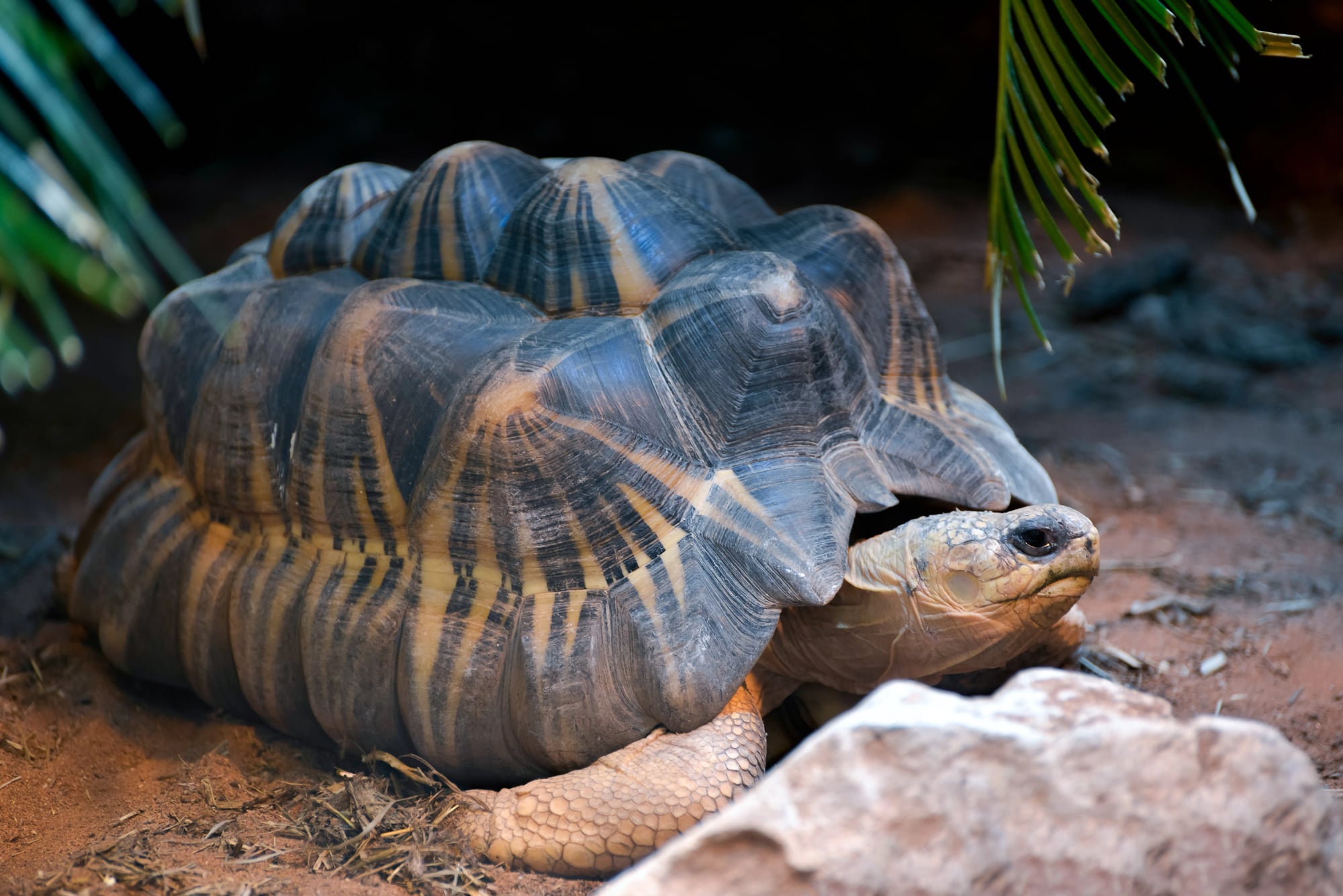
Tu’i Malila lived to be approximately 188 years old before passing in 1965, but her story matters because of how thoroughly documented her life was. Captain James Cook supposedly gave her to the Tongan royal family in the 1770s, and she became a beloved fixture of the palace grounds for nearly two centuries.
What makes Tu’i Malila’s case compelling is the chain of custody — she passed from the Cook expedition to Tongan royalty, with her presence noted in official records, photographs, and countless firsthand accounts. Her shell was preserved and studied, confirming the age estimates through growth pattern analysis.
Kiki the Aldabra Giant Tortoise
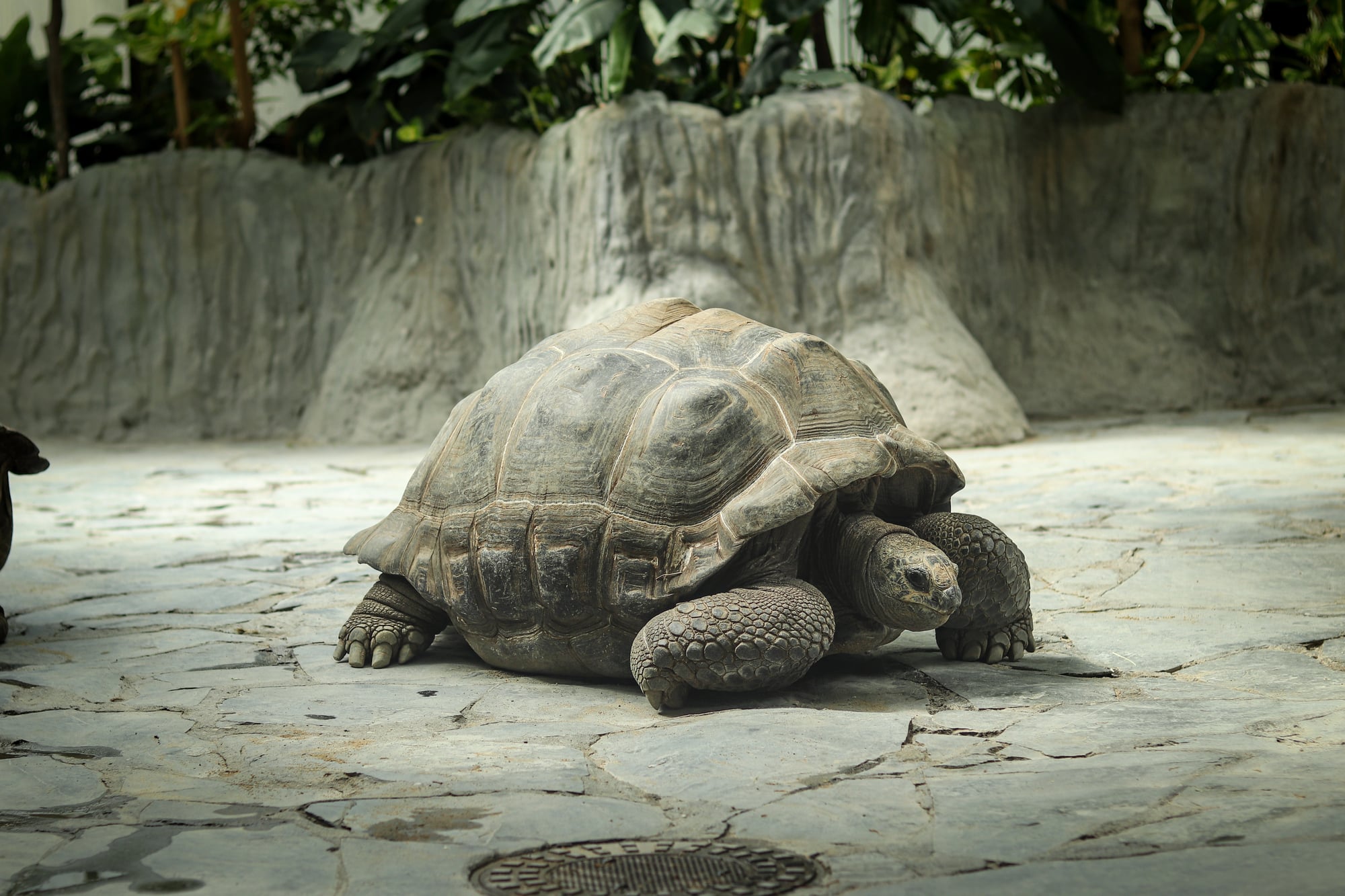
Kiki represents the modern era of reptile age documentation. Born around 1845, this tortoise has spent most of his life at the Honolulu Zoo, where careful records have been maintained since his arrival in the early 1900s.
He’s currently estimated to be around 178 years old.
But here’s what’s interesting about Kiki’s case (and what separates it from the more famous examples): his age has been cross-referenced using multiple methods, including shell scute counting, growth rate calculations, and historical shipping records from when giant tortoises were commonly transported between islands. The convergence of these data points gives researchers confidence in their estimates — which is saying something in a field where age claims often rest on shaky foundations.
Harriet the Galápagos Tortoise
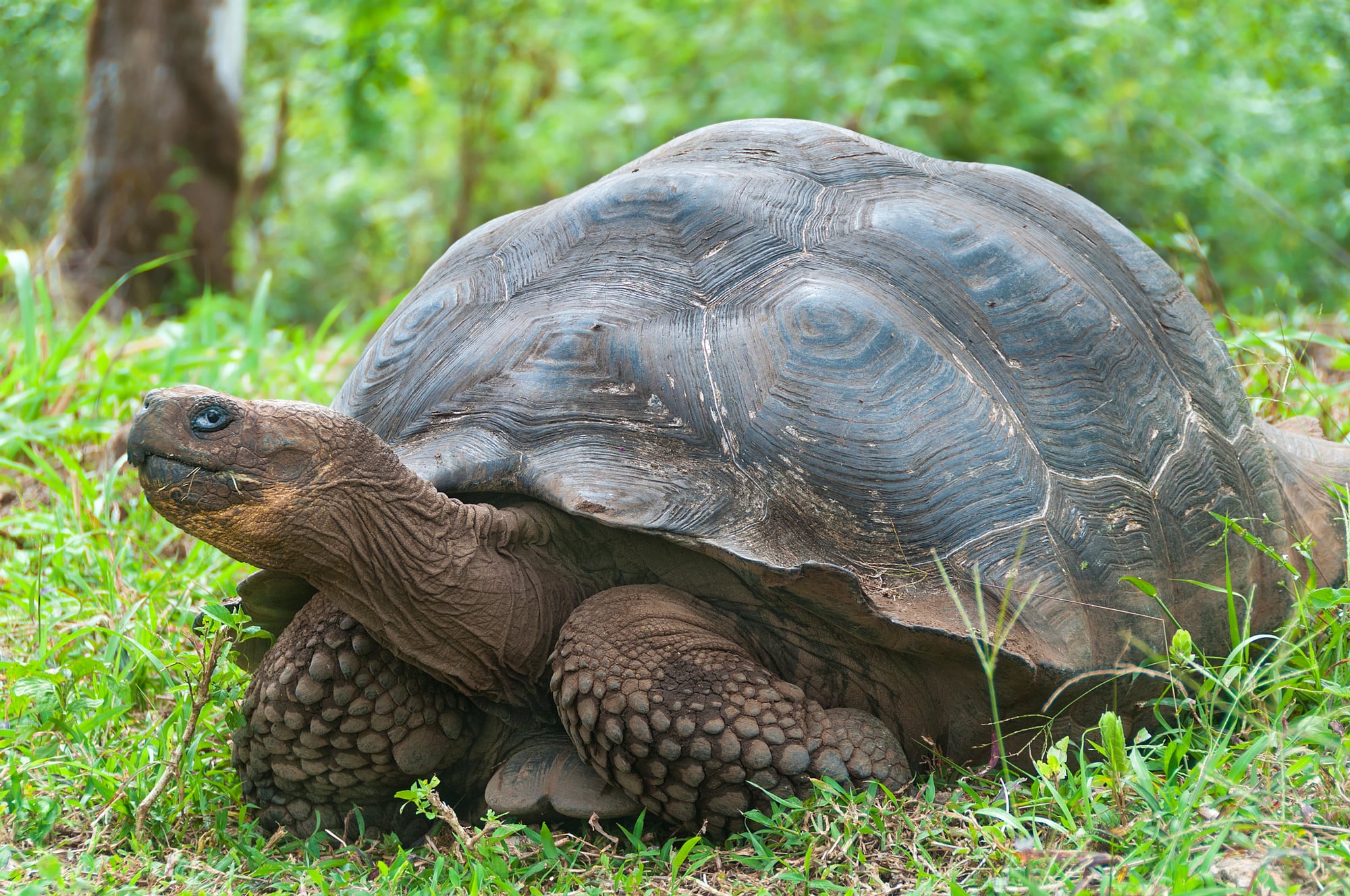
Harriet’s story reads like a fable about scientific celebrity, complete with misunderstandings that persisted for decades before anyone bothered to check the facts. For years, Australia Zoo claimed she was collected by Charles Darwin himself during his famous voyage on the Beagle, which would have made her not just ancient but historically significant in ways that transcend mere longevity.
Turns out Darwin never collected her — genetic testing revealed she was from an island he never visited. But the real story is more interesting anyway.
Harriet lived to be approximately 175 years old, dying in 2006, and her longevity was documented through careful veterinary records, growth measurements, and environmental enrichment studies that spanned multiple generations of zookeepers. She became a case study in geriatric reptile care, teaching researchers about the medical needs of extremely elderly tortoises.
Adwaita the Aldabra Giant Tortoise
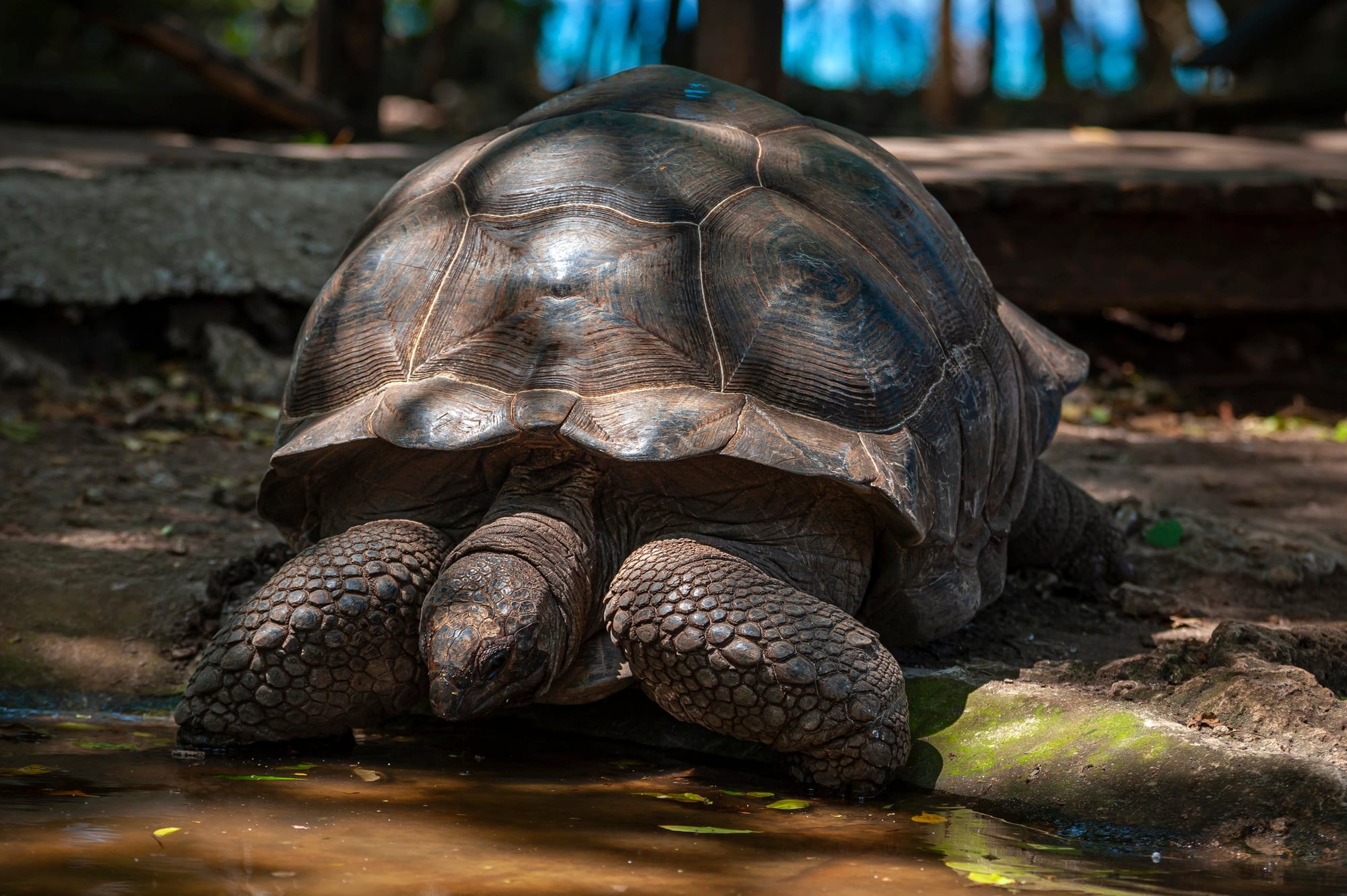
Age claims in the reptile world often sound like fishing stories — each telling makes the number a little bigger. Adwaita’s case demonstrates this perfectly.
When he died in 2006 at the Calcutta Zoo, initial estimates put his age at over 250 years, which would have made him older than the United States.
Carbon dating of his shell brought the number down to a more reasonable 150-255 years. Still ancient, still impressive, but the range reveals how difficult precise aging becomes when you’re dealing with animals that outlive the people trying to study them.
Esmeralda the Aldabra Giant Tortoise
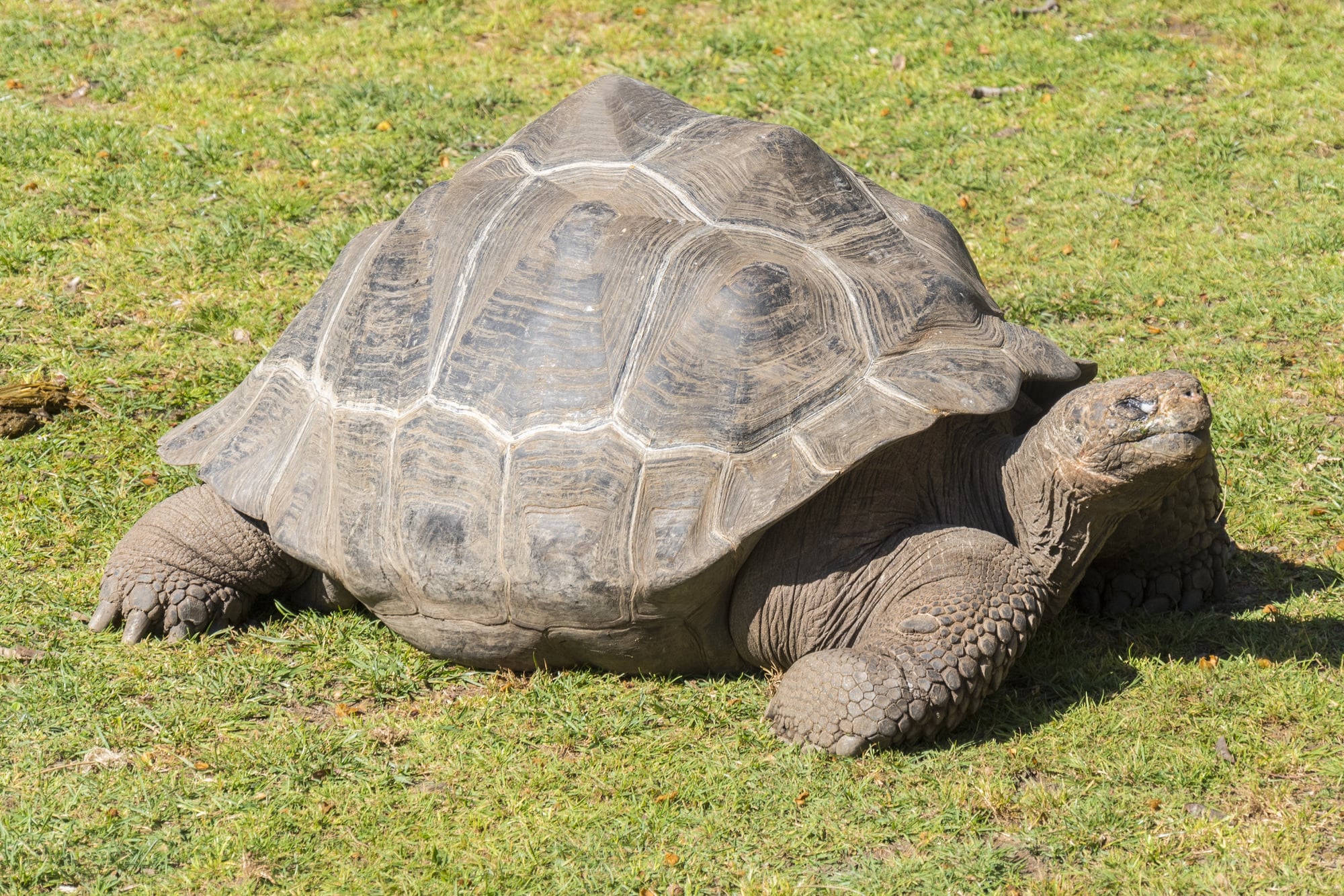
Living on Bird Island in Seychelles, Esmeralda weighs over 670 pounds and is estimated to be around 170 years old. What makes her case noteworthy isn’t just the age — it’s the environment where that aging has taken place.
Unlike zoo tortoises with controlled diets and veterinary care, Esmeralda has lived her entire documented life in a semi-wild state. She grazes freely, experiences natural weather patterns, and follows seasonal behaviors that captive tortoises never develop.
Her longevity suggests something important about the relationship between natural living conditions and reptilian aging that researchers are still trying to understand.
Timothy the Mediterranean Spur-Thighed Tortoise
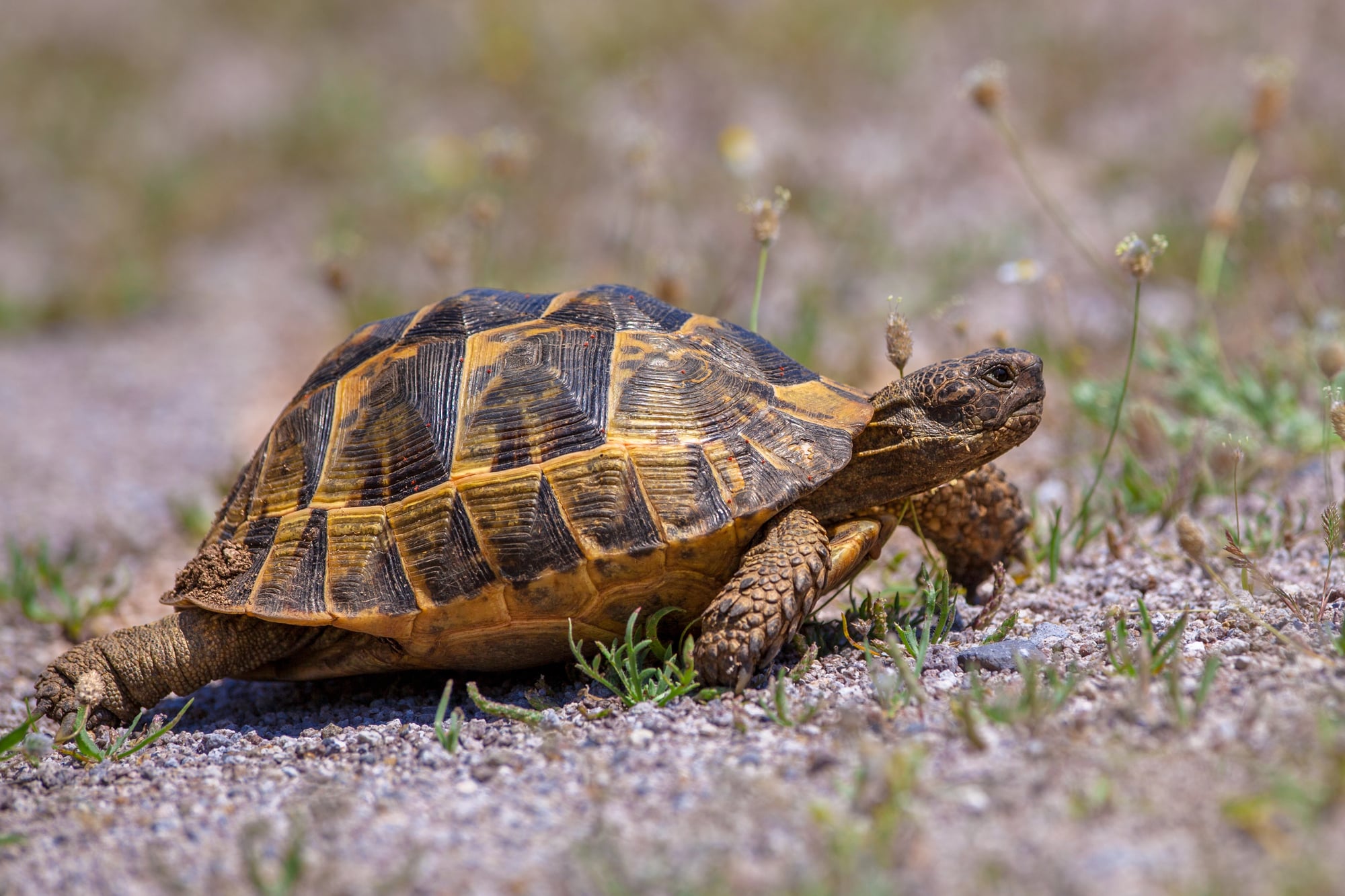
Timothy’s fame comes from military service rather than record-breaking age. She (despite the male name) served as a mascot aboard various Royal Navy ships during the Crimean War and lived to be approximately 160 years old before dying in 2004.
The naval records provide unusually detailed documentation of her life, including health observations, dietary notes, and even behavioral descriptions written by sailors who had nothing better to do during long voyages. These records give researchers a rare glimpse into the long-term care and feeding of a tortoise across multiple decades — information that proves valuable for understanding optimal husbandry practices for geriatric reptiles.
Henry the Tuatara
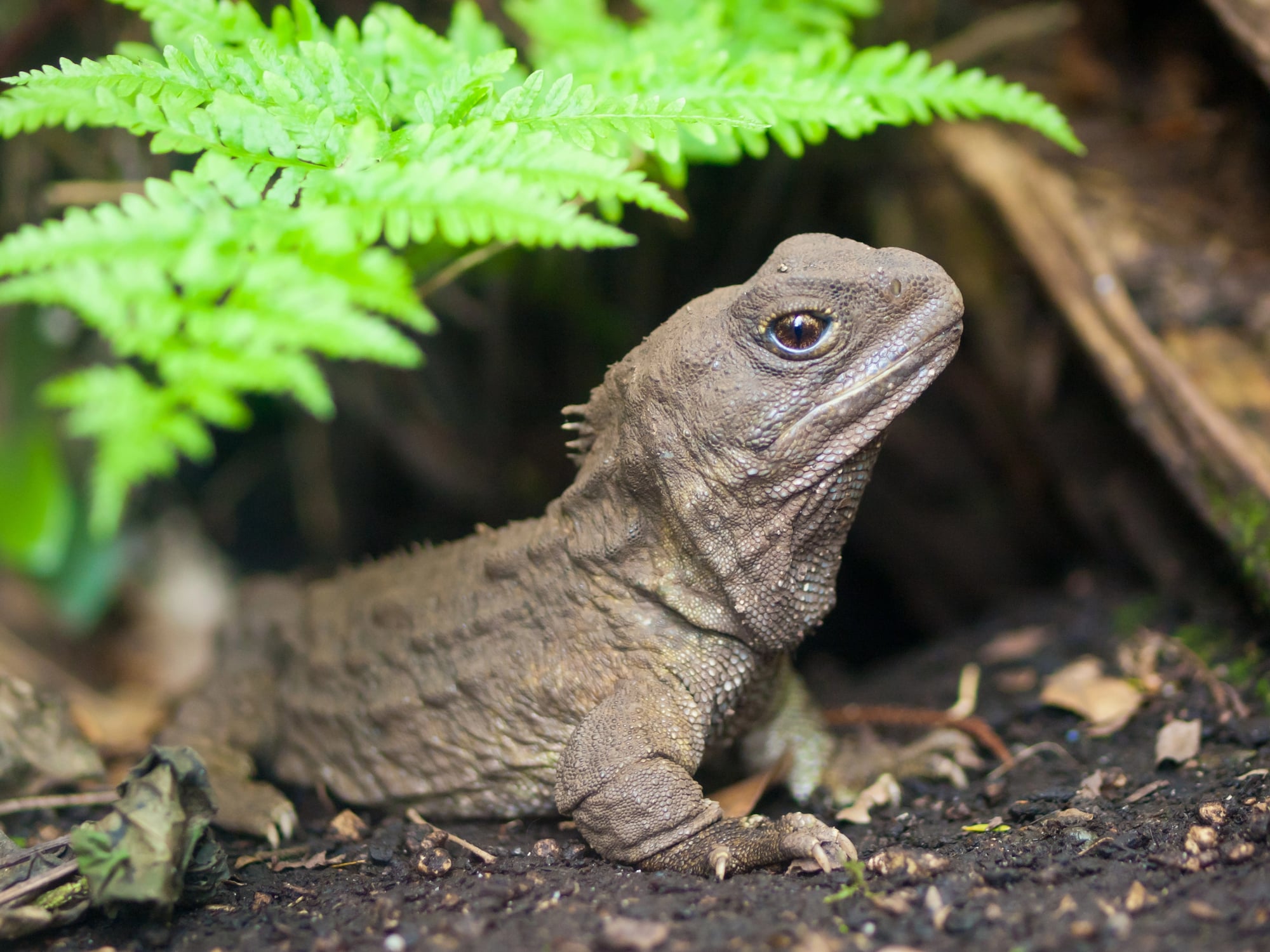
Henry breaks the pattern here because tuataras are a distinct lineage of reptiles, often called ‘living fossils’ for their unique features and ancient origins. Living at the Southland Museum in New Zealand, Henry is estimated to be around 120 years old.
Tuataras grow slowly and mature late — Henry didn’t become sexually active until he was over 100. His breeding success at such an advanced age has provided researchers with crucial data about the reproductive longevity of ancient reptilian lineages and challenged assumptions about aging and fertility in long-lived species.
Big Bertha the Galápagos Tortoise
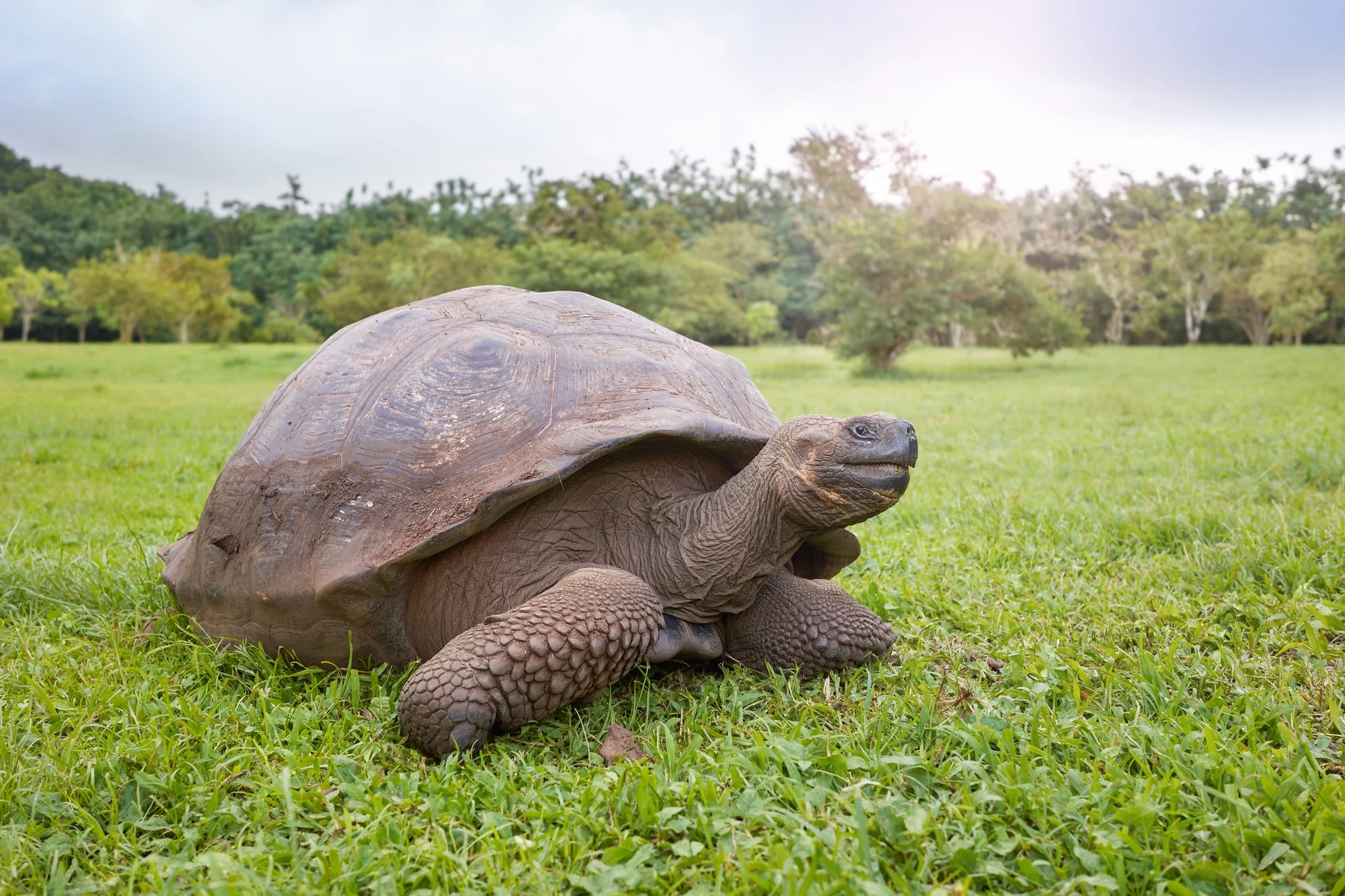
Big Bertha spent decades at the San Antonio Zoo before her death in 2018 at approximately 120 years old. What distinguished her case was the meticulous record-keeping that tracked not just her age, but her health, behavior, and social interactions across nearly a century of life.
The zoo documented her dietary preferences (she loved hibiscus flowers), her seasonal activity patterns, and her responses to environmental changes. When she finally developed age-related health issues, veterinarians had decades of baseline data to reference — creating a medical case study that will inform geriatric reptile care for years to come.
She became, inadvertently, one of the most thoroughly studied examples of extreme longevity in captive reptiles.
Speed the Galápagos Tortoise
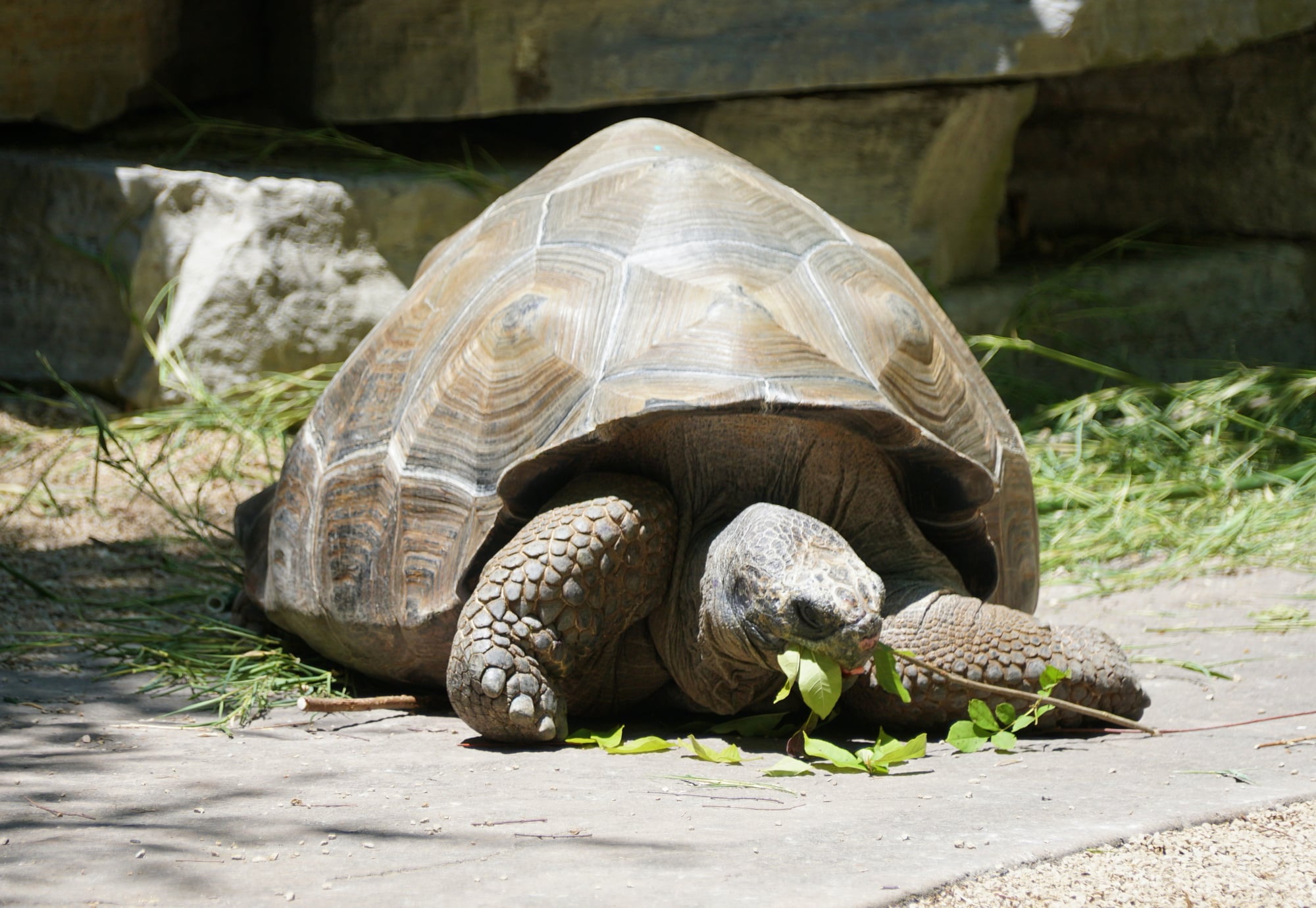
Speed lived at the San Diego Zoo and reached approximately 150 years old before his death in 2015. His case illustrates how modern zookeeping practices have evolved to support extremely long-lived animals across multiple human generations.
The zoo’s records show how Speed’s care changed as understanding of tortoise nutrition, habitat requirements, and social needs developed over the decades. Early in his captivity, he was housed alone on bare ground and fed a simple diet.
By the end of his life, he lived in a naturalistic habitat with companion tortoises, varied enrichment activities, and a carefully balanced diet that supported his advanced age.
Lonesome George’s Contemporaries
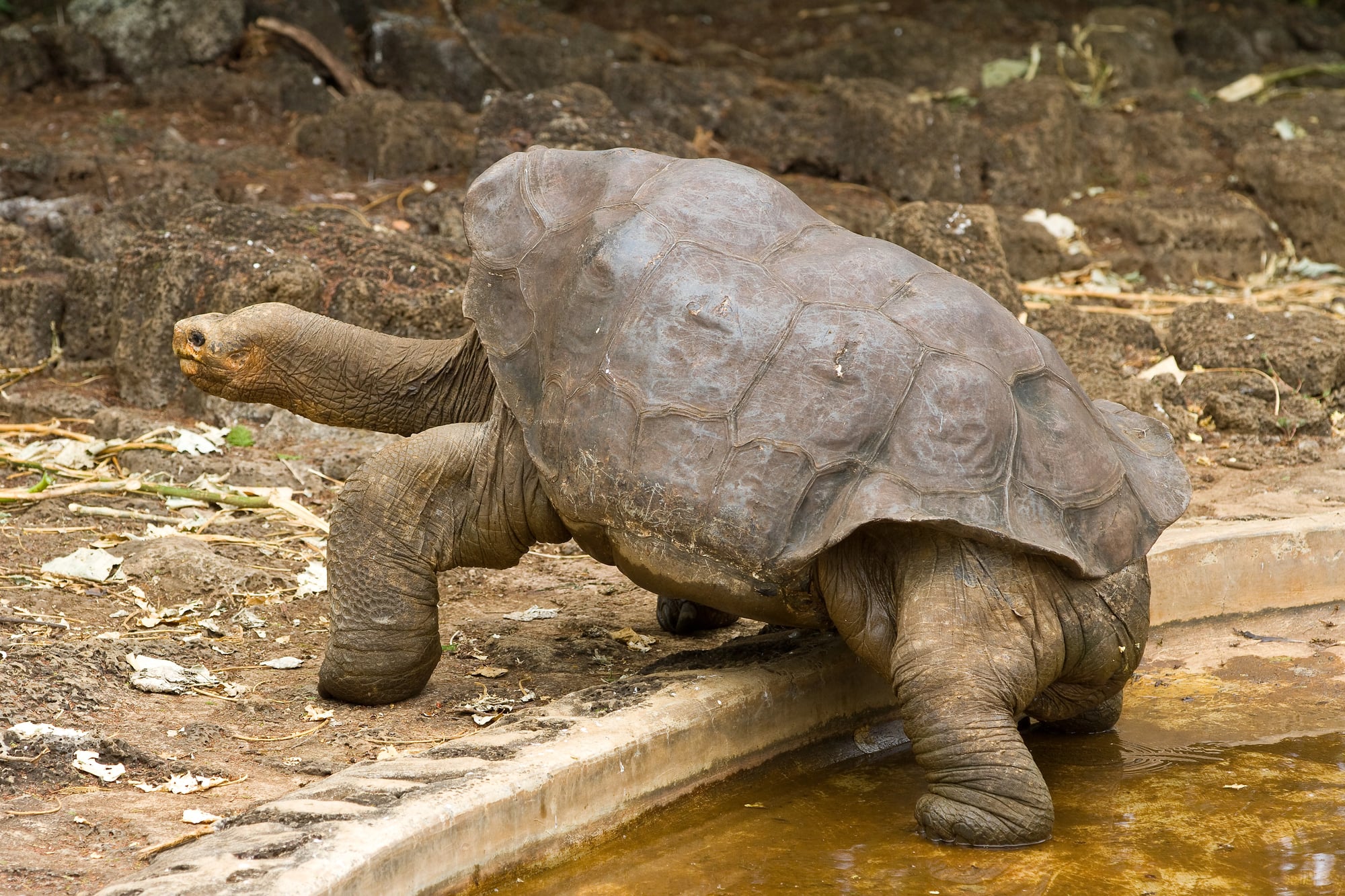
While Lonesome George became famous as the last of his subspecies, several of his contemporary Galápagos tortoises continue to live at research stations and zoos around the world. These tortoises, born in the early to mid-1900s, represent the last generation of truly wild-born Galápagos giants.
Their ages are estimated through historical collection records, growth measurements, and comparison with known-age individuals. Most are now between 80 and 120 years old — mere youngsters compared to the ancient individuals on this list, but significant because they bridge the gap between wild populations and modern conservation efforts.
The Ancient Chinese Softshell Turtles
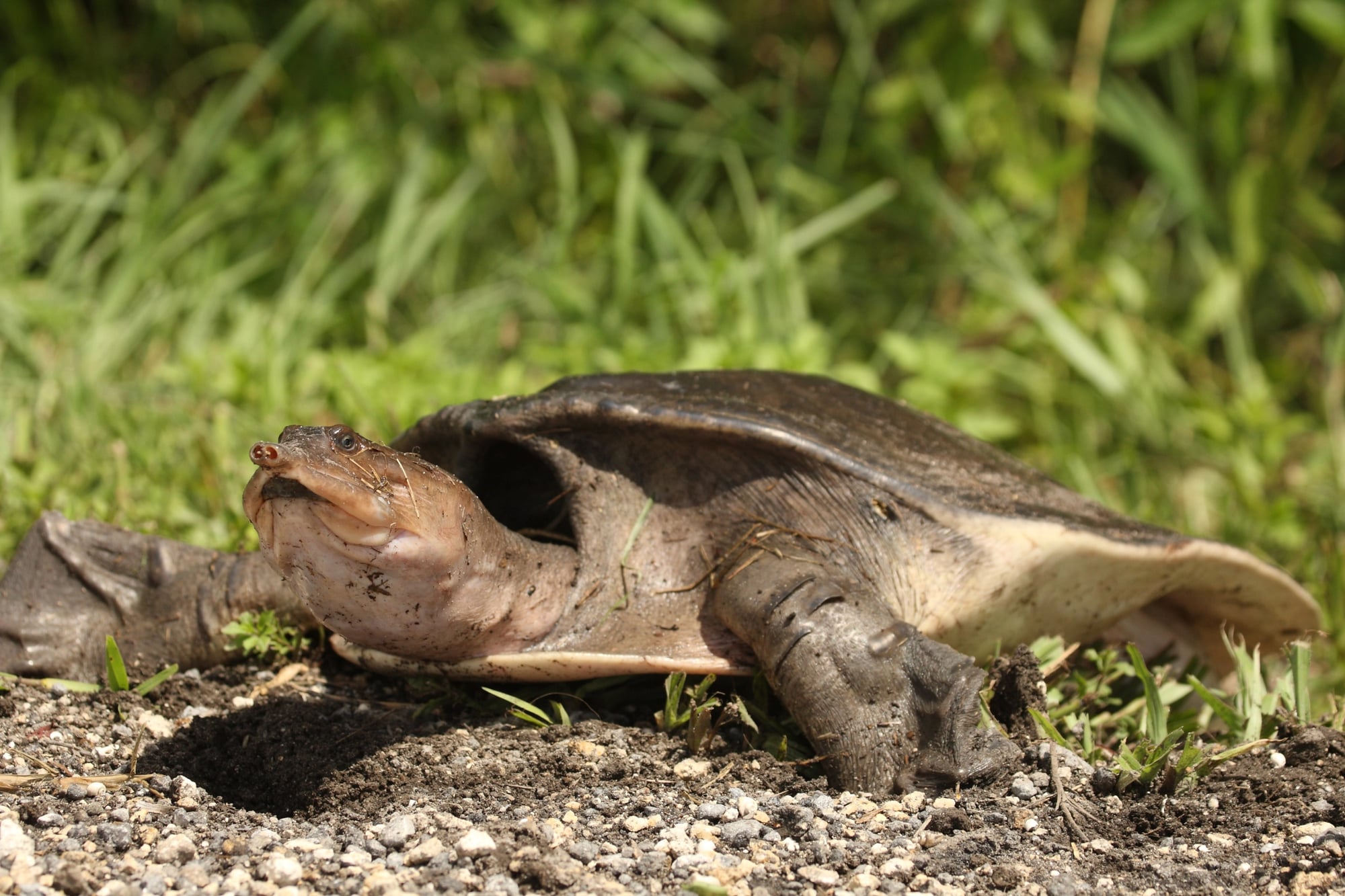
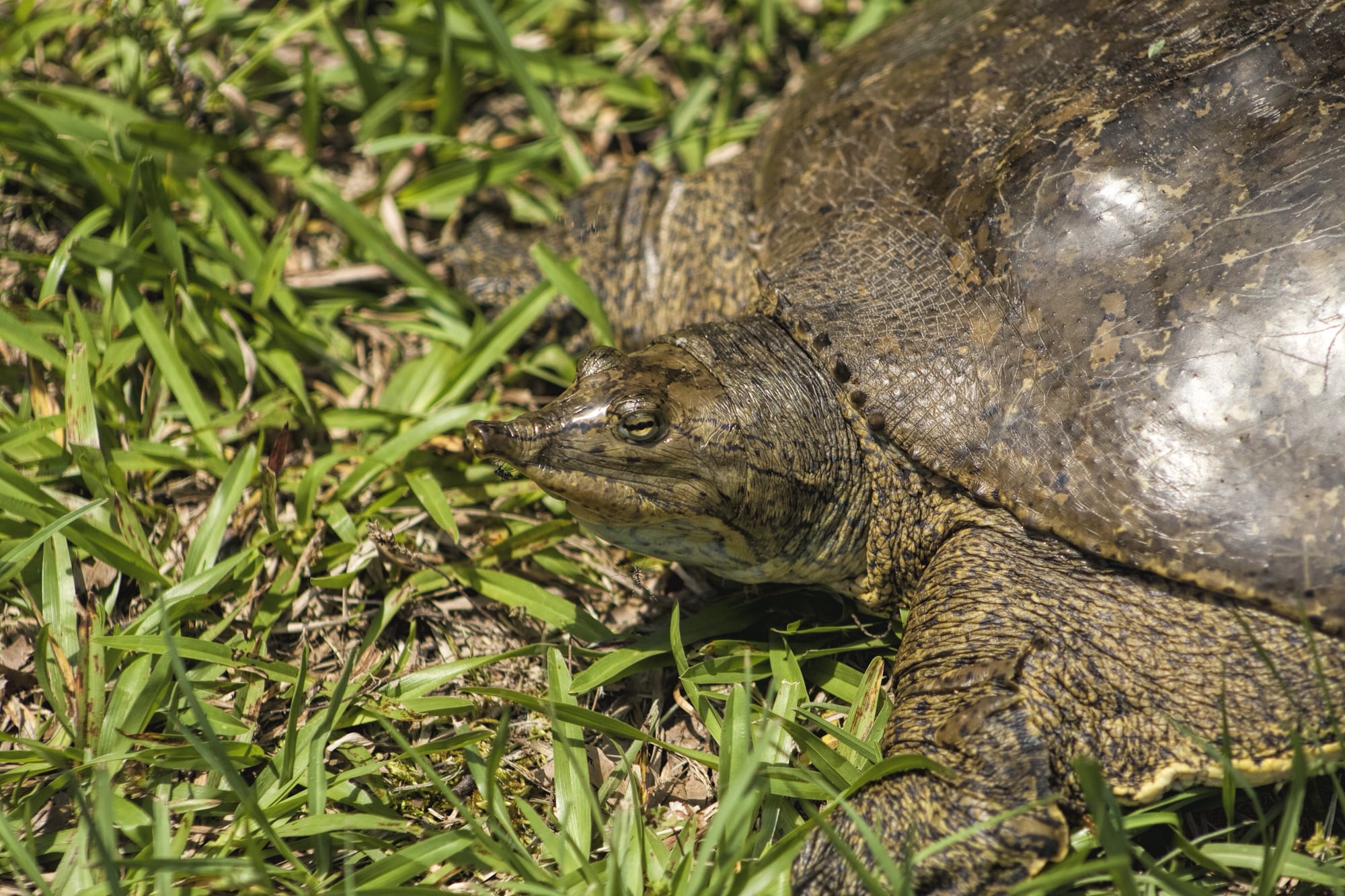
Several extremely old Chinese softshell turtles live in temple ponds throughout Asia, where they’ve been venerated and protected for generations. Age estimates for these individuals range from 100 to over 400 years, though the higher numbers remain unverified.
The challenge with temple turtles is separating folklore from fact. Local traditions often inflate ages, and the turtles themselves show few reliable external indicators of extreme age.
Recent efforts to study these animals using non-invasive techniques like growth ring analysis and genetic markers are beginning to provide more reliable data about their actual lifespans.
Documentation Challenges in the Modern Era
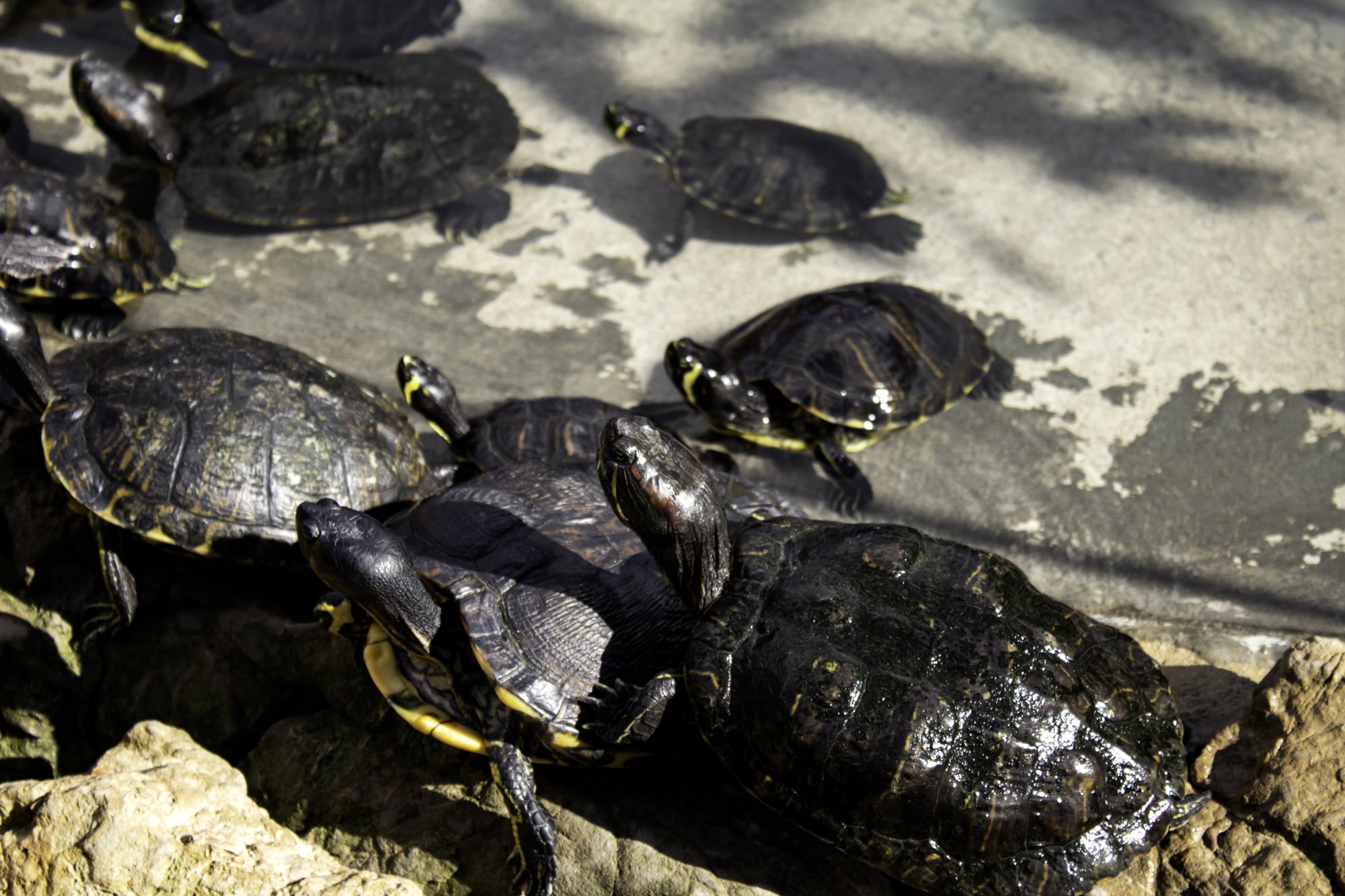
The reptiles on this list represent the intersection of longevity and human record-keeping. Their documented ages depend on institutional memory, careful note-taking, and the dedication of multiple generations of caretakers who understood they were custodians of something remarkable.
Modern zookeeping has embraced more sophisticated documentation methods — digital databases, genetic markers, and advanced veterinary monitoring that will give future researchers better tools for aging extremely old reptiles. But the current record-holders achieved their status through simpler means: handwritten logbooks, historical photographs, and the patient observation of people who recognized they were witnessing something extraordinary.
The gap between what we can prove and what we suspect about reptilian longevity continues to narrow, one carefully documented year at a time.
Living Witnesses to History
These ancient reptiles occupy a unique space in our understanding of time and memory. They’ve outlived the people who first cared for them, witnessed technological revolutions, and adapted to changing environments while maintaining the same basic behaviors their ancestors exhibited millions of years ago.
Their extreme longevity forces us to reconsider what we think we know about aging, adaptation, and the quiet persistence of life in forms that measure time differently than we do.
More from Go2Tutors!

- The Romanov Crown Jewels and Their Tragic Fate
- 13 Historical Mysteries That Science Still Can’t Solve
- Famous Hoaxes That Fooled the World for Years
- 15 Child Stars with Tragic Adult Lives
- 16 Famous Jewelry Pieces in History
Like Go2Tutors’s content? Follow us on MSN.