Fastest Military Helicopters Deployed In Combat
When the mission demands getting there first, military aviation engineers push the boundaries of what rotorcraft can achieve. Speed in military helicopters isn’t just about bragging rights or technical specifications—it’s about saving lives, completing objectives, and returning home safely.
The difference between 150 mph and 200 mph can mean the difference between mission success and catastrophe. These machines represent decades of innovation, countless hours of testing, and lessons learned from real combat deployments.
Each one has proven itself not just on drawing boards or test ranges, but in the chaos and unpredictability of actual warfare.
Westland Lynx
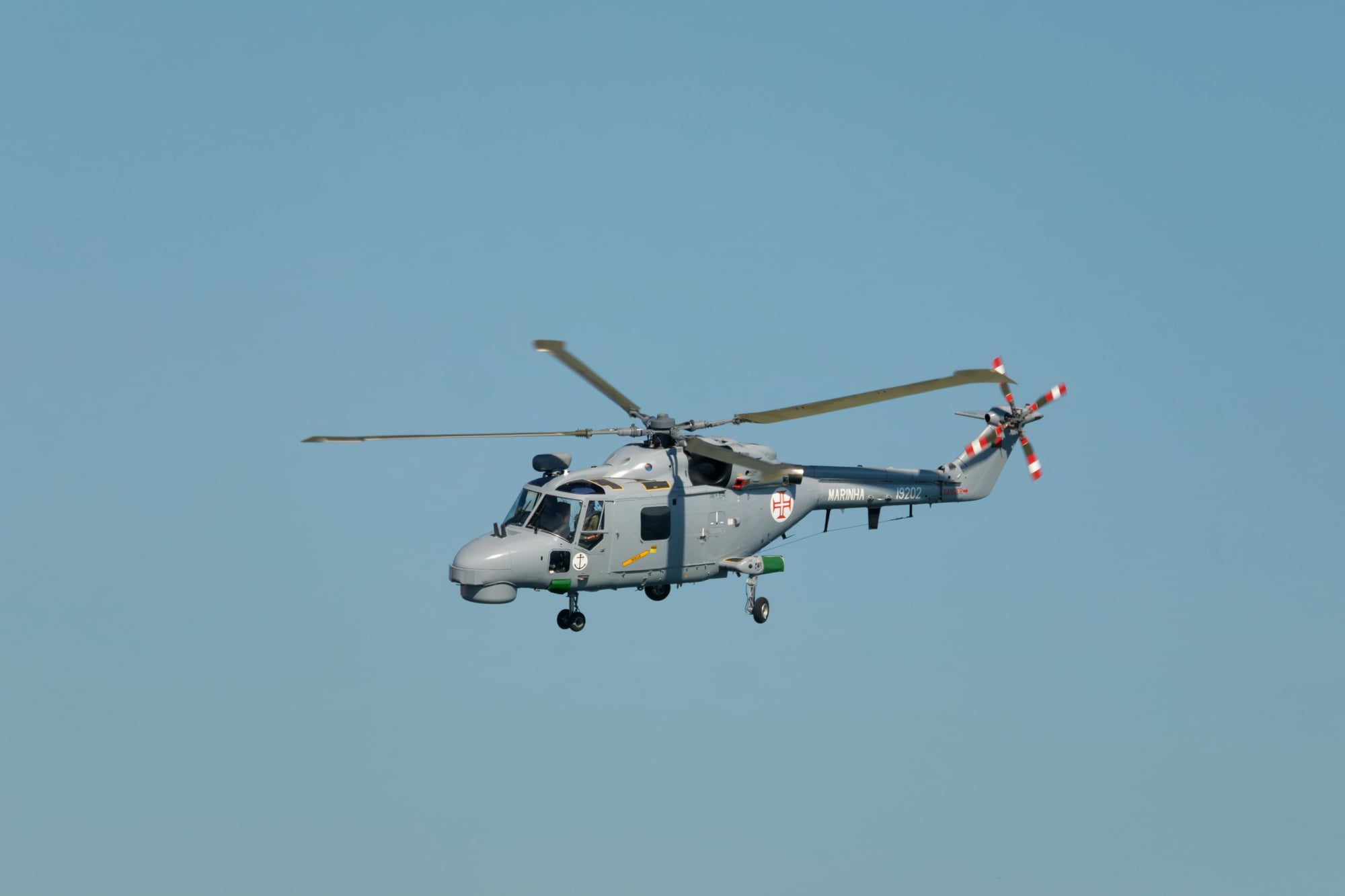
The Lynx doesn’t mess around. This British-built helicopter held the world speed record for conventional helicopters at 249 mph for over three decades.
That’s not a typo. Built for reconnaissance and anti-tank missions, the Lynx carved out a reputation in the Falklands War and countless other deployments.
Fast, agile, and reliable when it counts.
Boeing AH-64 Apache
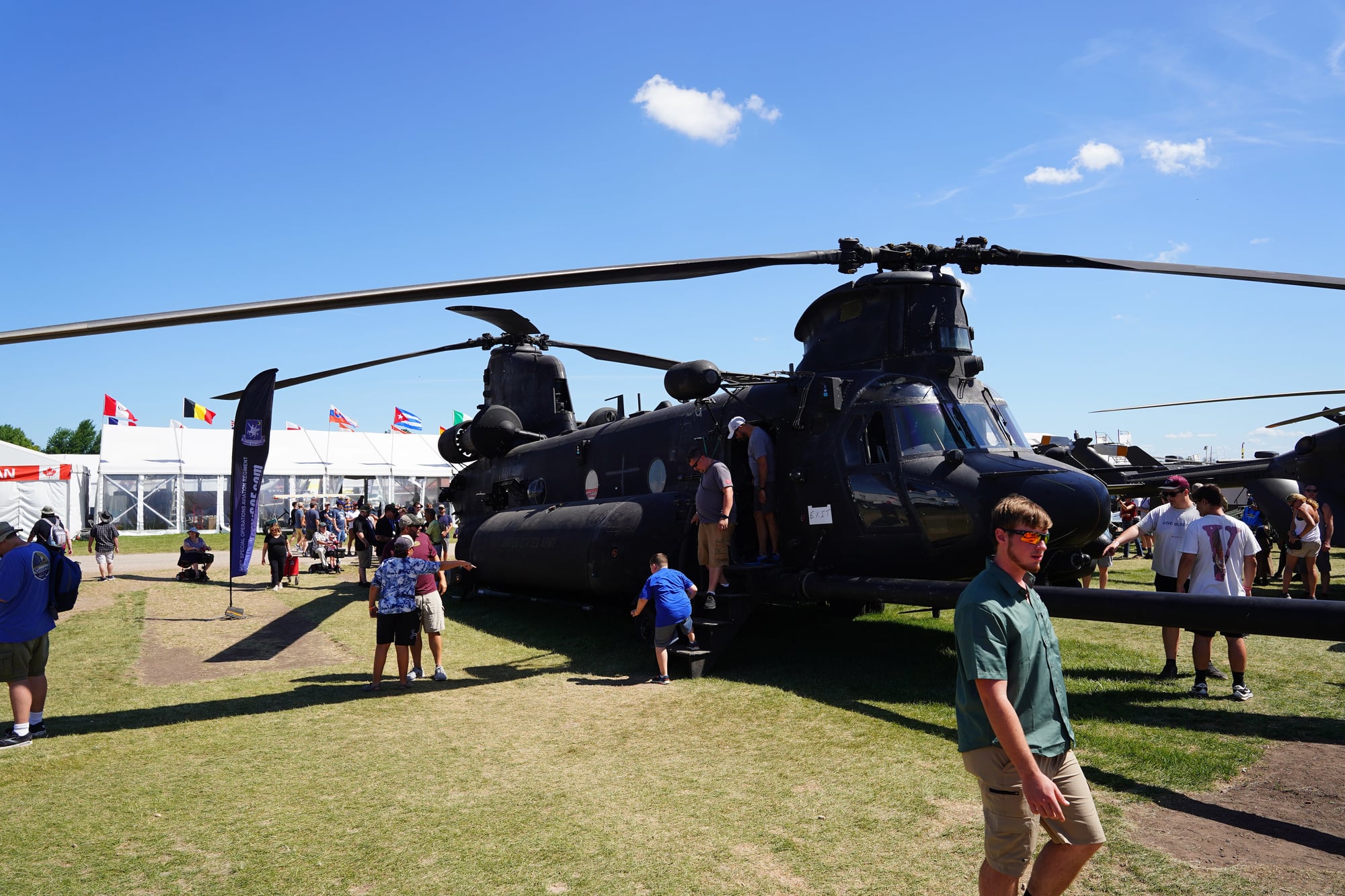
You’ve probably seen Apache footage (those grainy green night-vision videos that pop up on news broadcasts during conflicts), but what the cameras don’t capture is just how deceptively quick these attack helicopters actually are—and by quick, we’re talking about a machine that can hit 182 mph while carrying enough firepower to level a city block, which is saying something when you consider that most people assume attack helicopters prioritize armor and weapons over speed. The thing is built like a flying tank.
Yet it moves. So when Apache pilots talk about “getting on station fast,” they’re not exaggerating—these machines close distance in ways that catch ground forces off guard, appearing over ridgelines or around urban corners with a suddenness that contradicts their bulk.
And the psychological effect of that speed, combined with the distinctive sound of Apache rotors, tends to end firefights before they properly begin.
Mil Mi-24 Hind
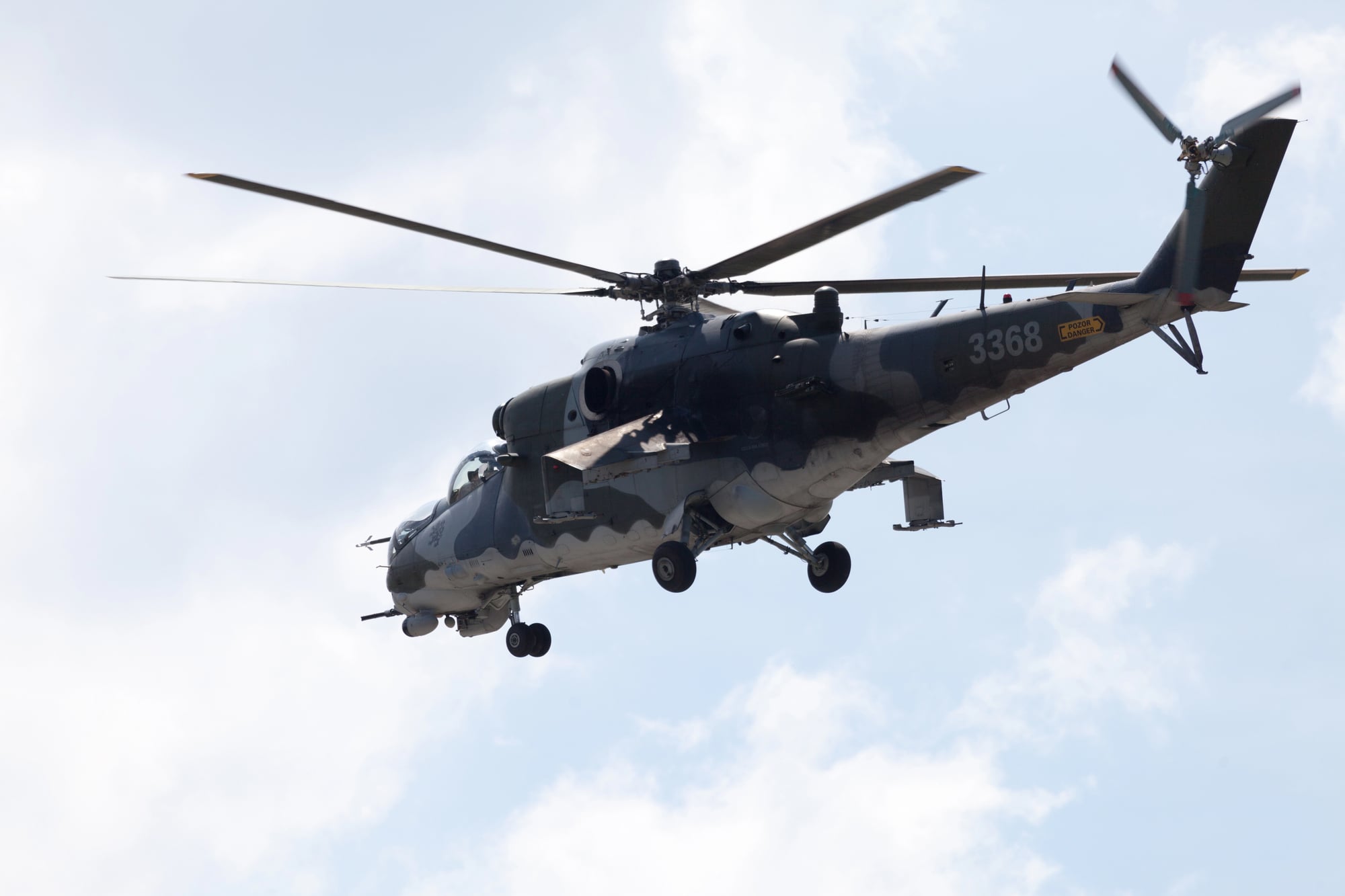
There’s something almost medieval about the Hind—a flying fortress that shouldn’t move as quickly as it does. Soviet engineers approached helicopter design like they approached most military problems: build it heavy, build it tough, and make it fast enough to surprise people.
At 208 mph, the Hind moves through combat zones with the confidence of something that knows it can take a hit and keep flying. Pilots describe it as flying a weaponized bus, except the bus can outrun most of what’s shooting at it.
The design philosophy shows in every line: function over form, intimidation over elegance.
Sikorsky UH-60 Black Hawk
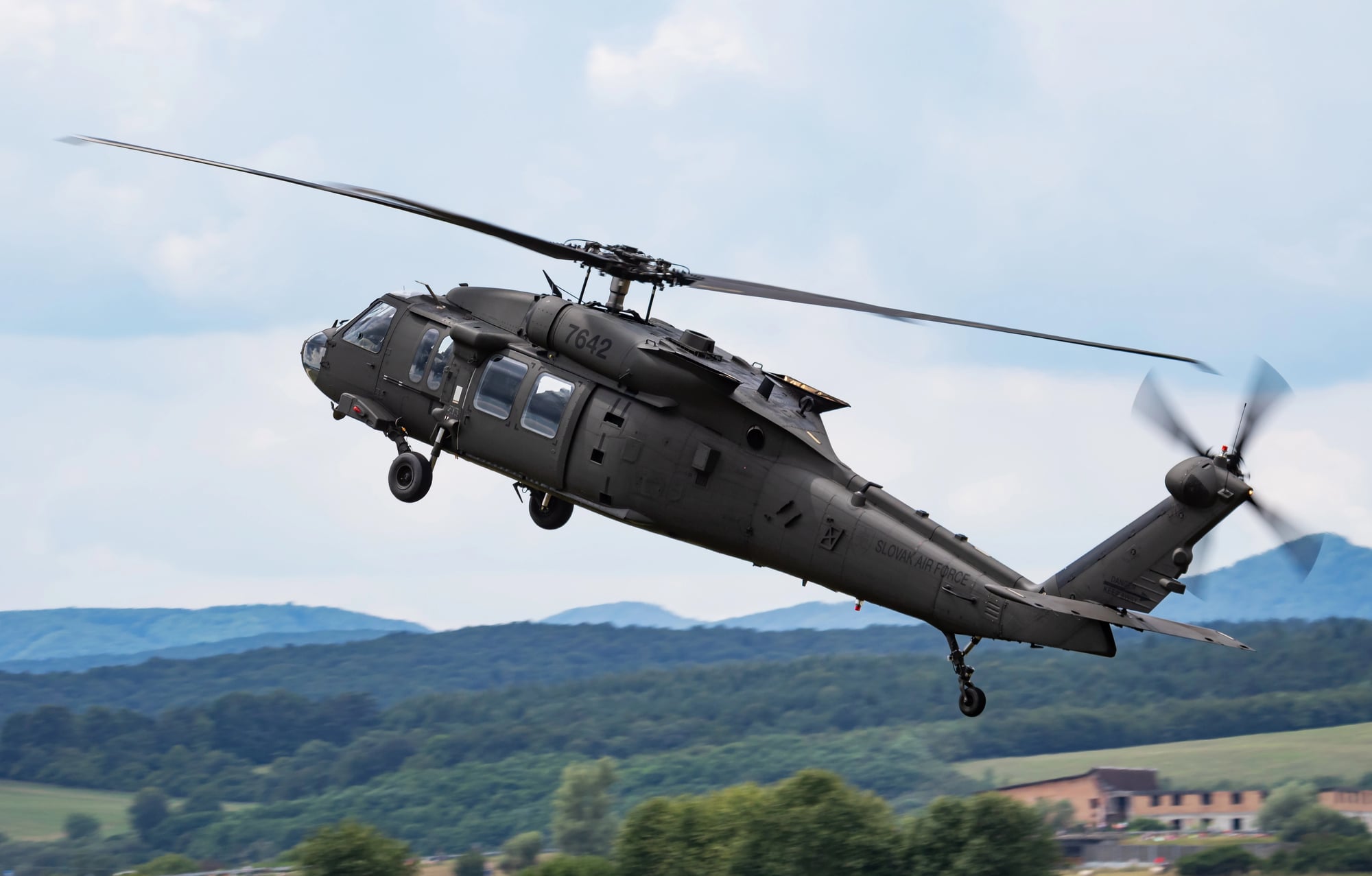
The Black Hawk gets no credit for being fast. Everyone knows it as the reliable workhorse, the helicopter that shows up everywhere from disaster zones to combat insertions, but rarely gets mentioned when people talk about speed demons.
Turns out reliability and speed aren’t mutually exclusive. The UH-60 hits 183 mph, which puts it ahead of aircraft that get far more attention for their velocity.
There’s something quietly satisfying about a machine that does everything well without making a fuss about any of it. The Black Hawk just shows up, does the job, and flies home—quickly.
Bell AH-1Z Viper
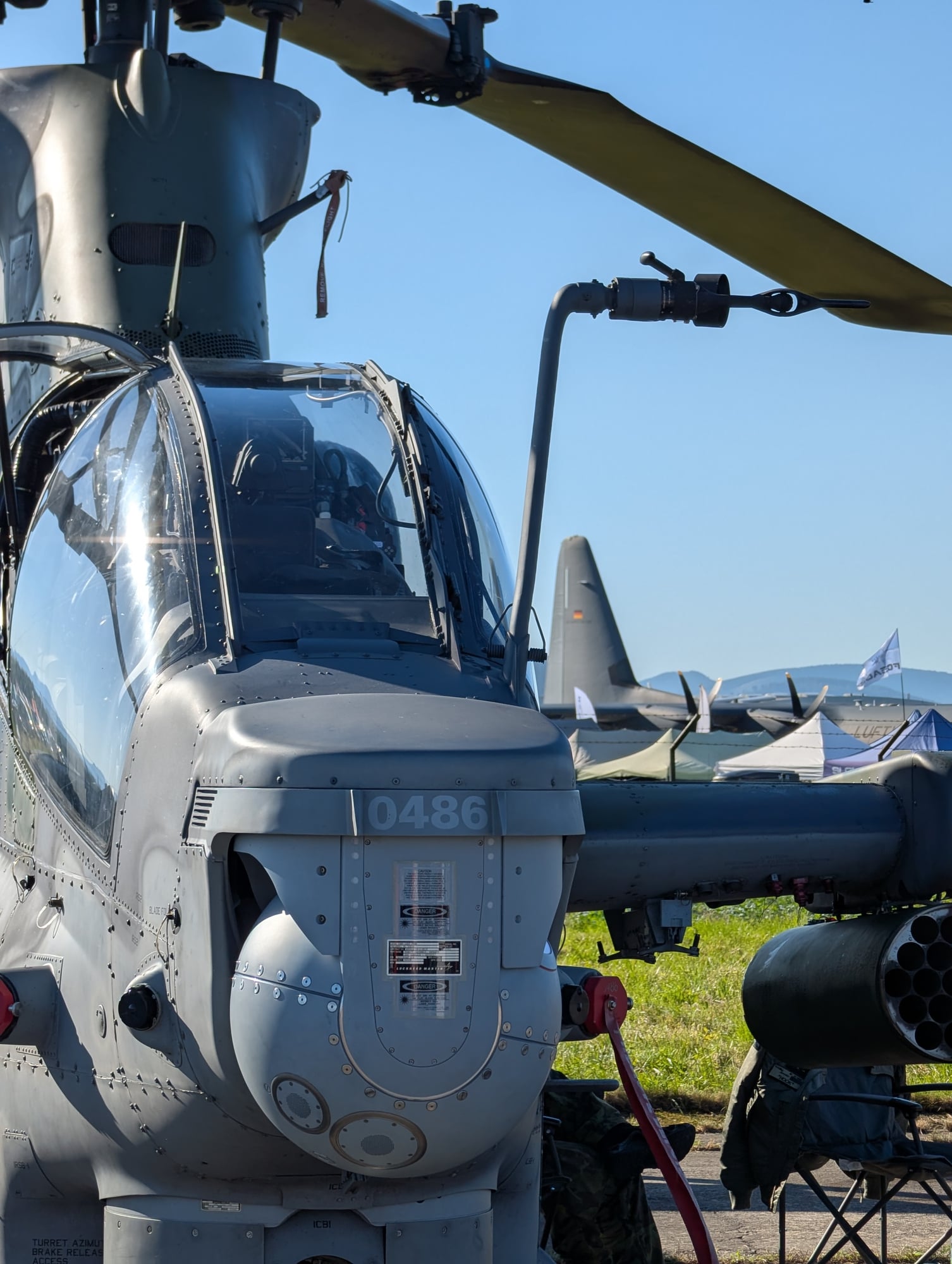
The Viper carries the lineage of the first dedicated attack helicopters, but modernized into something that would make its predecessors seem quaint. Four-blade rotors spin above a frame that’s been refined through decades of combat feedback and engineering iteration.
Speed here serves precision—the ability to position, strike, and reposition before enemy forces can properly respond. At 219 mph, the Viper doesn’t just move fast; it relocates entire tactical situations.
Pilots talk about the helicopter not just as transportation, but as a way to bend time and distance in their favor.
Kamov Ka-52 Alligator
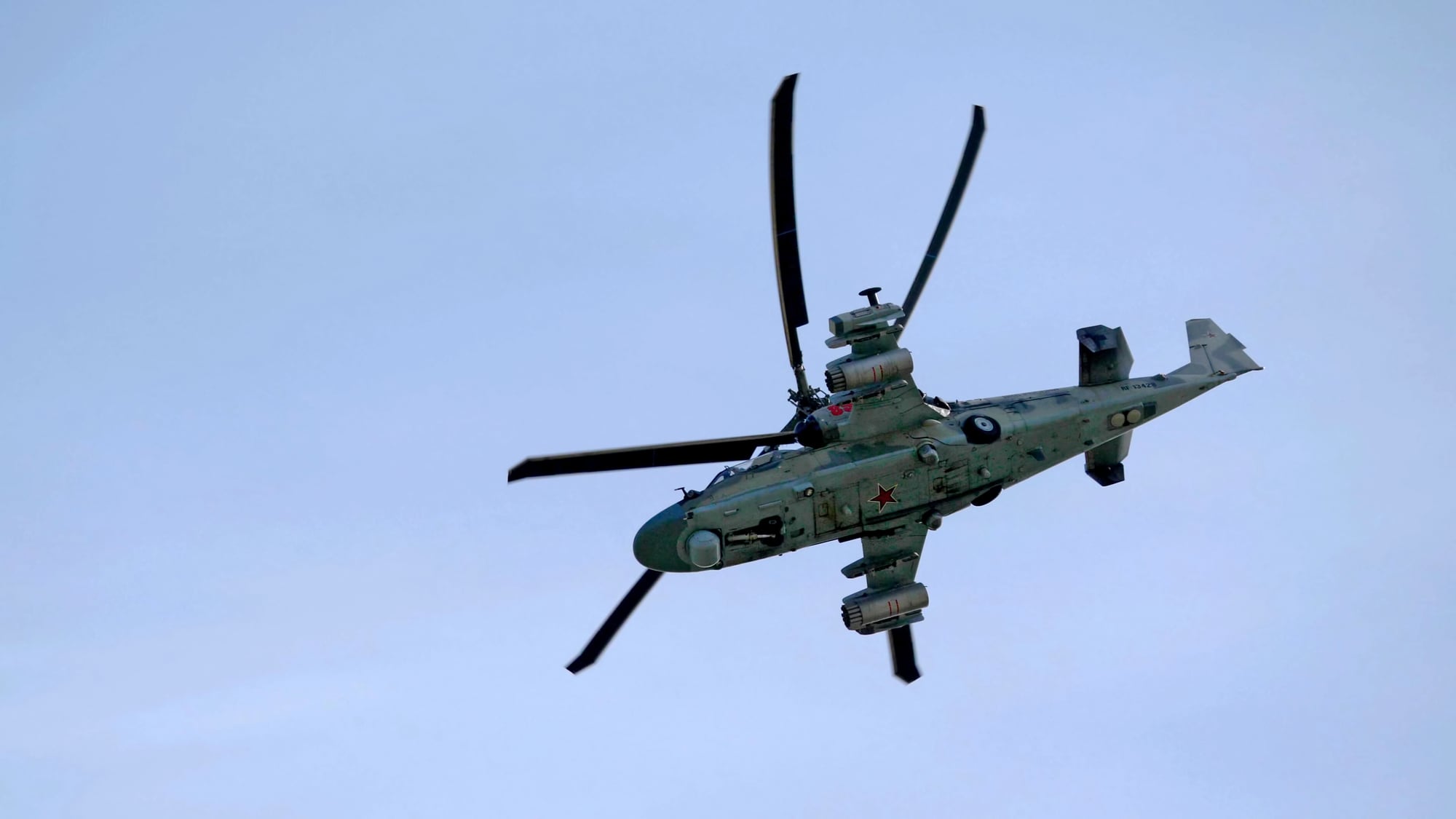
Russian engineers took a different path with the Ka-52: counter-rotating rotors that eliminate the need for a tail rotor entirely (which turns out to free up a lot of power for forward motion, something Western designers are still catching up to), and the result is a machine that hits 196 mph while maintaining the kind of agility that makes traditional helicopters look clumsy by comparison.
Coaxial rotors. Side-by-side seating for pilots.
So the Alligator moves through three-dimensional space differently than its competitors—tighter turns, quicker reversals, acceleration that catches people off guard.
And the speed isn’t just straight-line velocity; it’s the ability to change direction and speed vectors in ways that conventional helicopters simply can’t match.
Eurocopter Tiger
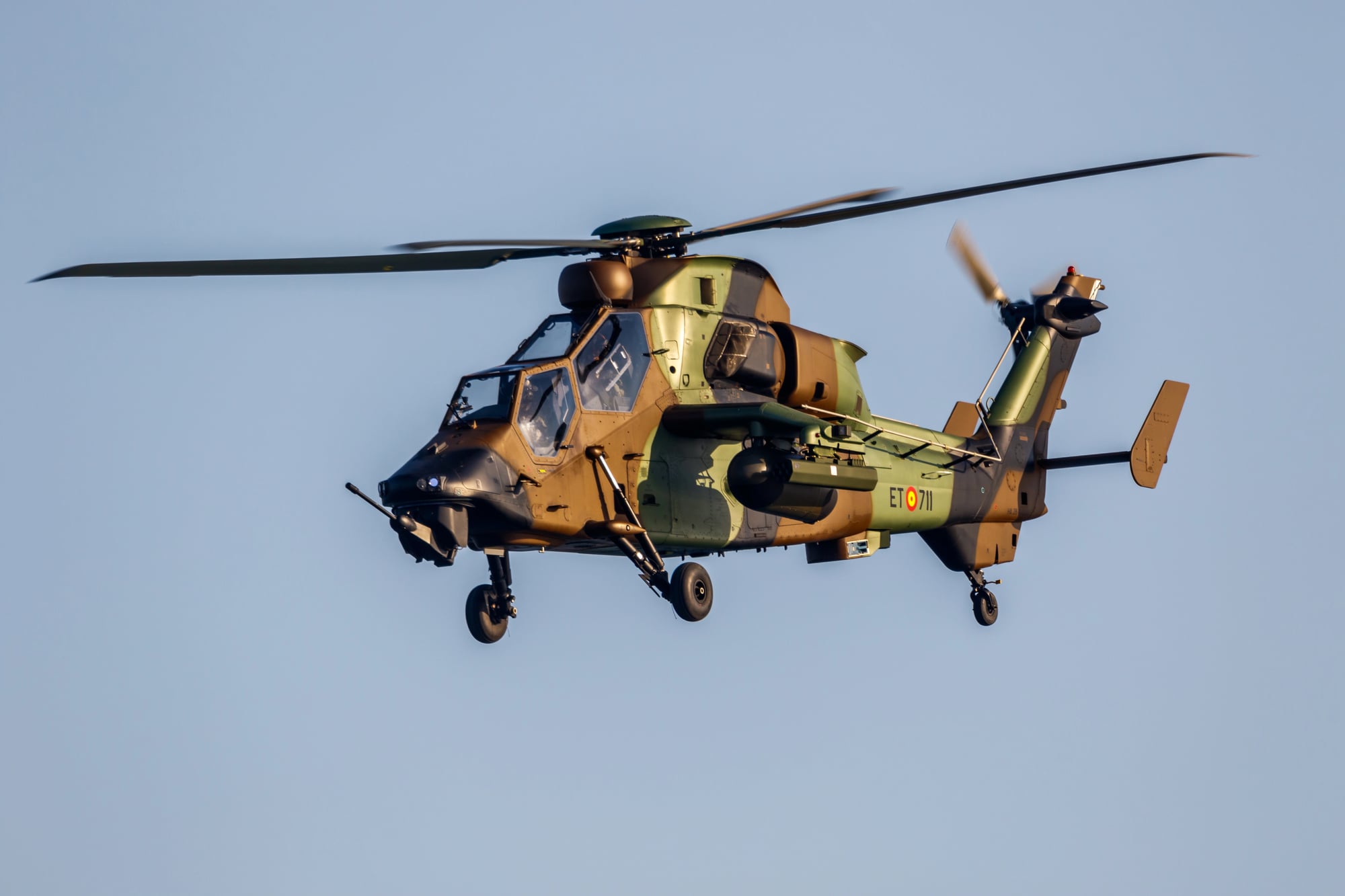
European engineering tends toward precision rather than brute force, and the Tiger reflects that philosophy perfectly. Built as a joint French-German project, it combines the methodical German approach to reliability with French flair for aerodynamic elegance.
The result moves at 180 mph with a smoothness that pilots describe as almost eerie. No vibration, no struggle against the air—just clean, efficient speed that feels more like piloting a sports car than wrestling with a military helicopter.
The Tiger proves that fast doesn’t have to mean rough.
Boeing CH-47 Chinook
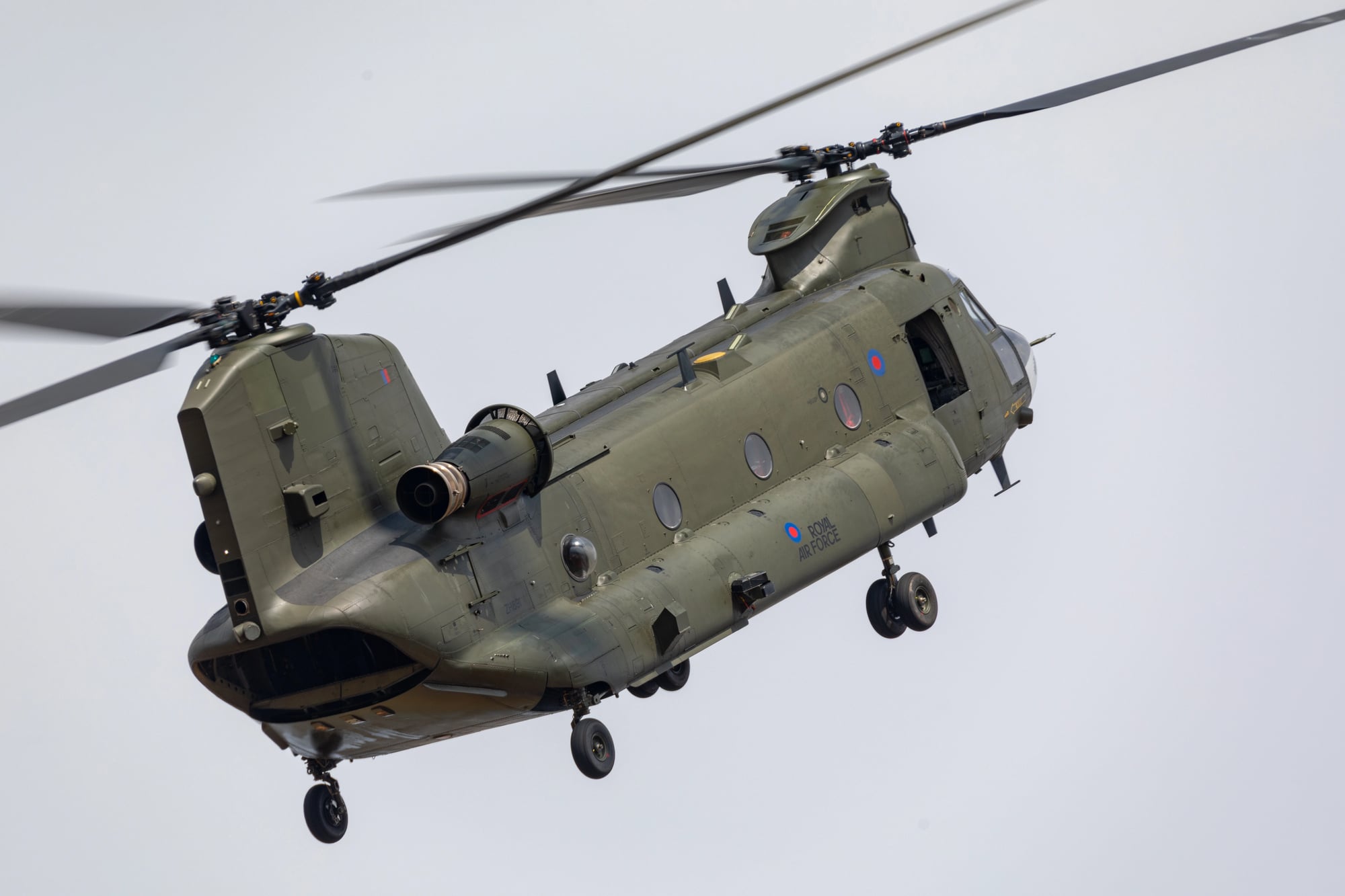
The Chinook shouldn’t be fast. Two massive rotors, a body built for hauling cargo and troops, the aerodynamics of a shipping container with propellers—everything about its design suggests slow and steady utility work.
Instead, it hits 196 mph while carrying loads that would ground other helicopters entirely. The twin-rotor design that looks so ungainly actually provides massive lift and forward thrust efficiency.
Chinook pilots develop a particular swagger, knowing they’re flying something that defies expectations in the best possible way.
Mil Mi-28 Havoc
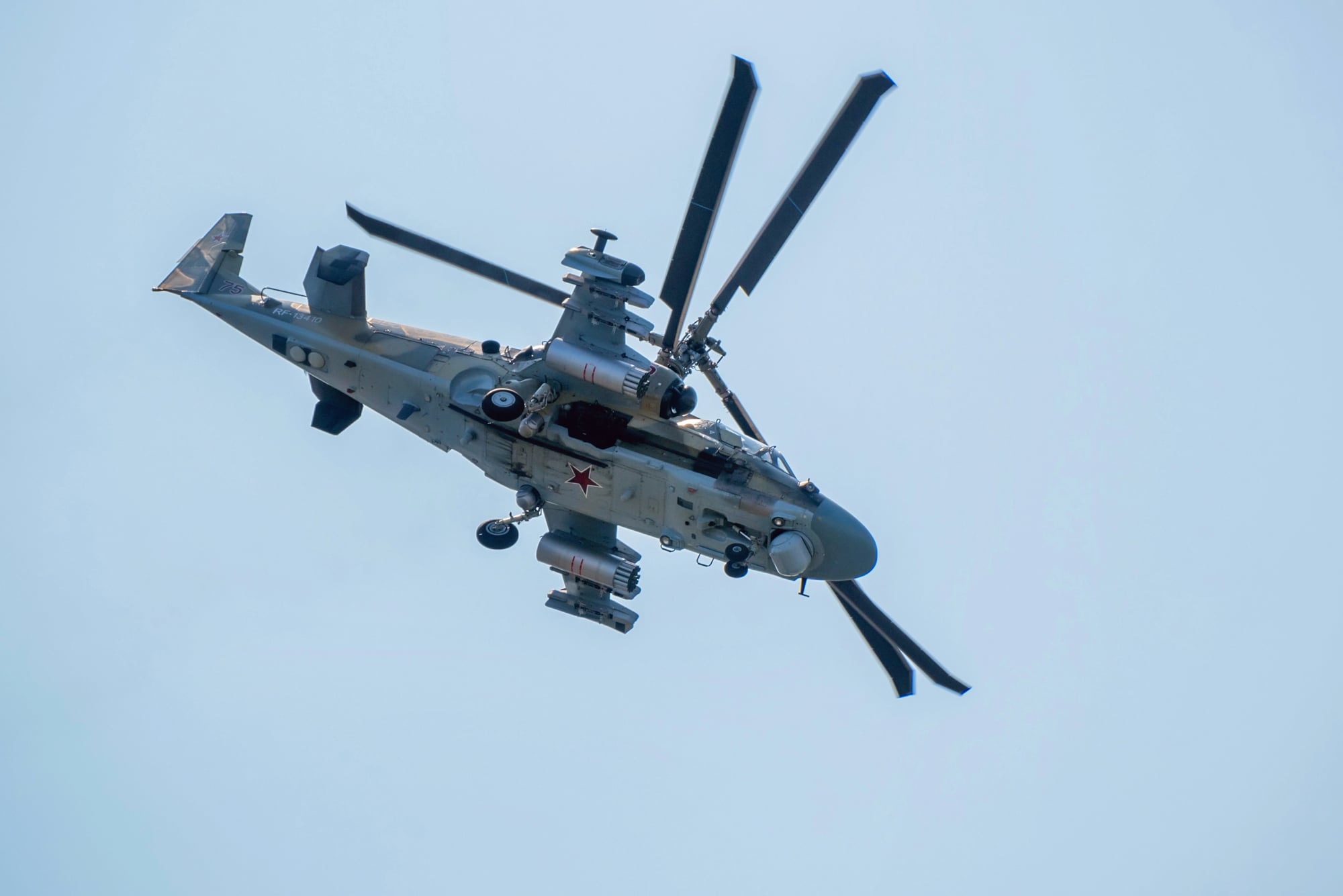
The Havoc represents Russian attack helicopter design stripped down to its essential elements: speed, firepower, and survivability (though not necessarily in that order, depending on who’s asking and what the mission parameters happen to be).
At 186 mph, it moves with the kind of aggressive purpose that makes other aircraft seem hesitant by comparison. Built as a direct competitor to Western attack helicopters, the Mi-28 reflects a design philosophy that prioritizes getting to the fight quickly and hitting hard once there.
But the speed serves a larger tactical purpose—the ability to control engagement ranges and timing, to fight on favorable terms rather than getting drawn into prolonged exchanges.
AgustaWestland Apache
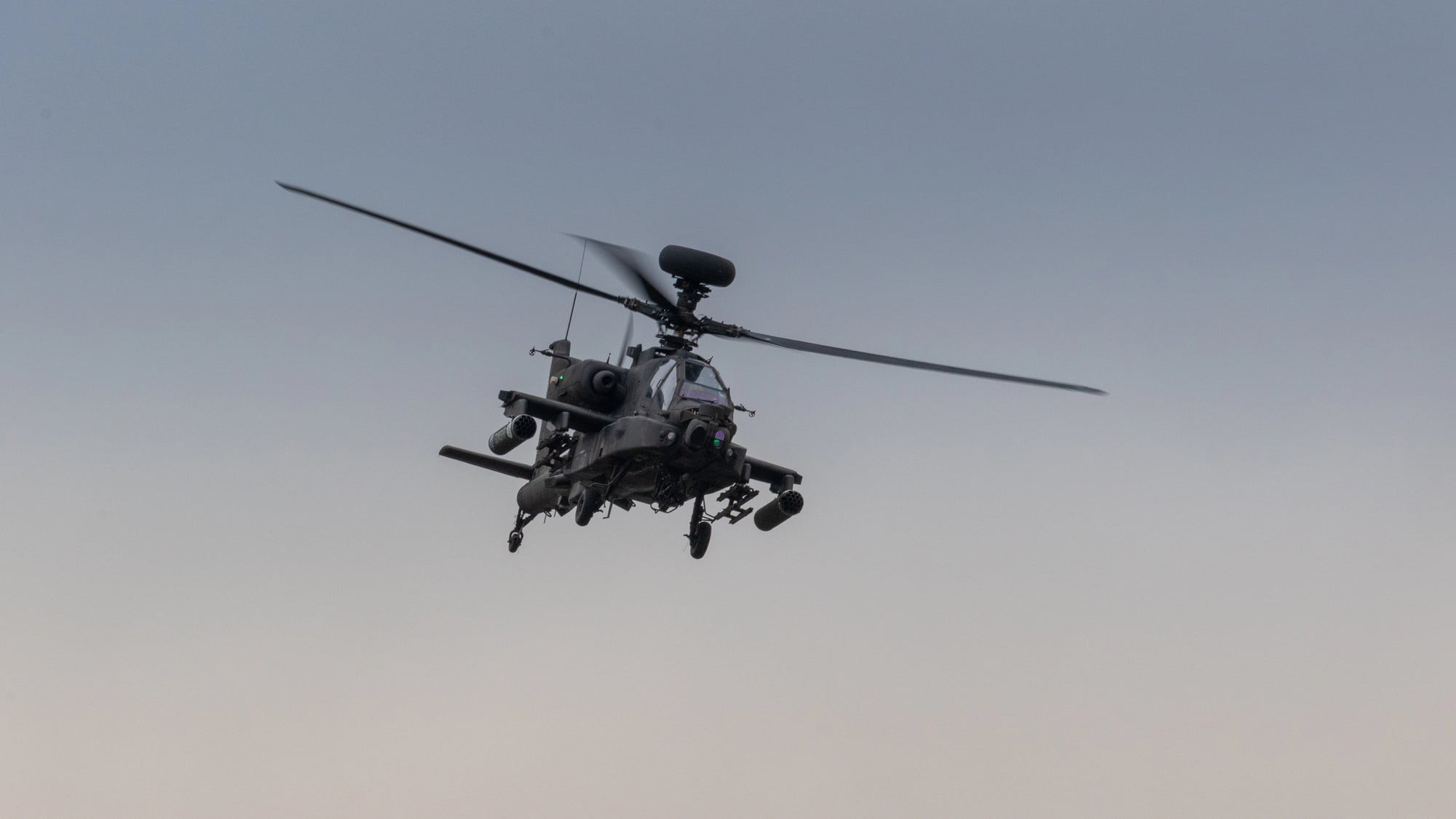
The British took the proven Apache design and made it faster. At 190 mph, the AgustaWestland version reflects European refinements to an already successful platform—better engines, improved aerodynamics, enhanced avionics that reduce pilot workload during high-speed operations.
The improvements seem incremental on paper but add up to something qualitatively different in practice. Pilots transitioning from standard Apaches notice the difference immediately: smoother acceleration, better high-speed handling, more confidence-inspiring performance at the edge of the flight envelope.
Sikorsky S-97 Raider
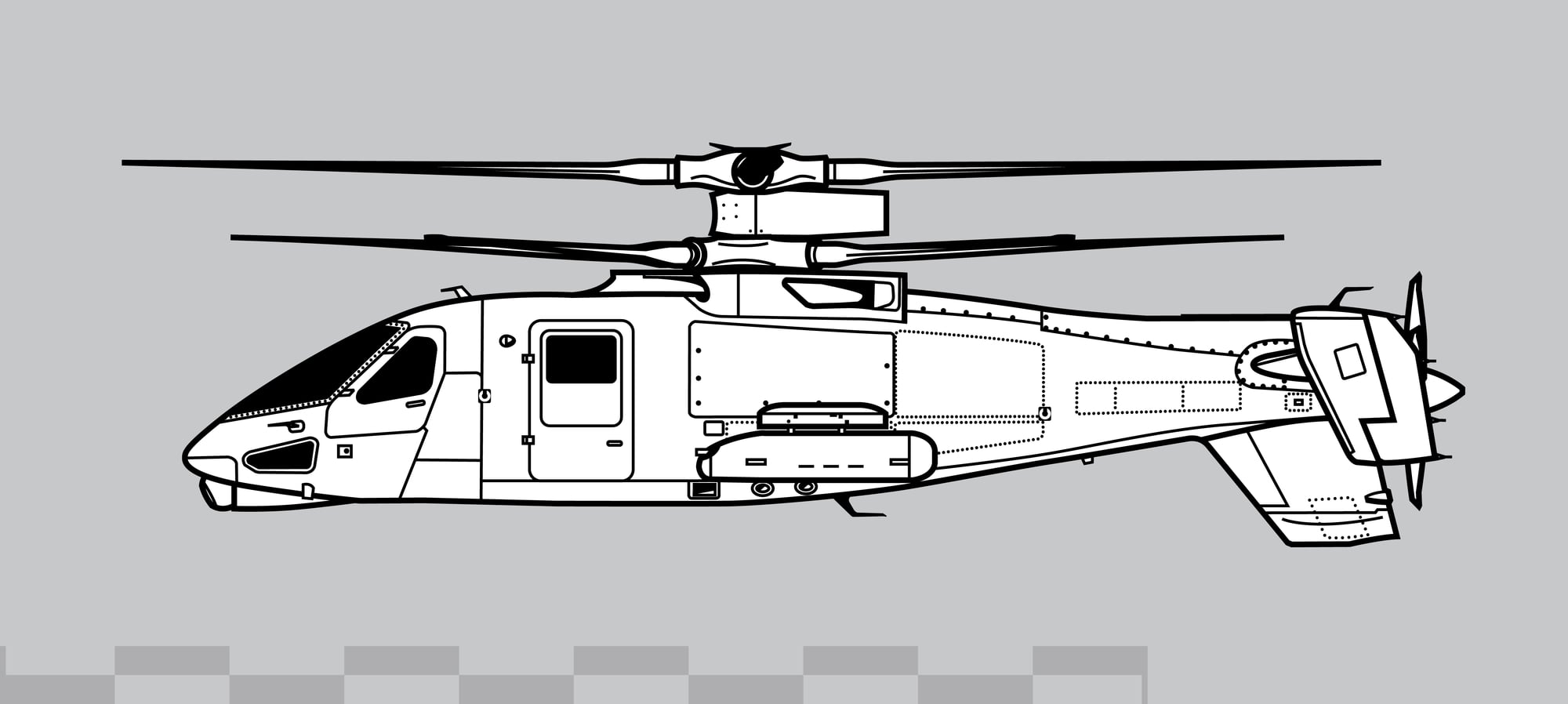
Sikorsky’s experimental compound helicopter pushes speed boundaries in ways that make conventional helicopters look primitive. With a pusher propeller supplementing traditional rotor lift, the Raider hits speeds approaching 276 mph—territory that belongs to fixed-wing aircraft.
The design represents a fundamental rethinking of helicopter limitations rather than incremental improvements to existing platforms. Rigid counter-rotating rotors, active vibration control, fly-by-wire systems that manage complexity pilots couldn’t handle manually.
Speed here isn’t just about velocity; it’s about redefining what helicopters can accomplish.
Bell V-22 Osprey
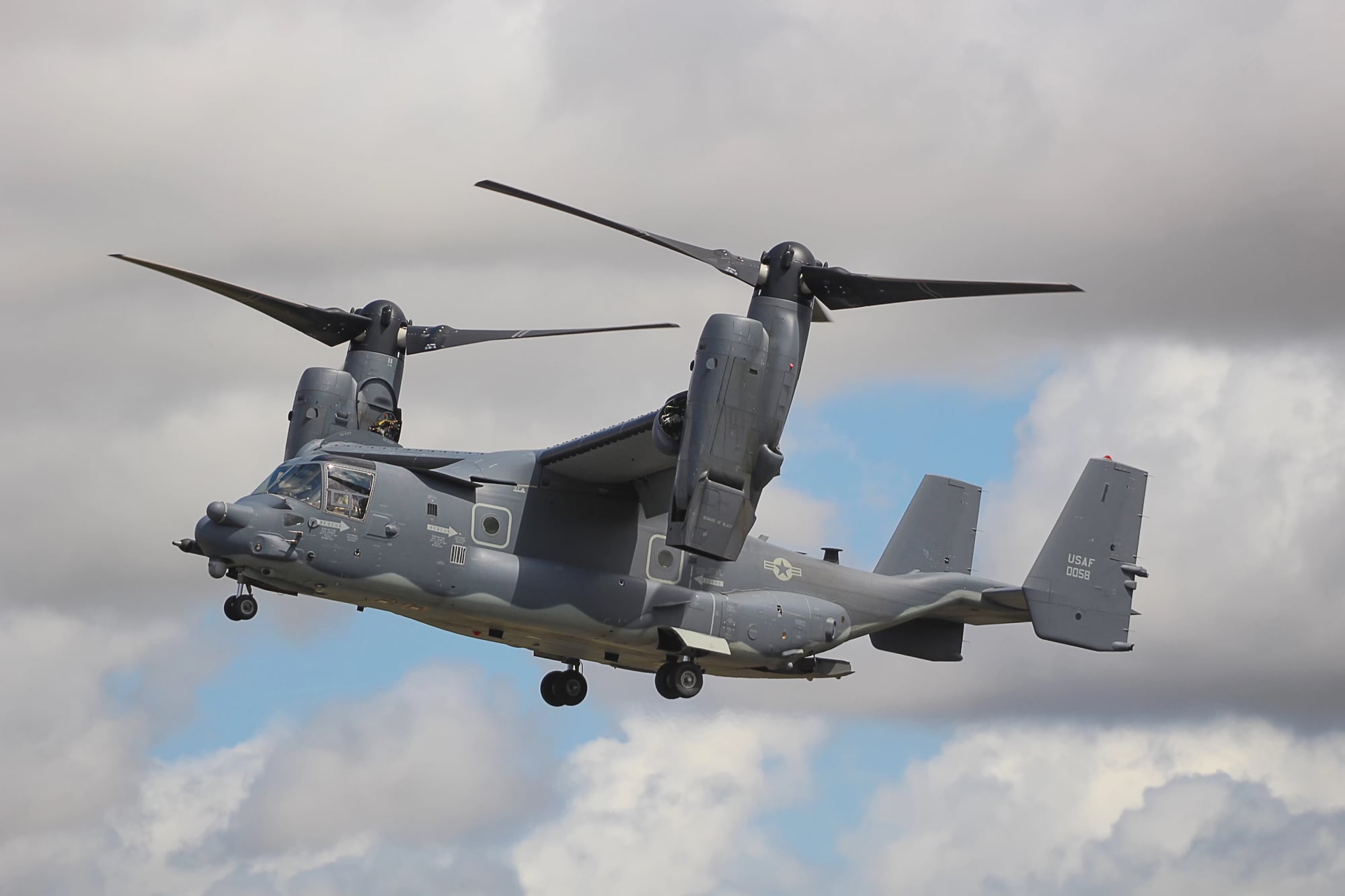
The Osprey bends categories. Technically a tiltrotor rather than a traditional helicopter, it transitions between helicopter and airplane flight modes while carrying troops and cargo at speeds conventional rotorcraft simply cannot match.
At 351 mph in airplane mode, the V-22 operates in airspace that helicopters can’t reach and at ranges that redefine tactical possibilities. The complexity of the design has generated controversy, but the speed capability opens mission profiles that didn’t exist before: rapid insertion across vast distances, casualty evacuation from remote locations, logistics support at intercontinental ranges.
Boeing-Sikorsky RAH-66 Comanche
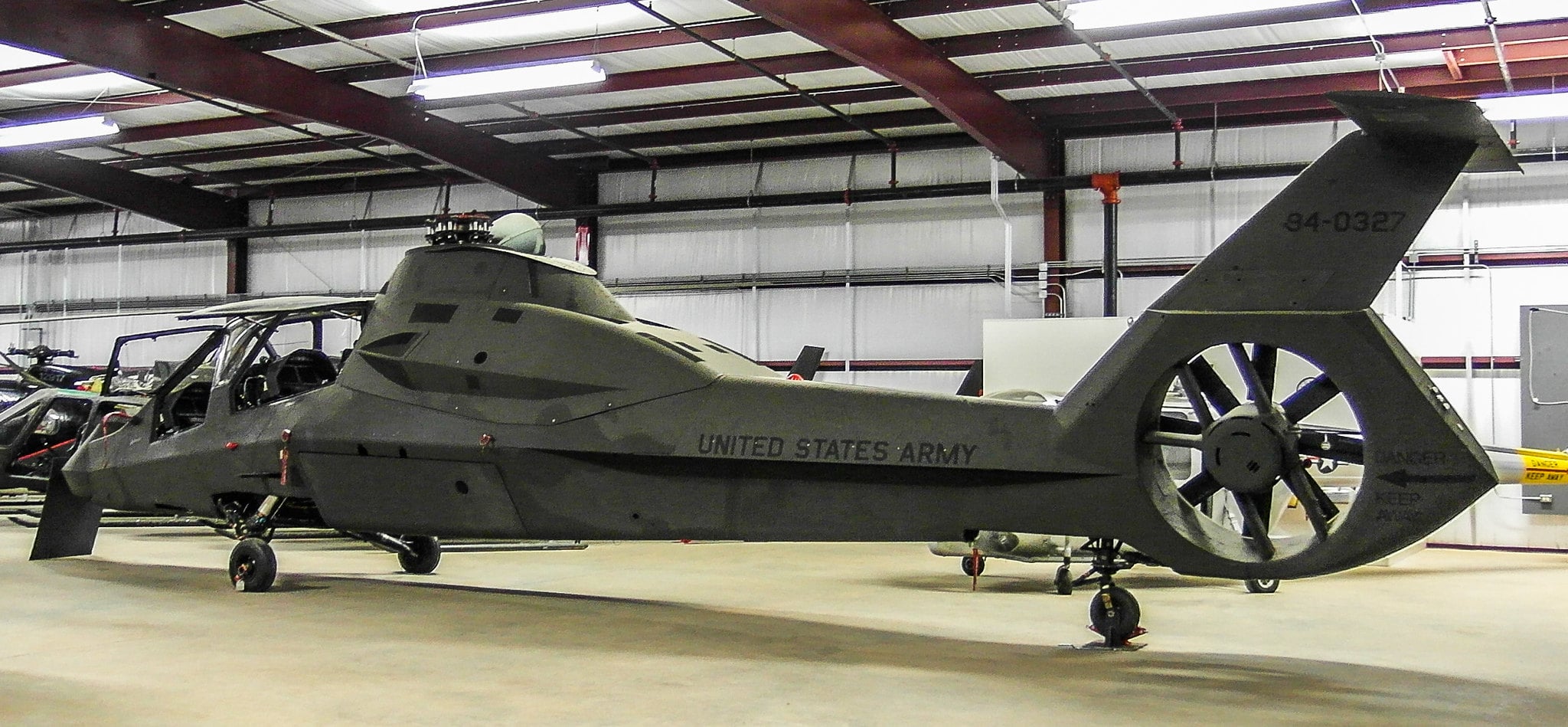
The Comanche never made it to full deployment, but its projected 201 mph top speed represented a glimpse into stealth helicopter capabilities that remain largely classified. Designed around reduced radar signature and advanced avionics, the program was canceled in 2004 after consuming billions in development costs.
Even as a prototype, the Comanche demonstrated speed capabilities that influenced subsequent helicopter designs. The stealth technology, advanced materials, and aerodynamic innovations didn’t disappear—they migrated into other programs and platforms, continuing to push the boundaries of what fast military helicopters can achieve.
When Speed Becomes Strategy
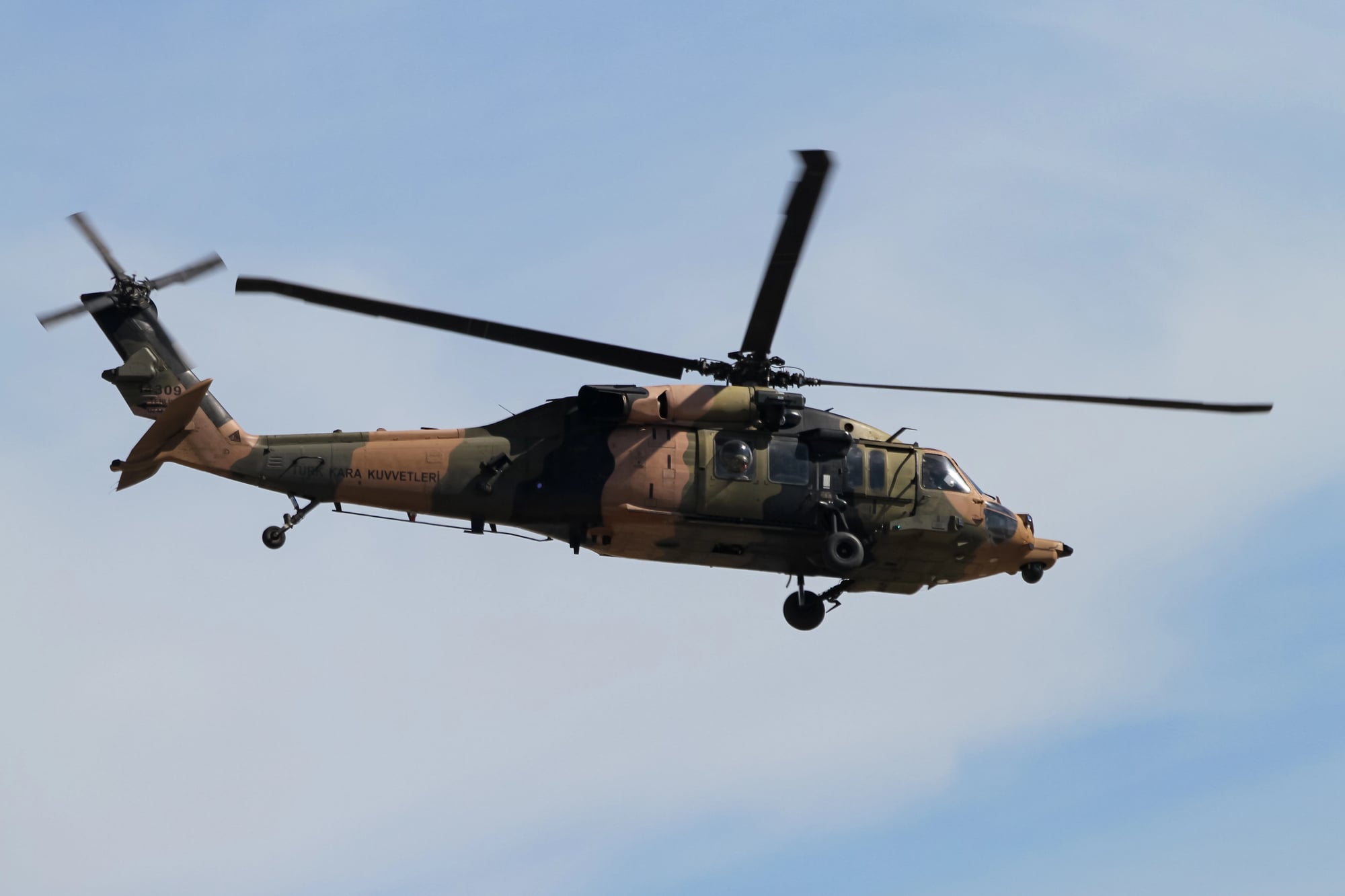
These machines prove that helicopter speed isn’t just a technical specification—it’s a tactical advantage that reshapes how military operations unfold. The fastest helicopters don’t just get there quicker; they control timing, dictate engagement terms, and create possibilities that slower aircraft simply cannot access.
In combat, that speed translates directly into lives saved and missions accomplished.
More from Go2Tutors!

- The Romanov Crown Jewels and Their Tragic Fate
- 13 Historical Mysteries That Science Still Can’t Solve
- Famous Hoaxes That Fooled the World for Years
- 15 Child Stars with Tragic Adult Lives
- 16 Famous Jewelry Pieces in History
Like Go2Tutors’s content? Follow us on MSN.



