Most Expensive Historic Weapons Sold at Auction
There’s something deeply human about the fascination with historic weapons that have commanded astronomical prices at auction houses. These aren’t just tools of war or instruments of power — they’re tangible connections to pivotal moments in history, to legendary figures, and to the craftsmanship of bygone eras.
When collectors bid millions on a sword or rifle, they’re not purchasing metal and wood. They’re acquiring stories, legacy, and a piece of humanity’s most dramatic chapters.
Napoleon’s Gold-Hilted Sword
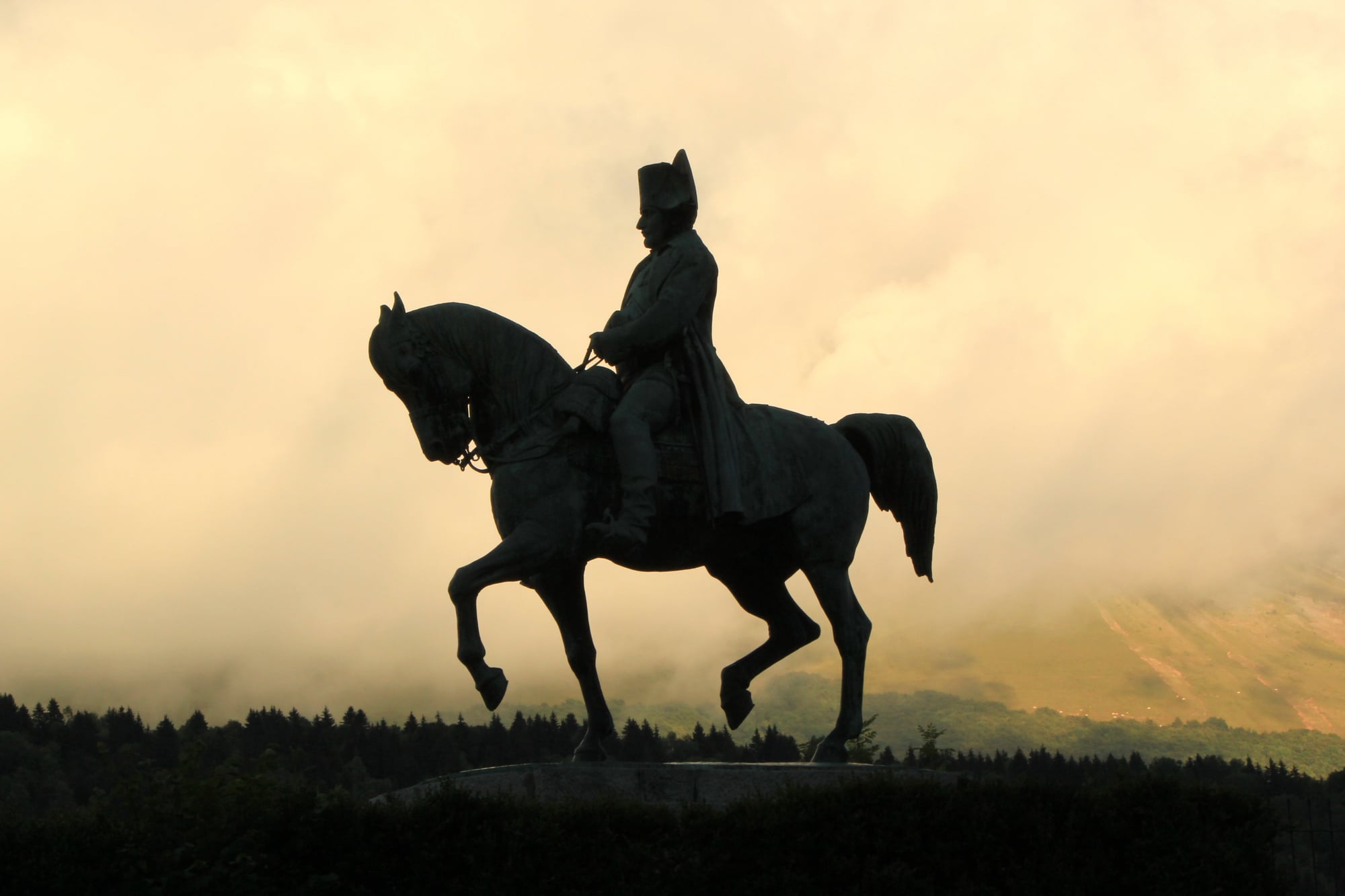
Napoleon Bonaparte’s gold-hilted sword shattered records when it sold for $6.4 million in 2007. The weapon belonged to the French emperor during his reign and bears the distinctive craftsmanship that marked imperial French metalwork.
This particular sword traveled with Napoleon through his campaigns and into exile. The blade itself tells a story of ambition, conquest, and ultimate downfall that resonates across centuries.
George Washington’s Revolutionary War Pistols
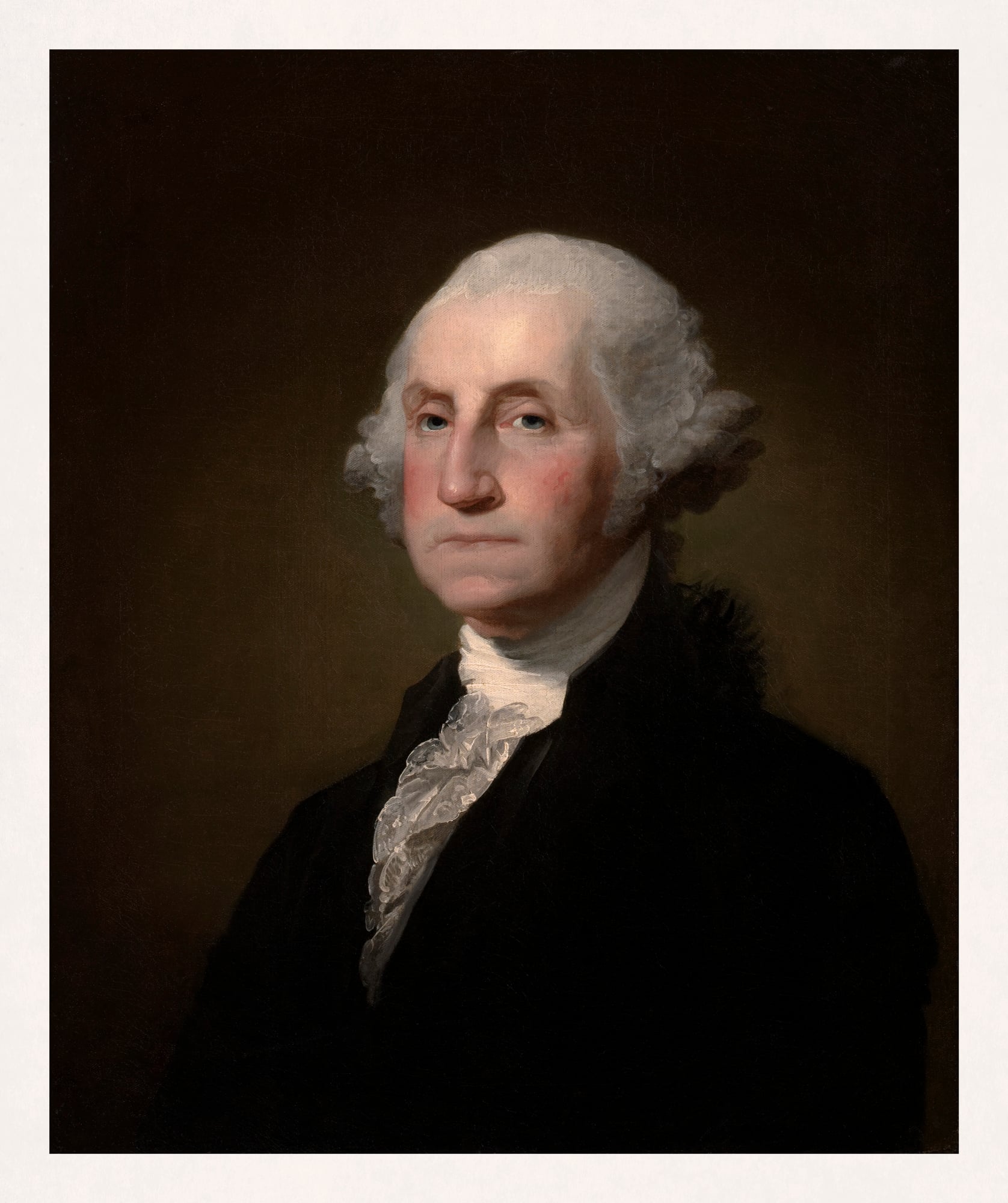
A pair of flintlock pistols owned by George Washington fetched $1.98 million at auction. These weapons represent more than presidential memorabilia — they embody the birth of a nation and the man who refused to become its king.
The pistols feature silver mountings and walnut stocks. Washington carried them during the Revolutionary War, making them witnesses to the foundational moments of American independence.
Sitting Bull’s Winchester Rifle
When someone mentions legendary resistance, certain objects carry that weight differently than others (and Sitting Bull’s Winchester rifle carries it like few artifacts can). The weapon sold for $1.4 million, but the price barely scratches the surface of what it represents — not just Native American resistance to westward expansion, but the collision of two worlds that would reshape an entire continent.
And yet the rifle itself, with its worn stock and weathered metal, looks almost ordinary until you remember whose hands held it, whose cause it served, whose last stand it witnessed at Little Bighorn. So there’s this strange tension: an object that appears unremarkable until context transforms it into something irreplaceable.
Adolf Hitler’s Golden Walther PPK
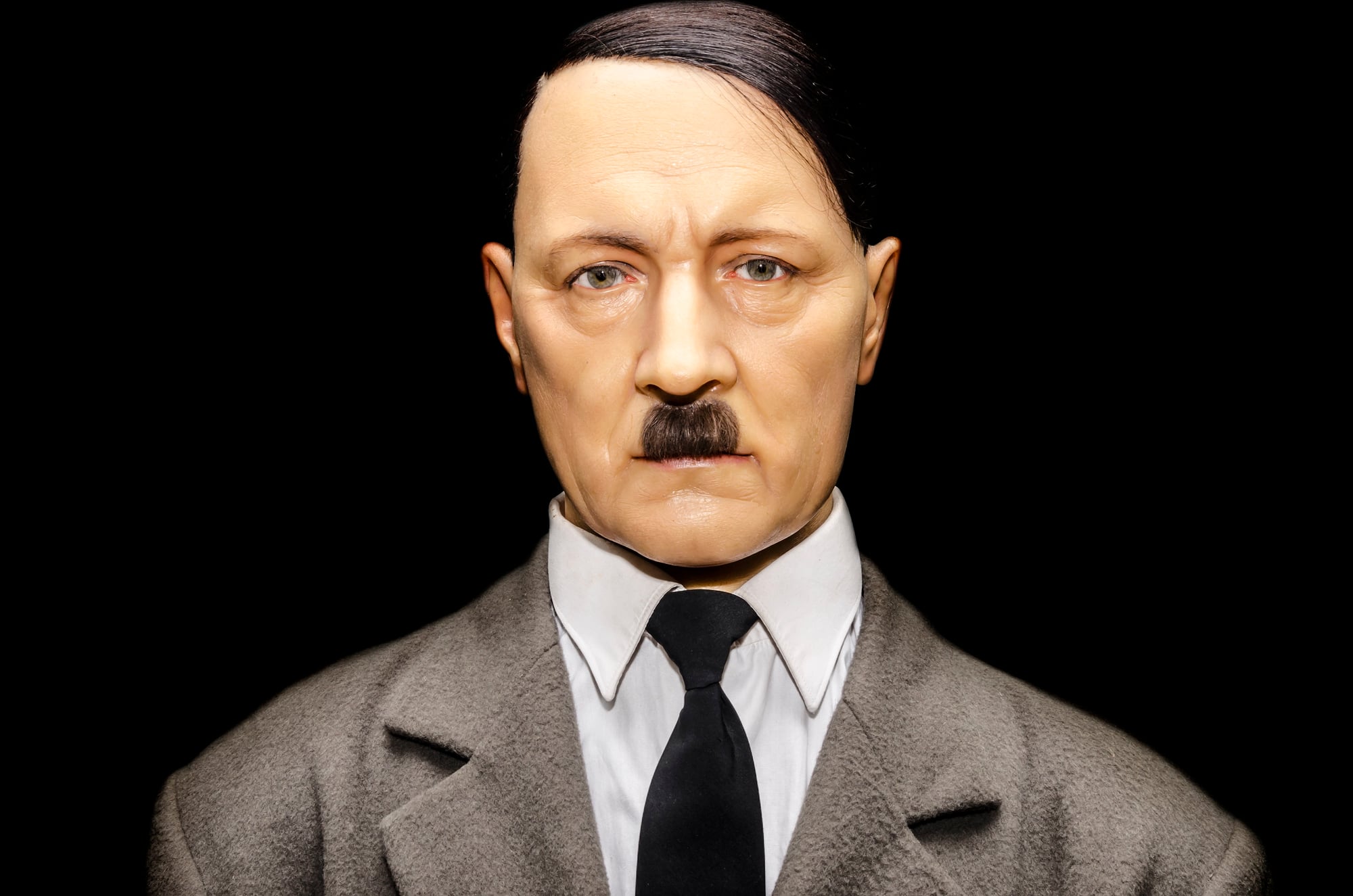
Hitler’s gold-plated Walther PPK sold for $114,000, though the price reflects historical significance rather than admiration. Collectors and museums acquire such pieces to preserve dark chapters of history that must not be forgotten.
The pistol represents one of history’s most destructive regimes. Its acquisition by responsible institutions ensures these artifacts serve educational rather than glorifying purposes.
Wild Bill Hickok’s Colt Navy Revolvers
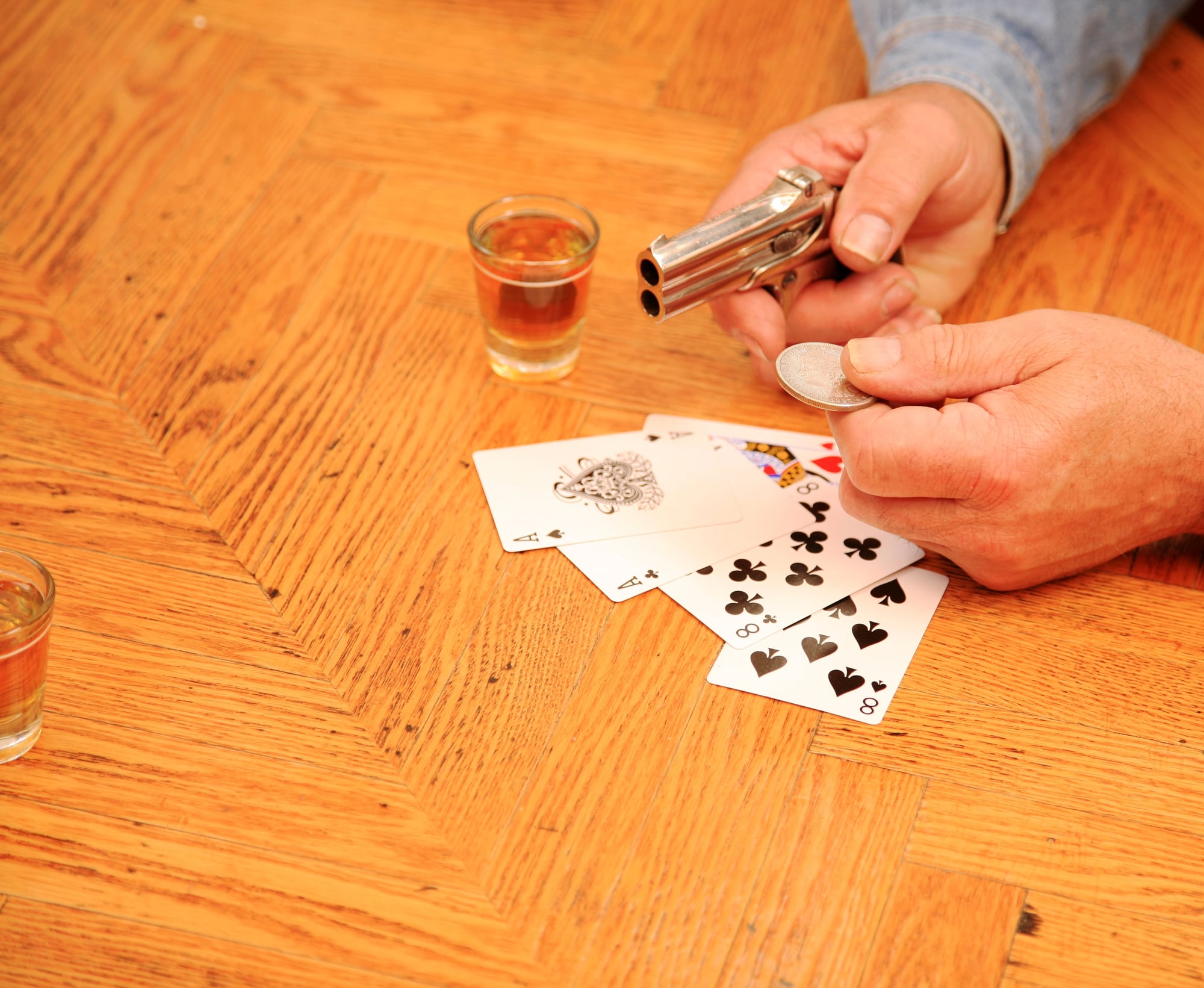
Like most legends, Wild Bill Hickok exists somewhere between fact and mythology, and his Colt Navy revolvers occupy that same uncertain territory. The matched pair sold for $220,000, but their value isn’t really about the guns themselves — it’s about what they represent in the American imagination.
Hickok carried these revolvers during his time as a lawman in the frontier towns that existed in that brief, chaotic period when the West was truly wild. The weapons saw action in Deadwood and other frontier settlements.
Hickok’s reputation as one of the fastest draws in the West made these weapons legendary long before they reached the auction block.
Bonnie and Clyde’s Arsenal
The weapons recovered from Bonnie and Clyde’s death car sold for varying amounts, with their Browning Automatic Rifle fetching $130,000. These guns represent Depression-era desperation and the romanticization of outlaws who became folk heroes despite their crimes.
The arsenal included multiple firearms, each one a tool in their violent spree across the American South and Midwest. The weapons became evidence in one of the most famous criminal cases of the 20th century.
Theodore Roosevelt’s Hunting Rifle

Roosevelt’s custom hunting rifle, which accompanied him on his famous African safari, sold for $862,500 (and that number tells you everything about how Americans value their presidential mythology, especially when it comes wrapped in leather and steel and stories about charging elephants).
The rifle was crafted by Holland & Holland, the British gunmaker whose weapons were as much status symbols as hunting tools among the wealthy elite of the early 1900s. The rifle features custom engravings and was specifically designed for big game hunting in Africa.
Roosevelt used it to collect specimens for the Smithsonian Institution during his post-presidency expedition.
Annie Oakley’s Shotgun
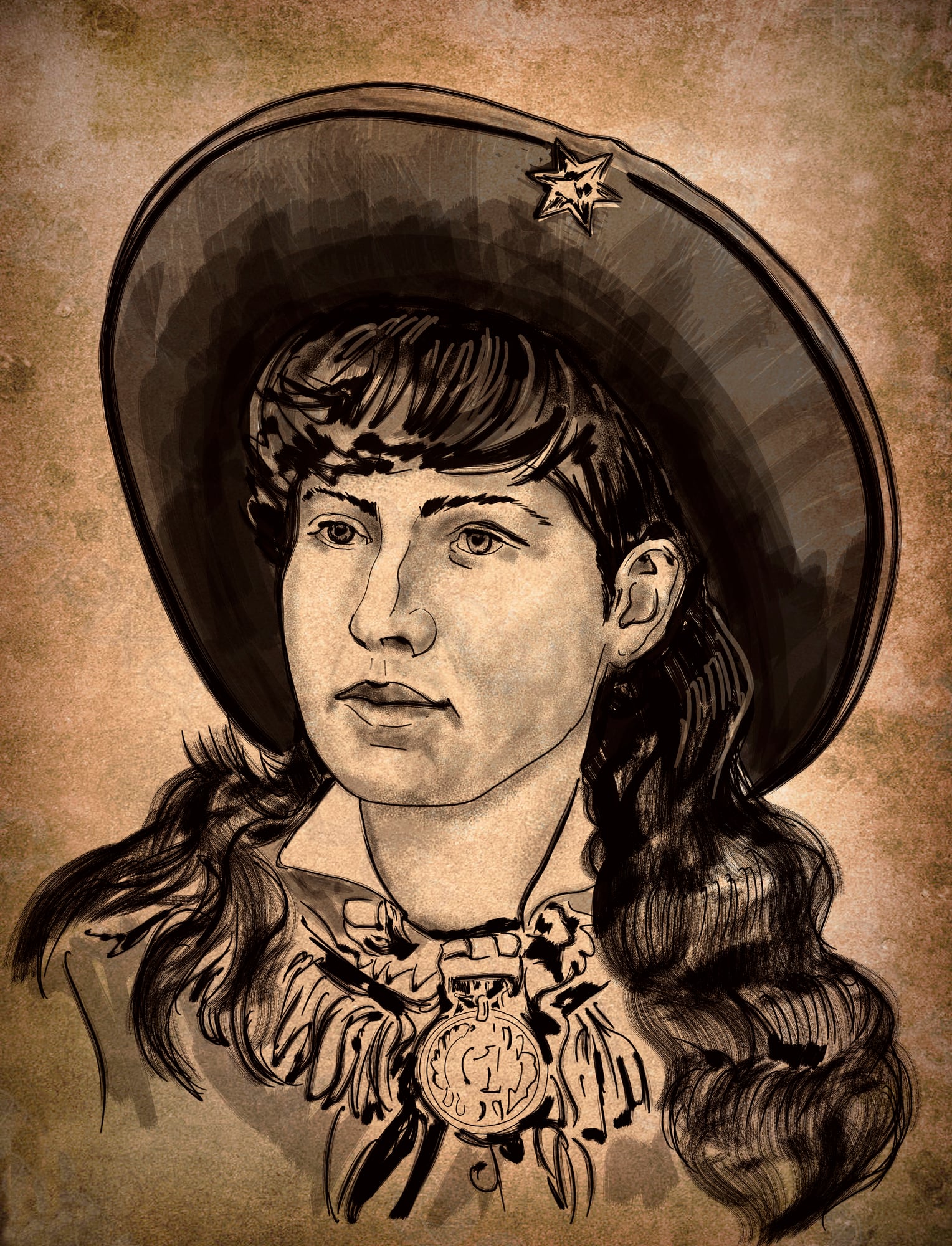
Annie Oakley’s competition shotgun represents skill over violence. The weapon sold for $293,000, reflecting both her legendary marksmanship and her role in changing perceptions about women in traditionally male-dominated fields.
Oakley used this shotgun during her performances with Buffalo Bill’s Wild West Show. Her ability to hit seemingly impossible targets made her an international celebrity and broke gender barriers in entertainment.
Jesse James’s Smith & Wesson Revolver
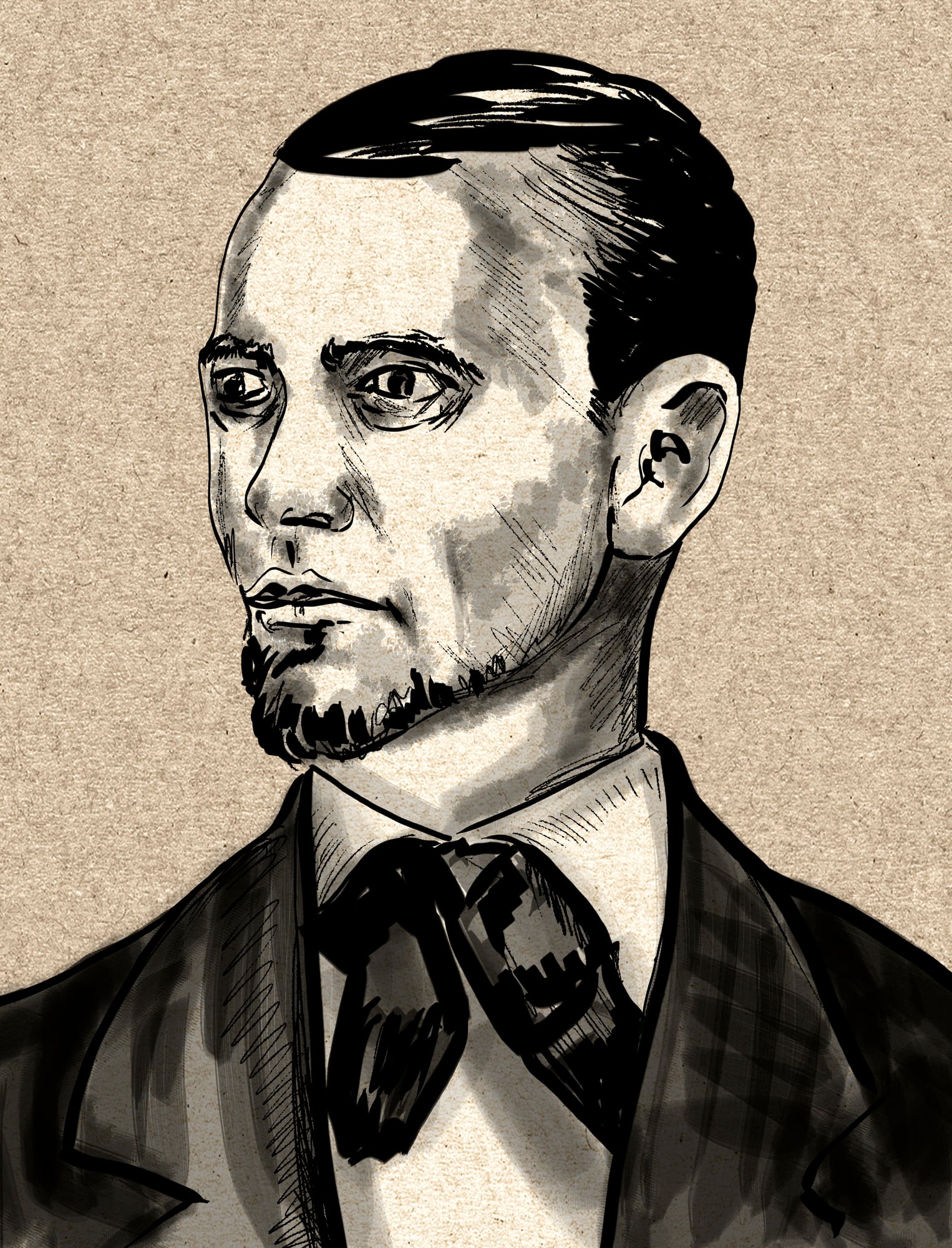
A Smith & Wesson revolver attributed to Jesse James sold for $350,000. The weapon embodies the complex legacy of America’s most famous outlaw — part criminal, part folk hero, entirely mythological.
James carried the revolver during the height of his gang’s activities in the post-Civil War period. The weapon represents the lawlessness that characterized the Reconstruction era and the frontier’s violent expansion.
Wyatt Earp’s Colt Single Action Army
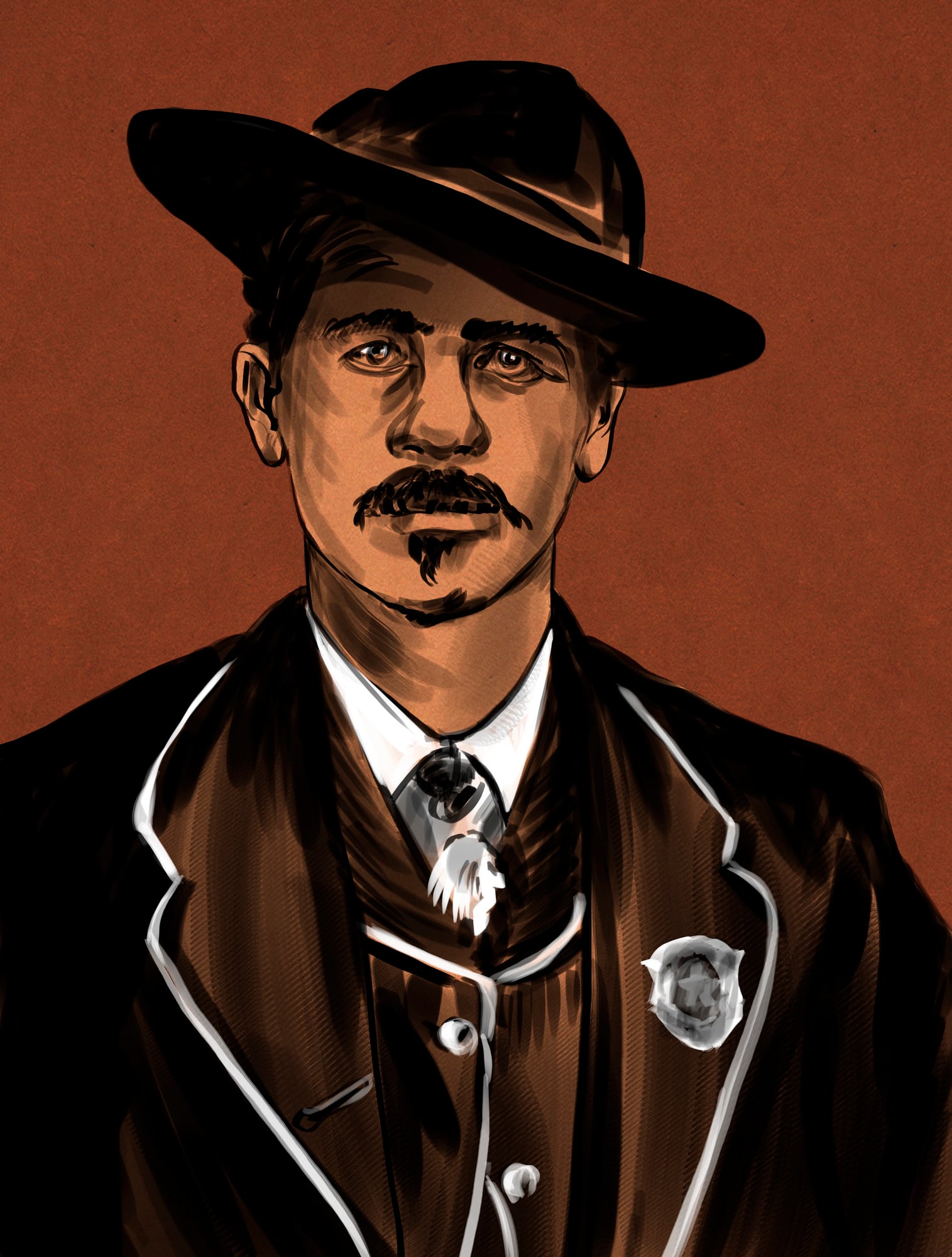
Wyatt Earp’s Colt Single Action Army revolver brought $225,000 at auction. This is the gun that helped establish law and order in Tombstone, Arizona, though the line between lawman and gunfighter was often thinner than legend suggests.
The revolver was present at the famous Gunfight at the O.K. Corral. Earp’s reputation as a lawman made this weapon a symbol of frontier justice, however complicated that justice might have been.
General Patton’s Smith & Wesson
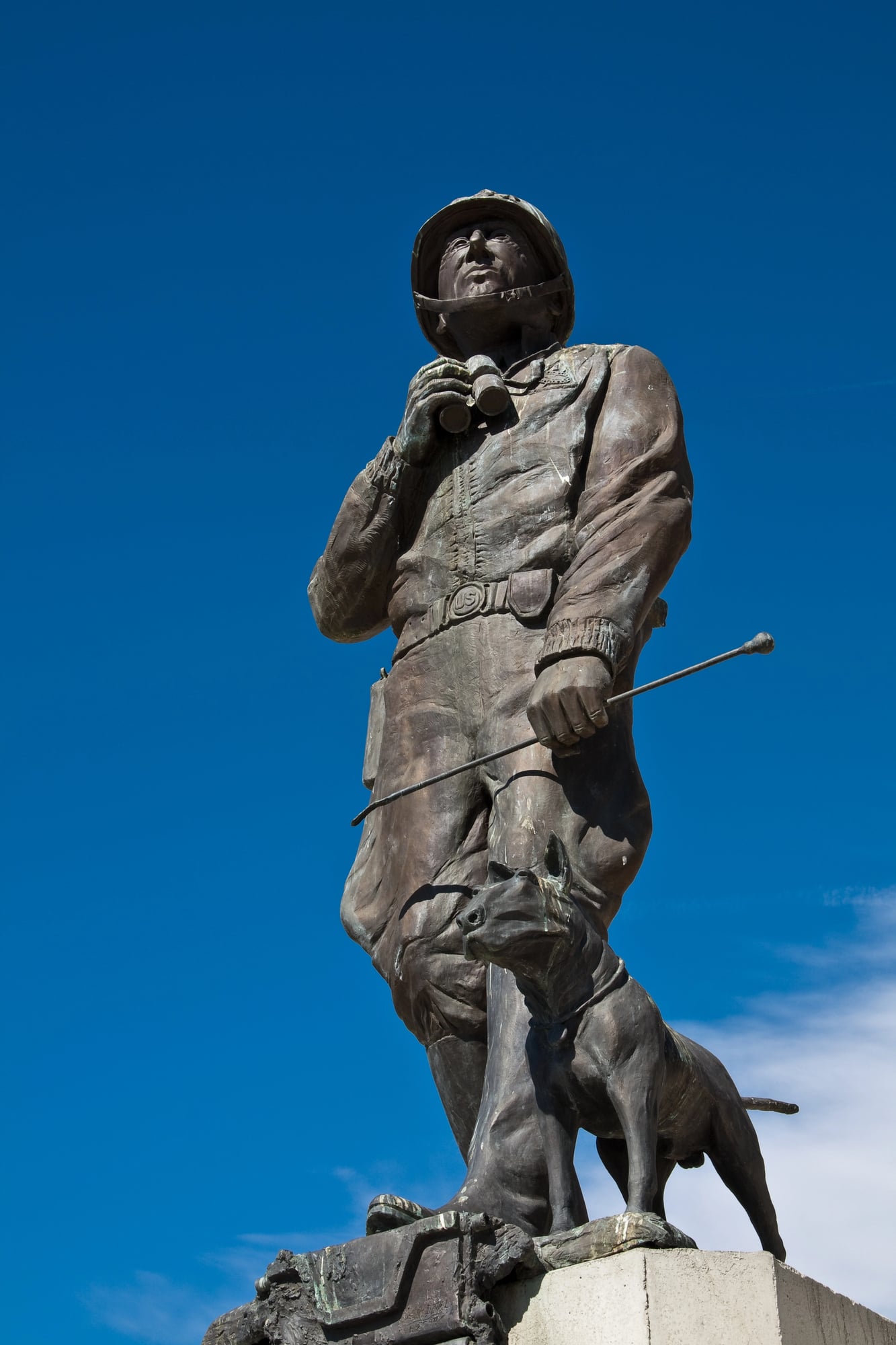
General George S. Patton’s ivory-handled Smith & Wesson revolver sold for $240,000. The weapon reflects Patton’s theatrical personality and his belief that a commander’s appearance could inspire troops and intimidate enemies.
Patton carried multiple sidearms throughout World War II, but this particular revolver became part of his carefully crafted image. The ivory handles and custom engravings made it as much a prop as a weapon.
Davy Crockett’s Rifle “Old Betsy”
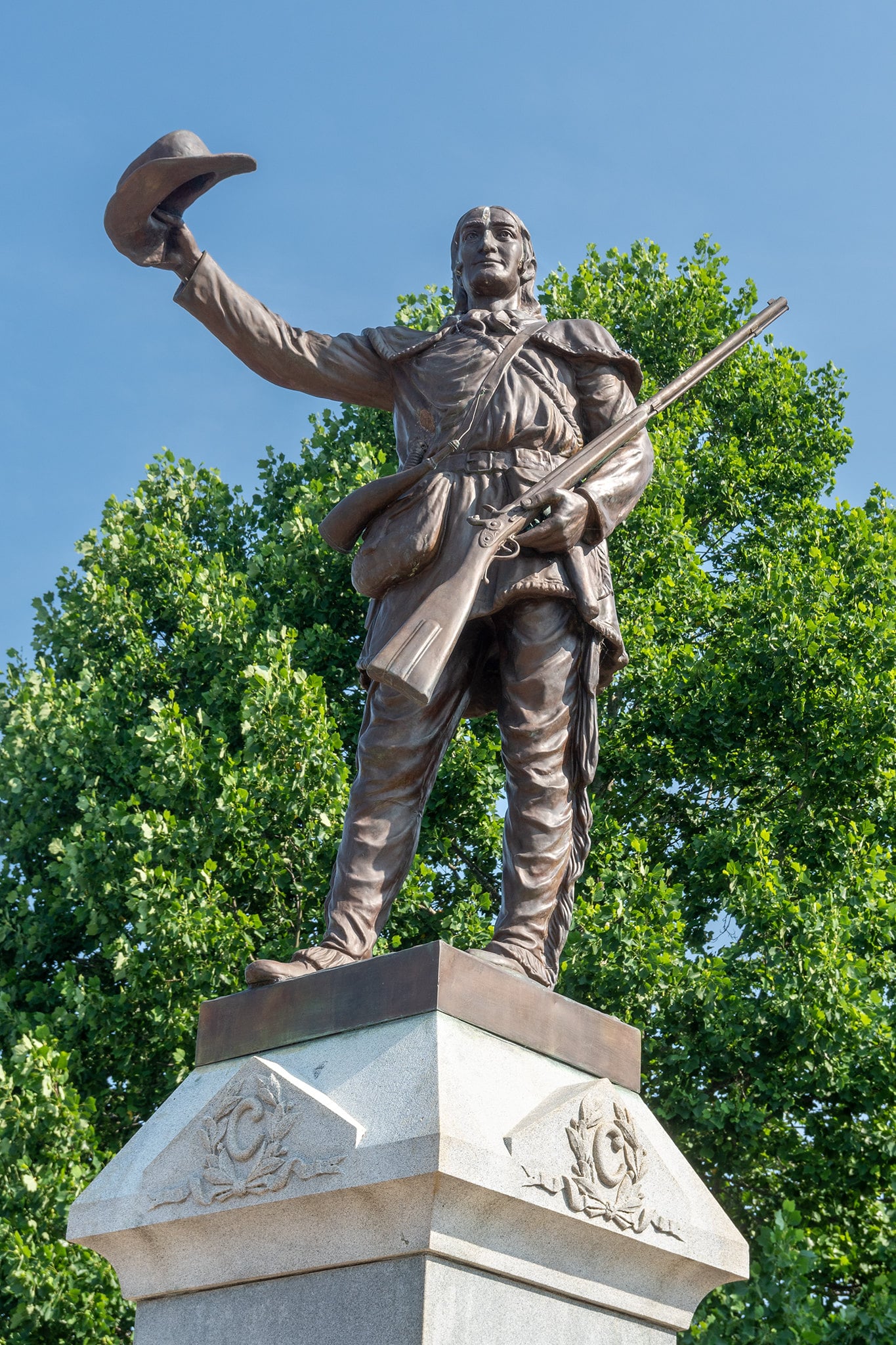
A rifle attributed to Davy Crockett, known as “Old Betsy,” sold for $490,000. The weapon represents the intersection of historical fact and American mythology, where the real Crockett becomes inseparable from the legend.
The rifle supposedly accompanied Crockett to the Alamo, making it a symbol of heroic sacrifice. Whether the attribution is completely accurate matters less than what the weapon represents in American folklore.
Buffalo Bill’s Winchester Model 1873
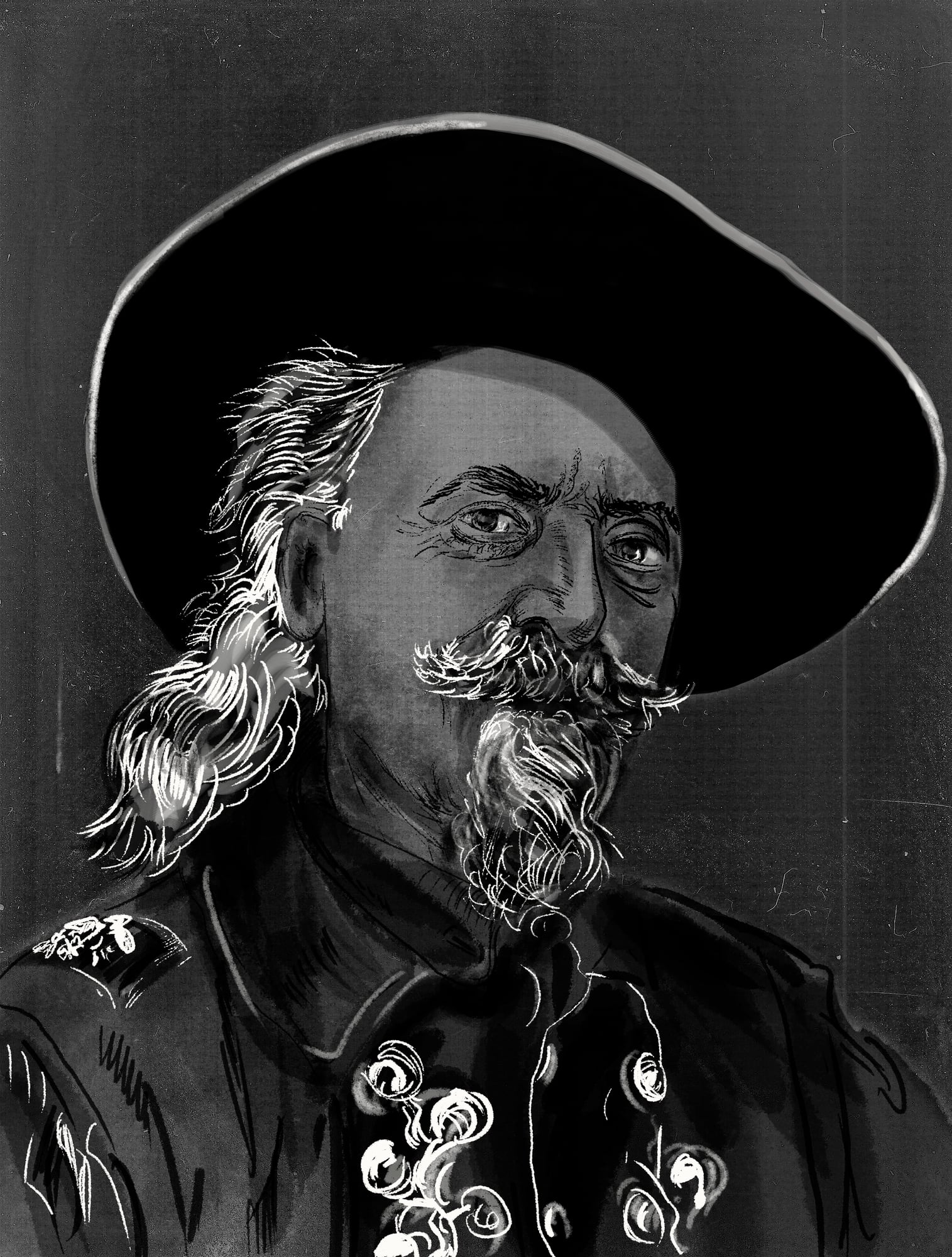
Buffalo Bill Cody’s Winchester Model 1873 sold for $239,000. The rifle represents the taming of the American West and the showmanship that transformed frontier violence into popular entertainment.
Cody used this rifle both during his days as a buffalo hunter and later in his Wild West Show performances. The weapon bridged the gap between the actual frontier experience and its romanticized theatrical representation.
When Metal Becomes Memory
The astronomical prices paid for these historic weapons reveal something profound about how societies value their past. These aren’t just collector’s items gathering dust in private vaults — they’re physical anchors to moments when history pivoted, when individual choices shaped the course of nations.
The buyers aren’t purchasing firearms; they’re acquiring responsibility for preserving the tangible remnants of human drama. In a world increasingly dominated by digital records and virtual experiences, there remains something irreplaceable about holding an object that once rested in legendary hands, that witnessed pivotal moments, that carries the weight of real consequence.
The metal may tarnish and the wood may crack, but the stories embedded in these weapons prove more durable than the materials from which they’re made.
More from Go2Tutors!

- The Romanov Crown Jewels and Their Tragic Fate
- 13 Historical Mysteries That Science Still Can’t Solve
- Famous Hoaxes That Fooled the World for Years
- 15 Child Stars with Tragic Adult Lives
- 16 Famous Jewelry Pieces in History
Like Go2Tutors’s content? Follow us on MSN.