15 Unusual New Year’s Eve Rituals Worldwide
Fireworks light up the skies. Champagne flows in many places when clocks strike midnight.
Yet far beyond those scenes, strange habits mark time’s turn. Broken plates litter doorsteps in some towns.
Twelve grapes get eaten – one per second – one at a time. Flames rise from dummies stuffed with old dreams.
These acts carry weight. They aren’t random.
Meaning sticks to each gesture like glue. Luck is whispered into certain steps.
Evil gets pushed away by others. Stories grow around the weirdest ones.
Fifteen of these moments show how varied beginnings can be.
Eating Twelve Grapes at Midnight in Spain

When the clock strikes midnight in Spain, people scramble to eat twelve grapes—one for each chime of the bell. The tradition dates back to at least 1895, though it became widely popular in 1909 when grape farmers in Alicante had a surplus crop and marketed them as “lucky grapes.”
The campaign worked. Now it’s nearly impossible to find a Spaniard who doesn’t participate.
The challenge is real. You have about one second per grape, and they need to go down without choking.
Some people prep by peeling and seeding them in advance. Others just accept the chaos.
Each grape represents a month of the coming year, so the superstition goes that if you manage to finish all twelve, you’re guaranteed good fortune. Fail, and you’ve got some bad months ahead.
Throwing Furniture Out Windows in Italy
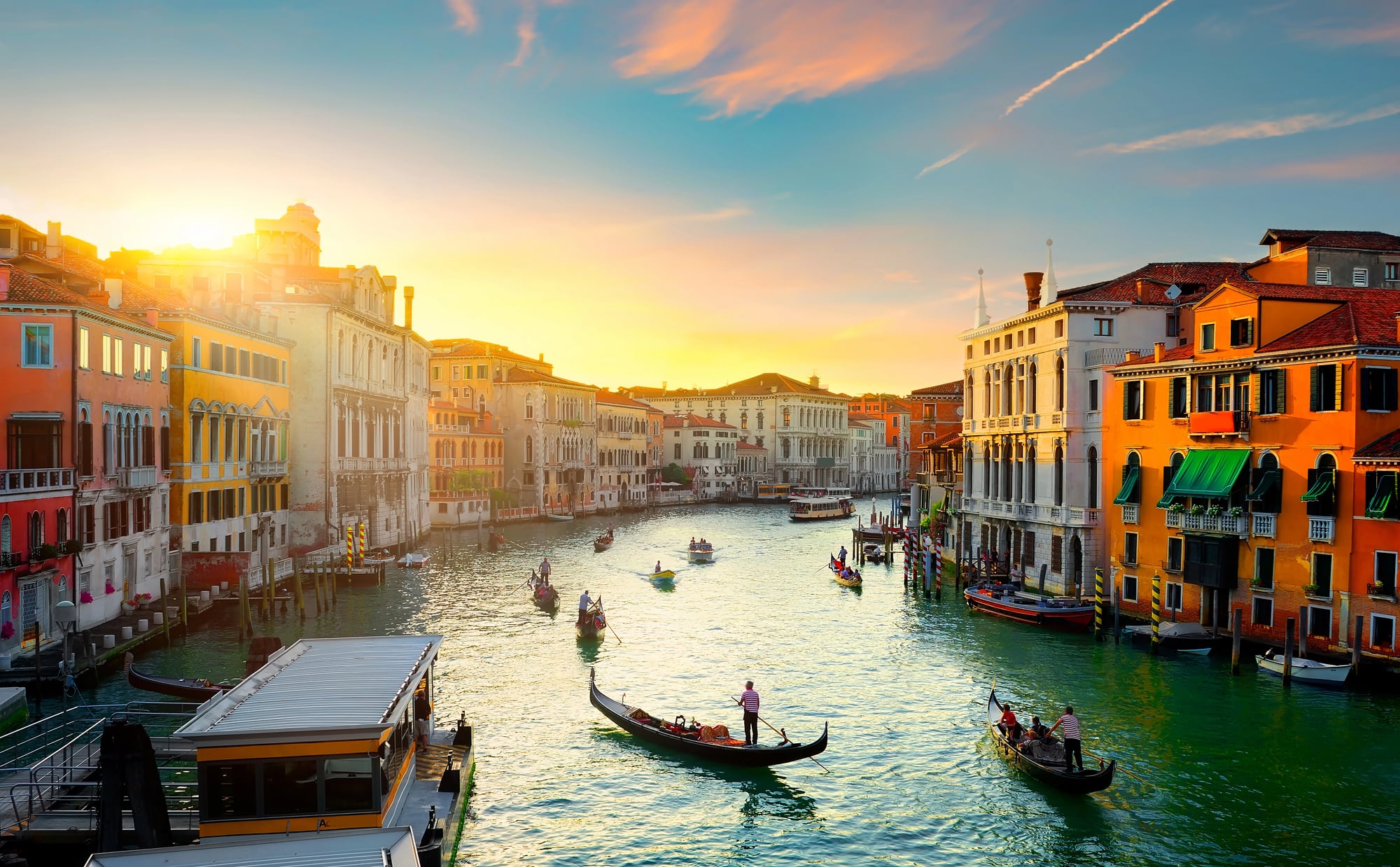
In parts of southern Italy, particularly Naples, people once celebrated New Year’s Eve by throwing old furniture and belongings out of their windows. The idea was to get rid of the old to make room for the new—literally.
Chairs, tables, even appliances sailed down to the streets below. The practice has declined for obvious safety reasons.
Pedestrians don’t appreciate dodging falling refrigerators. But the symbolic gesture of releasing the past remains embedded in Italian New Year’s culture.
Many families now stick to throwing smaller items or simply decluttering before midnight.
Wearing Colorful Underwear in Latin America

Across much of Latin America, the color of your underwear on New Year’s Eve determines what kind of year you’ll have. Red promises love and romance.
Yellow attracts money and prosperity. White brings peace, and green offers health or hope.
In some countries, pink is the color for friendship, while blue invites tranquility. Stores stock up on brightly colored underwear in December, and choosing your color becomes a serious decision.
Some people hedge their bets by wearing multiple pairs or underwear with several colors. Others commit fully to one wish and dress accordingly.
Smashing Plates Against Doors in Denmark
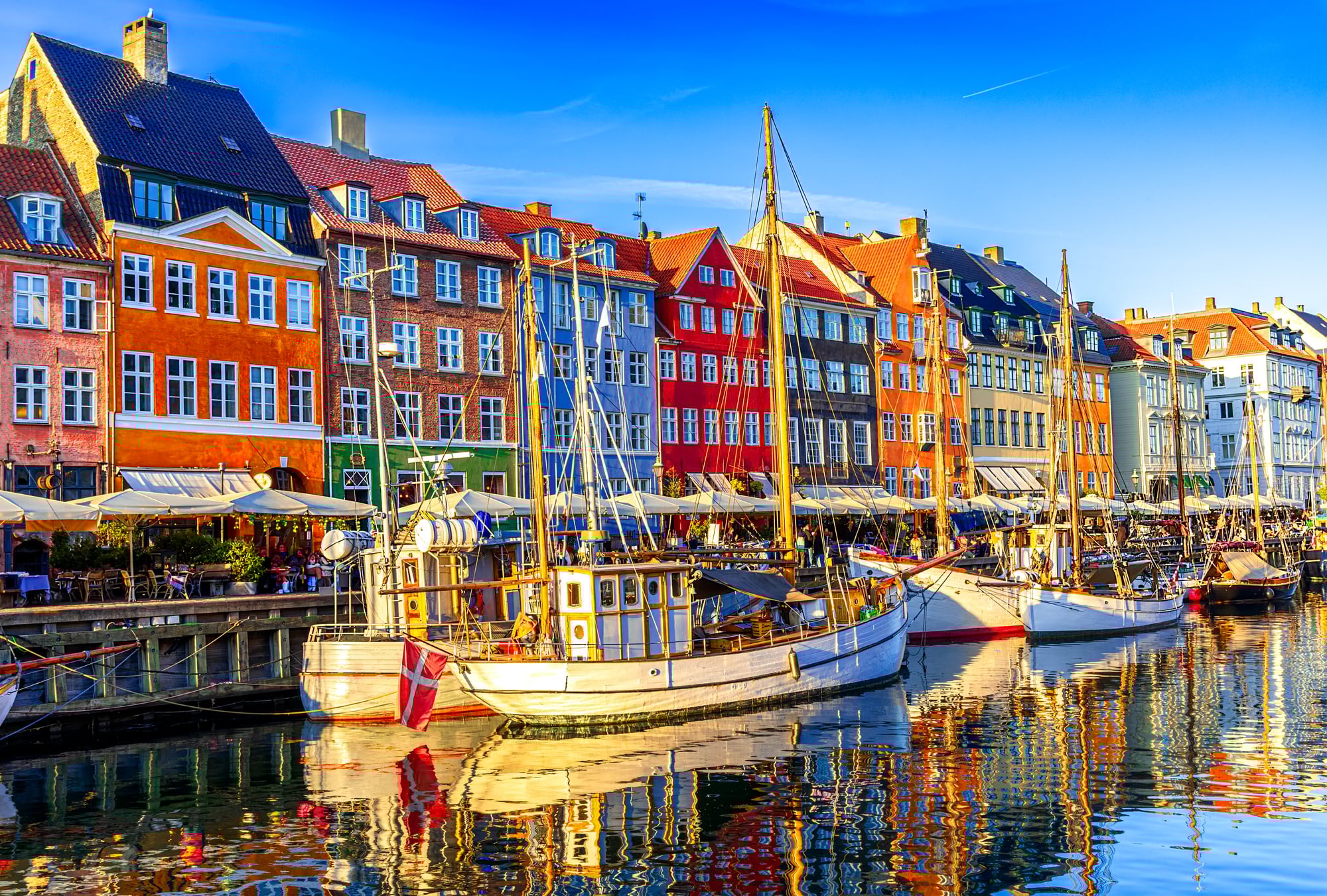
Danes save their chipped and broken dishes all year long for one purpose: hurling them against the front doors of friends and family on New Year’s Eve. The bigger the pile of shattered porcelain on your doorstep, the more loved you are.
It means people thought of you enough to save their old plates and bring them over. The tradition has roots in letting go of past grudges and bad feelings.
By smashing something physical, you release negative energy and start the year clean. Plus, there’s something satisfying about throwing dishes without getting in trouble for it.
First-Footing in Scotland

In Scotland, the first person to cross your threshold after midnight matters enormously. This tradition, called first-footing, holds that a tall, dark-haired man brings the best luck.
Historically, a blond or red-haired visitor was considered bad luck—possibly because they resembled Viking invaders. The first-footer typically brings symbolic gifts: coal for warmth, shortbread or bread for food, salt for flavor, and whisky for good cheer.
Some also bring a coin for prosperity or a black bun, a type of fruit cake wrapped in pastry. These gifts ensure the household will have warmth, sustenance, and celebration throughout the coming year.
Burning Effigies in Ecuador
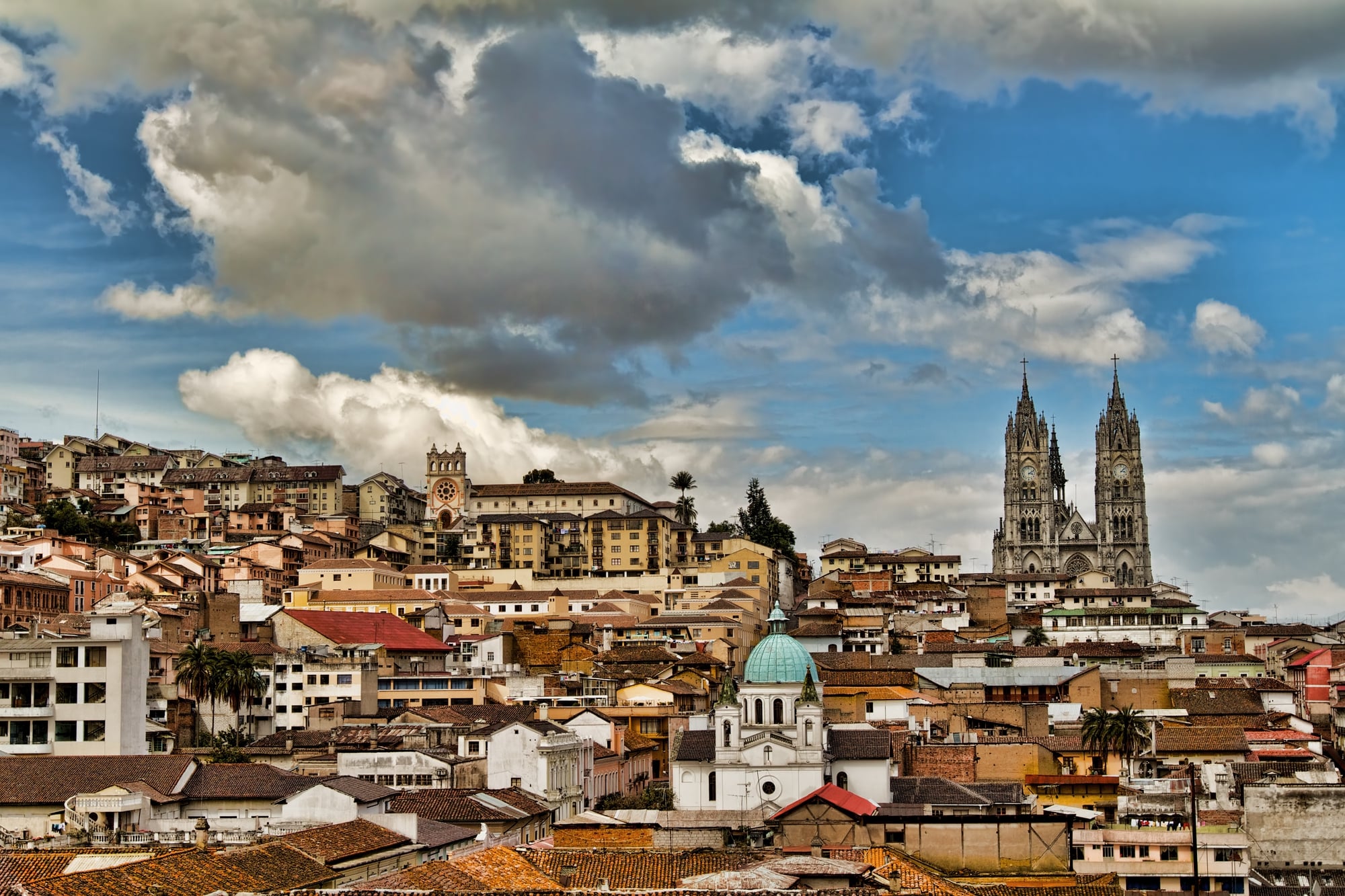
Ecuadorians build life-sized effigies called “años viejos” (old years) and burn them at midnight. These figures often represent politicians, celebrities, or fictional characters from the past year.
Families spend weeks constructing them from old clothes stuffed with newspaper or sawdust. The burning symbolizes destroying the old year’s troubles and clearing space for new beginnings.
The more elaborate the effigy, the more attention it draws. Some neighborhoods hold competitions for the best año viejo.
Children sometimes sit beside the effigies earlier in the evening, dressed as widows, asking passersby for coins to help “bury” the old year.
Banging Bread Against Walls in Ireland

An old Irish tradition involves taking a loaf of bread and banging it against the walls and doors of your home. The noise drives out bad spirits and invites good luck inside.
It also symbolically ensures that the household will have enough bread—and by extension, enough food—in the coming year. This custom has mostly faded, but some families in rural areas still practice it.
The bread used is typically Christmas bread left over from the holiday feast, giving the ritual a sense of continuity between celebrations.
Carrying Empty Suitcases in Colombia
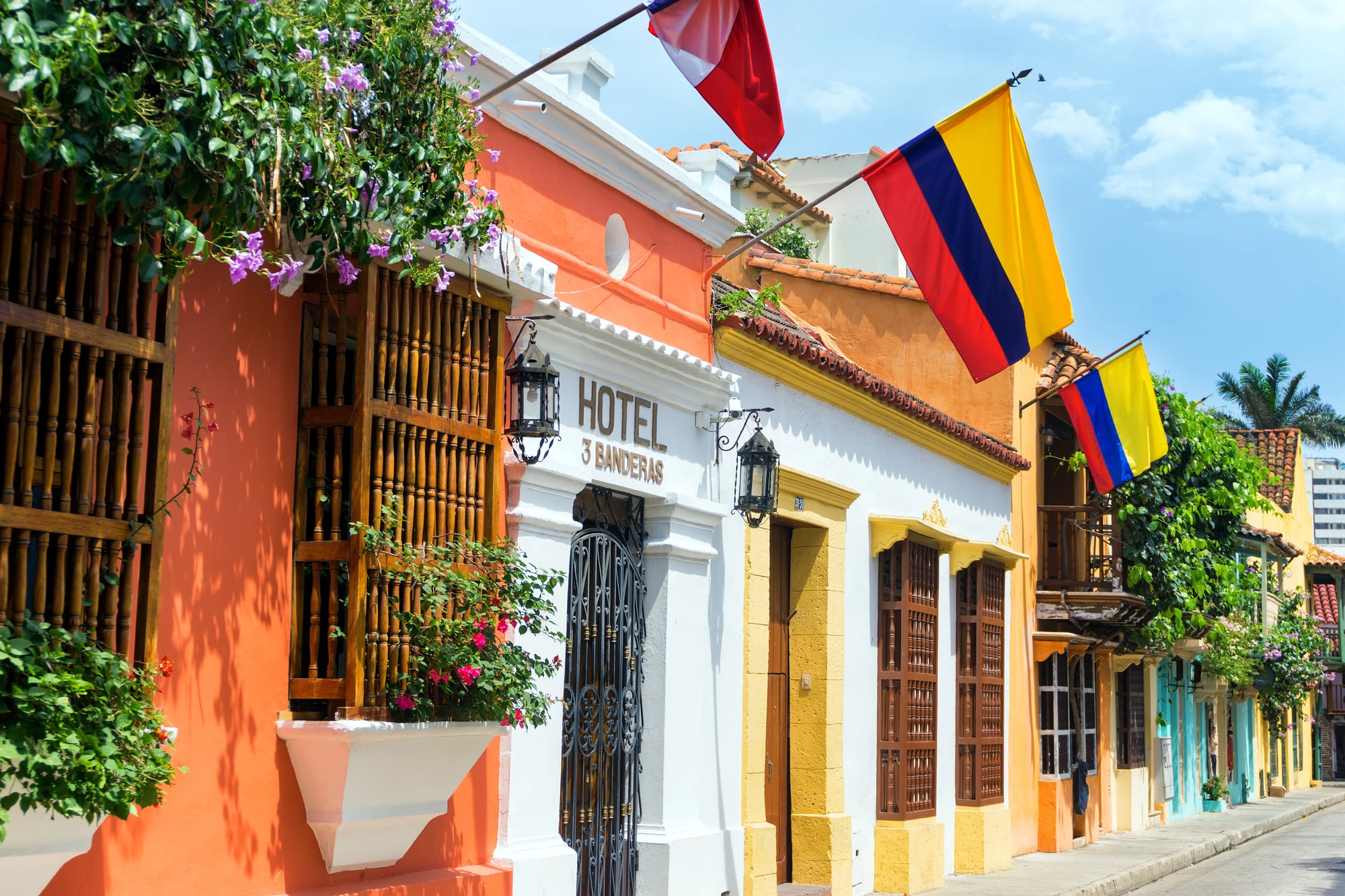
If you want to travel in the new year, Colombian tradition says you should grab an empty suitcase and walk around the block at midnight. The more enthusiastically you circle, the more travel awaits you.
Some people run. Others just stroll, suitcase wheels clicking against the pavement.
The ritual appears across several Latin American countries with slight variations. In some places, walking inside the house counts.
In others, you need to leave the property entirely. Either way, the suitcase acts as a magnet for future journeys.
Jumping Off Chairs in Denmark

When the clock hits midnight in Denmark, people climb onto chairs, sofas, or any elevated surface and jump off together. The leap represents jumping into the new year—a physical commitment to moving forward.
It’s especially popular at parties, where entire rooms of people will synchronize their jumps. Combined with the plate-smashing tradition, Danish New Year’s Eve involves a lot of activity.
The jumping custom is simple enough that children love it. It adds a moment of collective silliness to the celebration.
Eating Round Foods in the Philippines
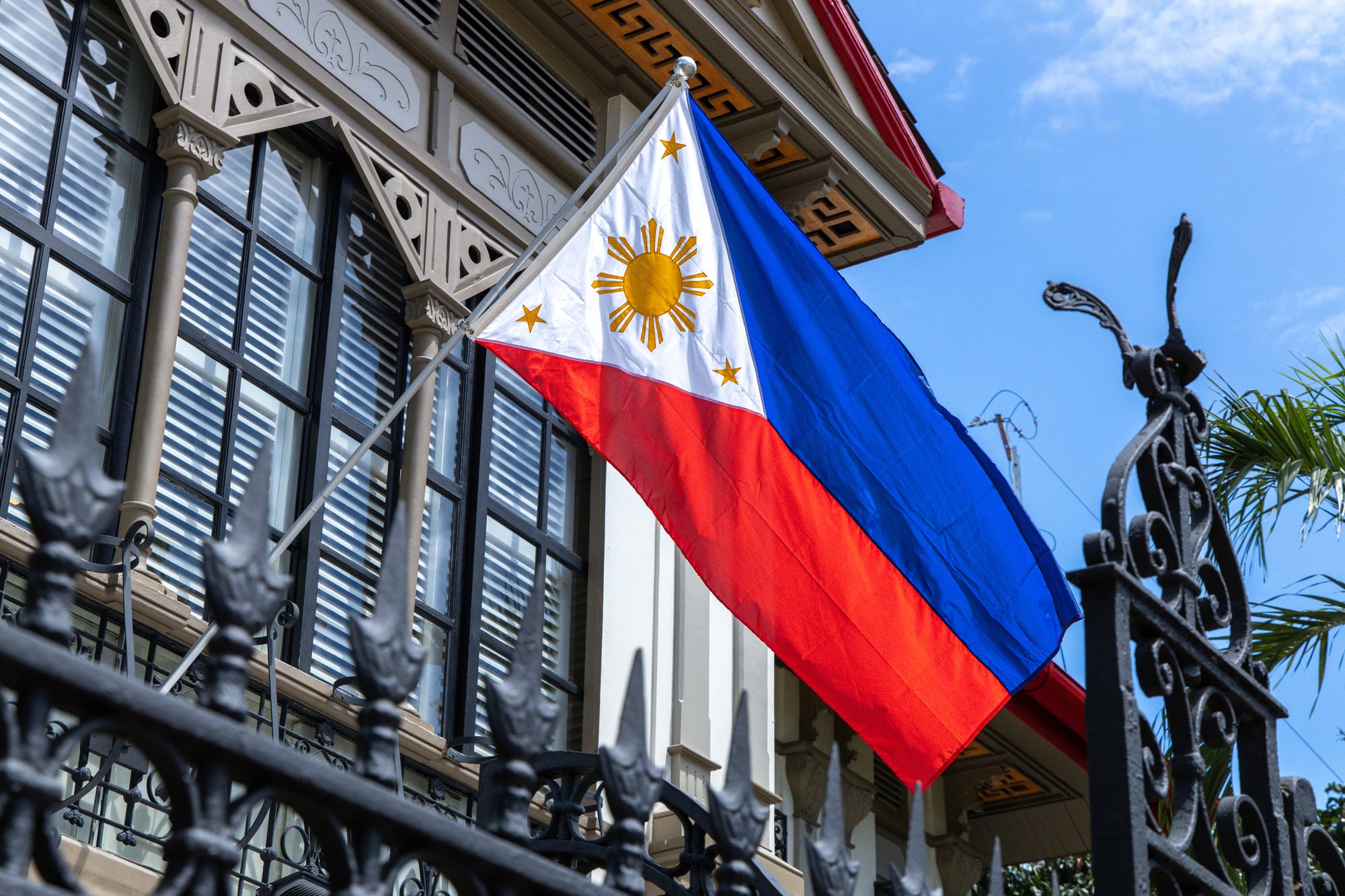
Filipinos believe that round shapes symbolize coins and prosperity, so New Year’s Eve tables overflow with circular foods. Grapes, oranges, apples, and round cakes dominate the spread.
Some families display exactly twelve round fruits, one for each month ahead. The roundness theme extends beyond food.
People wear clothes with polka dots and jingle coins in their pockets at midnight. The collective goal is to surround yourself with as many circular objects as possible, stacking the odds in favor of financial abundance.
Melting Lead in Finland and Germany
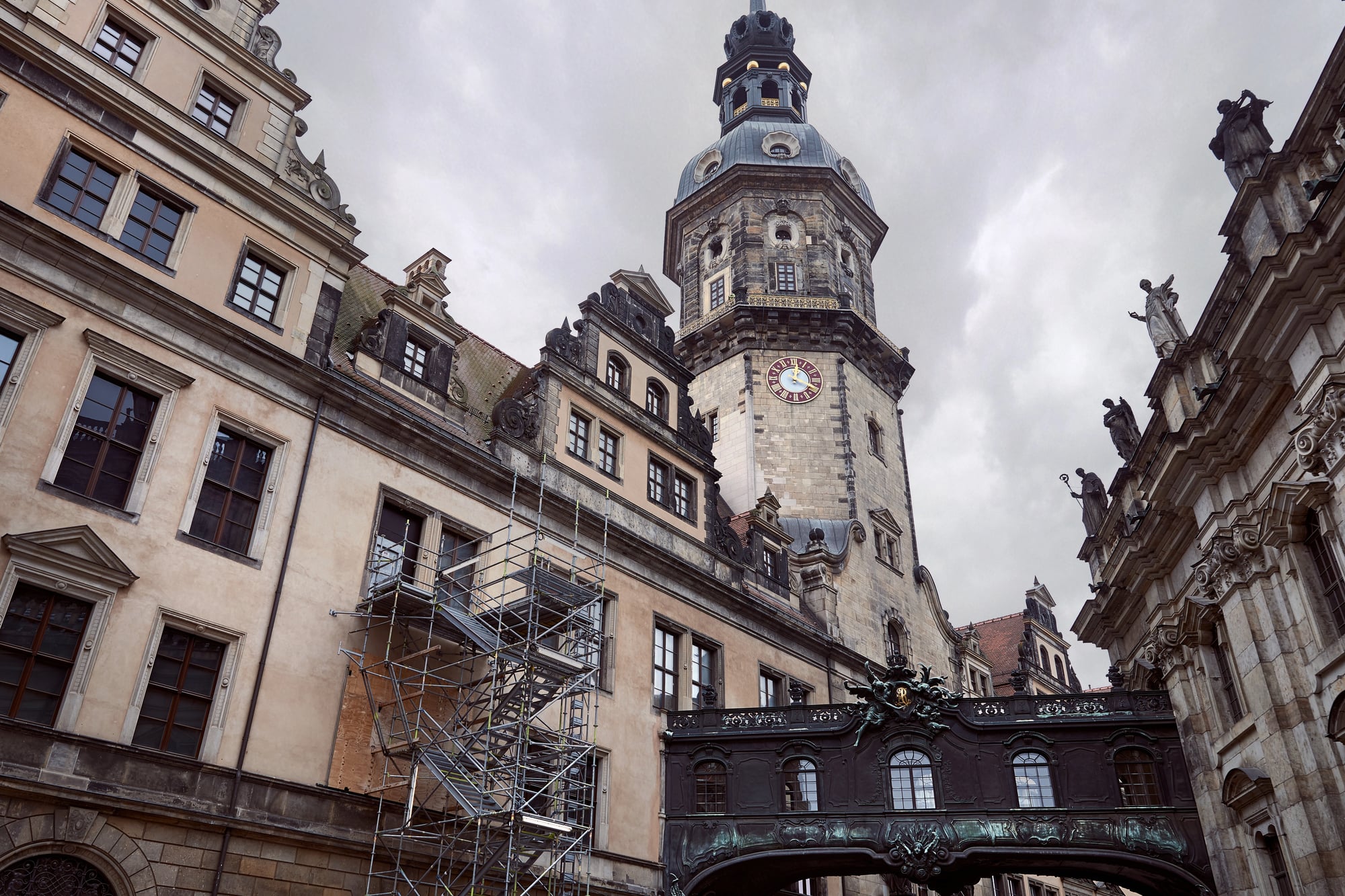
In Finland and parts of Germany, people practice a form of divination called molybdomancy. Small pieces of tin or lead are melted over a flame and then dropped into cold water.
The resulting shape is interpreted as a prediction for the coming year. A heart shape suggests romance.
A ship means travel. A pig indicates plenty of food.
The shadows cast by the cooled metal against a wall offer additional clues. The tradition dates back centuries and remains popular, though the EU banned lead-containing kits in 2018 due to health concerns.
Many people now use pure tin, beeswax, or specially made lead-free alternatives instead.
Ringing Bells 108 Times in Japan

Japanese Buddhist temples ring their bells 108 times on New Year’s Eve. The number represents the 108 worldly desires or passions that, according to Buddhist belief, lead to human suffering.
Each bell strike symbolically releases one of these burdens, purifying listeners for the year ahead. The ceremony, called joya no kane, traditionally rings 107 times before midnight, with the final 108th ring timed to coincide exactly with the new year.
Families often visit temples to hear the bells in person, standing in the cold night air as the deep tones reverberate through the darkness.
Dropping Ice Cream in Switzerland
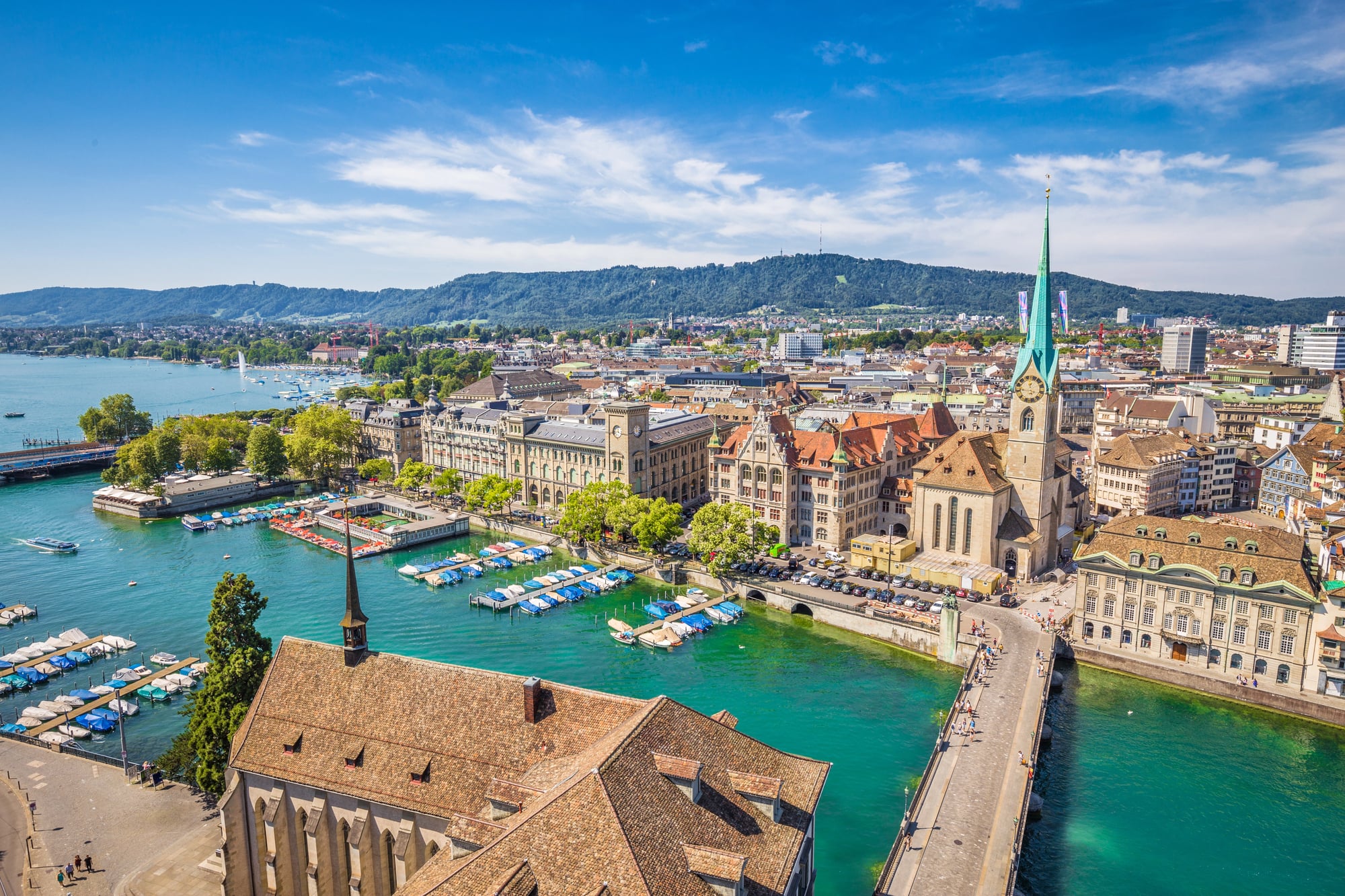
The Swiss have a tradition of letting a dollop of ice cream fall to the floor at midnight. The splatter represents abundance—letting something valuable spill shows you have more than enough and can afford to waste a little.
It’s a gesture of confidence in the prosperity ahead. The custom isn’t universally practiced, but it appears in certain regions and families with enough frequency to count as a genuine tradition.
Whether you clean it up immediately or leave it until morning depends on your tolerance for sticky floors.
Wearing White in Brazil

Brazilians flood the beaches on New Year’s Eve dressed almost entirely in white. The color represents peace and purity, and wearing it honors Yemanjá, the goddess of the sea in Afro-Brazilian religions.
Millions gather on Copacabana Beach in Rio de Janeiro alone. At midnight, people wade into the ocean and jump over seven waves, making a wish with each jump.
They throw flowers, perfume, and other offerings into the water as gifts for Yemanjá, hoping she’ll grant their wishes in return. The combination of white clothing, crashing waves, and fireworks overhead creates an unforgettable scene.
Eating Pickled Herring in Poland
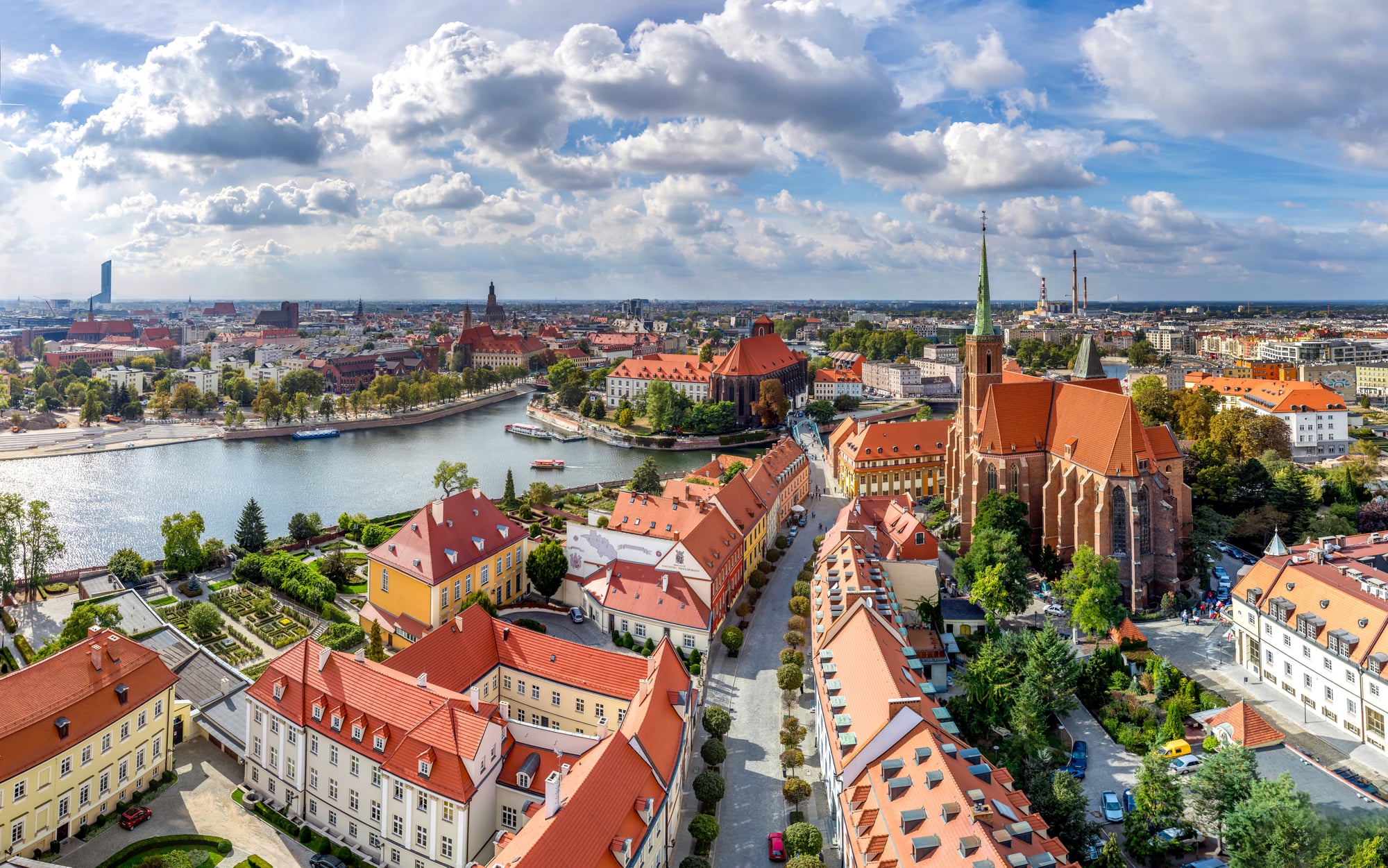
Starting at midnight, Poles eat pickled herring to bring money in the months ahead. Shiny like loose change, the fish sits cold on plates across households.
You’ll find it drenched in sour cream, tangled with sliced onion, or rolled tight in cured strips. No matter how it’s dressed, one thing stays true – the herring always shows up.
Herring filled markets once, so common it landed on every table. Because it cost little, families without much still joined the custom easily.
On New Year’s Eve, eating it meant anyone could taste hope, no matter their wallet. A full plate didn’t demand riches – just timing, salt, and sea.
Midnight and Its Many Meanings
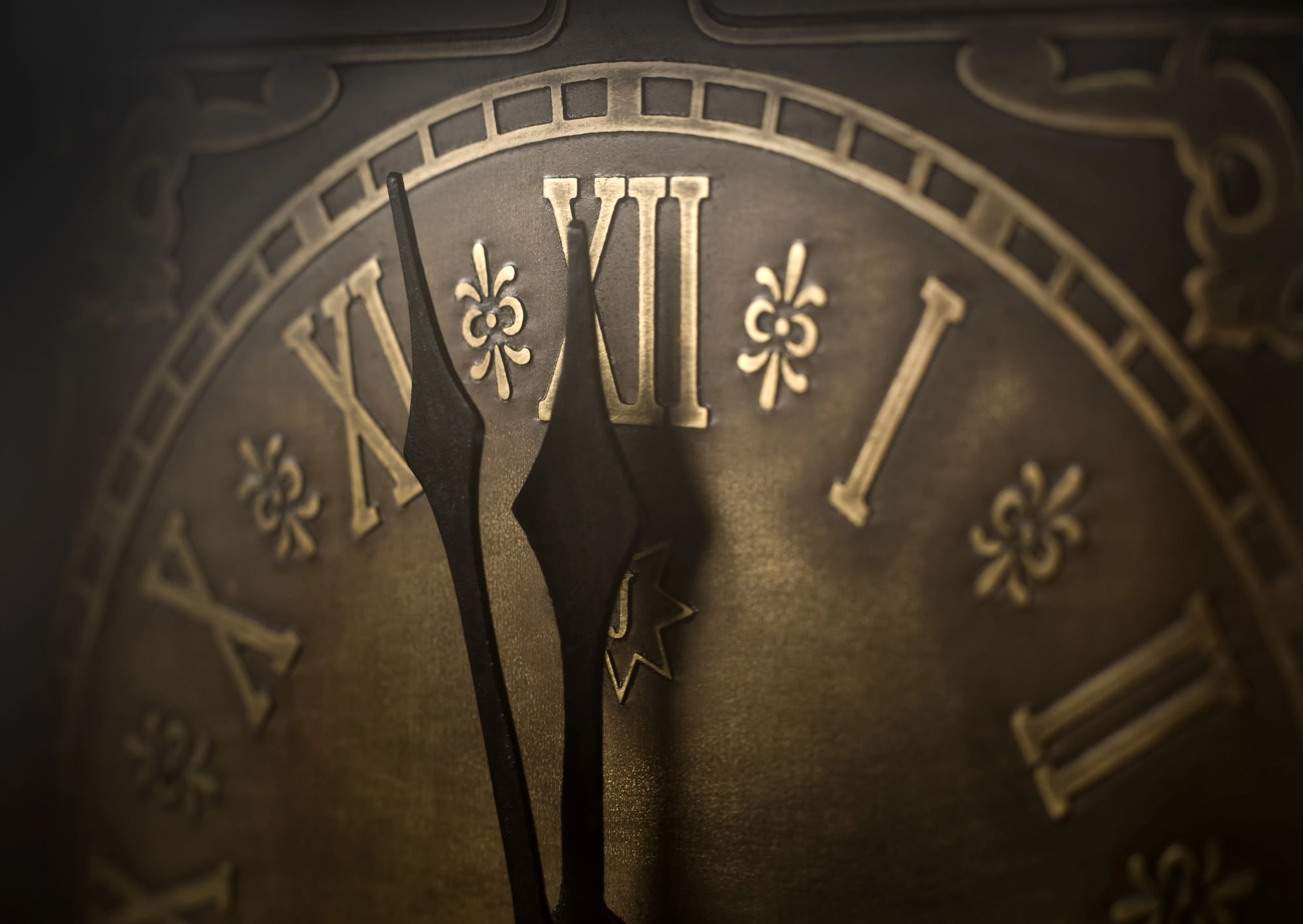
One year shifts to the next, each place doing it differently. Some hurl plates, others leap from chairs, some walk into ocean waves dressed in white.
What drives them is alike – clearing out the old, making room for what follows. This change could mean nothing, yet people frame it somehow.
A second on a timepiece turns sharp, like salt on skin or smoke in air. Maybe the purpose isn’t fortune, just stillness – the quiet gap where hope fits easily.
More from Go2Tutors!

- The Romanov Crown Jewels and Their Tragic Fate
- 13 Historical Mysteries That Science Still Can’t Solve
- Famous Hoaxes That Fooled the World for Years
- 15 Child Stars with Tragic Adult Lives
- 16 Famous Jewelry Pieces in History
Like Go2Tutors’s content? Follow us on MSN.