Monuments With Misguided Origins
Standing before a monument, most people assume they’re looking at something worth honoring. The bronze figures and carved stone seem to carry automatic authority — after all, someone thought this person or event important enough to memorialize in metal and marble.
But scratch beneath that patina of respectability and you’ll often find stories that would make you reconsider that reverence.
History has a way of laundering reputations through time and impressive craftsmanship. What seemed like a reasonable tribute in one era can look deeply troubling through today’s lens.
These monuments weren’t always built to celebrate the noble aspects of their subjects — sometimes they were constructed to whitewash uncomfortable truths, advance political agendas, or honor people whose legacies deserved scrutiny rather than celebration.
Stone Mountain Confederate Memorial
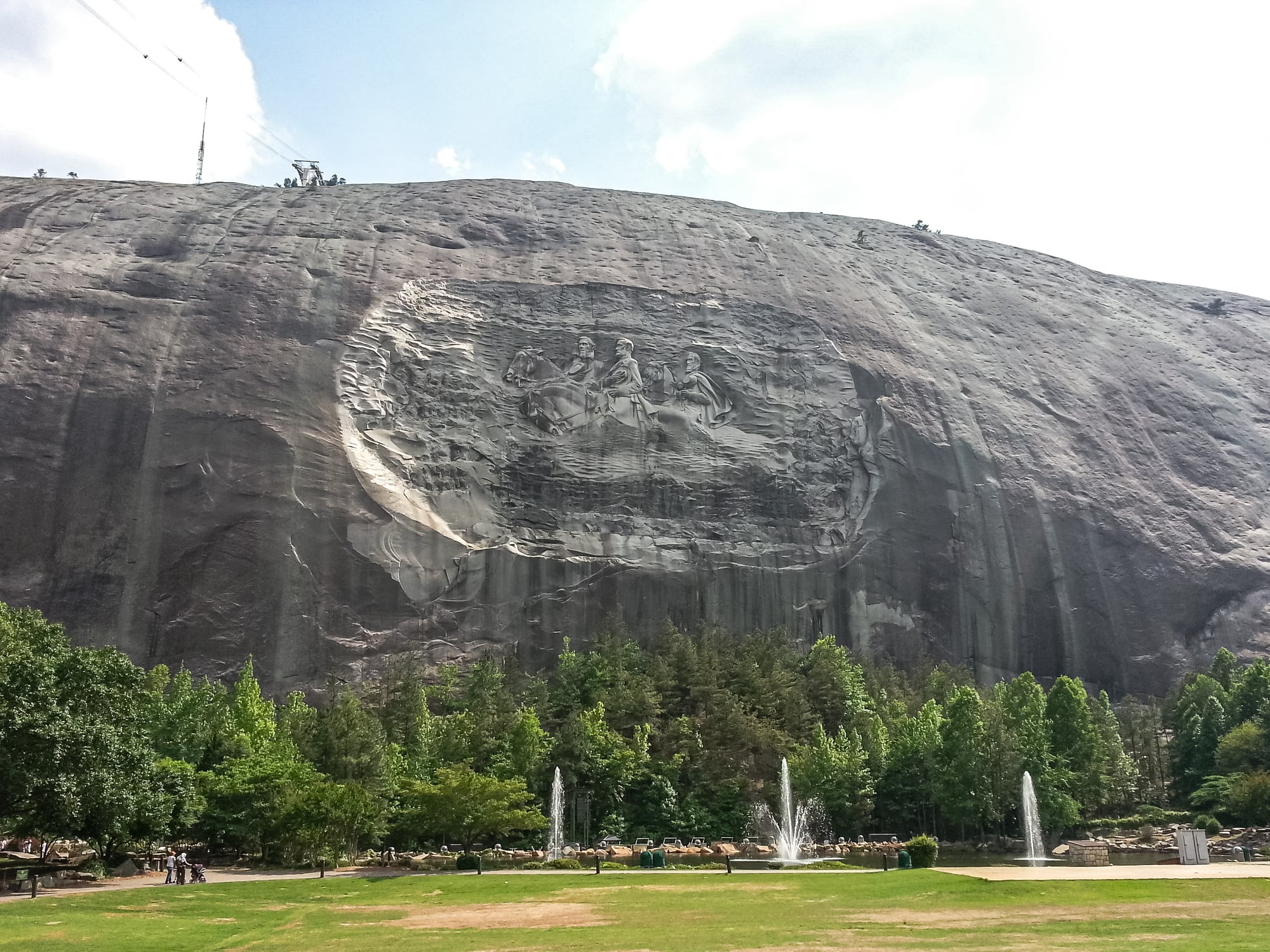
Stone Mountain’s carving makes Mount Rushmore look modest by comparison. Three Confederate leaders — Jefferson Davis, Robert E. Lee, and Stonewall Jackson — dominate the granite face of this Georgia landmark.
The timing tells you everything about its true purpose. Work began in 1916 under sculptor Gutzon Borglum, though the project was halted due to disputes and resumed in 1963 under Walter Hancock.
The resumption and KKK’s nationwide revival in the 1920s overlapped with the broader Jim Crow era. The project wasn’t conceived as a historical tribute but as a rallying point for white supremacy during the Jim Crow era.
The KKK held rallies at the base while the carving took shape above them.
Christopher Columbus Monuments
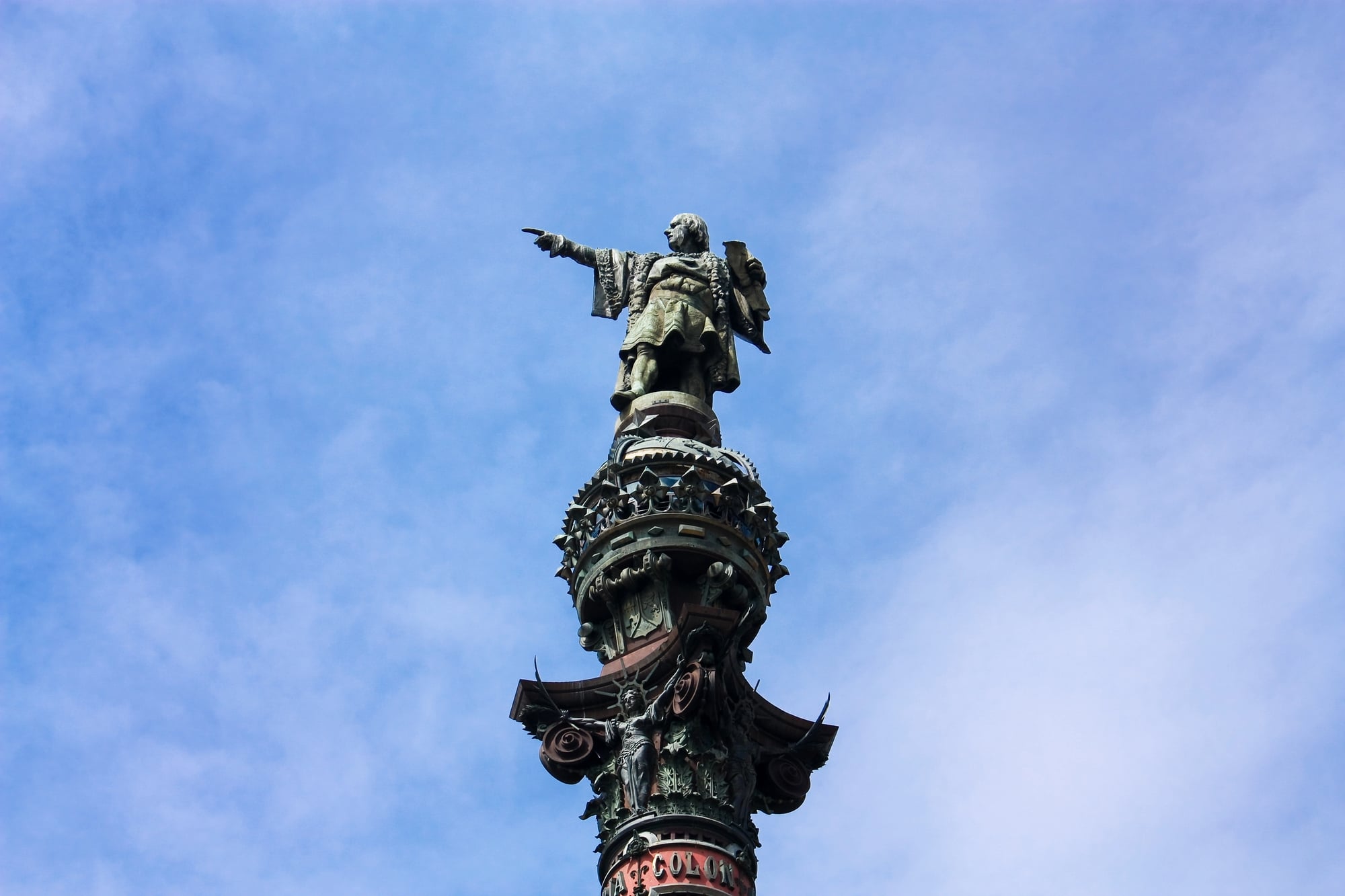
Every Columbus Day, these statues become flashpoints for good reason. The man honored across countless American cities initiated a period of catastrophic destruction for indigenous populations.
Columbus enslaved native people on his first voyage. He established brutal forced labor systems that decimated entire communities.
His own writings describe tactics that would be classified as genocide today. Yet hundreds of monuments present him as a heroic explorer rather than acknowledging the darker aspects of his legacy.
The gap between the bronze figure and historical reality couldn’t be wider.
Confederate Monuments During Jim Crow
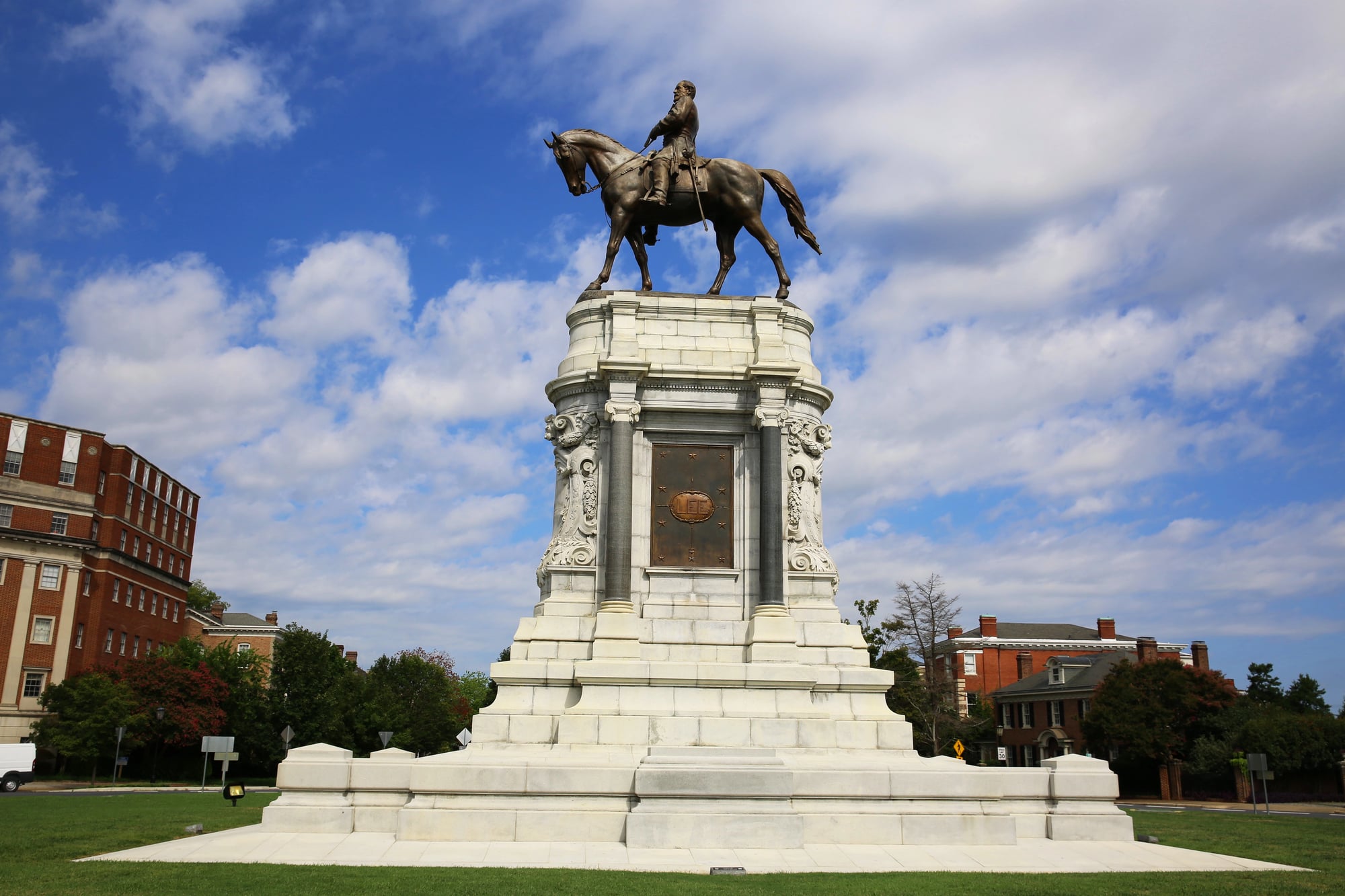
Most Confederate monuments weren’t built immediately after the Civil War — they were erected decades later, during the height of Jim Crow segregation and again during the Civil Rights Movement. This timing wasn’t coincidental (it was strategic, designed to send a clear message about who held power and whose version of history would be carved in stone).
The monuments served as physical reminders of white supremacy during periods when that system faced challenges, and they were placed deliberately in courthouse squares and public spaces where Black citizens would be forced to encounter them daily.
So these weren’t really about honoring fallen soldiers — they were about intimidating living people. But the language around them always emphasized heritage and history, which sounds more palatable than acknowledging their function as tools of psychological warfare.
Cecil Rhodes Statues
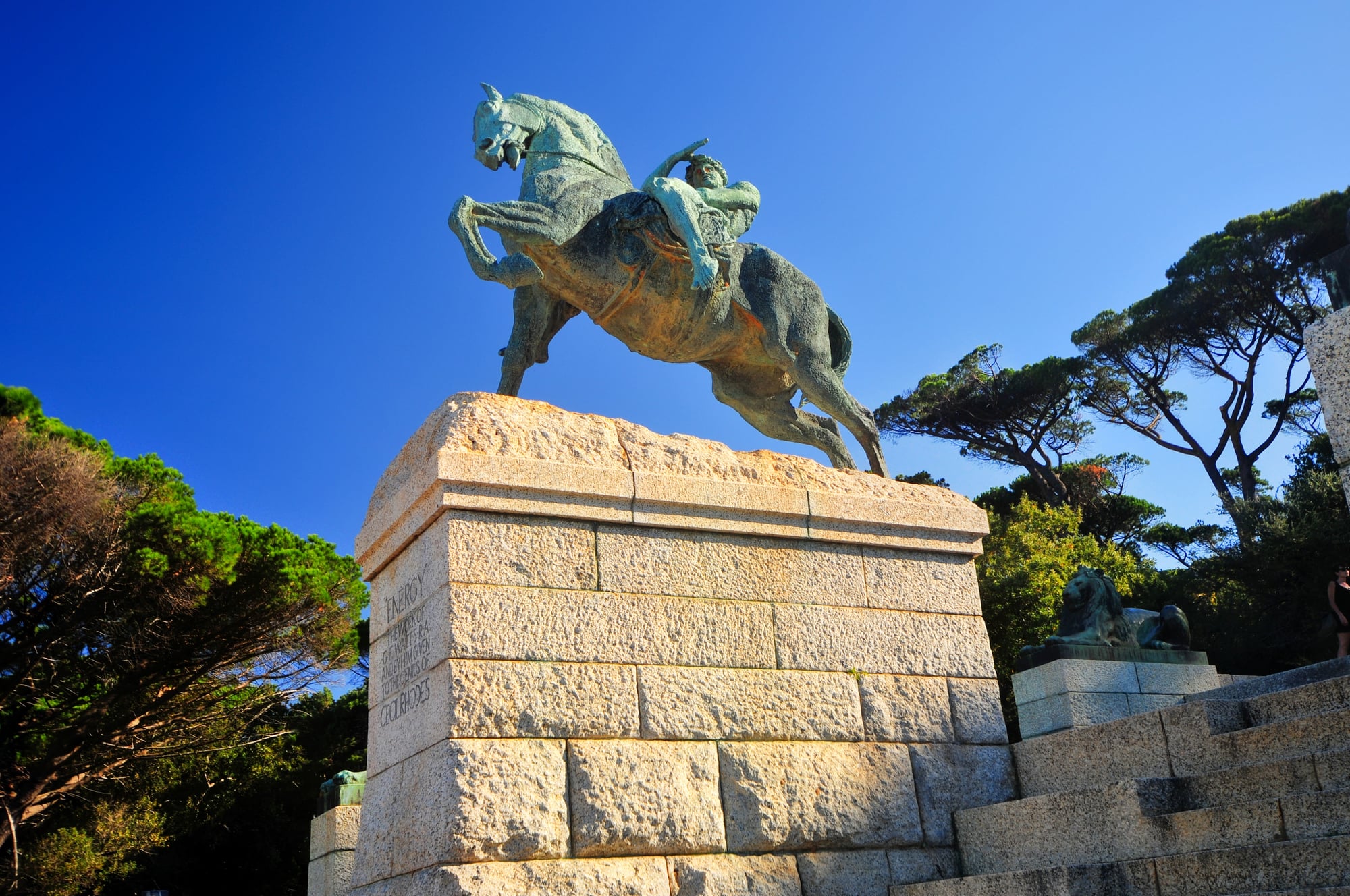
Rhodes embodied everything ugly about British imperialism in Africa. His mining empire was built on the exploitation of Black South Africans under conditions that barely qualified as employment.
He believed white people were inherently superior and designed political systems to keep power in white hands. His scholarship program at Oxford, while producing notable graduates, was originally intended to train future leaders who would advance British imperial interests.
The man literally had a country named after him — Rhodesia — which tells you how thoroughly his vision shaped an entire region. Yet statues of Rhodes still occupy places of honor at universities and public spaces, as if his educational philanthropy somehow balances out his role in establishing apartheid-like systems.
Francisco Franco Monuments
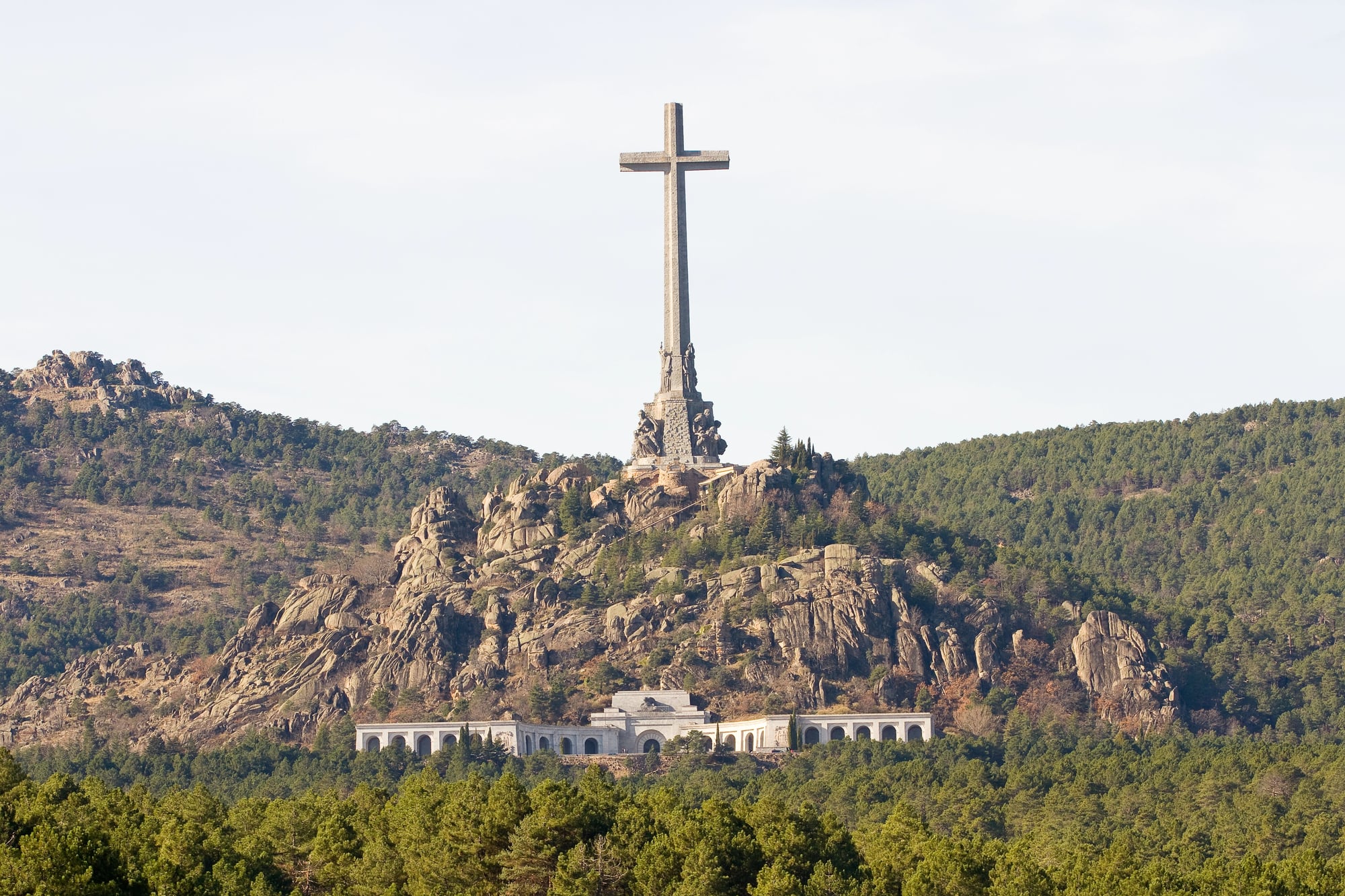
Spain is still grappling with Franco’s monumental legacy. The dictator ruled for nearly four decades, suppressing regional cultures, executing political opponents, and aligning with fascist powers during World War II.
Yet monuments to Franco persisted long after his death in 1975. Some depicted him as a unifying national figure rather than acknowledging his authoritarian rule.
The Valley of the Fallen, his massive mausoleum outside Madrid, served as a pilgrimage site for Franco supporters well into the 21st century. Spain only began seriously addressing these monuments in recent years, demonstrating how long problematic memorials can persist when their removal becomes politically complicated.
King Leopold II Statues
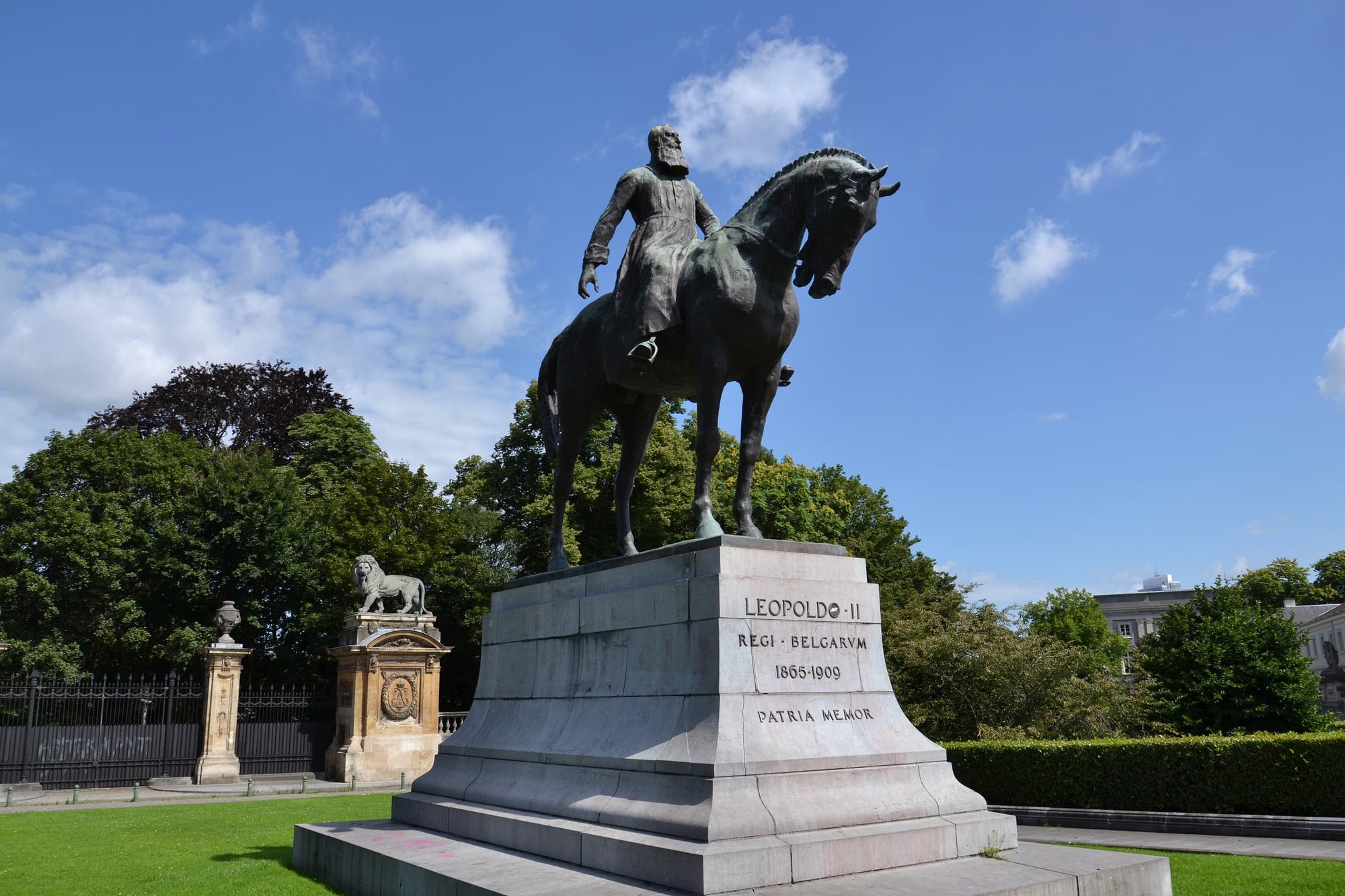
Leopold’s monuments across Belgium present him as a benevolent monarch and patron of the arts. The bronze and marble versions omit his management of the Congo Free State, where millions died under his brutal extraction system.
Leopold never actually visited the Congo, but his private army enforced quotas for rubber and ivory through systematic violence. Workers who failed to meet quotas faced mutilation or death.
Entire villages were destroyed. The population of the Congo dropped by an estimated 10 million people during his reign.
Meanwhile, the wealth flowing from this system funded the very cultural projects that his monuments celebrate. The statues show a king surrounded by grateful subjects, not a man whose policies constituted genocide.
Belgium is finally starting to reckon with these monuments, but it took more than a century of public pressure to get there.
Mount Rushmore
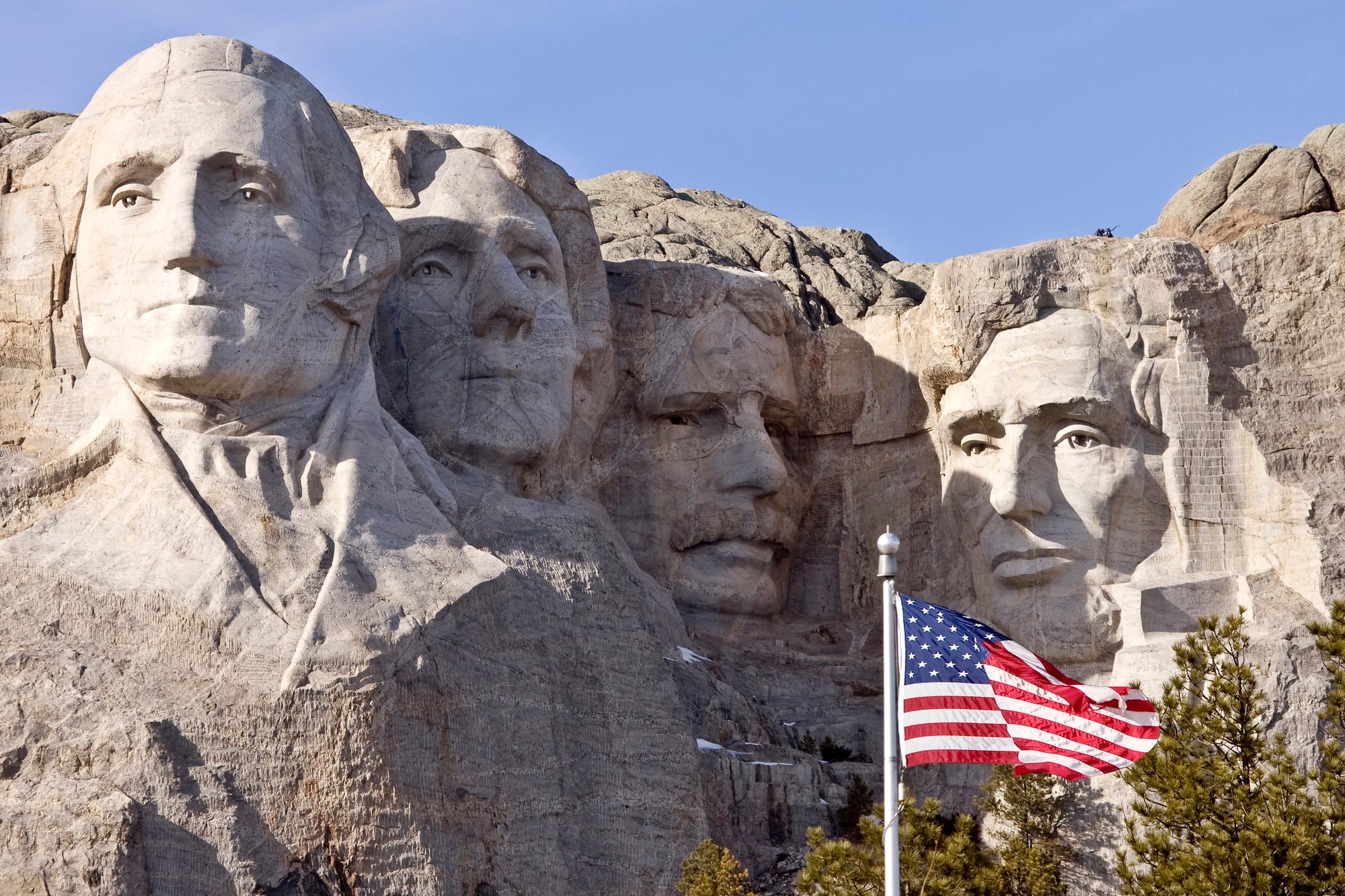
The four presidents carved into the Black Hills represent American ideals of democracy and freedom. The location tells a different story entirely.
This land was sacred to the Lakota Sioux, guaranteed to them by treaty. The U.S. government broke that treaty when gold was discovered in the area, then literally carved the faces of their leaders into the stolen landscape.
The irony runs deeper — the mountain was originally named for a New York lawyer who came to the area to investigate mining claims. So a sacred indigenous site became a monument to the very process of their dispossession, named for someone involved in the legal framework that enabled it.
Stalin Monuments
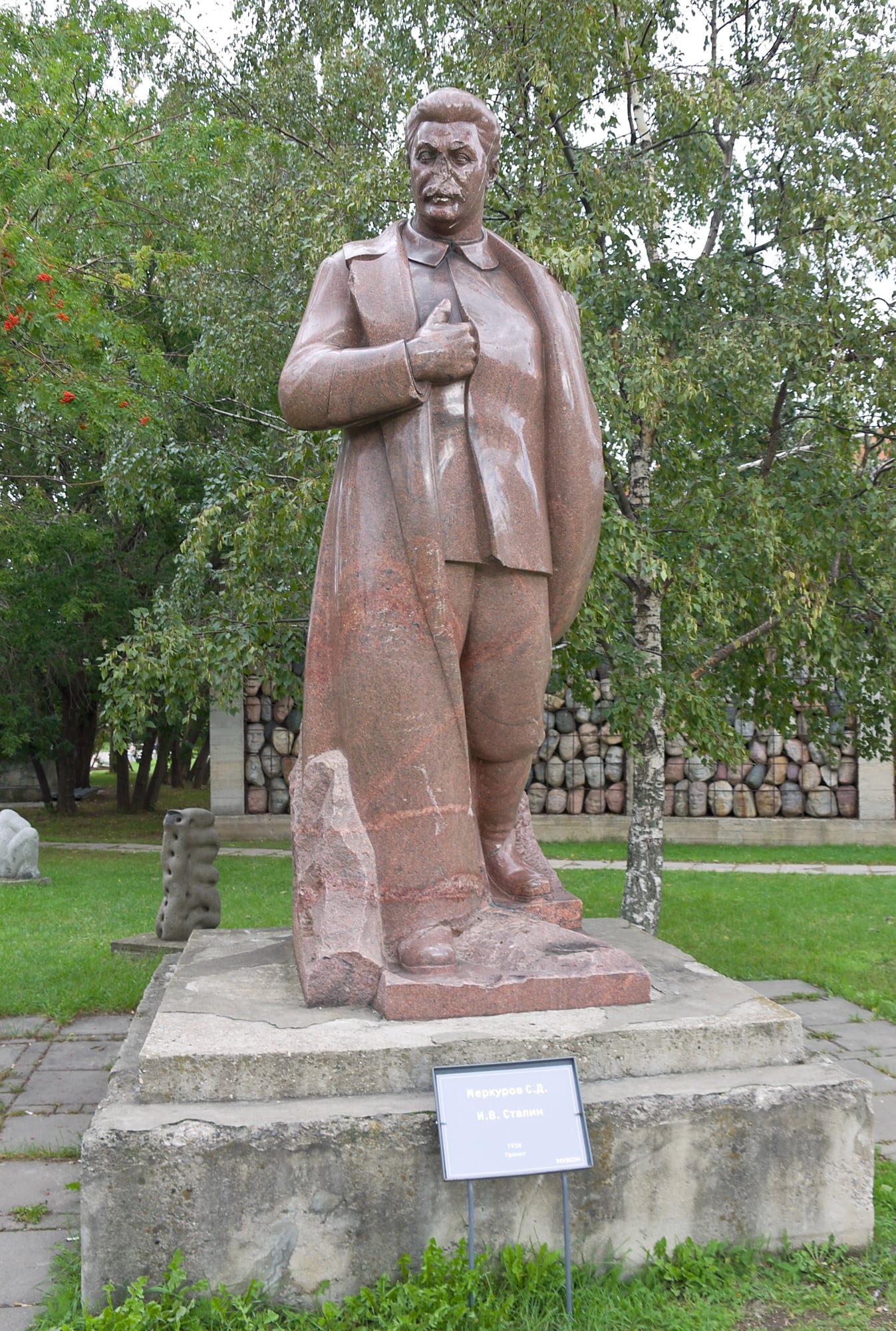
Eastern Europe was once dotted with massive Stalin statues, each one presenting the dictator as a benevolent father figure watching over his people. These monuments were designed to project strength and inspire loyalty rather than reflect historical accuracy.
Stalin’s policies caused famines that killed millions in Ukraine and Kazakhstan. His purges eliminated perceived enemies, real and imagined, throughout the Soviet system.
He signed non-aggression pacts with Hitler while building up military forces. Yet the monuments showed none of this — they depicted a wise leader guiding his nation toward prosperity.
Most were torn down after his death, but some remained standing for decades in places where challenging his legacy remained politically dangerous. The ones that survive serve as reminders of how completely propaganda can reshape public memory (at least temporarily, until the political system that created them loses power).
But while they stood, generations grew up seeing Stalin in bronze and marble, which had to influence how they understood their own history.
Benito Mussolini Monuments
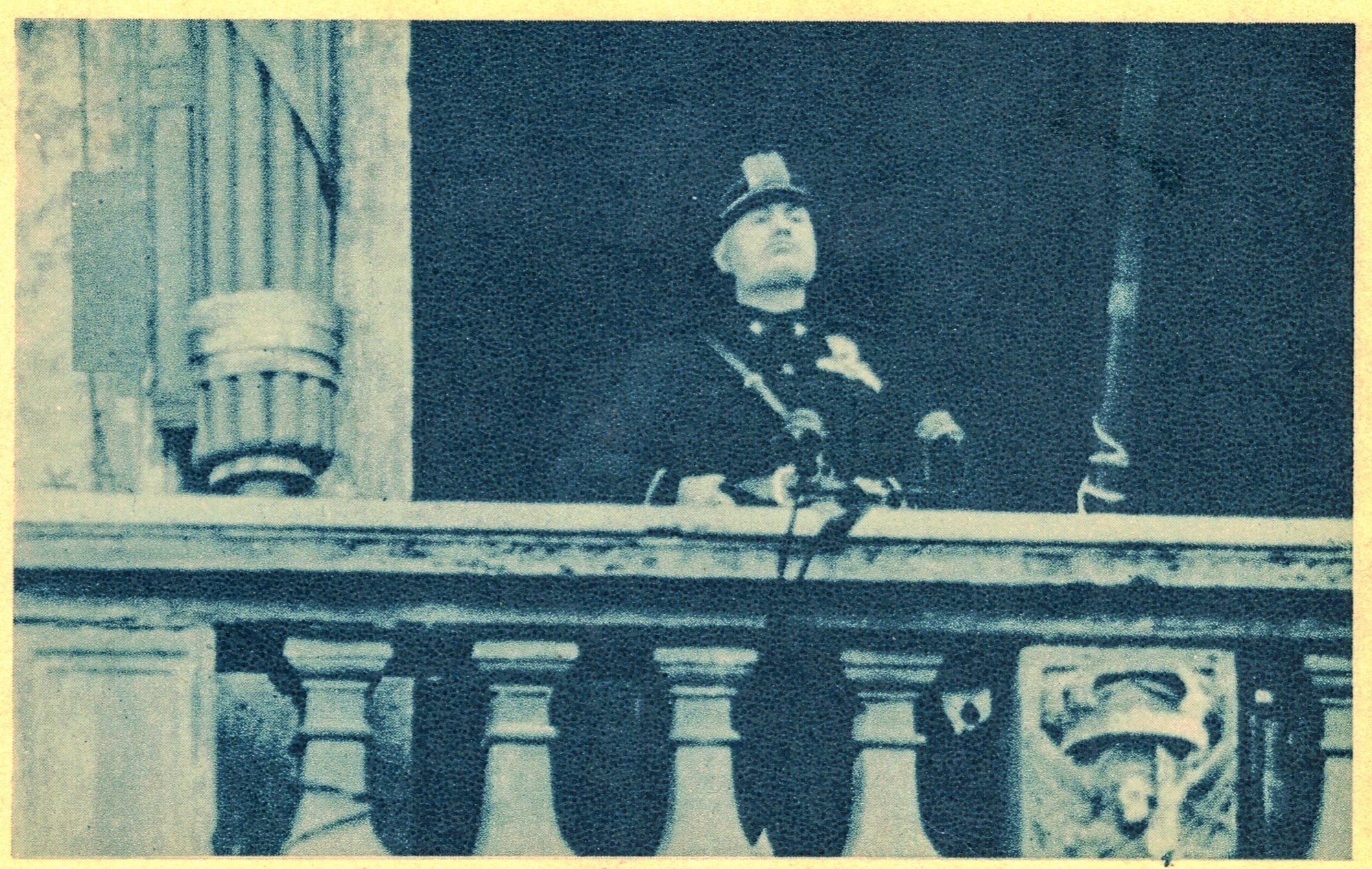
Italy’s relationship with Mussolini’s monuments reveals how fascist imagery can persist through bureaucratic inertia and local politics. Il Duce’s regime built extensively — not just monuments to the man himself, but architectural projects designed to glorify fascist ideology.
Some of this infrastructure proved too expensive or complicated to remove after World War II. Other pieces were simply forgotten in smaller towns where nobody wanted to spend money on demolition.
The result is that fascist-era monuments and buildings still dot the Italian landscape, creating an uncomfortable relationship between past and present. Mussolini’s tomb in Predappio still attracts supporters who leave flowers and fascist salutes.
The monuments that remain don’t actively promote fascism, but they normalize its symbols in ways that would be unthinkable in Germany.
Jefferson Davis Monuments
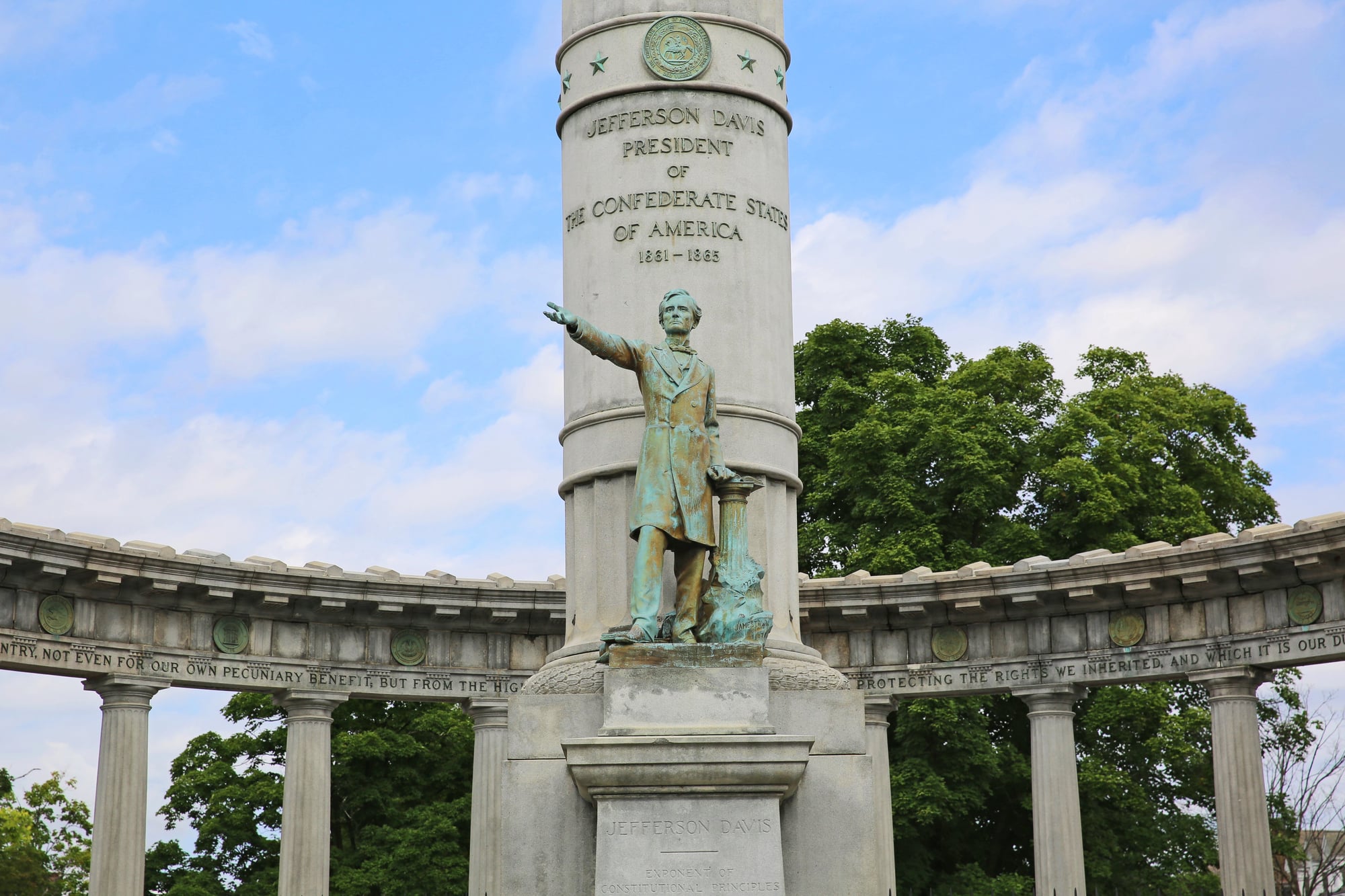
Davis served as president of the Confederacy for exactly four years. His monuments have stood for far longer than his actual political career lasted.
These statues typically emphasize Davis’s earlier service as a U.S. Senator and military officer while downplaying his role in defending slavery. The inscriptions focus on his dedication to constitutional principles rather than the specific principle he was defending — the right to own human beings as property.
Many were erected during the 1950s and 1960s, when civil rights activists were challenging segregation. The timing suggests these monuments were less about honoring Davis than about asserting opposition to racial integration.
Conquistador Monuments
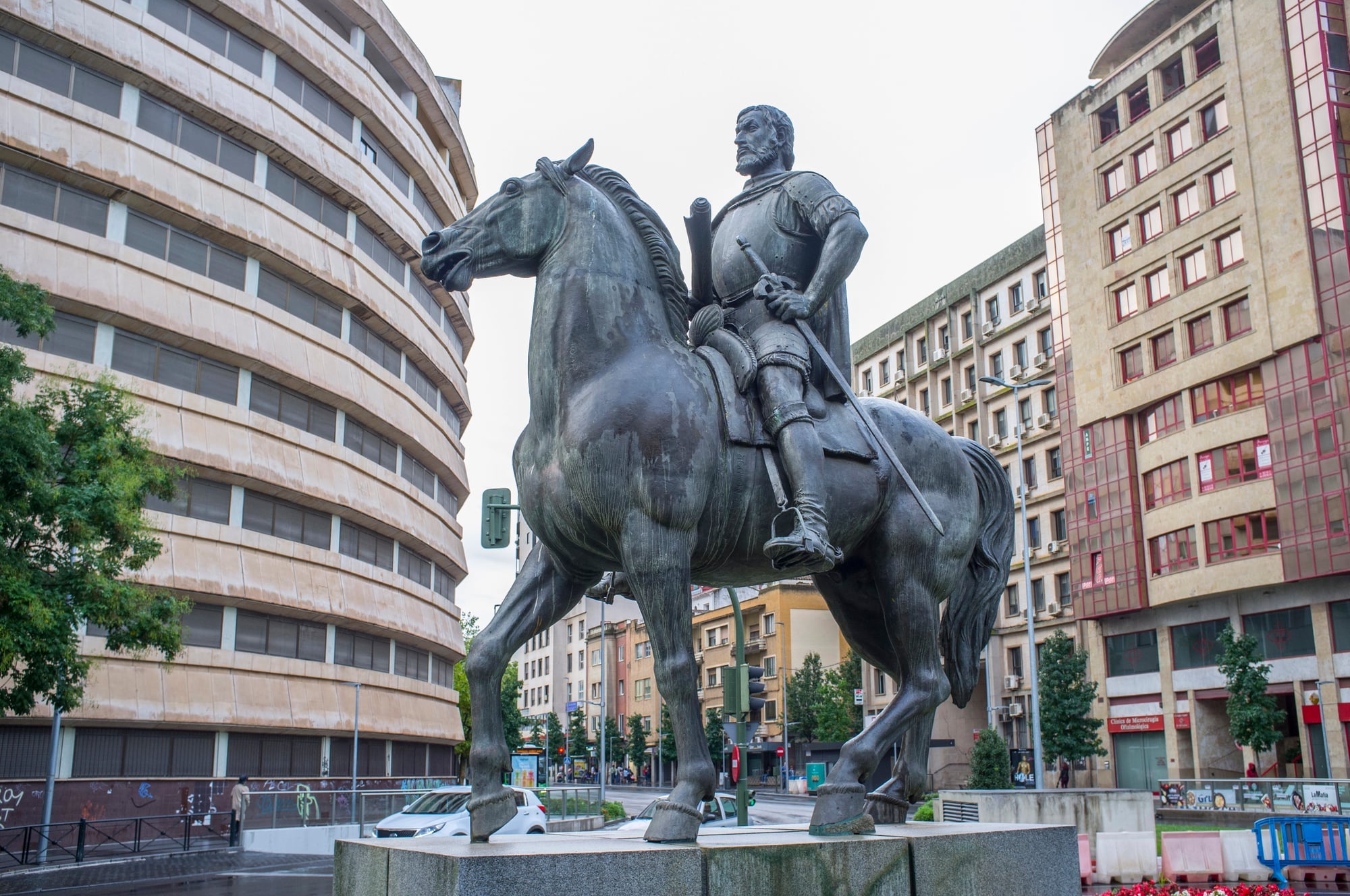
Spanish conquistadors are commemorated throughout the Americas as bold explorers who brought civilization to the New World. The monuments rarely mention what that “civilization” cost indigenous populations.
Francisco Coronado has statues across the American Southwest celebrating his exploration of the region. Less celebrated are his treatment of native peoples and his role in establishing systems that would exploit them for centuries.
Hernán Cortés monuments in Mexico present him as a founding figure while glossing over his destruction of Aztec civilization. Juan de Oñate is honored in New Mexico despite historical records showing he ordered the amputation of feet from Acoma Pueblo men as punishment for resistance.
These monuments frame conquest as discovery and subjugation as progress.
Leopold III Monuments
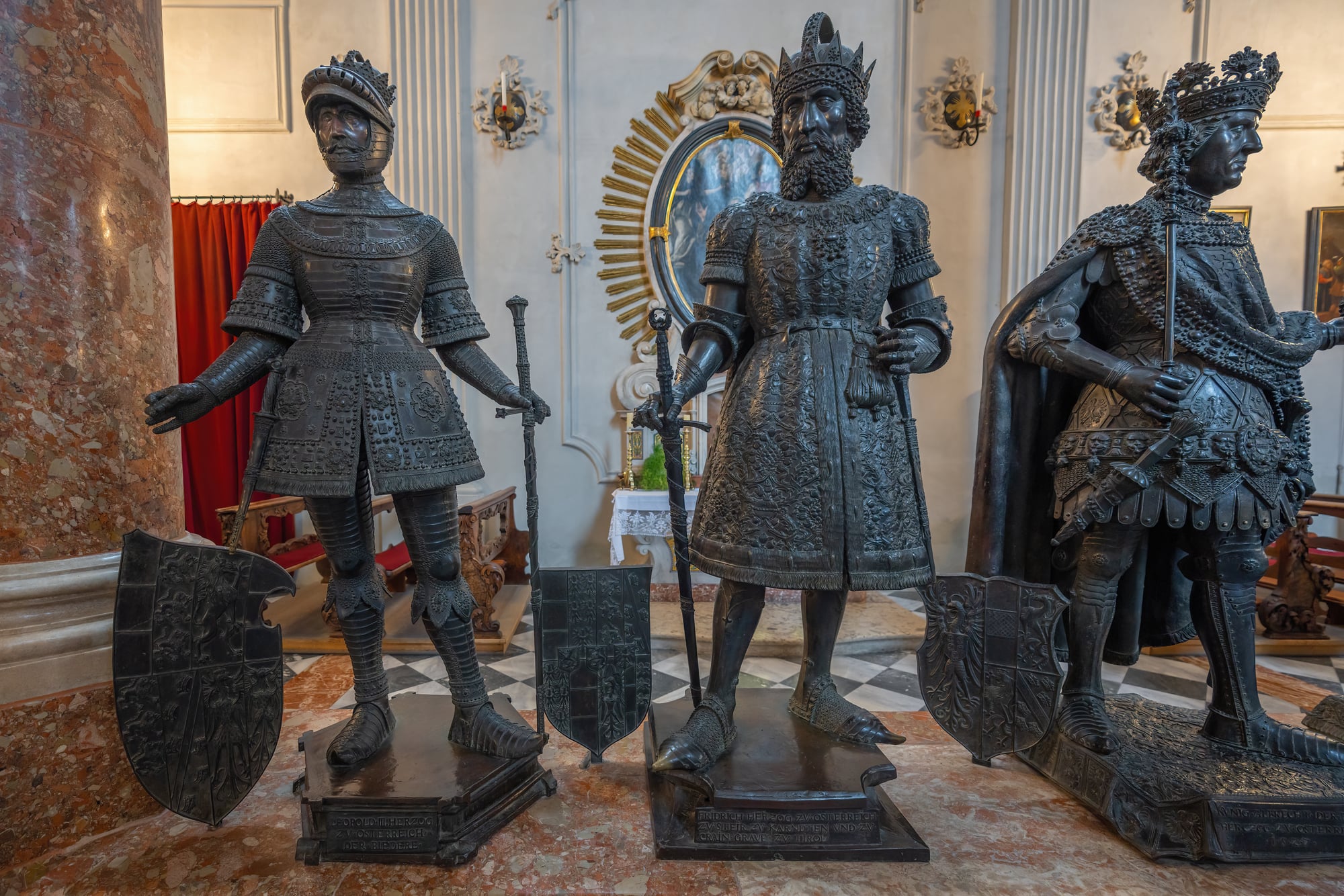
Belgium’s King Leopold III presents a more complex case than his namesake predecessor. His monuments commemorate his resistance to Nazi occupation, which was genuine and heroic.
The problem is what they leave out. Leopold’s decision to remain in Belgium during the occupation, while intended as defiance, was interpreted by many Belgians as collaboration.
His meeting with Hitler in 1940 damaged his reputation permanently. His postwar attempt to return to the throne created a constitutional crisis that nearly split the country.
The monuments emphasize his wartime courage while ignoring the political divisions his actions created. Even heroic acts can be more complicated than bronze and marble suggest.
Nathan Bedford Forrest Monuments
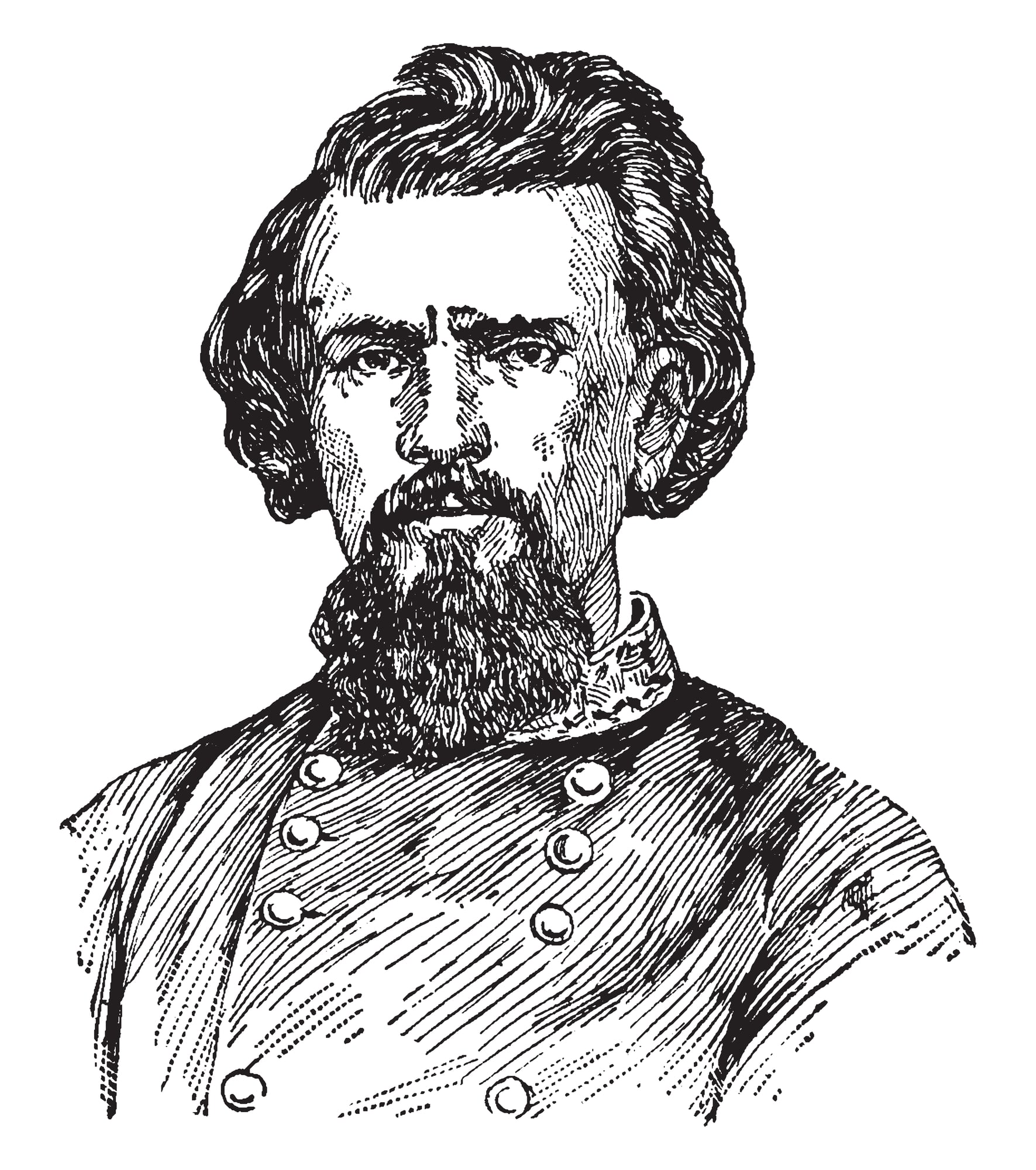
Forrest monuments present him as a brilliant military tactician and early civil rights advocate. Both claims require significant historical gymnastics.
Forrest was indeed an effective cavalry commander, but his tactics included the massacre of Black Union soldiers who had surrendered at Fort Pillow. After the war, he became the first Grand Wizard of the Ku Klux Klan, helping establish the organization that would terrorize freed slaves throughout Reconstruction.
Later in life, he did make some conciliatory statements about race relations, which his defenders point to as evidence of his evolution. But founding the KKK tends to overshadow later attempts at moderation.
The monuments emphasize his military skill and later statements while glossing over the terrorism he helped organize.
Remembering Without Romanticizing
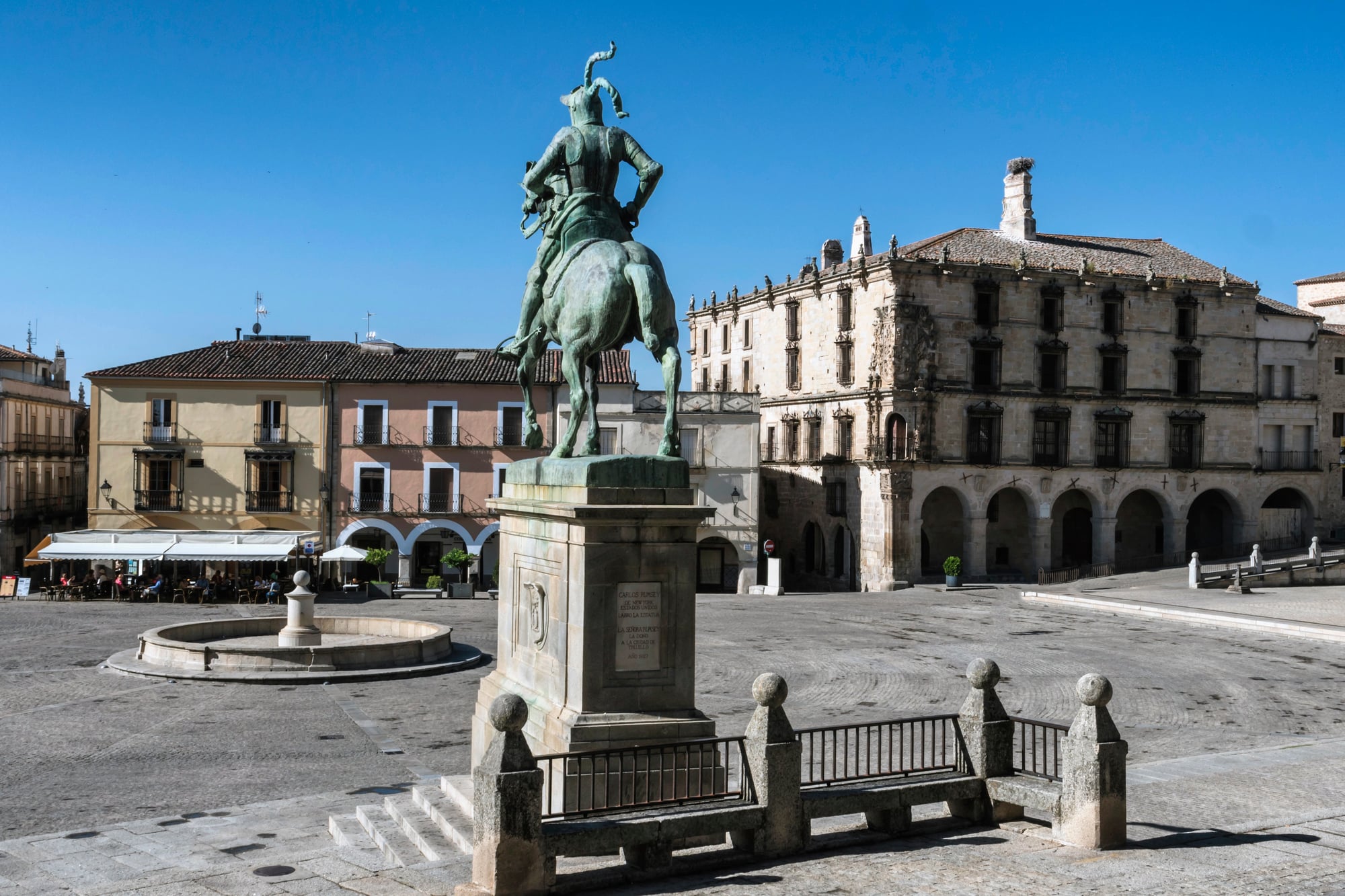
The most honest monuments are often the most uncomfortable ones. Germany’s approach to Holocaust memorials doesn’t try to find silver linings or emphasize positive aspects of a dark period.
The memorials force confrontation with historical reality rather than offering comfortable narratives about progress and heroism.
Removing problematic monuments doesn’t erase history — it creates space for more complete stories. Museums can provide context that bronze figures cannot.
Plaques can explain complexity that heroic poses obscure. The goal isn’t to forget the past but to remember it more honestly, without the romantic filter that turns historical figures into legends and historical events into myths.
Some stories deserve monuments. Others deserve honest reckoning instead of bronze tributes that make the past more comfortable than it actually was.
More from Go2Tutors!

- The Romanov Crown Jewels and Their Tragic Fate
- 13 Historical Mysteries That Science Still Can’t Solve
- Famous Hoaxes That Fooled the World for Years
- 15 Child Stars with Tragic Adult Lives
- 16 Famous Jewelry Pieces in History
Like Go2Tutors’s content? Follow us on MSN.