Iconic Songs Inspired by Unusual or Real Events
Music has always been a mirror to life, reflecting the weird, the wonderful, and sometimes the downright strange moments that shape our world. Some of the most memorable tunes didn’t spring from a songwriter’s imagination but from actual happenings that were too compelling to ignore.
From courtroom dramas to shipwrecks, these tracks prove that reality often writes better stories than fiction ever could. Let’s dive into the fascinating real-world moments that gave birth to some of the most unforgettable songs in music history.
The Wreck of the Edmund Fitzgerald

Gordon Lightfoot turned a 1975 maritime disaster into one of folk music’s most haunting ballads. The Edmund Fitzgerald, a massive cargo ship, sank in Lake Superior during a violent storm, taking all 29 crew members with it.
Lightfoot read about the tragedy in Newsweek and felt compelled to honor the lost sailors. His song captured every detail of that fateful November night, from the ship’s final radio transmission to the church bell that rang 29 times in remembrance.
The track became so popular that it brought national attention to a disaster many Americans had never heard about.
Pumped Up Kicks

Foster the People’s catchy tune hides a deeply troubling inspiration rooted in school violence. Mark Foster wrote the song after learning about disturbed kids who fantasized about harming their classmates.
He wanted to explore the psychology behind such dark thoughts from the perspective of someone disconnected from reality. The upbeat melody deliberately contrasts with the lyrics about a troubled youth with violent intentions.
This artistic choice sparked countless debates about whether the song glorified violence or served as a necessary commentary on a serious issue facing schools across America.
I Don’t Like Mondays

The Boomtown Rats crafted this new wave hit after a 16-year-old girl in California opened fire on an elementary school playground in 1979. When asked why she did it, Brenda Ann Spencer gave the chilling response that became the song’s title.
Bob Geldof, the band’s frontman, was watching television in an Atlanta hotel room when news of the shooting broke. The casual dismissiveness of her explanation struck him as particularly disturbing.
He wrote the entire song that same day, capturing the senselessness of violence and the haunting indifference in her words.
The Night They Drove Old Dixie Down

The Band created this Civil War anthem based on actual stories from Southern families torn apart by the conflict. Robbie Robertson, who wrote the song, spent months researching personal accounts and historical records to get the details right.
The character Virgil Caine represents countless Confederate soldiers who watched their world crumble during Sherman’s destructive march through the South. Joan Baez later covered the song and brought it to an even wider audience.
Despite being written by a Canadian about American history, it became one of the most authentic musical depictions of that turbulent era.
Hurricane

Bob Dylan’s protest song tells the true story of boxer Rubin Carter, who spent nearly 20 years in prison for murders he didn’t commit. Dylan visited Carter in prison and became convinced of his innocence after reviewing the case details.
The eight-minute track walks through the entire night of the crime, the flawed investigation, and the racial prejudice that led to Carter’s wrongful conviction. Dylan recorded the song with urgency, hoping to draw attention to the miscarriage of justice.
Carter was eventually freed in 1985, though the song’s impact on his release remains debated by legal experts.
Strange Fruit

Billie Holiday’s most powerful song came from a poem about lynchings in the American South. Abel Meeropol wrote the original verses after seeing a photograph of two Black teenagers hanging from a tree.
Holiday first performed it at Café Society in New York, and the room fell completely silent. The metaphor of bodies as ‘strange fruit’ hanging from poplar trees was so disturbing that many radio stations refused to play it.
Despite the controversy, Holiday insisted on including it in her performances because she believed people needed to confront the brutal reality of racial violence.
Jeremy

Pearl Jam’s grunge hit draws from two separate school shooting incidents that happened in the early 1990s. Eddie Vedder read a newspaper article about Jeremy Wade Delle, a Texas teenager who took his own life in front of his English class.
The band combined elements from that tragedy with another incident in California to create a composite story. The music video, which aired on MTV, showed disturbing imagery that eventually led to stricter content guidelines for the network.
Schools across America used the song to start difficult conversations about bullying and mental health among teenagers.
Lily, Rosemary and the Jack of Hearts

Bob Dylan wove this lengthy narrative based on a real bank robbery that took place in Minnesota during the 1800s. The song reads like a Western movie script, complete with a traveling show, a diamond heist, and romantic entanglements.
Dylan grew up hearing stories about outlaws and frontier justice in his home state. He compressed multiple historical events into one elaborate tale that spans nine minutes.
The song’s complexity has led to dozens of different interpretations, with scholars still debating which parts are historical and which are purely creative additions.
Stan

Eminem created this cautionary tale after receiving increasingly disturbing letters from obsessed fans. The rapper noticed patterns in certain messages that showed unhealthy attachment and delusion.
He combined elements from multiple fan letters into the character of Stan, an unstable admirer whose devotion turns dangerous. The song features Dido’s vocals and tells the story through letters that grow progressively more unhinged.
It became so culturally significant that ‘stan’ entered the dictionary as a term for an overzealous fan, completely changing how we talk about celebrity obsession.
El Paso

Marty Robbins wrote this Western ballad about a fictional cowboy, but he based the setting and details on a real bar in El Paso, Texas. Rosa’s Cantina actually existed, and Robbins had visited the area multiple times.
The song tells the story of a cowboy who falls for a Mexican dancer and kills a rival in a jealous rage. Robbins drove through the Franklin Mountains while crafting the lyrics, incorporating actual geographical features into his narrative.
The nearly five-minute track was considered too long for radio in 1959, but it became a massive hit anyway and won a Grammy.
The Ballad of Ira Hayes

Johnny Cash honored a Native American war hero whose life ended in tragedy with this folk song. Ira Hayes helped raise the American flag at Iwo Jima, becoming part of one of the most iconic photographs in history.
After returning home to Arizona, Hayes struggled with alcoholism and died alone in a ditch at age 32. Cash felt a deep connection to Hayes’s story and wanted to highlight how America often forgets its heroes, especially those from marginalized communities.
The song brought renewed attention to Hayes’s contributions and the broader struggles facing Native American veterans.
Into the Black

Neil Young wrote this track following the Kent State shootings in 1970, when National Guardsmen killed four college students during a Vietnam War protest. Young was deeply shaken by the violence against unarmed young people exercising their right to assemble.
The raw, distorted guitar work mirrors the chaos and anger of that moment in American history. He recorded it quickly with Crazy Horse, capturing the immediate emotional response rather than polishing it for commercial appeal.
The song became an anthem for a generation questioning authority and demanding accountability from their government.
Delia’s Gone
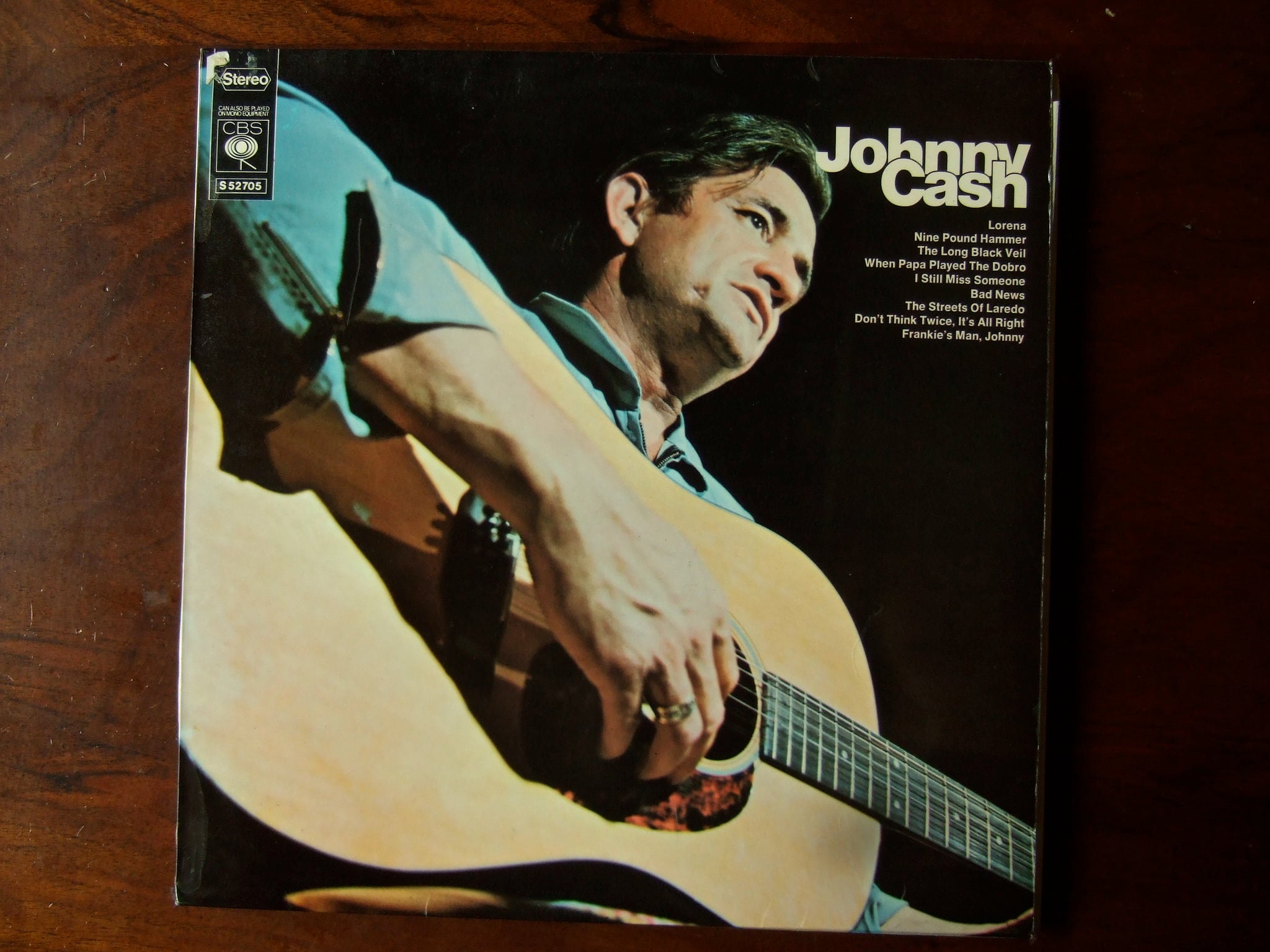
Johnny Cash adapted this traditional folk song about a real murder that happened in Georgia in 1900. Moses Houston shot 14-year-old Delia Green on Christmas Eve, and the case became local legend.
Multiple musicians recorded versions over the decades, each adding their own details to the story. Cash’s version, recorded late in his career, presents the darkest interpretation of the events.
The song’s matter-of-fact description of violence made it controversial, but Cash defended it as an important piece of American musical history that shouldn’t be sanitized.
The Lonesome Death of Hattie Carroll

Bob Dylan documented a 1963 killing where a wealthy farmer struck a Black hotel worker with a cane, leading to her death. William Zantzinger received only six months in jail for the crime, a sentence that outraged many Americans.
Dylan structured the song to reveal details gradually, building tension before delivering the gut punch of the lenient punishment. He used Hattie Carroll’s real name but changed the perpetrator’s spelling slightly.
The track became a powerful statement about inequality in the justice system and how wealth and race influenced legal outcomes.
Love Canal

The Ramones brought punk rock attention to an environmental disaster in upstate New York. The neighborhood of Love Canal had been built on top of a toxic waste dump, causing severe health problems for residents.
Families discovered chemicals seeping into their basements and yards, leading to one of America’s first major environmental evacuations. The band wrote the song after reading news reports about the crisis and the government’s slow response.
Their track helped keep the story in public consciousness during a time when authorities hoped people would forget about the contaminated community.
Ohio

Crosby, Stills, Nash & Young recorded this protest song just weeks after the Kent State massacre. Neil Young wrote the lyrics after seeing photos of the dead students in Life magazine.
The group rushed into the studio and had the song on the radio within a month of the tragedy. Its immediate release captured the raw anger felt across college campuses nationwide.
Some radio stations banned the track for being too political and inflammatory. The song’s direct accusation that the National Guard ‘soldiers are cutting us down’ made it impossible for Americans to look away from what had happened.
Cortez the Killer
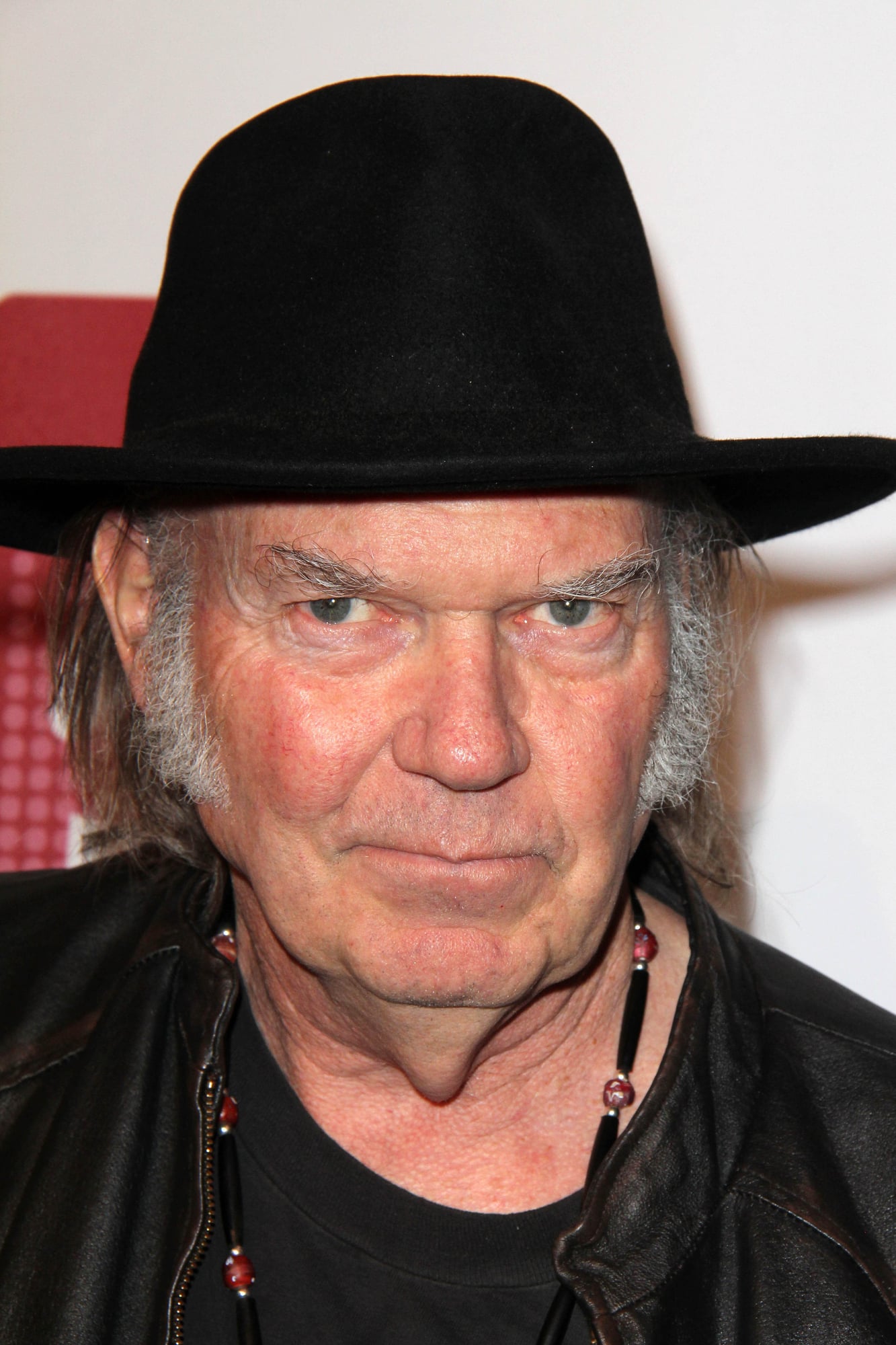
Neil Young created this lengthy jam about the Spanish conquistador’s arrival in Mexico and the destruction of the Aztec civilization. Young took historical liberties with the story, painting Montezuma’s empire in idealized terms before Cortez’s arrival.
The song reflects on how European colonization destroyed entire cultures and ways of life. Young’s extended guitar solos give the track a dreamlike quality, as if mourning something lost forever.
Historians have criticized some of the song’s historical inaccuracies, but Young has defended it as an emotional response rather than a documentary account.
The Man Comes Around
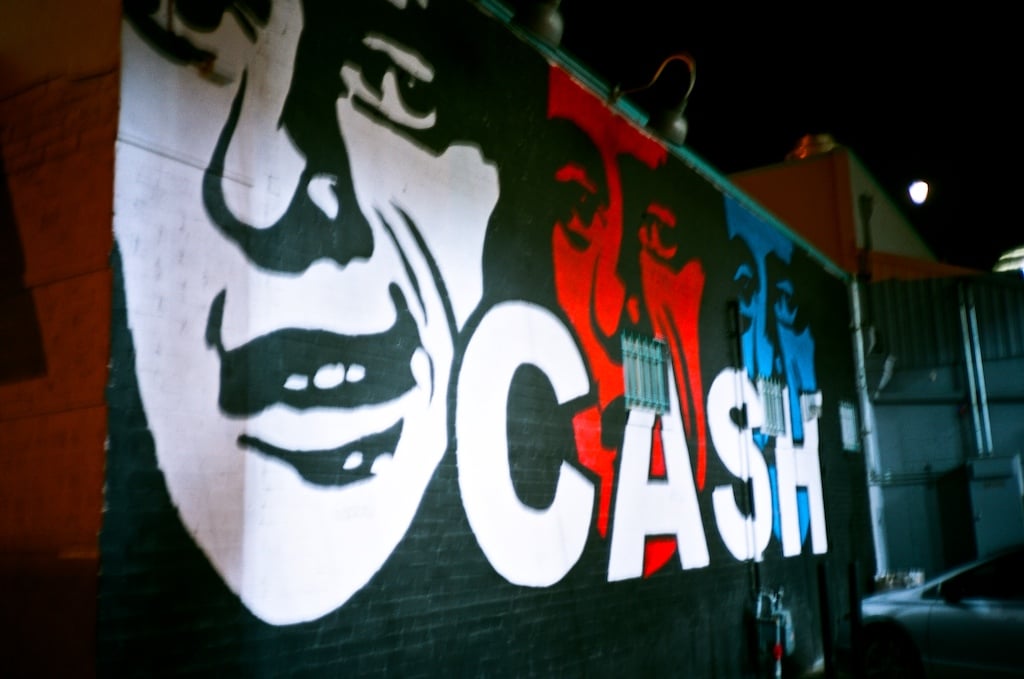
Johnny Cash wrote this apocalyptic country song after having a vivid dream about meeting Queen Elizabeth. In the dream, she told him he was ‘like a thorn tree in a whirlwind,’ a phrase he later discovered came from the Book of Job.
The song mixes biblical prophecy with Cash’s own reflections on mortality and judgment. He recorded it while battling the health problems that would eventually claim his life.
The track features references to multiple books of the Bible and describes the end times with both terror and acceptance, serving as Cash’s meditation on his own approaching death.
When History Becomes Harmony

These songs prove that the most powerful music often comes from places we’d never expect. Artists who pay attention to the world around them find endless material in newspaper headlines, history books, and personal encounters.
The tracks that endure aren’t always the ones with the catchiest hooks but the ones that capture something true about human experience. Whether they’re documenting injustice, remembering tragedy, or exploring the darker corners of reality, these songs remind us that music can preserve moments that might otherwise be forgotten.
More from Go2Tutors!

- The Romanov Crown Jewels and Their Tragic Fate
- 13 Historical Mysteries That Science Still Can’t Solve
- Famous Hoaxes That Fooled the World for Years
- 15 Child Stars with Tragic Adult Lives
- 16 Famous Jewelry Pieces in History
Like Go2Tutors’s content? Follow us on MSN.