16 Times Nature Created Perfectly Symmetrical Objects
In a world that often seems chaotic and random, nature occasionally surprises us with moments of perfect mathematical precision. From crystalline structures to living organisms, symmetry appears throughout the natural world in ways that can seem almost deliberately designed.
These balanced formations aren’t just visually satisfying—they often serve crucial evolutionary or structural purposes. Here is a list of 16 incredible examples where nature has created perfectly symmetrical objects that showcase mathematical precision at its finest.
Snowflakes

Water molecules align in hexagonal patterns as they freeze, creating the iconic six-sided symmetry we associate with snowflakes. Each snowflake forms under unique atmospheric conditions, resulting in a design that’s mathematically precise yet completely one-of-a-kind.
The branching patterns develop as the crystal grows, maintaining perfect radial symmetry while growing increasingly complex.
Honeycomb Cells
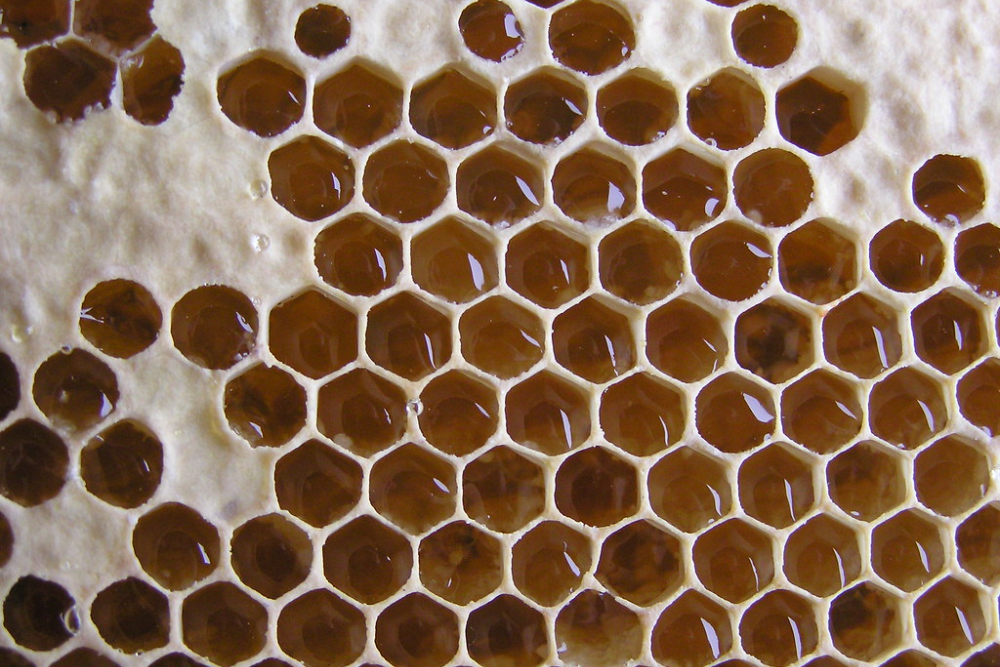
Honeybees construct their storage cells with remarkable geometric precision. The hexagonal design isn’t random—it’s mathematically the most efficient shape for maximizing storage space while minimizing the amount of wax needed.
This perfect symmetry allows colonies to store maximum honey with minimum building material, demonstrating how evolution favors mathematical efficiency.
Nautilus Shells
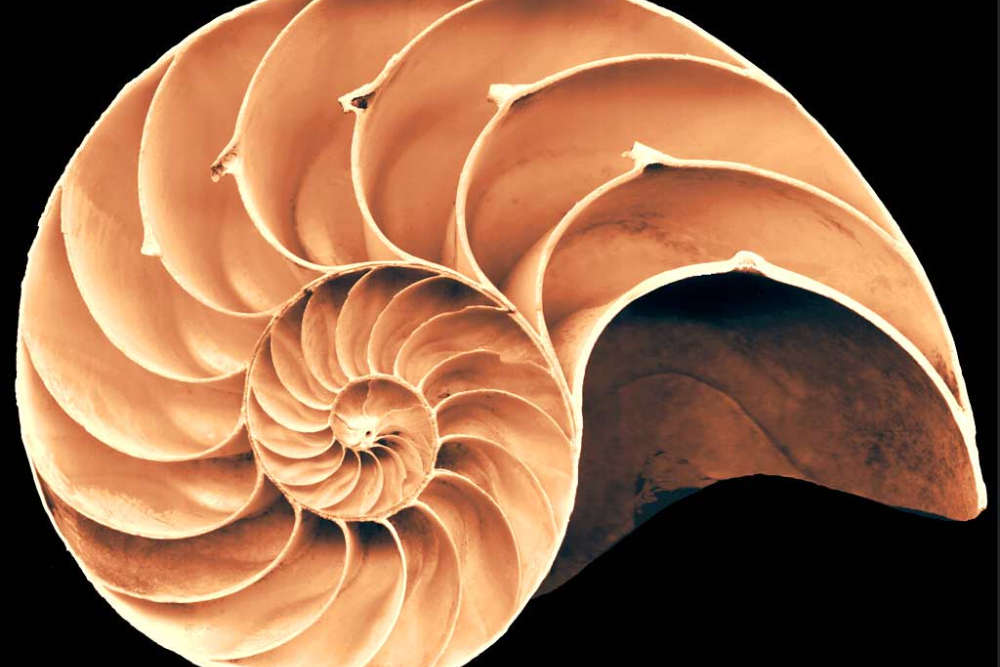
The spiral chambers of nautilus shells follow the Fibonacci sequence, creating a logarithmic spiral that maintains the same proportional shape as it grows larger. This mathematical growth pattern allows the sea creature to maintain its balance in the water while expanding its living space.
The cross-section reveals chambers arranged with perfect bilateral symmetry.
Spider Webs
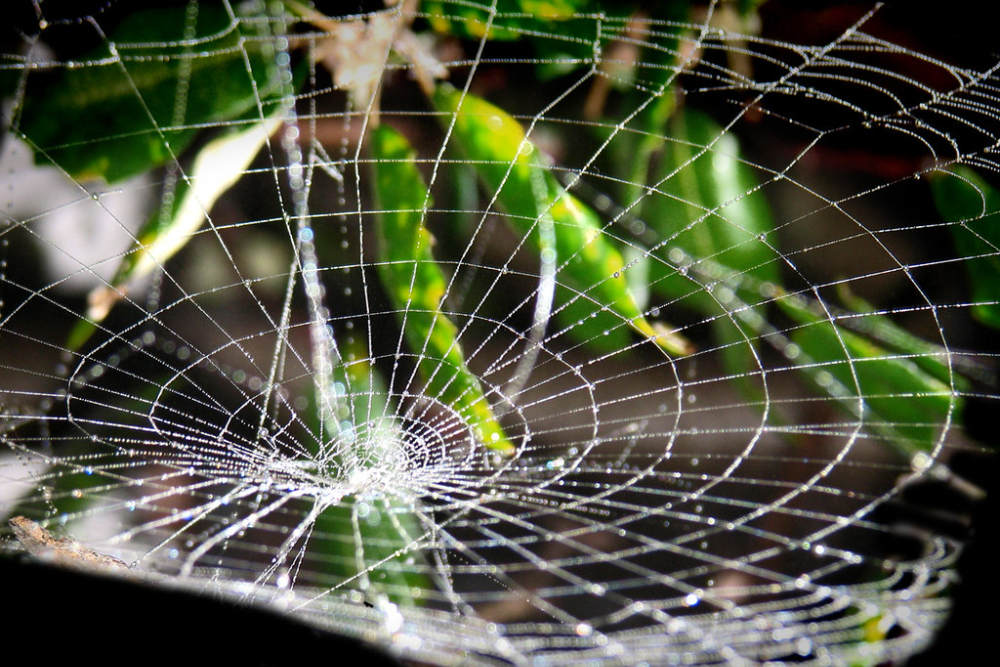
Orb-weaver spiders create webs with nearly perfect radial symmetry, with strands extending outward from a central point like the spokes of a wheel. The concentric circles are connected with incredible precision, forming a structure that’s both strong and efficient for catching prey.
The symmetry helps distribute impact forces throughout the web when insects fly into it.
Mineral Crystals
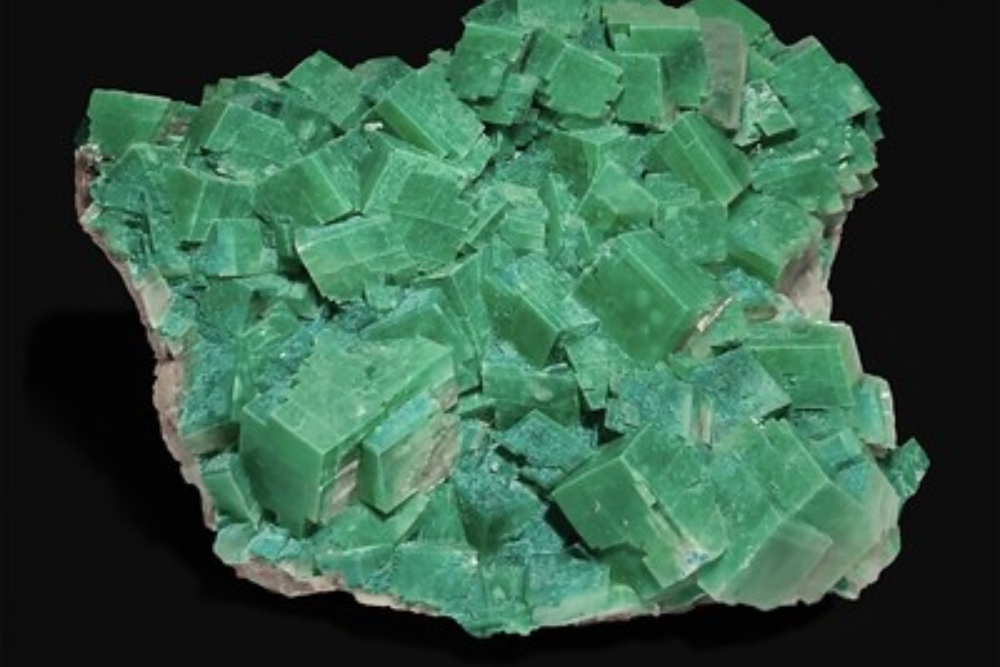
Minerals like pyrite form perfect cubic crystals with 90-degree angles and equal sides. The atomic structure of these minerals naturally arranges itself in highly ordered lattices, creating macroscopic symmetry visible to the naked eye.
Some quartz crystals display such perfect hexagonal prisms that they appear almost manufactured rather than naturally formed.
Flower Petals

Many flowers display rotational symmetry in their petal arrangements. Sunflowers showcase the Fibonacci sequence in the spiral pattern of their seeds, while daisies often have perfect radial symmetry with evenly spaced petals.
This symmetrical arrangement maximizes sun exposure and attracts pollinators from all directions.
Butterfly Wings
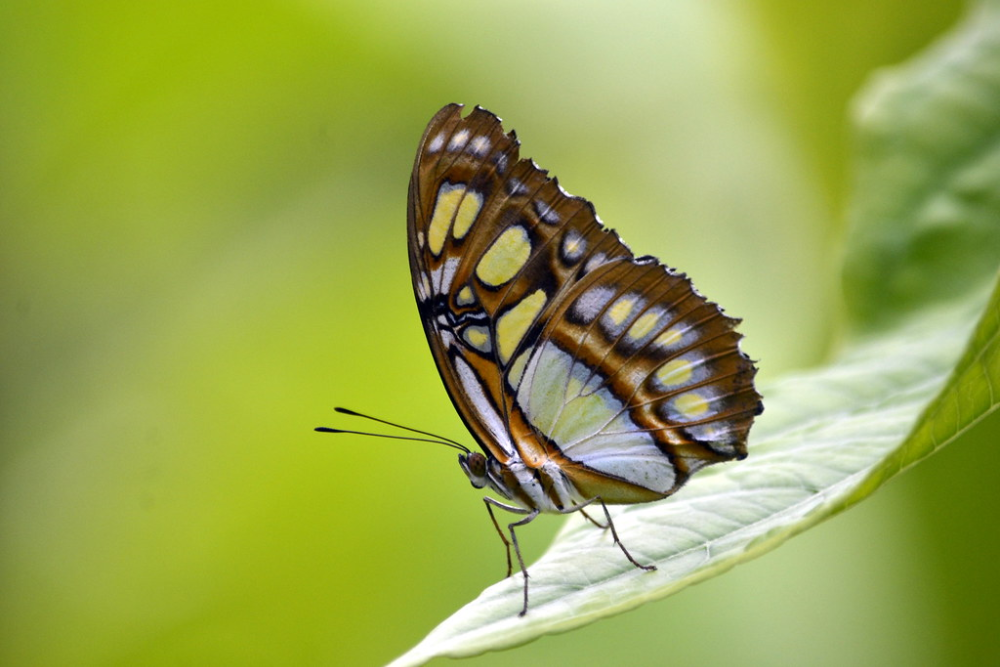
The wings of butterflies exhibit bilateral symmetry so precise that each pattern, color, and marking on one side perfectly mirrors the other. This symmetry develops during metamorphosis as the butterfly’s wings form and expand.
The matching patterns help with mate recognition and can create optical illusions to confuse predators.
Sand Dollars
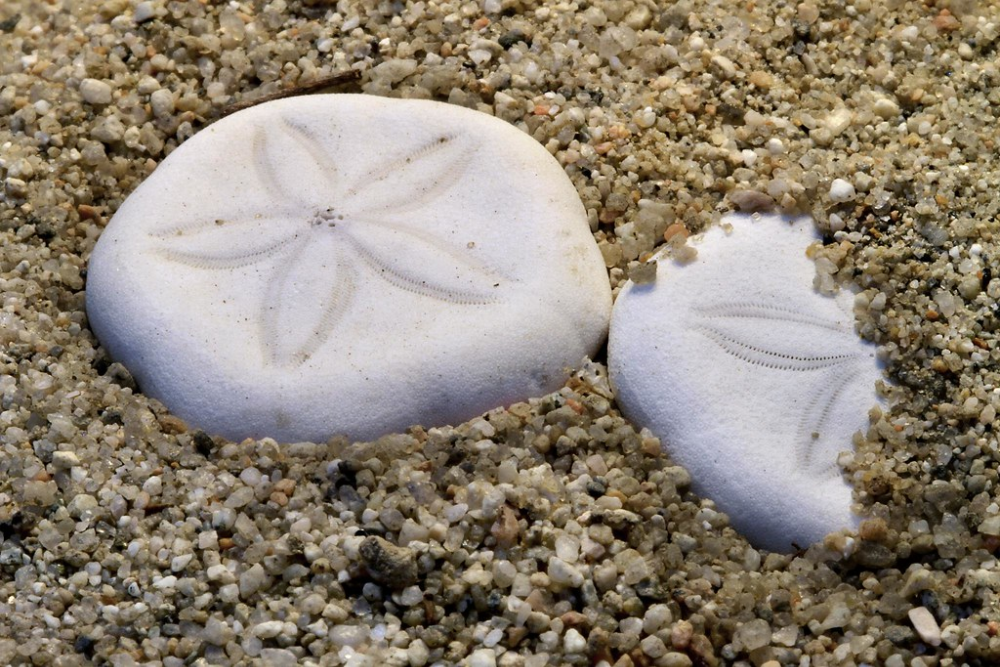
These sea urchin relatives form perfectly circular bodies with five-fold radial symmetry. The star-shaped pattern on their surface consists of five identical sections arranged around a central point.
Even more impressive, this symmetry extends through their internal structure as well, with organs and support systems arranged in the same five-part pattern.
Ice Crystals on Water

When still water begins to freeze, ice crystals form in perfect geometric patterns across the surface. These delicate structures follow specific angles determined by the molecular structure of water, creating star-shaped formations with precise 60-degree angles between branches.
The crystals grow outward while maintaining perfect symmetry until they meet other crystal formations.
Ammonite Fossils
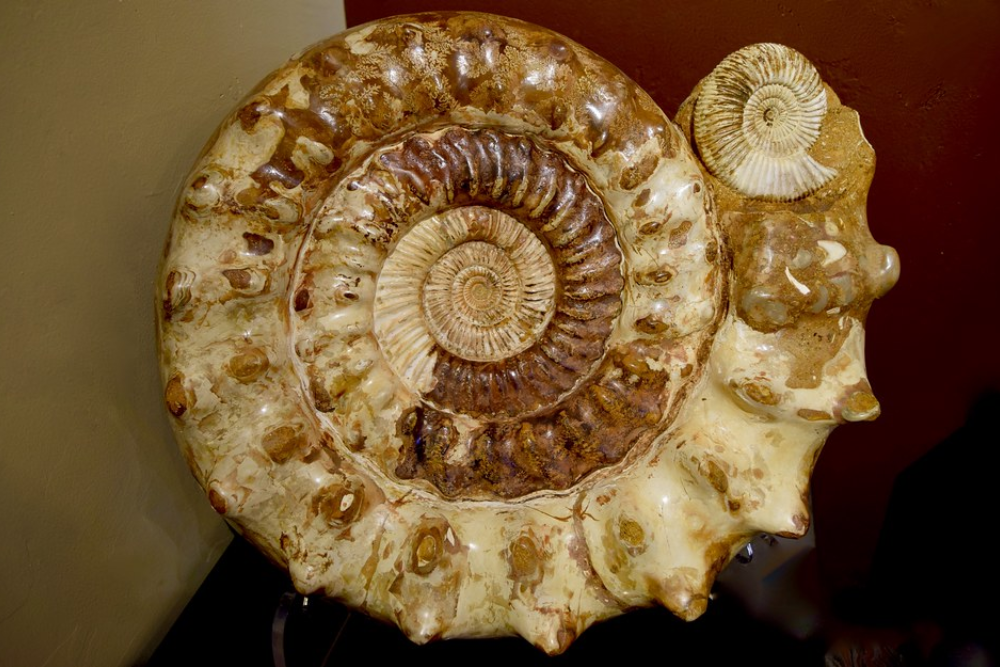
Like modern nautilus shells, these ancient sea creatures produced shells with perfect logarithmic spirals. The fossilized remnants show chambers split with mathematical accuracy, preserving the same proportional expansion all through the animal’s existence.
Some specimens seem almost manmade rather than naturally produced because they are so symmetrical.
Dragonfly Wings

Dragonflies’ four wings show amazing symmetry and identical venation patterns that produce a strong but light-weight structure. Hundreds of cells created by crossed veins abound in each wing, all ordered in patterns preserving bilateral symmetry.
Dragonflies’ unparalleled aerial agility comes from their exquisite engineering allowing them to hover, dart, and change direction.
Radiolarians
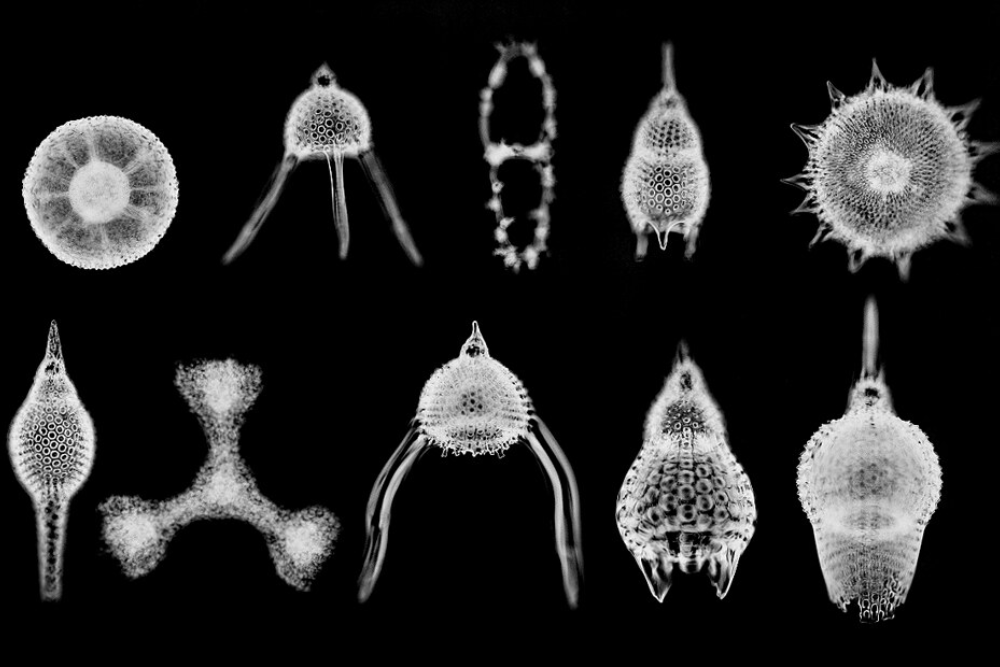
These microscopic marine organisms create mineral skeletons with some of the most complex symmetrical patterns found in nature. Their silica structures often display perfect radial or spherical symmetry with intricate geometric designs.
Ernst Haeckel’s famous illustrations of these tiny creatures look almost like abstract art, yet they accurately represent the mathematical precision of these natural microstructures.
Pine Cones
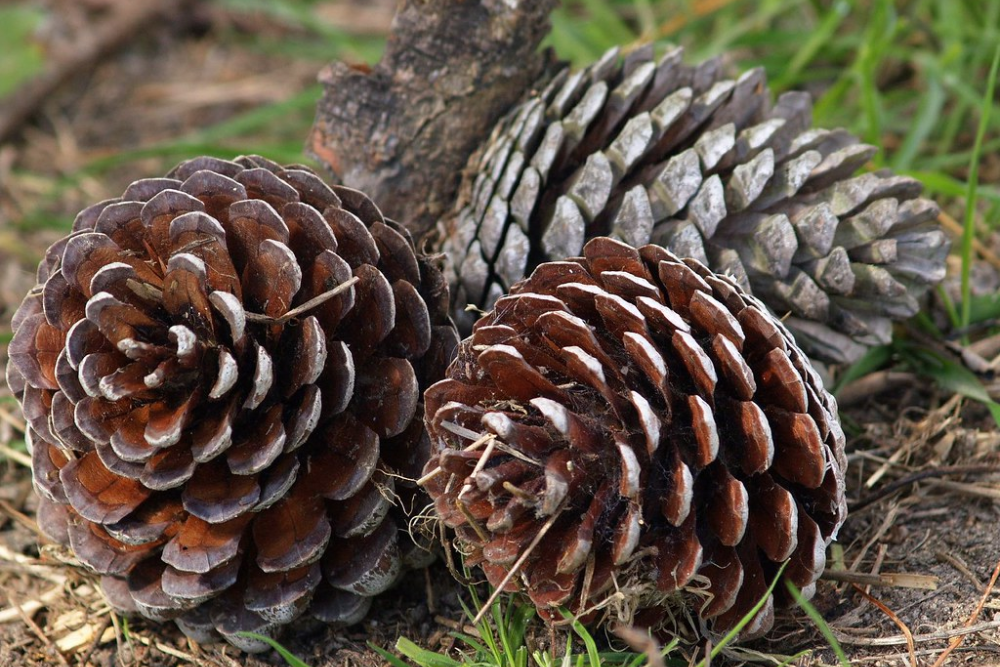
The scales of pine cones arrange themselves in perfect spiral patterns that follow the Fibonacci sequence. When viewed from the bottom, this creates a mesmerizing spiral symmetry where every scale is positioned at the optimal angle for seed protection.
The arrangement allows seeds to be packed efficiently while still having space to be released when conditions are right.
Sea Urchins
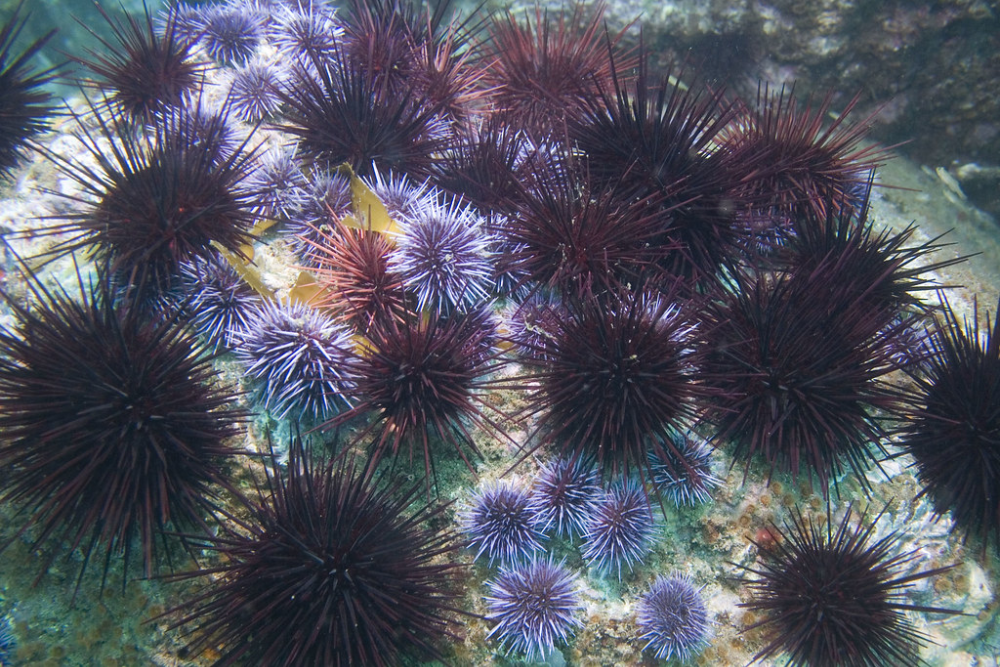
These spiny marine creatures have bodies with perfect five-fold radial symmetry. Their calcium carbonate shells (tests) form perfectly symmetrical domes with evenly spaced sections.
This symmetry continues to their internal anatomy and even extends to their movement systems, with five identical sets of tube feet arranged around their spherical bodies.
Starfish Arms

The five arms of most starfish species are arranged with perfect radial symmetry around a central disc. Each arm contains identical internal structures, and the animal can move in any direction with equal ease.
This symmetrical design allows starfish to approach prey from any angle and to regenerate arms when damaged without losing their balanced structure.
Virus Capsids

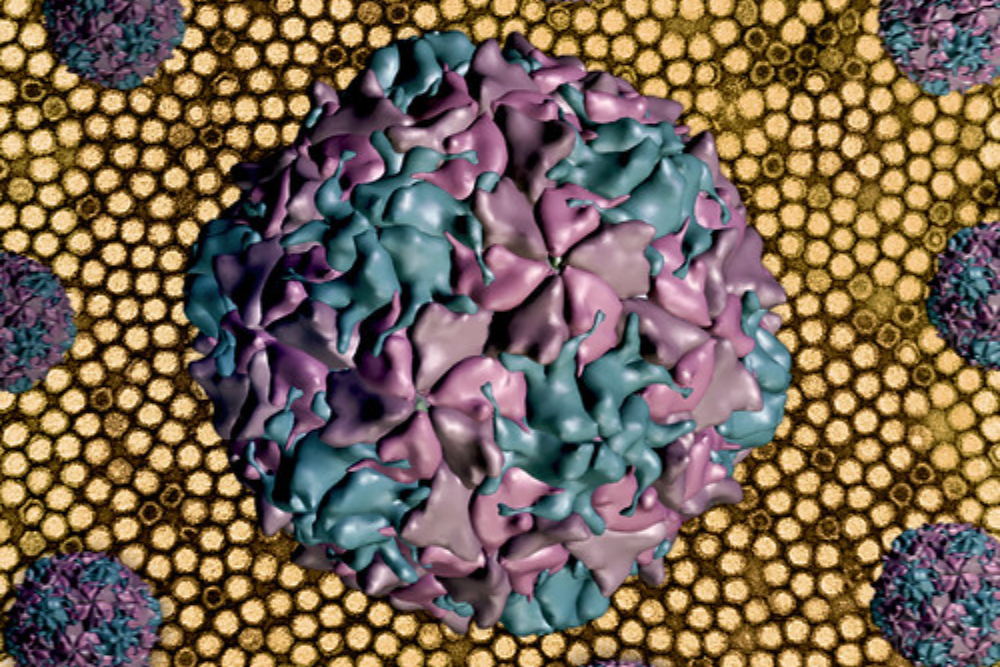
Microscopically, many viruses create remarkably geometric precision-oriented protein casings called capsids. Perfectly symmetrically ordered protein subunits abound in structures like icosahedrons—20-sided shapes.
This mathematical configuration minimizes the genetic information required to encode the protective shell while maximizing its strength—a wonderful illustration of nature’s efficiency.
Nature’s Mathematical Marvels
These ideal models of symmetry in the natural world expose an underlying mathematical order in our disorderly planet. From microscopic structures to obvious shapes, these patterns show themselves not from deliberate design but from the basic physical and chemical characteristics of our planet.
Often serving important practical purposes; efficient development, structural strength, or enhanced survival chances—the symmetry we find so pleasing shows that in nature mathematics and beauty are often the same.
More from Go2Tutors!

- The Romanov Crown Jewels and Their Tragic Fate
- 13 Historical Mysteries That Science Still Can’t Solve
- Famous Hoaxes That Fooled the World for Years
- 15 Child Stars with Tragic Adult Lives
- 16 Famous Jewelry Pieces in History
Like Go2Tutors’s content? Follow us on MSN.



