Fascinating Botanical Facts About Common Vegetables
Most people think they know their vegetables pretty well. Carrots, tomatoes, potatoes — they’re just everyday ingredients that fill grocery carts and dinner plates.
But underneath that familiar surface lies a collection of botanical surprises that would make any plant scientist grin. These common vegetables carry secrets about evolution, survival, and the strange ways plants have adapted to thrive in an unpredictable world.
Tomatoes
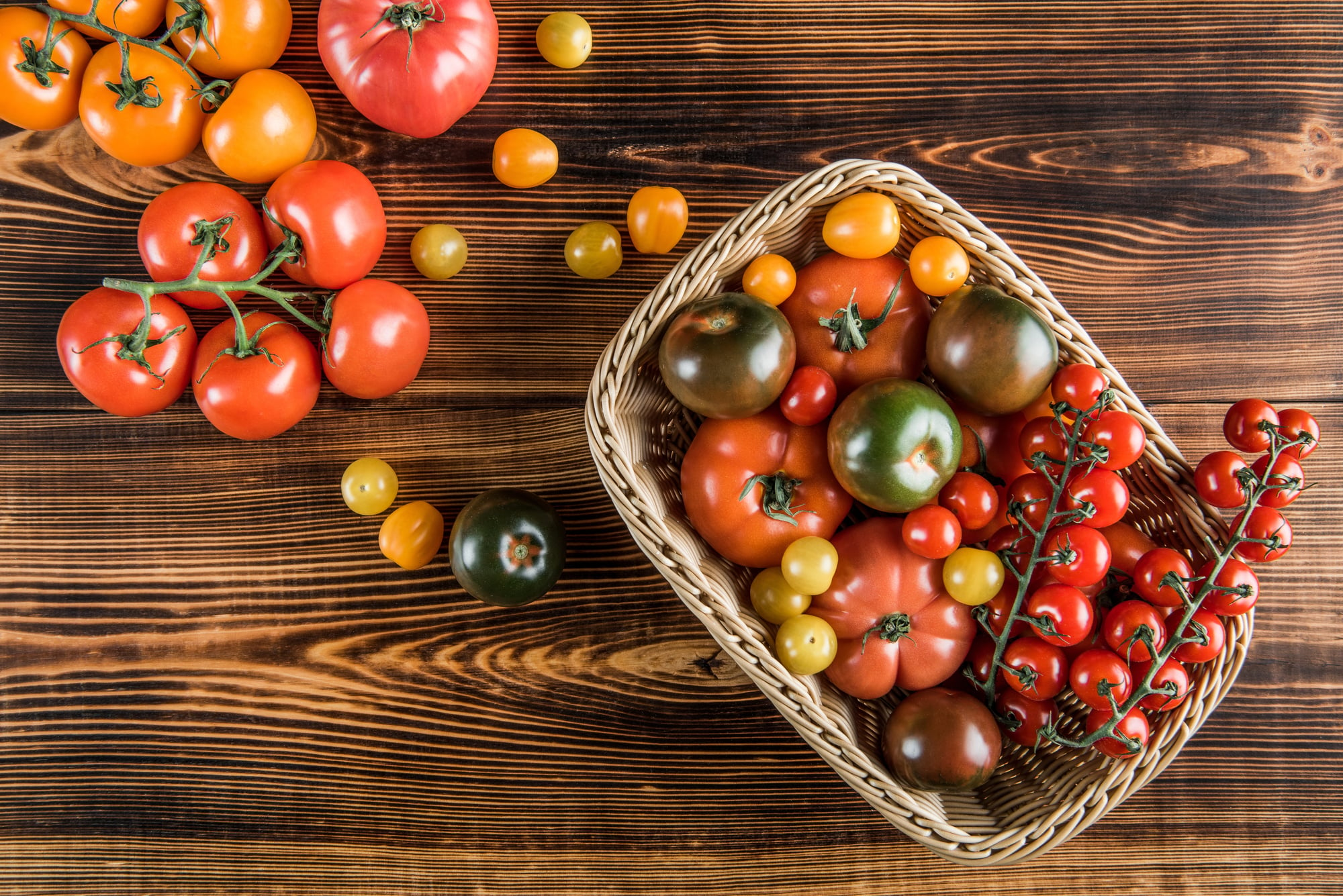
Tomatoes are fruits. Period.
No amount of culinary tradition changes basic plant biology. The confusion started in 1893 with a Supreme Court case that declared tomatoes vegetables for tariff purposes.
Money talks louder than science, apparently. But botanically speaking, anything that develops from a flower and contains seeds qualifies as a fruit — which makes tomatoes as much a fruit as apples or oranges.
Carrots
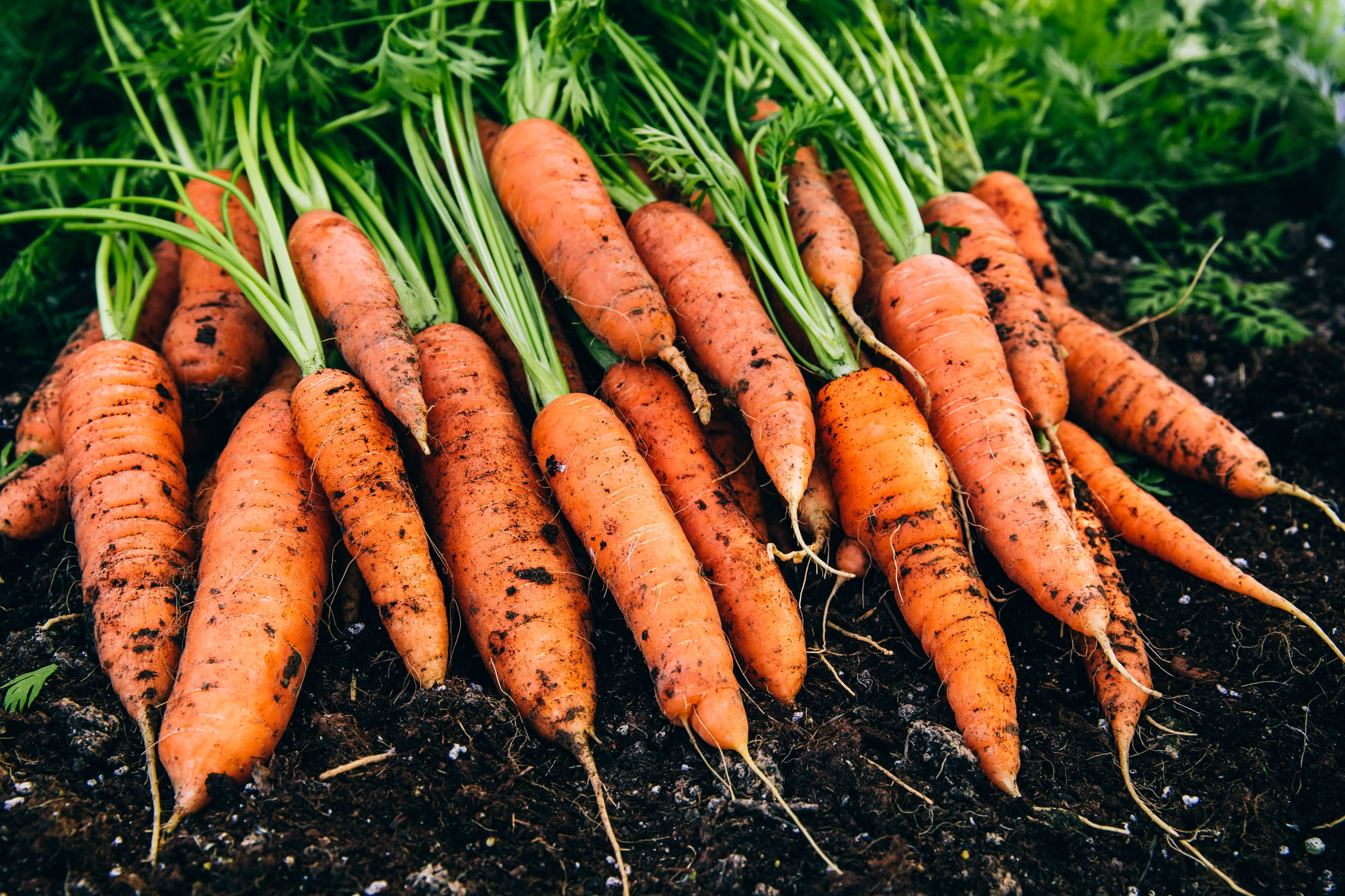
The original carrots were purple, and they had every right to be stubborn about it since that’s how they’d been growing for centuries in Afghanistan and surrounding regions. Orange carrots didn’t exist until Dutch farmers in the 16th century began selectively breeding them (some say to honor the House of Orange, though that might be agricultural folklore dressed up as fact).
But here’s what strikes you when you think about it: we completely redesigned the color of an entire vegetable, and now the purple originals seem like the aberration — which is a bit like insisting that all roses should be blue and then forgetting they were ever red. The truth is, those purple carrots weren’t just showing off with their dramatic color.
Deep purples signal high levels of anthocyanins, the same compounds that make blueberries blue and give red cabbage its intensity. Orange carrots traded some of that antioxidant complexity for beta-carotene, which the body converts to vitamin A.
So when Dutch farmers were tinkering with carrot genetics, they weren’t just changing aesthetics — they were rewriting the nutritional profile of what would become one of the world’s most common vegetables.
Potatoes
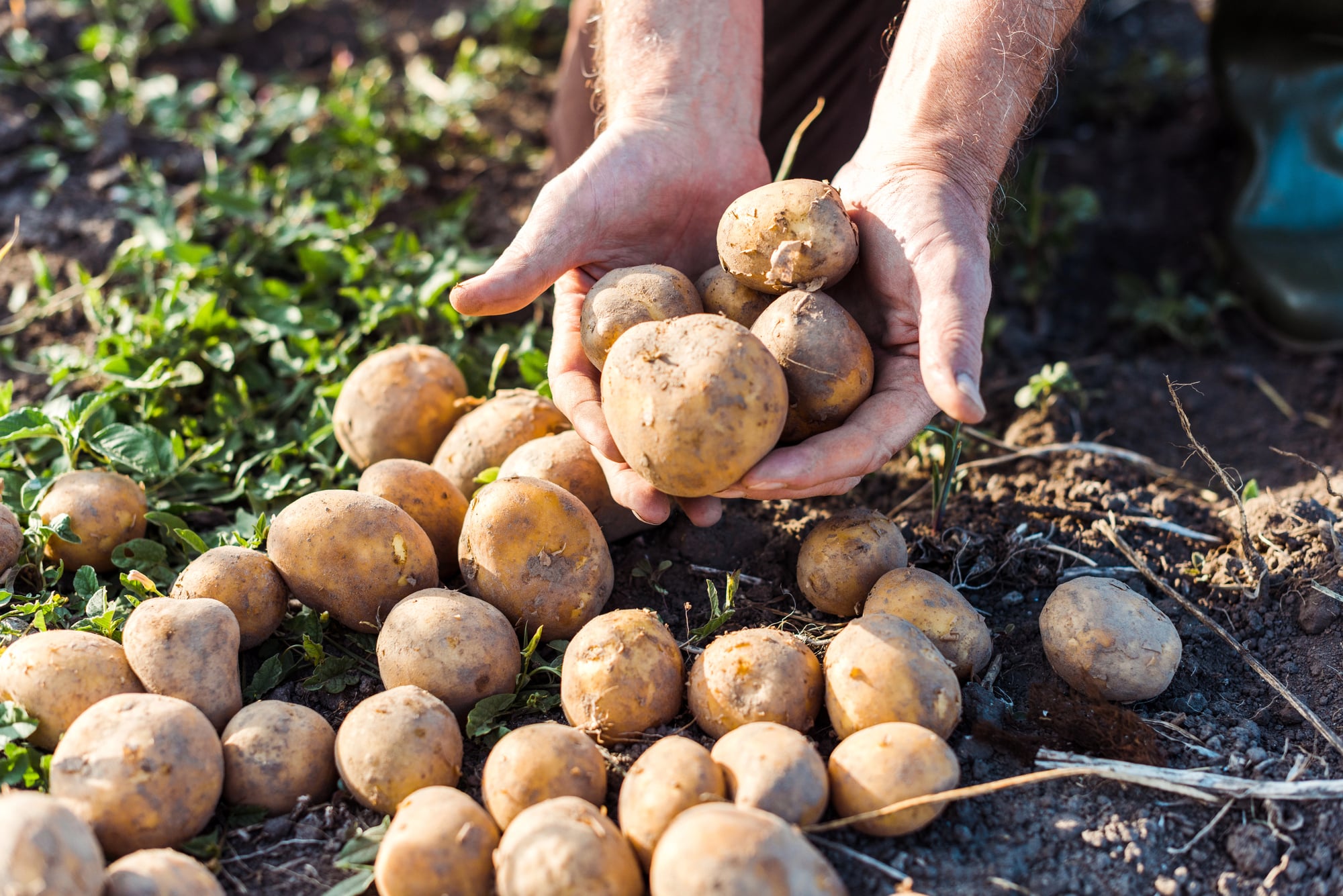
Potatoes belong to the nightshade family. Same botanical group as deadly nightshade and belladonna.
This family connection isn’t just a quirky coincidence — it explains why green potatoes can make you sick. When potatoes are exposed to light, they produce solanine, a toxic compound that’s the nightshade family’s signature defense mechanism.
Europeans were right to be suspicious when potatoes first arrived from South America. They just didn’t understand the rules.
Broccoli
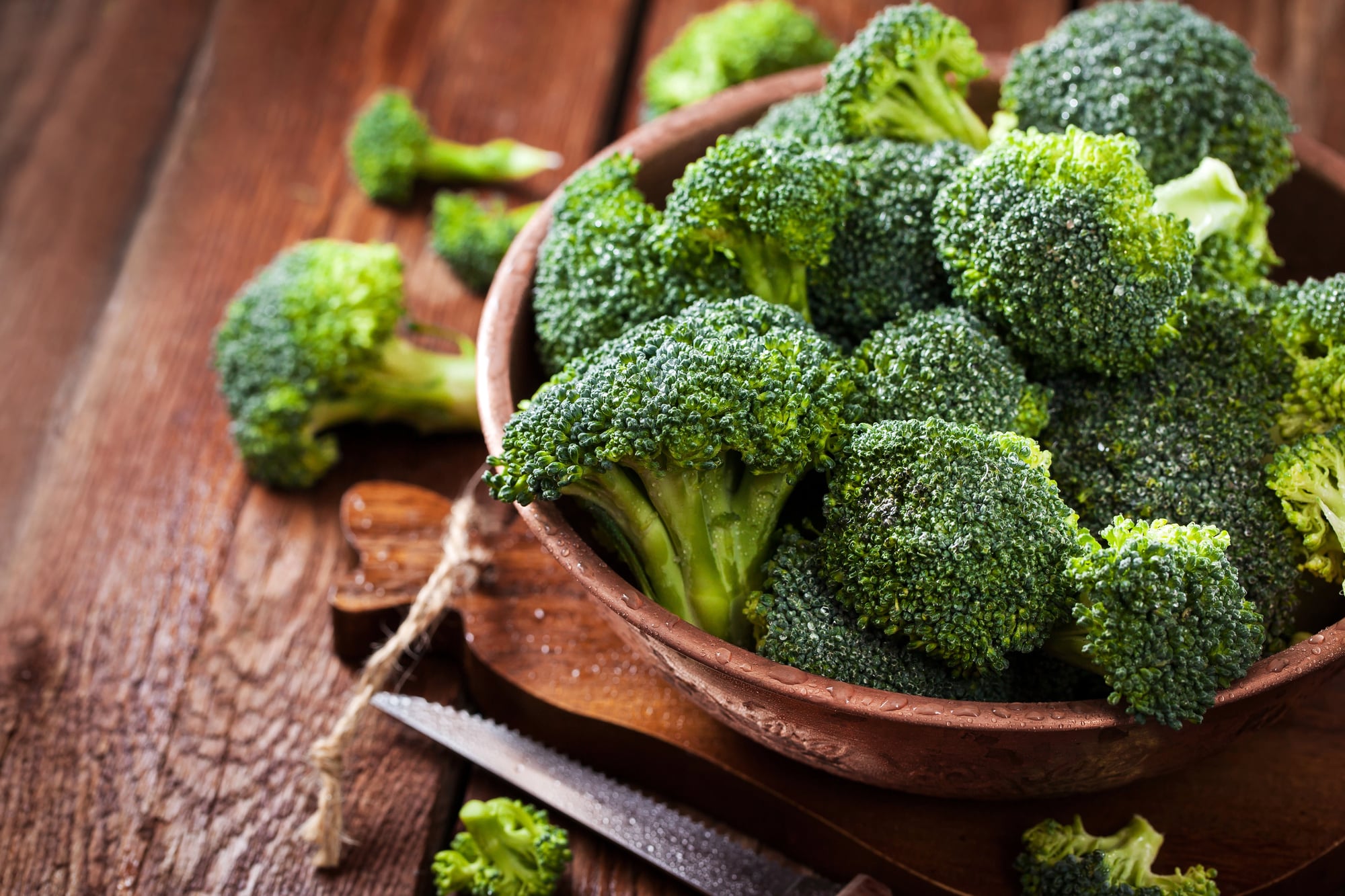
Broccoli reads like a blueprint for what happens when humans take control of plant evolution, then refuse to stop editing. The tight green clusters that define broccoli aren’t leaves or roots — they’re flower buds that never got the chance to bloom, bred specifically to stay locked in that pre-flowering stage where all the plant’s energy concentrates into dense, nutritious heads.
And broccoli isn’t alone in this botanical identity crisis. Cauliflower, Brussels sprouts, cabbage, kale, and kohlrabi all descended from the same wild ancestor: a scraggly coastal plant called Brassica oleracea that still grows along Mediterranean cliffs.
But here’s what’s quietly remarkable about this whole family tree: farmers looked at one unimpressive wild plant and saw six completely different vegetables hidden inside its genetic potential. They bred for different parts (leaves for kale and cabbage, stems for kohlrabi, side buds for Brussels sprouts, flower heads for broccoli and cauliflower) until the descendants barely resembled each other, let alone their common ancestor.
So when you’re looking at a head of broccoli, you’re essentially looking at a plant that’s been convinced to stay forever young — trapped in that moment just before it would have burst into yellow flowers, if humans hadn’t decided they preferred it this way.
Spinach
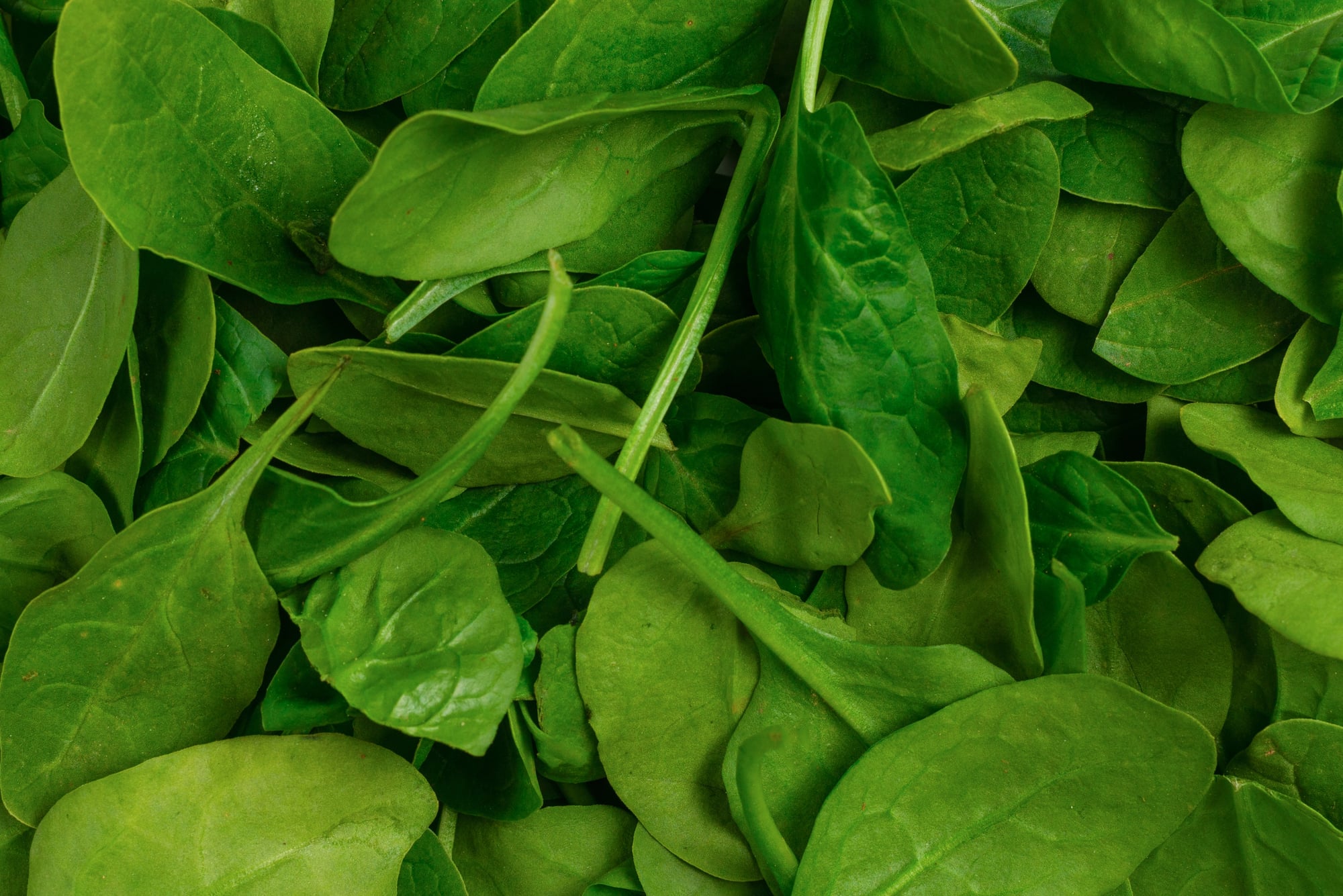
Spinach contains oxalates that actually block iron absorption. The whole “Popeye gets strong from spinach” thing is nutritionally backwards.
This misconception started with a misplaced decimal point in 1870s research that credited spinach with ten times more iron than it actually contains. The error wasn’t corrected until the 1930s, but by then Popeye was already flexing his animated biceps and an entire generation believed spinach was an iron powerhouse.
Meanwhile, the oxalates in spinach were quietly binding with iron and calcium, making both minerals harder for the body to absorb.
Rhubarb
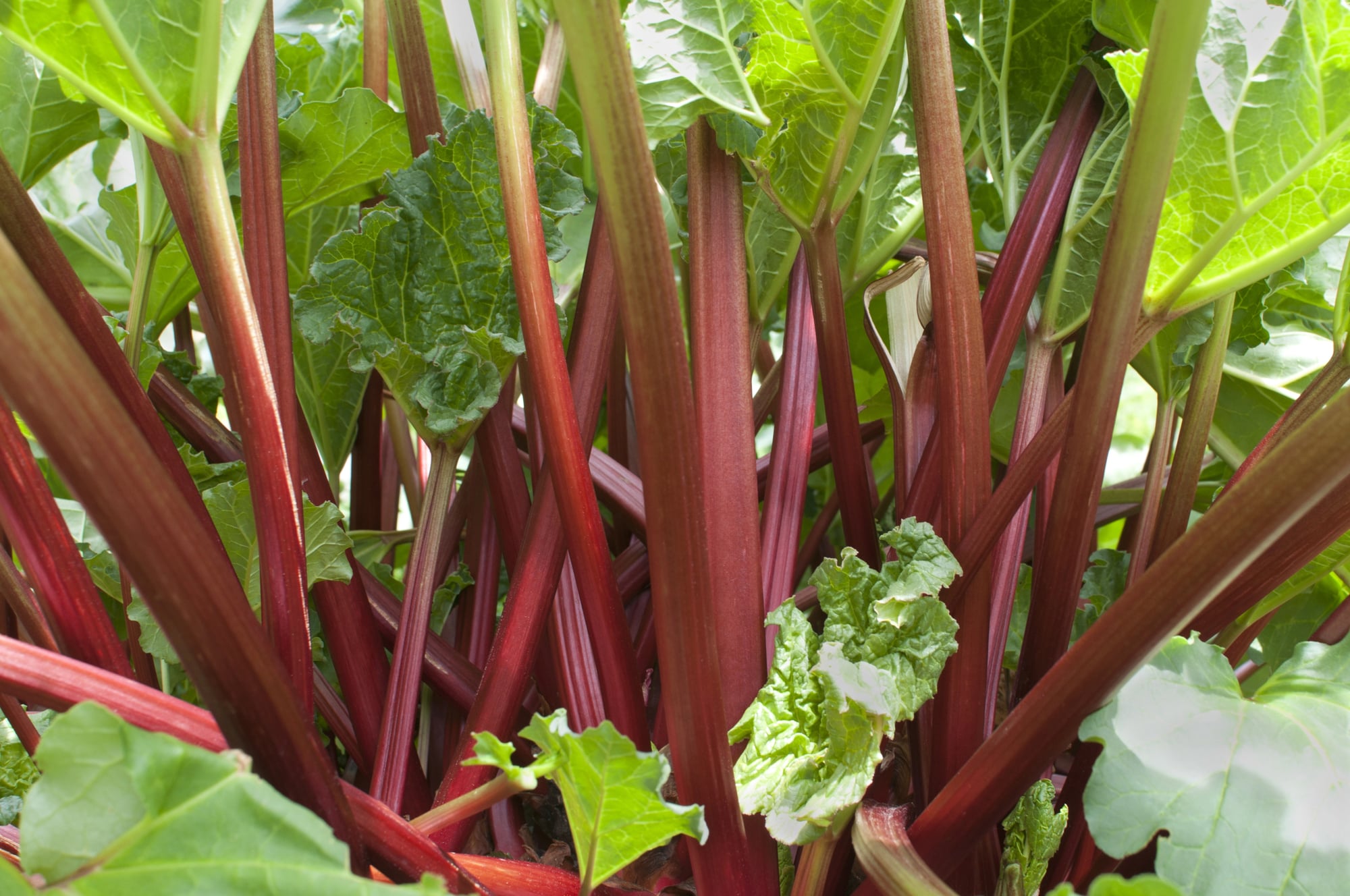
Rhubarb occupies this peculiar space where nobody quite knows how to categorize it, culinarily speaking — it tastes like it should be a fruit (sour, acidic, perfect for pies), grows like it should be a vegetable (those thick, crunchy stalks rising from the ground), but technically qualifies as neither since we’re eating the leaf stems of what’s essentially a massive perennial herb. It’s as if rhubarb looked at the whole fruit-versus-vegetable debate and decided to opt out entirely.
The leaves, incidentally, will poison you — they’re loaded with oxalic acid and other compounds that can cause kidney problems, breathing difficulties, and worse. So rhubarb presents this strange botanical bargain: the plant offers up these tangy, edible stalks while keeping the leaves as a kind of natural security system.
Take what’s offered, ignore the rest, and everyone stays happy. What’s more curious is how rhubarb managed to convince humans it belonged in desserts when its natural flavor profile leans more toward face-scrunching sourness than anything remotely sweet.
That took centuries of sugar and cultural adaptation to accomplish.
Asparagus
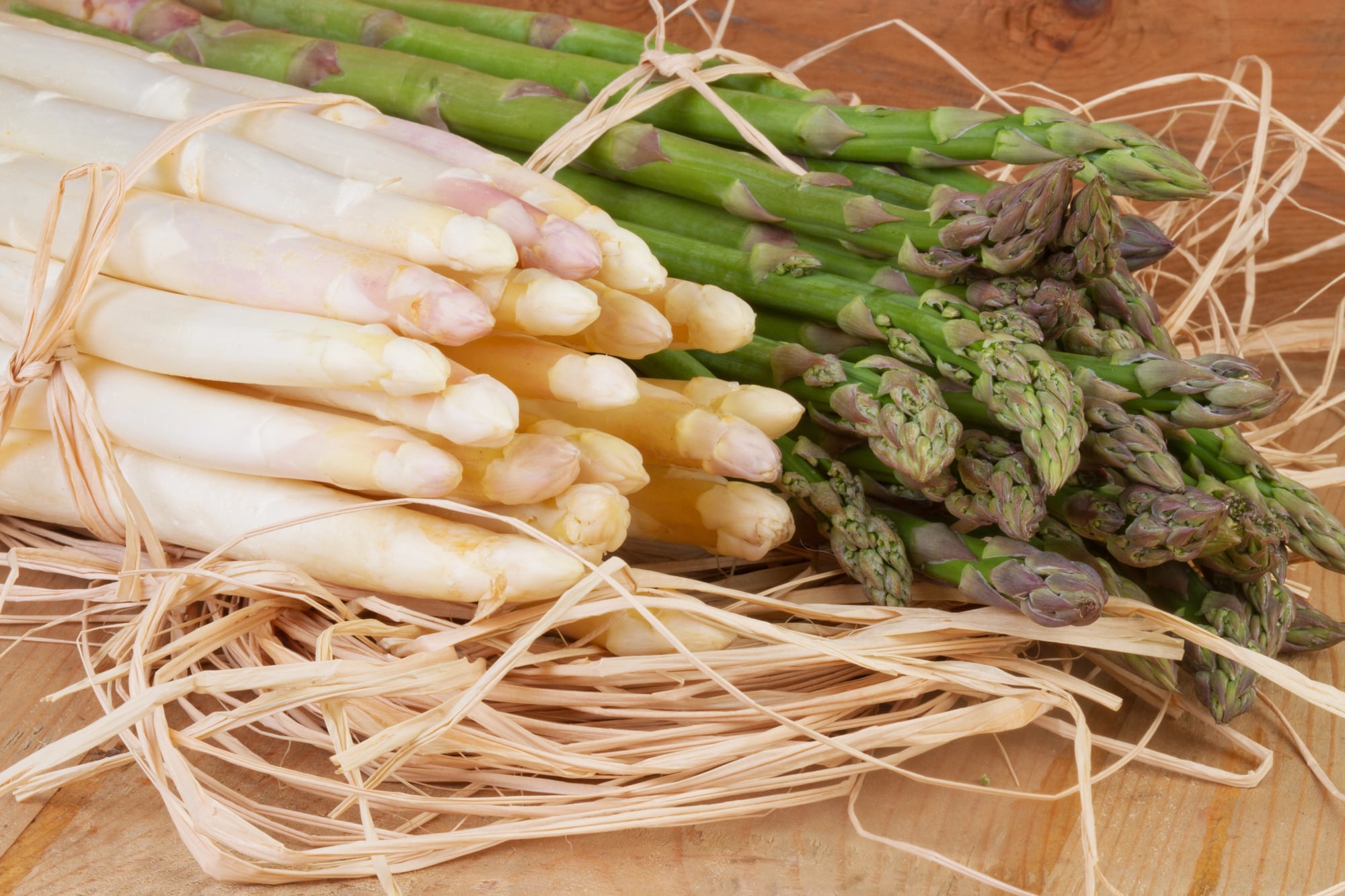
Asparagus spears are actually the plant’s shoots. Those tender green stalks people pay premium prices for are baby asparagus plants trying to grow up.
Left alone, those spears would develop into tall, feathery ferns that look nothing like the vegetable on your plate. Commercial asparagus farming is essentially a business built on harvesting infant plants before they reach maturity.
The thick, underground root systems can produce shoots for 20 years or more, making asparagus one of the few vegetables that functions more like a perennial crop than an annual planting.
Celery
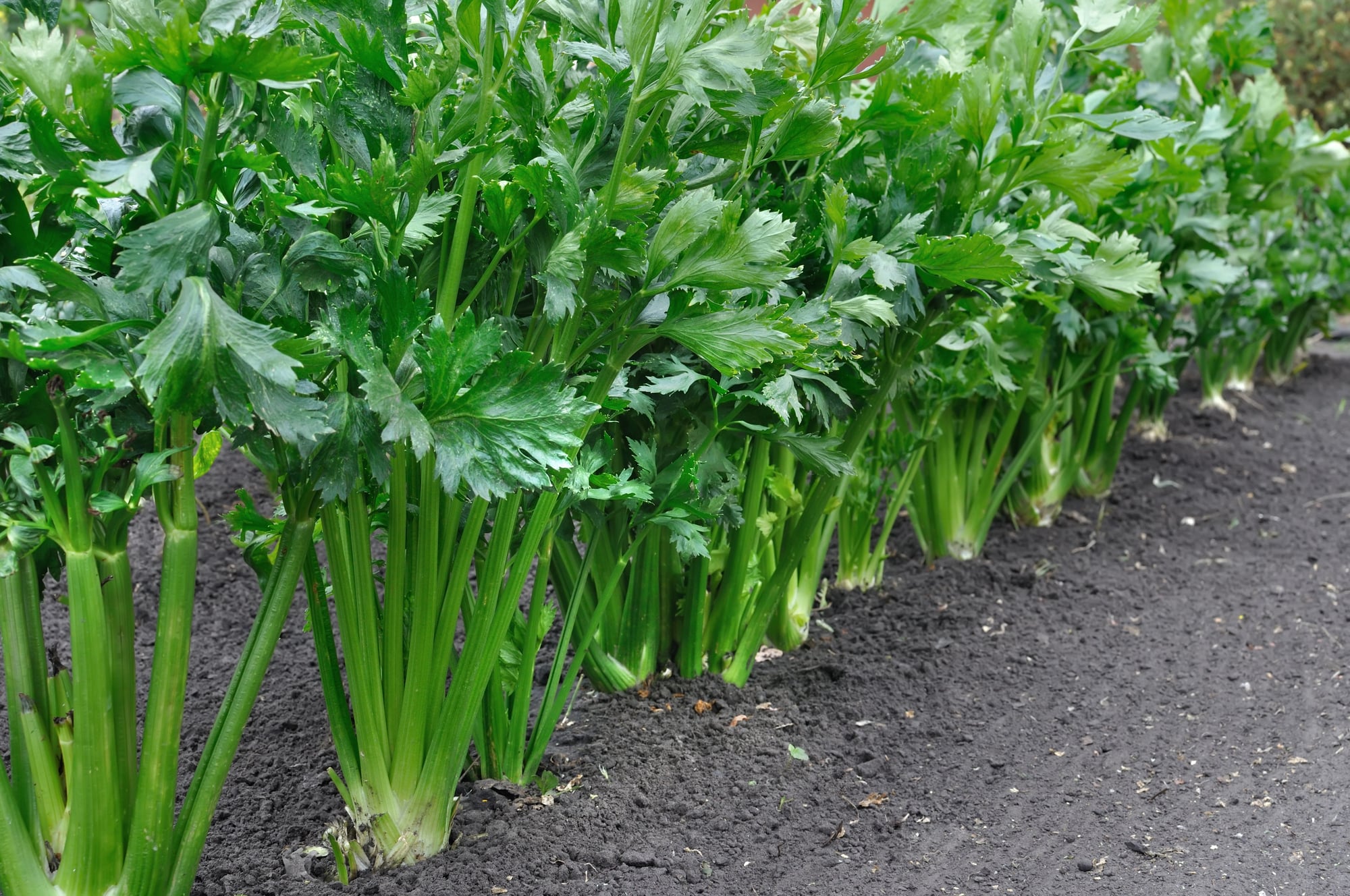
Celery serves as a reminder that sometimes plants invest so heavily in structure that they forget about flavor entirely, which explains why celery manages to taste like crunchy water with a faint green aftertaste — and yet somehow that absence of personality made it indispensable to cuisines around the world. It’s the botanical equivalent of a reliable character actor: never the star, but you notice when it’s missing.
The stringy texture that makes celery notorious among children comes from collenchyma cells, thick-walled structures that give the stalks their rigidity. Wild celery, which still grows in marshes across Europe and Asia, had even more of these tough fibers — centuries of cultivation have gradually bred celery toward tenderness, though it’s still got a way to go compared to most vegetables.
But here’s what’s peculiar about celery’s place in cooking: it became one of the foundational aromatic vegetables (part of the holy trinity in Cajun cooking, the mirepoix in French cuisine, the soffritto in Italian cooking) precisely because its flavor is so mild it doesn’t compete with other ingredients. Celery doesn’t announce itself — it just quietly makes everything else taste more like itself.
Bell Peppers
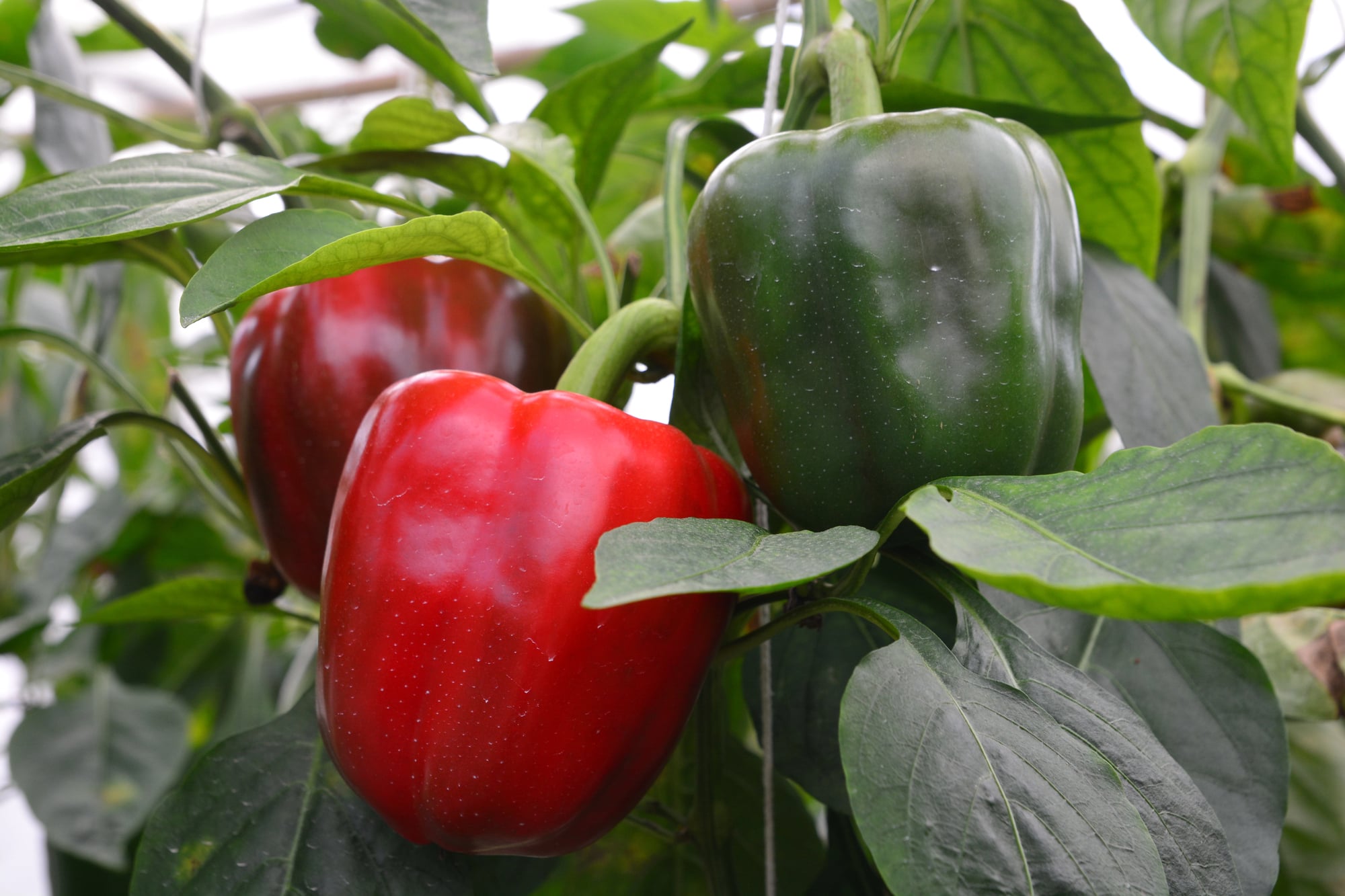
All bell peppers start green. Red, yellow, and orange peppers are just green peppers that stayed on the plant longer.
Green peppers aren’t a separate variety — they’re unripe versions of their colorful siblings. As they mature, chlorophyll breaks down and other pigments take over.
Red peppers contain more vitamin C than oranges, but they also take significantly longer to develop, which explains why colored peppers cost more than green ones. Time equals money in commercial agriculture.
Lettuce
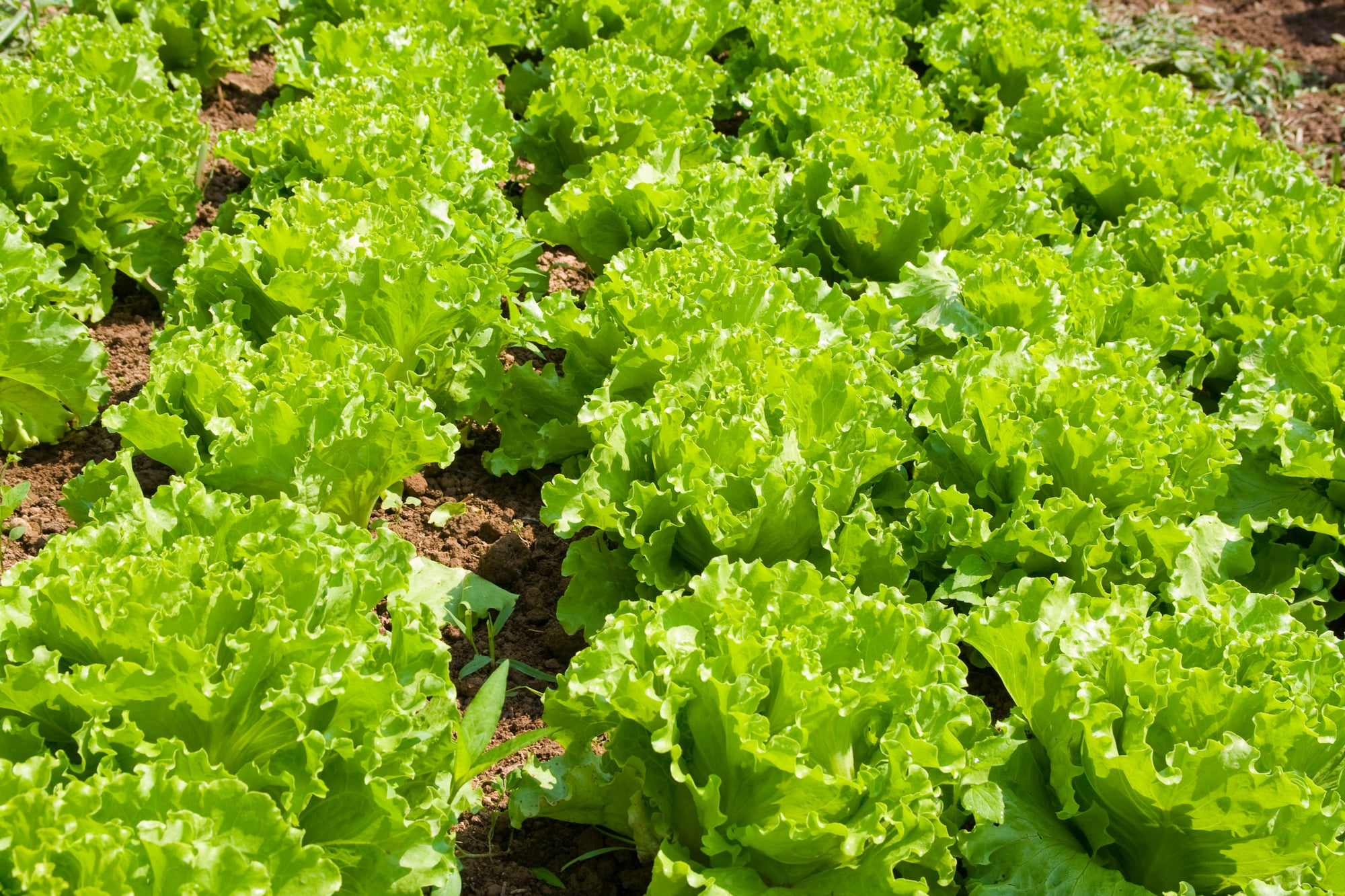
Lettuce is essentially edible water held together by the bare minimum of plant structure, which makes it one of the least nutritionally dense vegetables in existence — and yet it’s managed to become the foundation of salads worldwide, proving that sometimes texture and crunch matter more than vitamins per square inch. Iceberg lettuce, the most popular variety in America, contains about 95% water and contributes almost nothing in terms of nutrients.
The darker leafy greens (spinach, arugula, romaine) offer substantially more vitamins and minerals, but they also come with stronger flavors and less of that neutral crispness that makes iceberg lettuce such a reliable backdrop for other ingredients. It’s a trade-off between nutrition and palatability that most people resolve by choosing the one that doesn’t fight back.
And lettuce has this strange relationship with temperature — it needs cool weather to develop properly, but it bolts (goes to seed) quickly when temperatures rise. Commercial lettuce farming requires precise timing and climate control, all to produce a vegetable that’s mostly water.
Corn
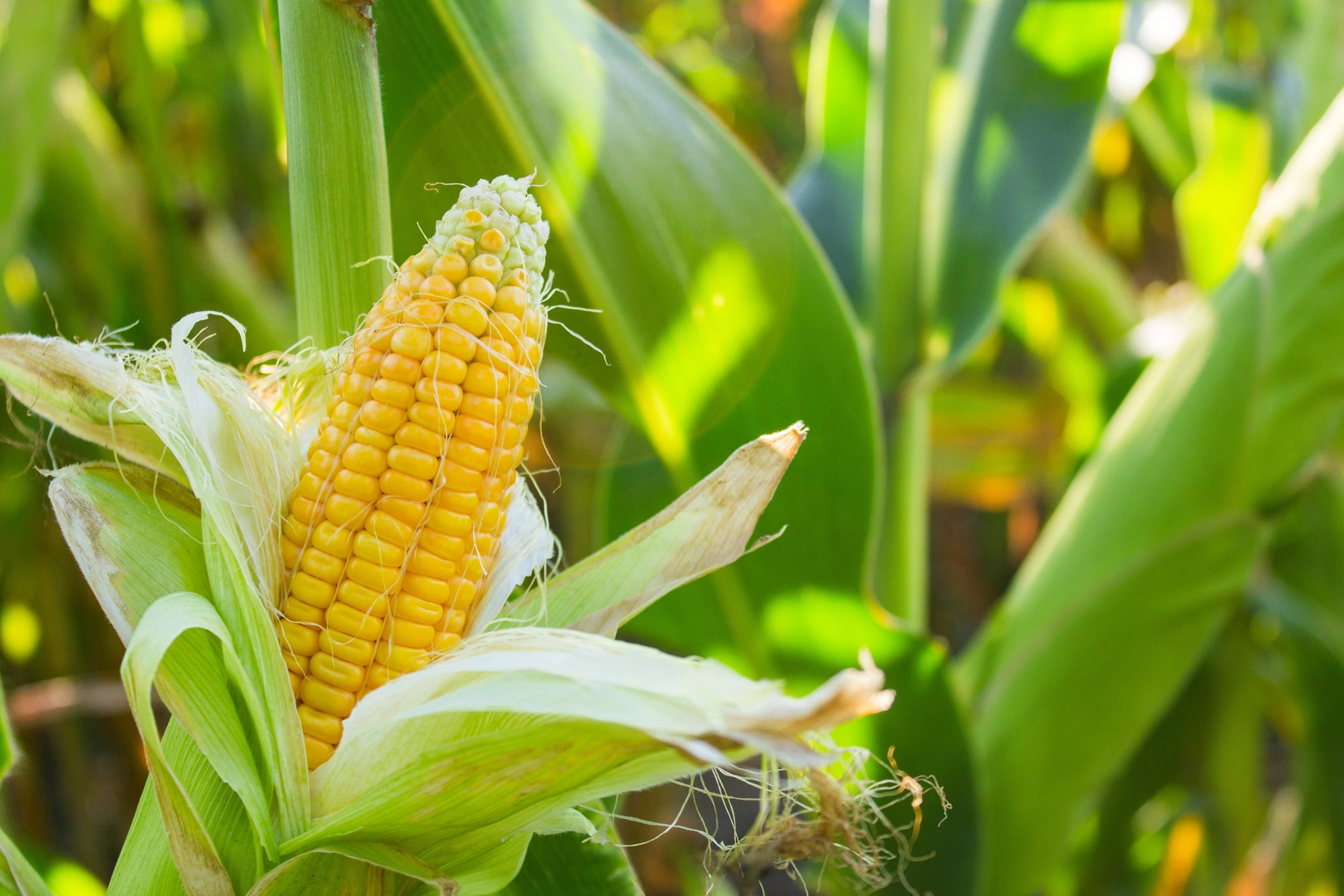
Corn can’t survive without human intervention. Every kernel on a cob is attached so firmly that the plant can’t disperse its own seeds.
This complete dependence on humans is the result of thousands of years of selective breeding that transformed a wild grass called teosinte into modern corn. Teosinte had tiny seeds that scattered easily — essential for any plant’s survival.
But humans bred corn for larger kernels that stayed attached to a central cob, creating a plant that produces more food but lost the ability to reproduce naturally. If humans disappeared tomorrow, corn would go extinct within a few years.
Onions
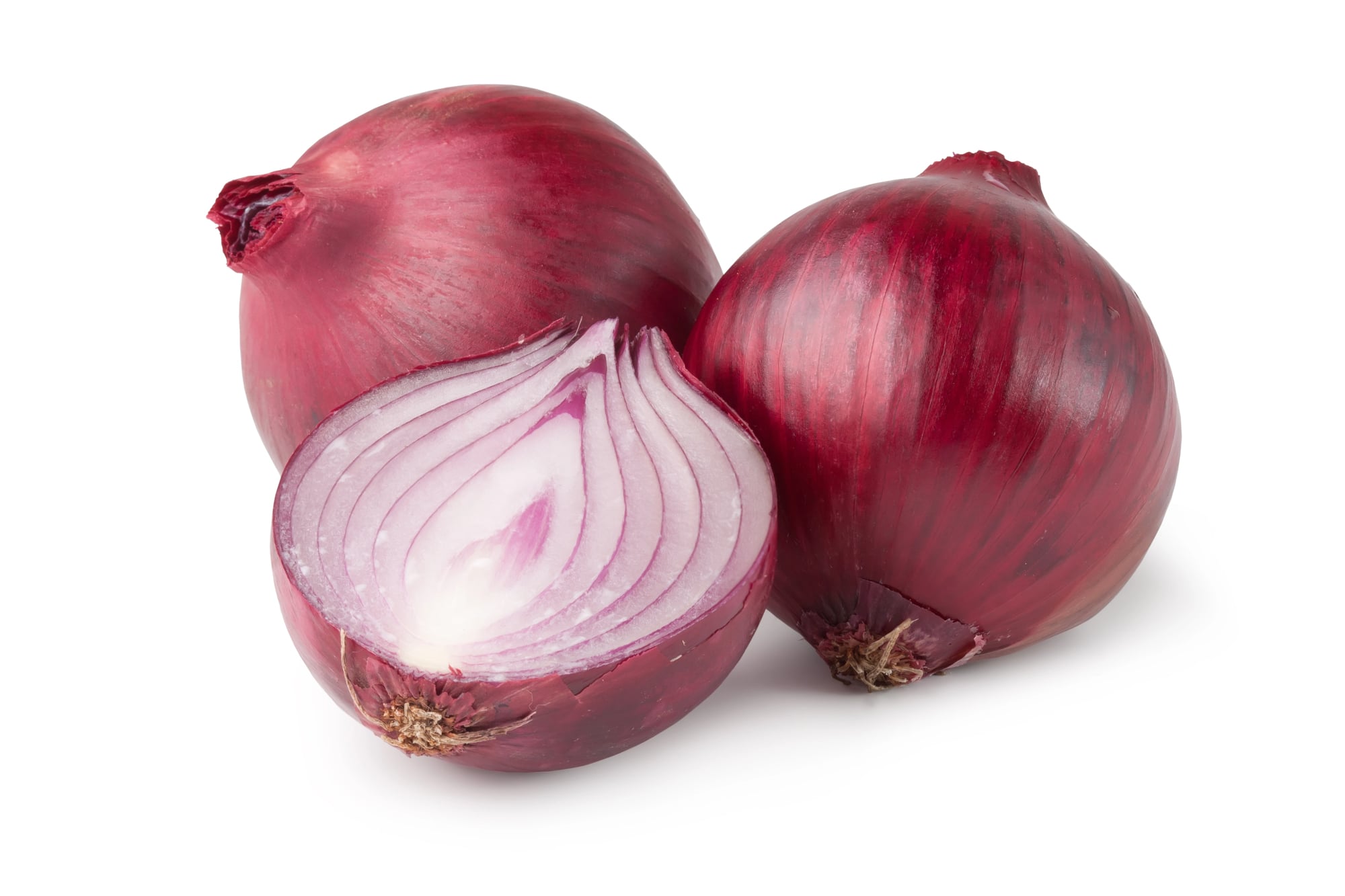
The tears that come from cutting onions aren’t just a minor kitchen inconvenience — they’re the result of a sophisticated chemical defense system that onions developed to protect themselves from being eaten, which creates a certain irony since that same defense mechanism has become one of the defining characteristics that makes onions essential to cooking worldwide. When you cut into an onion, you’re breaking cells that contain sulfur compounds, which then mix with enzymes to create syn-propanethial-S-oxide, a volatile gas that dissolves in the water of your eyes to form sulfurous acid.
So your tears are literally a mild acid burn — your eyes’ attempt to flush out what they perceive as a chemical attack. The onion, meanwhile, developed this system to discourage animals from eating it, particularly the underground bulb where the plant stores energy for the next growing season.
But humans looked at this chemical warfare and decided it added flavor complexity to their food. What’s more peculiar is how cooking completely transforms onions’ personality.
Raw onions are sharp, pungent, aggressive. But heat breaks down those sulfur compounds and converts the onion’s natural sugars, turning the same plant sweet and mild.
It’s as if onions are two completely different vegetables depending on whether you apply heat.
Mushrooms
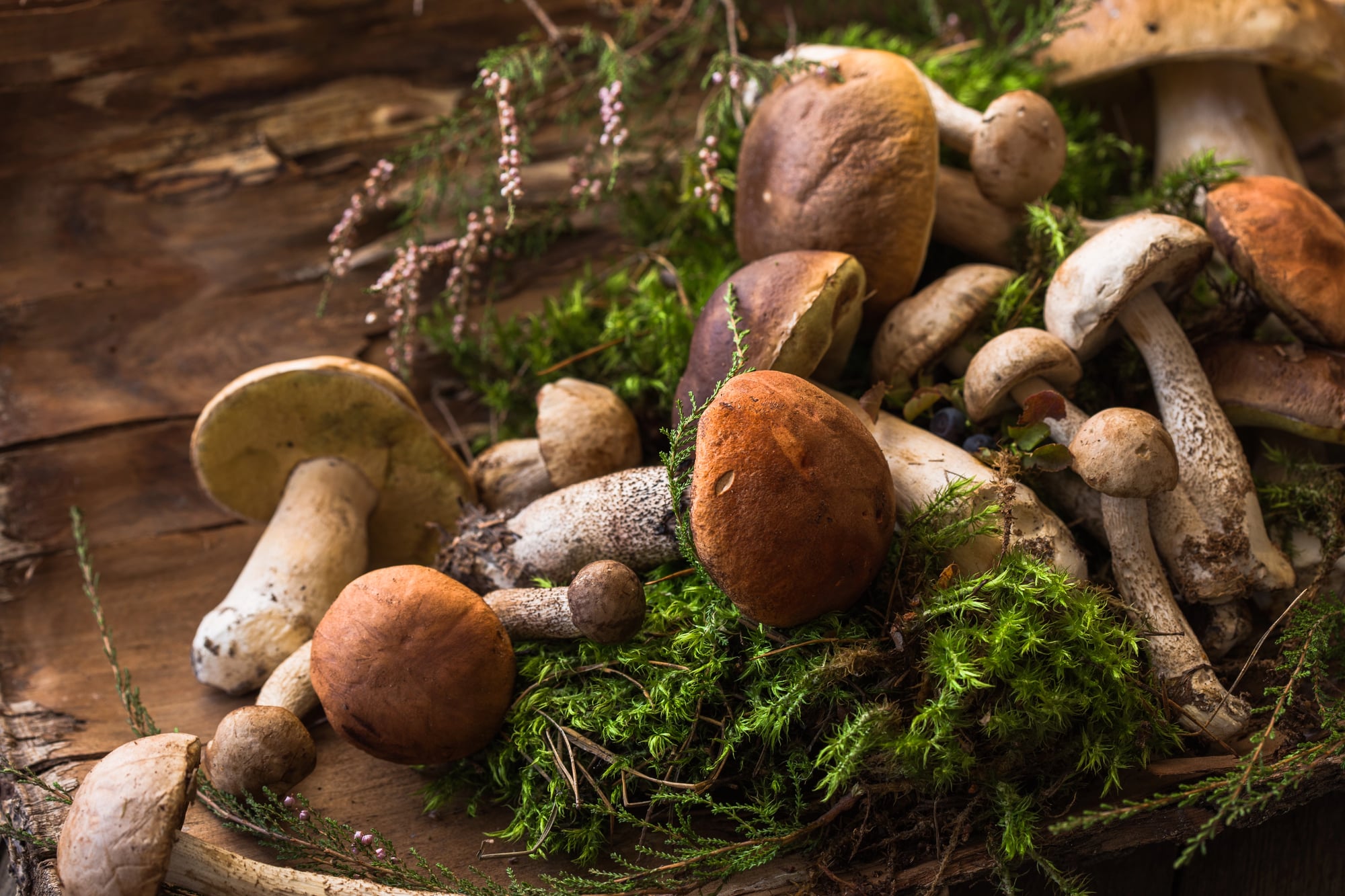
Mushrooms aren’t vegetables at all. They’re fungi, which puts them closer to animals than plants on the evolutionary tree.
Unlike plants, mushrooms can’t photosynthesize — they don’t convert sunlight into energy. Instead, they break down organic matter for nutrition, the same basic approach animals use.
The mushroom itself is just the fruiting body of a much larger organism living underground or inside rotting wood. What people eat is essentially the reproductive structure, like picking an apple from a tree, except the “tree” is invisible and could spread across acres.
Garden’s Greatest Mysteries
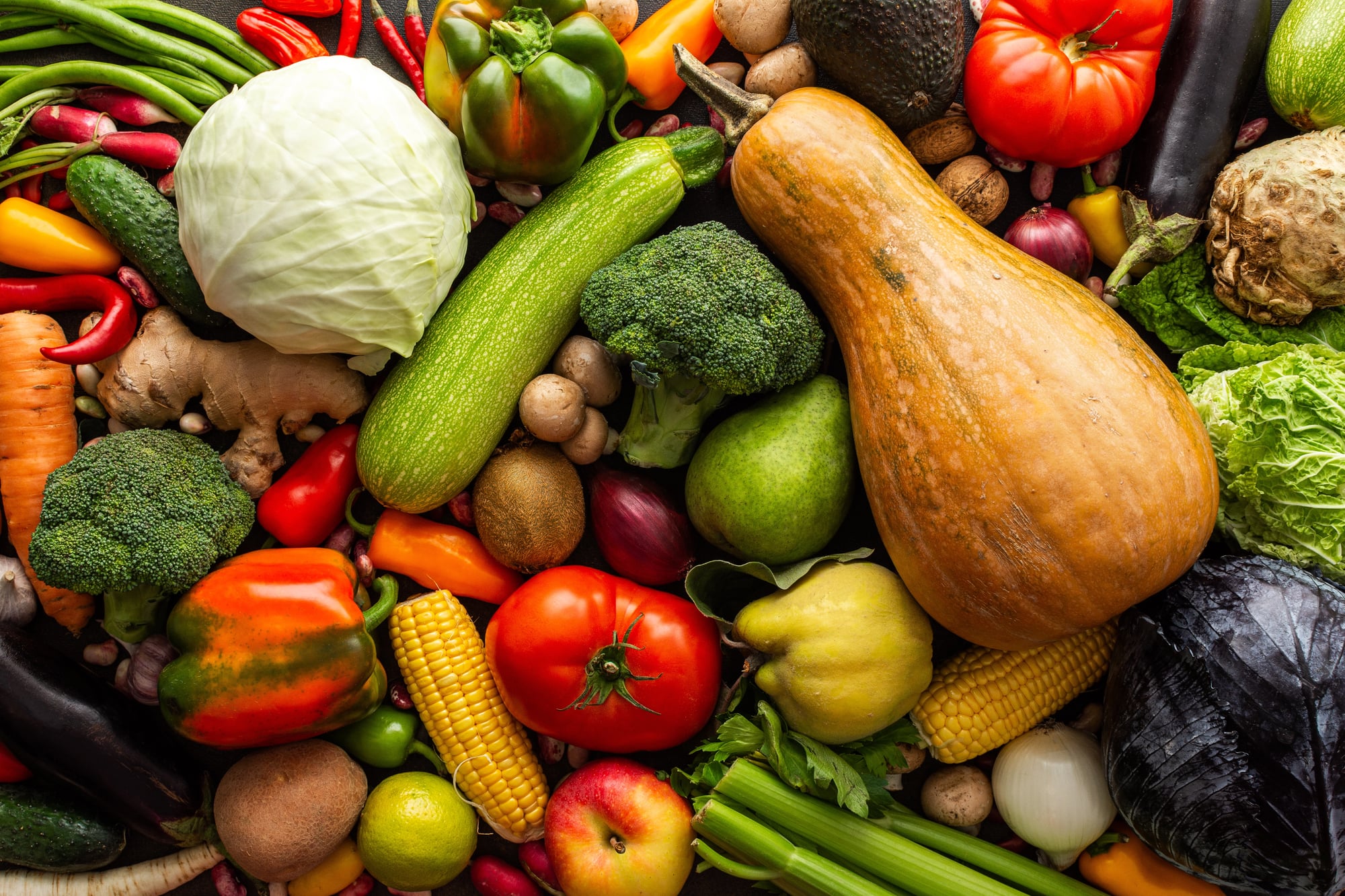
These botanical revelations strip away the simplicity we’ve wrapped around everyday vegetables. Corn that can’t reproduce, tomatoes that are fruits masquerading as vegetables, broccoli locked in permanent adolescence — the produce aisle starts to look less like a collection of predictable ingredients and more like a museum of evolutionary curiosities shaped by human intervention.
Each vegetable carries its own story of adaptation, survival, and the strange partnership between plants and the people who decided to redesign them.
More from Go2Tutors!

- The Romanov Crown Jewels and Their Tragic Fate
- 13 Historical Mysteries That Science Still Can’t Solve
- Famous Hoaxes That Fooled the World for Years
- 15 Child Stars with Tragic Adult Lives
- 16 Famous Jewelry Pieces in History
Like Go2Tutors’s content? Follow us on MSN.


