Most Expensive Liquid Substances Found On Earth
Liquids are everywhere around us — water, milk, gasoline — and most carry price tags that barely register in daily life. But venture beyond the ordinary, and you’ll discover liquids so valuable they’re measured not by the gallon but by the drop.
These substances command prices that make precious metals look affordable, existing at the intersection of rarity, scientific complexity, and human ingenuity.
Horseshoe Crab Blood
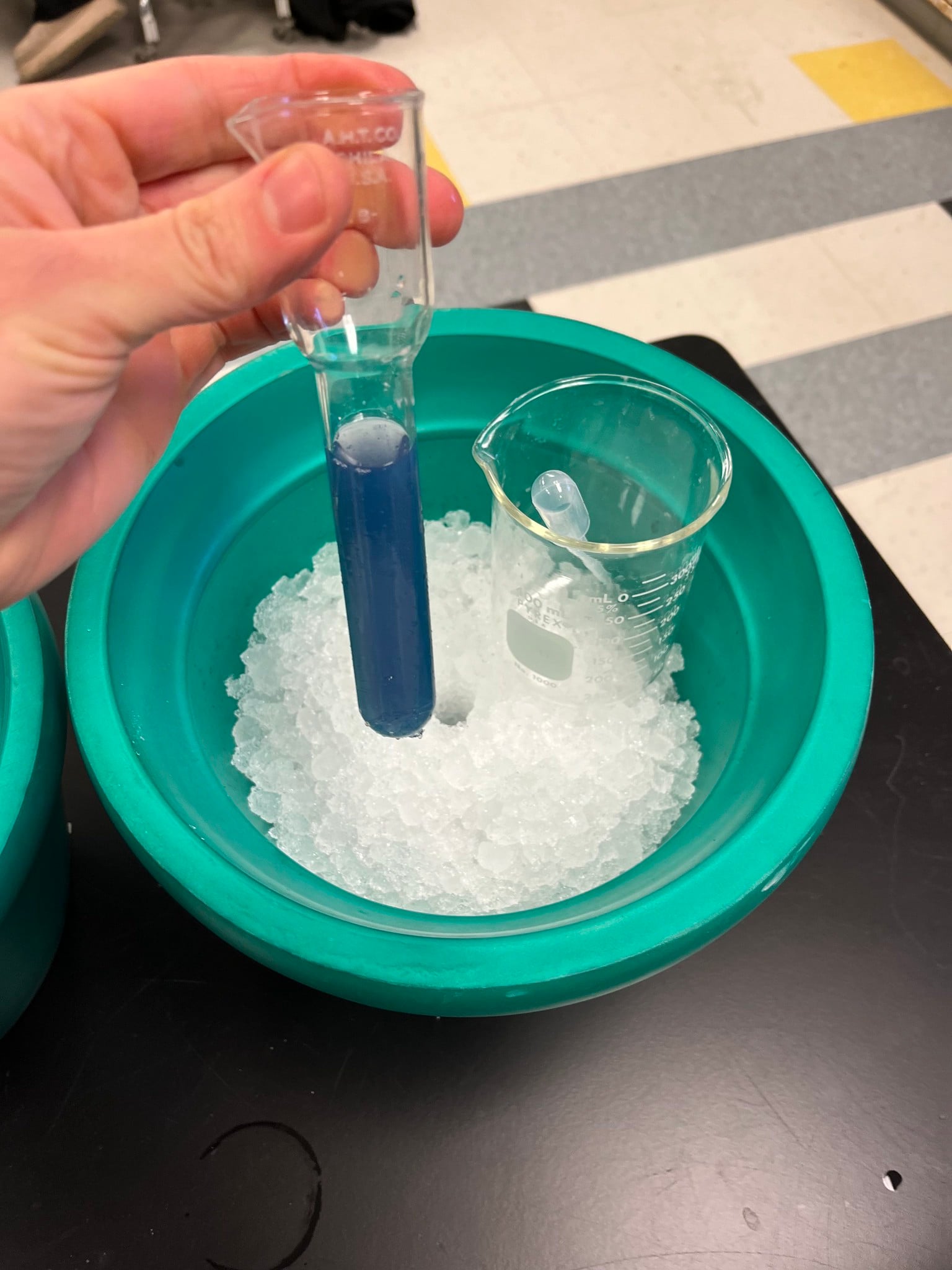
Blue blood runs through horseshoe crabs for a reason that makes it worth more than gold. Their copper-based blood contains limulus amebocyte lysate, a compound that detects bacterial contamination instantly.
Every vaccine, medical device, and injectable drug gets tested with this substance before reaching humans. Pharmaceutical companies harvest the blood by temporarily capturing the crabs, extracting about 30% of their blood, then releasing them back to the ocean.
At around $15,000 per liter, this ancient creature’s blood protects modern medicine from dangerous contamination.
King Cobra Venom

Extracting venom from one of the world’s deadliest snakes requires specialized training, protective equipment, and nerves of steel — which explains why king cobra venom sells for approximately $153,000 per gallon.
The dangerous collection process (milking venomous snakes by hand) contributes significantly to the astronomical cost, but the real value lies in medical research applications. Scientists use this venom to develop antivenoms and study neurological pathways, since cobra neurotoxins reveal how nerve signals work by disrupting them.
So extracting liquid death becomes a pathway to saving lives — assuming anyone survives the collection process long enough to benefit from the research.
Scorpion Venom

The desert holds secrets that pharmaceutical companies prize above rubies, and one of them flows through the tail of the deathstalker scorpion. This amber liquid carries compounds that slip through the blood-brain barrier like skeleton keys, unlocking treatments for brain tumors and neurological disorders that conventional medicine cannot reach.
Harvesting scorpion venom resembles an elaborate form of torture — for the scorpion and the researcher. Each specimen yields microscopic amounts through electrical stimulation, requiring thousands of extractions to produce meaningful quantities.
The painstaking process transforms tiny drops into liquid worth $39 million per gallon, making it more valuable than the rarest diamonds by weight. And yet the potential to treat previously untreatable brain conditions makes every dangerous, tedious extraction session worthwhile.
Insulin
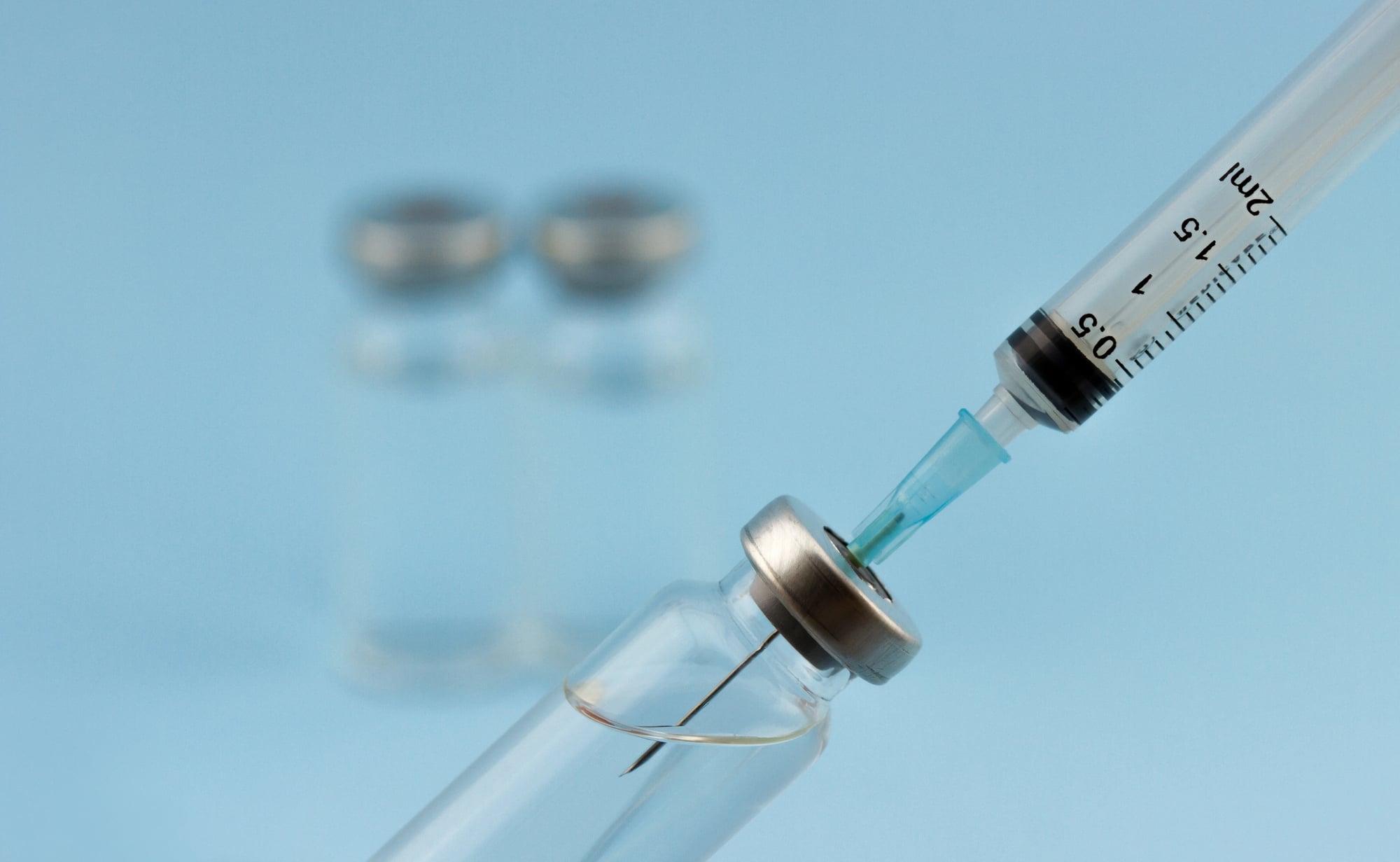
Diabetics worldwide depend on a substance that costs around $9,000 per gallon to produce — and that’s before pharmaceutical markups drive prices higher. Modern insulin manufacturing requires genetically modified bacteria or yeast cultures that produce human insulin through complex biotechnology processes.
The production involves multiple purification steps, quality control measures, and sterile environments that pharmaceutical companies maintain at considerable expense. Three companies control most global insulin production, which creates artificial scarcity for a substance that keeps millions of people alive.
Human Growth Hormone
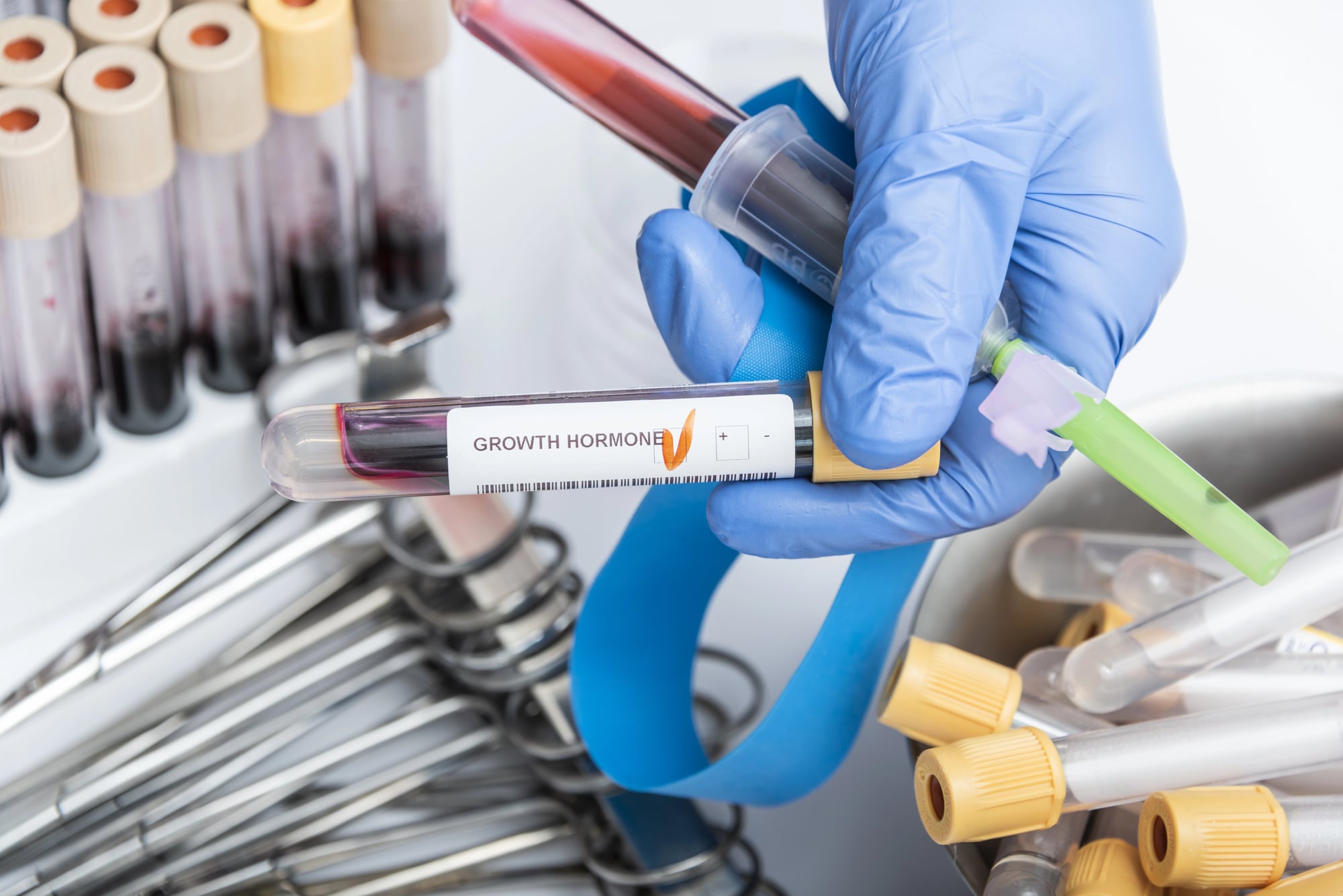
Children with growth hormone deficiencies need synthetic versions of what healthy bodies produce naturally — at a cost that reaches $13,000 per liter. Recombinant DNA technology creates this hormone using modified bacteria, but the manufacturing process remains expensive and time-sensitive.
The hormone must be stored under precise conditions and has a limited shelf life, contributing to its high price. Each treatment requires ongoing doses over months or years, making growth hormone therapy one of the most expensive pediatric treatments available.
Insurance coverage varies wildly, leaving some families to choose between financial ruin and their child’s normal development.
Chanel No. 5 Perfume
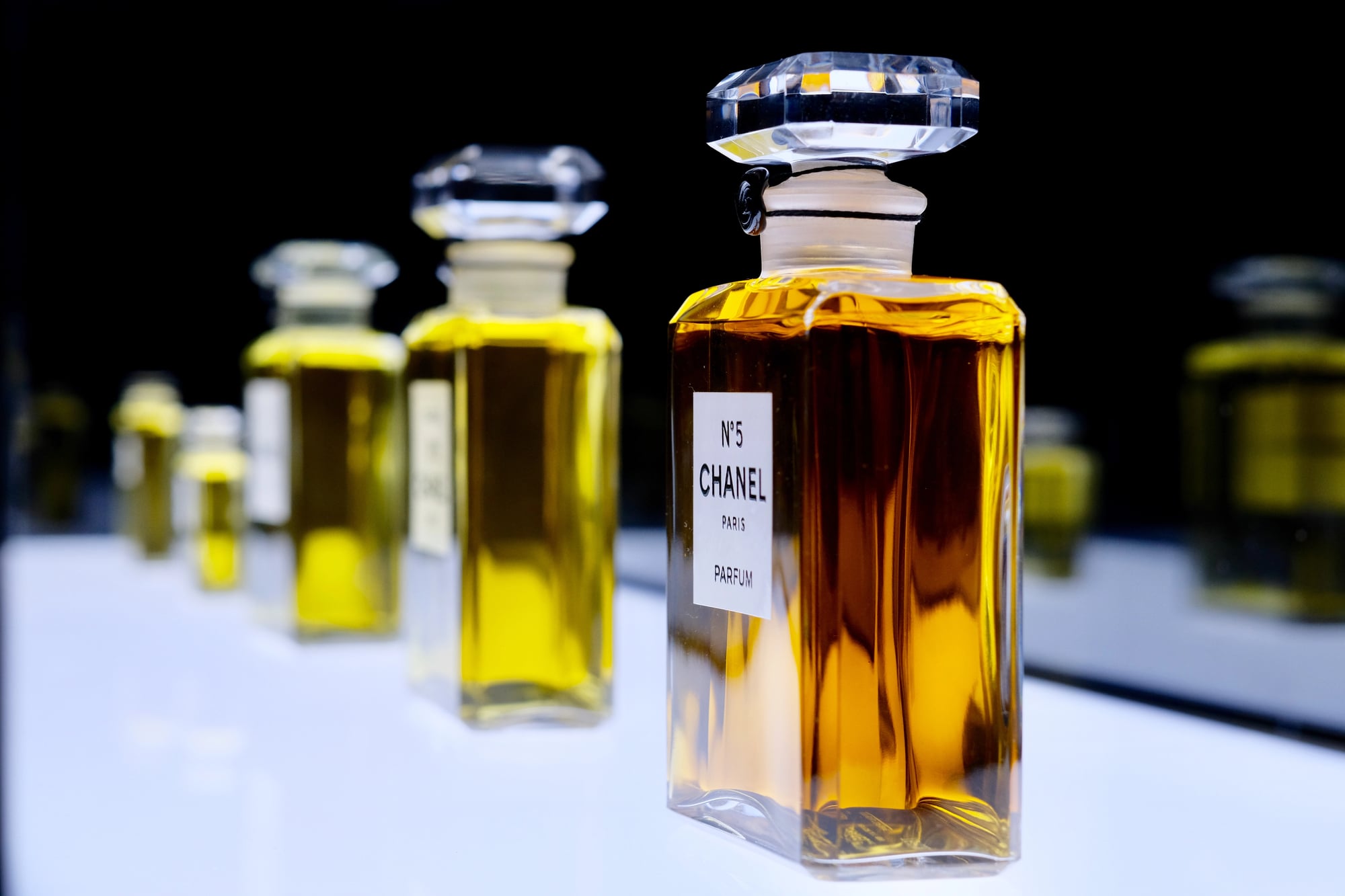
Luxury lives in a bottle that costs around $25,000 per gallon, though nobody purchases Chanel No. 5 by the gallon. This legendary fragrance blends rare florals with synthetic aldehydes in proportions that remain closely guarded trade secrets over a century after its creation in 1921.
The jasmine alone requires hand-picking thousands of flowers at dawn, when their fragrance peaks, then processing them immediately to capture the volatile oils. Rose petals from specific regions, vanilla from Madagascar, and ylang-ylang from the Comoros Islands contribute to a scent profile that has remained largely unchanged since 1921.
Each ingredient commands premium prices, but the real value lies in a formula that transformed perfume from pleasant fragrance into cultural icon.
Mercury
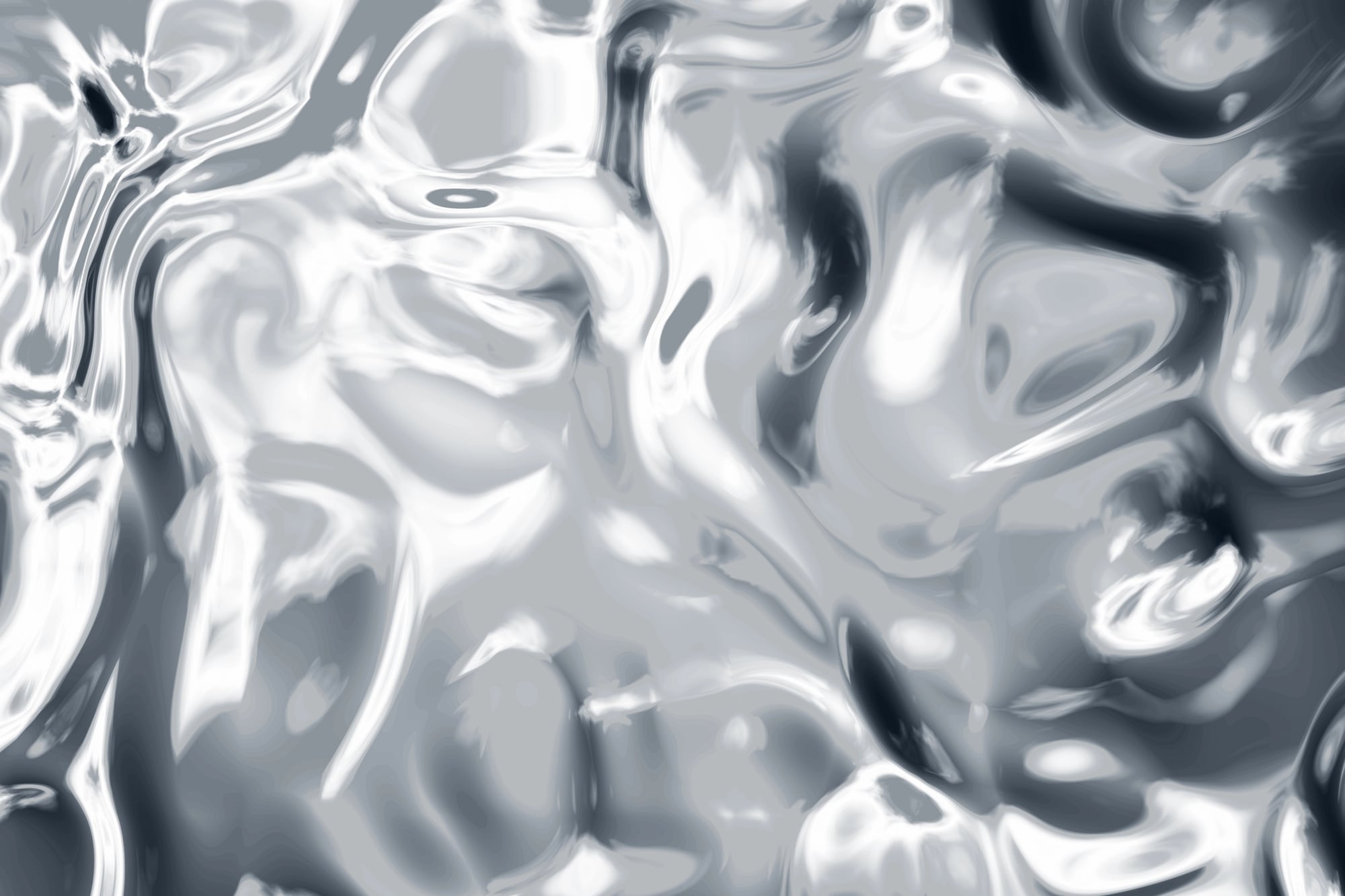
This silvery liquid metal carries a price tag of around $3,400 per gallon, though its toxicity has eliminated most commercial uses. Mercury thermometers, dental amalgams, and industrial applications have largely disappeared due to health concerns, leaving only specialized scientific and research applications.
Mining new mercury has become nearly impossible due to environmental regulations. Most available mercury comes from recycling existing sources or as a byproduct of gold mining.
The combination of restricted supply and limited but essential uses keeps prices elevated for a substance that most people now avoid entirely.
Black Printer Ink
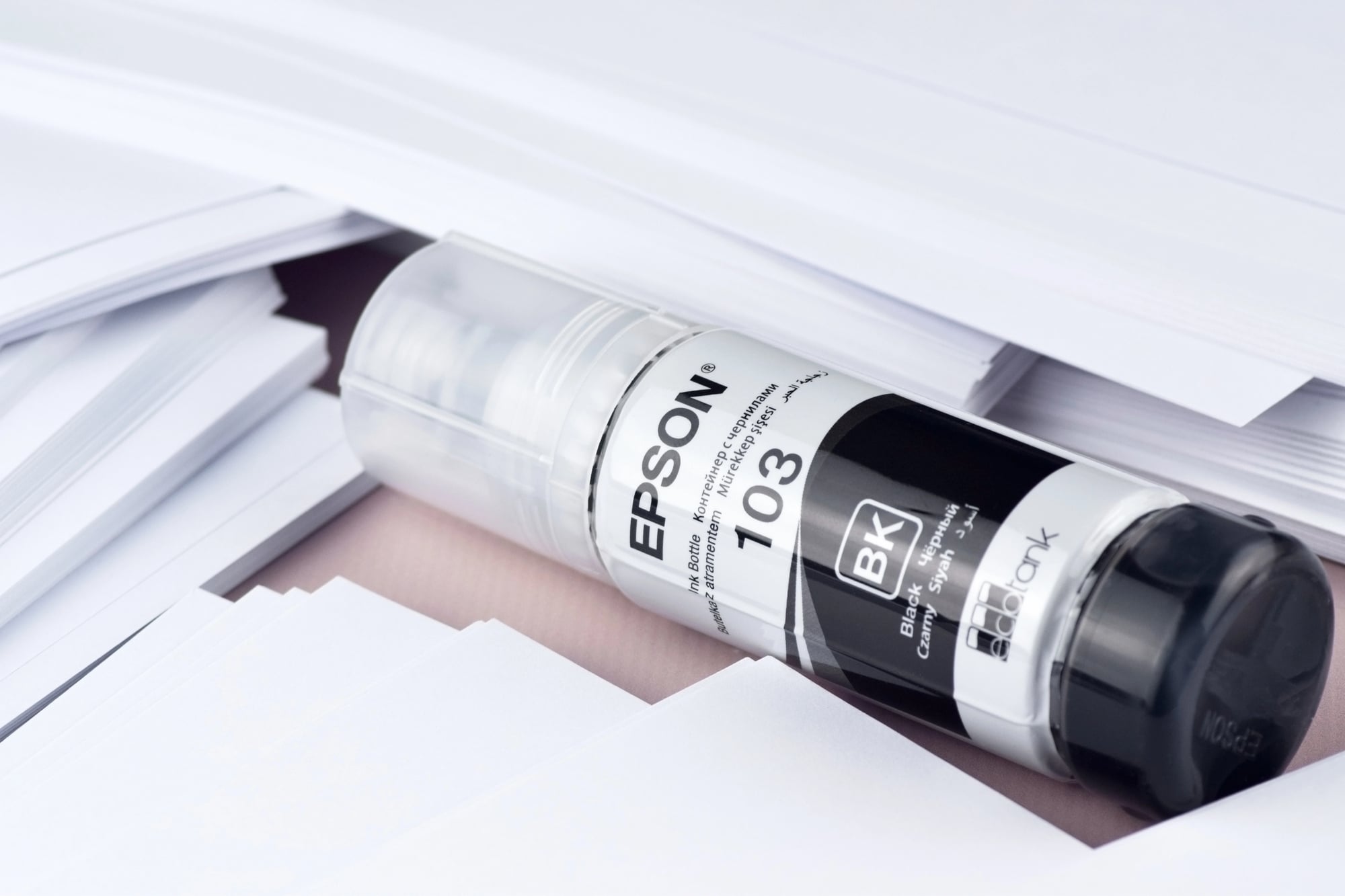
The markup on printer ink rivals luxury goods, with some cartridges costing $2,700 per gallon when calculated by volume. Manufacturers sell printers at loss-leader prices, then recoup profits through replacement ink cartridges protected by proprietary designs and patent restrictions.
The ink itself contains specialized dyes, solvents, and additives that prevent clogging and ensure consistent color reproduction. But the real cost comes from research and development expenses that companies spread across relatively small production volumes.
Third-party alternatives exist, though printer manufacturers void warranties for users who choose cheaper options.
Gamma Hydroxybutyric Acid (GHB)
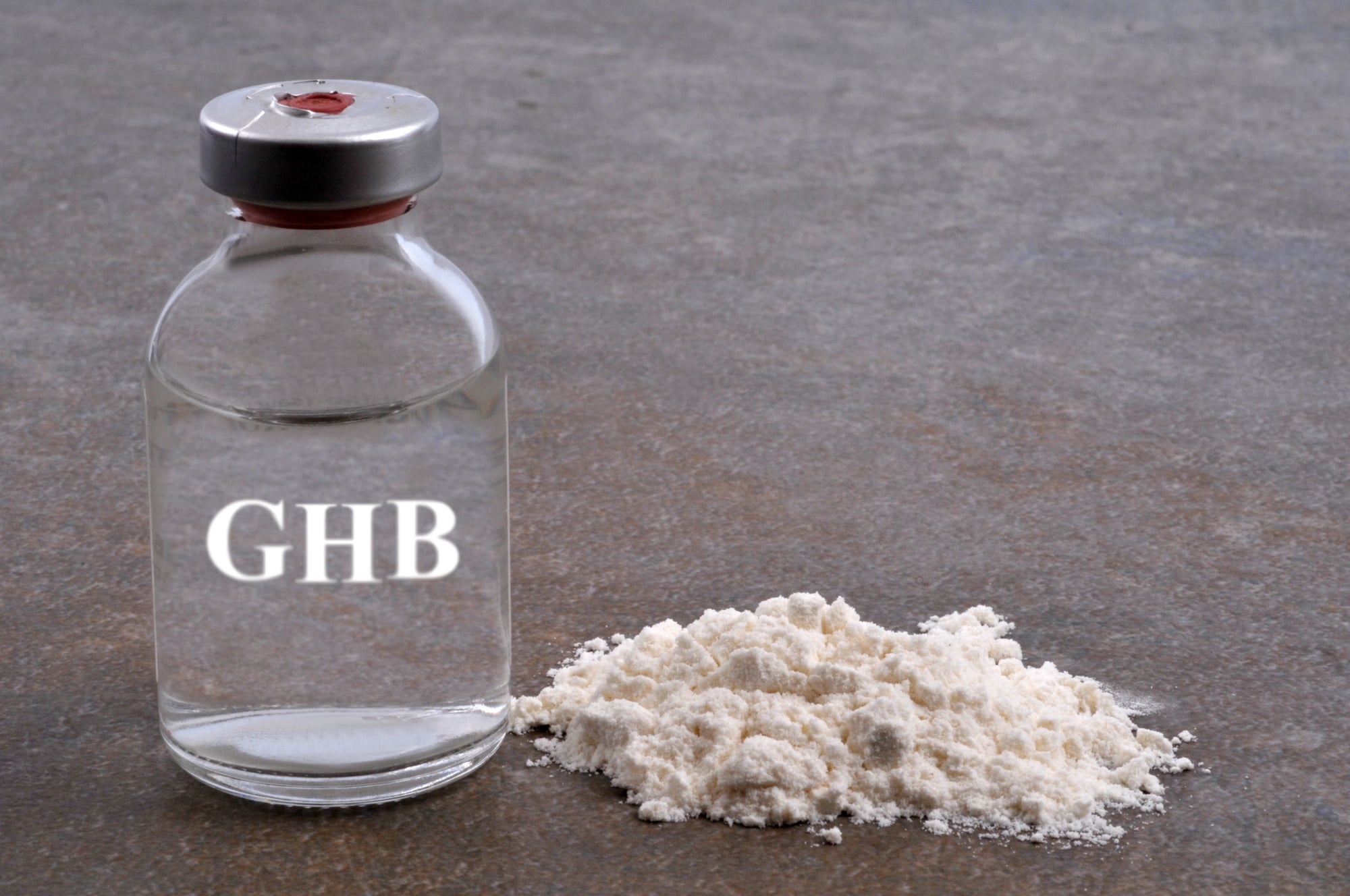
This controlled substance commands high prices on illegal markets due to its dual nature as both a legitimate medication and a dangerous recreational drug. Pharmaceutical-grade GHB treats narcolepsy and cataplexy under strict medical supervision, while illicit versions carry severe legal penalties.
The legitimate medical form requires specialized manufacturing facilities and extensive regulatory compliance, limiting production to a handful of licensed facilities worldwide. Street versions often contain dangerous adulterants and unpredictable potencies.
Law enforcement agencies classify GHB as a date-rape drug, leading to enhanced penalties that further drive up black market prices.
LSD
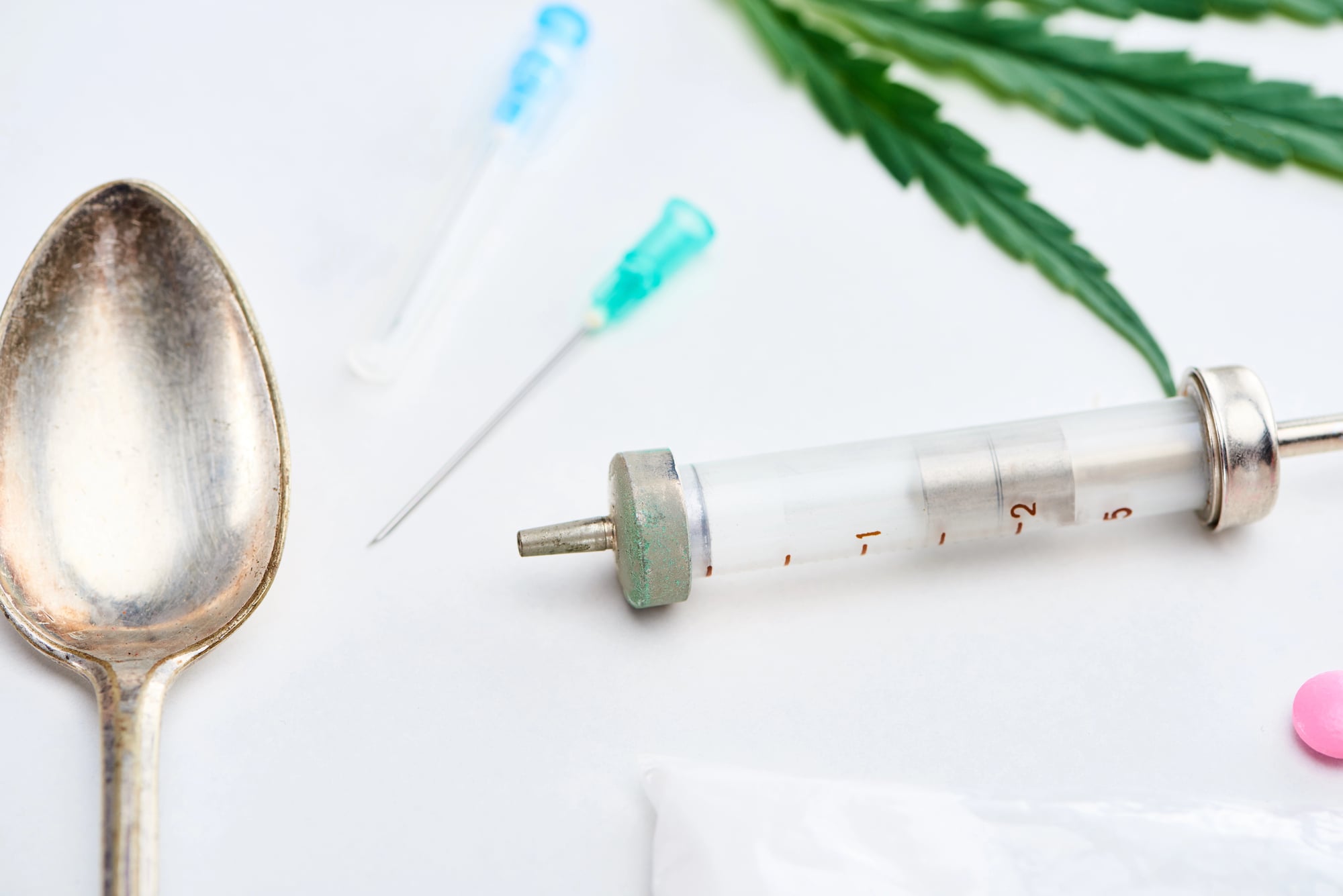
Lysergic acid diethylamide exists in quantities so small that potent doses require only micrograms, making price-per-gallon calculations somewhat theoretical. The synthesis requires advanced chemistry knowledge, specialized equipment, and precursor chemicals that law enforcement agencies monitor closely.
A single gram of pure LSD contains thousands of doses, which explains how underground chemists can supply large markets with relatively small production runs. The high potency means that even expensive manufacturing costs translate to manageable per-dose prices for users, while law enforcement struggles to detect meaningful quantities during transport or storage.
Nanotechnology Liquids
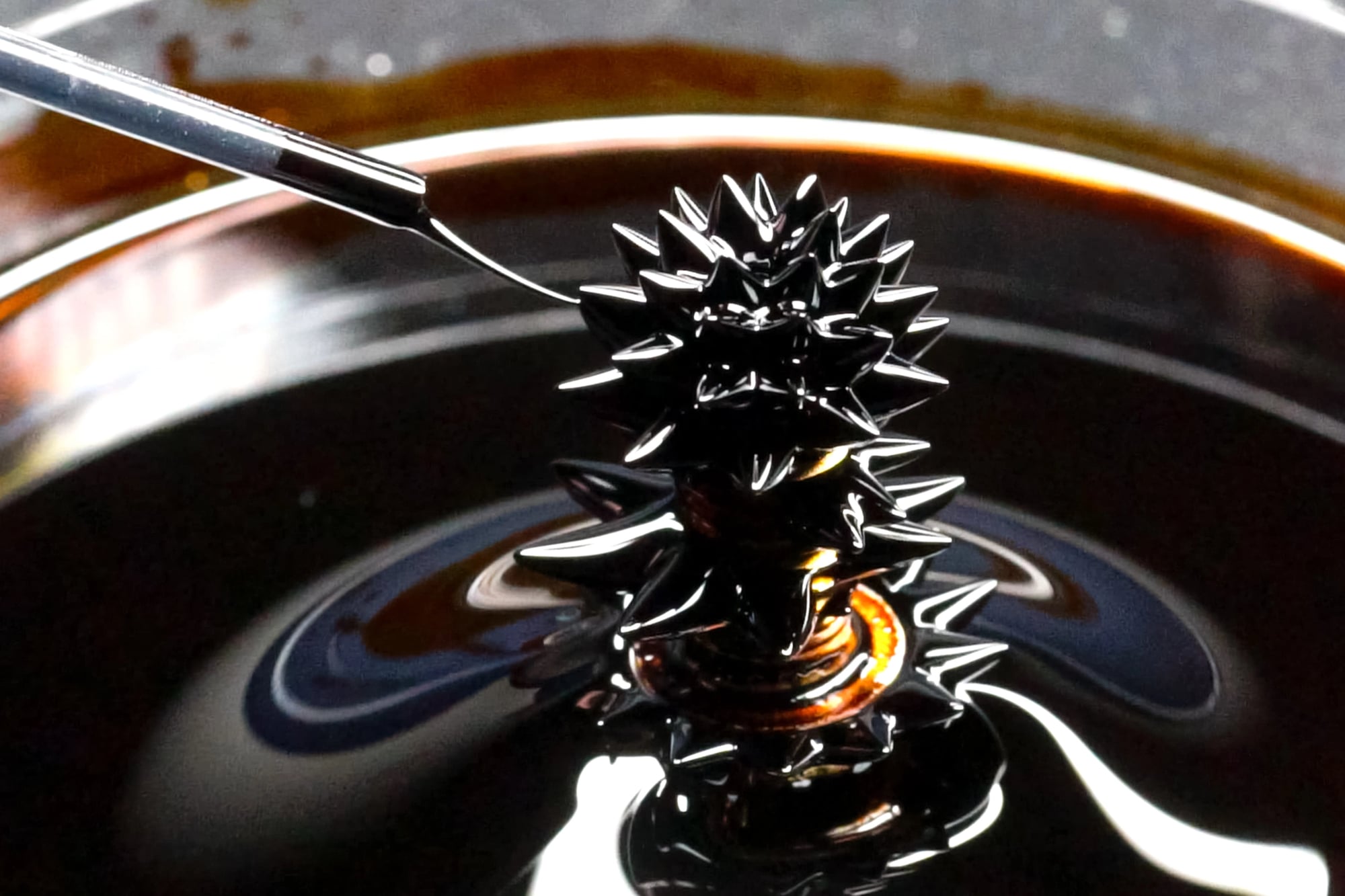
Research laboratories use specialized liquids containing nanoparticles that cost upward of $1,000 per milliliter depending on the specific application. These engineered fluids carry carbon nanotubes, quantum dots, or other microscopic structures designed for electronics, medicine, or materials science research.
Creating uniform nanoparticle suspensions requires cleanroom environments, precision equipment, and quality control measures that ensure consistent particle size and distribution. Each batch undergoes extensive testing before researchers can use it for experiments that might advance cancer treatment, computer processing, or energy storage technology.
Rare Earth Element Solutions
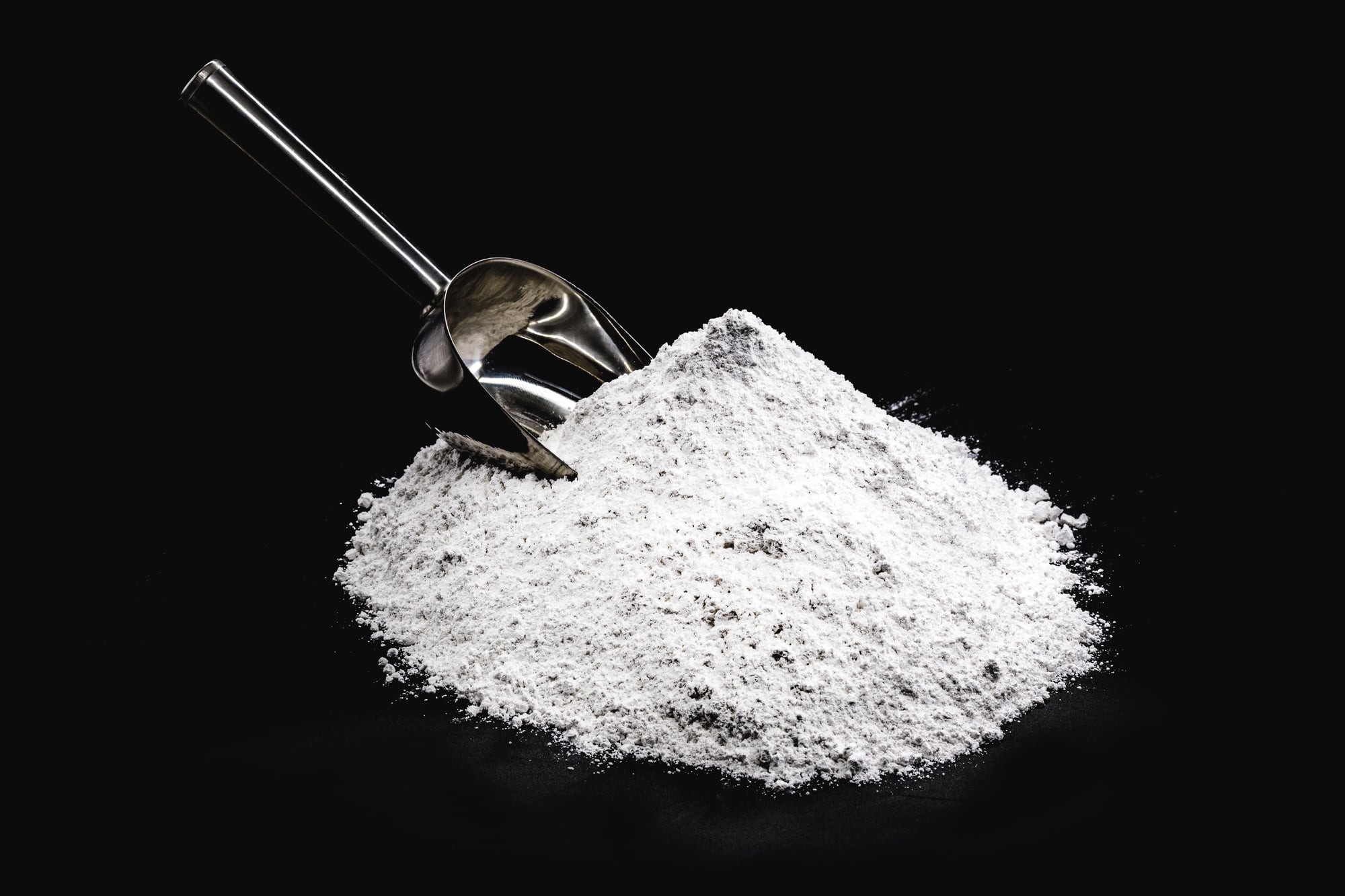
Liquid solutions containing dissolved rare earth elements command premium prices due to complex extraction and purification processes. These substances enable manufacturing of smartphones, electric vehicle batteries, and renewable energy systems that define modern technology.
Most rare earth processing occurs in facilities with significant environmental controls, since extraction generates toxic byproducts that require careful handling. Political tensions between producing and consuming nations add supply chain uncertainties that drive prices higher for substances essential to technological advancement.
Perfluorinated Compounds
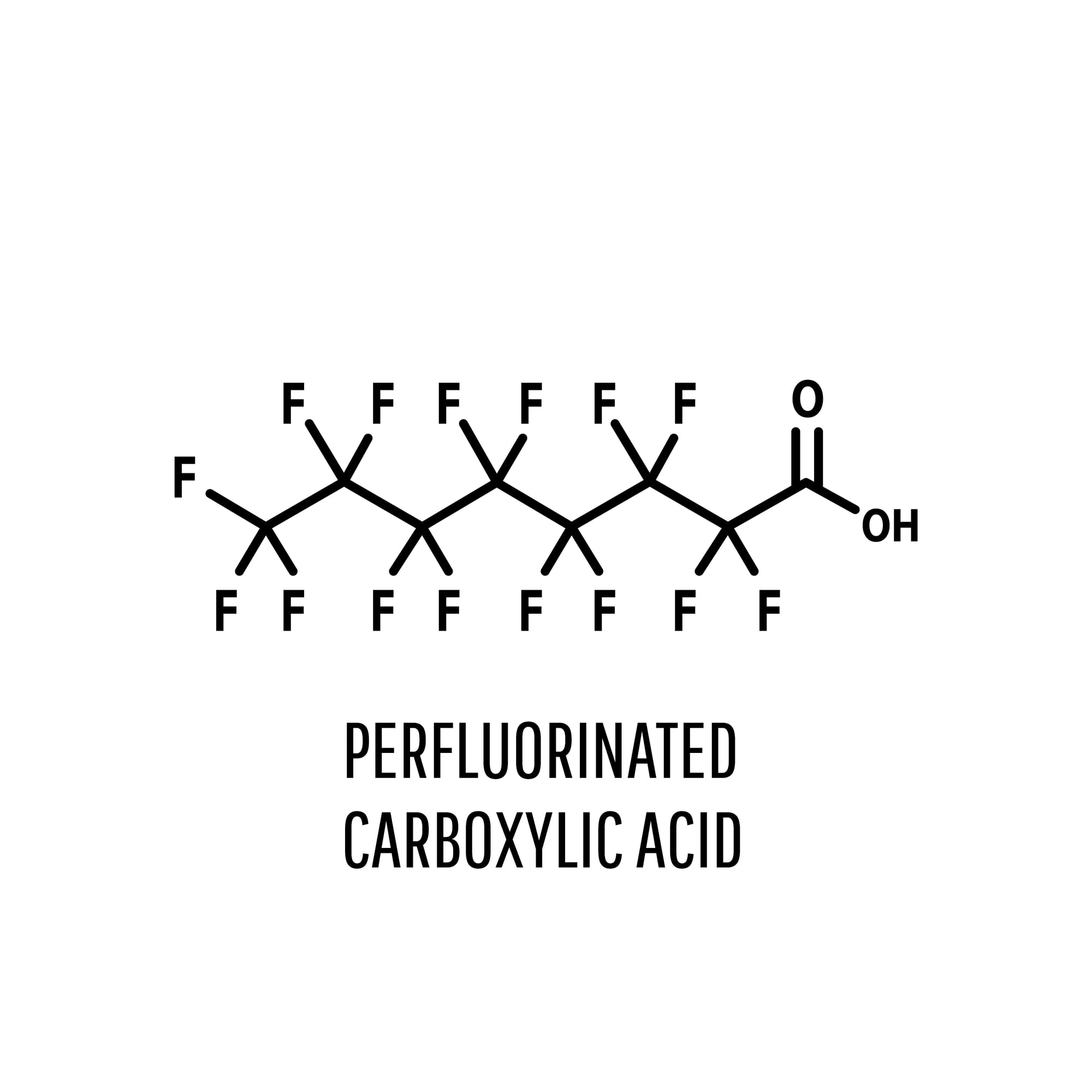
Industrial applications requiring extreme chemical resistance rely on perfluorinated liquids that cost thousands of dollars per gallon. These synthetic compounds resist heat, acids, bases, and solvents that destroy conventional materials, making them essential for semiconductor manufacturing and specialized research.
The complex synthesis involves fluorine chemistry that requires specialized facilities and extensive safety precautions. Environmental concerns about perfluorinated compounds have led to restrictions on some formulations, creating supply limitations for remaining approved versions used in critical industrial processes.
Liquid Gold Worth More Than Gold
The most expensive liquids on earth reveal how rarity, complexity, and human need create value that transcends traditional precious metals. A single drop of deathstalker scorpion venom costs more than most people earn in a day, while horseshoe crab blood protects every vaccination given worldwide.
These substances exist at the margins of chemistry, biology, and human ingenuity — liquid treasures that make gold look affordable by comparison.
More from Go2Tutors!

- The Romanov Crown Jewels and Their Tragic Fate
- 13 Historical Mysteries That Science Still Can’t Solve
- Famous Hoaxes That Fooled the World for Years
- 15 Child Stars with Tragic Adult Lives
- 16 Famous Jewelry Pieces in History
Like Go2Tutors’s content? Follow us on MSN.