15 Interesting Facts About Festive Beverages
The holidays wouldn’t feel quite right without special drinks that only show up during this time of year. Hot chocolate, eggnog, mulled wine, and spiced cider fill homes with delicious smells and warm people up during cold winter months.
These drinks have been part of celebrations for hundreds of years, and each one comes with its own surprising backstory. Let’s look at some facts about these festive drinks that might change how you think about your next holiday sip.
Eggnog predates the United States

Colonists in America drank eggnog long before the country declared independence from Britain. The drink evolved from a medieval British beverage called posset, which mixed hot milk with wine or ale.
Early Americans swapped out the wine for rum since it was cheaper and easier to find in the colonies. George Washington had his own recipe that called for rye whiskey, rum, and sherry all mixed together.
His version was so strong that guests reportedly needed a day to recover after drinking it.
Hot chocolate was a bitter drink for centuries

The ancient Mayans and Aztecs consumed chocolate as a frothy, spicy drink without any sugar. They mixed ground cacao beans with water, chili peppers, and cornmeal to create a beverage used in religious ceremonies.
Spanish conquistadors brought chocolate back to Europe in the 1500s, but Europeans found it too bitter to enjoy. Adding sugar transformed chocolate into the sweet treat people know today.
Hot chocolate didn’t become a common winter drink until the 1800s when processing methods made it affordable for regular families.
Mulled wine saved people from bad water

Medieval Europeans heated wine with spices partly because their drinking water was often contaminated and unsafe. Boiling the wine killed harmful bacteria while the spices covered up any unpleasant tastes.
Cinnamon, cloves, and nutmeg also cost a fortune back then, so serving mulled wine showed off a host’s wealth. The Romans actually invented the practice of heating wine with spices even earlier, around 20 BC.
Today’s mulled wine recipes haven’t changed much from those ancient versions.
Wassail bowls were passed around neighborhoods

English families in the Middle Ages carried large bowls of wassail from house to house while singing songs. The word ‘wassail’ comes from the Old Norse phrase ‘ves heill,’ meaning ‘be well’ or ‘be healthy.’
People drank from the communal bowl and wished each other good health and prosperity. Wealthy households were expected to fill the bowl with their best brew for the carolers.
This tradition gradually evolved into modern Christmas caroling, minus the shared bowl of booze.
Candy canes started as straight white sticks

The first candy canes had no stripes, no peppermint flavor, and no curve at all. German choirmasters in the 1600s gave children plain white sugar sticks to keep them quiet during long Christmas services.
The hooked shape supposedly appeared around 1670 when a choirmaster bent them to represent a shepherd’s staff. Red stripes and peppermint flavoring didn’t show up until the early 1900s.
Some stories claim the stripes and shape have religious symbolism, but historians find little evidence for these tales.
Tom and J. drinks have nothing to do with the cartoon
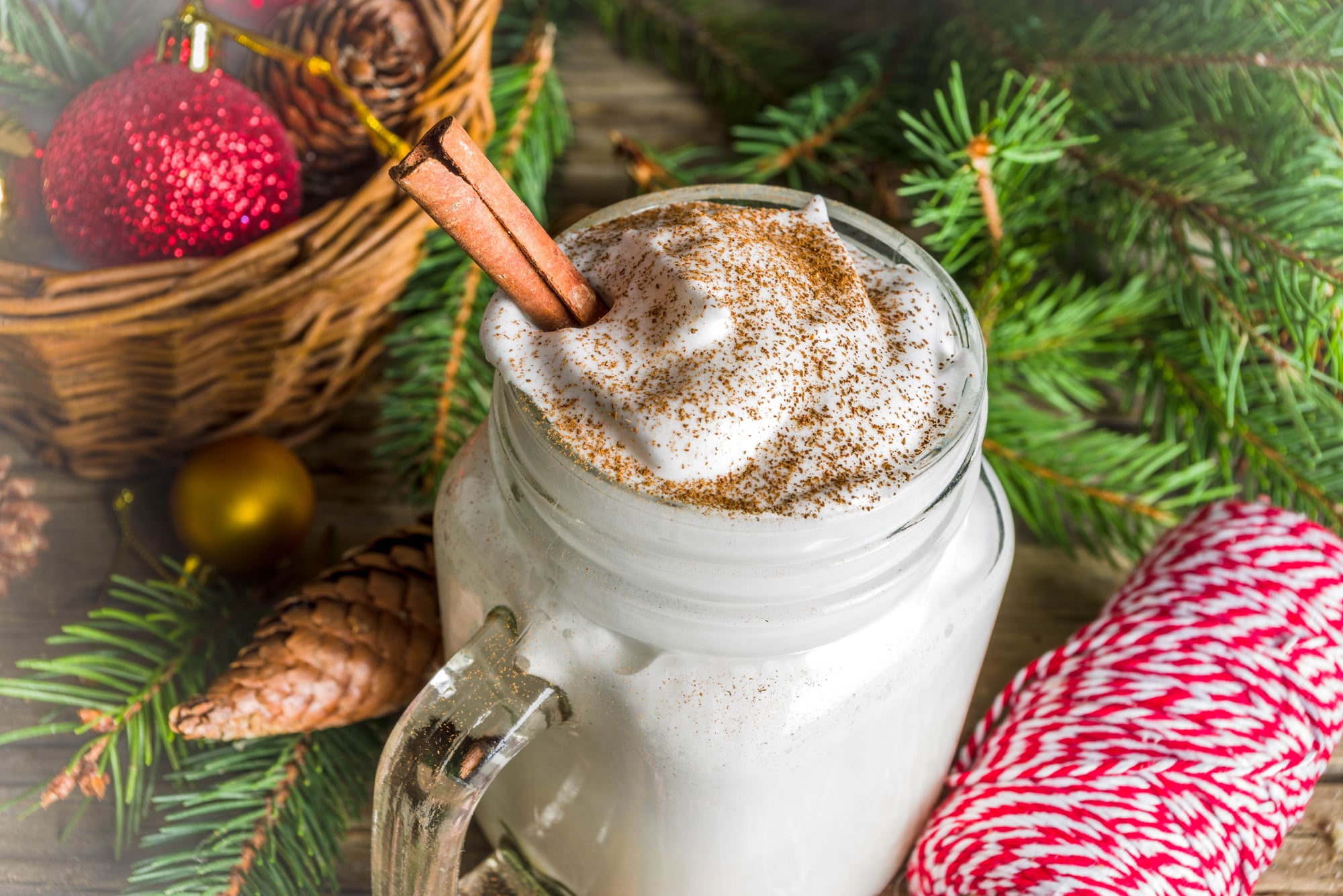
This warm holiday cocktail existed decades before the famous cat and mouse cartoon appeared. British writer Pierce Egan created the drink in the 1820s to promote his book ‘Life in London: The Adventures of Tom and J. .’
The recipe calls for separated eggs, sugar, spices, hot milk, and rum or brandy mixed together. Bars across America served Tom and Jerrys throughout the 1800s and early 1900s.
The drink’s popularity faded over time, though some Midwestern bars still make it during the holidays.
Apple cider used to mean hard cider

When colonial Americans talked about cider, they meant the fermented kind with enough punch to get people tipsy. Families made hard cider because it stayed fresh much longer than apple juice and because water quality was questionable.
Kids drank watered-down versions while adults enjoyed it full strength. The term ‘apple cider’ now refers to unfiltered apple juice in the United States, while ‘hard cider’ specifies the version with booze.
Most other English-speaking countries still assume cider means the adult beverage.
Peppermint schnapps is a modern invention
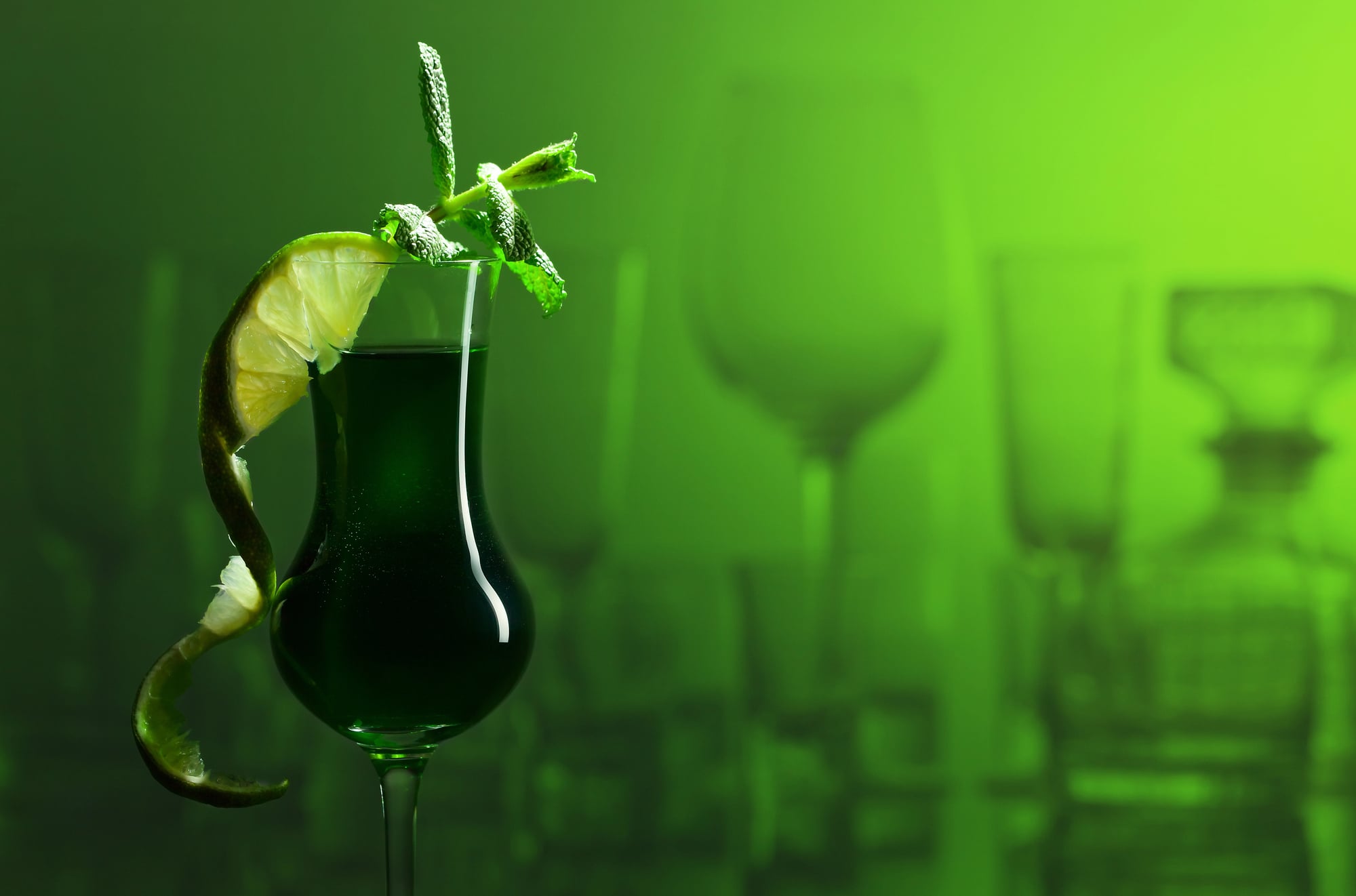
Despite feeling like an old-fashioned holiday staple, peppermint schnapps only became popular in the 1970s. The liqueur takes its inspiration from German schnapps traditions but uses artificial flavoring rather than distilled peppermint.
Bartenders started adding it to hot chocolate and coffee drinks as an easy way to create festive cocktails. Its bright red or green color made drinks look more holiday-appropriate.
Before peppermint schnapps existed, people used peppermint extract or crushed candy canes to achieve similar flavors.
Gingerbread flavoring came from expensive imports

Medieval European bakers couldn’t make gingerbread without importing ginger from Asia at outrageous prices. The spice traveled thousands of miles along trade routes and cost as much as a live sheep per pound.
Only wealthy families could afford foods flavored with ginger, cloves, and cinnamon during holidays. Queen Elizabeth I supposedly started the tradition of gingerbread people by having bakers create cookies shaped like her guests.
Gingerbread houses became popular in Germany after the Brothers Grimm published ‘Hansel and Gretel’ in 1812.
Irish coffee wasn’t invented in Ireland
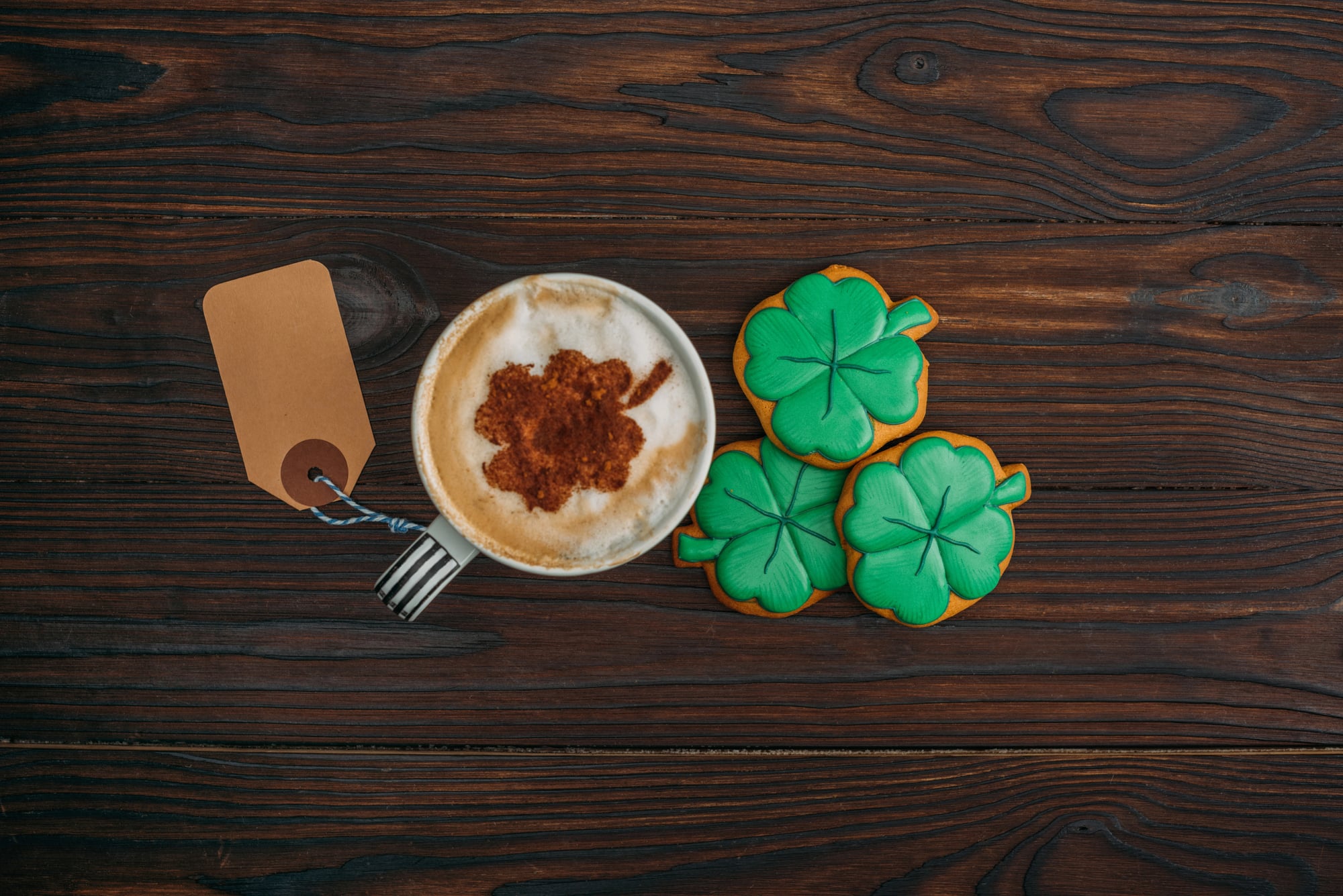
A chef at an airport in western Ireland created Irish coffee in 1943 to warm up cold passengers. Joe Sheridan added whiskey to coffee and topped it with cream for travelers whose flight had been canceled due to bad weather.
A travel writer tried the drink, loved it, and brought the recipe back to San Francisco. The Buena Vista Cafe in San Francisco popularized Irish coffee in America and still serves it the traditional way.
Ireland eventually embraced the drink that now bears its name, though it took a decade for it to catch on there.
Champagne bottles hold serious pressure

A sealed bottle of champagne contains roughly the same pressure as a car tire, about 90 pounds per square inch. This intense pressure can launch a cork at speeds up to 50 miles per hour if opened carelessly.
The French region of Champagne spent centuries perfecting the process of trapping bubbles in wine without exploding bottles. Early champagne makers wore iron masks to protect their faces from shattering glass.
Modern bottles have thicker glass and punted bottoms specifically designed to handle the pressure.
Nog comes from an old word for strong ale
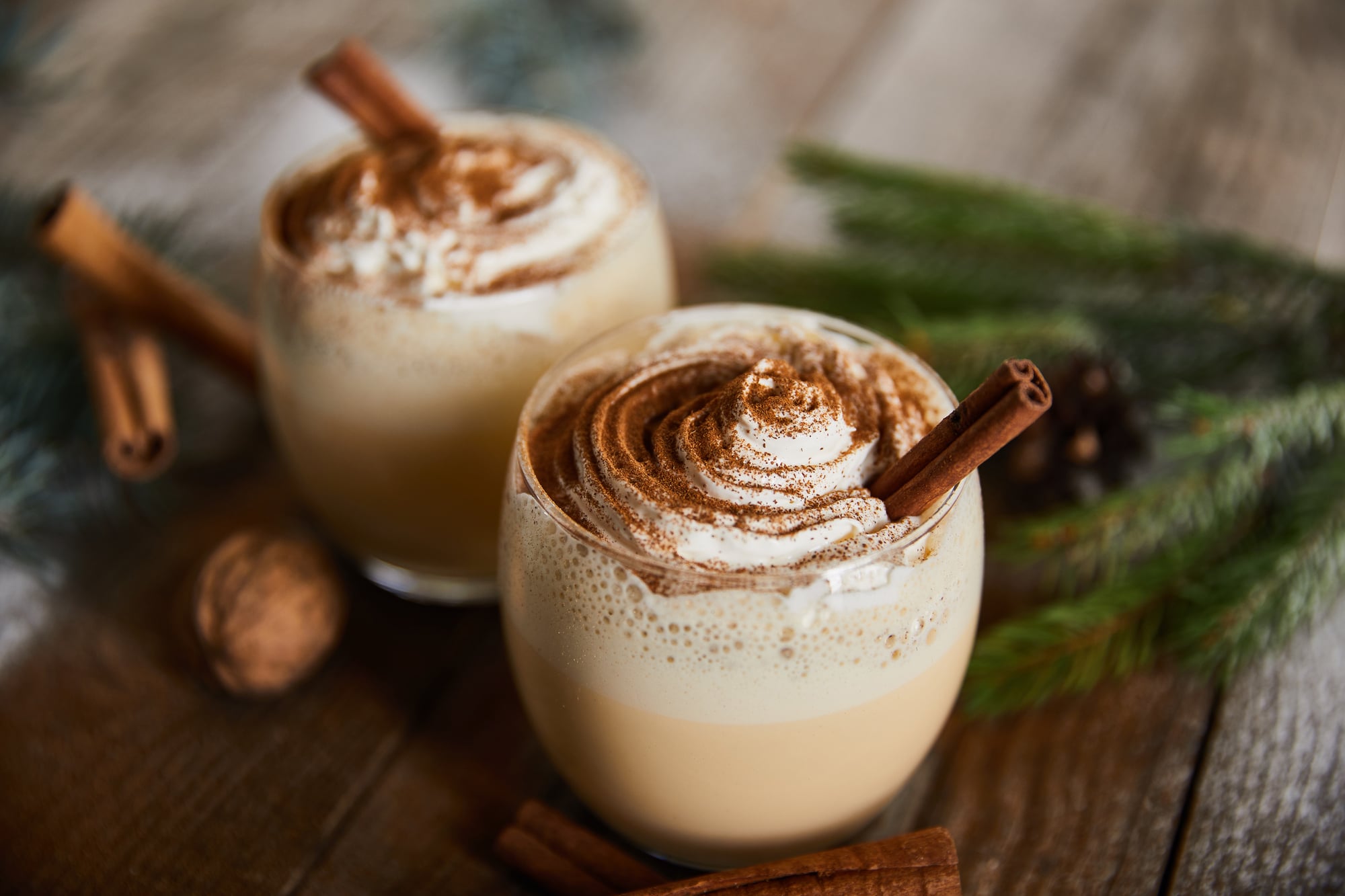
The ‘nog’ in eggnog likely derives from ‘noggin,’ which referred to both a small wooden cup and the strong beer served in it. Some word experts think it might come from ‘grog,’ another term for boozy drinks.
British taverns served egg-based drinks in these small cups during the 1700s. American colonists combined the traditions and created what eventually became modern eggnog.
The exact origin of the word remains debated among historians and linguists who can’t quite agree.
Brews laced with spices slowed spoilage when iceboxes did not exist

Spices in drinks did more than add taste when fridges were nowhere around. Back then, cinnamon and cloves slowed spoilage because they fight microbes naturally.
Staying healthy through harsh months? That was another reason folks reached for these ingredients. A hot mug of spice-laced liquid brought real warmth in chilly rooms where heat barely worked.
Over time, that comfort turned into tradition when temperatures dropped year after year.
Hot buttered rum required actual butter

Hot buttered rum meant something special to colonial Americans. Real butter went into their version, along with brown sugar and spices stirred right into the rum.
Calories and fat from the butter kept folks warmer when cold winds blew hard. Energy came too, needed for surviving long winter months.
These days, many swap butter for store-bought mix or leave it out altogether. That shift alters how the drink once tasted.
A few families across New England keep older methods alive, using recipes handed down year after year. For years, the beverage nearly disappeared.
Now, bartenders at small batch cocktail spots are pouring it again.
Possets were considered medicinal remedies

Hot milk stirred into wine or beer became possets, a remedy favored by doctors in seventeenth-century England. Some thought it cleared colds; others relied on it when sleep would not come, or even for mending shattered bones.
Rich customers sipped theirs with costly sherry or sack swirled in, whereas cheaper ale found its way into drinks for working people. Over time, what began as treatment turned into something warm and soothing, taken near bedtime.
References tucked inside Shakespeare’s lines reveal just how widespread these drinks had become.
Drinks that bring people together
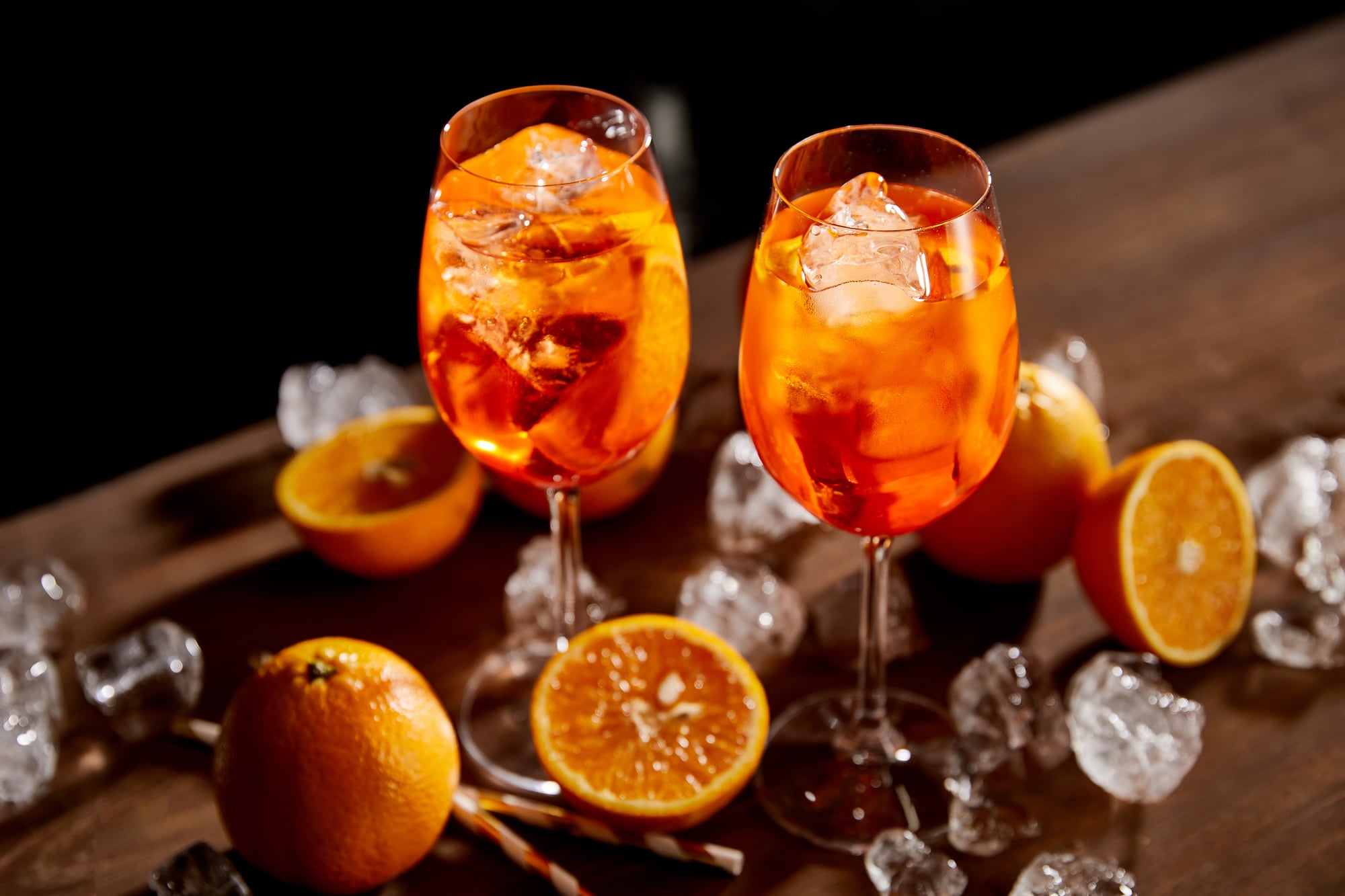
Warm cups linger long after the season ends, not only for their flavor but for what they bring to mind. Gatherings rise around them – laughter, old stories told again under soft lights.
Every batch shifts slightly when younger hands mix in a twist, honoring what came before without copying it exactly. Time stretches during these sips, allowing space between words, glances held across steam rising from mugs.
What pours into glasses also flows through years, linking now to then in quiet ways.
More from Go2Tutors!

- The Romanov Crown Jewels and Their Tragic Fate
- 13 Historical Mysteries That Science Still Can’t Solve
- Famous Hoaxes That Fooled the World for Years
- 15 Child Stars with Tragic Adult Lives
- 16 Famous Jewelry Pieces in History
Like Go2Tutors’s content? Follow us on MSN.