Photos Of Famous Female Inventors
Throughout history, women have created some of the most revolutionary inventions that shape our daily lives, yet their stories often remain hidden behind the achievements of their male counterparts. From everyday household items to groundbreaking scientific breakthroughs, female inventors have consistently pushed boundaries and solved problems that others overlooked.
Their photographs capture not just their faces, but moments in time when brilliant minds were quietly changing the world from laboratories, kitchens, and workshops where few thought to look for genius.
Hedy Lamarr
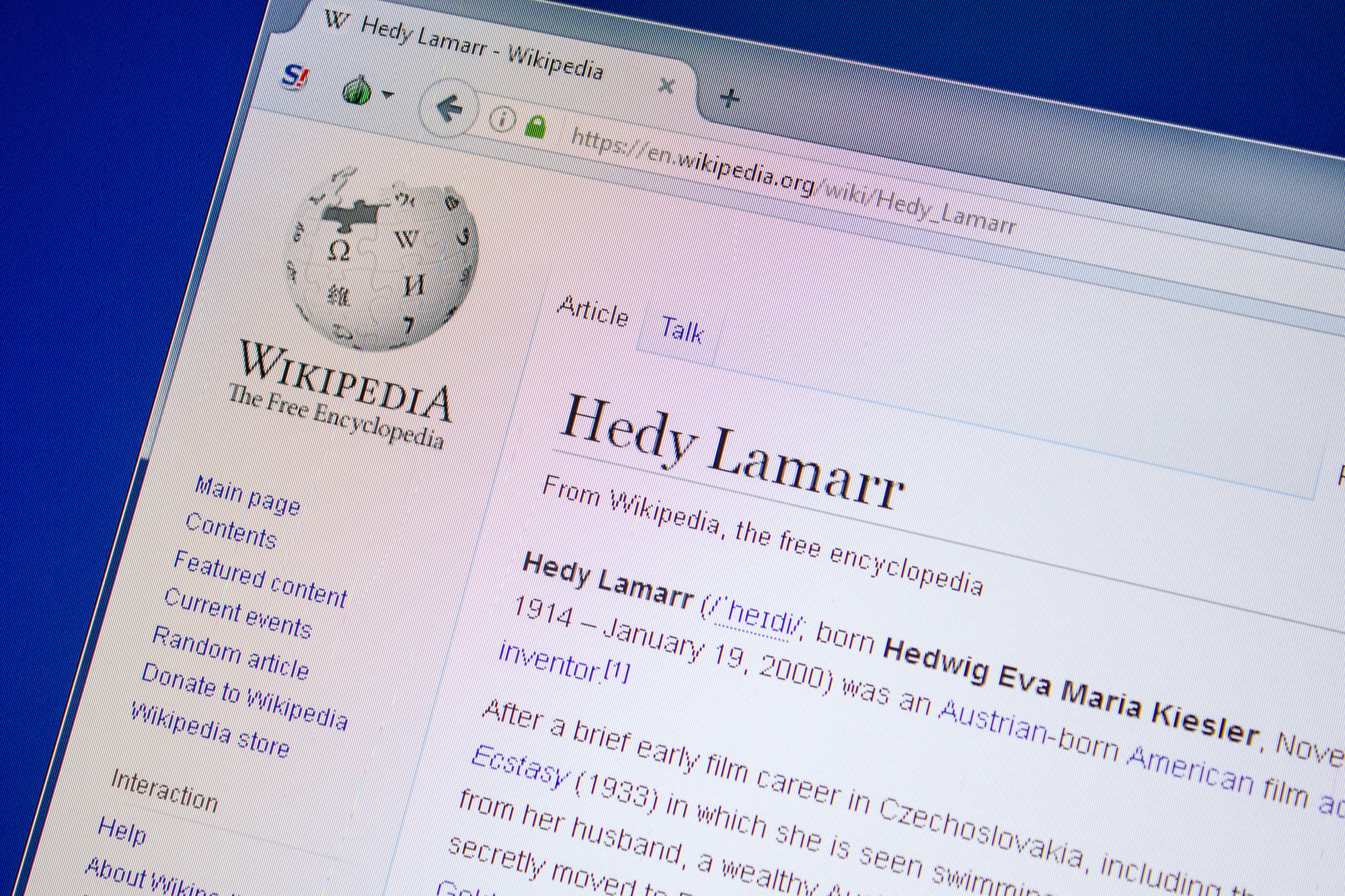
Lamarr wasn’t just a Hollywood star. She developed frequency-hopping technology that became the foundation for modern WiFi, GPS, and Bluetooth.
The photos of her in her home laboratory tell a different story than the glamour shots. Here was someone solving complex engineering problems between movie roles.
Stephanie Kwolek
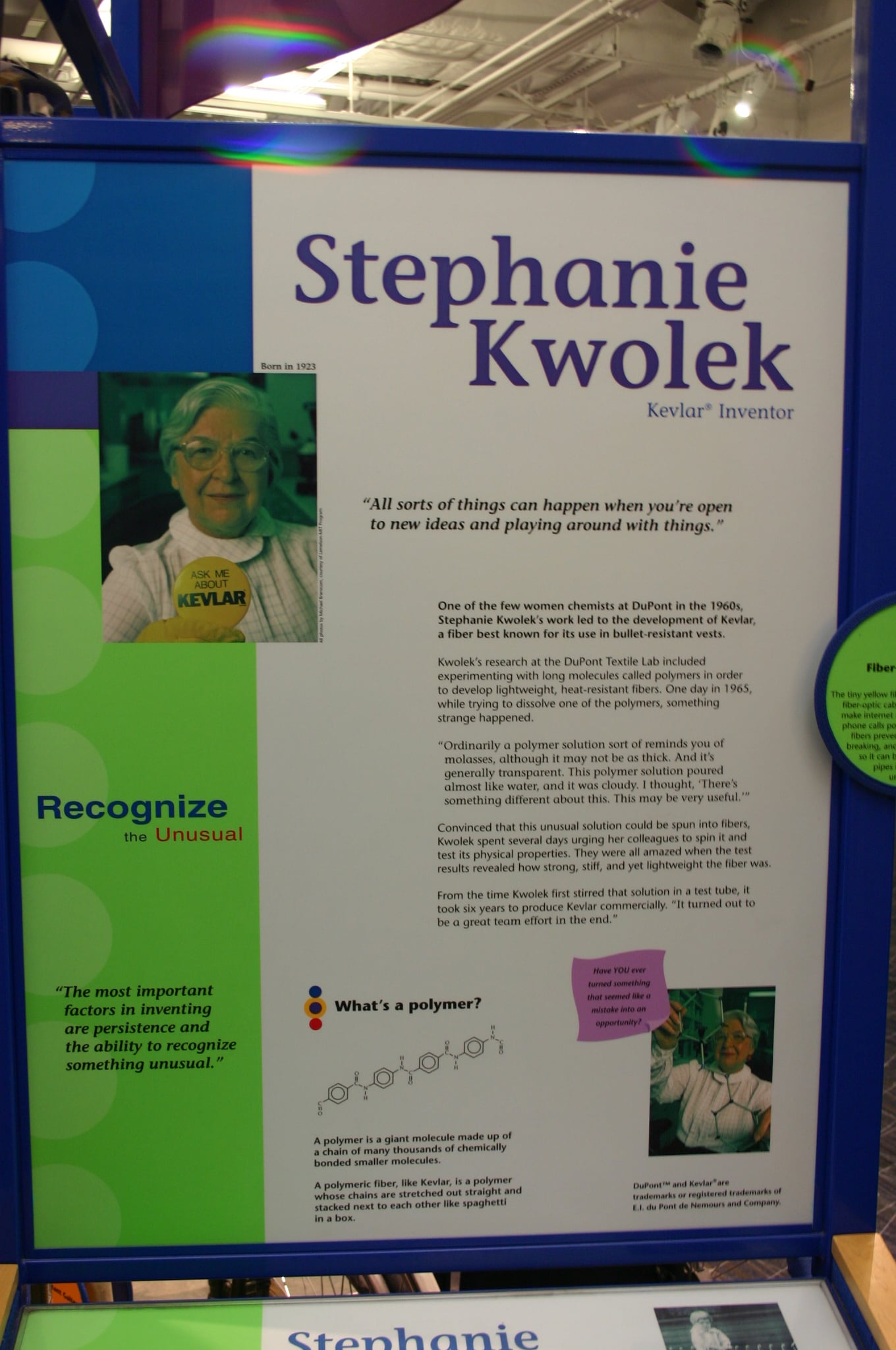
The woman who invented Kevlar looks exactly like what she was: a serious chemist who spent decades working with polymers. Kwolek’s laboratory photos show someone surrounded by beakers and equipment, methodically testing materials that would eventually save countless lives.
She didn’t set out to create bulletproof vests. She was just trying to make stronger, lighter fibers.
Mary Anderson

Anderson’s story reads like something out of a movie (though it wasn’t one, which makes her all the more remarkable when you consider that most people spend their entire lives without noticing problems that seem obvious in retrospect). She was riding a streetcar in New York City in 1902 when she noticed the driver struggling to see through snow and sleet — he kept having to stop the vehicle, get out, and manually clear the windshield, which was both inefficient and dangerous, especially since other passengers were getting impatient and the whole process was creating delays that rippled through the city’s transportation system.
But Anderson, instead of just accepting this as an inevitable inconvenience the way most people would (because that’s what people do: they adapt to problems rather than solving them), saw an opportunity.
So she sketched out her idea for a windshield wiper. And later, back in Alabama, she developed a working prototype.
The photos of Anderson with her early wiper designs show someone who understood that simple problems often have simple solutions — you just have to be willing to see them.
Josephine Cochrane
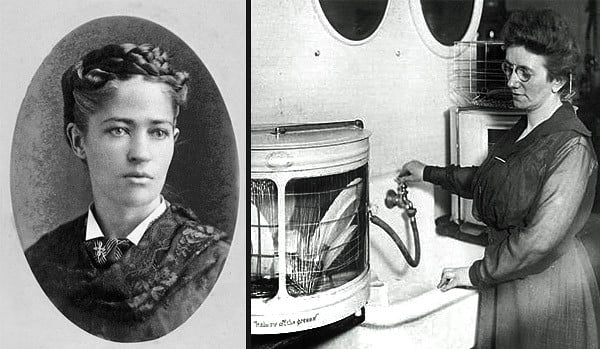
There’s something stubborn about the way Cochrane stares out from old photographs, arms crossed, looking like someone who has had quite enough of broken china. She invented the first practical dishwasher not because she loved doing dishes, but because she was tired of her servants chipping her good china while washing it by hand.
This wasn’t about convenience — it was about precision.
Her invention was born from the particular frustration of someone who valued beautiful things and watched them get destroyed by careless handling. The photographs of her with early dishwasher prototypes capture that mix of perfectionism and practicality that drives the best inventors.
She looks like someone who would notice that machines could be gentler than humans, which turns out to be exactly the kind of person you want designing your kitchen appliances.
Dr. Shirley Ann Jackson
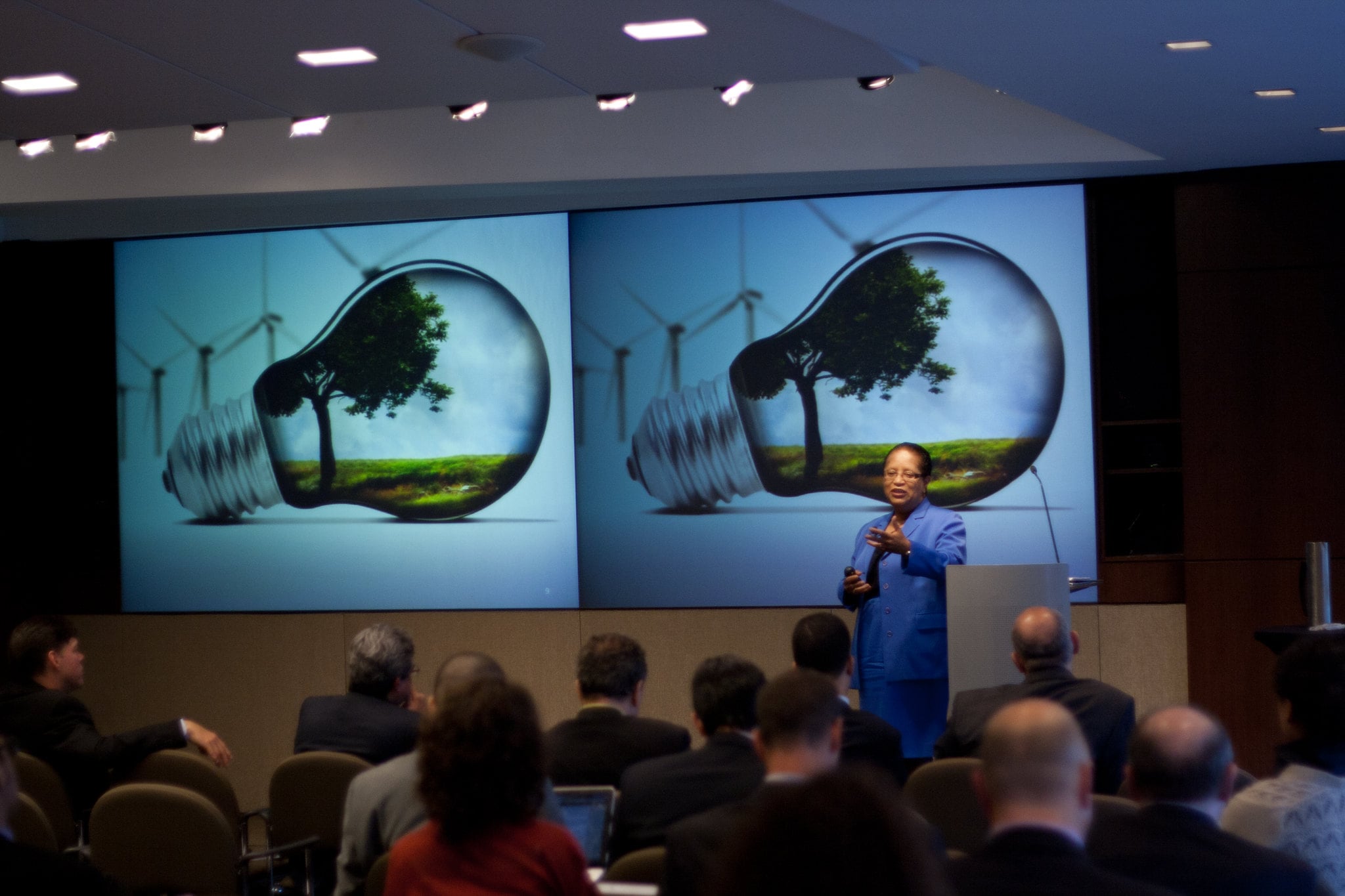
Jackson holds more advanced degrees than most people have years of education. The first African American woman to earn a doctorate from MIT, she’s contributed to research that led to caller ID, call waiting, and the portable fax machine.
Her official portraits show the confidence of someone who spent years being the only woman and often the only Black person in rooms full of physicists, which is saying something.
Her work in theoretical physics created practical applications that everyone uses daily. The photos of her receiving awards and honors tell the story of someone who refused to let barriers slow down her research.
Patsy Sherman

Sherman discovered Scotchgard by accident while working at 3M. A laboratory mishap led to a spill that wouldn’t absorb into fabric, and instead of cleaning it up and moving on, she investigated why.
The photos of Sherman in her lab coat, surrounded by treated fabrics and testing equipment, show someone who paid attention to interesting failures.
That curiosity about an unexpected result led to a product that protects carpets, upholstery, and clothing worldwide. She looks like exactly the kind of scientist who would turn a mistake into a breakthrough.
Melitta Bentz
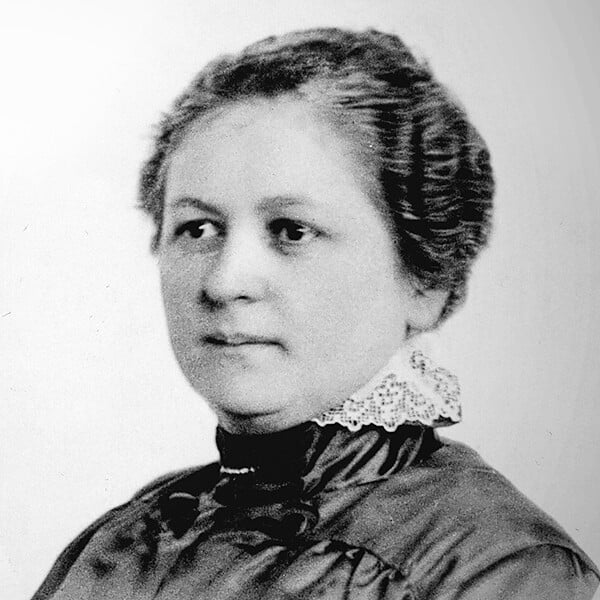
Bentz got tired of bitter, gritty coffee (and really, who hasn’t been there at some point, standing in a kitchen at dawn, staring at a cup that tastes like disappointment and wondering why something so simple has to be so consistently terrible). She was a German housewife in 1908, dealing with the standard coffee-making methods of the time, which involved either boiling grounds directly in water — creating a mixture that was more sludge than beverage — or using perforated metal filters that let too much sediment through, leaving you with coffee that required chewing.
So Bentz, being the kind of person who solves problems rather than complaining about them (which is rarer than it should be), took a piece of blotting paper from her son’s school notebook and poked rings in a brass pot.
The result was the first paper coffee filter. And suddenly, coffee was clear.
The photos of Bentz with her early filter designs show someone who understood that the best inventions often come from people who are simply tired of accepting substandard results.
Lise Meitner
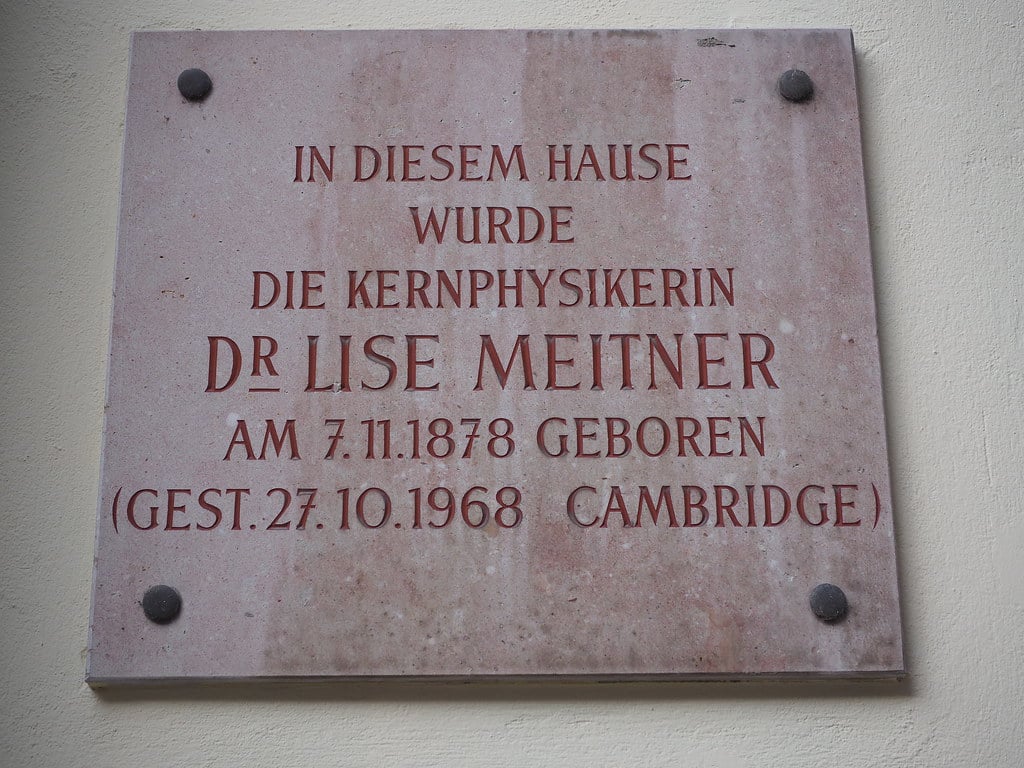
Meitner’s photographs tell the story of someone who spent her career being brilliant while other people took credit for her work. She was instrumental in the discovery of nuclear fission, but wasn’t included when the Nobel Prize was awarded for the research.
The images of her in laboratories, surrounded by complex equipment and equations on blackboards, capture a quiet intensity.
Her contribution to atomic physics was fundamental, even if recognition came slowly. She looks like someone who knew the work mattered more than the awards, which probably made the oversight sting even more.
Ruth Handler

Handler created the Barbie doll after watching her daughter play with paper dolls, giving them adult roles instead of baby ones. She noticed that children wanted to imagine their future selves, not just practice being mothers.
The photos of Handler with early Barbie prototypes show someone who paid attention to how children actually played rather than how adults thought they should play.
Her invention changed the toy industry by recognizing that kids have sophisticated imaginations about adult life. She looks like someone who took children’s ideas seriously.
Temple Grandin
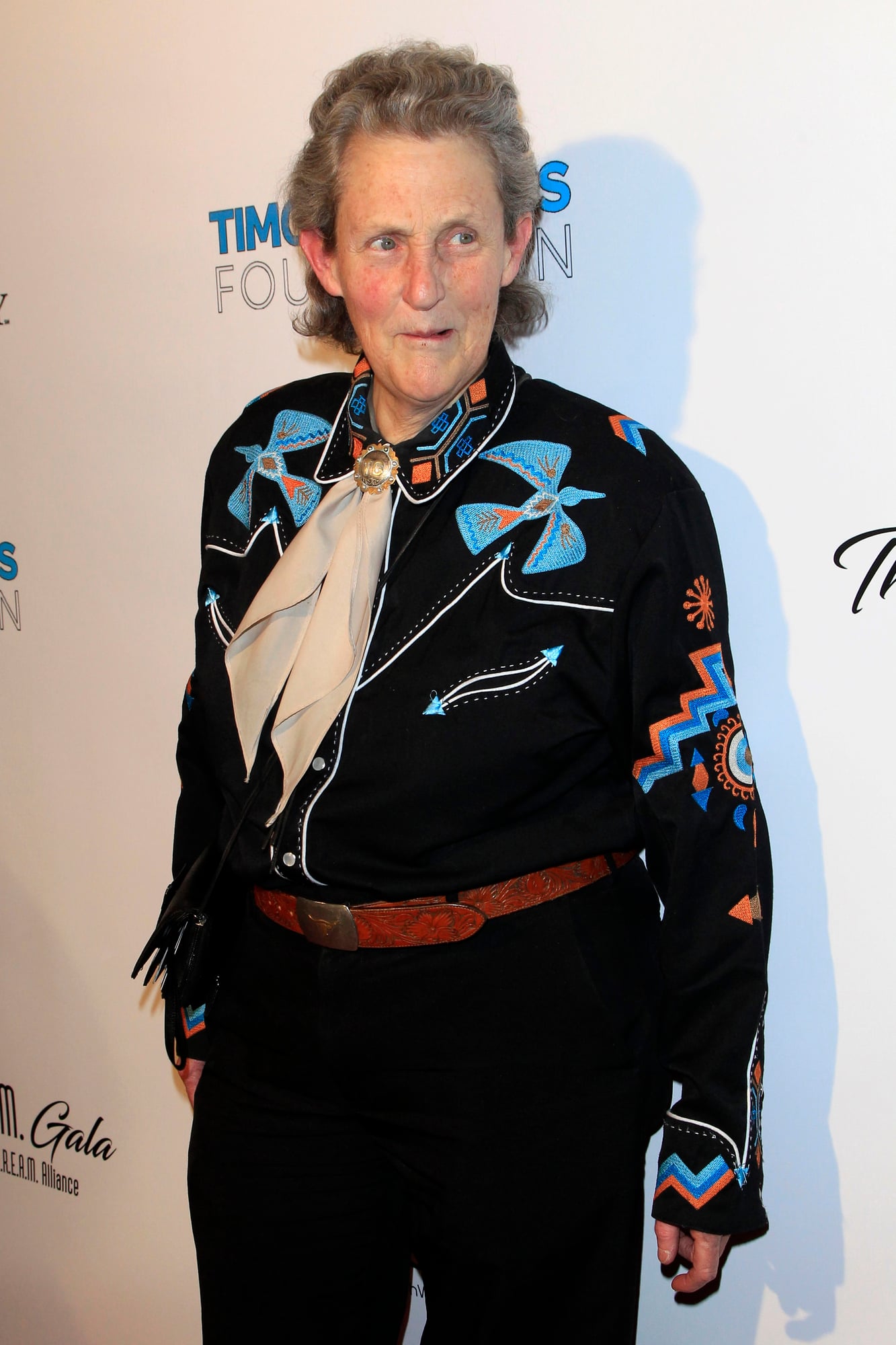
Grandin’s photographs often show her with cattle, which makes perfect sense given that she revolutionized livestock handling by understanding animal behavior better than most people understand human behavior. Her autism gave her insights into how animals perceive their environment, leading to more humane slaughter systems used worldwide.
The images of Grandin at work, observing cattle movement and testing facility designs, capture someone who could see stress and fear in animals that others missed.
Her invention of curved chutes and non-slip flooring reduced animal anxiety while improving efficiency.
Katharine Burr Blodgett
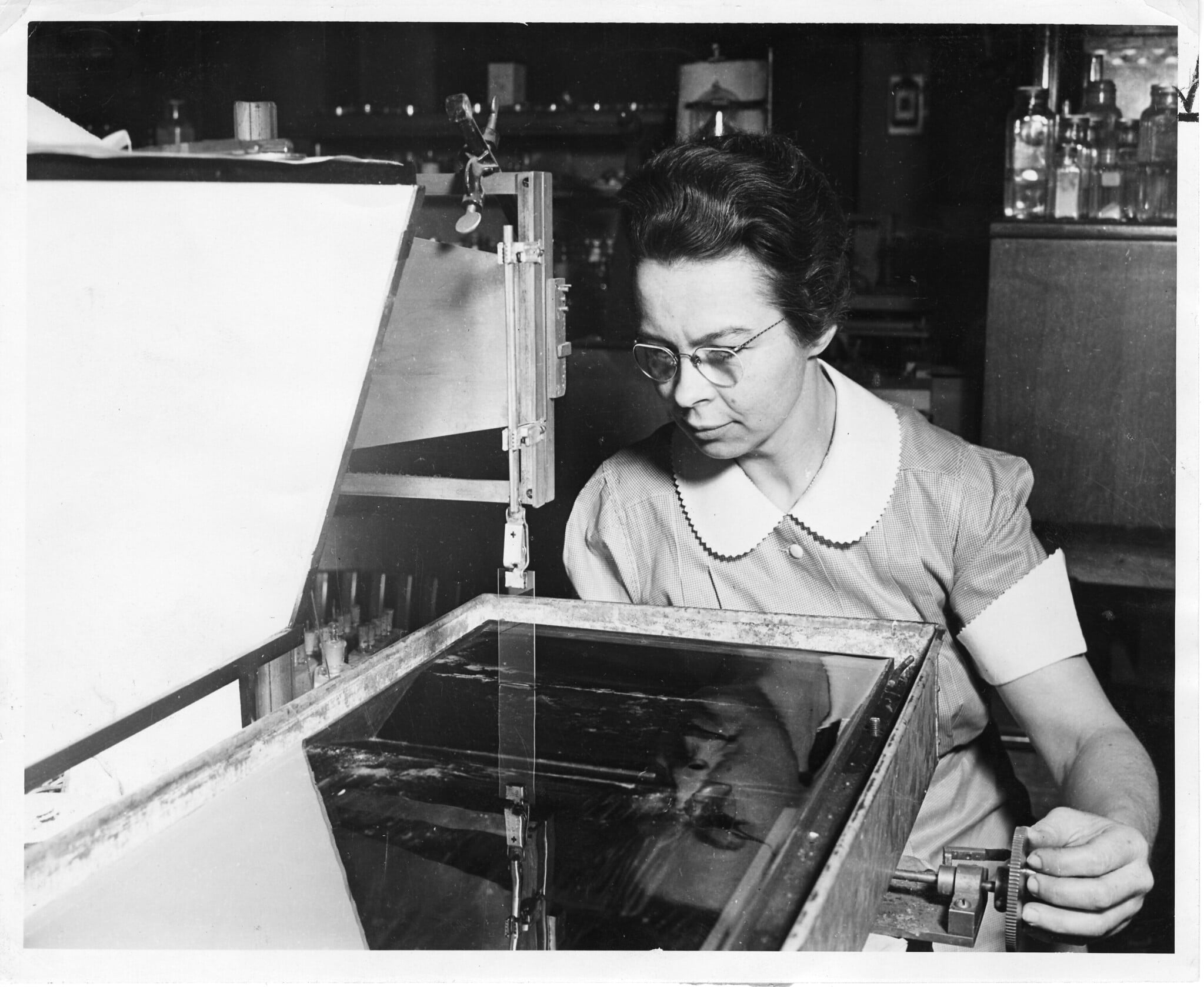
Blodgett invented non-reflective glass while working at General Electric in the 1930s. Her process of applying ultra-thin molecular films to glass eliminated glare from camera lenses, eyeglasses, and computer screens.
The laboratory photos show her working with equipment that looks primitive by today’s standards but was revolutionary for its time.
She was the first woman to earn a PhD in physics from Cambridge University, and her glass coating process is still used in modern optics. Her focused expression in research photos suggests someone who understood that seeing clearly was worth years of molecular-level precision work.
Nancy Johnson
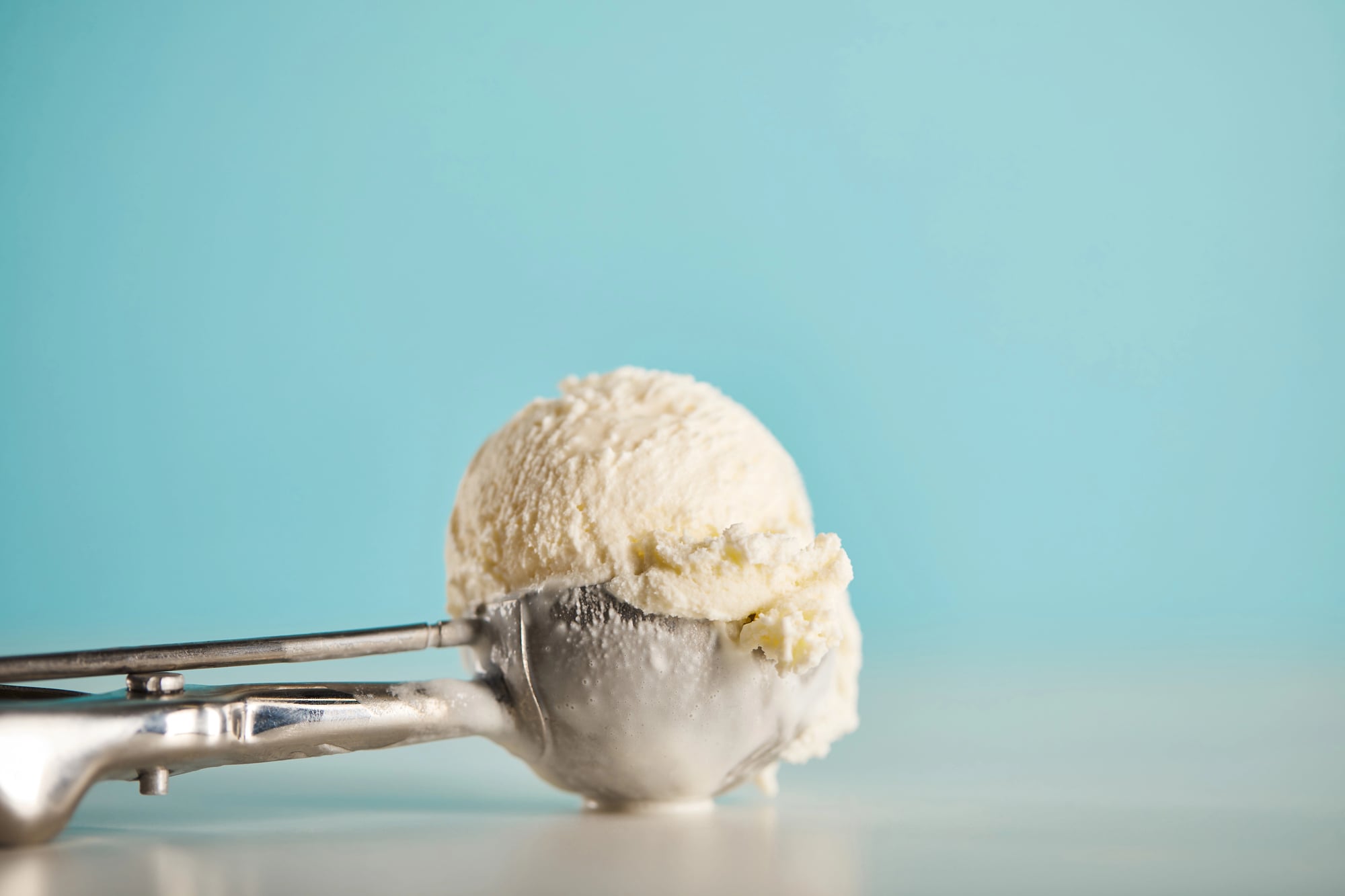
Johnson invented the hand-cranked ice cream churn in 1843, transforming ice cream from a luxury available only to the wealthy into something families could make at home. Before her invention, ice cream required constant stirring by hand, making it labor-intensive and inconsistent.
The few existing images of Johnson and her ice cream patent drawings show someone who understood that simple mechanical solutions could democratize pleasure.
Her invention turned ice cream making into a social activity that brought families together around the churn handle.
Caresse Crosby
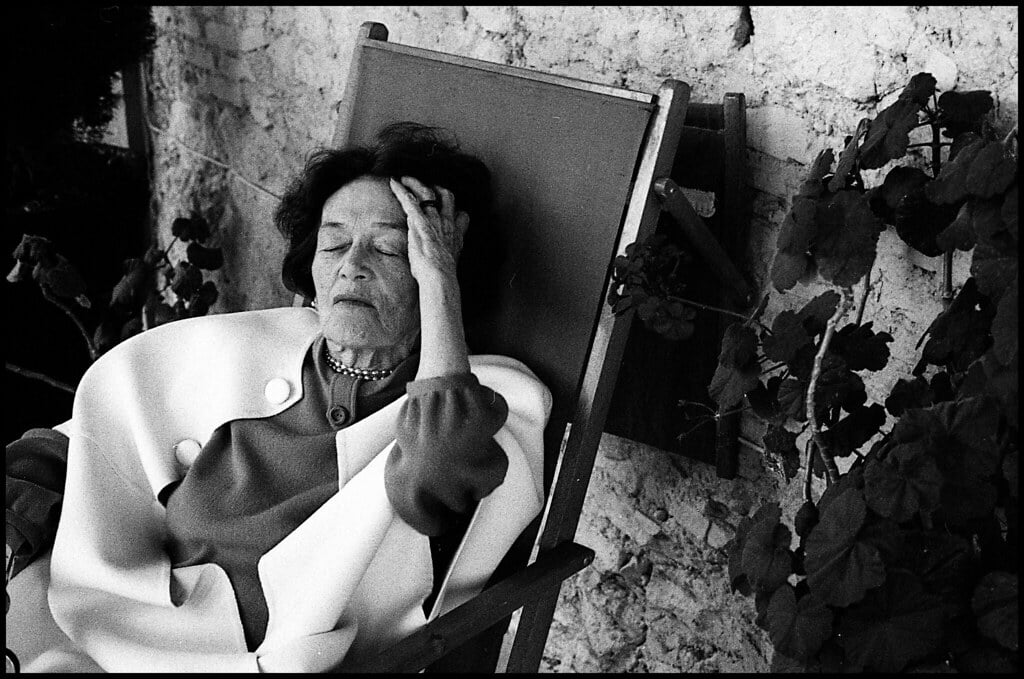
Crosby invented the modern brassiere in 1910 when she was just 19 years old, frustrated with the restrictive corsets of the era. Using silk handkerchiefs and ribbon, she created the first backless brassiere for an evening gown that couldn’t accommodate traditional undergarments.
The photographs of young Crosby show someone who refused to let fashion dictate comfort.
Her invention gave women more freedom of movement and became the foundation for modern undergarment design, though she sold the patent for $1,500 — a decision that probably cost her millions in royalties.
Radia Perlman

Known as the “Mother of the Internet,” Perlman invented the Spanning Tree Protocol, which prevents network loops and allows Ethernet networks to function properly. Her algorithm is fundamental to how the internet operates, though most people have never heard her name.
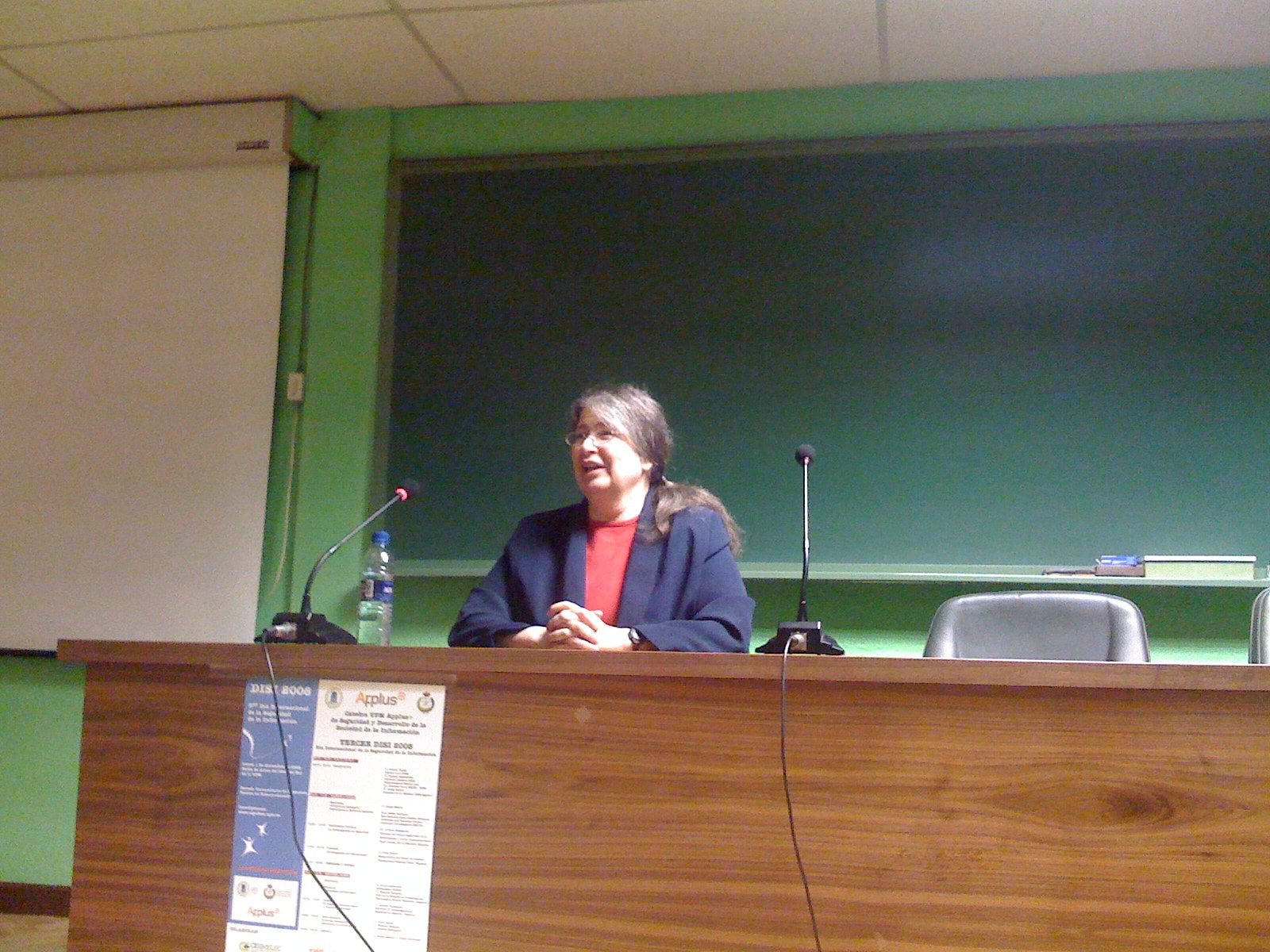
The photos of Perlman at computer conferences and in network operations centers show someone comfortable with complex systems that most people never think about.
Her protocols run silently in the background, making sure data reaches its destination without getting lost in digital loops.
Looking Back Through Time
These photographs do more than document faces and inventions — they capture moments when curiosity transformed into solutions that outlasted their creators. Each image tells a story of someone who saw a problem others accepted as inevitable and decided to fix it instead.
Their inventions live on in daily use, even as their names fade from memory, proving that the best innovations often come from people who simply refuse to accept that things can’t be better than they are.
More from Go2Tutors!

- The Romanov Crown Jewels and Their Tragic Fate
- 13 Historical Mysteries That Science Still Can’t Solve
- Famous Hoaxes That Fooled the World for Years
- 15 Child Stars with Tragic Adult Lives
- 16 Famous Jewelry Pieces in History
Like Go2Tutors’s content? Follow us on MSN.