Native Plant Species Surviving Extreme Dry Deserts
Desert landscapes might look barren to the untrained eye, but they’re actually teeming with life that has evolved remarkable strategies to thrive where most plants would wither and die. These hardy survivors have spent millennia perfecting the art of moisture conservation, heat tolerance, and resource efficiency.
From the towering saguaro cactus to tiny desert wildflowers that bloom for just days after rare rainfall, desert plants represent some of nature’s most ingenious adaptations to extreme conditions.
Barrel Cactus
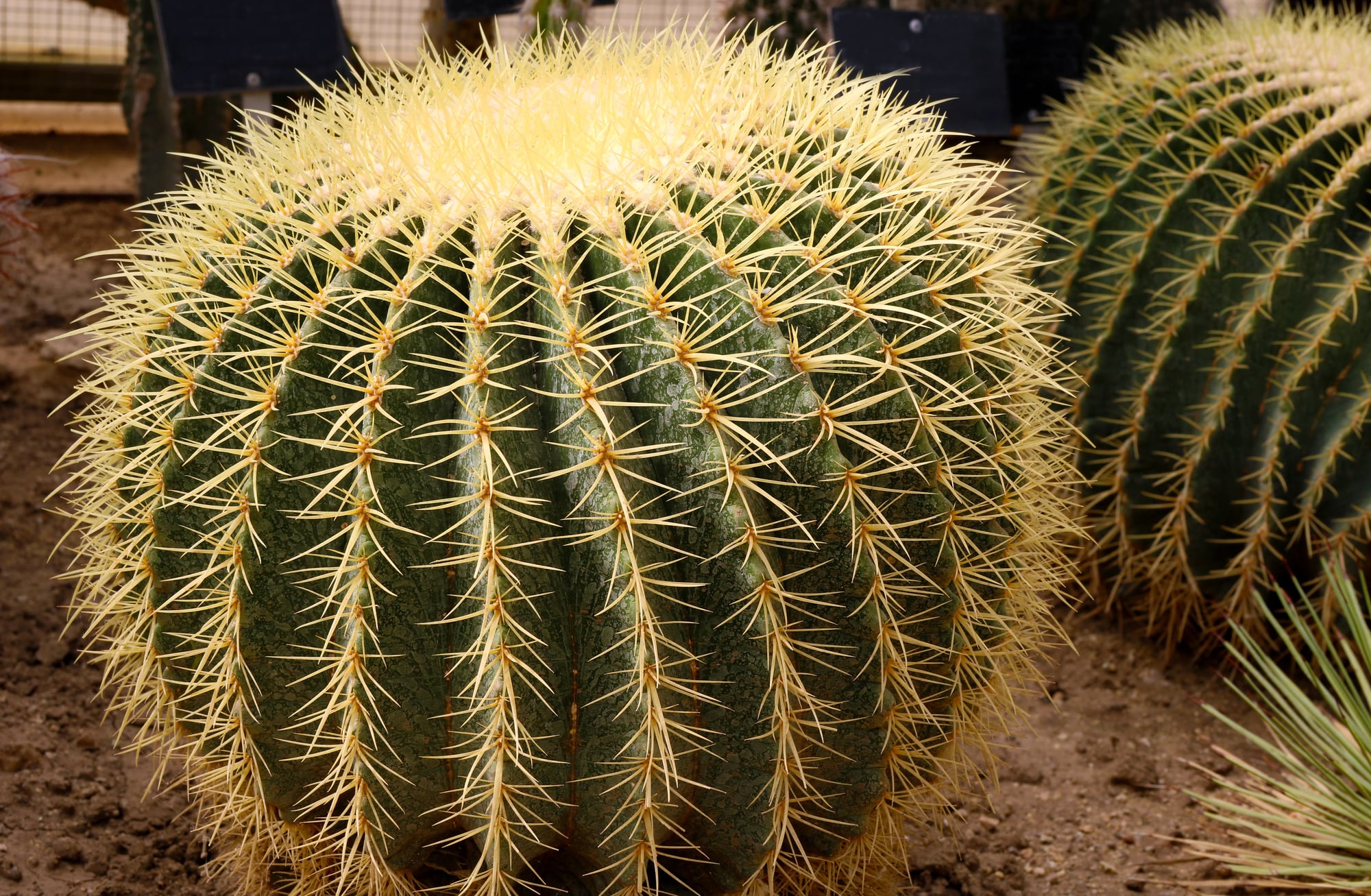
Barrel cacti are water hoarders. They store up to 200 gallons in their thick, ribbed stems.
No leaves to lose moisture through. Just spines and attitude.
Palo Verde
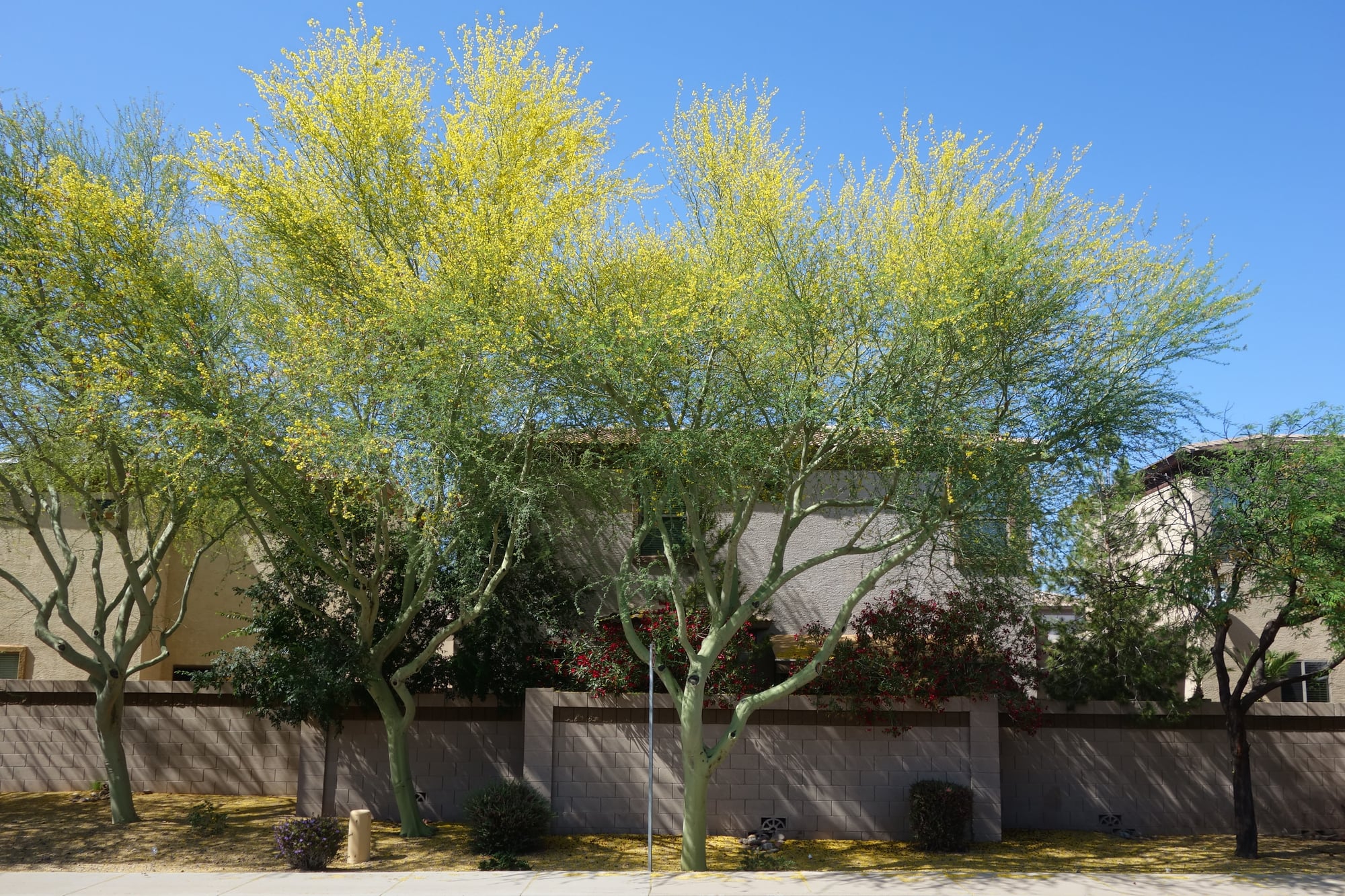
The palo verde tree does something that seems backwards at first — it drops its leaves during the worst drought periods, but its green bark keeps photosynthesizing anyway. So the tree essentially becomes one giant green stem, maximizing energy production while minimizing water loss (which is exactly what you’d do if you had to survive on maybe five inches of rain per year).
And here’s the thing that really gets you: this tree can live for over 100 years in conditions that would kill most plants in a single season. But then again, palo verde literally means “green stick” in Spanish, which tells you everything about how this plant prioritizes function over conventional tree aesthetics.
The flowers show up bright yellow in spring — assuming there was enough winter rain to trigger blooming, which doesn’t happen every year. Fair enough.
Joshua Tree
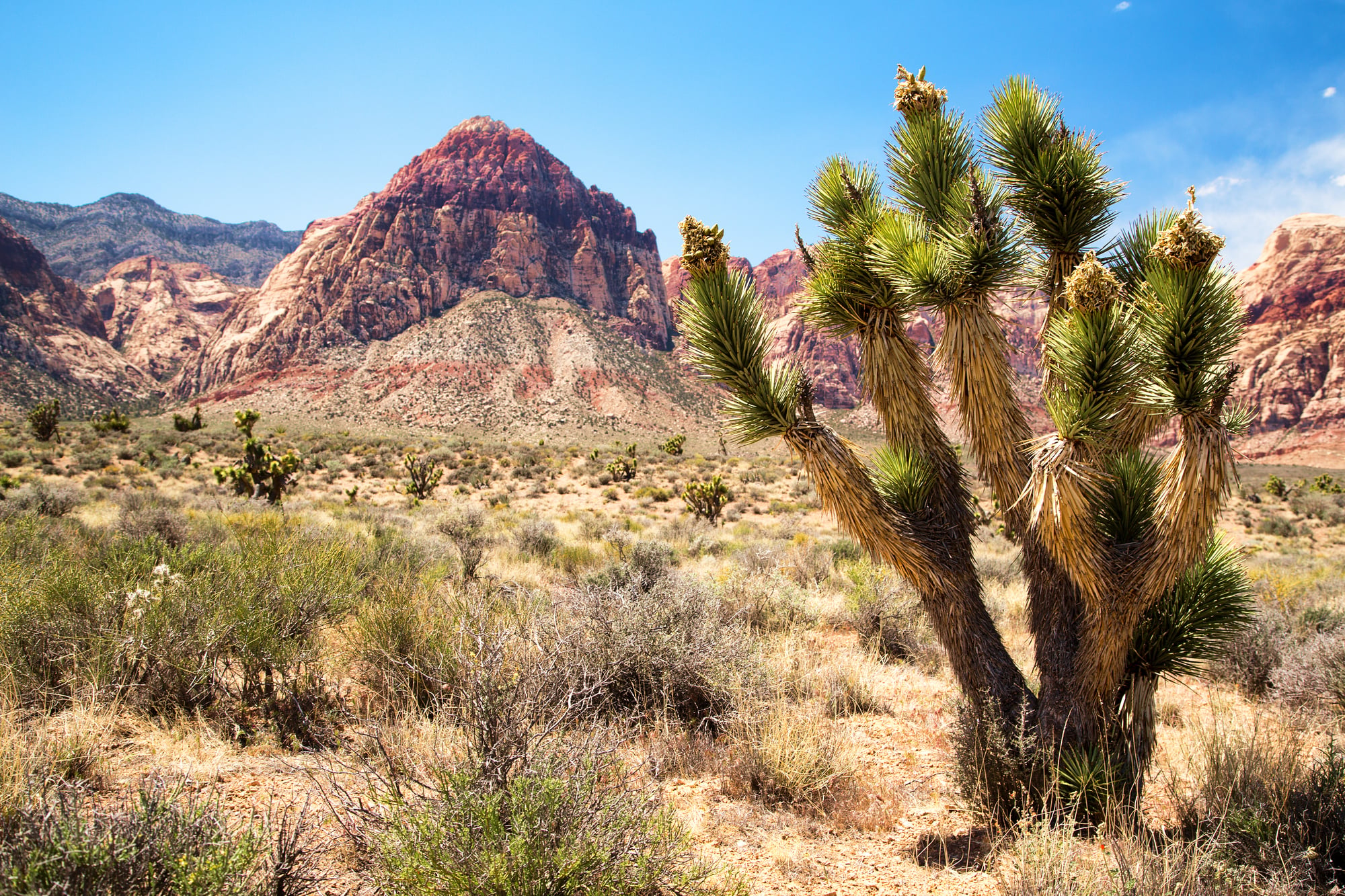
There’s something almost alien about watching a Joshua tree reach its twisted arms toward the desert sky, as if it’s conducting an orchestra that only it can hear. These aren’t actually trees at all but the world’s largest yucca plants, growing at the stubborn pace of an inch per year in the Mojave’s relentless heat.
Their relationship with the desert feels like a slow-motion dance spanning decades. The thick, sword-like leaves cluster at branch tips, each one designed to funnel the rare desert rainfall toward the base.
Every inch of this plant whispers patience — the kind you develop when you know the next good rain might not come for months.
Creosote Bush
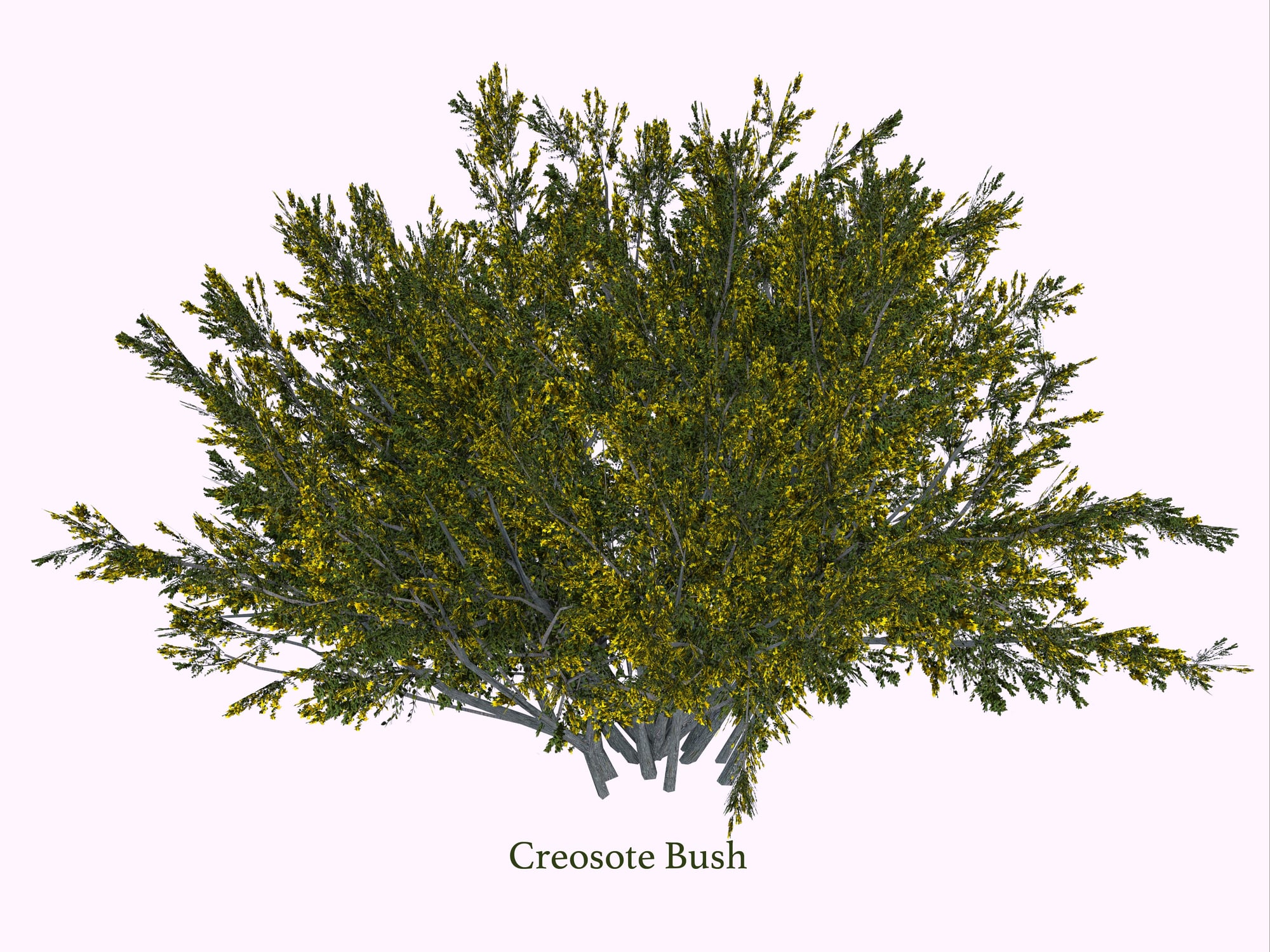
Creosote bush outlives everything. Some colonies are estimated at 11,000 years old, making them among the oldest living things on Earth.
The plant achieves this by being completely unreasonable about sharing resources with competitors.
The roots release chemicals that prevent other plants from growing nearby. It’s botanical warfare, and creosote bush has been winning for millennia.
Each bush maintains its personal space with the dedication of someone who truly understands scarcity.
Desert Marigold
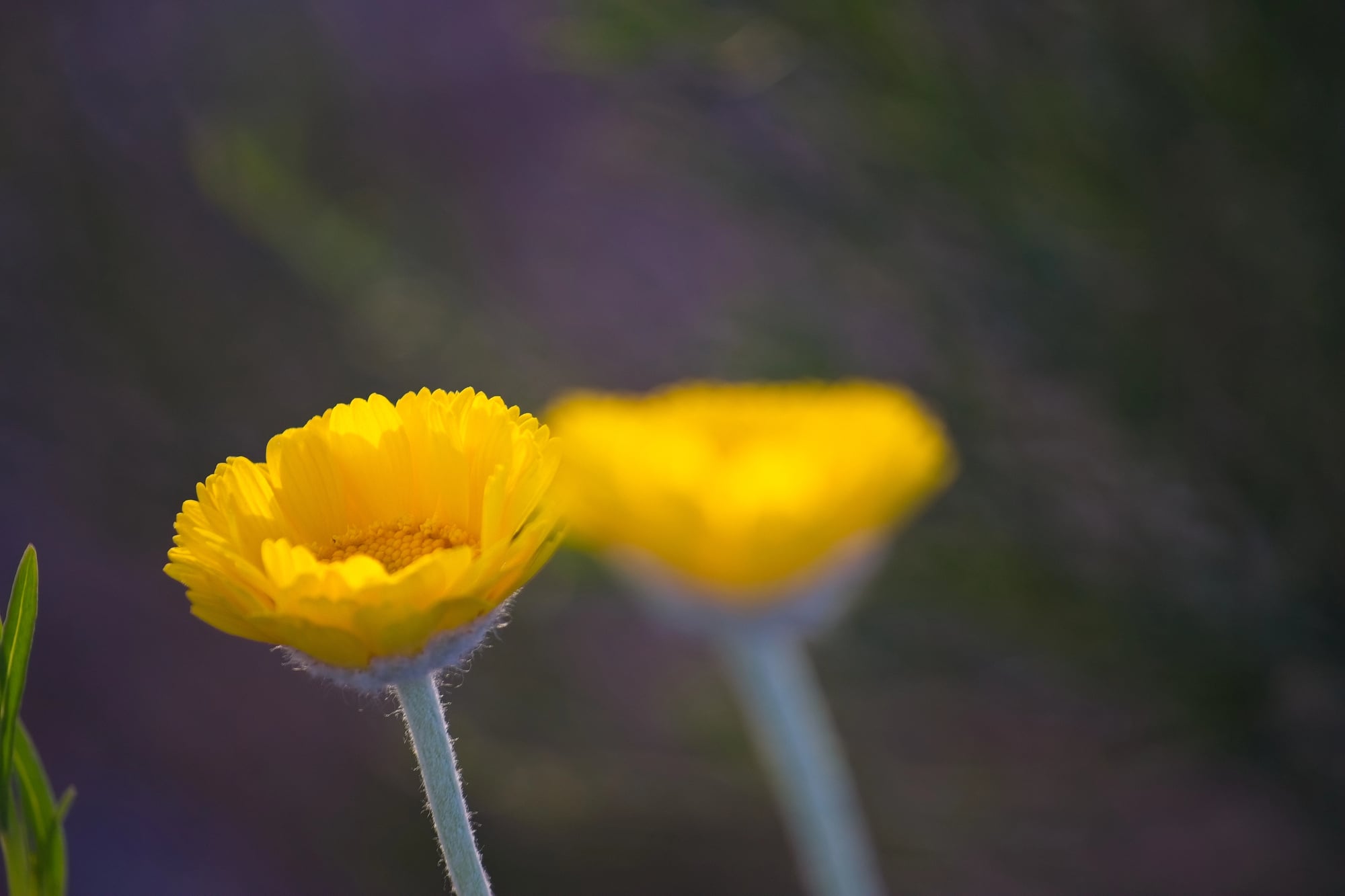
Desert marigolds approach survival the way some people approach optimism — they bloom almost constantly throughout the year, regardless of conditions. This seems reckless in a place where most plants conserve every ounce of energy, but the strategy works because the flowers are small, efficient, and the plant has mastered the art of shutting down non-essential functions during the harshest periods (while keeping just enough activity going to take advantage of any moisture that shows up).
The whole plant stays low to the ground, which keeps it out of the worst heat and wind, and the silvery-green leaves reflect sunlight rather than absorbing it. So you get this cheerful yellow bloom sitting in what looks like moonscape, which is either inspiring or slightly unhinged, depending on your perspective.
The seeds can wait years for the right conditions to germinate. Sometimes patience looks like celebration.
Ocotillo
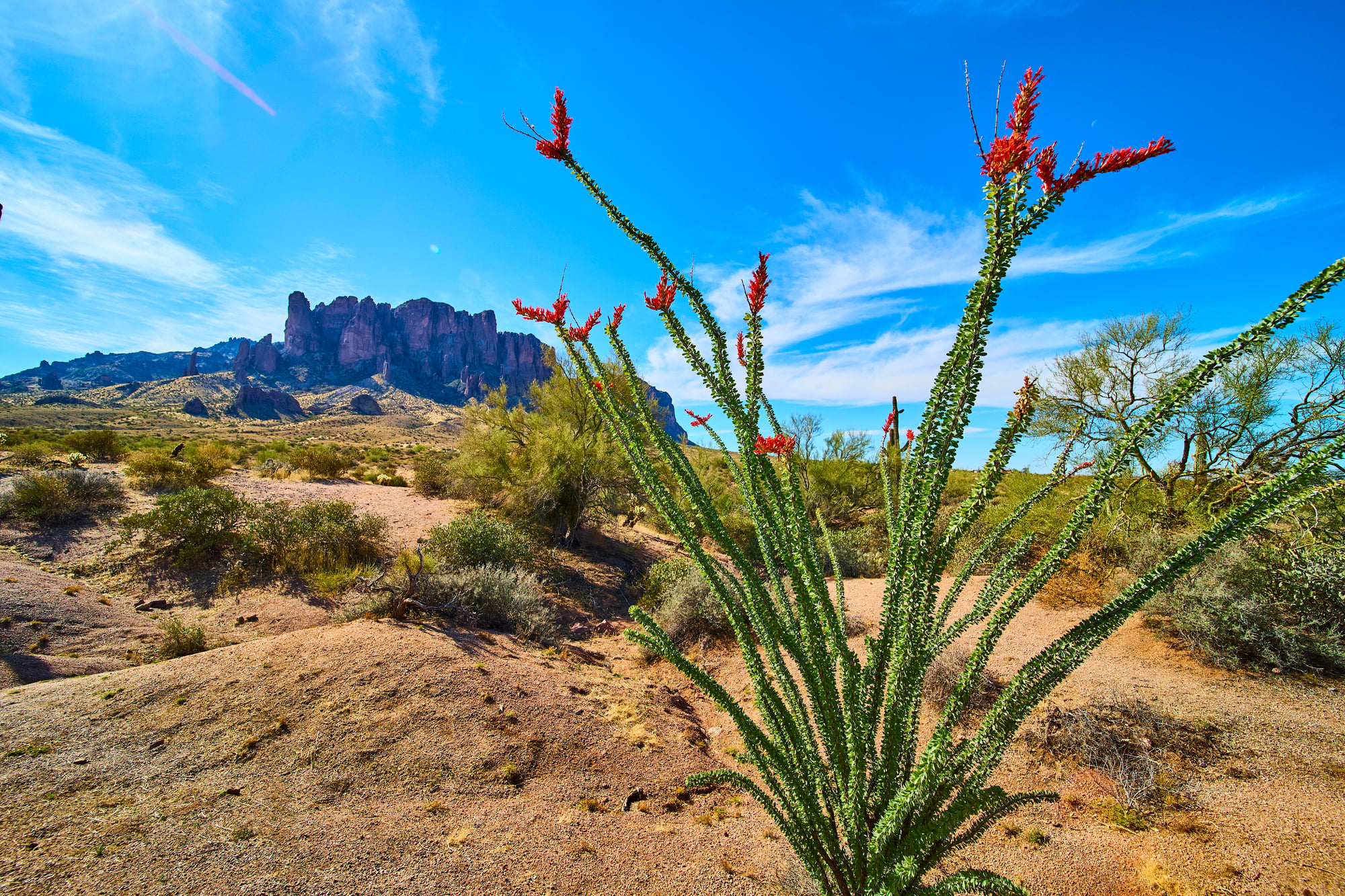
Picture a plant that spends most of its life looking like a bundle of thorny sticks someone forgot in the desert, then suddenly explodes into brilliant red flowers the moment conditions improve. That’s ocotillo — the master of dormancy theater.
These plants can lose and regrow their leaves up to five times per year, depending on rainfall. The stems store water like green batteries, powering the plant through months of apparent death.
When the rains finally come, tiny leaves unfurl along each stem within days, transforming the skeletal framework into something lush and almost tropical.
The transformation feels like watching someone take off a winter coat in slow motion — revealing the vibrant life that was always there underneath.
Ghost Plant
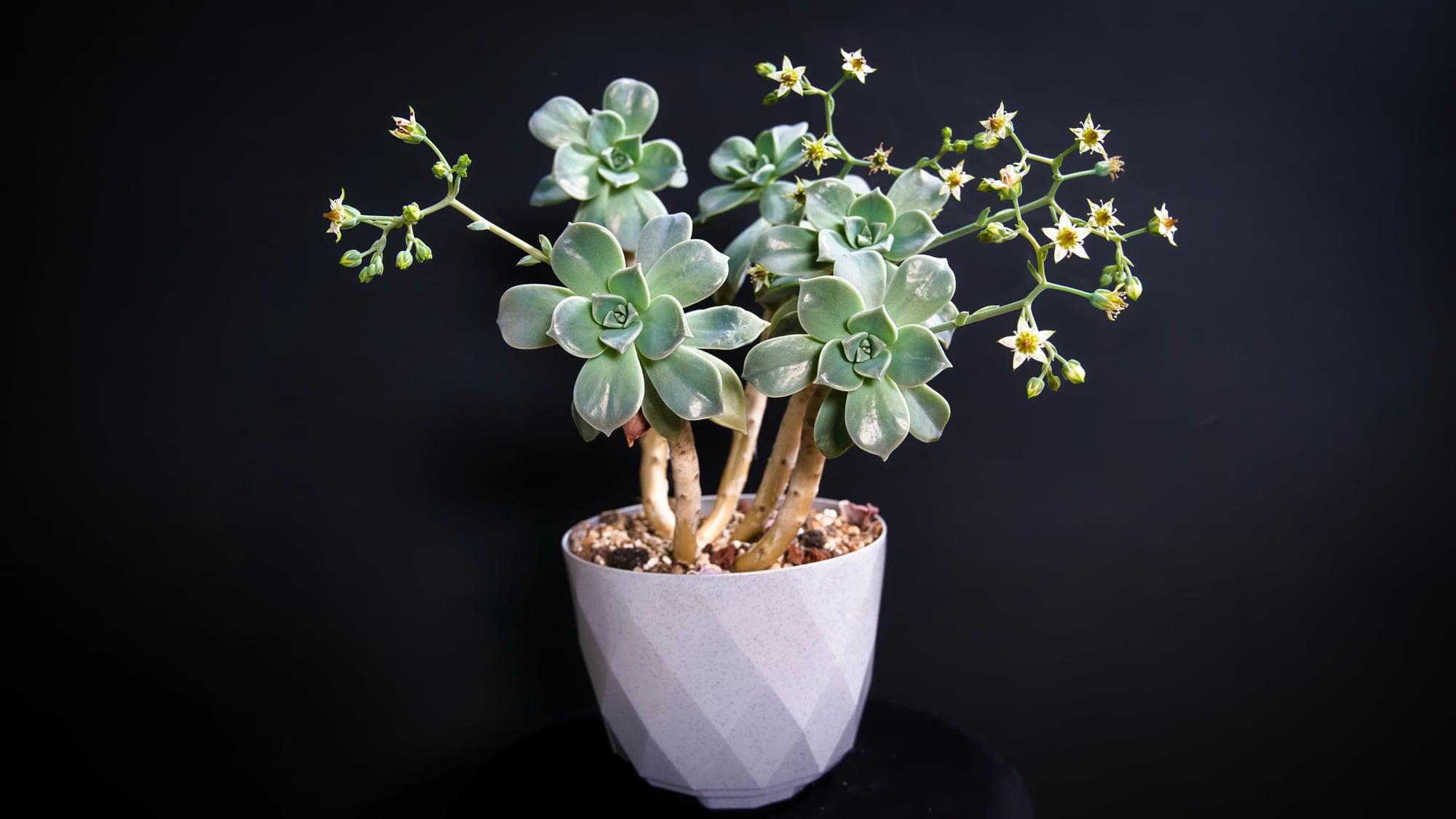
Ghost plants earn their name honestly. They’re pale, waxy, and seem to glow faintly in desert moonlight.
The succulent leaves form perfect rosettes that channel water directly to the roots with ruthless efficiency.
The whole plant operates on principles of extreme conservation. Thick cuticles prevent moisture loss.
Specialized metabolism allows photosynthesis at night when temperatures drop. No energy wasted on flashy displays or rapid growth.
Desert Ironwood
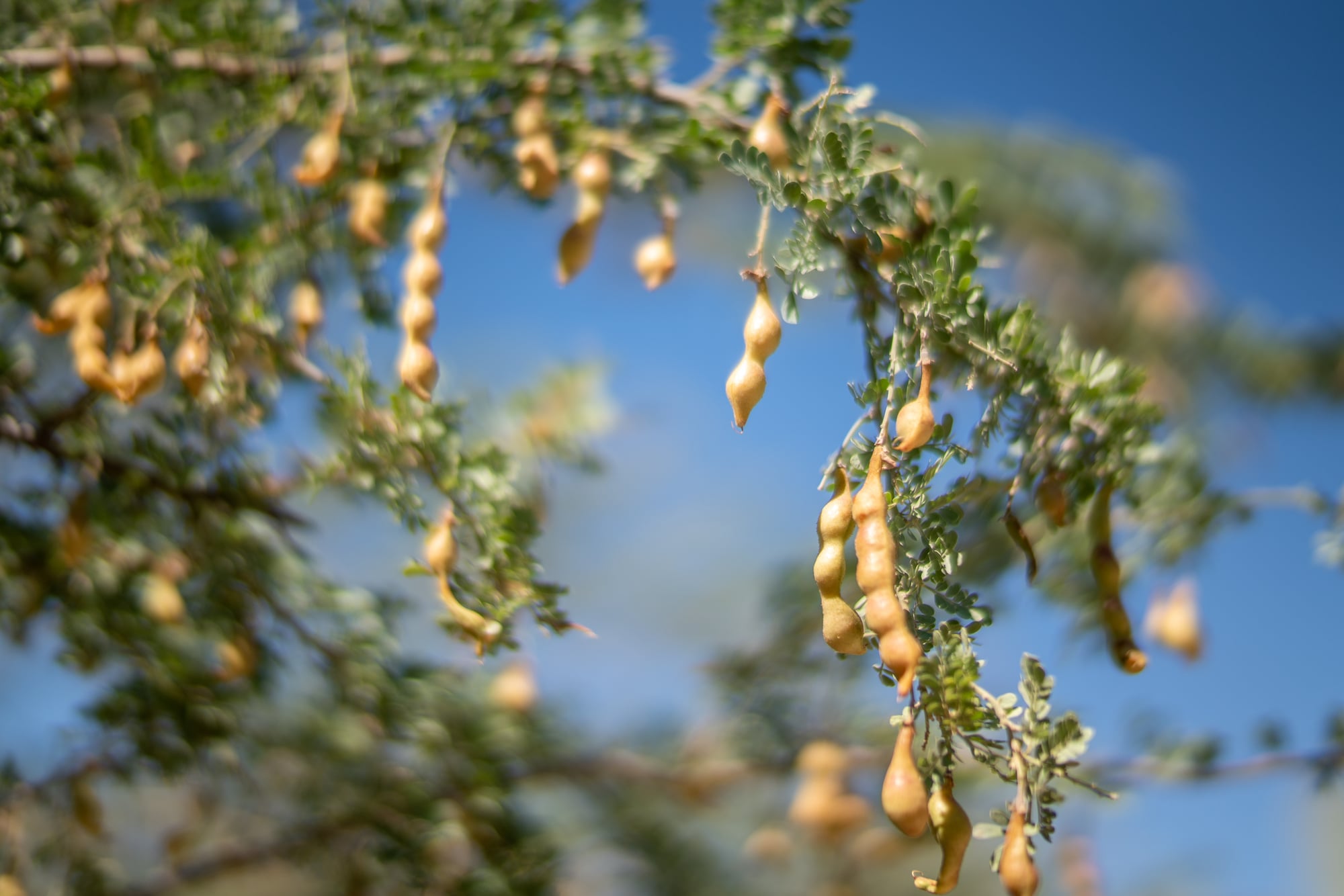
Desert ironwood trees are the desert’s version of old money — they don’t show off, they just endure. These trees can live over 1,000 years by growing so slowly that their wood becomes dense enough to sink in water.
The root system extends three times wider than the canopy, creating an underground network that can tap moisture from a massive area.
The leaves are small and covered with tiny hairs that reflect heat and reduce water loss. When drought gets severe, ironwood drops leaves systematically, keeping only what’s absolutely necessary for survival.
It’s plant triage, and ironwood has been practicing for centuries.
Brittlebush
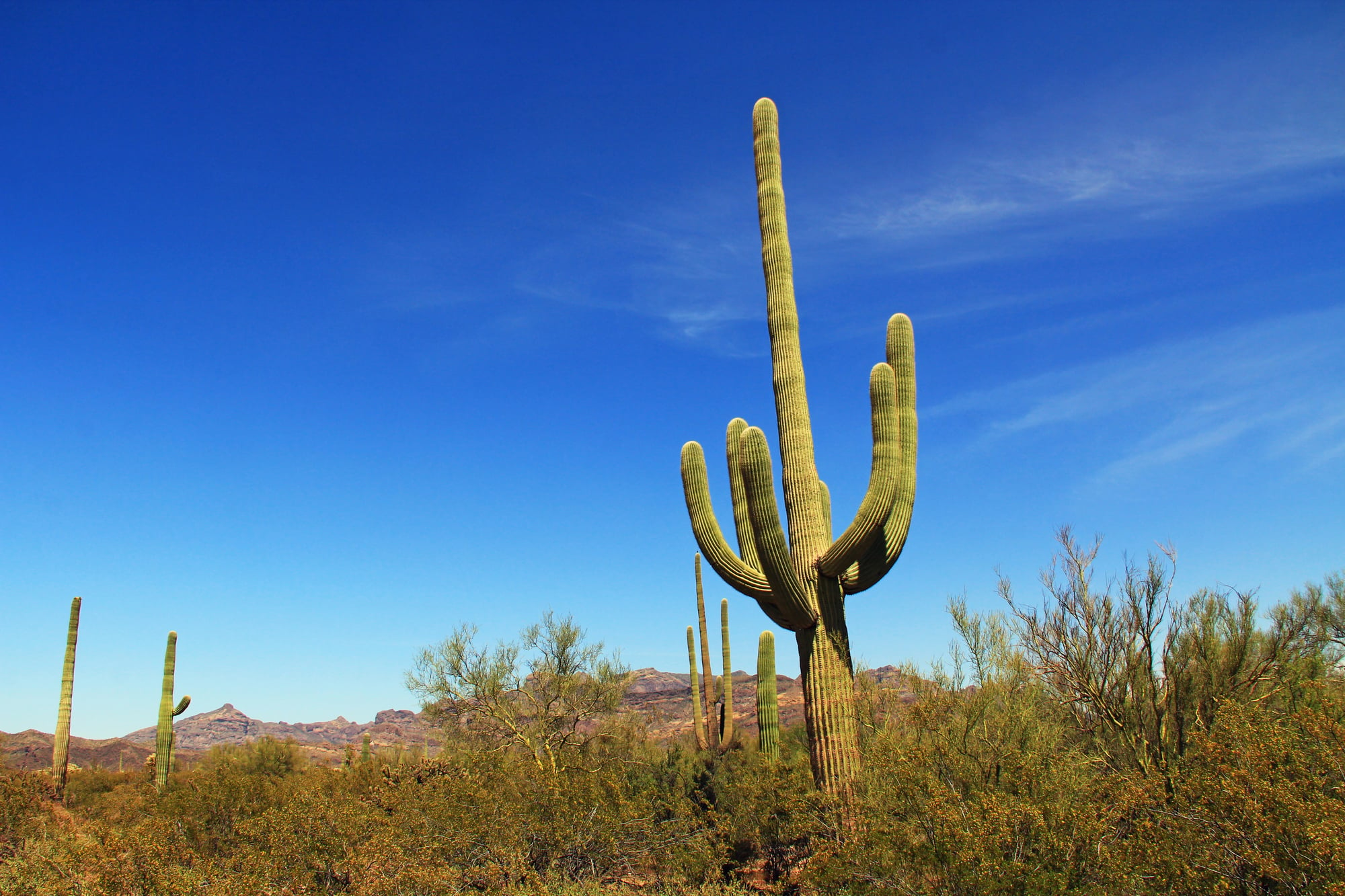
There’s something almost cheerful about brittlebush, the way it clusters its bright yellow flowers above silvery foliage that seems to shimmer in desert heat. But that silver coating isn’t decoration — it’s a highly engineered surface that reflects up to 60% of incoming solar radiation.
The plant reads the desert’s moods better than most meteorologists. During good years, brittlebush grows lush and flowers abundantly.
When drought arrives, it sheds leaves systematically, sometimes reducing itself to just stems and a few essential leaves around the base.
This flexibility lets brittlebush thrive in areas where less adaptable plants simply give up. The stems can photosynthesize when leaves are gone, and the whole plant can essentially hibernate for months, waiting for conditions to improve.
Desert Lupine
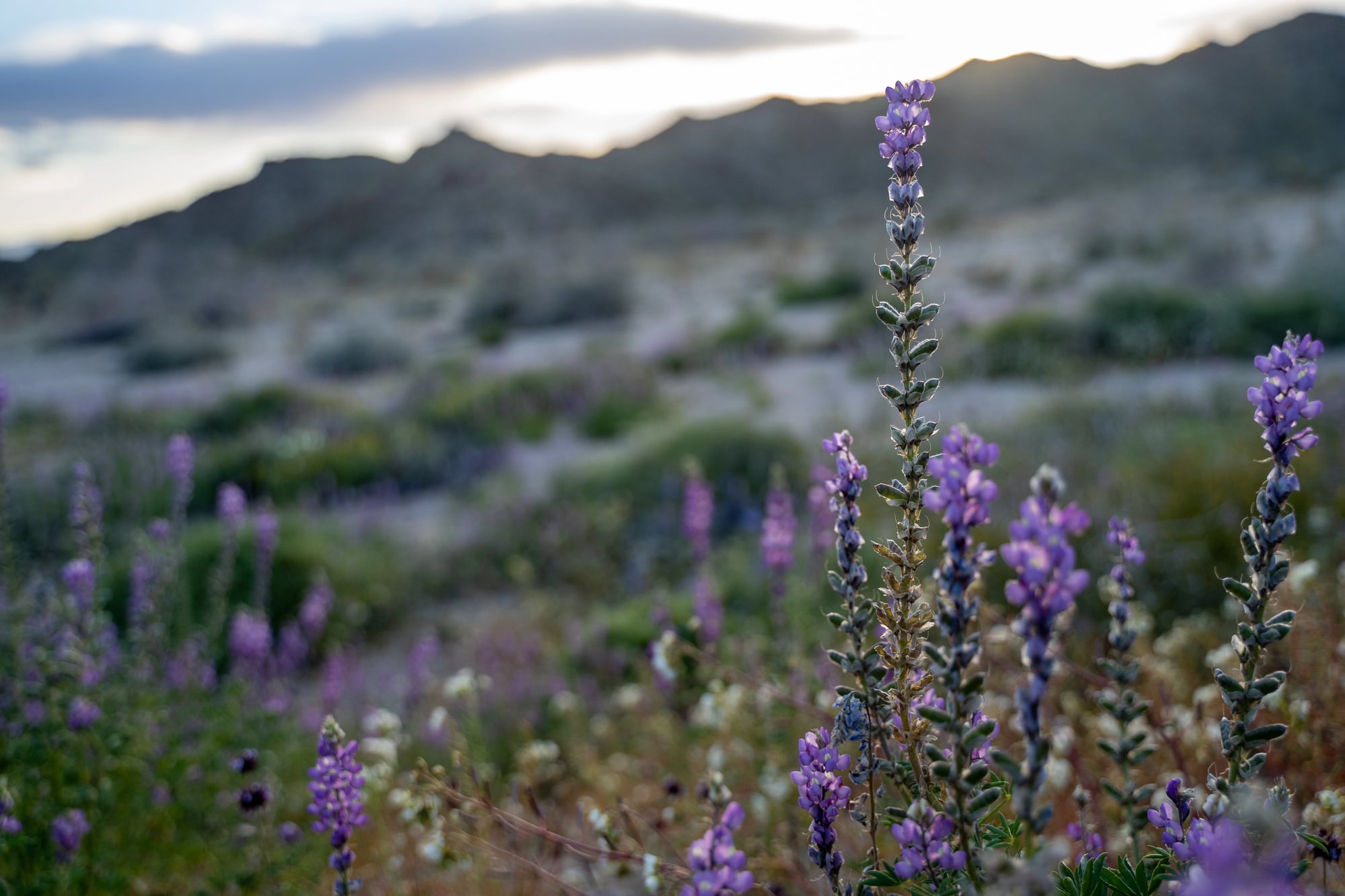
Desert lupine does something most desert plants avoid — it grows tall, sometimes reaching four feet, with broad leaves that seem almost reckless in a water-scarce environment. But the plant’s secret lies underground in an extensive root system that can extend eight feet deep and equally wide.
The deep taproot reaches groundwater that other plants can’t access, while the spreading lateral roots capture moisture from light rains that never penetrate more than a few inches. It’s a belt-and-suspenders approach to water collection that allows lupine to support its relatively large above-ground structure.
The blue-purple flower spikes appear in spring, assuming winter rains were adequate. When they bloom, desert lupine transforms patches of seemingly barren ground into something that looks almost like a cultivated garden.
Desert Willow
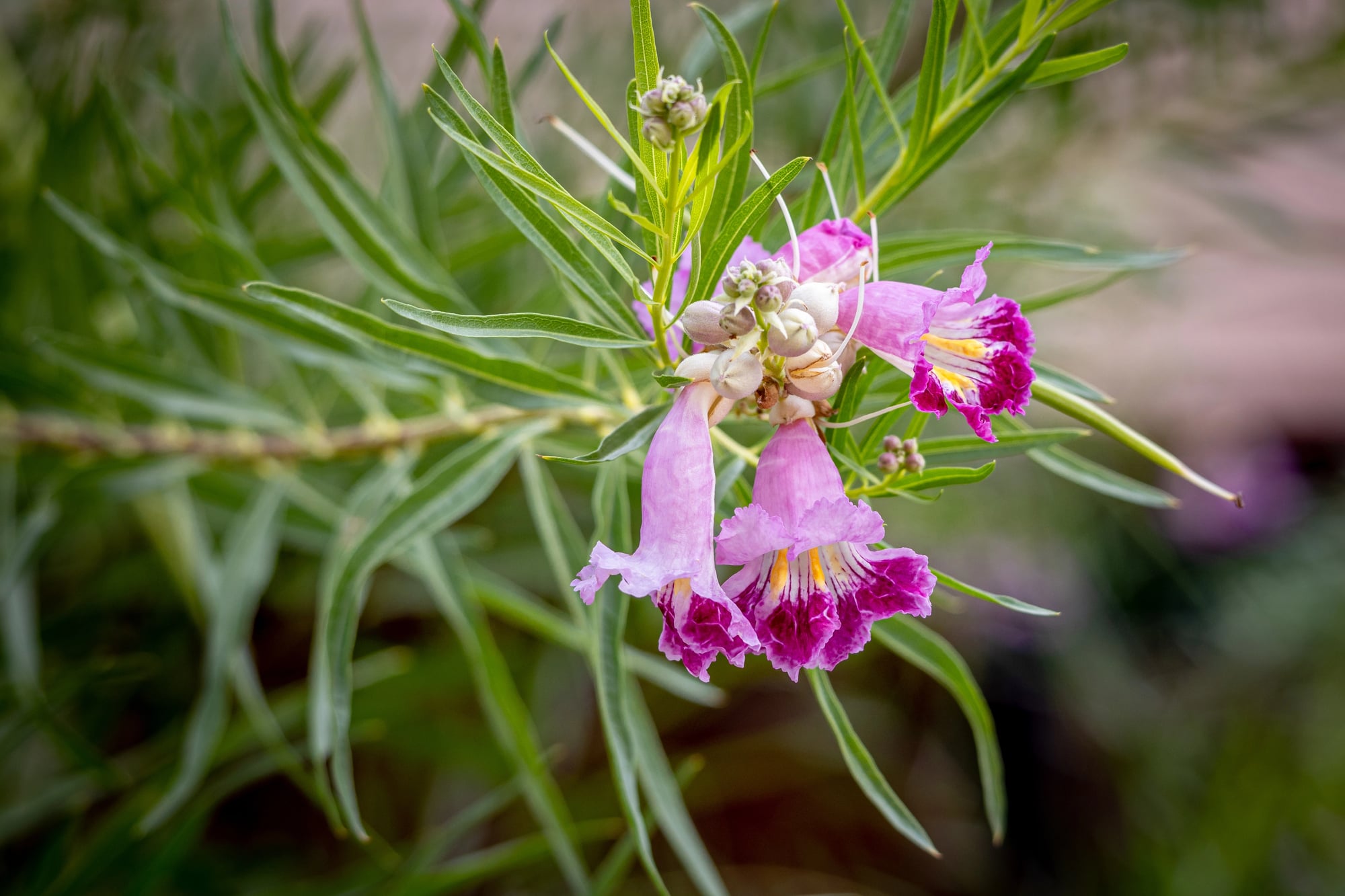
Desert willow isn’t actually a willow but borrows the name for its long, narrow leaves that flutter in hot desert breezes. The resemblance ends there — this plant has evolved strategies that would make a true willow envious.
The flowers appear throughout the warm months in shades of pink, purple, and white, seeming almost tropical against the harsh desert backdrop. But desert willow achieves this abundance through careful resource management.
The deep taproot seeks groundwater, while the leaves are positioned to minimize sun exposure during the highest temperatures of the day.
Fairy Duster
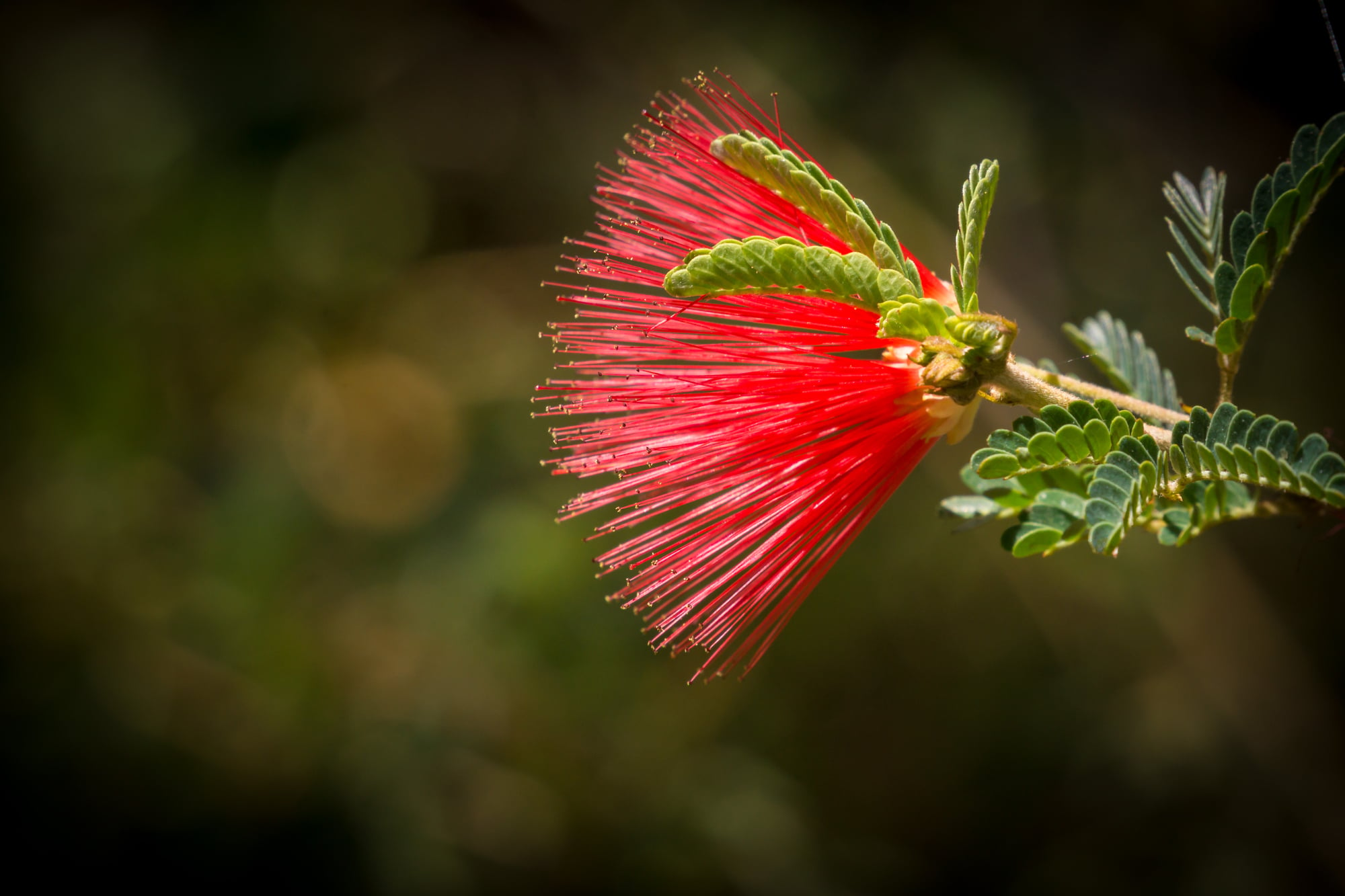
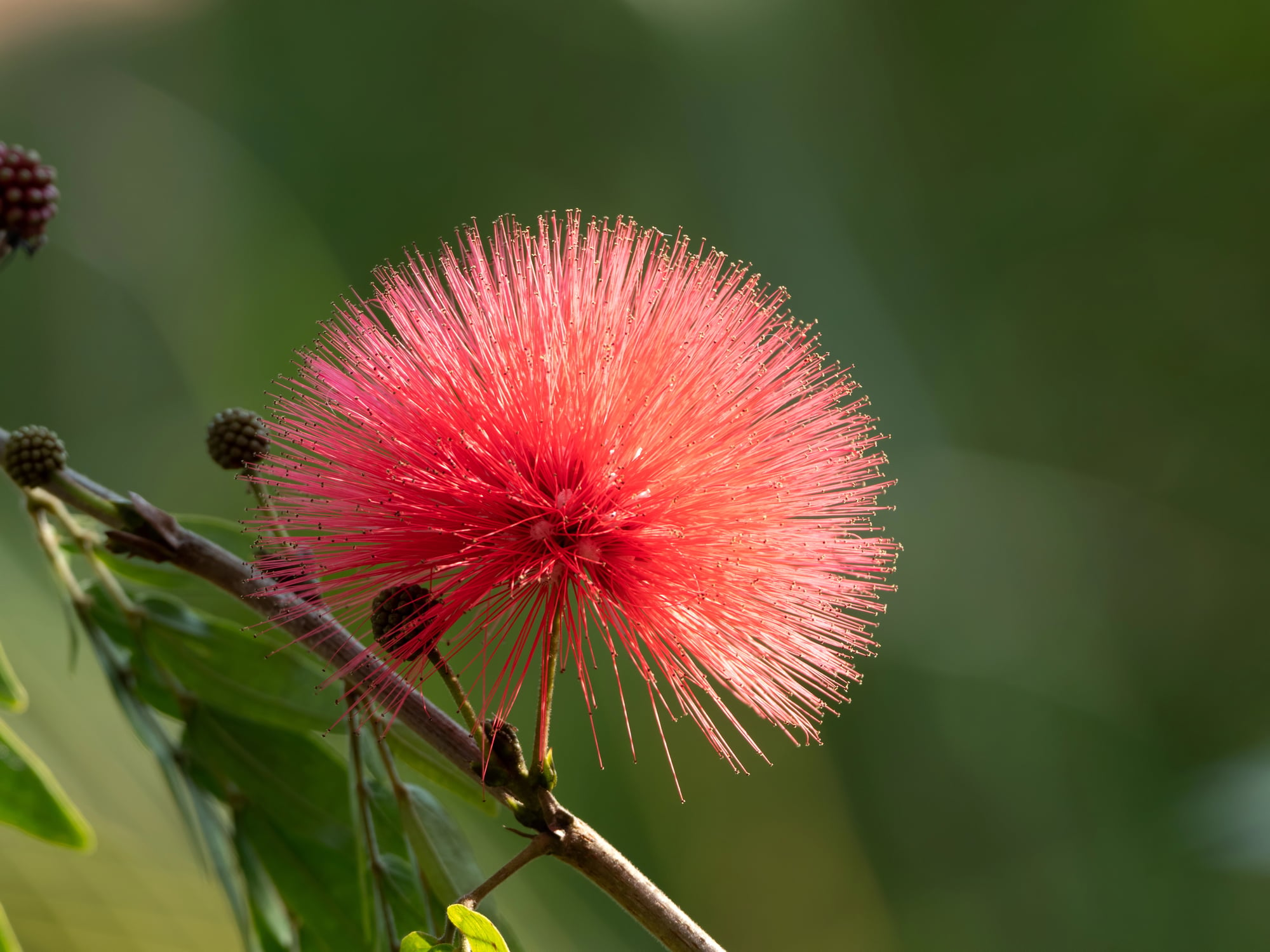
Fairy duster gets its name from the delicate, pink powder-puff flowers that appear to float above the plant like something from a children’s book. But underneath that whimsical appearance lies a plant engineered for desert survival.
The compound leaves can fold closed during extreme heat, reducing surface area exposed to the sun. The root system extends both deep and wide, creating multiple backup plans for water access.
When conditions turn harsh, fairy duster can drop leaves entirely and survive on stored energy.
The timing of its bloom cycle shows sophisticated environmental reading — flowers appear when pollinators are active and conditions favor seed development, not simply when the plant has accumulated enough resources.
Desert Broom
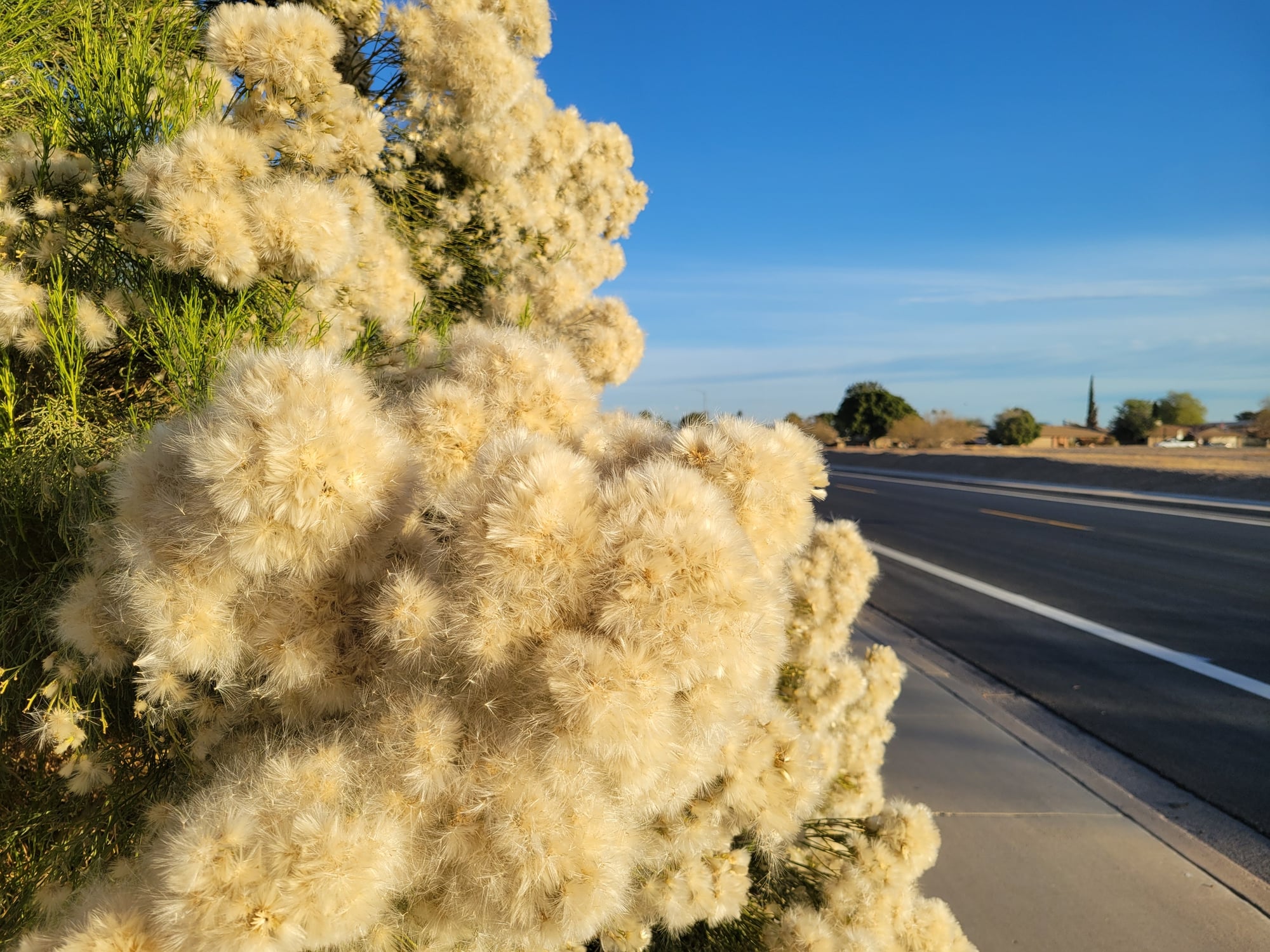
Desert broom divides people the way successful survivors often do — some see it as weedy and aggressive, others recognize it as perfectly adapted to harsh conditions. The plant grows quickly for desert standards, colonizing disturbed ground where other species struggle to establish.
The secret lies in desert broom’s flexible metabolism and efficient water use. Small leaves reduce moisture loss, while the extensive root system can exploit both surface moisture and deeper groundwater.
The plant flowers and sets seed multiple times per year when conditions allow, maximizing reproductive success.
This opportunistic approach lets desert broom thrive in areas too harsh or degraded for more specialized species. It’s not the most elegant desert plant, but elegance isn’t always the point.
Desert Sage
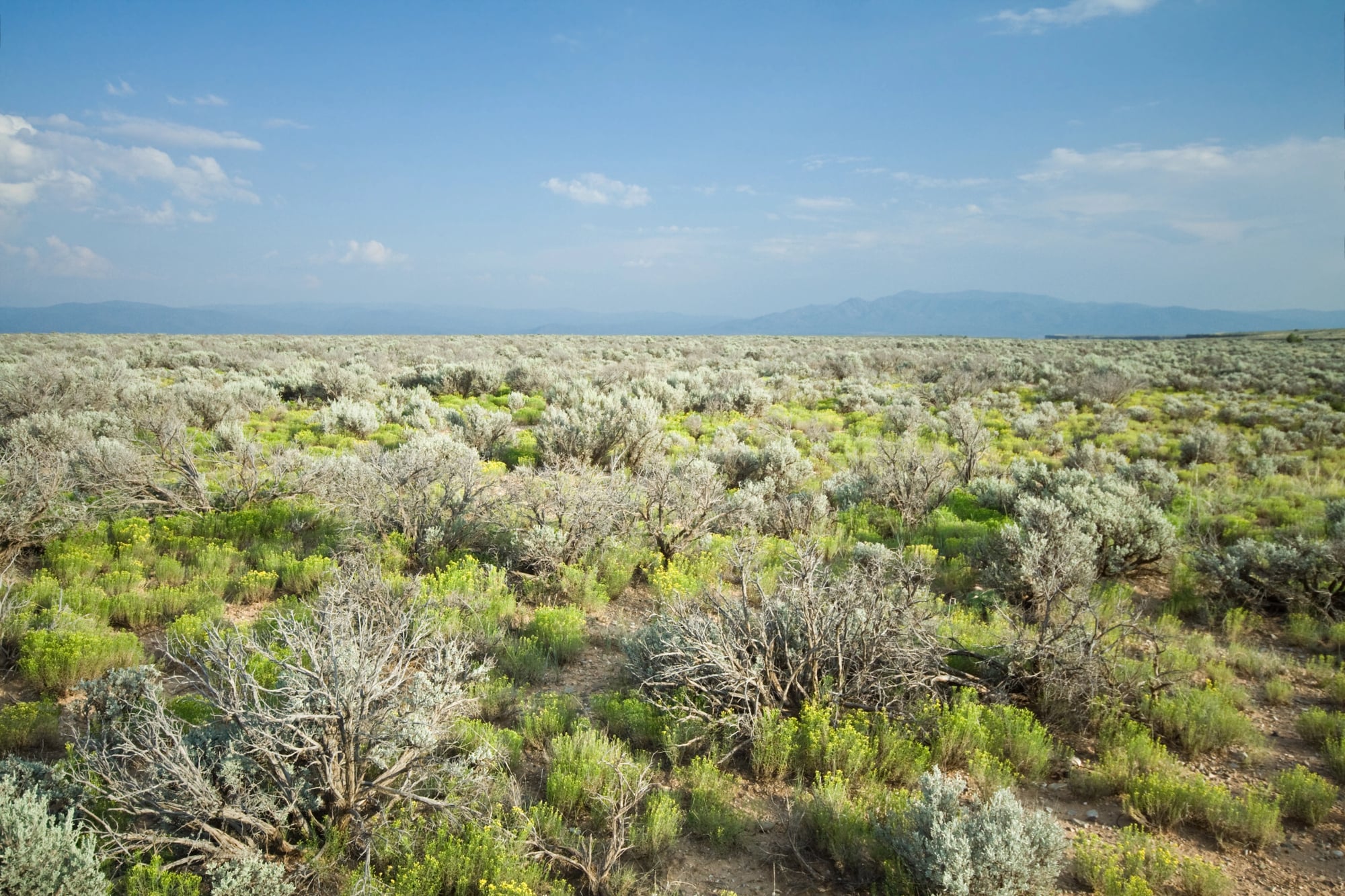
Desert sage carries the desert’s signature scent — sharp, clean, and slightly medicinal. The silvery-green leaves release aromatic compounds that serve double duty: deterring herbivores and reducing water loss by creating a protective cloud of humid air around the plant.
The growth pattern stays low and spreading, keeping the plant below the worst heat while maximizing ground coverage for water collection. During extreme drought, desert sage can essentially shut down above-ground growth while maintaining its root system, waiting months or even years for adequate moisture to resume normal activity.
Nature’s Graduate Course in Efficiency
Walking through desert landscapes reveals a masterclass in doing more with less. These plants haven’t just survived in extreme conditions — they’ve created beauty, supported entire ecosystems, and demonstrated that scarcity often breeds the most ingenious solutions.
Each species represents thousands of years of trial and error, resulting in living systems so efficient they make human engineering look clumsy by comparison. The desert’s harsh classroom has produced some of nature’s most remarkable graduates.
More from Go2Tutors!

- The Romanov Crown Jewels and Their Tragic Fate
- 13 Historical Mysteries That Science Still Can’t Solve
- Famous Hoaxes That Fooled the World for Years
- 15 Child Stars with Tragic Adult Lives
- 16 Famous Jewelry Pieces in History
Like Go2Tutors’s content? Follow us on MSN.



