The 12 Largest Forests in the World
Think about the last time you walked through a forest and felt that sense of wonder at the towering trees around you. Now imagine forests so massive they could swallow entire countries, harboring creatures you’ve never heard of and producing the very air we breathe. These natural giants have been quietly doing their thing for millions of years, shaping our planet’s climate and housing an incredible variety of life.
From the steamy Amazon to the frozen expanses of Siberia, our planet’s largest forests are like nature’s skyscrapers – except instead of reaching up, they stretch out across continents. Here is a list of 12 of the world’s most massive forest systems that continue to amaze scientists and adventurers alike.
Amazon Rainforest
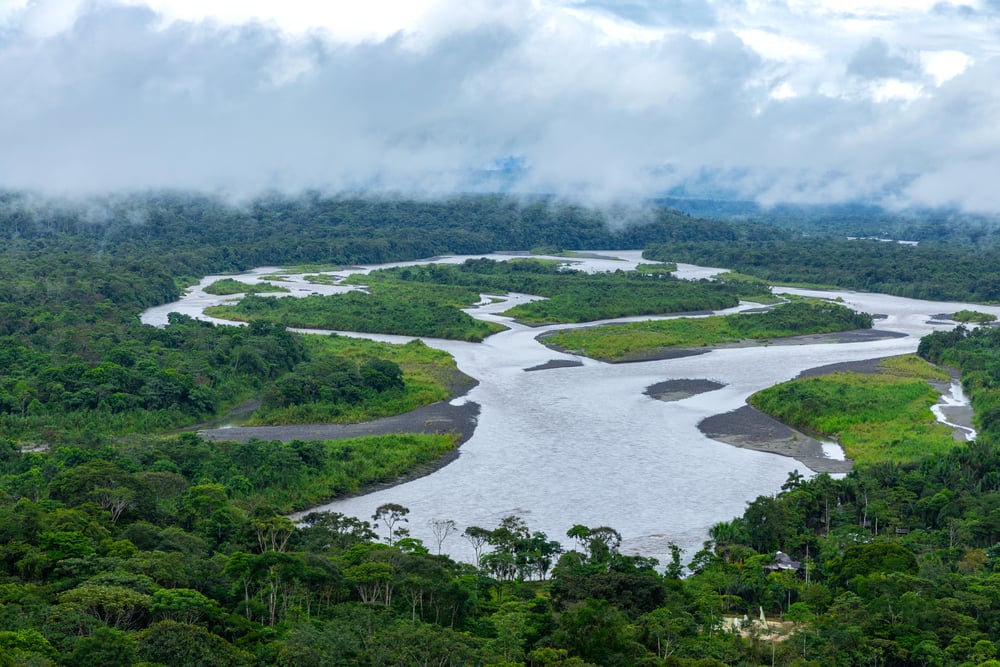
The Amazon isn’t just the world’s largest forest – it’s basically nature’s supercomputer, covering about 2.1 million square miles across several countries.
This green powerhouse produces roughly 20% of the world’s oxygen while housing more species than you could count in several lifetimes. Think of it as Earth’s lungs and library rolled into one, storing both carbon and countless secrets we’re still discovering.
Boreal Forest of Russia
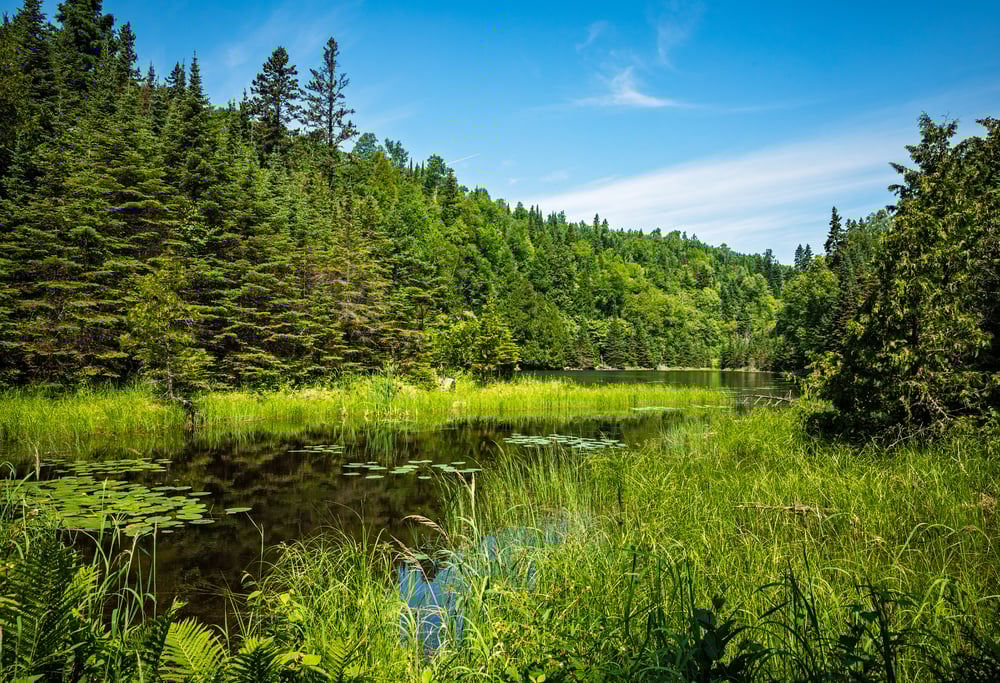
Stretching across northern Russia like a green belt, this forest covers an mind-boggling 2.3 million square miles of mostly coniferous trees.
The Russian Taiga, as it’s often called, is basically a frozen forest highway that extends from the Ural Mountains to the Pacific Ocean. During winter, it’s so cold here that the trees seem to hibernate, creating an almost otherworldly landscape of snow and evergreens.
Like Go2Tutors’s content? Follow us on MSN.
Canadian Boreal Forest
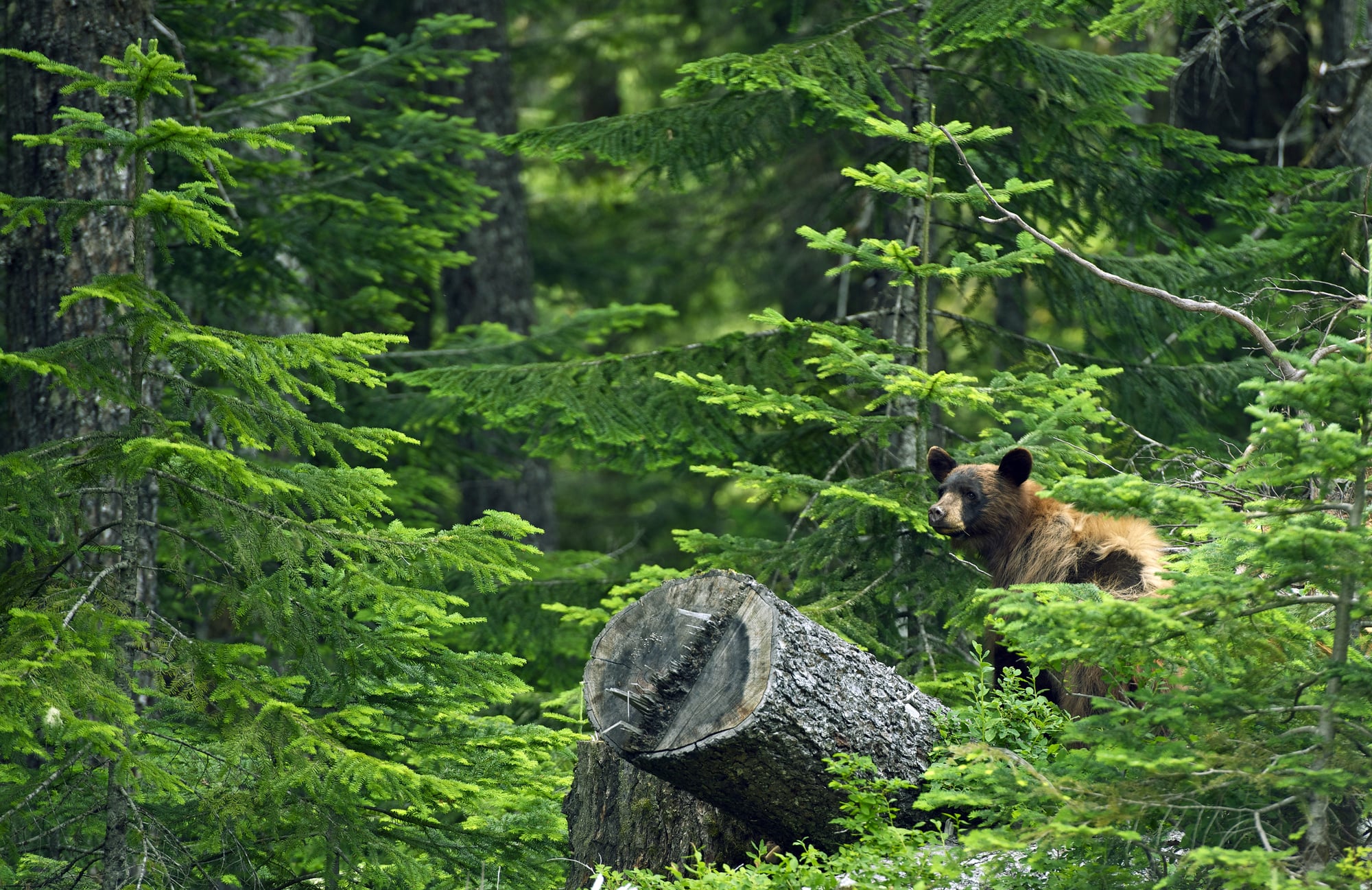
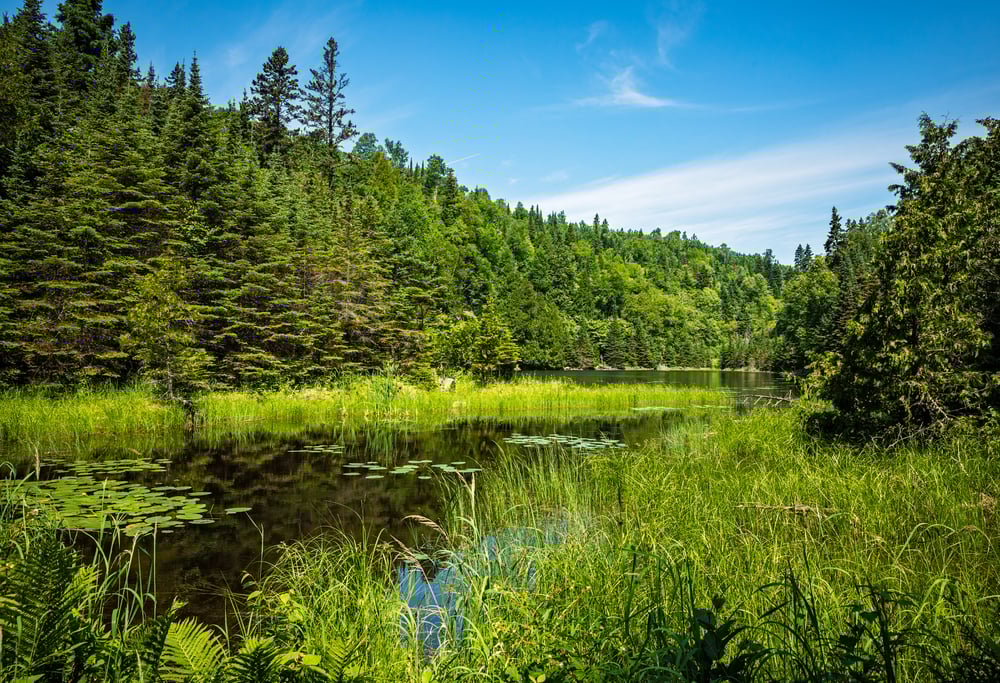
Canada’s slice of the boreal forest pie spans about 1.2 million square miles, making it roughly the size of India.
This northern wilderness is home to caribou, black bears, and millions of lakes that dot the landscape like scattered coins. The forest acts like a massive carbon vault, storing more carbon per acre than most tropical forests.
Valdivian Temperate Rainforest
This ancient forest along Chile’s coast covers about 95,000 square miles and feels like stepping into a fairy tale.
Some of its trees have been growing since before the Roman Empire, including the massive Alerce trees that can live over 3,000 years. The constant mist and rain create perfect conditions for ferns and mosses that carpet everything in emerald green.
Pacific Temperate Rainforest
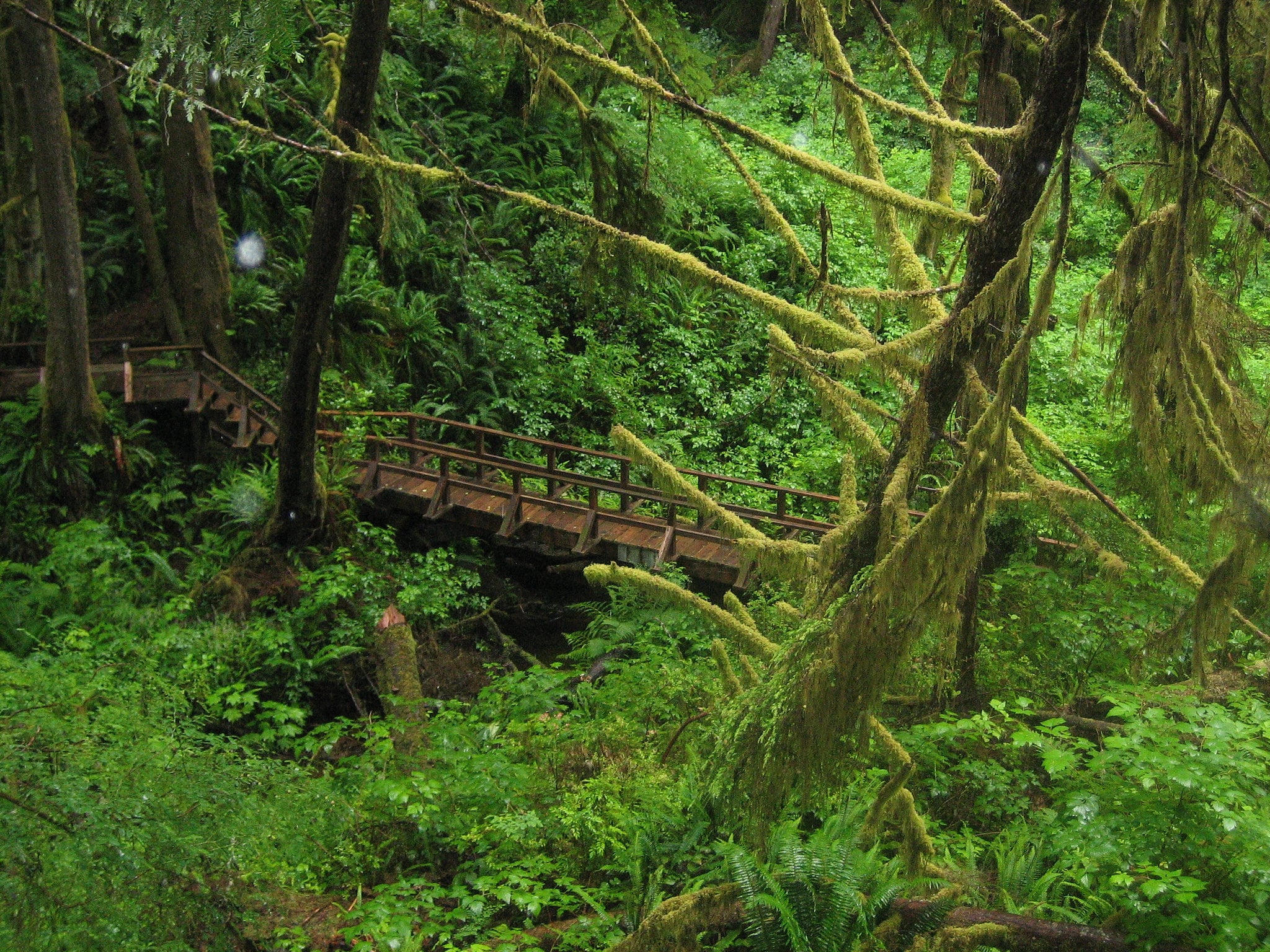
Stretching from Northern California to Alaska, this coastal forest covers roughly 135,000 square miles of some of the planet’s most productive ecosystems.
Home to the famous giant sequoias and redwoods, this forest produces more biomass per acre than almost anywhere else on Earth. Walking through these groves is like entering a natural cathedral where trees reach heights that make you crane your neck until it hurts.
Like Go2Tutors’s content? Follow us on MSN.
Tongass National Forest
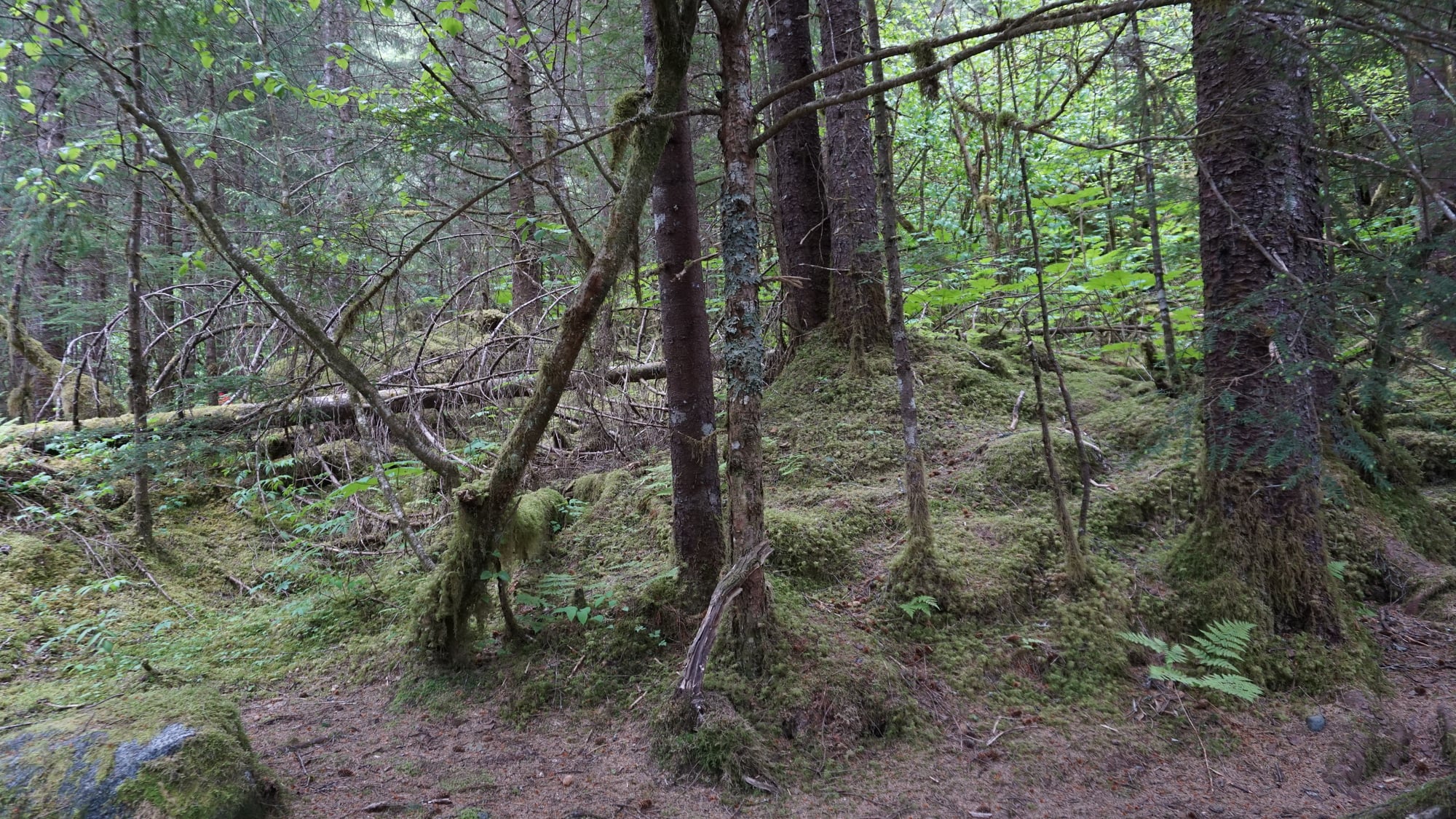
In Alaska, this forest covers about 26,250 miles of pristine temperate rainforest — making it America’s largest national forest.
This coastal wilderness receives so much annual rain that everything stays constantly damp and green, creating perfect conditions for massive Sitka spruces and western hemlocks. The bears here grow to enormous sizes thanks to the abundant salmon runs that thread through the forest.
Daintree Rainforest
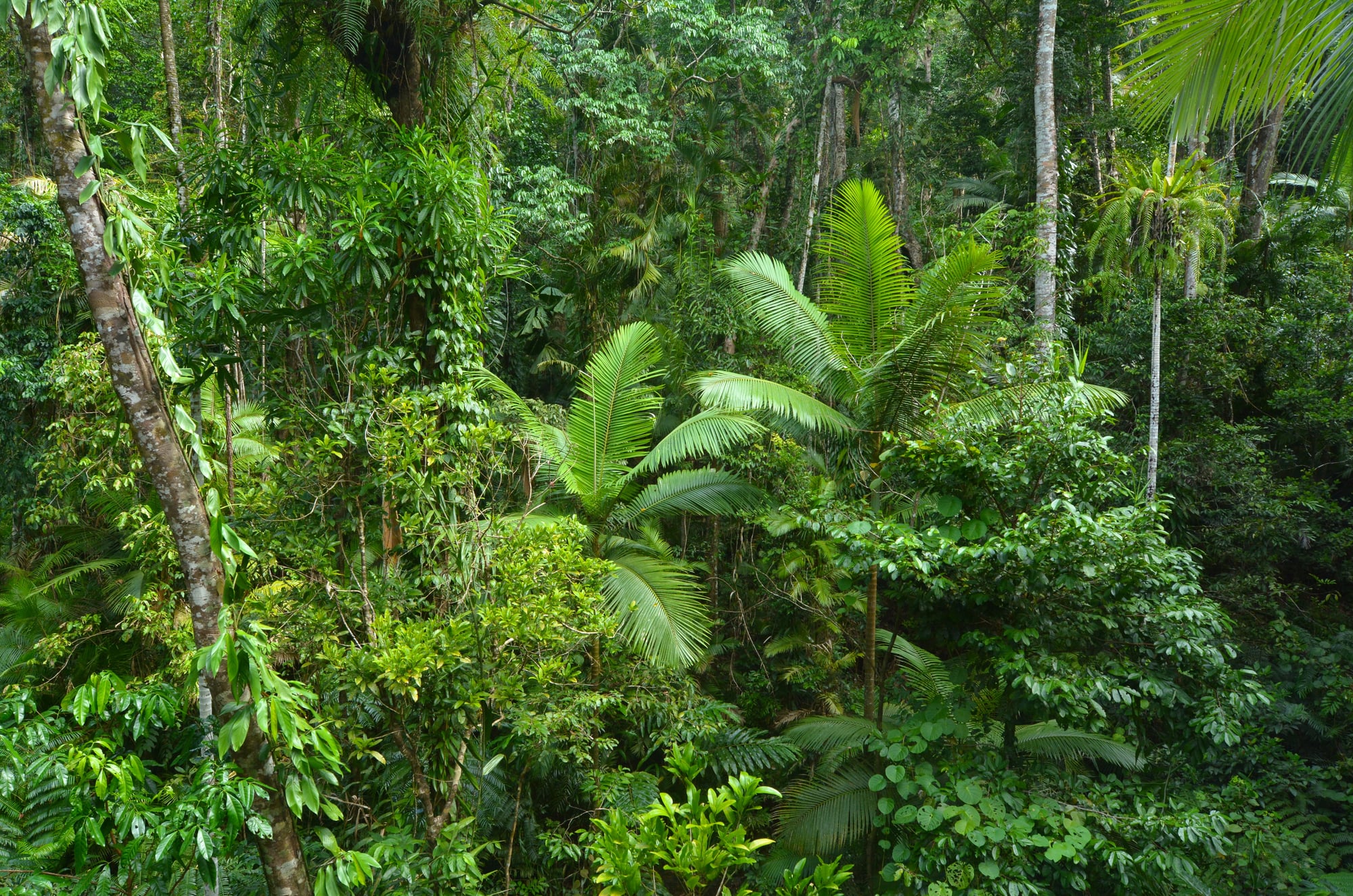
Australia’s Daintree covers only about 460 square miles, but what it lacks in size it makes up for in age – this forest has been growing continuously for over 135 million years.
It’s essentially a living museum where you can see plants that existed when dinosaurs roamed the Earth. The forest meets the Great Barrier Reef at the coastline, creating one of the few places where two World Heritage sites touch.
Sundarbans Mangrove Forest
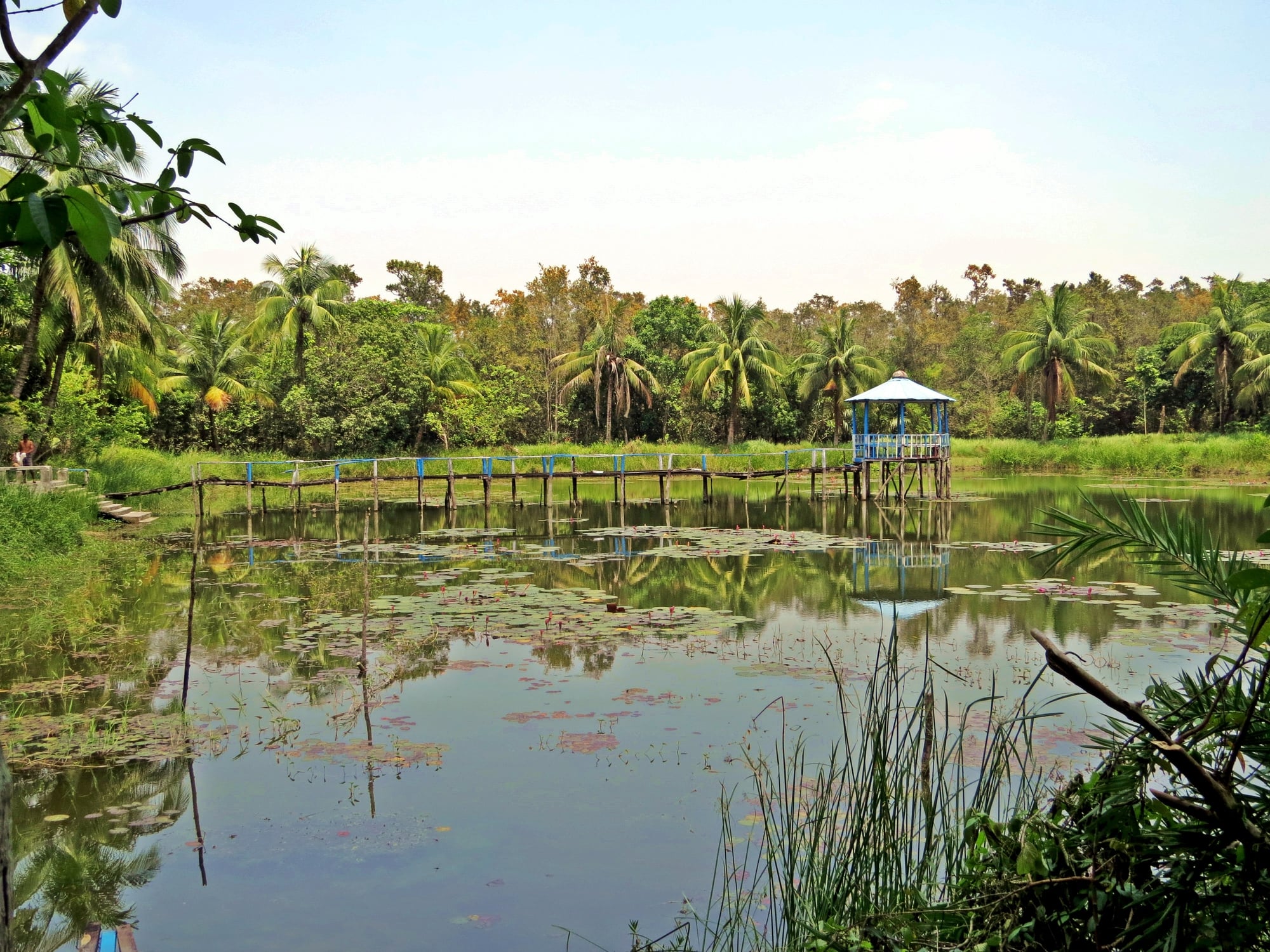
Straddling Bangladesh and India, the Sundarbans covers about 3,860 square miles of mangrove forests that rise directly from tidal waters.
This unique ecosystem is famous for its swimming tigers – yes, tigers that actually swim between islands hunting for prey. The forest acts like a natural barrier against cyclones, protecting millions of people living inland.
Like Go2Tutors’s content? Follow us on MSN.
Atlantic Forest of Brazil
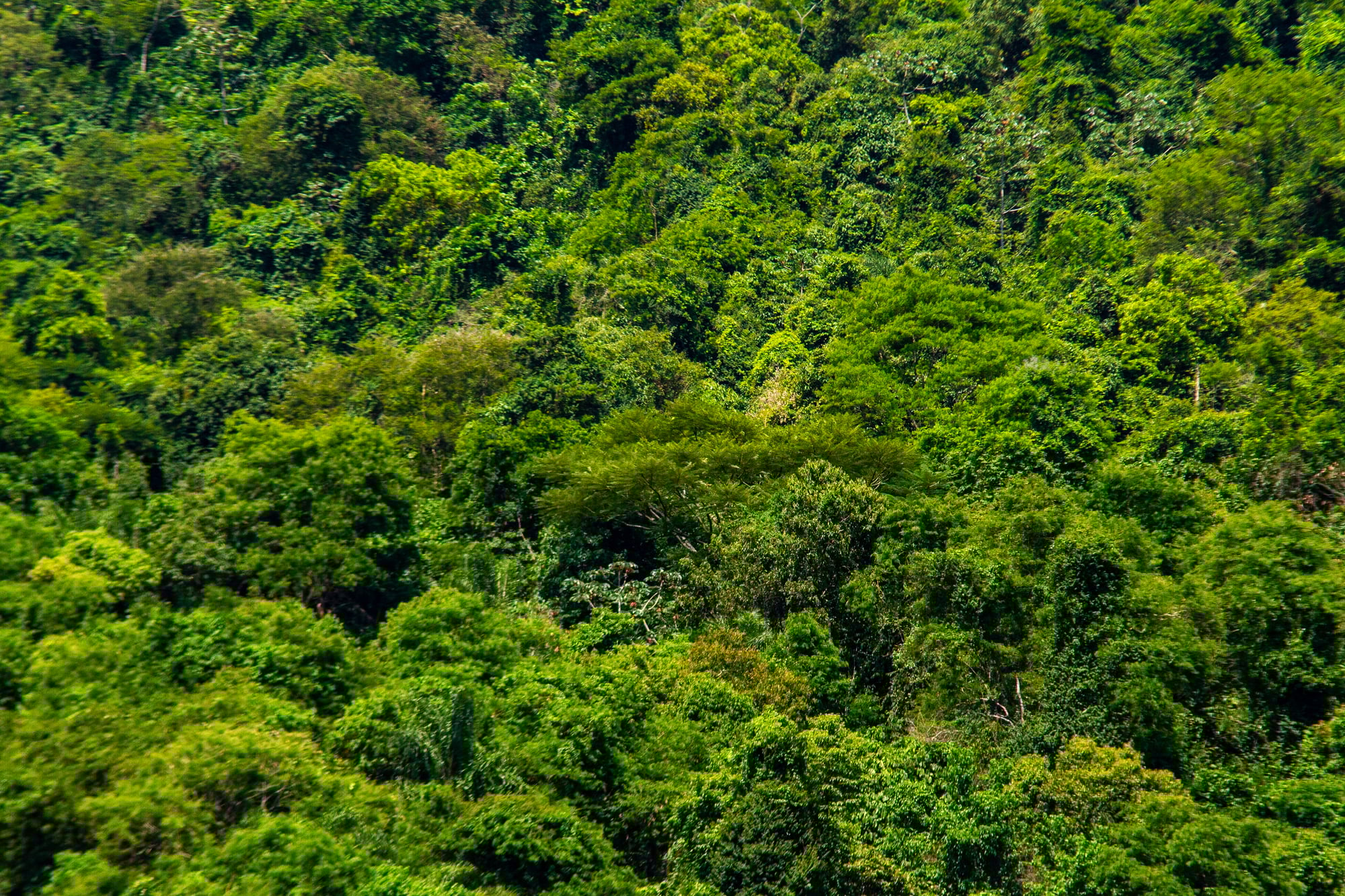
Once covering about 390,000 square miles, Brazil’s Atlantic Forest has shrunk to roughly 39,000 square miles of fragments along the coast.
Despite its reduced size, this forest still contains an incredible 20,000 plant species, with about 8,000 found nowhere else on Earth. It’s like nature’s own endangered library, holding biological treasures in every remaining patch.
Scandinavian Boreal Forest
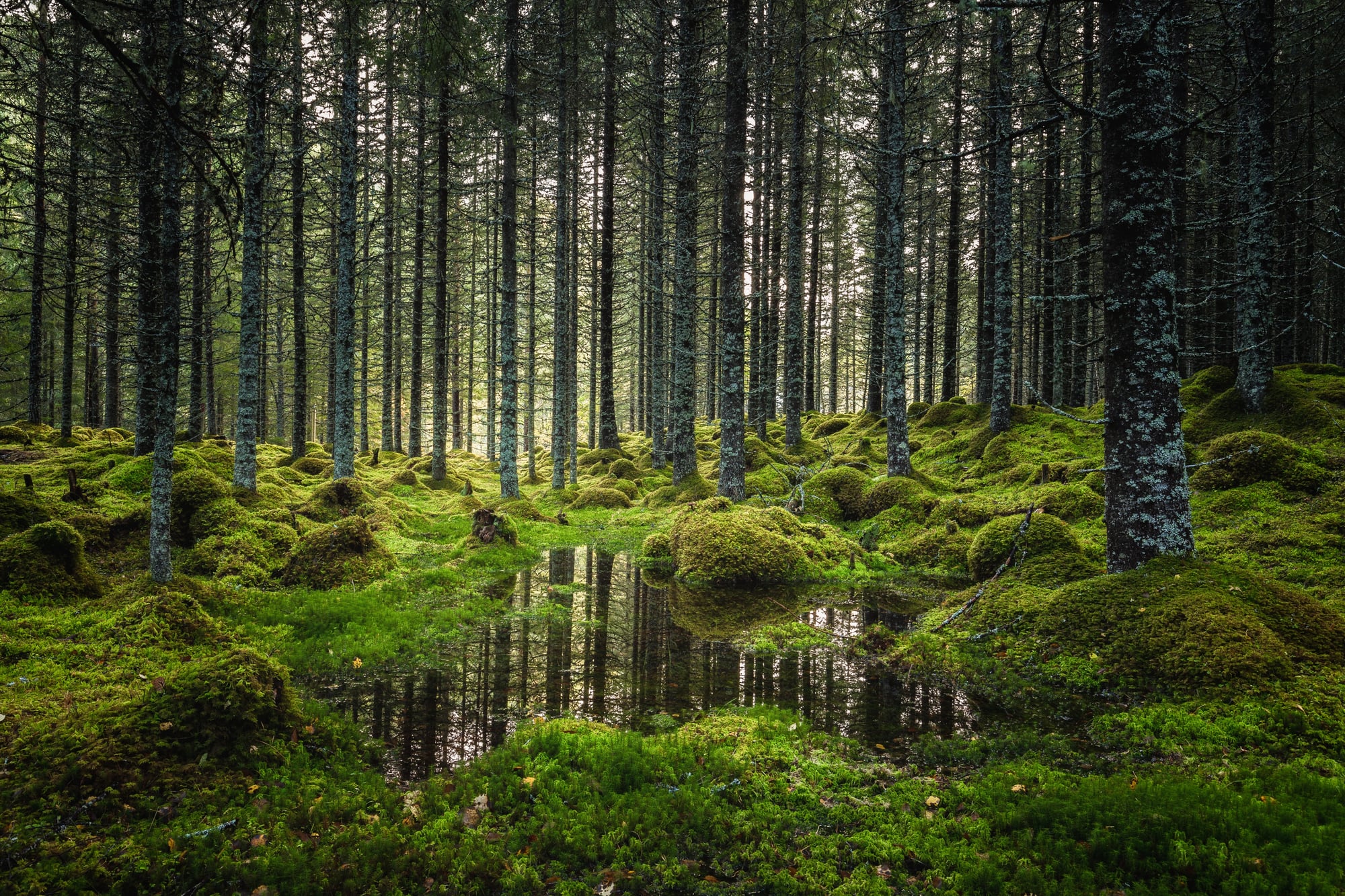
Covering about 270,000 square miles across Norway, Sweden, and Finland, this northern forest creates a green cap above the Arctic Circle.
The endless summer daylight here triggers explosive growth during the short growing season, while winter brings months of near-darkness. Reindeer migration routes have crisscrossed these forests for thousands of years, creating natural highways through the wilderness.
Great Bear Rainforest
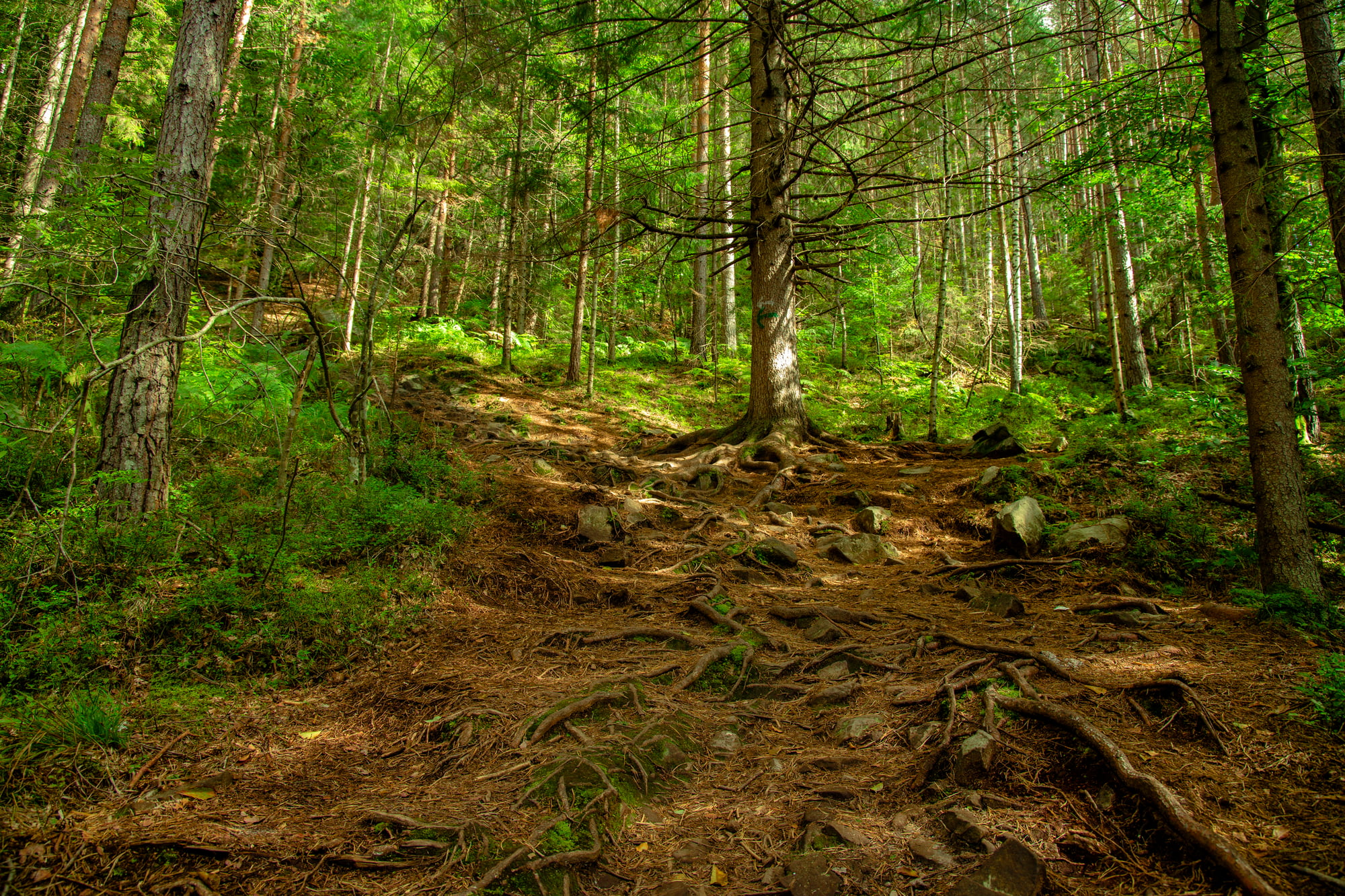
British Columbia’s Great Bear Rainforest covers about 25,000 square miles of coastal temperate rainforest that’s home to the rare white Kermode bear.
This forest receives so much rainfall that moss grows on everything, creating a spongy green world where thousand-year-old cedar trees tower above misty valleys. The forest’s ancient trees store massive amounts of carbon, making it crucial for climate stability.
Like Go2Tutors’s content? Follow us on MSN.
Tasmanian Wilderness
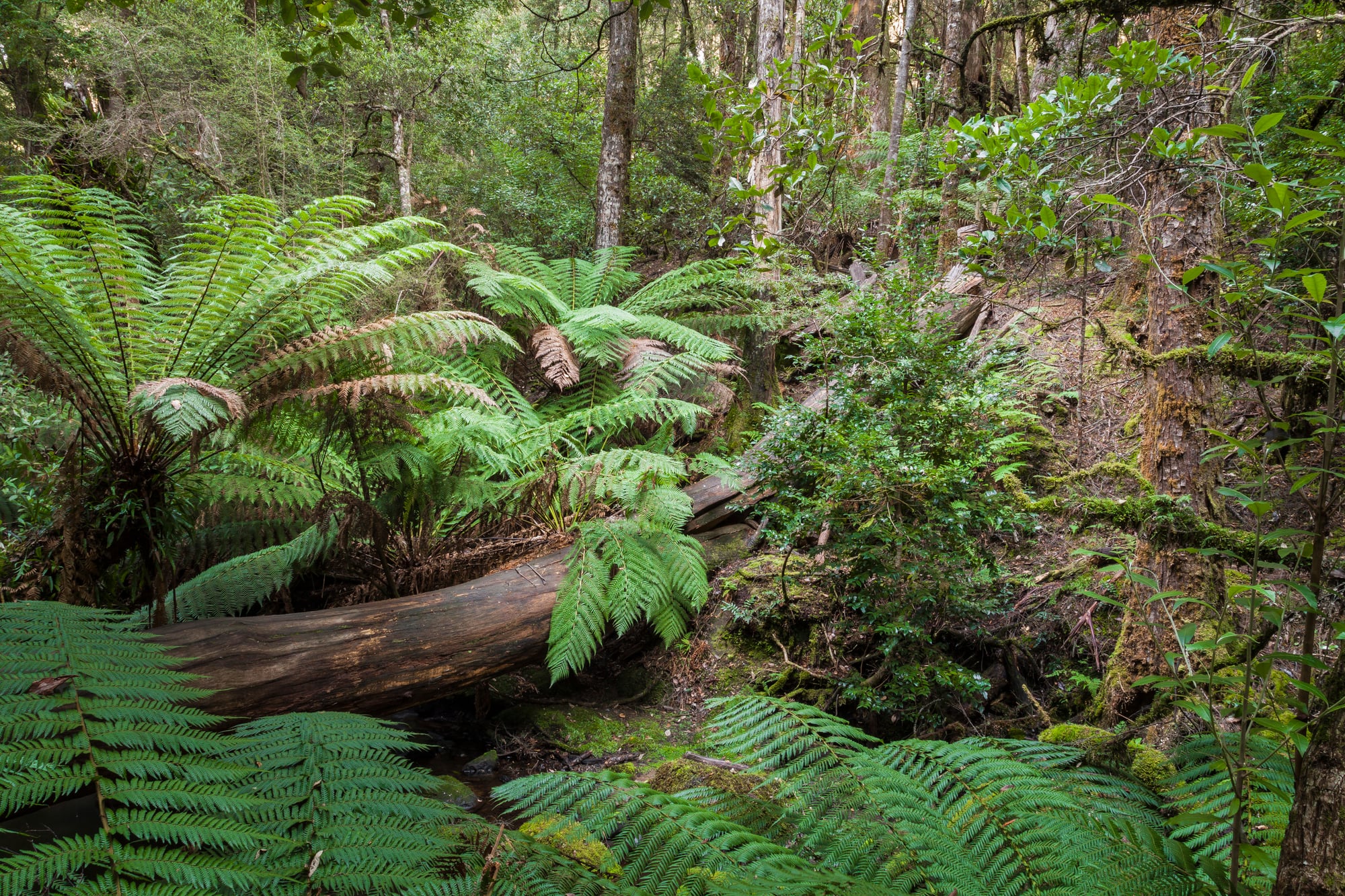
The Tasmanian wilderness covers more or less 6,000 square miles that feels completely separated from the rest of the world.
They contain some of the earth’s tallest towering trees – mountain ash eucalyptus that can reach heights of over 300 feet. The undergrowth includes tree ferns that create a prehistoric atmosphere, especially when morning mist drifts between the giant trunks.
Nature’s Insurance Policy
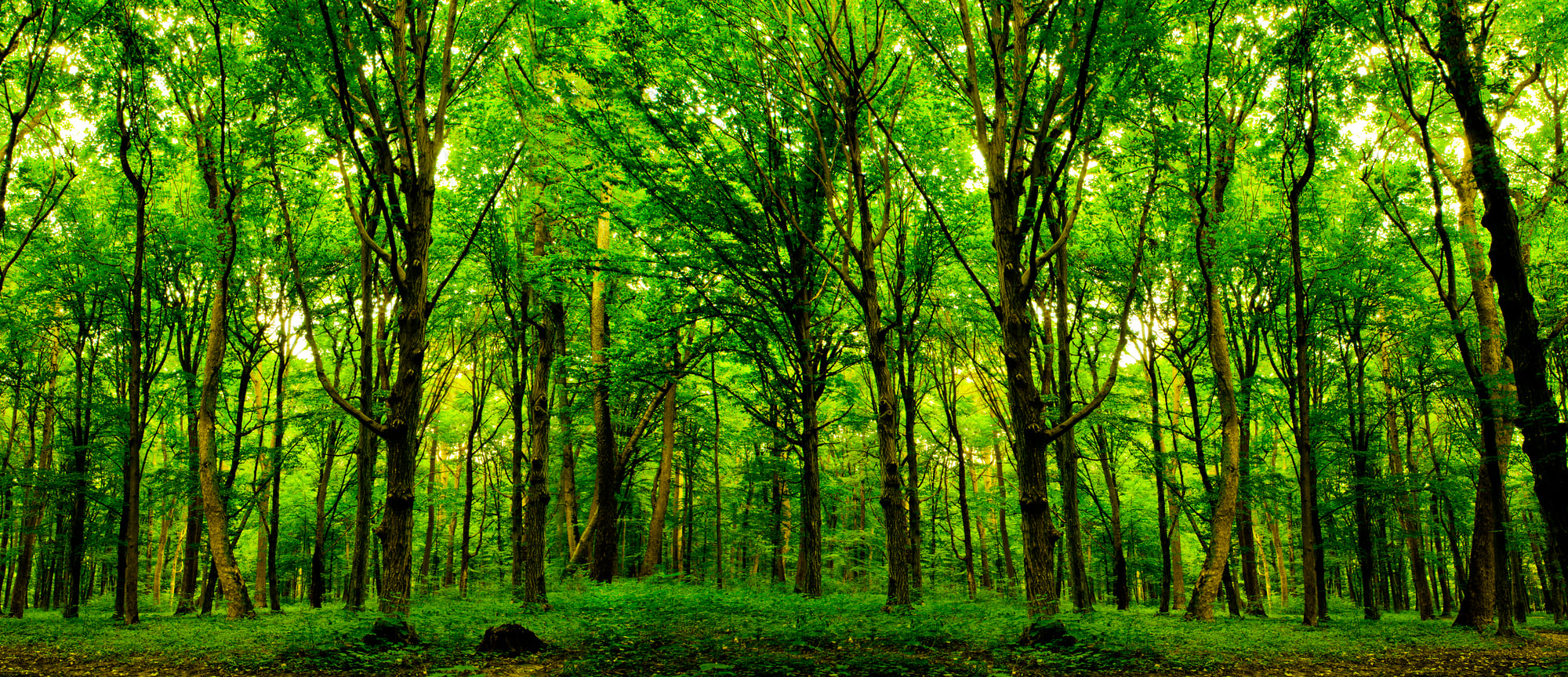
These vast forests represent far more than just collections of trees – they’re essentially Earth’s life support systems working around the clock.
While we’ve mapped their boundaries and cataloged many of their species, these green giants continue to surprise us with new discoveries and remind us how much we still don’t understand about our own planet. In a time when we can reach out to individuals anywhere in the planet in a matter of seconds, these forests remain uncharted territories where nature is still dominant.
More from Go2Tutors!

- 16 Historical Figures Who Were Nothing Like You Think
- 12 Things Sold in the 80s That Are Now Illegal
- 15 VHS Tapes That Could Be Worth Thousands
- 17 Historical “What Ifs” That Would Have Changed Everything
- 18 TV Shows That Vanished Without a Finale
Like Go2Tutors’s content? Follow us on MSN.