Historical Figures Who Were Surprisingly Tall
When you picture history’s most famous faces, height probably isn’t the first thing that comes to mind. Yet scattered throughout the centuries are figures who towered over their contemporaries in ways that went far beyond their achievements.
These weren’t just tall people who happened to make history — their unusual stature often shaped how they moved through the world, commanded attention, and left their mark on civilization.
Abraham Lincoln

Lincoln stood 6’4″ in an era when the average American man barely reached 5’7″. His height became part of his political identity before anyone cared about his policies.
Political cartoonists loved drawing him as a gangly scarecrow. Opponents mocked his awkward frame.
But that same towering presence made him impossible to ignore in crowded rooms and gave weight to his words when he finally spoke.
George Washington
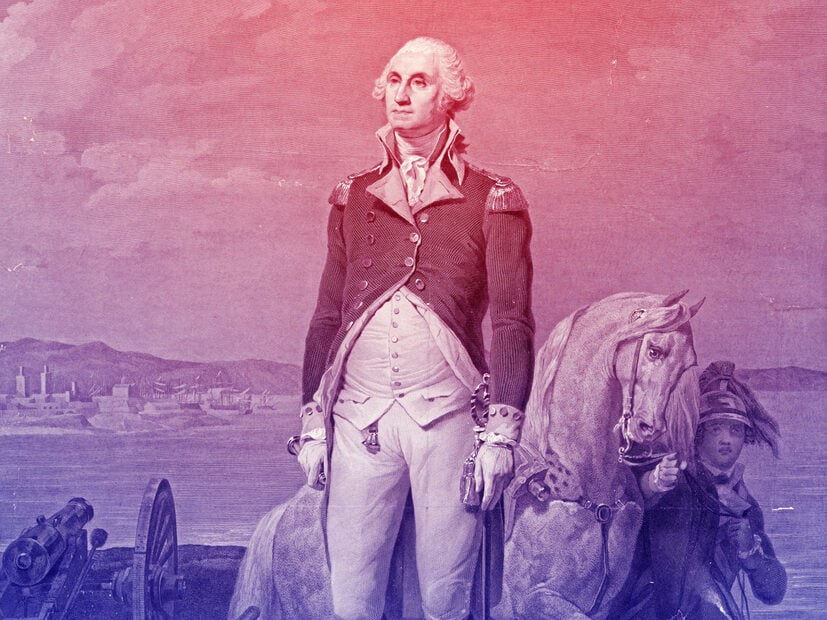
The first president measured 6’2″ and used every inch of it. Washington understood that leadership was partly performance, and his height gave him a natural advantage on any stage.
He carried himself like someone who expected to be obeyed. In military uniform or civilian dress, Washington’s physical presence reinforced the authority that helped hold a fragile new nation together.
Thomas Jefferson
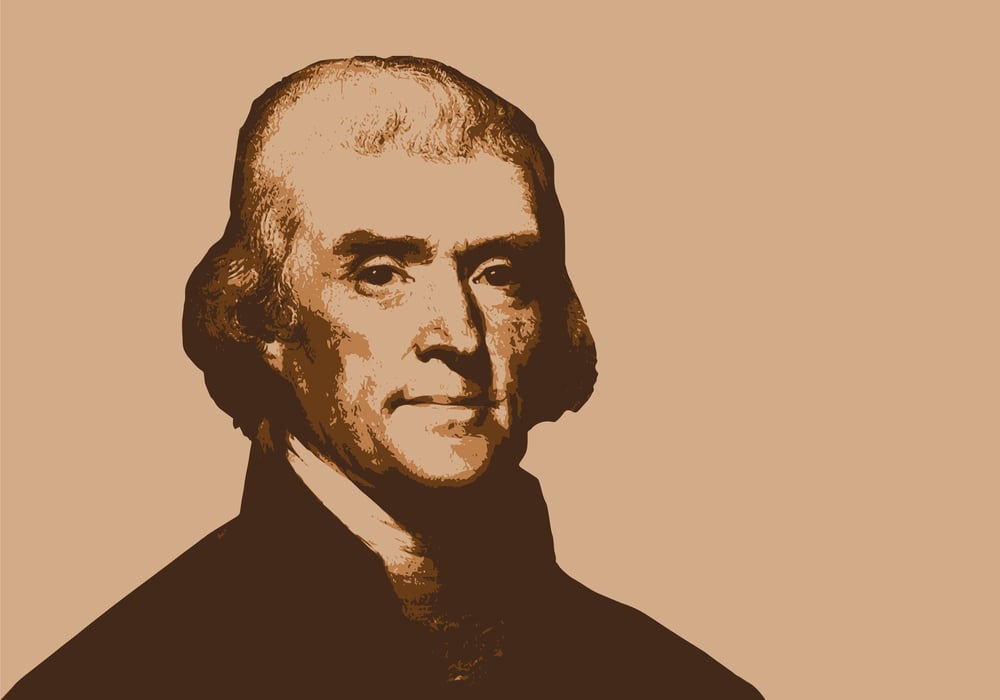
At 6’2″, Jefferson moved through Monticello’s doorways (which he designed himself) with the fluid confidence of someone comfortable in his own lengthy frame. But his height wasn’t just a physical fact — it became woven into how he approached ideas, architecture, and politics, always reaching for something grander than what currently existed.
The man who penned “all men are created equal” had to duck through most colonial doorways, a daily reminder that he lived in a world built for smaller ambitions. And yet (there’s that contradiction again) he spent his presidency acquiring vast territories, as if the country itself needed to match his physical scale.
So when he doubled the nation’s size with the Louisiana Purchase, it felt less like political opportunism and more like someone finally building something that fit.
Napoleon Bonaparte
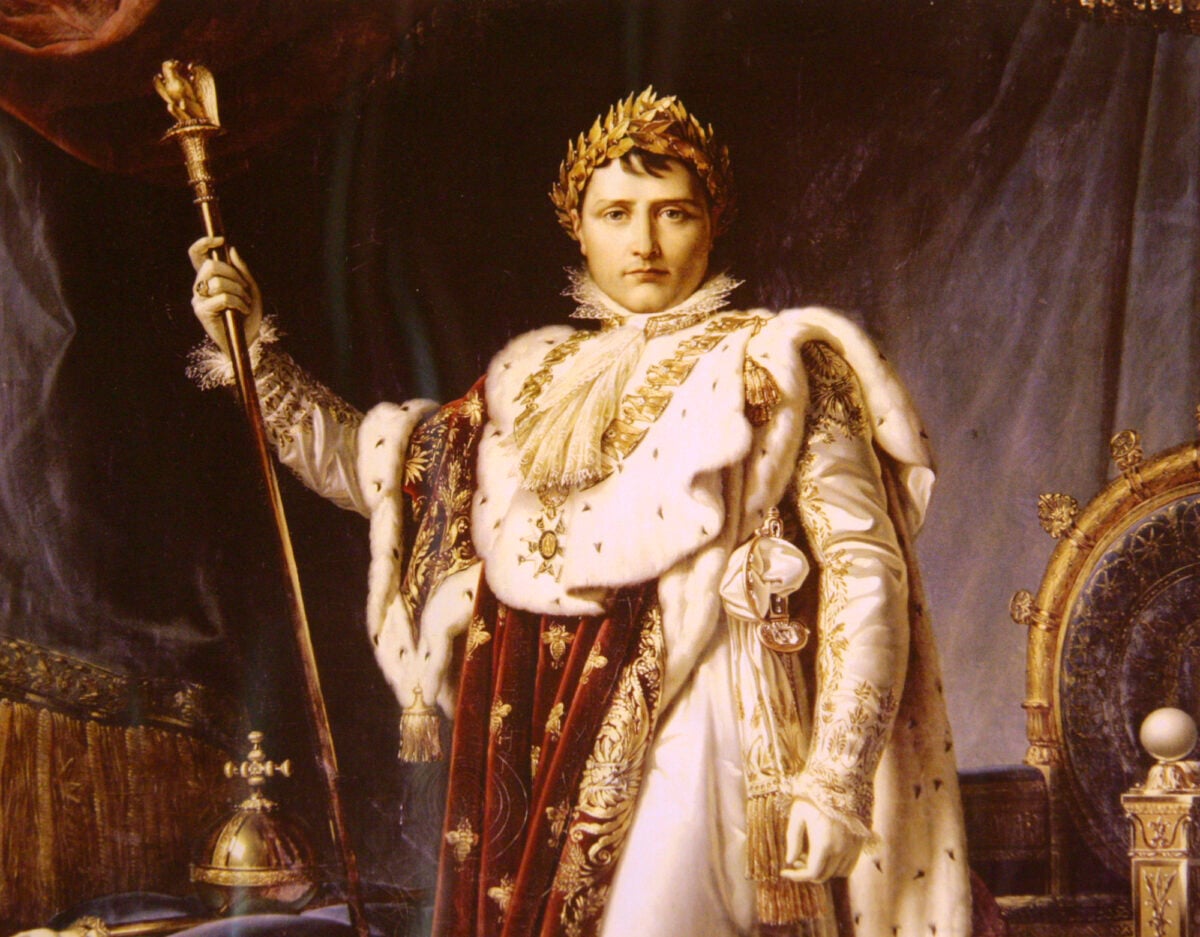
French records list Napoleon at 5’2″, but this reflected the difference between French and English measurements. He actually stood about 5’7″ — perfectly average for his time, not the diminutive figure of popular myth.
The “short Napoleon” story persisted because it made for better propaganda. English cartoonists drew him as a tiny tyrant, and the image stuck long after anyone remembered why.
Charles Dickens

Dickens stood 5’9″ when most Victorian men hovered around 5’5″, but his height mattered less than how he filled the space around him. The man who created larger-than-life characters possessed a naturally theatrical presence that made every room feel like a stage waiting for his performance.
Watch him work a dinner party (and there are accounts of this) and you’d see someone who understood that physical presence was just another tool for storytelling. He’d pace while talking, gesture with his whole body, and use his height to lean into conversations or pull back for dramatic effect.
His novels feel oversized because their author lived that way — taking up more space than seemed strictly necessary, but somehow making it work.
Charlemagne
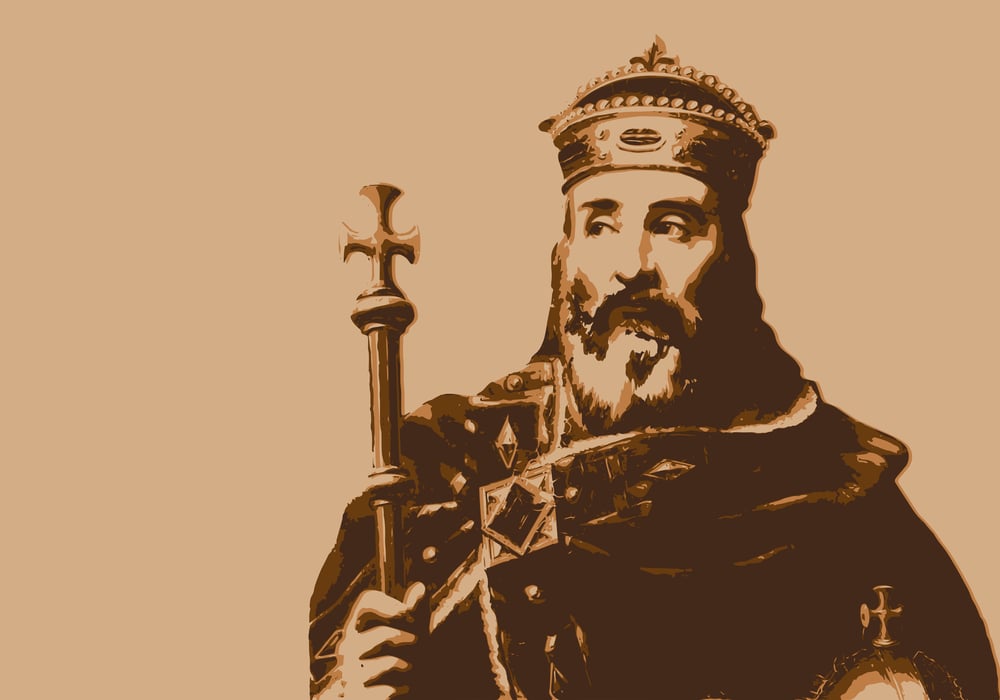
The Holy Roman Emperor measured close to 6’4″ according to examinations of his remains. In the 8th century, this made him a genuine giant among his subjects.
Medieval chroniclers described him as towering over other nobles at court. His height reinforced the divine authority he claimed, making him appear blessed by God in an age when physical stature often indicated divine favor.
Frederick the Great
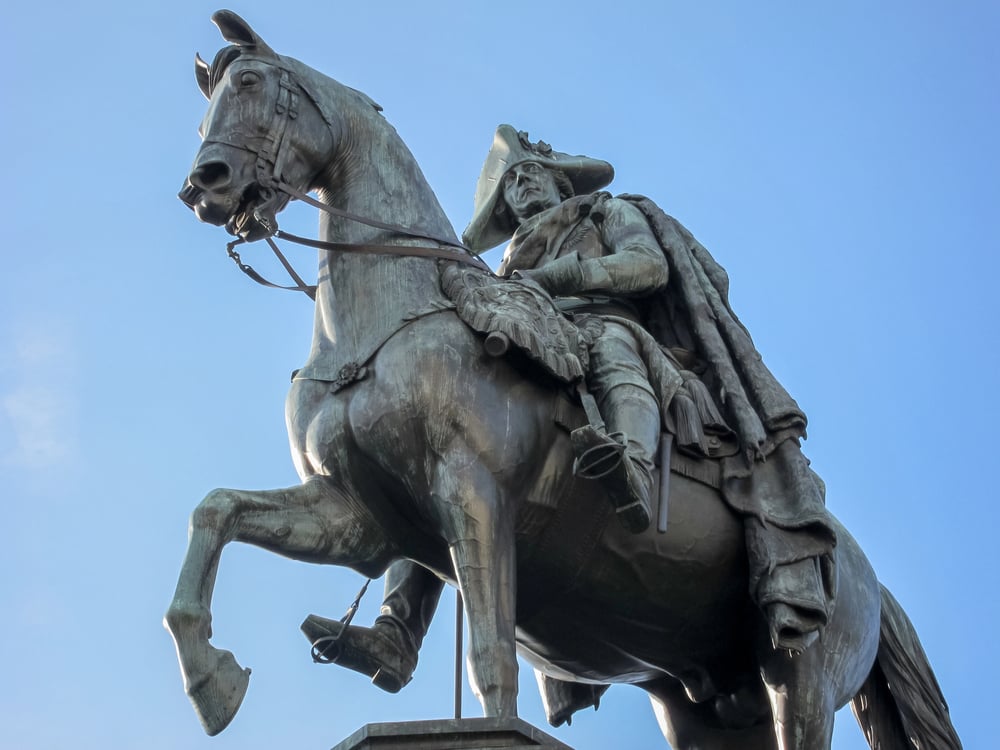
Prussia’s famous king stood 6’1″ in an era of much shorter men, but he wielded his height like a carefully maintained weapon in diplomatic negotiations. Frederick understood that when you can literally look down on other European monarchs, every conversation starts with a subtle advantage that has nothing to do with armies or alliances.
He’d arrange meetings to emphasize the height difference — standing while others sat, choosing rooms with high ceilings that made shorter visitors feel diminished. But here’s what made Frederick particularly shrewd: he never acknowledged the game he was playing, treating his physical dominance as simply the natural order of things (which, to be fair, probably felt true to someone who’d been the tallest person in most rooms since adolescence).
Peter the Great
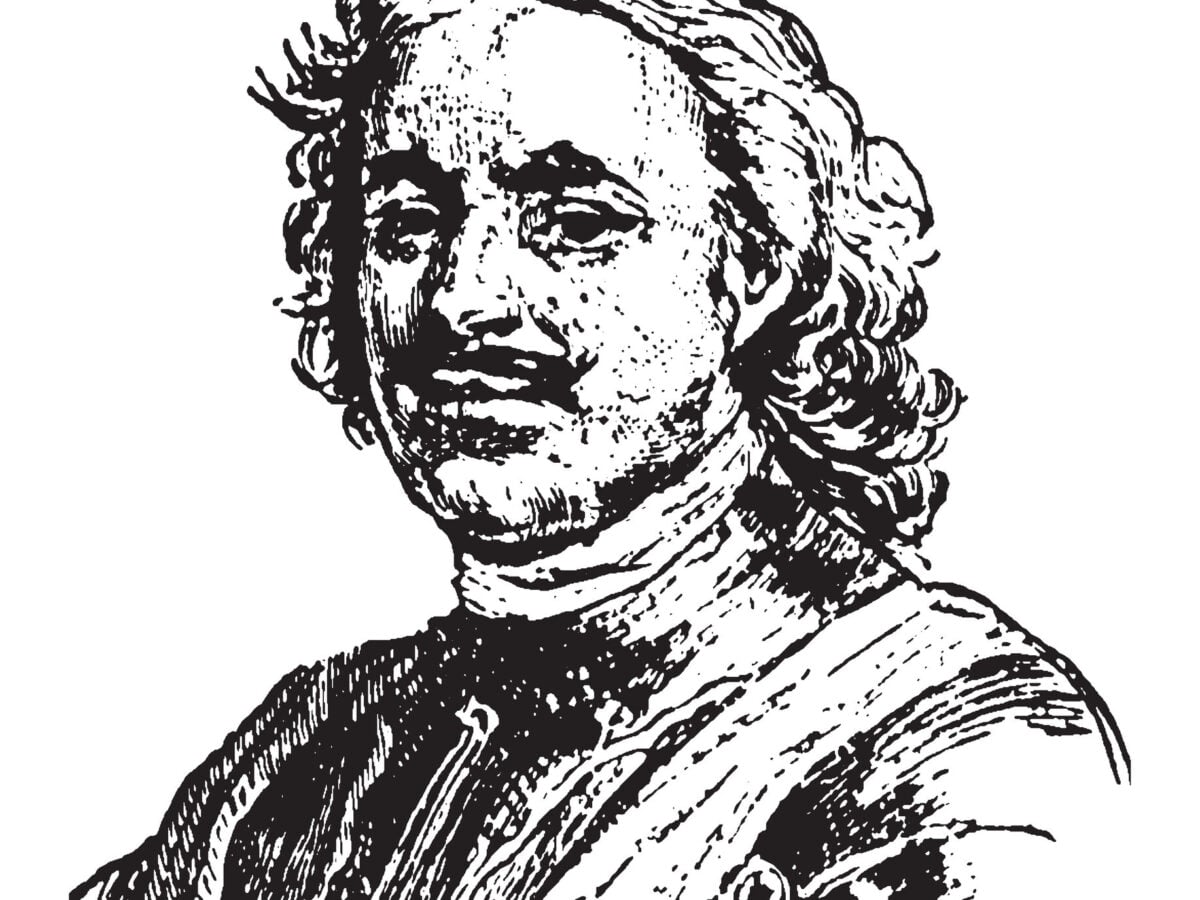
Russia’s transformative tsar reached an astounding 6’8″ — making him not just tall for his era, but genuinely gigantic by any historical standard. When Peter toured Europe to learn Western customs, his height created diplomatic incidents simply because no one knew proper protocol for someone that large.
He had to duck through palace doorways built for normal-sized royalty. Foreign courts scrambled to find furniture that could accommodate him.
Peter used this awkwardness to his advantage, turning every social interaction into a reminder of Russia’s growing power.
Voltaire

The Enlightenment philosopher stood 5’10” in an age when most French intellectuals barely reached 5’6″, and he carried himself with the particular confidence that comes from being able to peer over the heads of your critics at literary salons. Voltaire understood that wit delivered from a position of physical authority landed differently than the same joke told while looking up at your audience.
His height gave him what actors call “stage presence” even in casual conversation — people noticed when Voltaire entered a room, which meant they were already paying attention before he said anything clever. And since Voltaire said clever things constantly (the man never met a witty observation he couldn’t improve upon), this created a feedback loop where his physical presence amplified his intellectual reputation until the two became inseparable.
Winston Churchill
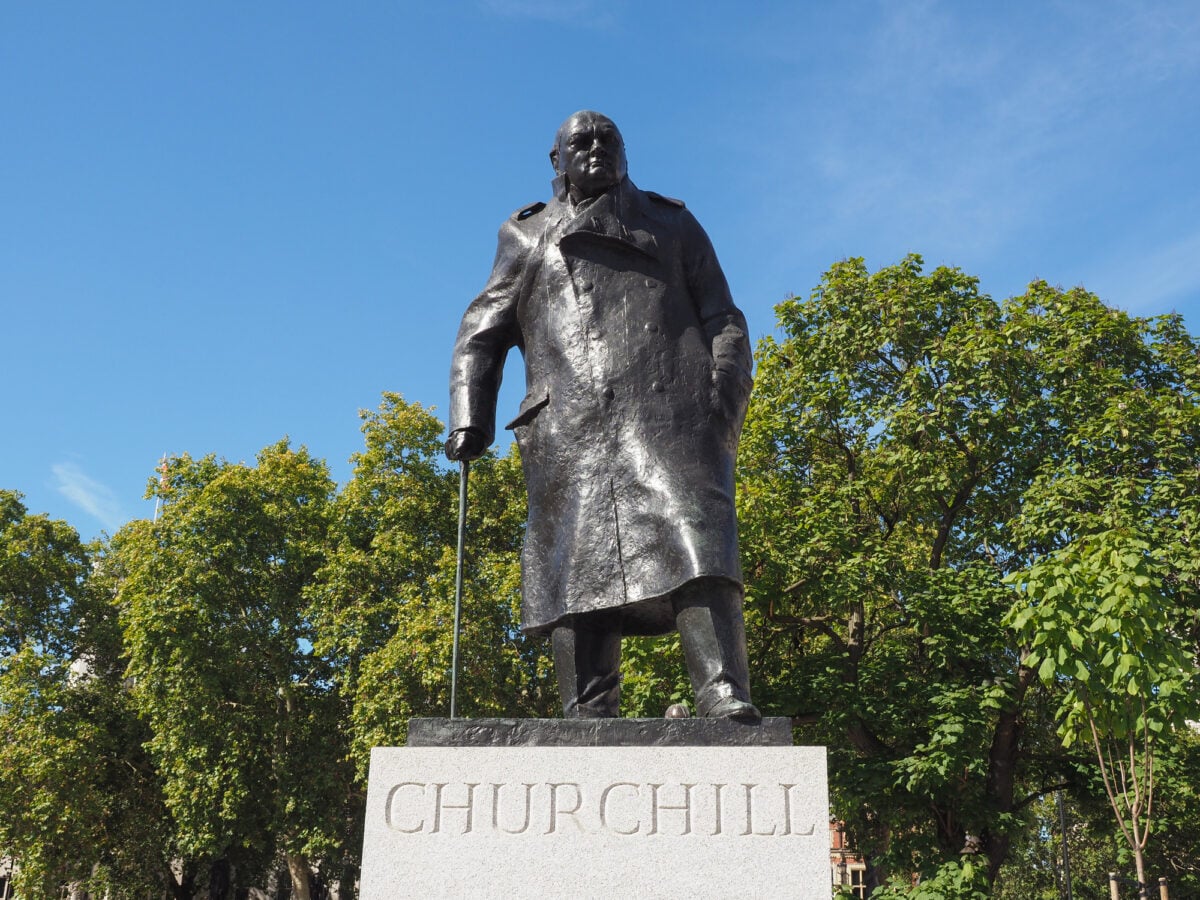
Churchill stood 5’6″ — not exceptionally tall, but notably above average for British men of his generation. More importantly, he understood how to project height through posture and presence.
He practiced his speeches in front of mirrors, perfecting the stance that made him appear larger during wartime broadcasts. Churchill knew that leadership required looking the part, even when the part demanded more height than nature provided.
Benjamin Franklin
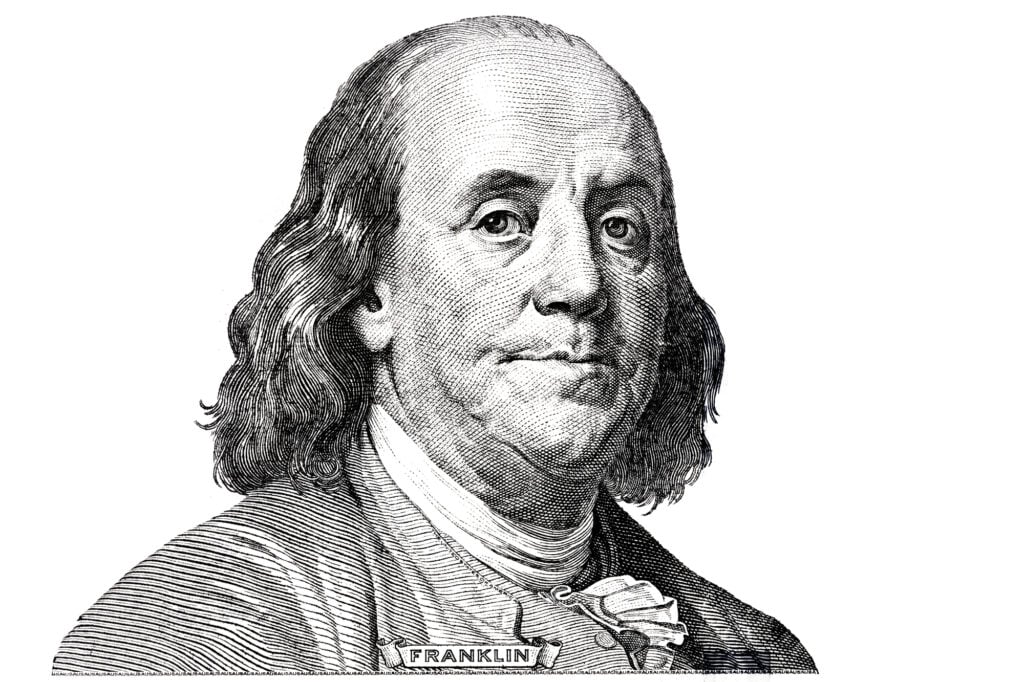
At 5’9″, Franklin towered over most colonial Americans and used his height strategically in diplomatic settings. When he served as ambassador to France, his physical presence helped command respect in European courts.
Franklin’s height also proved practical during his scientific experiments. He could reach equipment that shorter contemporaries couldn’t, giving him advantages in his electrical research that had nothing to do with genius and everything to do with wingspan.
Ernest Hemingway
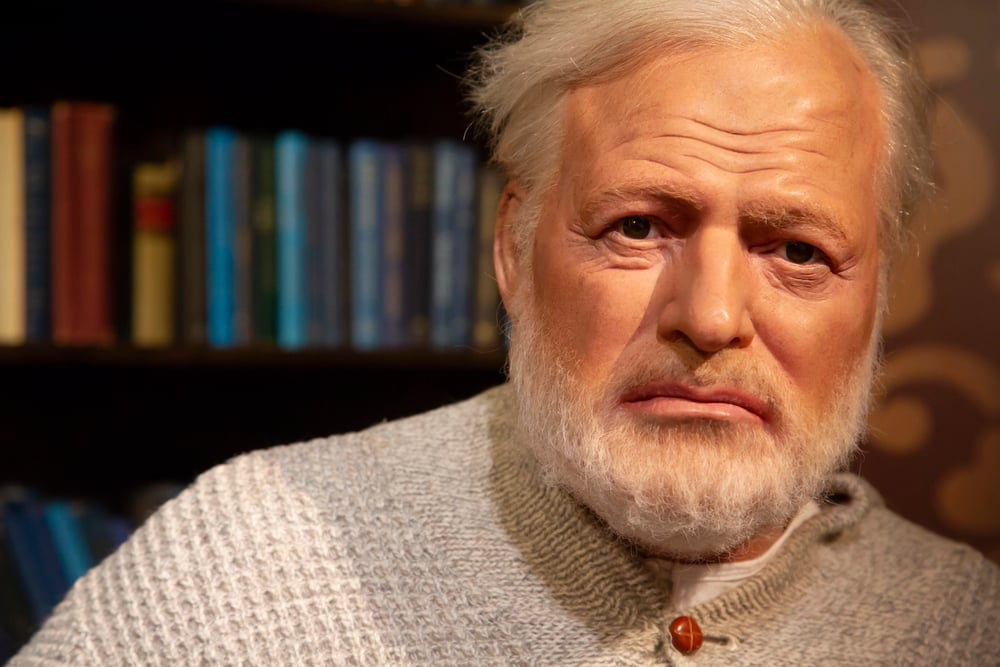
Hemingway stood 6’1″ and built his entire public persona around the idea that writers should be physically imposing rather than bookish and frail. His height let him move convincingly through the world of big game hunting, deep-sea fishing, and war correspondence that provided material for his novels.
But the height also created problems — Hemingway felt constant pressure to live up to his physical presence, leading to increasingly reckless behavior as he aged. He couldn’t just be a tall writer; he had to be a tall writer who proved his masculinity daily.
Theodore Roosevelt
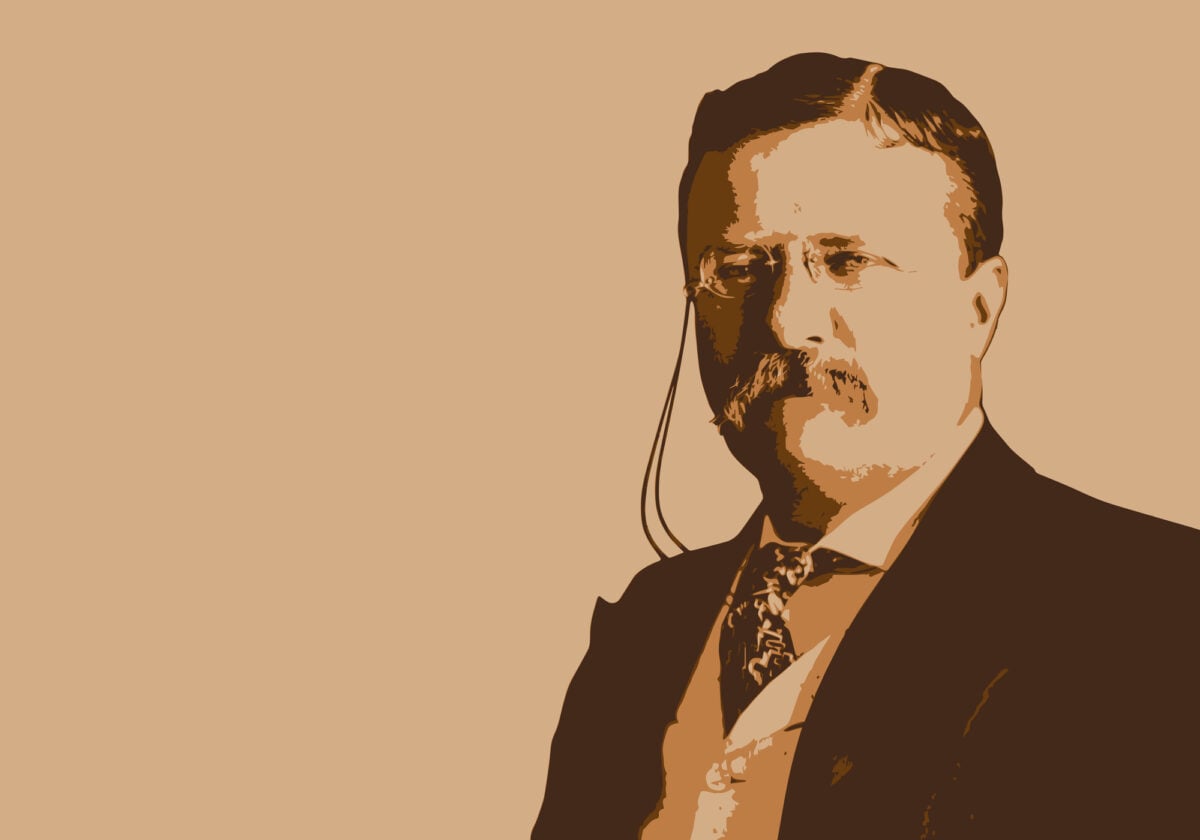
Roosevelt measured 5’10” in an era when most American men stood closer to 5’7″, but his height mattered less than his ability to project energy that seemed to fill whatever space he occupied. The man who famously spoke softly while carrying a big stick understood that physical presence was just another political tool — useful when deployed correctly, but meaningless without the substance to back it up.
Watch old footage of Roosevelt speaking and you’ll notice how he uses his entire body to punctuate points, leaning forward for emphasis, stretching to his full height when making declarations about American power. His famous charge up San Juan Hill worked partly because he looked like someone who belonged leading a cavalry charge rather than hiding behind a desk in Washington.
When Giants Walked Among Us
Height shapes how the world sees you before you’ve had a chance to say a word. These historical figures understood that their unusual stature was both gift and burden — opening doors while creating expectations, commanding attention while inviting criticism.
Their legacies remind us that sometimes the most influential people in history were simply the ones who stood tall enough to be seen above the crowd, then proved they had something worth seeing.
More from Go2Tutors!

- The Romanov Crown Jewels and Their Tragic Fate
- 13 Historical Mysteries That Science Still Can’t Solve
- Famous Hoaxes That Fooled the World for Years
- 15 Child Stars with Tragic Adult Lives
- 16 Famous Jewelry Pieces in History
Like Go2Tutors’s content? Follow us on MSN.