Popular Snacks That Vary Across Continents
The world speaks in snacks. While we’re all familiar with the basics — chips, cookies, crackers — step off the beaten path and things get fascinating fast.
What passes for an everyday munch in Tokyo might seem bizarre in Texas, and what Brazilians consider the perfect afternoon bite could puzzle someone in Belgium. These aren’t just different flavors of the same thing; they’re entirely different approaches to what makes food worth grabbing between meals.
Every culture has figured out its own answer to hunger pangs, boredom, or that specific craving that hits around 3 PM. Some went crunchy, others went sweet, and a few went places that might surprise you entirely.
Seaweed snacks
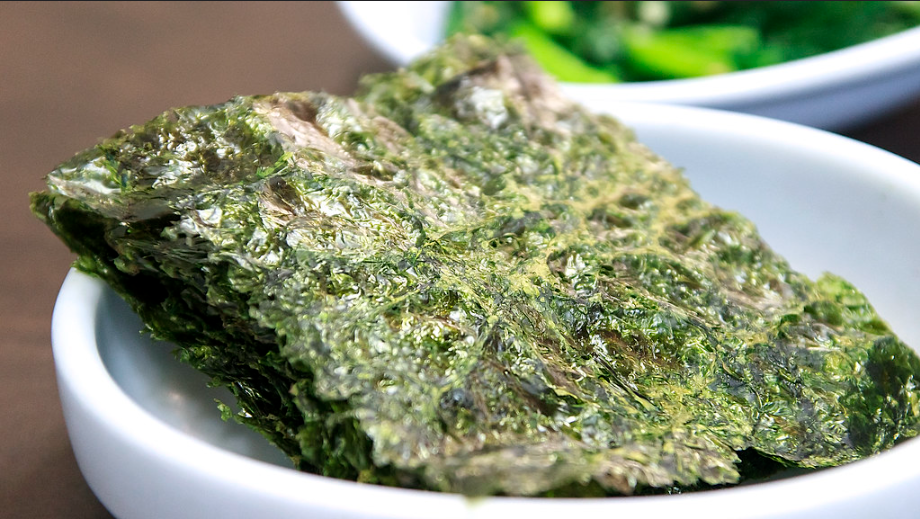
Crispy sheets of roasted seaweed dominate convenience stores across Asia. Salty, light, and surprisingly addictive once you get past the ocean taste.
Biltong
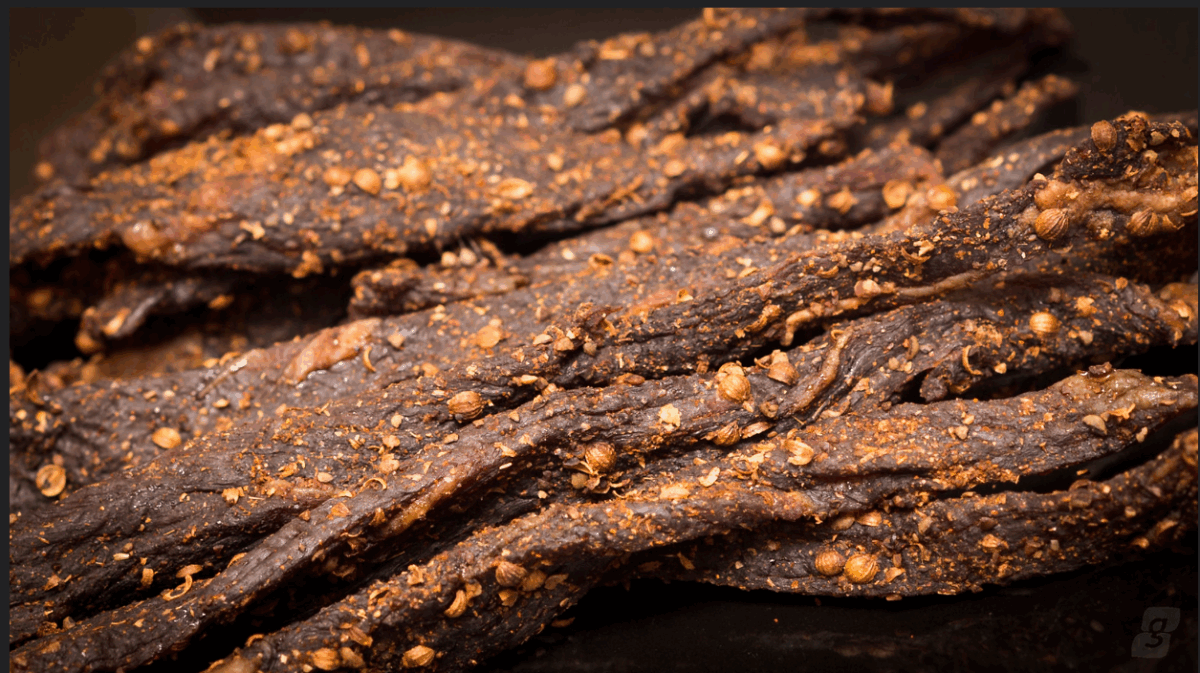
South Africa perfected the art of dried meat long before jerky became trendy. Biltong uses vinegar and coriander in the curing process, creating something more tender and flavorful than its American cousin.
You’ll find it in gas stations from Cape Town to Johannesburg.
Tim Tams
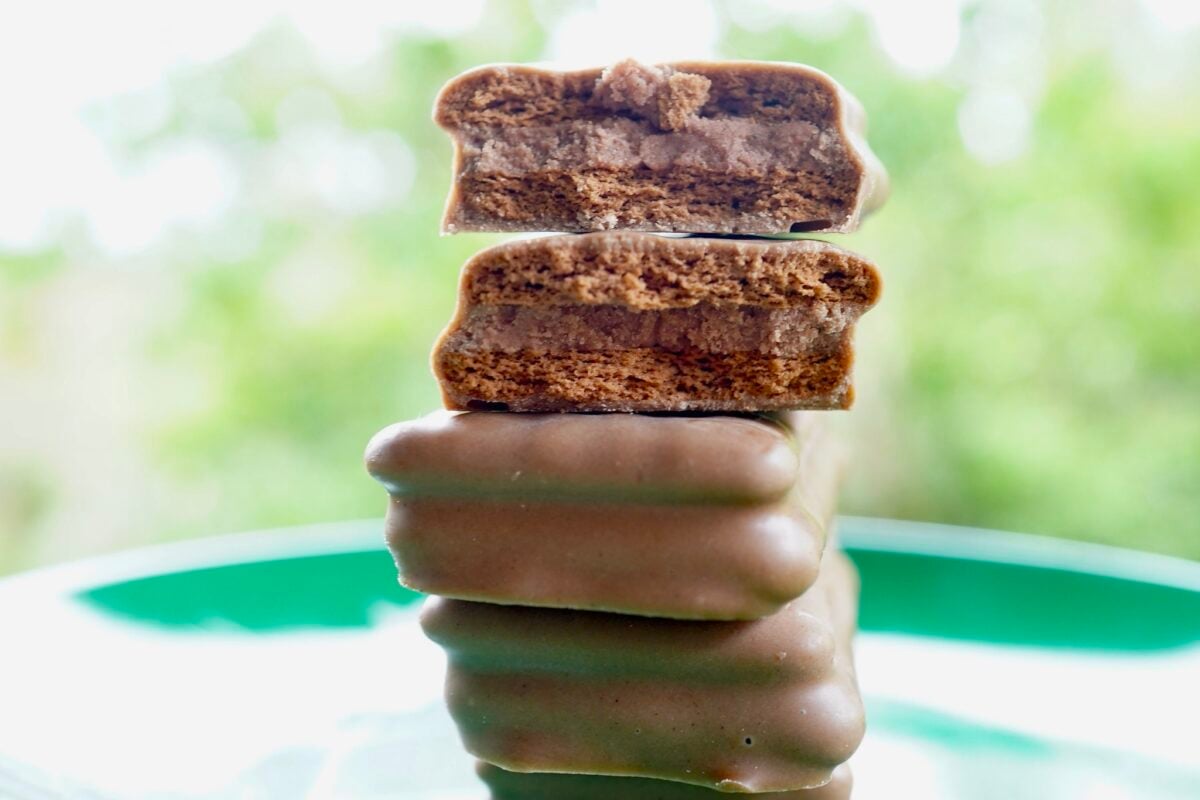
These Australian chocolate-coated biscuits have achieved near-religious status down under, and once you try the “Tim Tam Slam” (biting off opposite corners and using it as a straw for hot coffee), the obsession becomes clear. The chocolate melts, the biscuit softens, and something magical happens that explains why Australians get genuinely homesick for these things.
And yet most of the world has never heard of them, which feels like a cosmic oversight — the kind of cultural blind spot that makes you wonder what else amazing is hiding in plain sight elsewhere.
Churros
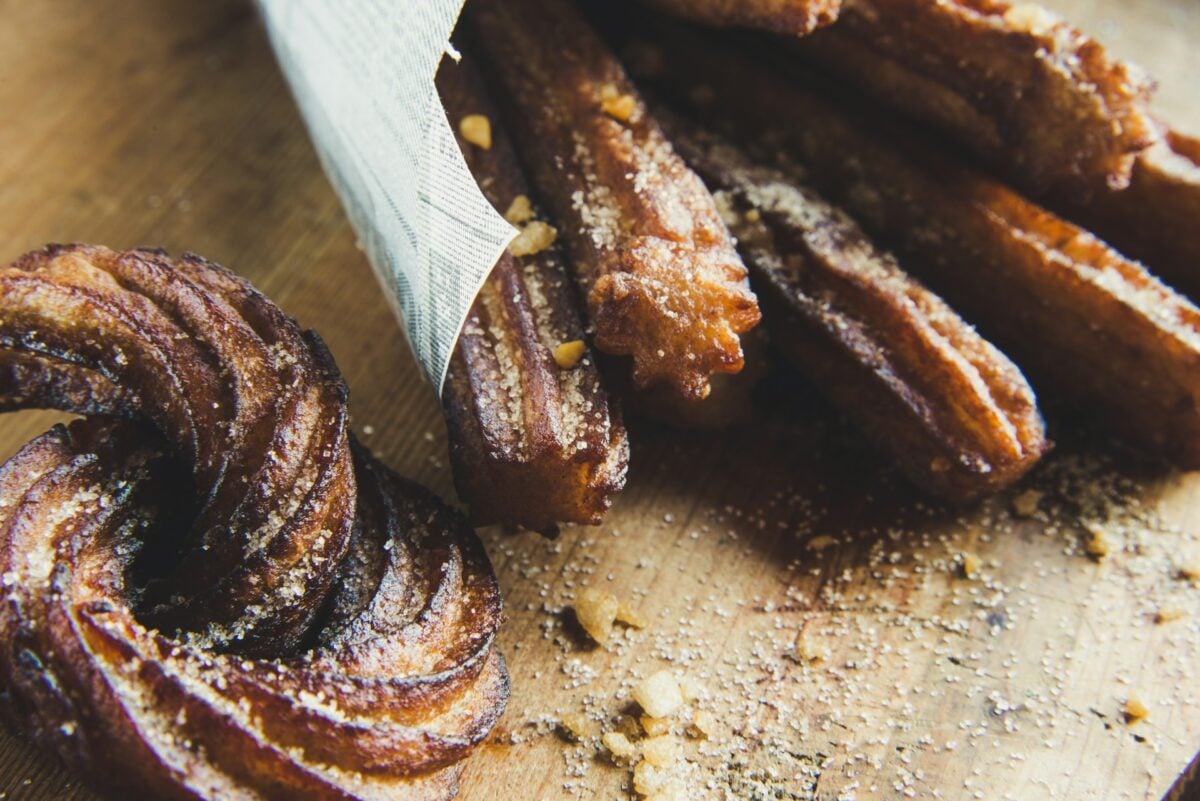
Spain created these ridged sticks of fried dough, but Latin America perfected the art of filling them with dulce de leche, chocolate, or cream cheese. Street vendors across Mexico and Argentina have turned churros into an art form.
The Spanish version stays simple — just dough, oil, and cinnamon sugar.
Dried squid
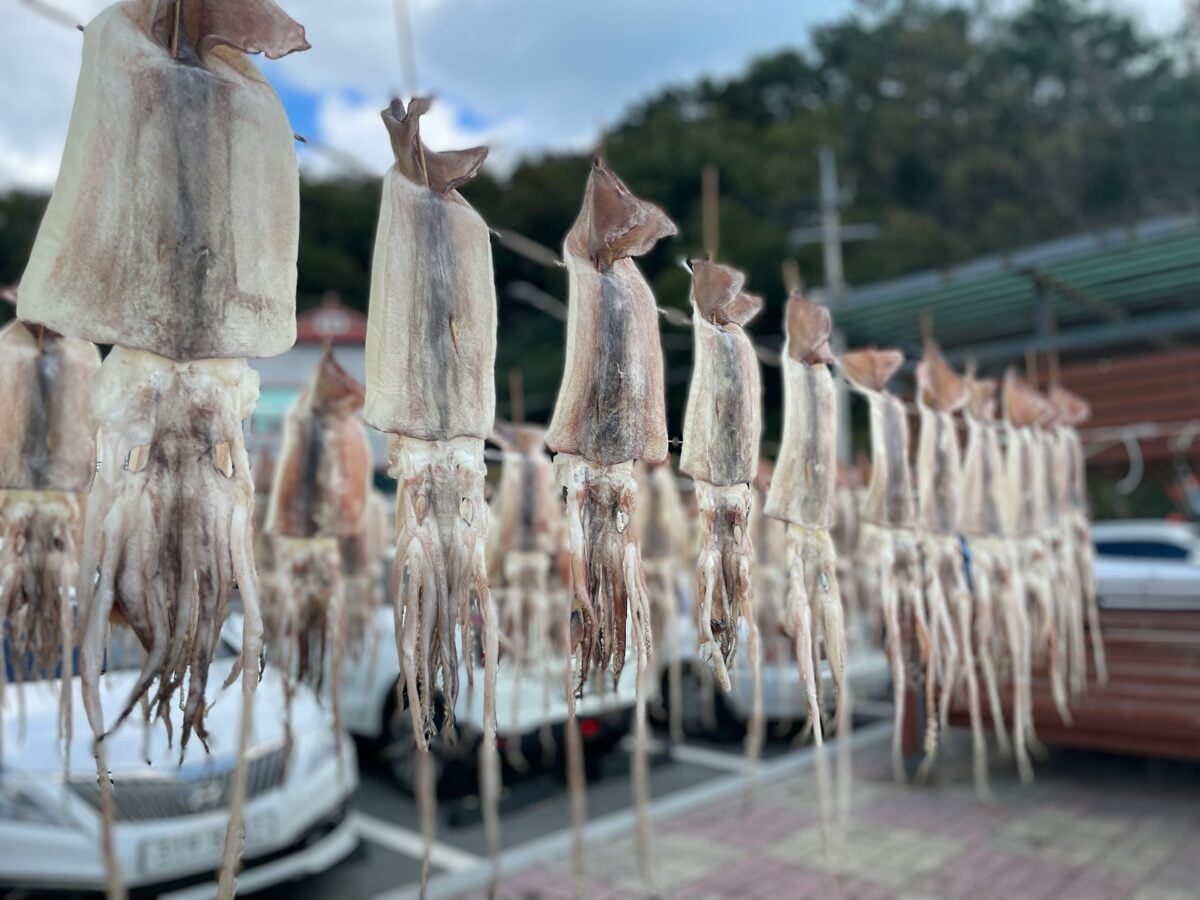
Chewy, salty, and requiring serious jaw commitment. Popular across East Asia as a beer snack, dried squid strips are what beef jerky wishes it could be in terms of pure chewiness.
The flavor is intensely oceanic.
Stroopwafels

The Dutch built these thin waffle cookies around a core of caramel syrup, and the result is something that feels engineered for maximum satisfaction — the crisp waffle gives way to chewy sweetness that sticks to your teeth in the most pleasant way possible. Europeans discovered long ago that placing one over a hot cup of coffee or tea warms the syrup just enough to make the whole thing slightly gooey (which is information that somehow never made it into American consciousness, though it should have).
But here’s what’s strange: despite being perfect and available, stroopwafels remain mostly a European secret. So much for globalization being thorough.
Plantain chips
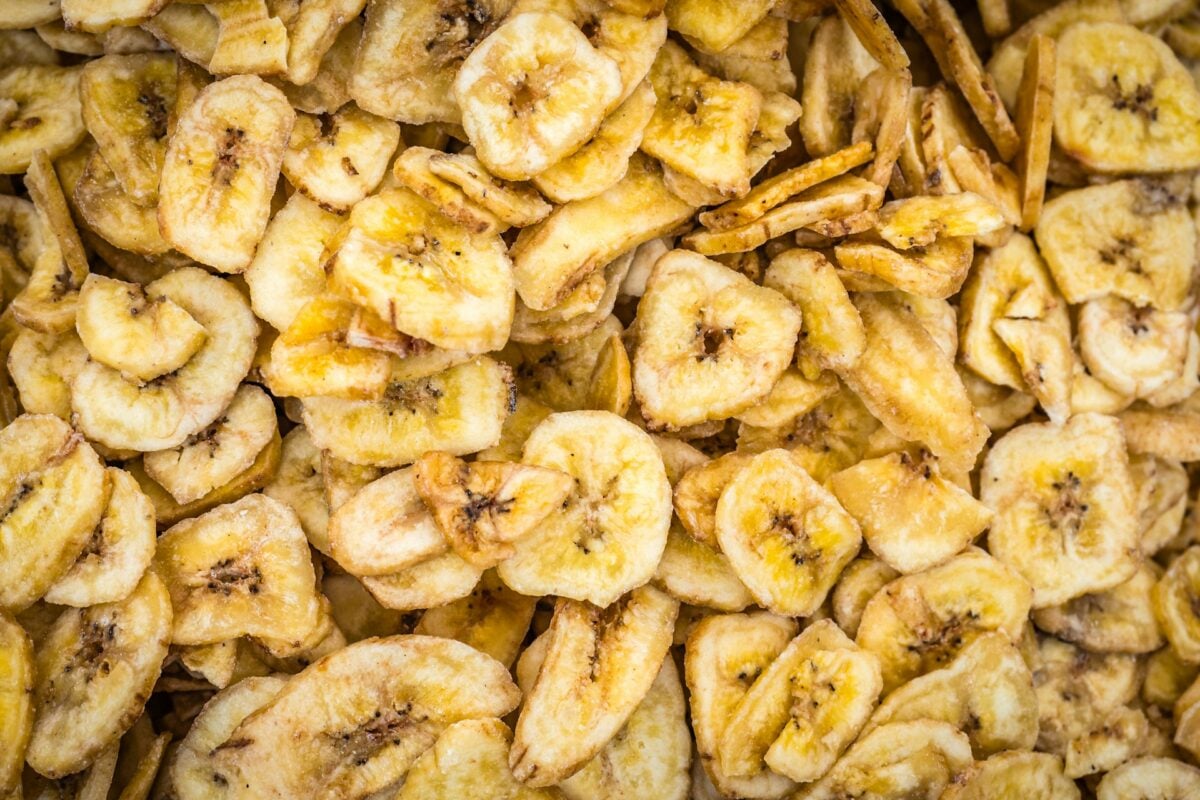
These aren’t bananas, despite what they look like in the produce section. Plantains fry up into something more substantial and less sweet than their yellow cousins.
Across Africa, the Caribbean, and parts of South America, plantain chips are the default crunch.
Pocky

Japan turned breadsticks into candy by coating them in chocolate, strawberry, or dozens of other flavors. Pocky sticks are designed so your fingers never touch the flavored part — which is more genius than it sounds.
Mate crackers
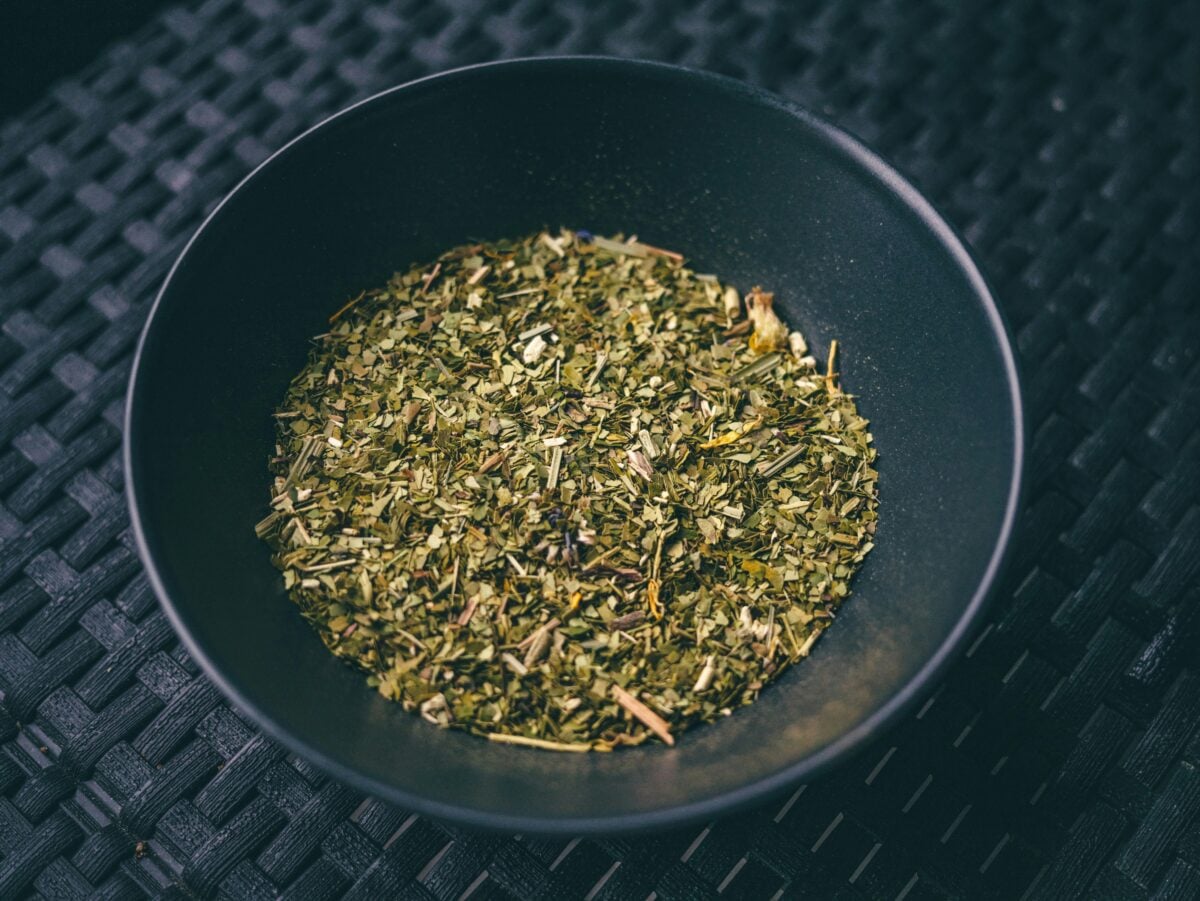
Argentina’s obsession with mate tea extends to crackers flavored with the bitter herb. These green-tinted crackers taste like drinking mate without the ritual of sharing the gourd.
They’re an acquired taste that most Argentinians acquire young.
Koala cookies
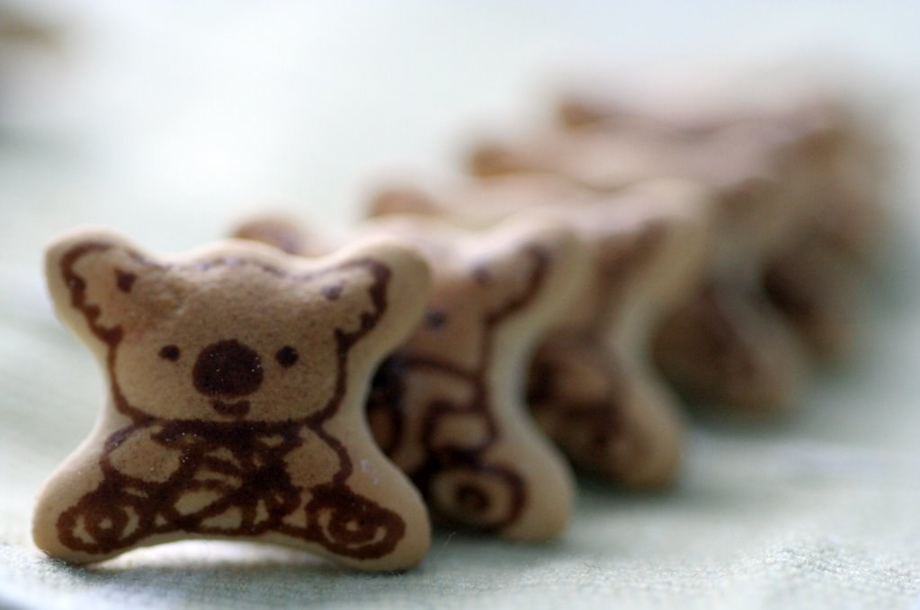
Australia’s other contribution to global snacking comes in the form of small cookies shaped like koala bears, filled with chocolate. Each cookie has a different koala expression printed on it, which shouldn’t matter but somehow makes them more enjoyable to eat.
Tamarind candy
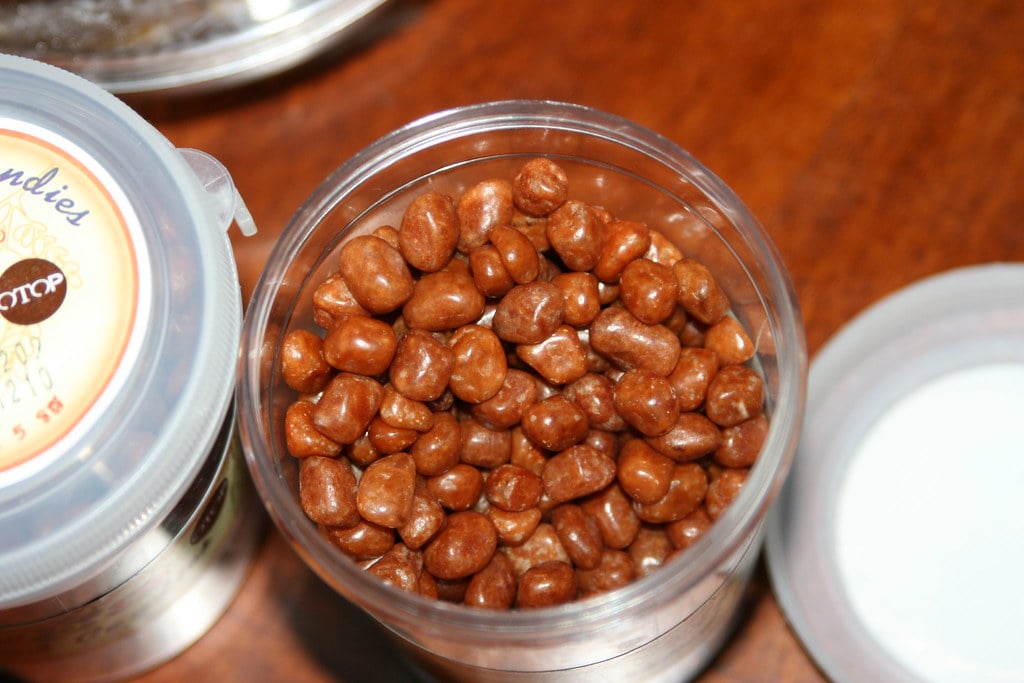
Mexico and Southeast Asia both discovered that tamarind pods make exceptional candy, though they went in completely different directions with the concept — Mexico added chili powder and salt, creating something that hits sweet, sour, and spicy notes simultaneously, while Thailand kept things mostly sweet with just enough tartness to make your mouth pucker slightly. The Mexican version feels like a dare; the Thai version feels like a reward.
And yet both work perfectly, which says something about tamarind being more versatile than most fruits get credit for.
Cheese curds
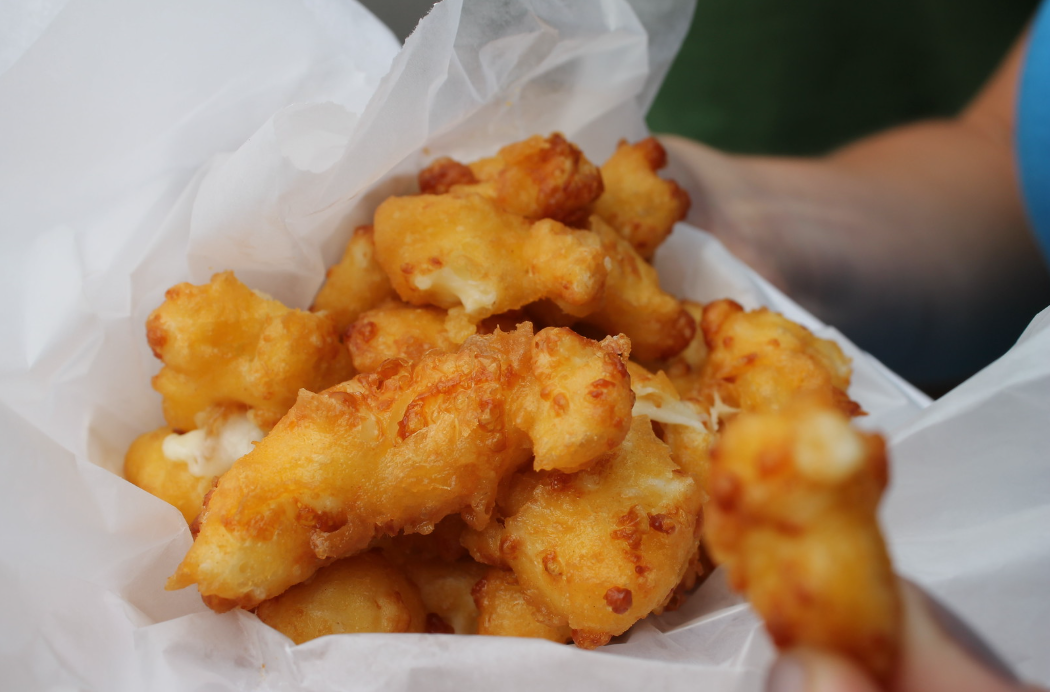
Wisconsin’s squeaky contribution to snacking consists of fresh chunks of cheese that literally squeak against your teeth when you bite them. The squeak means they’re fresh — lose the squeak, lose the magic.
Salmiakki

Finland’s black licorice candy contains ammonium chloride, which creates a salty, slightly medicinal flavor that most non-Finns find alarming. Finns consider this the ultimate test of character.
Brigadeiros
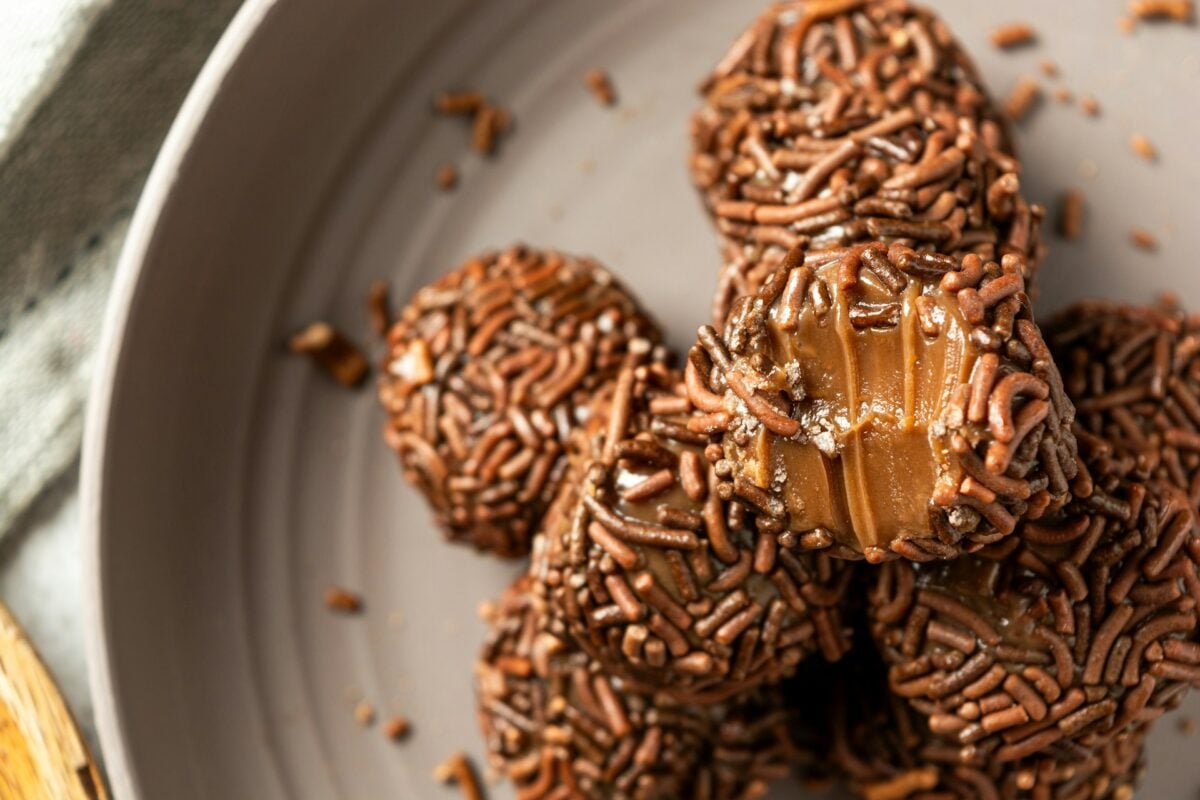
Brazil turned condensed milk, cocoa powder, and butter into small rolled orbs covered in chocolate sprinkles. These aren’t quite fudge, aren’t quite truffles, but occupy their own perfect category of sweetness.
The world gets smaller, the snacks stay stubborn
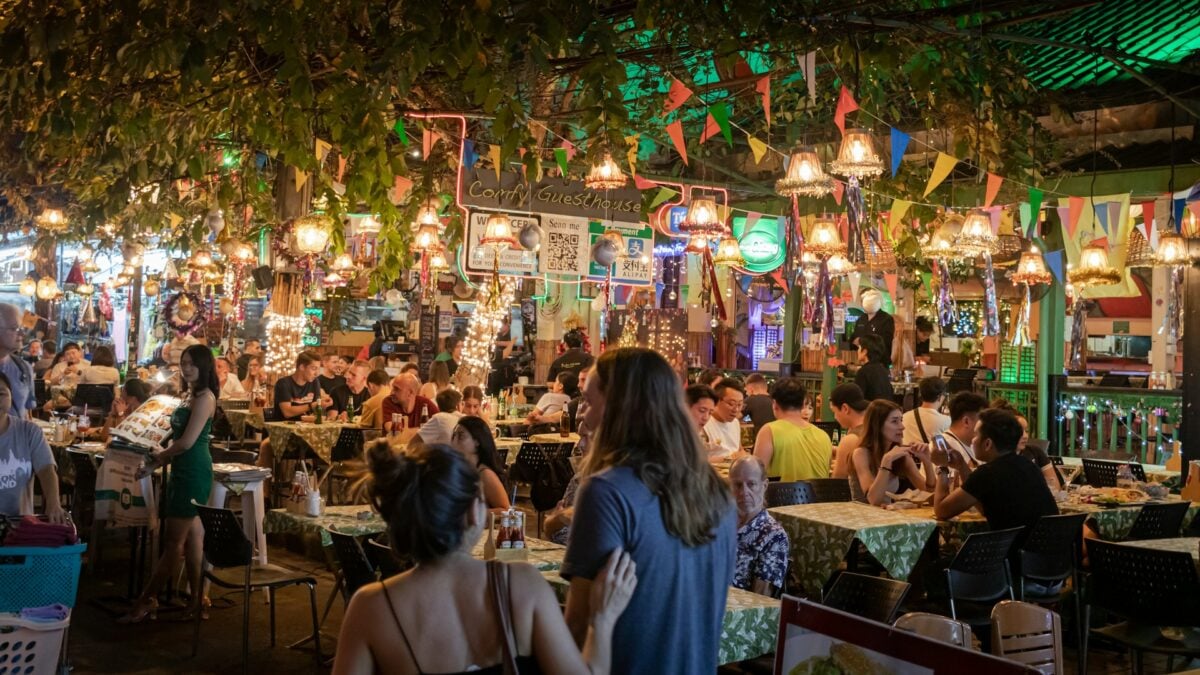
Globalization promised to flatten cultural differences, but snack foods remain remarkably resistant to homogenization. McDonald’s might be everywhere, but try finding proper biltong in Minnesota or decent mate crackers in Manchester.
Food this personal, this tied to childhood memories and local tastes, apparently refuses to travel easily. Which might be the best possible outcome — it keeps the world interesting, one strange and wonderful bite at a time.
More from Go2Tutors!

- The Romanov Crown Jewels and Their Tragic Fate
- 13 Historical Mysteries That Science Still Can’t Solve
- Famous Hoaxes That Fooled the World for Years
- 15 Child Stars with Tragic Adult Lives
- 16 Famous Jewelry Pieces in History
Like Go2Tutors’s content? Follow us on MSN.