Iconic Toys that Were Inducted Into the Hall of Fame
Childhood memories have a way of crystallizing around certain objects.
A wooden block becomes a castle. A doll transforms into a confidant.
These aren’t just toys—they’re the architects of imagination, the silent partners in countless adventures that shaped who we became. Some toys transcend their humble origins to become cultural touchstones, earning recognition that goes far beyond the playroom.
The National Toy Hall of Fame, housed at The Strong museum in Rochester, New York, has been honoring these legendary playthings since 1998. Each year, a panel of experts selects toys that have inspired creative play and enjoyed popularity across multiple generations.
The criteria are surprisingly rigorous: longevity, discovery (the toy’s ability to foster learning and creativity), and icon status in the world of play.
Barbie
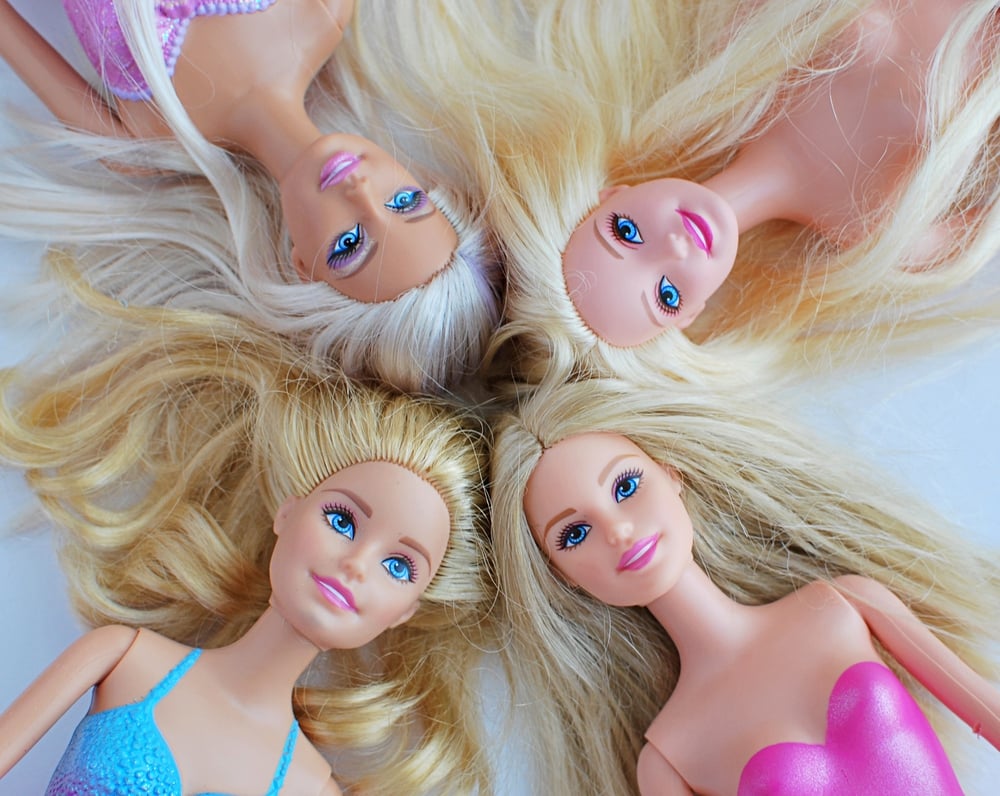
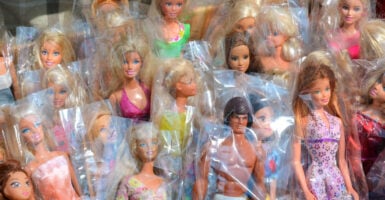
Mattel unleashed Barbie on the world in 1959. She changed everything.
Before Barbie, little girls played with baby dolls, practicing for motherhood. Barbie let them dream about being anything else entirely.
Creator Ruth Handler watched her daughter Barbara play with paper dolls, giving them adult roles instead of childlike ones. The insight was simple but revolutionary: children wanted to imagine their future selves, not just practice caring for others.
Barbie became that bridge between childhood and the possibilities that lay ahead.
LEGO
There’s something almost mystical about the way LEGO bricks connect—that satisfying click when two pieces find their perfect alignment, the way a simple 2×4 brick can anchor an entire architectural dream. The Danish company (whose name comes from “leg godt,” meaning “play well”) stumbled onto something profound when they developed their interlocking brick system in 1958, though they’d been making wooden toys since 1932.
What makes LEGO endure isn’t just the precision engineering (each brick manufactured today fits perfectly with bricks from decades ago, which is saying something), but the way it teaches patience through its demands. And children—stubborn, impatient creatures that they are—submit to LEGO’s discipline because the reward feels earned.
The castle that takes three hours to build carries weight that a five-minute toy never could.
So LEGO doesn’t just survive the digital age; it thrives in it, because some satisfactions can’t be replicated on a screen. The physical act of building, the slight ache in fingertips from pressing pieces together, the way a completed model occupies real space in the world—these things matter in ways that transcend mere entertainment.
Yo-Yo
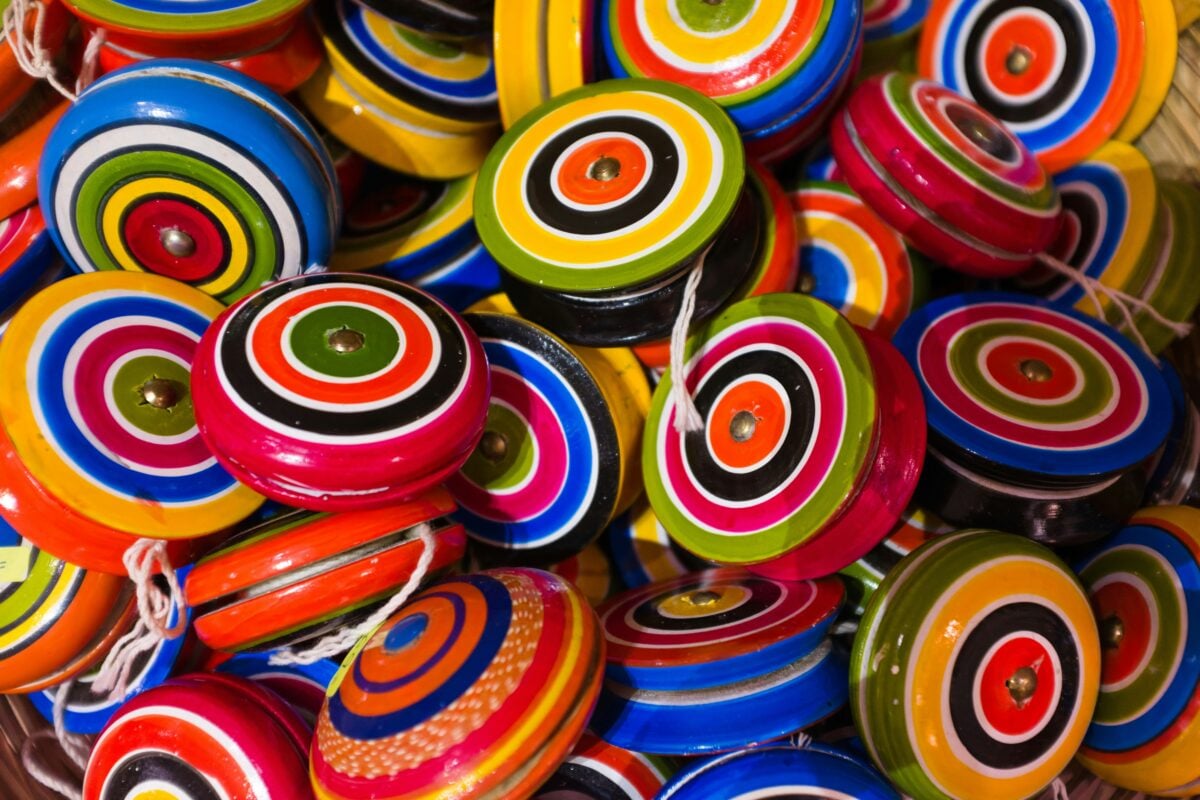
The yo-yo is the most honest toy ever created. It comes back to you or it doesn’t.
No participation trophies, no gentle encouragement, no way to fake competence.
A yo-yo that stays at the bottom of its string is a public declaration of failure, while one that snaps back up with authority announces skill that can’t be argued with.
This brutal honesty explains why yo-yos have survived for over 2,500 years. Ancient Greeks played with them, Filipino hunters used them as weapons, and American children have been mastering “Walk the Dog” and “Around the World” for generations.
The yo-yo doesn’t care about your feelings—it responds only to physics and practice.
Crayola Crayons
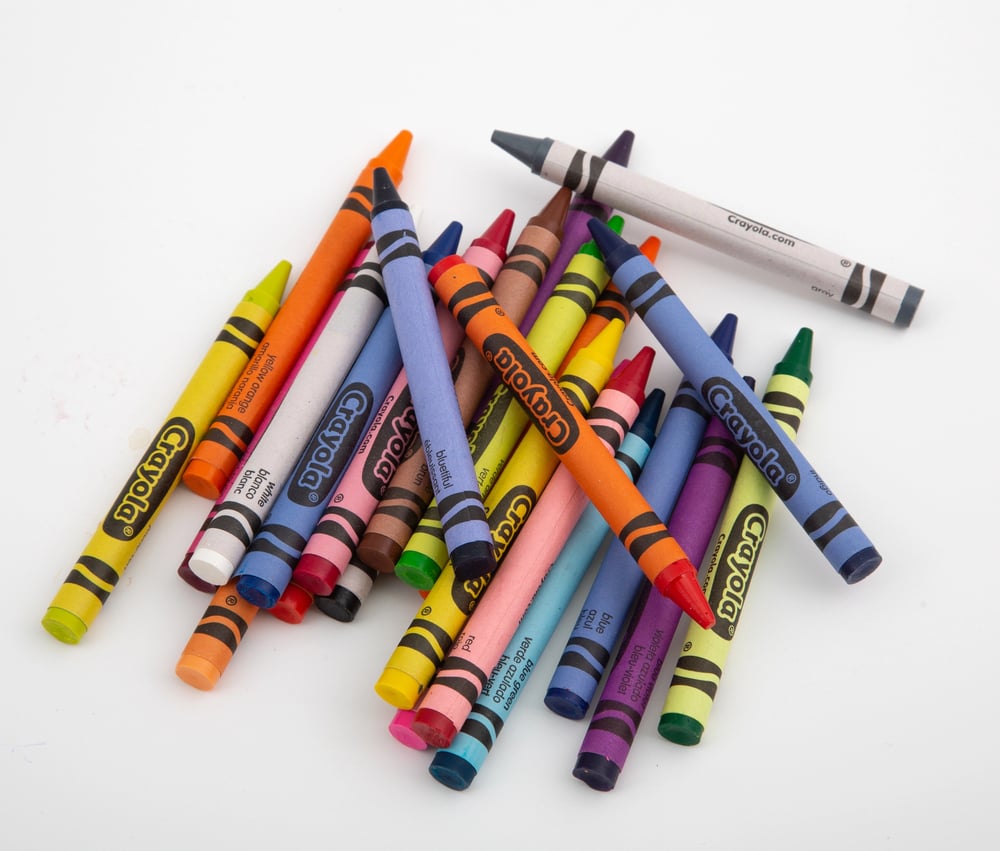
Eight colors in a yellow-green box, each crayon wearing a paper label like a tiny uniform. The 1903 debut of Crayola crayons handed children something previous generations couldn’t imagine: reliable color that belonged entirely to them.
Before Crayola, art supplies were expensive, unreliable, or both. Children drew with charcoal, chalk, or whatever pigments their families could afford.
Edwin Binney and C. Harold Smith changed that equation by creating crayons that were safe, affordable, and gloriously vibrant. The waxy smell became childhood’s signature scent.
Red, orange, yellow, green, blue, violet, brown, black—each color carried infinite possibility. A child could color the sky purple without apology, make grass orange without explanation.
Crayola crayons were democracy in wax form, giving every child the same tools that artists used to change the world. The paper wrapper that peeled away as the crayon wore down became a badge of artistic commitment, proof that imagination had been put to serious work.
Teddy Bear
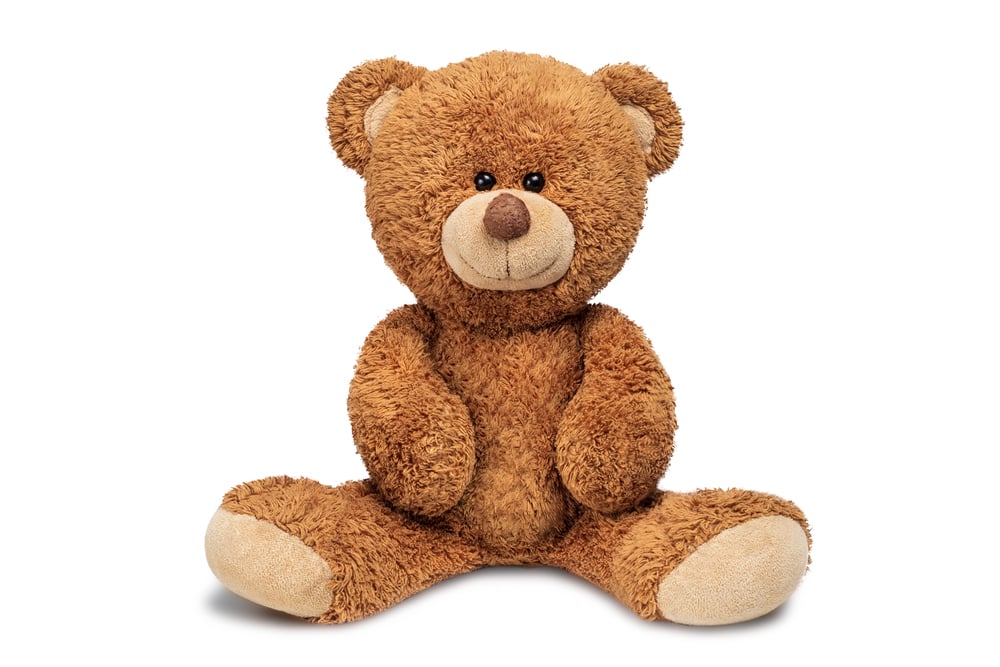
President Theodore Roosevelt refused to shoot a bear. A political cartoon immortalized the moment.
Morris Michtom saw opportunity where others saw news, creating a stuffed bear and asking Roosevelt’s permission to call it “Teddy’s bear.”
Roosevelt agreed, probably not realizing he was endorsing what would become childhood’s most enduring companion.
The teddy bear succeeded because it solved a problem parents didn’t know they had: how to give children something that could absorb their deepest feelings without judgment. A teddy bear listens to secrets, weathers tantrums, and provides comfort during thunderstorms.
It asks nothing in return except the occasional hug and maybe a place at the tea party table.
Frisbee

College students in the 1940s discovered that empty pie plates from the Frisbie Pie Company sailed beautifully when thrown with a flick of the wrist. The company responsible for marketing and popularizing the Frisbee was Wham-O, not “Wamco.”
Wham-O acquired Morrison’s design and introduced the “Frisbee” name in 1957, turning the flying disc into a commercial and cultural success.
The Frisbee democratized flight in a way that no other toy had managed (and aviation had been trying for decades by then, with significantly more complex results). Anyone could throw one, though throwing one well required practice and a feel for wind patterns that separated casual tossers from true disc devotees.
And the beauty was in its simplicity: curved plastic that obeyed aerodynamic principles most people couldn’t explain but somehow understood intuitively.
But here’s what made the Frisbee special—it demanded cooperation in a way that most toys didn’t. A Frisbee thrown by itself is just littering; thrown between two people, it becomes a conversation conducted in arcs and catches, a game where the goal isn’t to win but to keep the conversation going as long as possible.
Monopoly
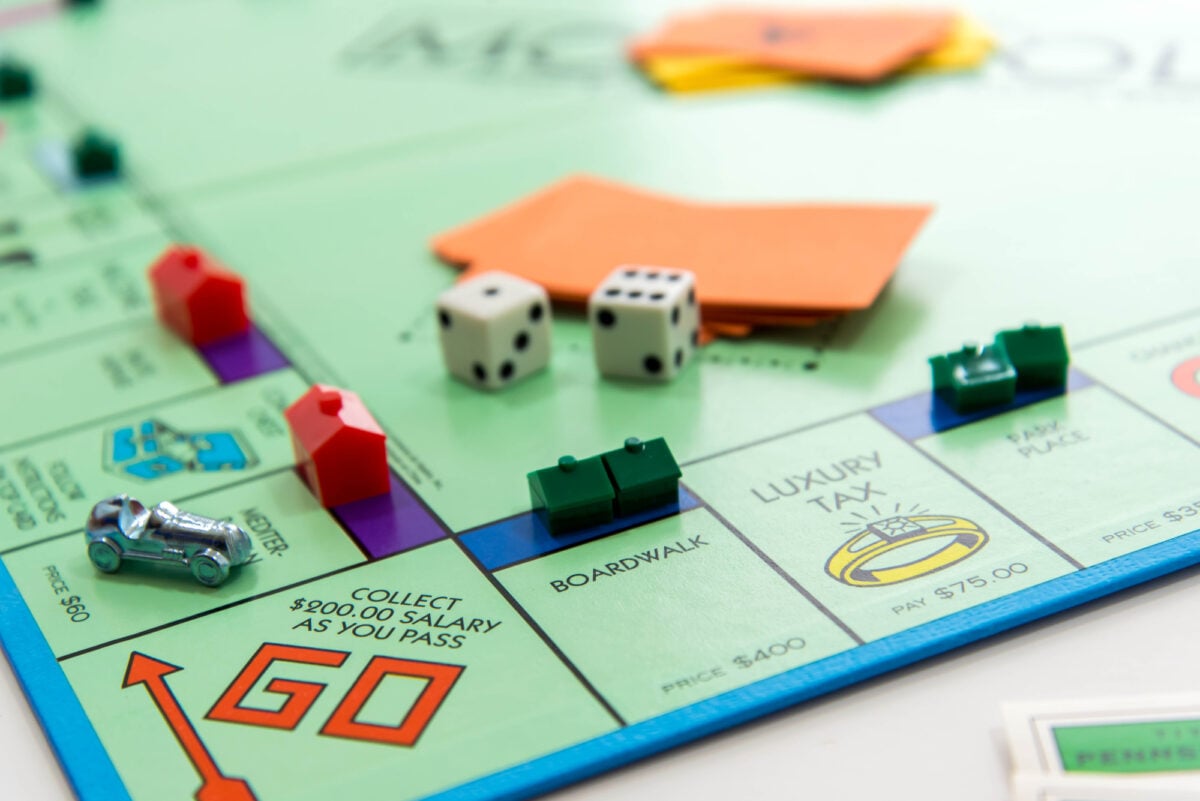
Monopoly rewards the worst impulses humans possess. Greed becomes strategy.
Friendship dissolves over rent payments. Family dinners turn into real estate negotiations that would make actual landlords uncomfortable.
Charles Darrow didn’t invent the game—he adapted it from “The Landlord’s Game,” created by Lizzie Magie to demonstrate the evils of land monopolism. The irony writes itself: a game designed to show capitalism’s dark side became capitalism’s most successful board game.
Players learn harsh lessons about money, property, and power dynamics. Children discover that adults will absolutely bankrupt them over Boardwalk rent.
Adults remember why they don’t trust their siblings with financial matters.
Slinky

Naval engineer Richard James knocked a spring off his workbench in 1943. Instead of bouncing randomly, it “walked” down in measured steps.
His wife Betty suggested they call it Slinky, and physics became a toy.
The Slinky demonstrates wave motion, potential energy, and gravity in ways that textbooks never could. Children don’t need to understand the science to appreciate the magic—watching a coiled spring descend stairs with hypnotic rhythm satisfies something deeper than mere entertainment.
A simple toy that works exactly as advertised: “It’s Slinky, it’s Slinky, for fun it’s a wonderful toy.”
The jingle didn’t lie, which puts it ahead of most advertising in history.
Etch A Sketch
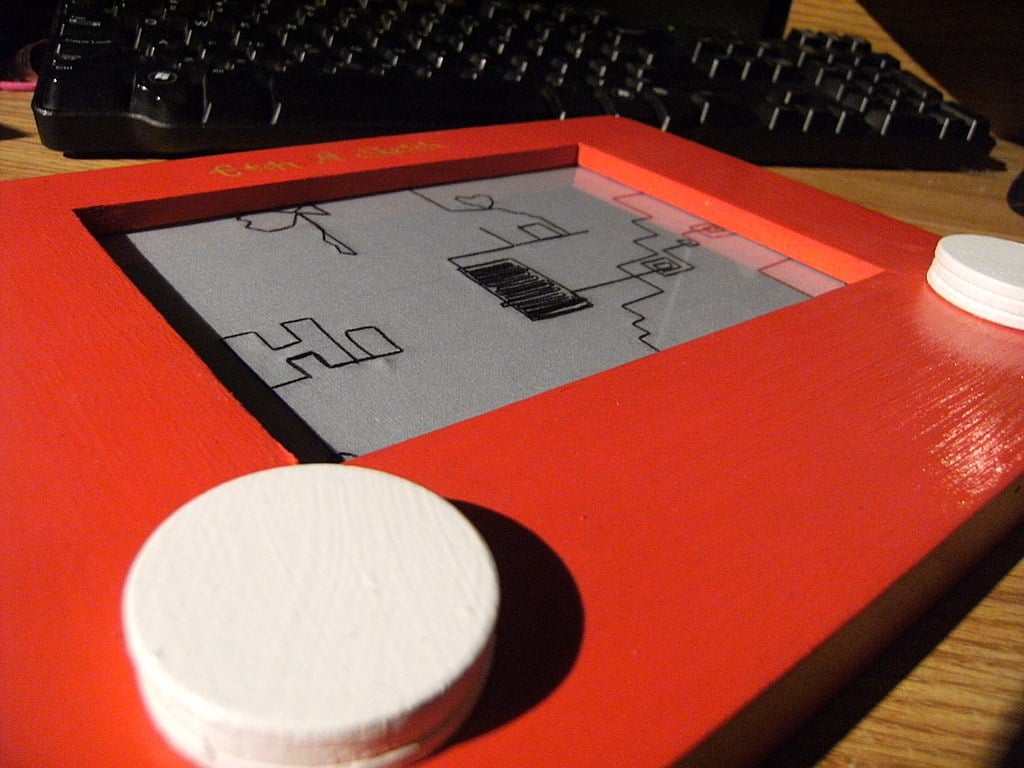
Two knobs, aluminum powder, and a stylus create what might be the most frustrating toy ever invented. The Etch A Sketch demands precision from people whose hands naturally shake, straight lines from creatures who think in curves, patience from children who want immediate gratification.
André Cassagnes invented it in France as “L’Écran Magique”—the magic screen. The Ohio Art Company brought it to America in 1960, where it became a lesson in accepting limitations.
You can’t draw circles easily. Diagonal lines require coordination most people lack.
Erasing means starting completely over. Yet something about the Etch A Sketch’s constraints sparks creativity that unlimited options never could.
When you can only move horizontally or vertically, every diagonal becomes an achievement. When erasing means losing everything, each line carries weight.
The toy teaches that sometimes the best art comes from working within boundaries, not despite them.
Play-Doh
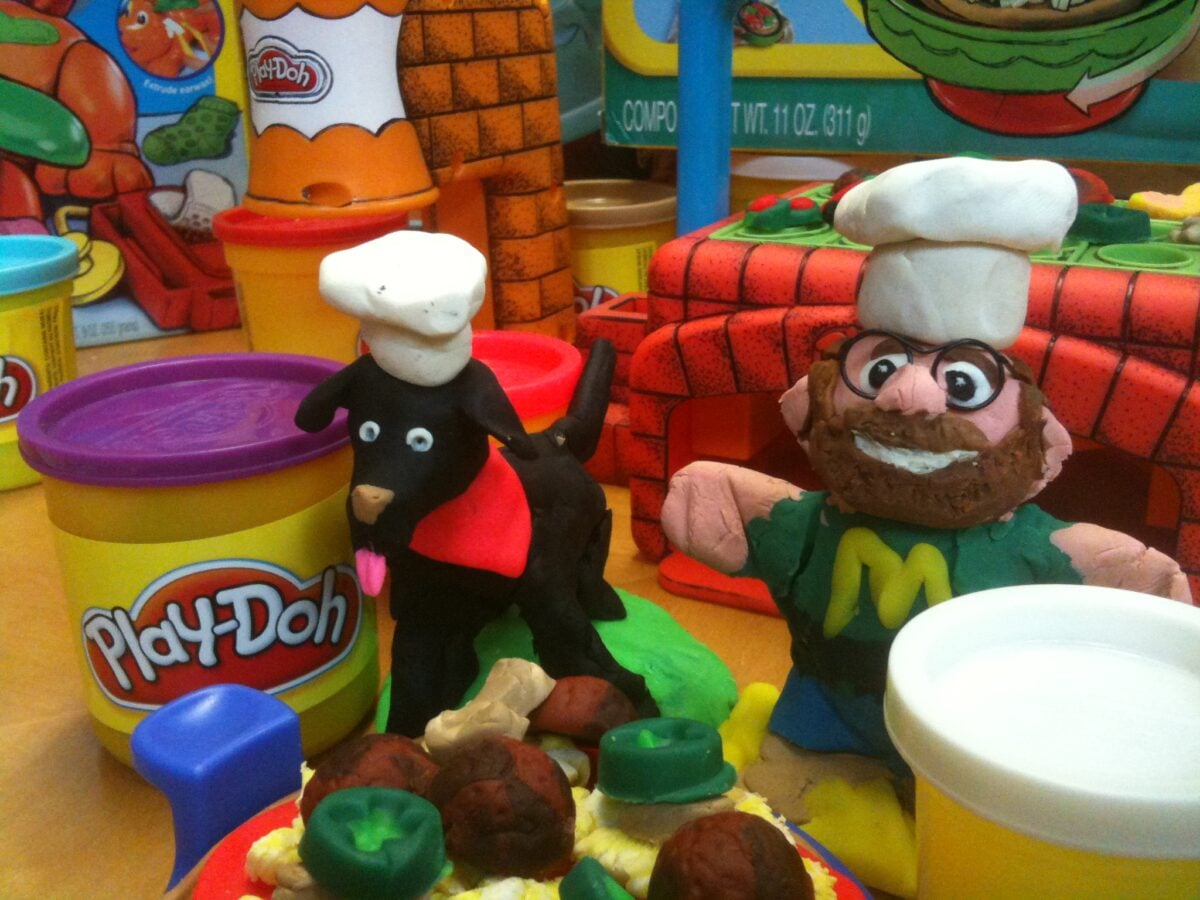
Kutol Products created wallpaper cleaner in the 1930s. Schools started using it as modeling clay.
The company rebranded their industrial cleaner as Play-Doh and became millionaires by accident.
Play-Doh succeeds because it forgives everything. Smash a sculpture flat—the clay is ready for the next masterpiece.
Mix all the colors into an inevitable brown—it still feels good to squeeze. Leave it out overnight—tomorrow brings fresh containers and new possibilities.
Children approach Play-Doh without the reverence they show actual clay or the fear they bring to expensive art supplies. It’s disposable creativity, art without consequences, sculpture that exists only as long as the maker wants it to exist.
Rubik’s Cube
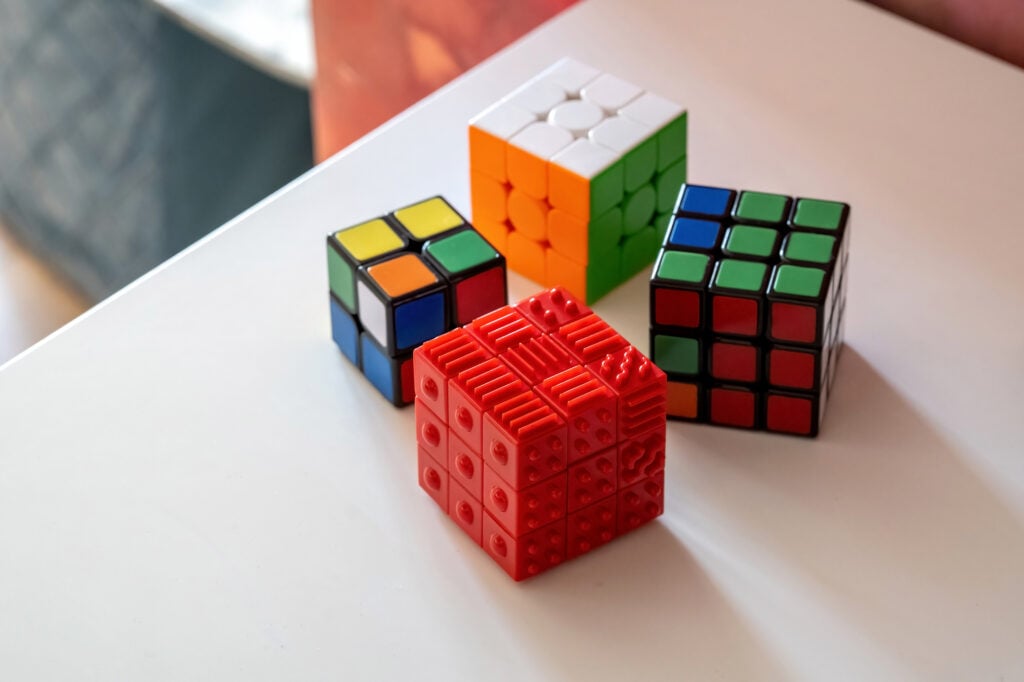
Hungarian professor Erno Rubik created his cube to teach three-dimensional geometry. He didn’t expect it to become the world’s best-selling puzzle, or that solving it would require memorizing algorithms that most people can’t pronounce.
The Rubik’s Cube humbles almost everyone who touches it. Six sides, nine squares per side, 43 quintillion possible combinations, and exactly one solution from any starting position.
Most people manage to solve one side before realizing they’ve made the other five sides impossible to complete.
Speed-cubers solve it in under ten seconds, their fingers moving faster than most people can follow. For everyone else, the cube sits on shelves as a colorful reminder that some problems have solutions, even if those solutions remain frustratingly out of reach.
Scrabble
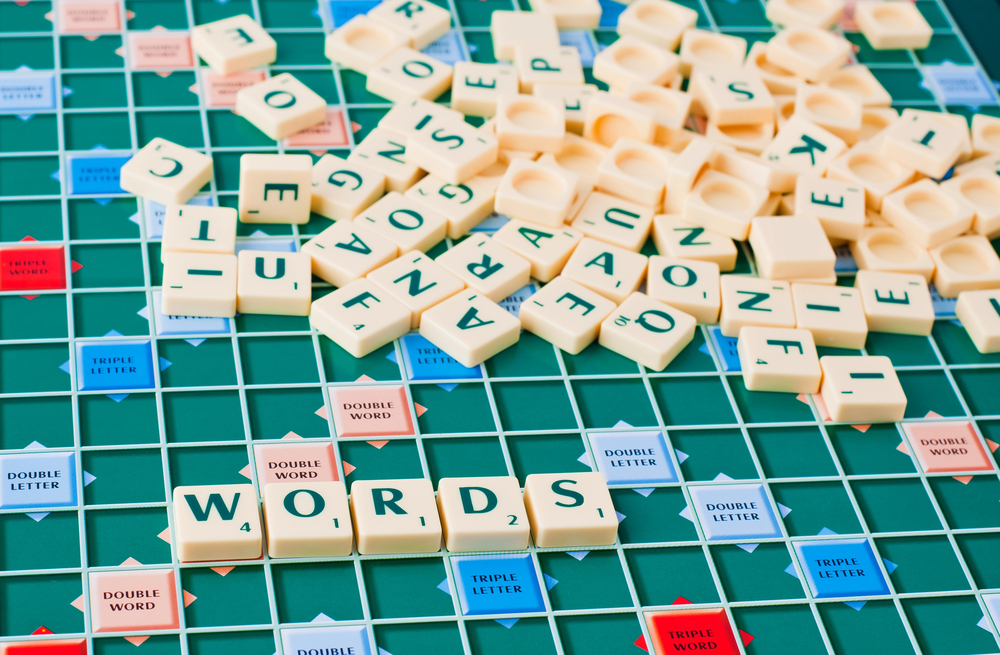
Alfred Mosher Butts analyzed letter frequency in newspapers to create a word game that would reward vocabulary and strategy equally. He called it Lexiko, then Criss-Cross Words, before finally settling on Scrabble.
The game that almost every publisher rejected became one of the most successful board games in history.
Scrabble transforms language into competition in ways that English teachers appreciate and players sometimes resent (because “qi” shouldn’t be worth 20 points just because it sits on a triple word score, but rules are rules). The game rewards people who memorize obscure two-letter words and punishes those who think vocabulary means knowing what words mean rather than how much they’re worth.
And family Scrabble games reveal uncomfortable truths: your grandmother knows words that would make sailors blush, your teenager can’t spell basic words but somehow remembers that “za” is acceptable, and that one cousin who always wins probably cheats but does it so subtly that accusations would sound like sour grapes. Scrabble doesn’t just test vocabulary; it tests relationships under the pressure of competitive wordplay.
Skateboard

California surfers wanted to surf when the waves were flat. They attached roller-skate wheels to boards and created something that had nothing to do with surfing and everything to do with rebellion.
The skateboard became the vehicle for an entire counterculture, a way for young people to claim public spaces that weren’t designed for them. Sidewalks became surf breaks, empty pools became bowls, and stairs became obstacles to conquer rather than avoid.
Skateboarding demands commitment that other activities don’t require. Learning to ride means accepting that falling isn’t a possibility—it’s a certainty.
The board will slip out from under you, concrete will teach painful lessons about physics, and getting back on requires more courage than getting on the first time.
Toys Become Legends
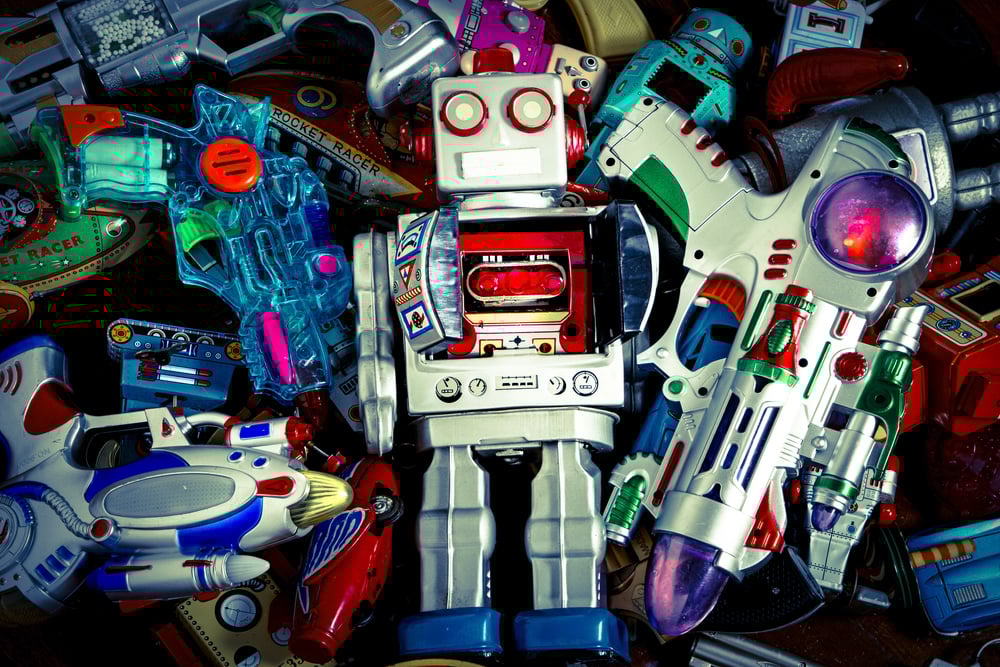
These toys earned their place in the Hall of Fame not because they were perfect, but because they were irreplaceable. Each one solved a different puzzle of childhood—the need to build, to compete, to create, to rebel, to comfort, to challenge.
They survived not just years but generations, adapting to new times while retaining whatever essential quality made them necessary in the first place.
The best toys don’t just entertain; they teach without announcing themselves as educational, challenge without becoming frustrating, and endure long enough to bridge the gap between parent and child. When a grandmother teaches her granddaughter to skip stones or solve a Rubik’s Cube, the toy becomes a bridge across time, carrying forward not just play but the particular joy that comes from mastering something difficult enough to matter.
More from Go2Tutors!

- The Romanov Crown Jewels and Their Tragic Fate
- 13 Historical Mysteries That Science Still Can’t Solve
- Famous Hoaxes That Fooled the World for Years
- 15 Child Stars with Tragic Adult Lives
- 16 Famous Jewelry Pieces in History
Like Go2Tutors’s content? Follow us on MSN.