17 Most Inspiring Real Life Rags to Riches Stories
Some people start with nothing and build empires. Their stories feel impossible until you see the receipts — the business records, the interviews, the photographs of where they came from.
These aren’t fairy tales or motivational poster slogans. These are real people who clawed their way from poverty to wealth through determination, creativity, and relentless work. Their journeys remind you that your current circumstances don’t determine your final destination.
Oprah Winfrey

Born into rural poverty in Mississippi, Oprah faced challenges that would have broken most people. She wore dresses made from potato sacks and was raised by a grandmother who was strict enough to make her memorize Bible verses as punishment.
By age 14, she was pregnant and lost the baby shortly after birth. But something in Oprah refused to accept that this was her story’s ending. She discovered she had a gift for speaking and connecting with people — and more importantly, she wasn’t afraid to use it.
Local radio stations noticed her talent, which led to television opportunities that eventually became the platform for building a media empire worth billions. The girl who once had nothing now owns her own television network and has given away more money than most people will ever see.
Howard Schultz

The kid from the Brooklyn housing projects had no business thinking he could revolutionize how America drinks coffee. Schultz’s father worked a series of blue-collar jobs that barely kept the family afloat, and there was no money for college dreams or entrepreneurial fantasies.
Yet when Schultz encountered Italian espresso culture during a business trip (he was working as a salesperson for a housewares company at the time), something clicked that changed everything. He saw the possibility where others saw just another beverage.
The man who grew up with nothing but determination convinced investors to back his vision for Starbucks, transforming a small Seattle coffee bean retailer into the global phenomenon that puts a location on nearly every corner. His net worth now exceeds $4 billion — not bad for someone who started with empty pockets and a stubborn belief that Americans would pay premium prices for quality coffee.
Jan Koum

Poverty follows you in ways that success can’t entirely erase — it lives in how you think about money, in the habits you can’t shake, and in the constant awareness that everything you’ve built could disappear. Jan Koum learned this early when his family immigrated from Ukraine to California with almost nothing, surviving on food stamps and government assistance while his mother worked as a babysitter and his father tried to find construction work.
The boy who once swept floors at a grocery store to help his family pay rent would later co-found WhatsApp in a small office space, building the messaging app that connected billions of people across the globe. When Facebook acquired WhatsApp for $19 billion, Koum’s personal share was worth over $6 billion.
But here’s what makes his story particularly compelling: he signed the Facebook deal at the very social services building where he had once stood in line for food stamps, deliberately choosing that location to remind himself how far he’d traveled.
Ralph Lauren
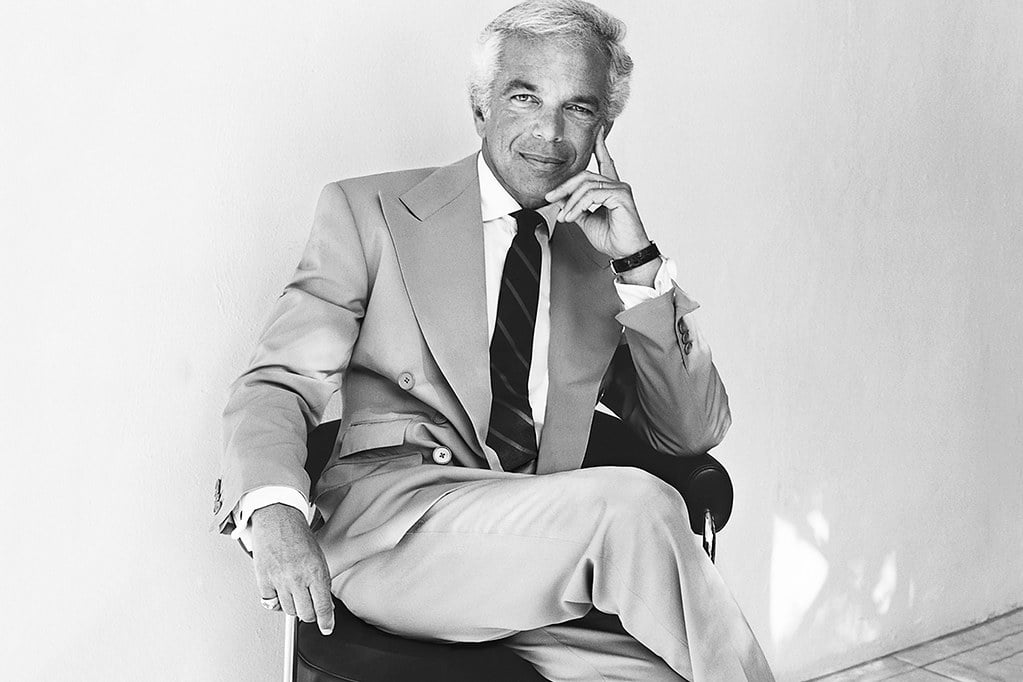
Fashion is supposed to be about pedigree and connections. Ralph Lauren (born Ralph Lifshitz) had neither.
Growing up in the Bronx, he sold ties out of a drawer in someone else’s showroom because he couldn’t afford his own space. The ties didn’t look like anything else on the market — they were wider, bolder, designed for men who wanted to make a statement.
Department store buyers thought they were too unusual to sell. Lauren kept making them anyway.
That stubborn confidence in his own vision built the Polo Ralph Lauren empire worth billions. The man who started by borrowing $50,000 to make ties nobody wanted now defines American luxury fashion.
Do Won Chang

The American dream gets complicated when you arrive with big plans and discover reality has other ideas — language barriers, cultural differences, and the humbling realization that your credentials from home mean nothing in your new country. Do Won Chang experienced this firsthand when he immigrated from South Korea to Los Angeles with his wife and $11,000, working at a gas station, then a coffee shop, then as a janitor while trying to figure out how to build something larger.
But Chang was paying attention during those early jobs, particularly when he noticed that the fashion industry had a gap: trendy, affordable clothing for young people who wanted to look current without spending designer prices. So he and his wife Jin Sook opened a small clothing store in Highland Park, selling imported apparel that captured the latest trends at accessible prices.
That single store became Forever 21, the fast-fashion empire that generated billions in revenue. And the man who once cleaned office buildings at night now owns a company that dresses millions of people around the world — though he’ll tell you that those early years of struggle taught him more about business than any formal education ever could have.
Sheldon Adelson
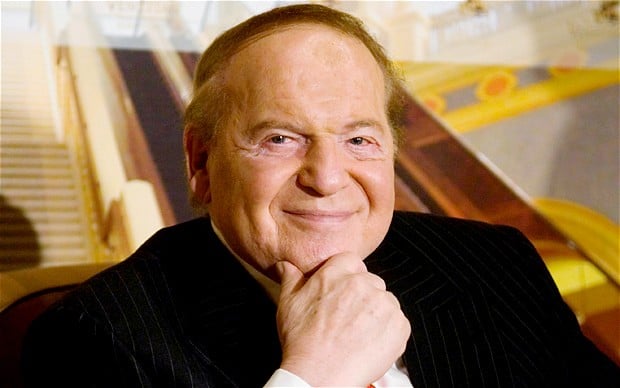
Boston’s working-class neighborhoods don’t typically produce casino moguls. But Sheldon Adelson never seemed to notice what was typical.
His father drove a taxi and his mother ran a knitting shop, which meant money was always tight and college wasn’t in the family budget. Adelson started working early — selling newspapers on street corners as a kid, then moving through a series of small businesses and ventures that taught him how to spot opportunities others missed.
Real estate, trade shows, technology — Adelson tried different industries before finding his calling in Las Vegas casinos. He built The Venetian, expanded into Macau, and created a gaming empire worth billions.
The newspaper boy from Dorchester became one of the world’s richest men through a combination of calculated risks and an absolute refusal to think small.
Kenny Troutt

There’s something about growing up poor that either breaks your spirit or makes you relentless. Kenny Troutt chose relentlessly.
Raised by a single mother in a housing project in Mount Vernon, Illinois, he watched her work multiple jobs just to keep them afloat. College happened because of student loans and part-time work, not family money.
After graduation, he sold life insurance and tried to figure out what came next. What came next was Excel Communications, a long-distance telephone service company that Troutt built through network marketing just as the telecommunications industry was exploding.
He sold the company for $3.5 billion, transforming himself from the poor kid in public housing into one of America’s wealthiest individuals. That’s the kind of financial leap that changes not just your life, but your entire family’s trajectory for generations.
Mohed Altrad
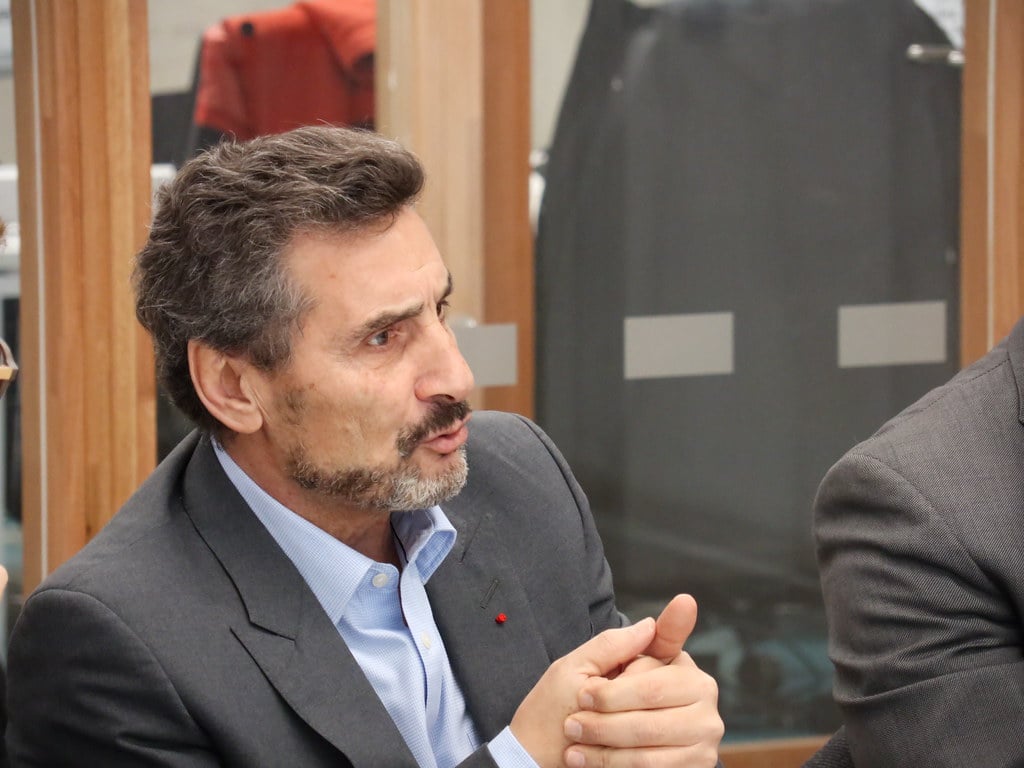
Some origin stories read like folklore until you realize they’re documented facts — birth certificates, immigration records, business filings that prove the impossible actually happened. Mohed Altrad’s story falls into this category: born to a Bedouin mother in the Syrian desert, abandoned by his father, raised by his grandmother in conditions so remote and harsh that formal education seemed like a fantasy rather than a possibility.
Yet something in Altrad burned for knowledge with an intensity that overcame every obstacle placed in his path. He taught himself to read, convinced teachers to let him attend school despite having no proper documentation, and eventually earned his way to France for university studies.
But the real transformation came when he purchased a failing scaffolding company with borrowed money and turned it into the Altrad Group, now a multinational construction services empire worth billions. The boy who once tended goats in the desert now runs companies across multiple continents, proving that sometimes the most unlikely backgrounds produce the most extraordinary success stories — though he’ll be the first to tell you that every step forward required fighting for what others took for granted.
John Paul DeJoria
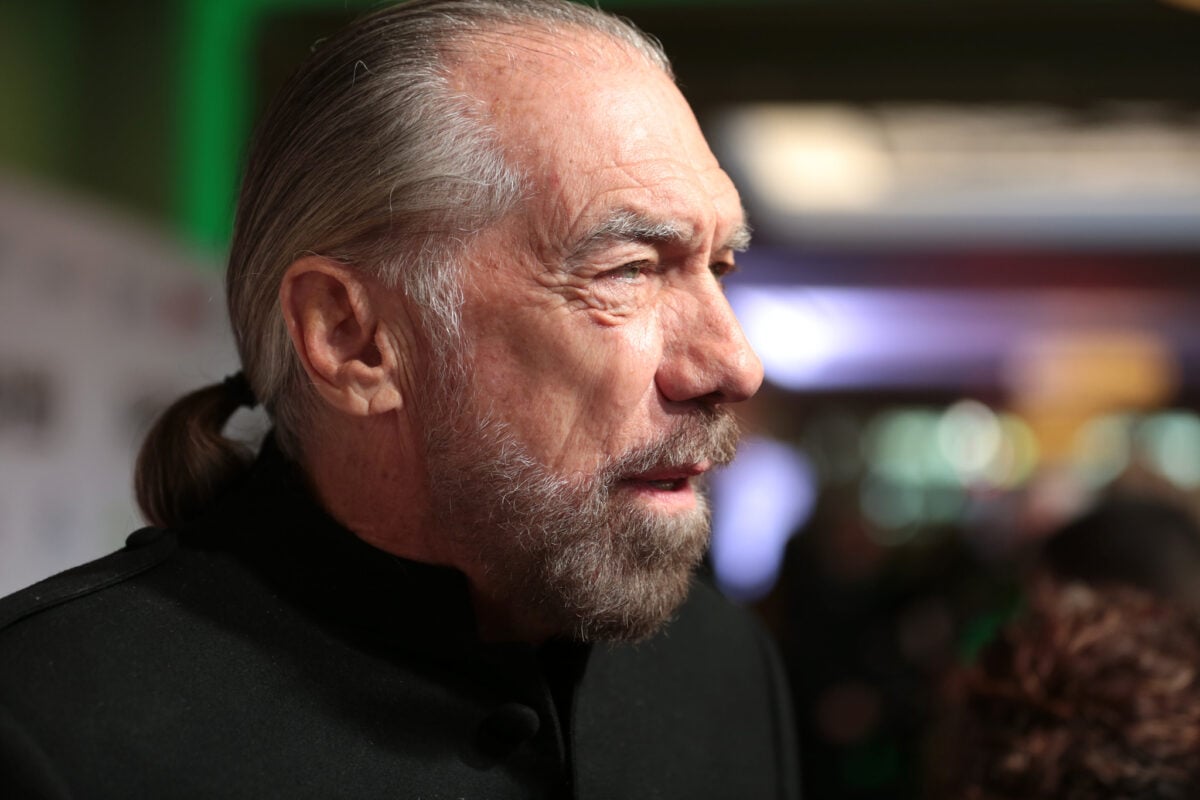
Getting fired can destroy your confidence or clarify your purpose. For John Paul DeJoria, it did both.
He grew up in a poor immigrant family, spent time in foster care, and joined the Navy partly because he needed structure and partly because he needed a paycheck. After military service, he bounced between sales jobs until he got fired from one hair care company too many.
That’s when DeJoria decided to stop working for other people and start building something of his own. With $700 and a business partner, he launched Paul Mitchell hair products, selling shampoo out of his car to salons that were willing to try something new.
Those early rejections taught him persistence, and that persistence built a company worth hundreds of millions. Later, he co-founded Patron Spirits, proving that sometimes getting fired is the best thing that can happen to your career.
Kirk Kerkorian
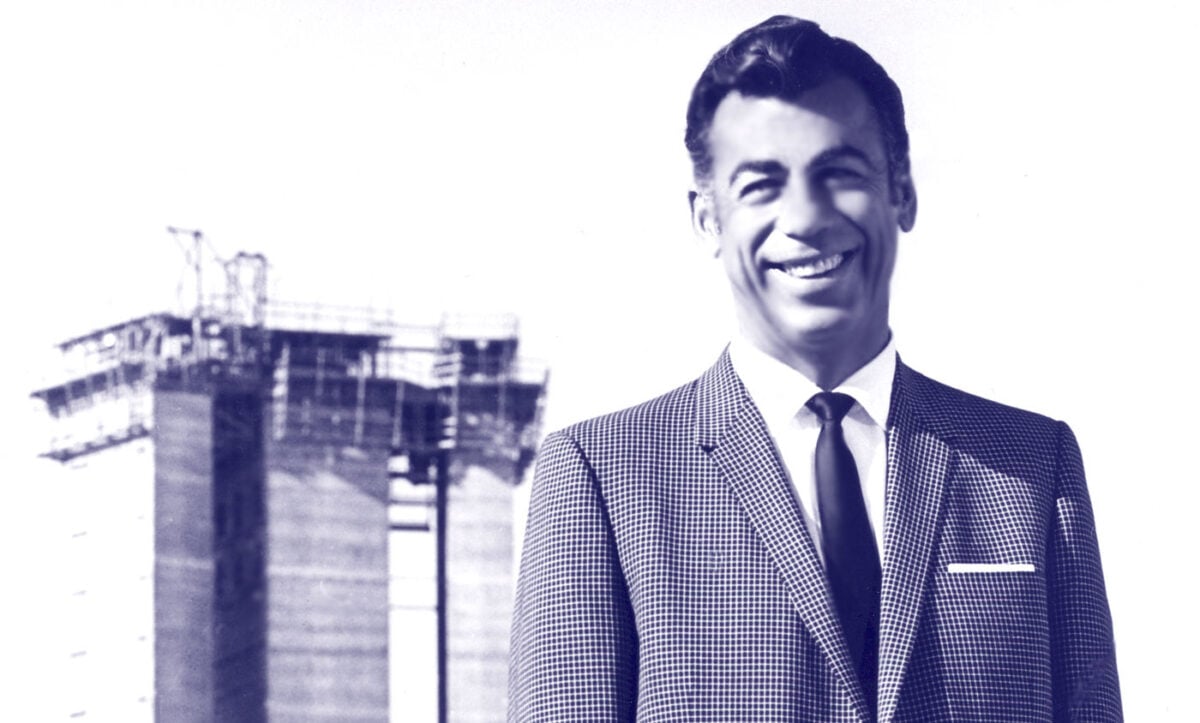
Las Vegas transforms people, but Kirk Kerkorian transformed Las Vegas. Born to Armenian immigrants in California’s Central Valley, he dropped out of school in eighth grade to help support his family.
Boxing, the military, charter flights — Kerkorian worked whatever jobs would pay the bills while he figured out where his real talents lay. Those talents, it turned out, were in seeing potential where others saw problems.
He bought and sold airlines, built and rebuilt casinos, and turned the Las Vegas Strip into the entertainment destination it is today through projects like the International Hotel and MGM Grand. The school dropout who once lived on the financial margins became one of America’s richest men, worth over $4 billion at his peak.
Leonardo Del Vecchio
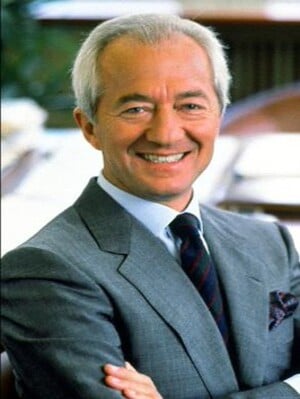
Milan’s orphanages in the 1940s weren’t launching pads for global business empires — they were places where poor children went when their families couldn’t support them. Leonardo Del Vecchio ended up in one of these institutions at age seven when his widowed mother realized she couldn’t provide for all her children on a factory worker’s income.
The experience taught him early that survival required both self-reliance and an understanding that nobody was going to hand him opportunities. After leaving the orphanage, Del Vecchio learned metalworking through apprenticeships and technical training, developing skills that seemed destined for a lifetime of steady but unremarkable employment.
Instead, he used that foundation to establish a small workshop making eyeglass frames, which grew into Luxottica — the company that eventually dominated global eyewear through brands like Ray-Ban, Oakley, and partnerships with luxury fashion houses. So the orphaned boy who started with nothing built a business worth tens of billions, becoming one of Italy’s richest men.
And he did it by taking something as basic as vision correction and turning it into high fashion, proving that even the most utilitarian industries can be transformed by someone willing to think differently about what’s possible.
Sam Walton

Small-town America was supposed to be retail’s dead end, not its revolution. Sam Walton grew up during the Depression in Oklahoma and Missouri, where his father moved the family frequently chasing farm-related work.
Money was tight enough that college required loans and part-time jobs, not family support. After military service and a few years learning the retail business through other people’s stores, Walton opened his own variety store in Arkansas.
But his real insight came when he realized that small towns were underserved by major retailers who assumed rural customers wouldn’t drive far for better prices and selection. Walton built Walmart by proving them wrong, creating the world’s largest retailer by focusing on places other companies ignored.
The farm boy from Depression-era America became one of the world’s richest men by understanding what regular people actually wanted: good products at fair prices, even if they had to drive a few extra miles to get them.
Francois Pinault
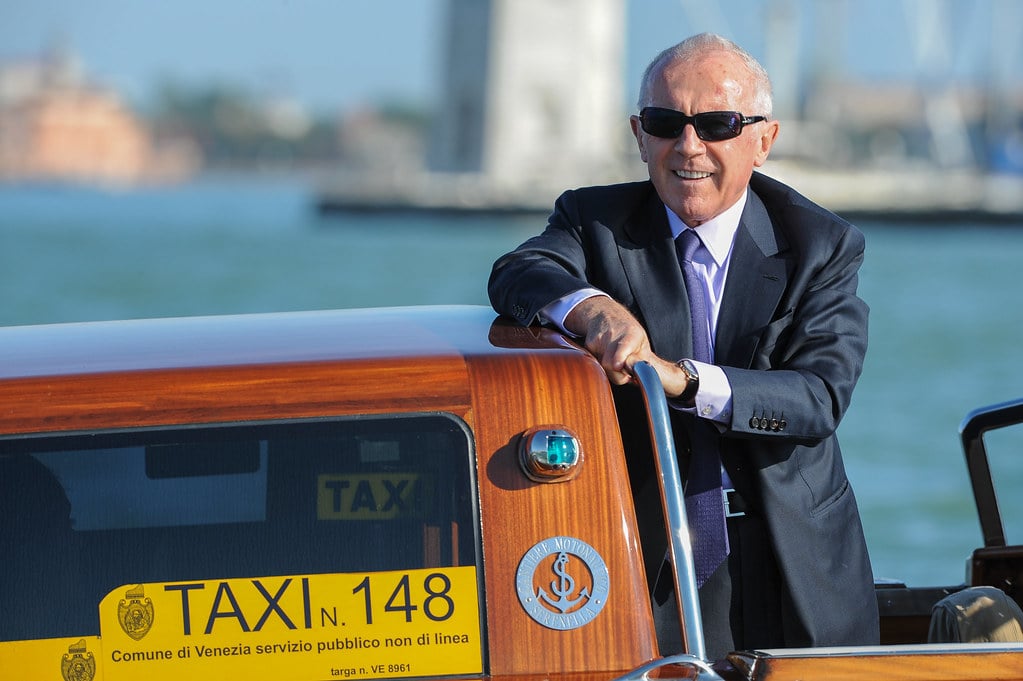
The mathematics of poverty are unforgiving — when your family can’t afford to keep you in school past age 16, your options narrow quickly to whatever work will pay immediately rather than whatever dreams might pay eventually. Francois Pinault learned this lesson in rural Brittany, where his father’s small construction business provided just enough income to survive but not enough to support extended education for the children.
So Pinault left school and went to work, first in his father’s business, then branching into timber trading where he discovered he had an intuitive understanding of commodities markets and business negotiations that no classroom could have taught him. What started as buying and selling wood in regional markets grew into Pinault-Printemps-Redoute (now Kering), a luxury goods conglomerate that owns brands like Gucci, Saint Laurent, and Balenciaga.
But here’s what makes his story particularly compelling: the boy who couldn’t afford to finish high school now owns some of the world’s most expensive fashion houses, and his art collection rivals that of major museums. Sometimes the education you get from necessity proves more valuable than the one you get from institutions — though Pinault would probably tell you that both have their place, and he was simply forced to learn everything the hard way.
Shahid Khan
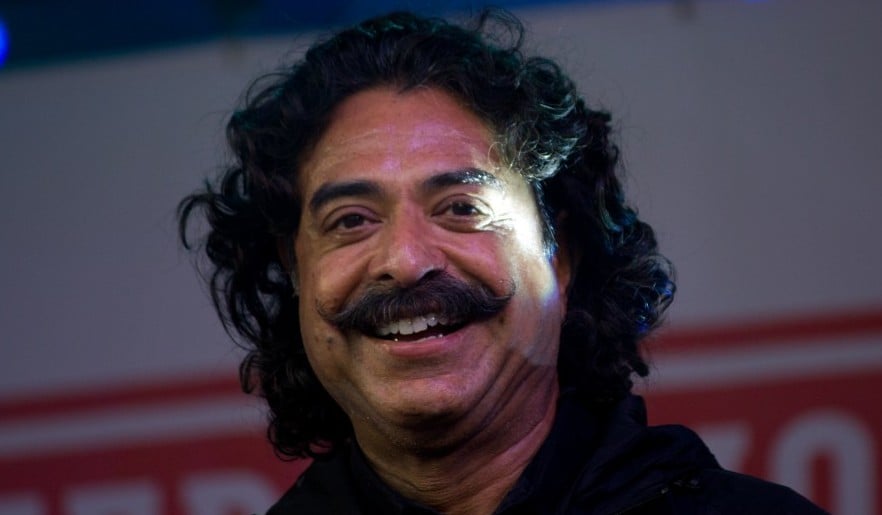
The American dream works differently for immigrants than it does for native-born citizens. Shahid Khan discovered this when he arrived in Illinois from Pakistan at age 16 with $500 and plans to study engineering.
That $500 disappeared quickly on basic necessities, so Khan washed dishes at a local restaurant for $1.20 an hour while attending classes. The work was hard and the pay was terrible, but it taught him that American success required American-style persistence.
After graduation, Khan worked for an automotive parts manufacturer before buying the company when it was struggling financially. Flex-N-Gate became one of the world’s largest suppliers of automotive bumpers and other components, generating billions in revenue.
The dishwasher who arrived with empty pockets now owns the Jacksonville Jaguars and Fulham Football Club, proving that sometimes the best business education comes from being forced to start at the very bottom.
Li Ka-shing

Hong Kong in the 1940s was a place where childhood ended abruptly when circumstances demanded it, and circumstances demanded it often for families without resources or connections. Li Ka-shing experienced this firsthand when his father died of tuberculosis, forcing him to leave school at age 13 to support his mother and siblings through factory work that paid barely enough to cover basic necessities.
The teenager who spent his days making plastic flowers and his evenings studying business magazines by candlelight (because textbooks were too expensive) was developing skills that formal education might have missed: an understanding of manufacturing costs, supply chains, and what customers would actually buy rather than what they said they wanted. By age 22, he had saved enough to start his own plastic flower company, which grew into real estate development, then shipping, telecommunications, and retail through his company Hutchison Whampoa.
And the boy who once worked 16-hour days just to eat now ranks among Asia’s wealthiest individuals, worth over $35 billion. But ask him about those early years and he’ll tell you that poverty was his greatest teacher — it showed him the value of every dollar and the importance of never taking success for granted.
Guy Laliberté
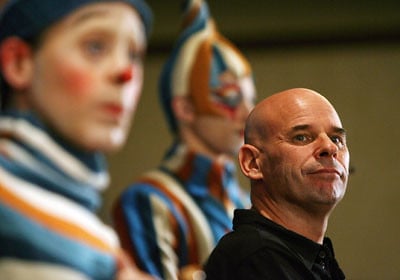
Street performing doesn’t typically lead to billionaire status. Guy Laliberté never seemed concerned about the typical.
Growing up in Quebec City, he discovered he had a talent for entertainment — juggling, fire-breathing, accordion playing — skills that seemed more suited to amusing friends than building a career. After dropping out of college, he spent time busking on the streets of Europe, learning what made audiences respond and how to turn attention into income.
When he returned to Canada, Laliberté co-founded Cirque du Soleil with a group of other performers who shared his vision of reimagining what circus could be. No animals, no traditional circus acts — instead, theatrical performances that combined acrobatics with storytelling and artistic design.
The street performer who once relied on coins from passersby built an entertainment empire worth hundreds of millions, proving that sometimes the skills you learn outside of conventional careers are exactly what the world needs.
Ingvar Kamprad

Sweden’s forests and farmland don’t seem like natural training grounds for retail innovation, but Ingvar Kamprad found lessons there that Harvard Business School couldn’t have taught him. Growing up on a small farm in rural Småland during the 1930s, he learned early that money was scarce and waste was unacceptable — values that would later define everything about how he approached business.
At age 17, Kamprad used money he’d earned selling matches, fish, and pens door-to-door to register a company called IKEA (his initials plus the names of the farm and village where he grew up), initially selling small household items through mail-order catalogs. But his real breakthrough came when he realized that furniture could be designed to pack flat and assemble at home, dramatically reducing shipping costs and making quality design accessible to people who couldn’t afford traditional furniture store prices.
So the farm boy who understood frugality from necessity built IKEA into the world’s largest furniture retailer, revolutionizing how people think about home furnishing. And even after becoming one of the world’s richest men, Kamprad continued driving old cars and flying economy class — because the habits that got him out of poverty were the same ones that kept his business focused on what customers actually needed rather than what would maximize short-term profits.
Dreams Don’t Respect Your Starting Point

These seventeen stories share something beyond their financial outcomes. Each person encountered moments when continuing seemed harder than quitting, when the gap between their current reality and their ambitions felt impossibly wide.
Yet they kept moving forward anyway, not because success was guaranteed, but because standing still felt worse than the risk of failure. Their transformations remind you that while starting circumstances matter, they don’t determine endings — and sometimes the very challenges that seem like disadvantages become the experiences that teach you what advantages you actually need.
More from Go2Tutors!

- The Romanov Crown Jewels and Their Tragic Fate
- 13 Historical Mysteries That Science Still Can’t Solve
- Famous Hoaxes That Fooled the World for Years
- 15 Child Stars with Tragic Adult Lives
- 16 Famous Jewelry Pieces in History
Like Go2Tutors’s content? Follow us on MSN.