17 Historical Events Everyone Remembers Incorrectly
History isn’t always what we think it is. Our collective memory often simplifies, distorts, or completely reimagines historical events, creating versions that feel true but don’t match reality. These misconceptions spread through education systems, popular culture, and even history books themselves, becoming accepted as fact despite their inaccuracy.
Here is a list of 17 historical events that most people remember incorrectly, proving that history isn’t always as straightforward as we might believe.
The Boston Tea Party

The Boston Tea Party wasn’t a spontaneous riot but a carefully planned protest. Contrary to popular belief, the colonists weren’t protesting high taxes on tea—British tea was actually cheaper than smuggled Dutch tea.
They objected to the Tea Act giving the East India Company a monopoly, threatening local merchants, and establishing taxation without representation. The protesters even swept the ships’ decks clean after dumping the tea, showing their disciplined approach.
Napoleon’s Height

In reality, Napoleon Bonaparte was not short. For men in the late eighteenth century, his height of 5’7″ was either average or slightly over average. British propaganda and a misunderstanding of French and English measurement systems are the causes of the mistake.
His reported height of 5’2″ in French was equal to 5’7″ in English since French inches were longer than English ones. The ‘Napoleon complex’ is predicated on a physical characteristic that has nothing to do with him.
Marie Antoinette’s Famous Quote

When informed that the French peasants lacked bread, Marie Antoinette never responded, “Let them eat cake.” In his autobiography ‘Confessions,’ Jean-Jacques Rousseau used this line (‘Qu’ils mangent de la brioche’) when Marie was still a kid and not yet in France.
Years later, the quote—ascribed to an unidentified “great princess”—became associated with Marie Antoinette as revolutionary propaganda, presenting her as heartless and disconnected from the general populace.
The War of 1812

The War of 1812 was not an unqualified American victory as depicted in standard American history texts. The war ended in a virtual tie, with the Treaty of Ghent restoring relations to status quo ante bellum (pre-war status quo).
Neither the British nor the Americans gained their final war objectives—Britain did not establish a Native American buffer state, and America did not capture Canada. The burning of Washington, D.C., including the White House, is a notable American defeat sanitized in national histories.
Columbus Proving the Earth Was Round

Christopher Columbus did not intend to show that the Earth was round. Educated Europeans by the 15th century already understood the world was spherical; this had been common knowledge among academics from ancient Greek times.
Believing the Earth was far smaller than academics had accurately computed, Columbus really challenged the conventional diameter. He planned to travel west to Asia rather than find new continents.
Had the Americas not been in his way, his error would have been catastrophic.
The Iron Maiden

The medieval torture device known as the Iron Maiden likely never existed during medieval times. This spiked coffin-like contraption was probably invented in the 18th century as a combination of various torture methods for display in museums and exhibitions.
The first historical accounts of the device date to the 1790s, although they were often presented as much older. Early museums frequently created fake historical artifacts to attract visitors and boost ticket sales.
The First Thanksgiving

The first Thanksgiving wasn’t the harmonious feast between Pilgrims and Native Americans that’s commonly depicted. The event in 1621 was not called ‘Thanksgiving’ by the colonists and wasn’t repeated annually.
It lasted three days and was more of a traditional English harvest festival than a religious Thanksgiving ceremony. The relationship between the Wampanoag people and the Plymouth colonists was complex, with underlying tensions despite the momentary alliance.
The idealized version emerged in the 19th century during efforts to create unifying national narratives.
The Great Chicago Fire
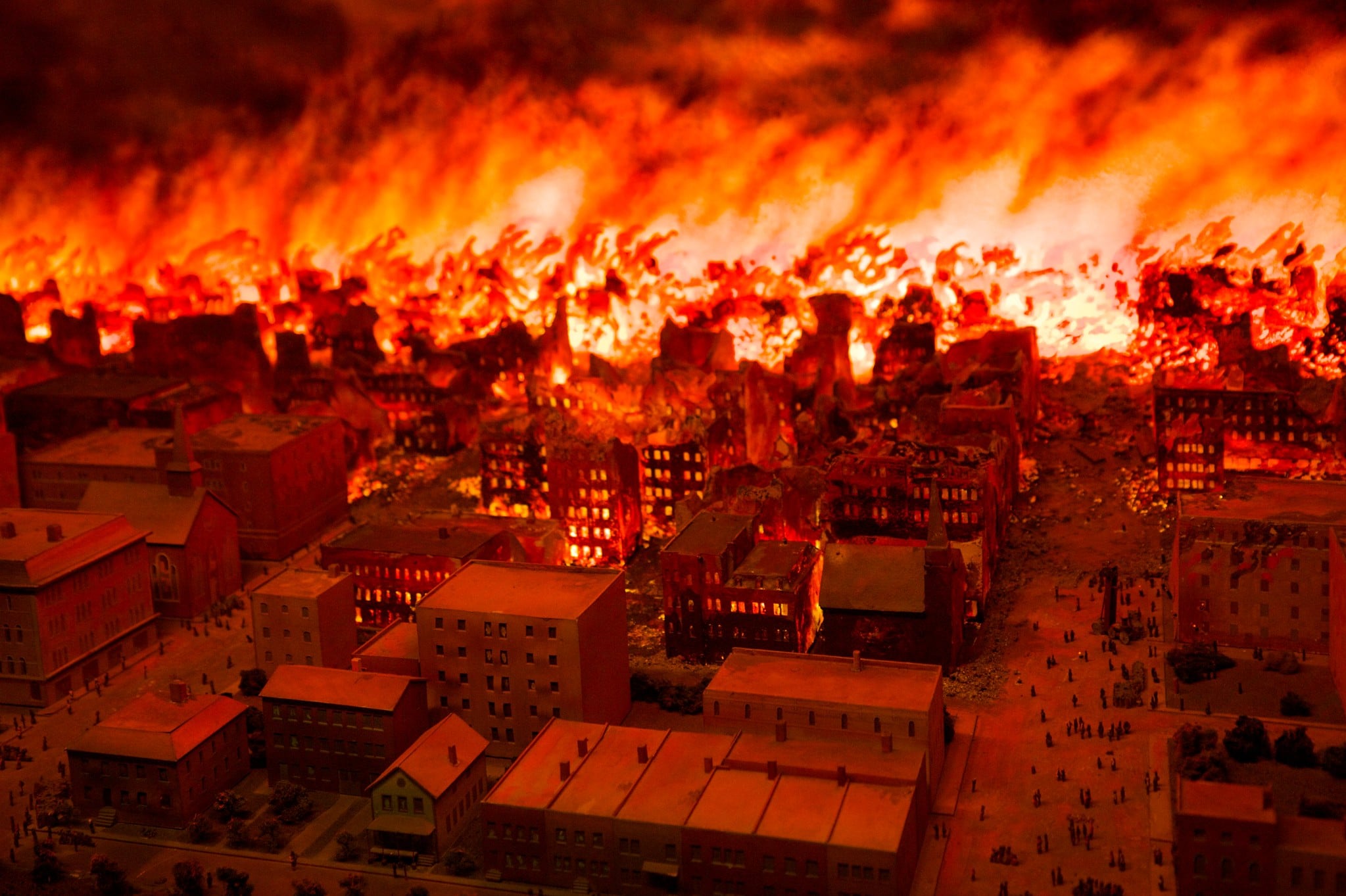
The Great Chicago Fire of 1871 wasn’t started by Mrs. O’Leary’s cow kicking over a lantern. This story was fabricated by journalist Michael Ahern, who admitted in 1893 that he made it up to create a more interesting narrative.
The real cause of the fire remains unknown, though theories include human carelessness, meteor showers, and even spontaneous combustion due to extreme drought conditions. The fire destroyed more than three square miles of Chicago and left 100,000 residents homeless.
Einstein’s School Performance

Albert Einstein wasn’t a poor student as commonly believed. He excelled in mathematics and physics from a young age, though he disliked the rigid educational system of his time.
The misconception stems from changes in grading systems—at one point, his school reversed its grading scale so that 1 became the highest grade instead of the lowest. This administrative change later created confusion when people misinterpreted his high marks as poor performance.
Einstein had mastered differential and integral calculus by age 15, hardly the work of a struggling student.
Paul Revere’s Ride
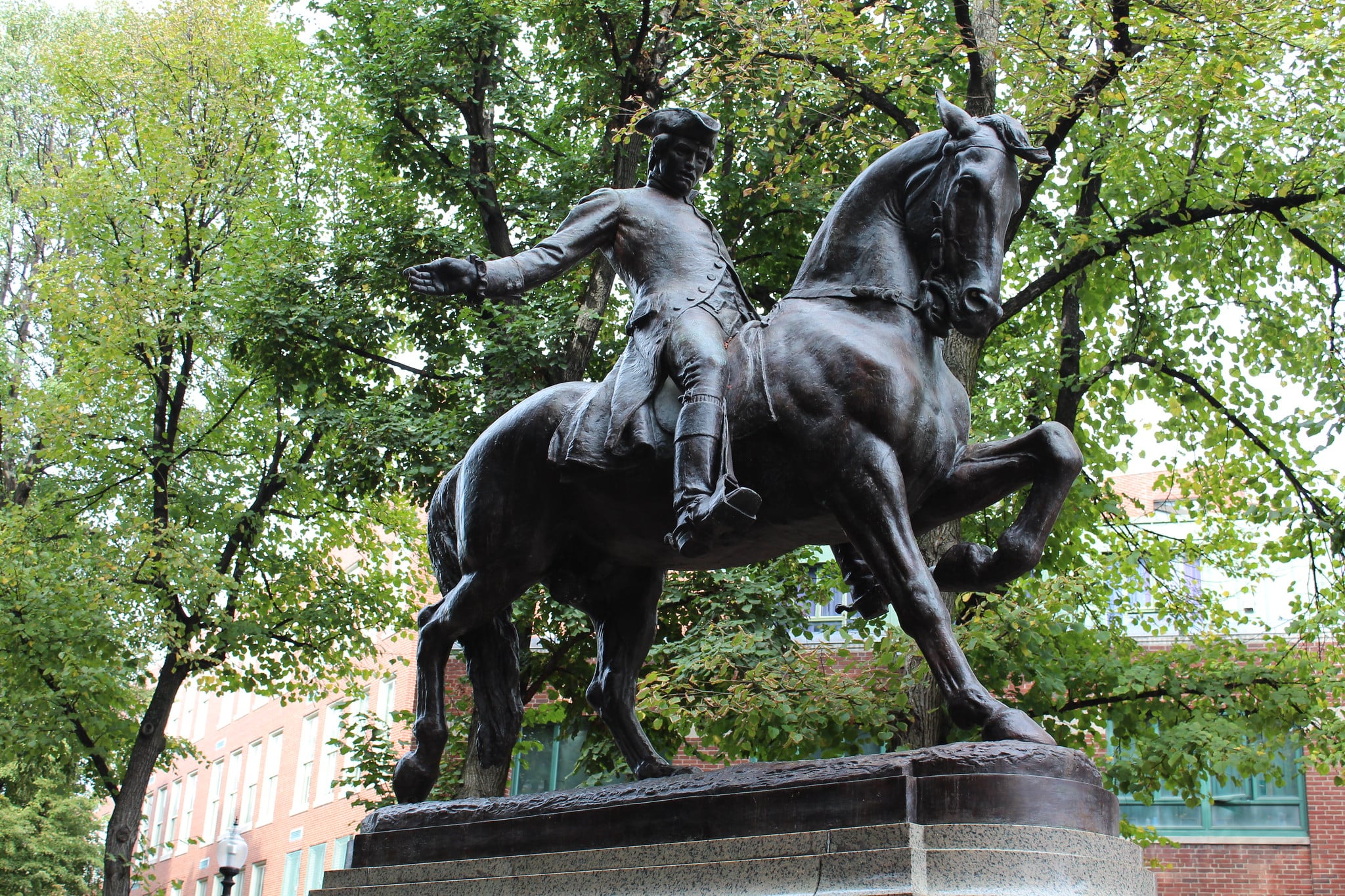
He never yelled, ‘The British are coming!’ during his well-known nocturnal journey. Such a term would not have made much sense at the time, as the colonists still regarded themselves as British.
His warning was probably that the ‘Regulars’ or ‘Redcoats’ were coming. Furthermore, Revere was just one of several cyclists that evening, along with Samuel Prescott and William Dawes.
Henry Wadsworth Longfellow’s poem ‘Paul Revere’s Ride,’ which was published 86 years after the event and contained significant creative license, is largely responsible for his sole legendary position.
The Wild West
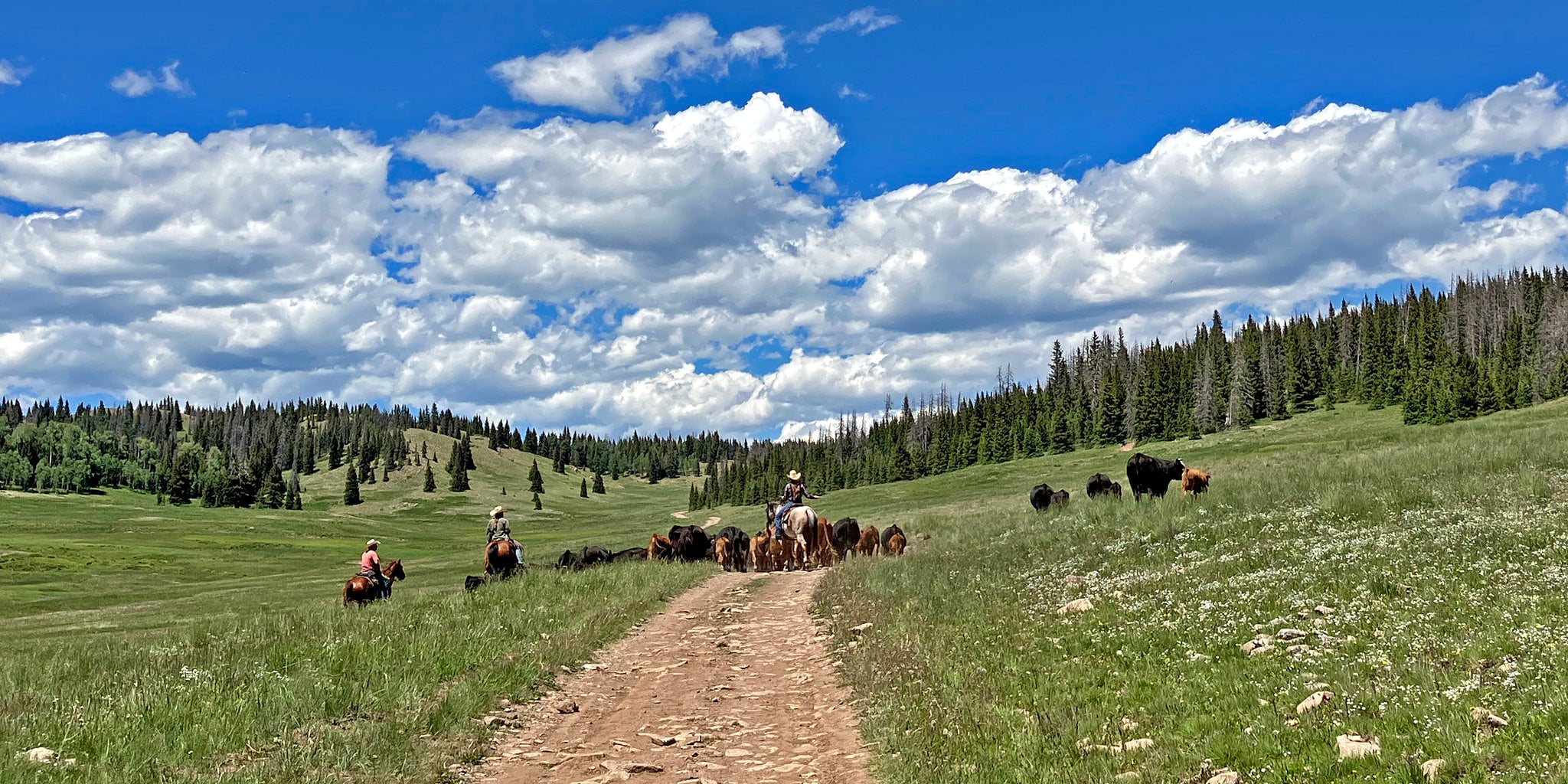
The American Wild West wasn’t nearly as violent or lawless as portrayed in films and literature. Gun violence was relatively rare in frontier towns, with many having strict gun control laws.
Dodge City, Kansas, considered one of the wildest frontier towns, recorded just five homicides during its most violent year. The mythologizing of the West began with Buffalo Bill’s Wild West shows and continued through early Hollywood westerns.
Creating an exaggerated version of frontier life that bears little resemblance to historical reality.
Nero Fiddling While Rome Burned
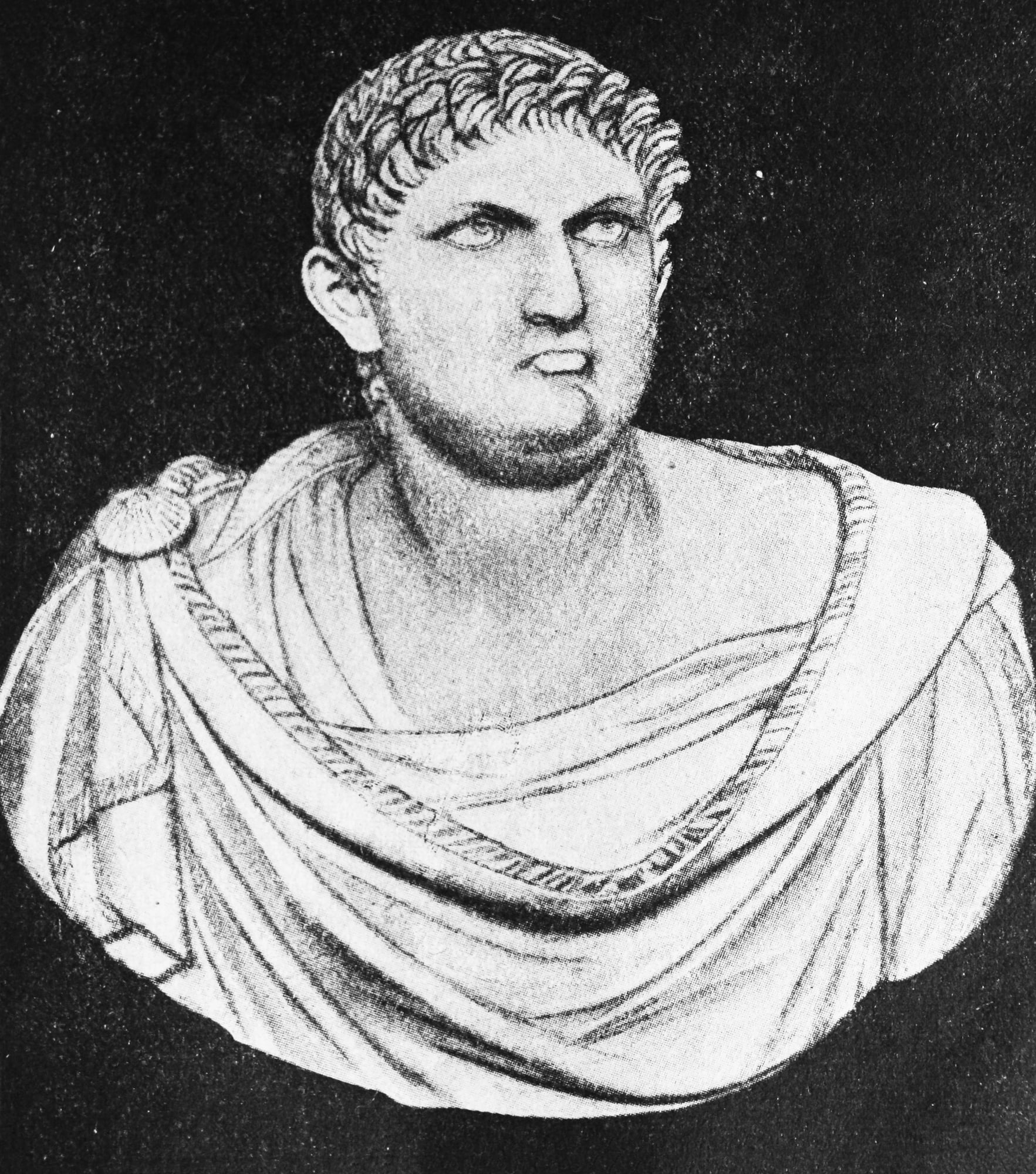
Emperor Nero didn’t fiddle while Rome burned in 64 CE. First, the violin wouldn’t be invented for over 1,500 years.
Second, contemporary accounts place Nero in Antium, 35 miles away, when the fire began. Upon hearing news of the fire, he reportedly rushed back to Rome and organized relief efforts.
Opening his gardens to the homeless and arranging for food supplies. The negative portrayal emerged from later historians who opposed Nero’s rule and sought to portray him as callous and ineffective.
The Pyramids and Slavery
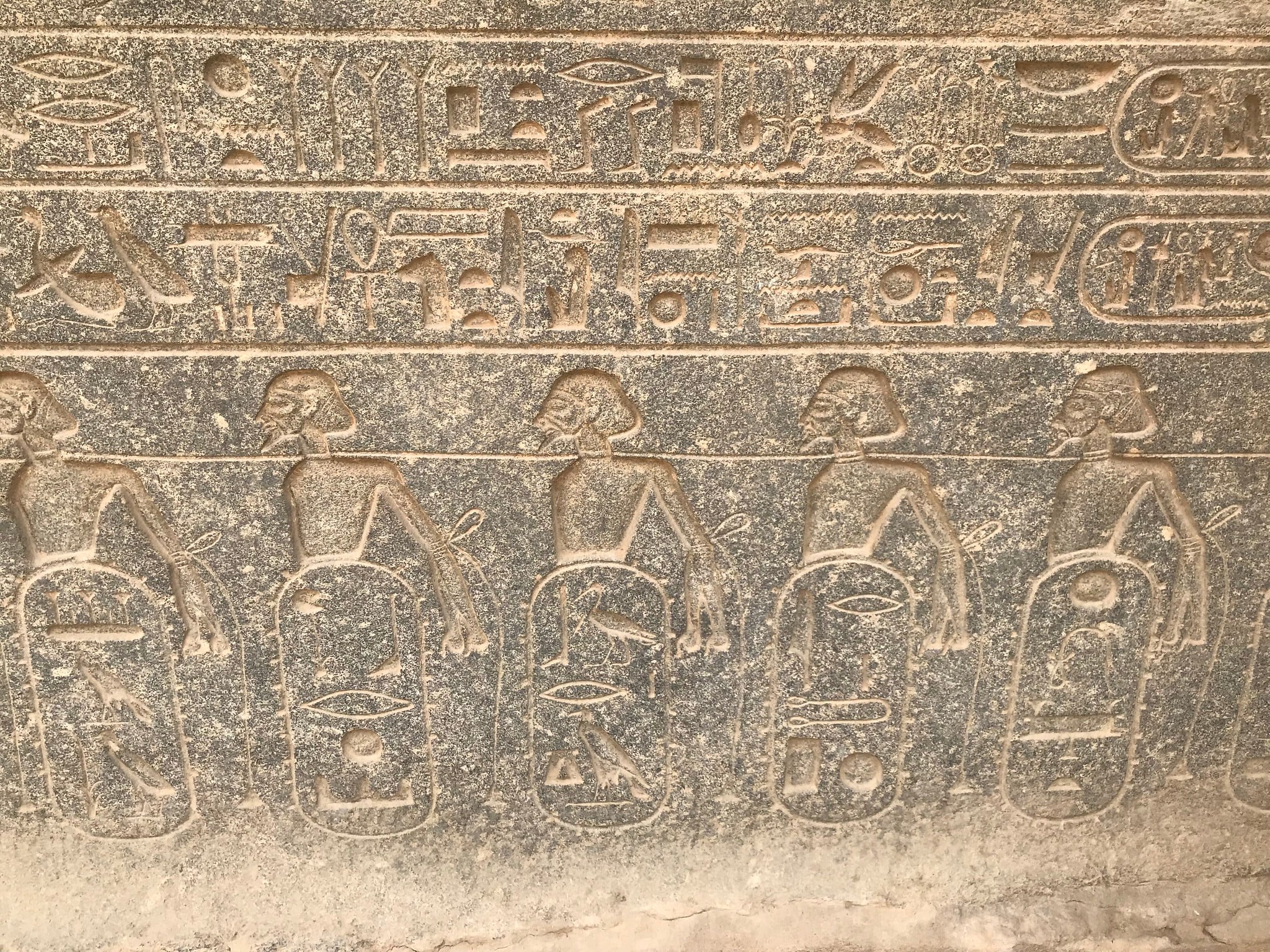
The Egyptian pyramids weren’t built by slaves but by paid laborers. Archaeological evidence from worker villages near the pyramids shows well-fed people who received medical care and proper burials.
Many were seasonal farmers who worked during the Nile’s annual flood when agricultural work was impossible. The workers were organized into teams that competed for honors and rewards.
This skilled workforce created monuments with incredible precision using sophisticated engineering techniques, not through forced slave labor as commonly depicted.
The First Airplane Flight

The Wright brothers’ famous 1903 flight at Kitty Hawk wasn’t universally recognized as the first powered flight at the time. Several other aviators made credible claims, including Gustave Whitehead, who reportedly flew two years earlier in Connecticut.
The Smithsonian Institution initially recognized other pioneering flights before eventually declaring the Wright brothers as first. Part of the confusion stems from different definitions of what constitutes a ‘successful’ flight—controlled, sustained, powered, or witnessed.
The Wright brothers’ comprehensive documentation ultimately secured their place in history.
The Salem Witch Trials

Nobody was burned at the stake during the Salem Witch Trials. This common misconception confuses American witch trials with European practices.
In Salem, nineteen people were hanged, one man was pressed to death with stones, and several died in prison awaiting trial. The panic lasted only about a year (1692-1693) before colonial authorities stopped the proceedings and later issued an apology.
Many factors contributed to the hysteria, including frontier war trauma, religious extremism, property disputes, and possibly ergot poisoning from contaminated rye.
Cinco de Mayo
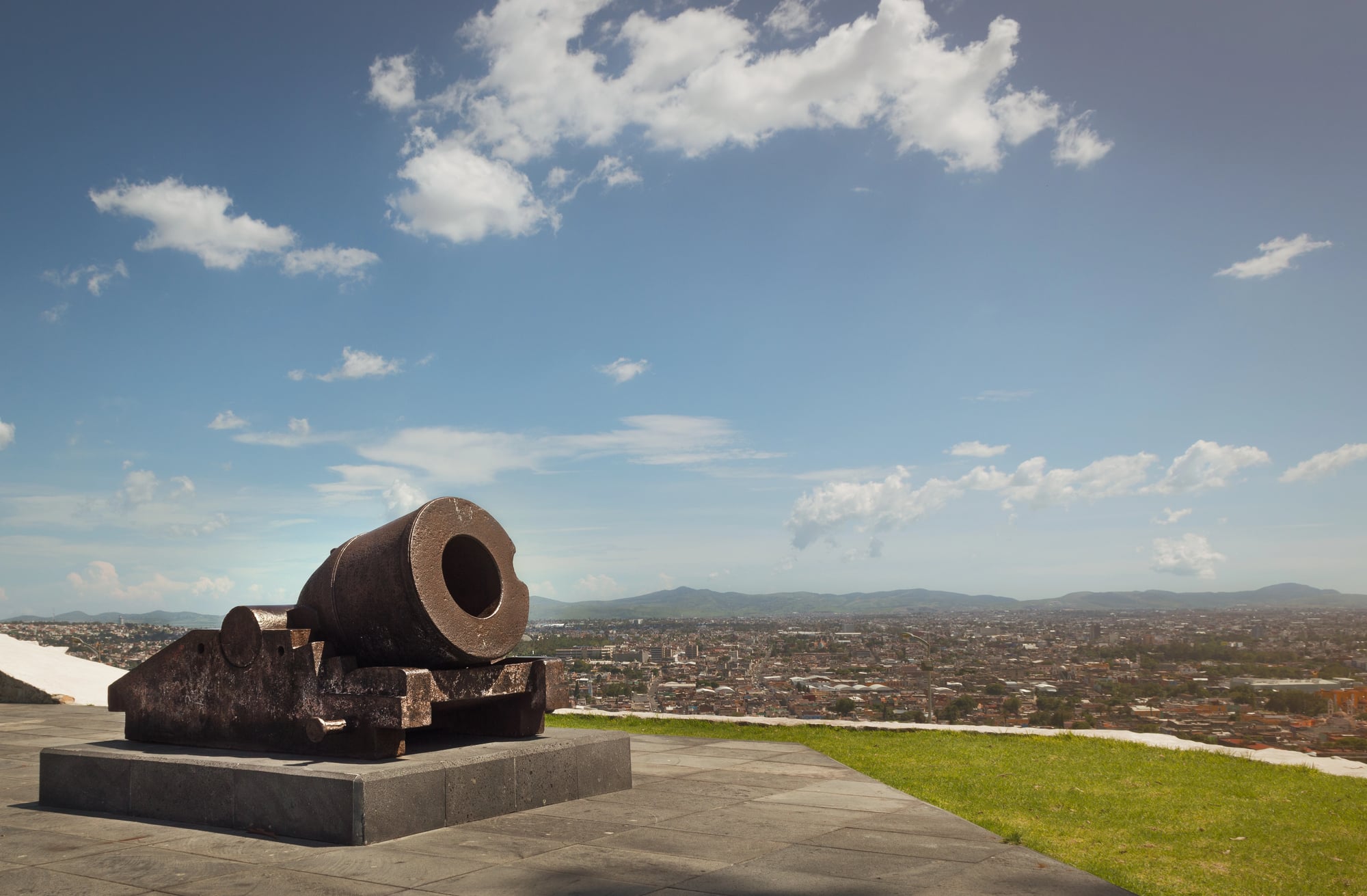
Cinco de Mayo isn’t Mexican Independence Day but commemorates the Battle of Puebla in 1862, when Mexican forces defeated the French army despite being greatly outnumbered.
Mexican Independence Day is actually September 16th, celebrating the beginning of Mexico’s war for independence from Spain in 1810. Ironically, Cinco de Mayo is celebrated more extensively in the United States than in Mexico.
Where it’s primarily observed in the state of Puebla. The holiday gained popularity in America during the 1960s civil rights movement as a celebration of Mexican-American heritage.
Vomitoriums at Roman Feasts

Romans didn’t have special rooms called vomitoriums where they would purge during feasts to continue eating. A vomitorium was actually an architectural term for an entrance or exit passage in an amphitheater designed to ‘disgorge’ large crowds quickly.
The misconception about Romans intentionally vomiting during meals to continue feasting has no basis in historical evidence. While Roman elites did hold elaborate banquets, the idea of ritualized purging is a modern misinterpretation that began in the late 19th and early 20th centuries.
The Enduring Power of Myth
History is a complex tapestry of events, interpretations, and evolving understanding. The misconceptions we hold about these historical events reveal as much about our present values and cultural narratives as they do about the past.
By examining these historical inaccuracies, we gain a more nuanced appreciation for how history actually unfolded and how our collective memory transforms over time. The next time you hear a commonly accepted historical ‘fact,’ it might be worth investigating a bit deeper—the truth often proves more fascinating than the myth.
More from Go2Tutors!

- The Romanov Crown Jewels and Their Tragic Fate
- 13 Historical Mysteries That Science Still Can’t Solve
- Famous Hoaxes That Fooled the World for Years
- 15 Child Stars with Tragic Adult Lives
- 16 Famous Jewelry Pieces in History
Like Go2Tutors’s content? Follow us on MSN.