Rarest Passports to Hold
Most people carry passports from countries with millions of citizens, making their travel documents pretty common in the grand scheme of things. But some passports come from places so small, so isolated, or so exclusive that only a handful of people in the entire world can claim them.
These rare travel documents represent nations that barely show up on maps, territories with unique political situations, or microstates that most folks have never even heard of. Owning one of these passports puts someone in an incredibly tiny club.
Here’s a look at some of the rarest passports anyone could possibly hold.
Vatican City
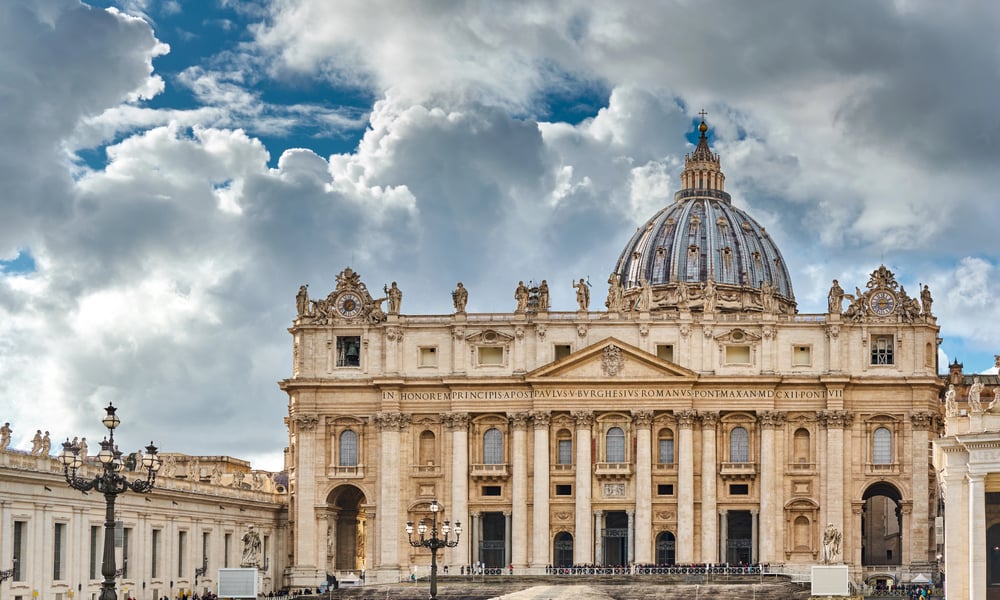
The Vatican issues the absolute rarest passport on Earth, with only about 800 valid ones in circulation at any given time. Only clergy members, Swiss Guards, and a few select Vatican employees get these distinctive maroon documents.
The passport doesn’t grant citizenship in the traditional sense since nobody can be born a Vatican citizen or apply for naturalization. When someone’s job at the Holy See ends, they have to give the passport back, making it purely tied to employment rather than nationality.
Sovereign Military Order of Malta
This might sound like something from a history book, but the Order of Malta still issues passports even though it controls no actual territory beyond a couple of buildings in Rome. Only about 500 passports exist, given exclusively to high-ranking members and diplomats of this Catholic lay order.
The order maintains diplomatic relations with over 100 countries despite not having land, citizens, or a government in any normal sense. These passports work for international travel, though holders typically carry a second passport from their actual country of citizenship.
Macao SAR
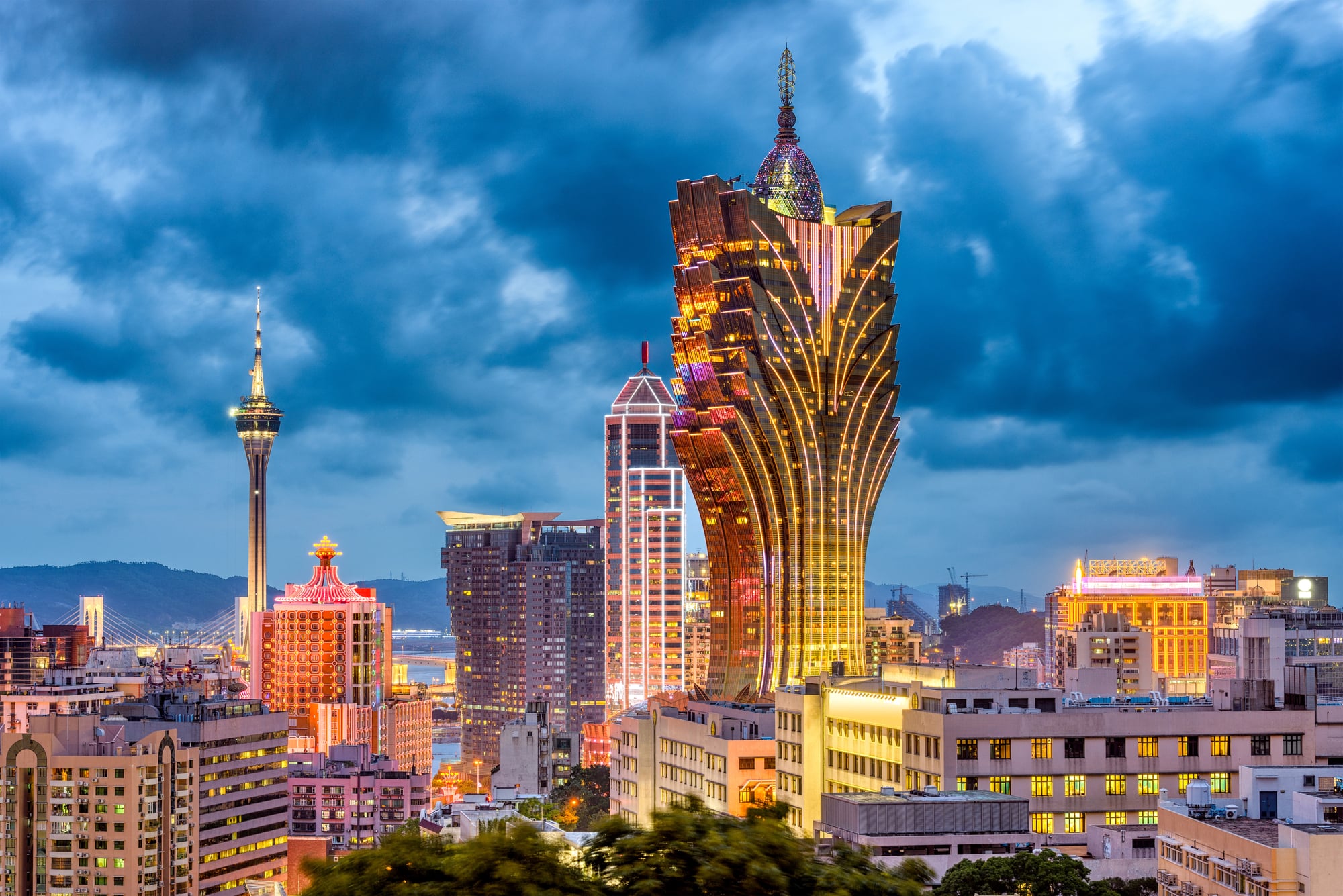
Macao’s Special Administrative Region passport goes to permanent residents of this tiny Chinese territory, but getting one requires jumping through serious hoops. Only about 680,000 of these exist, serving a population smaller than most major cities.
The document looks different from mainland Chinese passports and grants access to more countries without visas. Macao’s unique status as a former Portuguese colony turned Chinese SAR makes this passport a rare blend of East and West.
San Marino
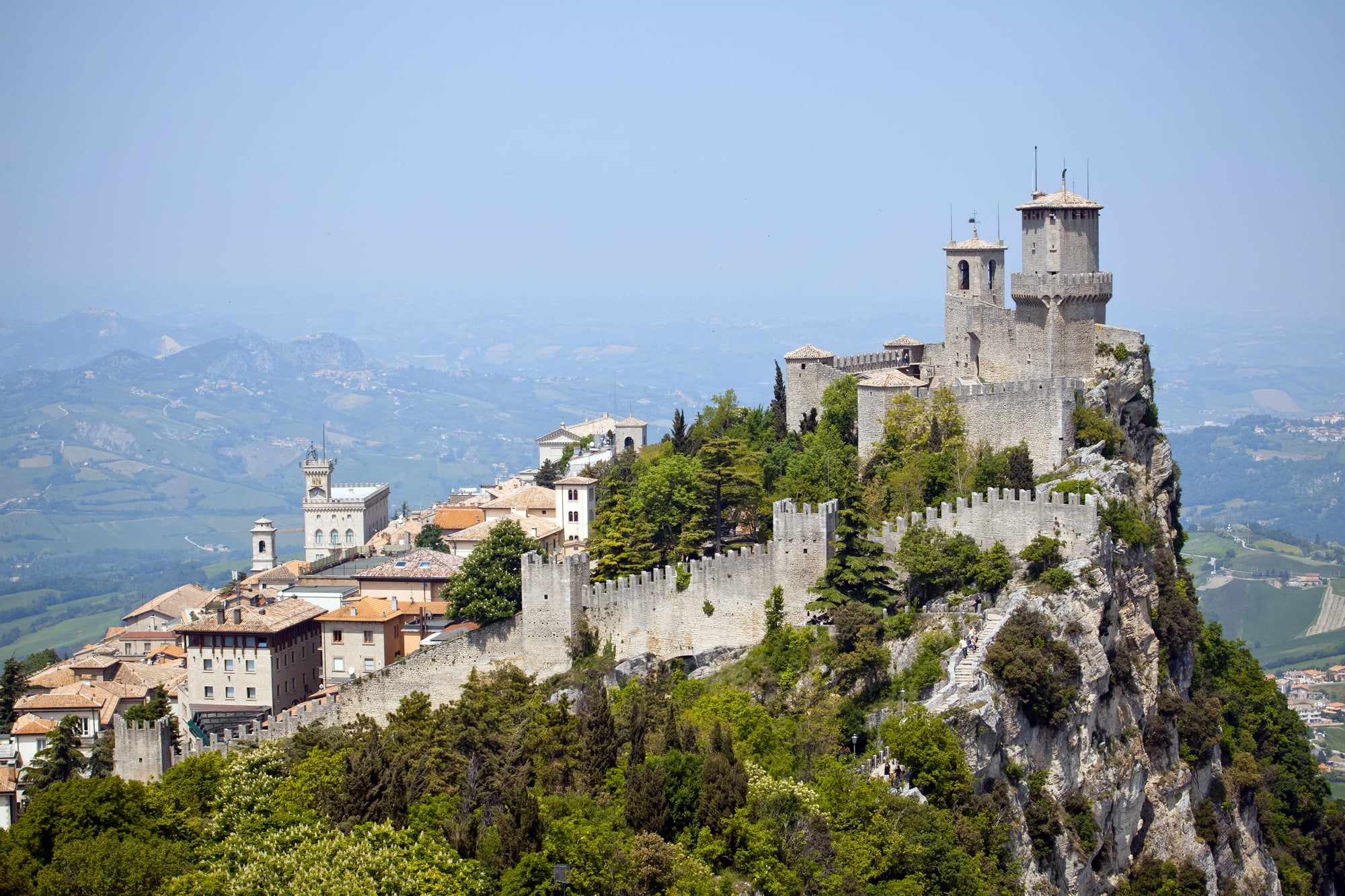
One of the world’s oldest republics issues passports to just 33,000 citizens, making it extremely rare by any measure. This microstate sits entirely within Italy but maintains complete independence and its own travel documents.
San Marino’s passport grants visa-free access to more countries than many larger nations can claim. The tiny country rarely grants citizenship to outsiders, keeping the total number of passport holders remarkably low.
Liechtenstein
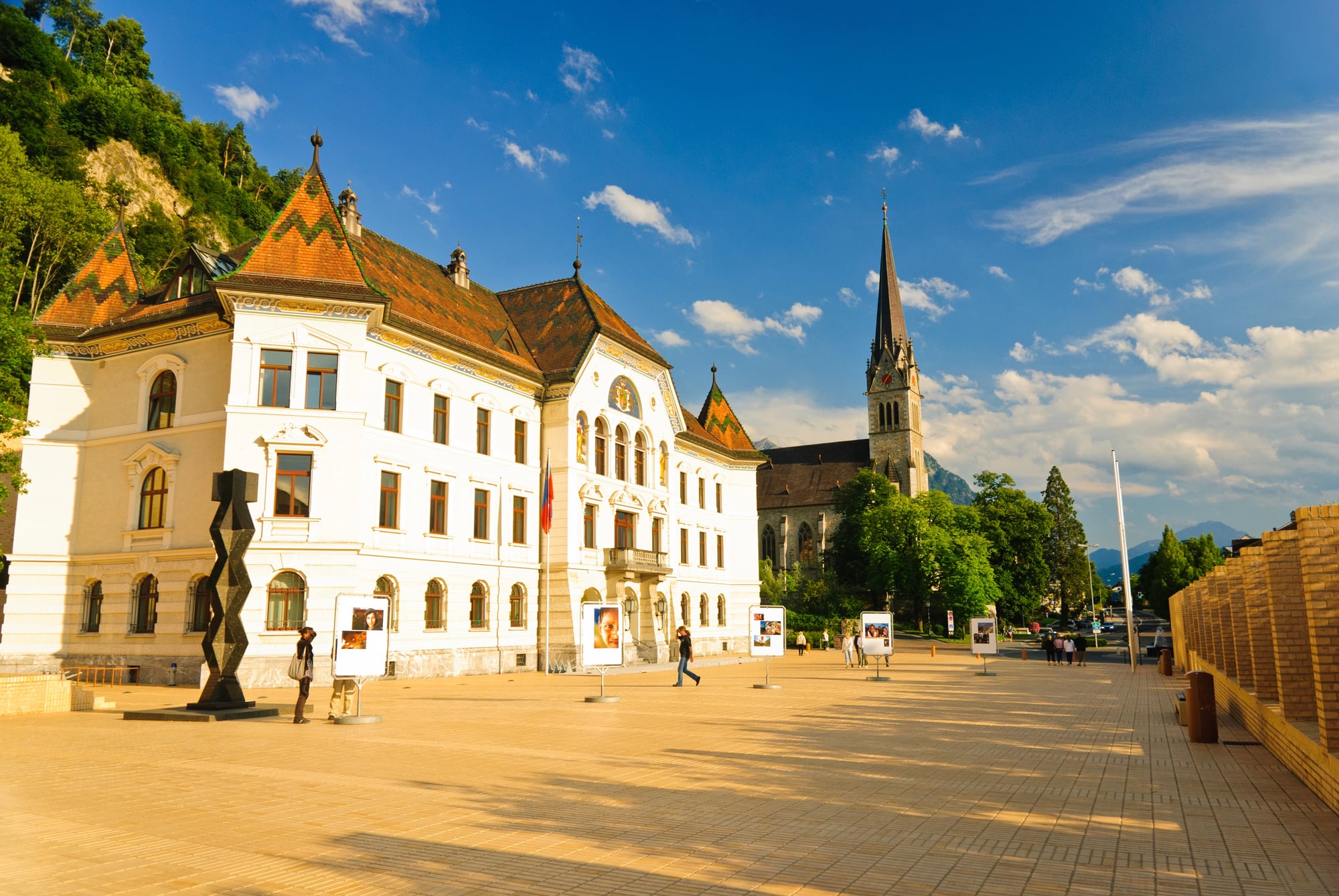
This Alpine principality tucked between Switzerland and Austria issues passports to only about 38,000 people. Getting citizenship in Liechtenstein is notoriously difficult, requiring 30 years of residency for foreigners or marriage to a citizen.
The country’s parliament can even vote to reject citizenship applications, adding another layer of exclusivity. These dark red passports rank among the most powerful for visa-free travel despite coming from one of Europe’s smallest nations.
Monaco
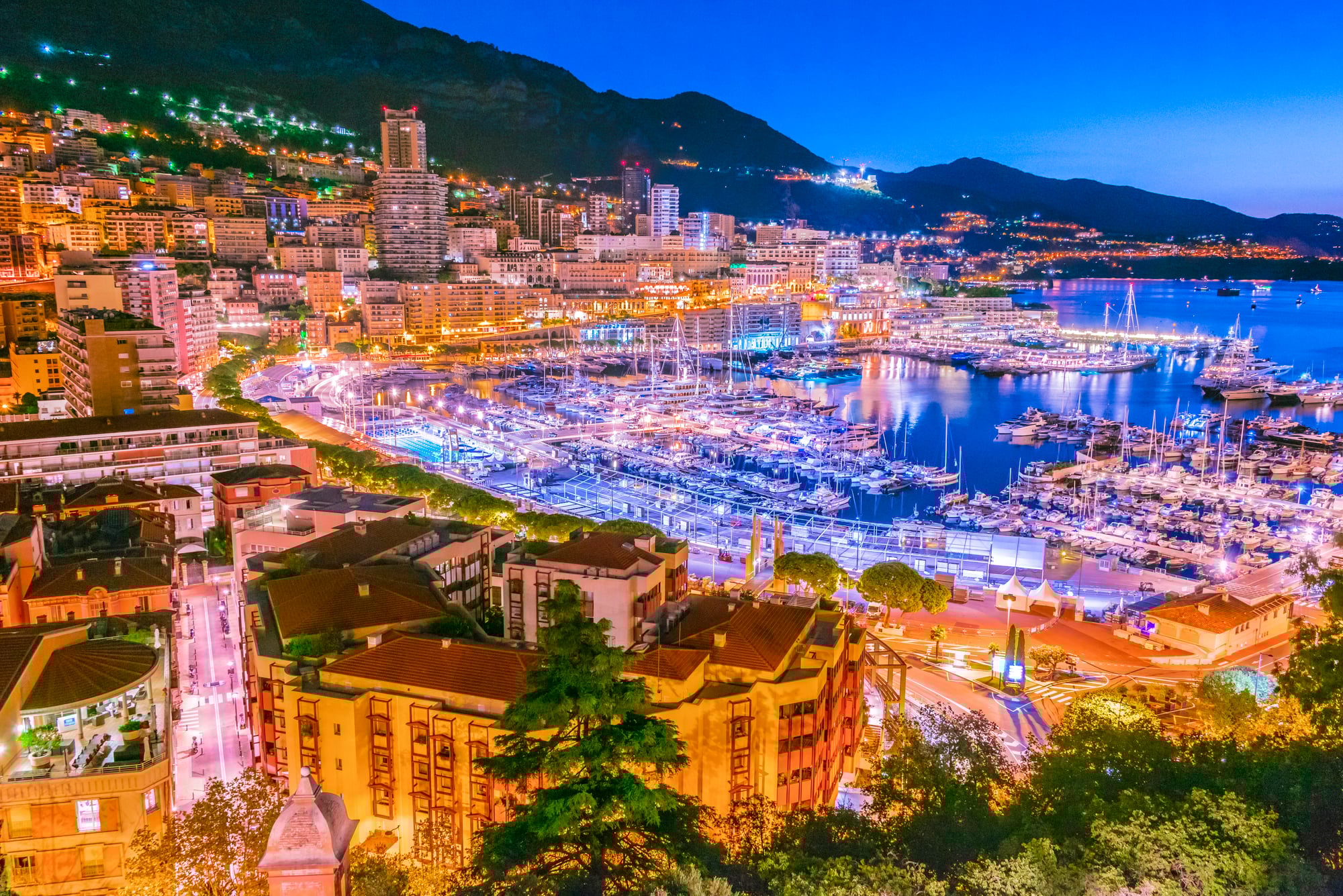
The glamorous Mediterranean microstate hands out passports to just 9,000 citizens, making them exceptionally rare. Monaco doesn’t sell citizenship or offer easy paths to naturalization despite being home to many wealthy residents.
Most people living in Monaco are actually French, Italian, or from other countries, holding residency permits rather than citizenship. The royal family carefully controls who becomes Monégasque, keeping the total number of passport holders incredibly small.
Nauru
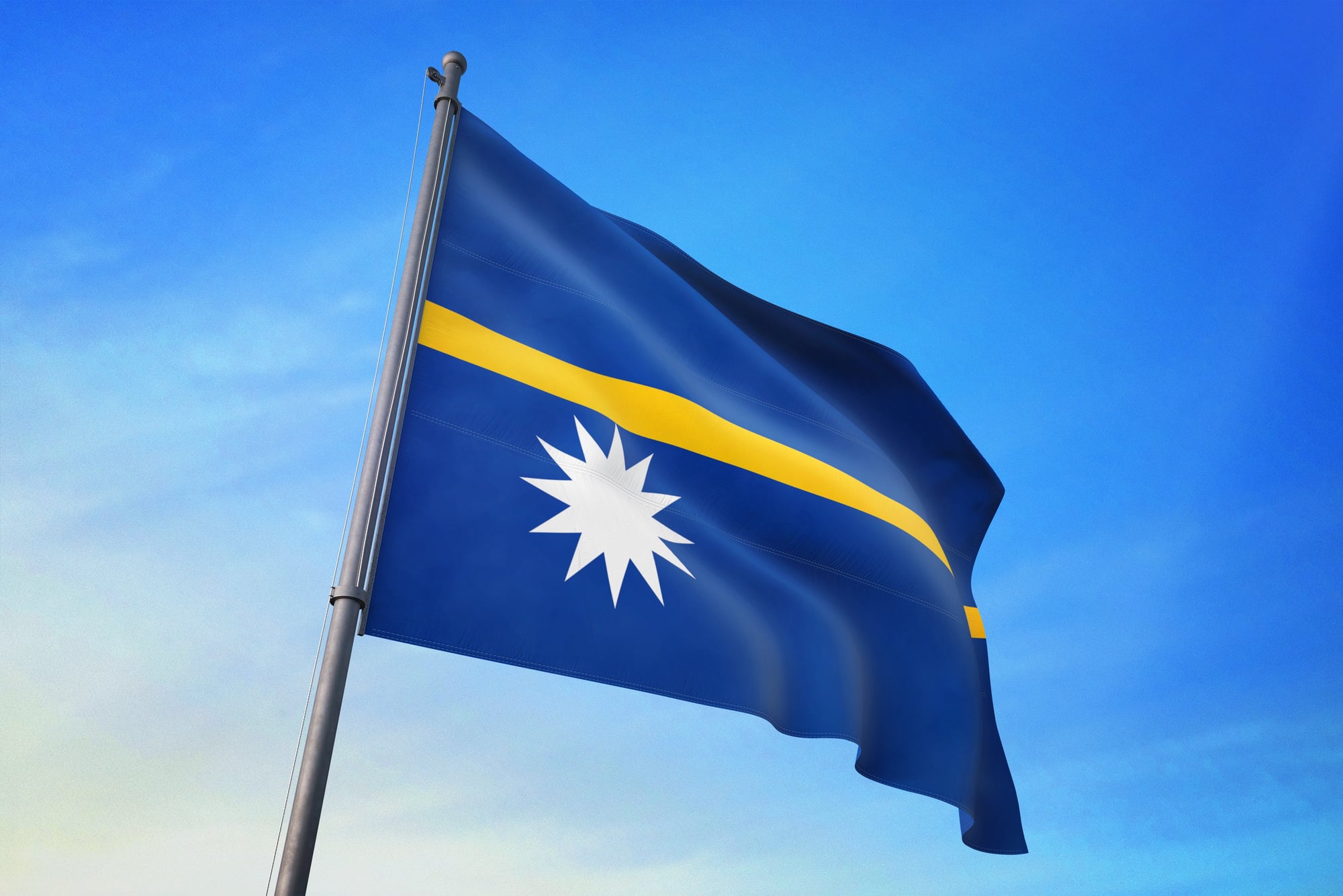
This tiny Pacific island nation issues passports to only about 12,000 people, representing one of the world’s smallest populations. Nauru sits just 8 square miles in size, making it the third-smallest country by land area.
The country gained independence in 1968 and created its own travel documents, though they don’t grant access to many places without visas. Economic struggles and geographic isolation mean few people seek to become citizens even if they could.
Tuvalu

Tuvalu’s passport serves fewer than 12,000 citizens spread across nine tiny islands in the Pacific Ocean. The entire country covers only 10 square miles, and climate change threatens to make it uninhabitable within decades.
These passports grant access to relatively few countries without visas, reflecting Tuvalu’s limited international clout. The nation’s isolation and size mean almost nobody outside Tuvaluan families ever obtains one of these rare documents.
Palau
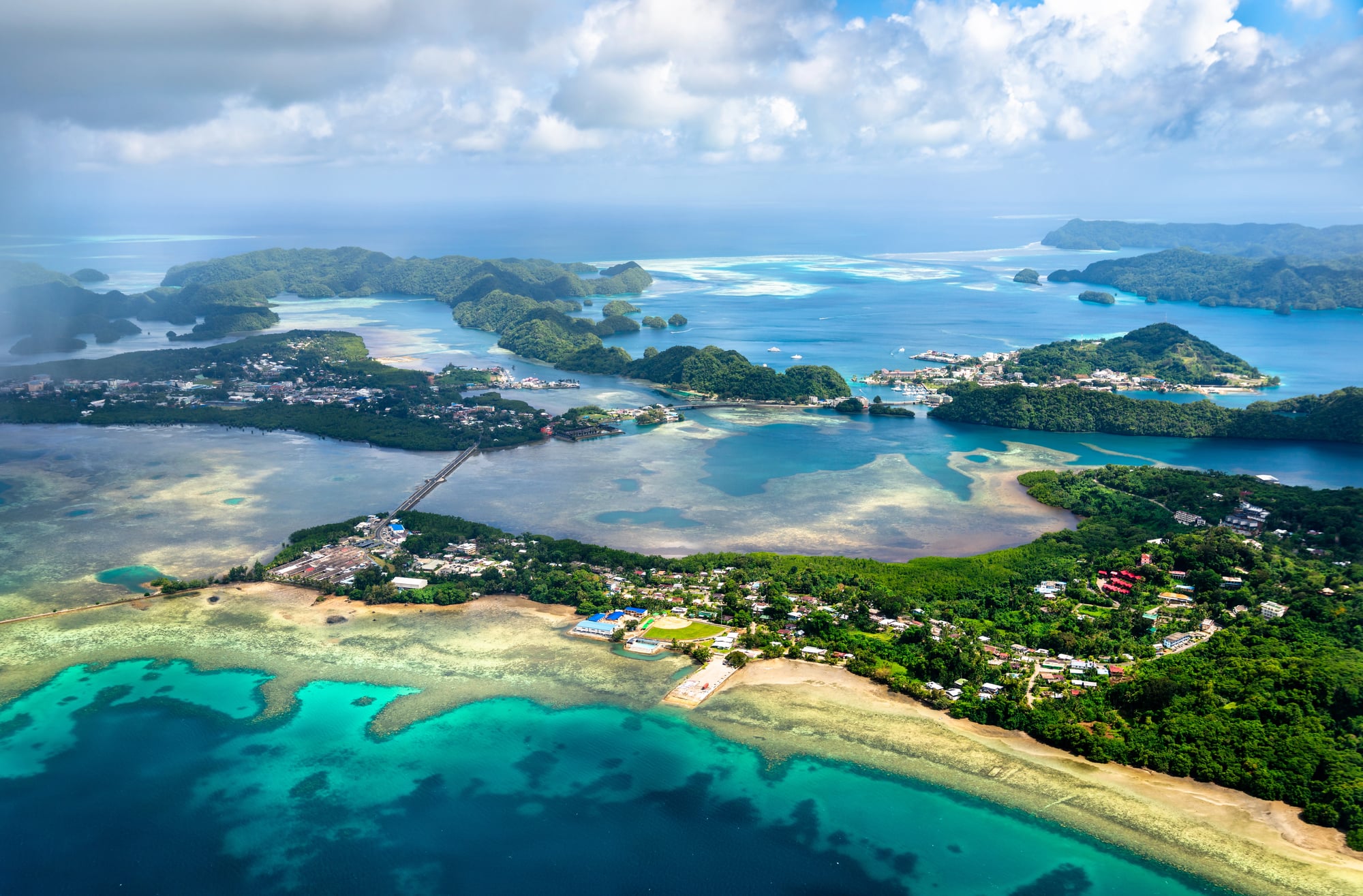
This island nation in the western Pacific issues passports to just 18,000 citizens, making it one of the least common travel documents globally. Palau gained independence from the United States in 1994, making it one of the world’s youngest sovereign nations.
The passport’s striking blue cover and tropical imagery stand out, but its rarity comes from the country’s tiny population. Most of Palau’s land consists of uninhabited islands and coral reefs.
Niue
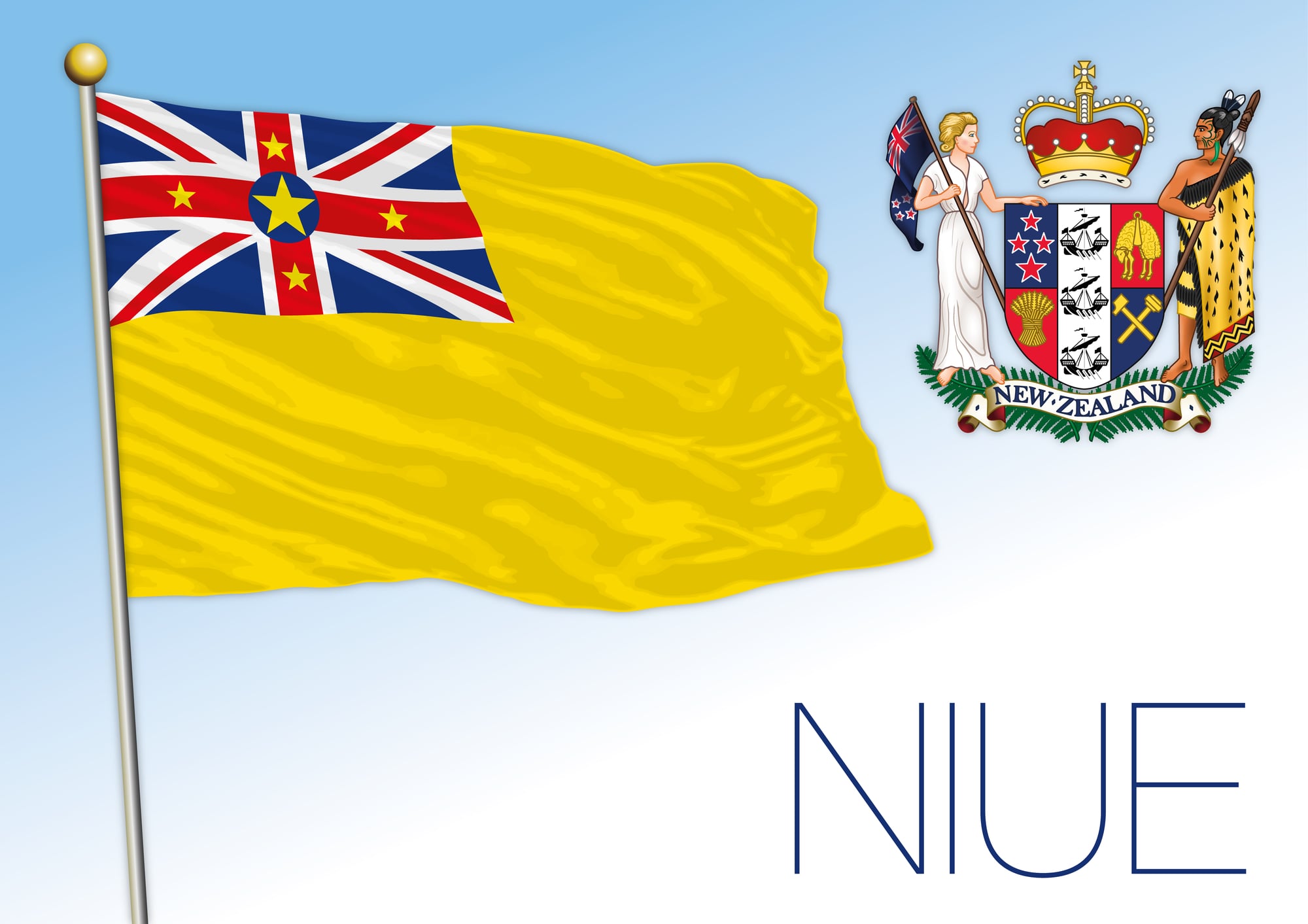
Niue maintains its own passport despite being in free association with New Zealand, and only about 2,000 people hold this rare document. The island’s population has been declining for decades as residents move to New Zealand for better opportunities.
Niueans can choose between their own passport or a New Zealand one, with most opting for the latter due to better travel access. The Niue passport remains valid but extraordinarily uncommon in practice.
Montserrat
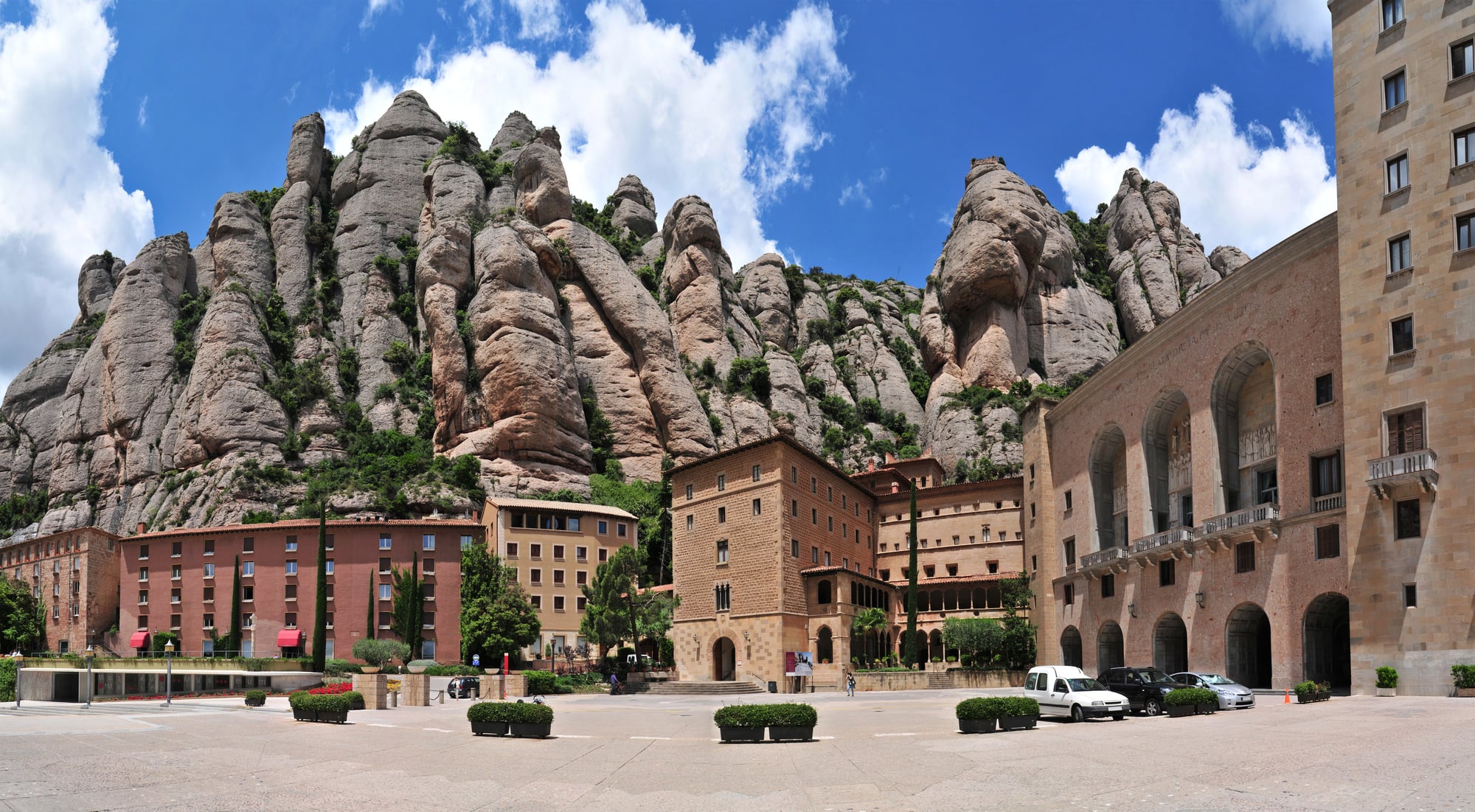
This British Overseas Territory in the Caribbean issues passports to roughly 5,000 people following volcanic eruptions that devastated the island in the 1990s. Most Montserratians fled to the UK or other Caribbean islands when the Soufrière Hills volcano destroyed the capital and southern half of the island.
The passport remains valid but rarely seen since so many former residents now hold British passports instead. The island’s ongoing volcanic activity keeps the population and passport numbers low.
Tokelau
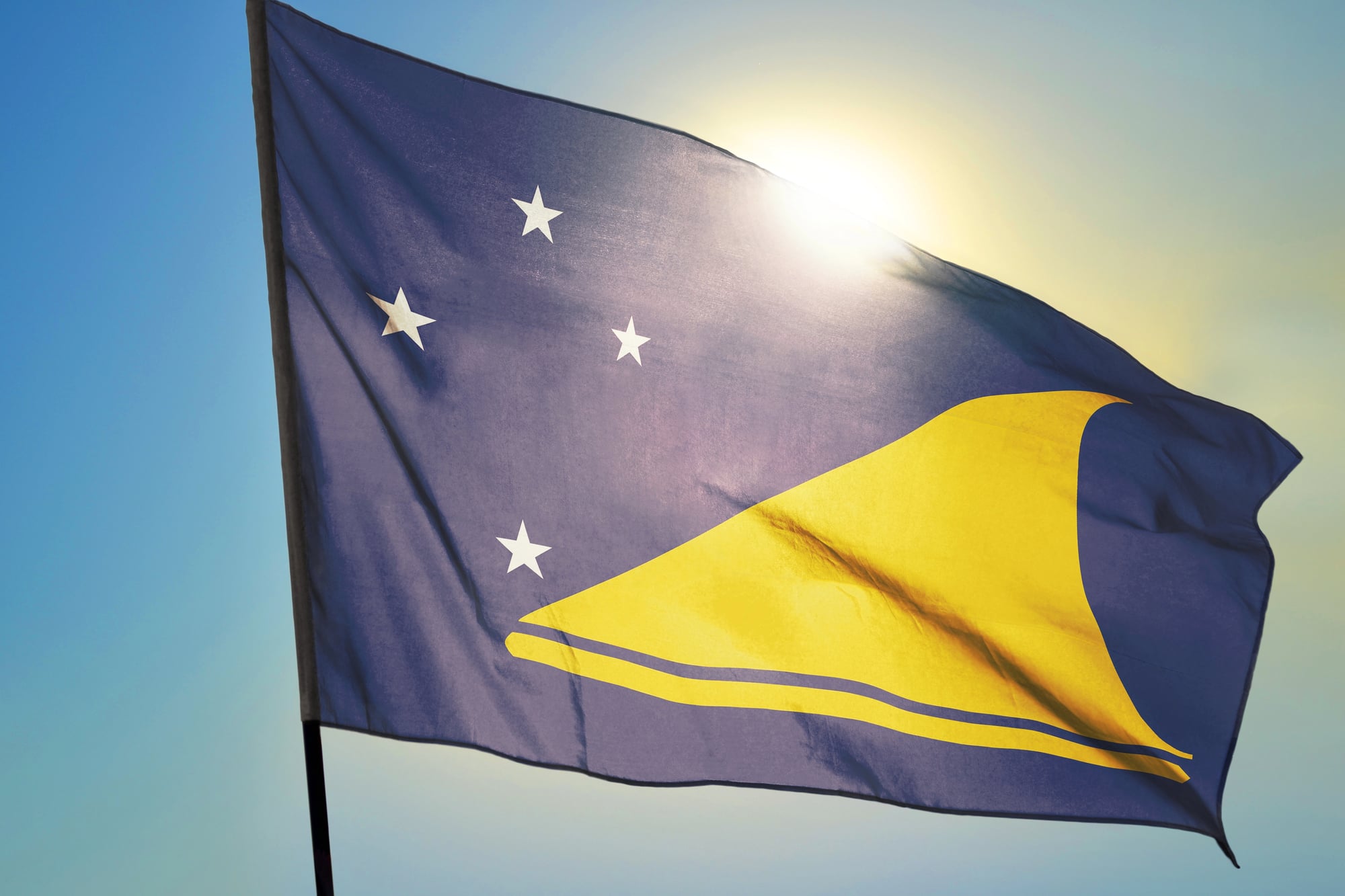
Tokelau sits in the Pacific as a non-self-governing territory of New Zealand, and its roughly 1,500 residents can obtain special travel documents. These aren’t technically full passports but rather New Zealand documents that identify the holder as Tokelauan.
The territory lacks an airport and can only be reached by boat from Samoa, contributing to its isolation. Few people outside Tokelauan families ever encounter these rare travel papers.
Cook Islands
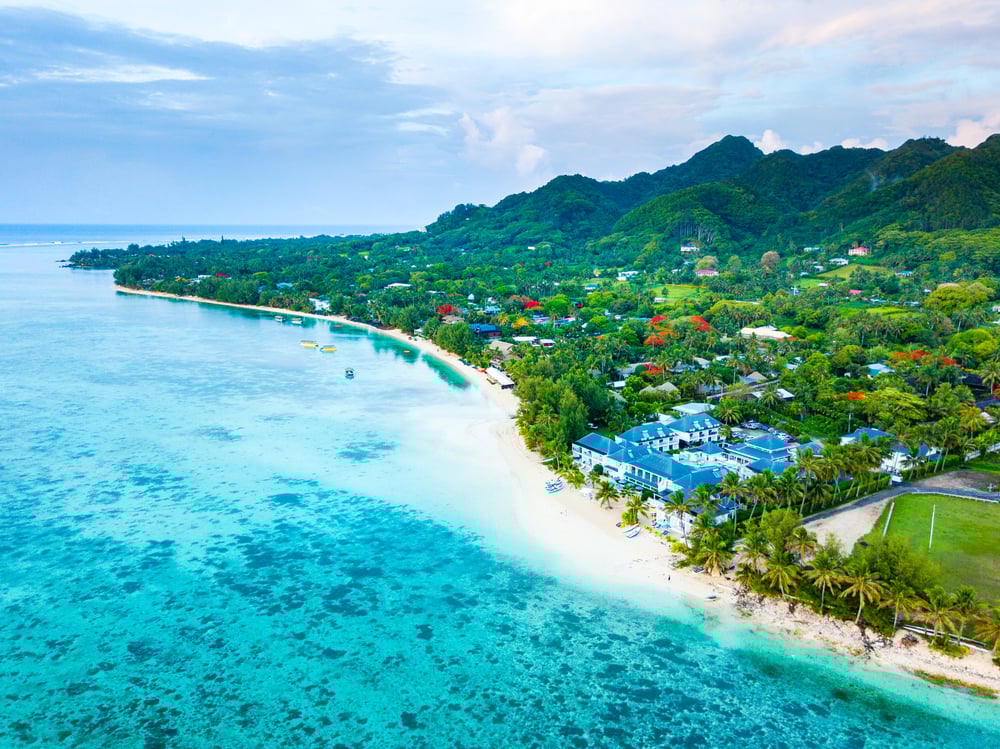
The Cook Islands issue their own passports despite being in free association with New Zealand, with about 17,000 in circulation. Cook Islanders are also New Zealand citizens and can hold passports from either place or both.
The Cook Islands passport works for international travel but offers access to fewer countries than its New Zealand counterpart. Many residents choose the New Zealand option for practical reasons, making the Cook Islands version less common.
Pitcairn Islands

Britain’s most remote territory issues travel documents to just 50 permanent residents, making it possibly the rarest of all. Pitcairn sits in the middle of the Pacific Ocean, descendants of the Bounty mutineers and their Tahitian companions.
The island has no airport and can only be reached by a several-day boat journey from New Zealand. These British Overseas Territory passports work for travel but belong to such a tiny population that most border agents have never seen one.
Seychelles
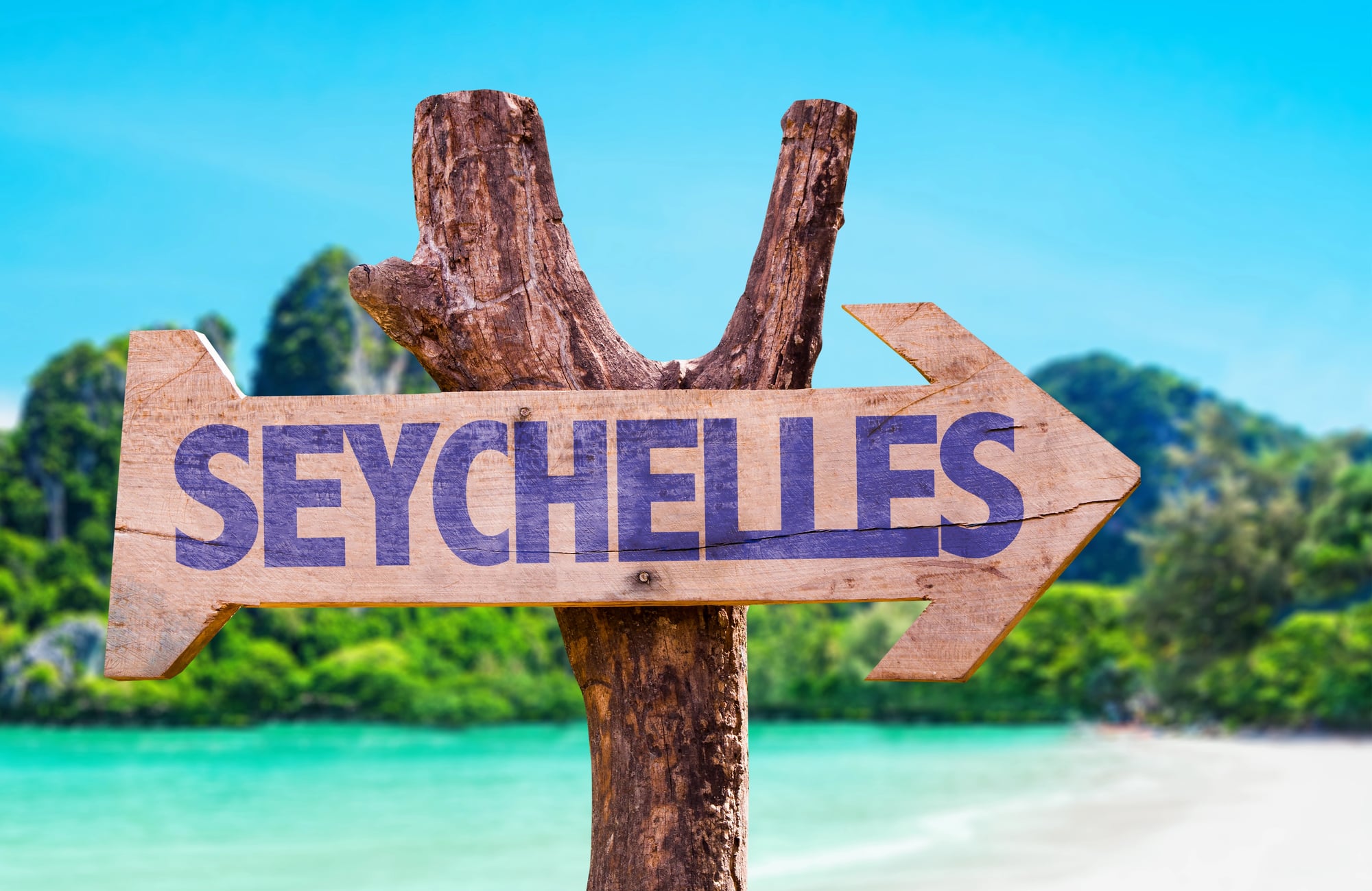
This Indian Ocean island nation issues passports to only about 98,000 citizens, a small number compared to most countries. Seychelles consists of 115 islands, though most remain uninhabited and serve as nature reserves.
The passport grants excellent visa-free access considering the country’s size and location. Obtaining citizenship requires either birth, descent, or a significant investment in the country, keeping numbers relatively low.
Palestine
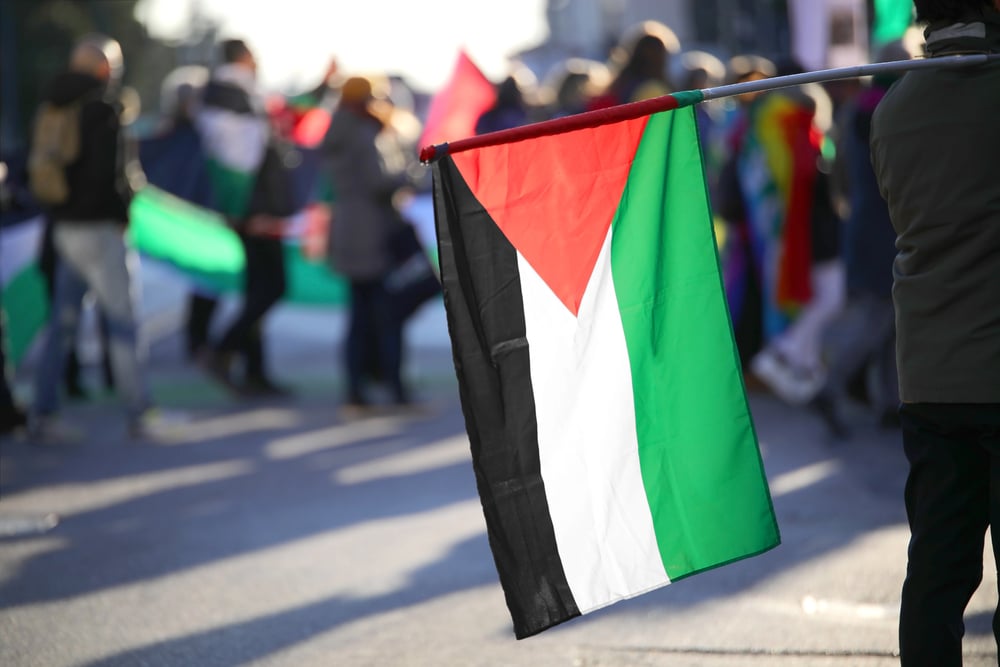
Traveling with a Palestinian document means stepping into uncertainty, because not every nation sees Palestine as an independent country. Around five million people carry these papers, yet crossing borders can still be blocked by refusal from foreign governments.
While others breeze through checkpoints, Palestinians frequently meet hurdles unknown to most passport users. This uneven treatment mirrors the unresolved debate over national identity and self-rule.
Iroquois Nationals
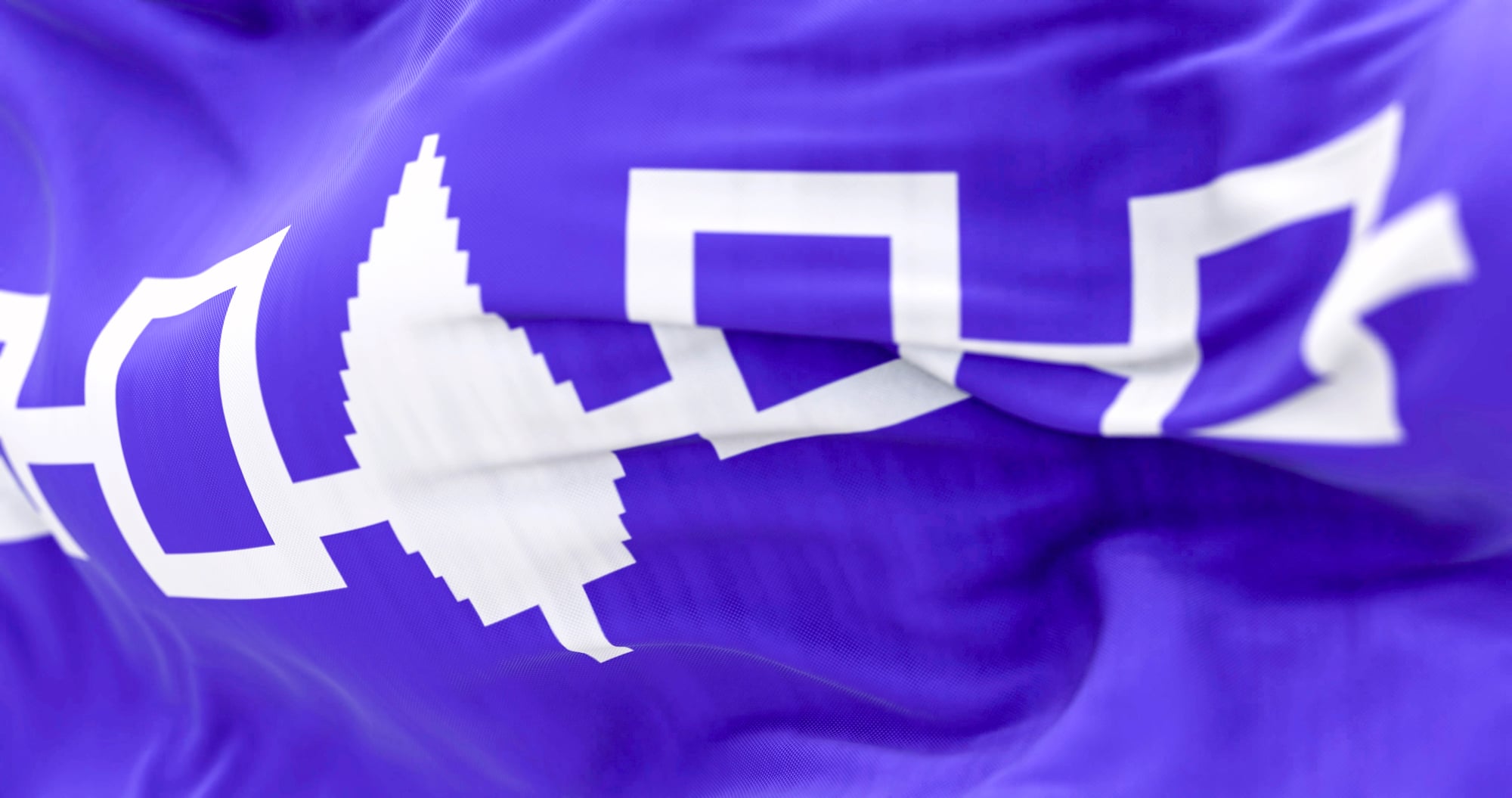
A small number of people carry Haudenosaunee passports – mostly athletes playing lacrosse abroad. These travel papers come from a confederacy that governs itself across national lines.
Recognition is spotty; many governments treat them as symbolic rather than legal. U.S. and Canadian border rules shift without warning, making crossings unpredictable.
Each booklet stands as proof of self-rule, handed out by a nation that predates modern states.
Why rarity matters
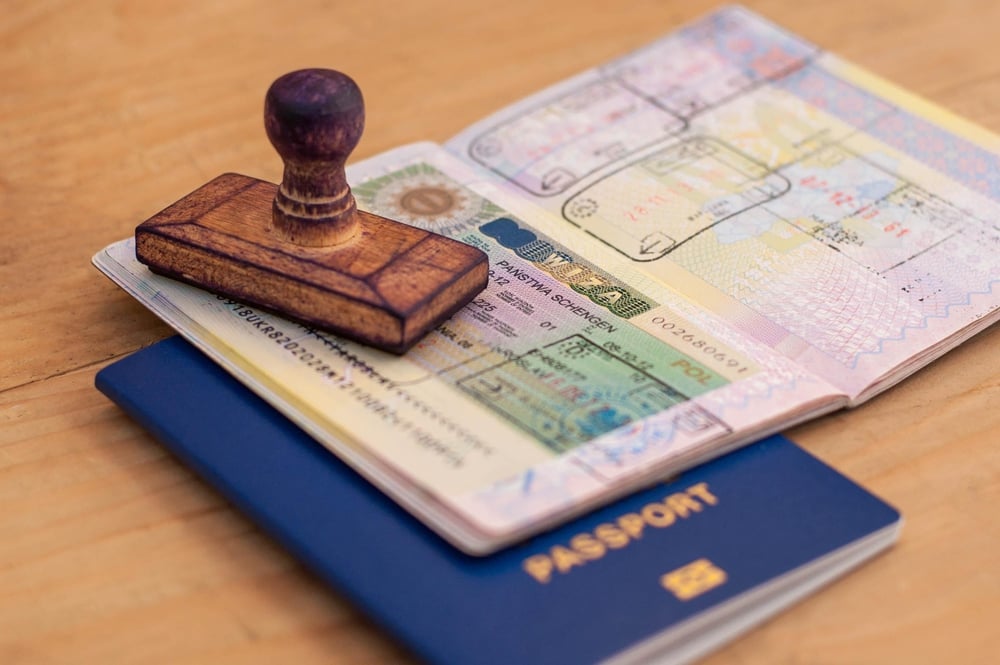
Not every passport fits the usual mold – some speak of tiny corners of Earth where borders blur or rules bend. Where one person sees a map, another spots gaps filled by states you might miss if blinking.
These slips of paper travel with folks who live in pockets of land few can name. Questions pile up when officers squint at stamps they do not recognize.
Though size may shrink visibility, it does not erase legitimacy. Even micro-territories issue documents that hold weight beyond their footprint.
More from Go2Tutors!

- The Romanov Crown Jewels and Their Tragic Fate
- 13 Historical Mysteries That Science Still Can’t Solve
- Famous Hoaxes That Fooled the World for Years
- 15 Child Stars with Tragic Adult Lives
- 16 Famous Jewelry Pieces in History
Like Go2Tutors’s content? Follow us on MSN.



