Largest Museums by the Number of Items on Display
Walking through a museum feels like stepping into a treasure vault where human curiosity has been carefully catalogued and preserved. Some institutions hold collections so vast that even their curators haven’t seen everything tucked away in storage.
The numbers alone tell a story of ambition, obsession, and the peculiar human need to gather, organize, and display the fragments of our world. These museums don’t just house artifacts — they house entire civilizations worth of accumulated knowledge, beauty, and wonder.
The Louvre Museum
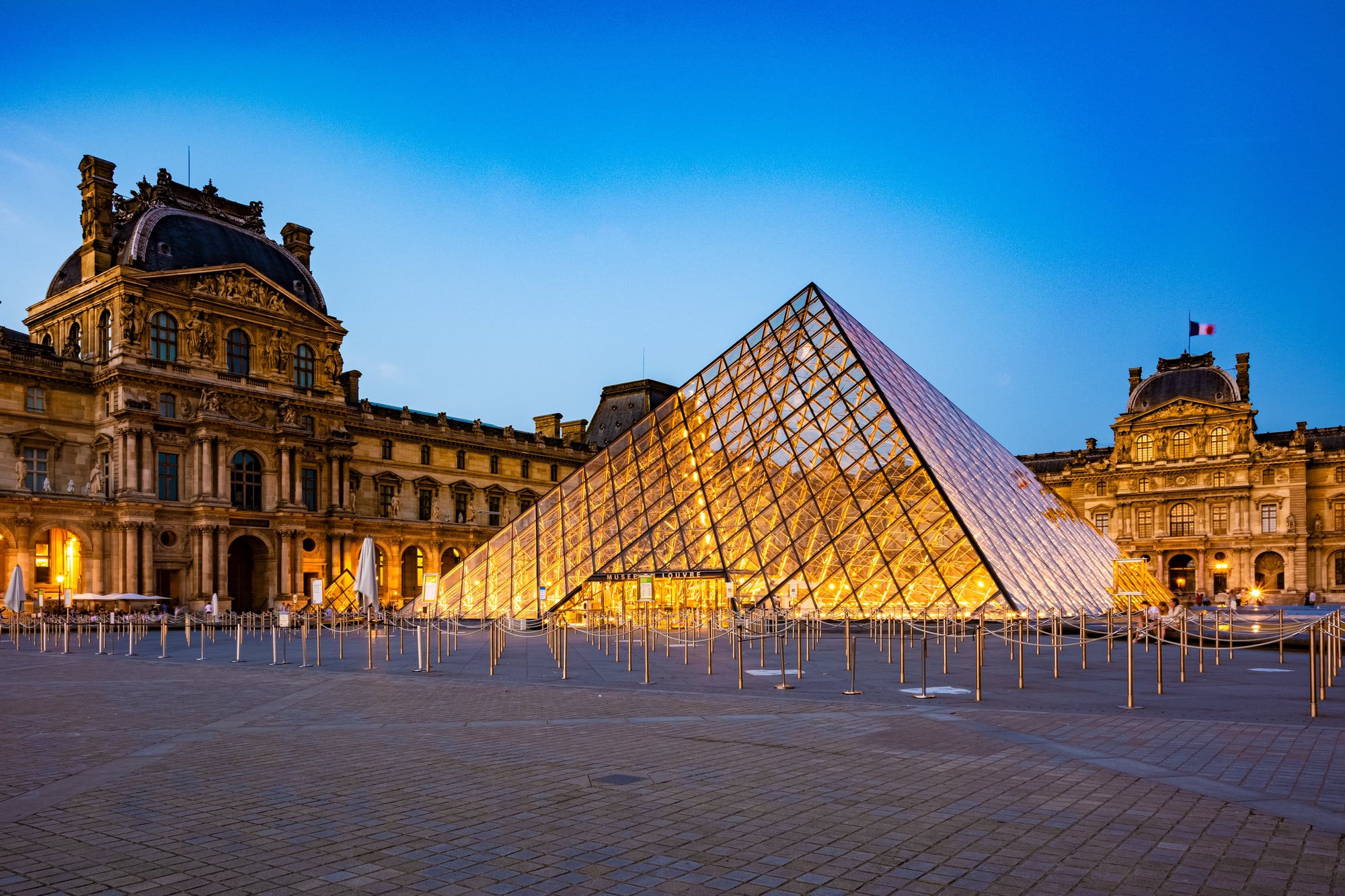
The Louvre displays roughly 35,000 items. That’s just a fraction of what they own.
Behind every piece hanging in those endless corridors sits another dozen waiting in climate-controlled storage rooms. The math is unforgiving: show everything, and visitors would need weeks just to glimpse each item.
Most people head straight for the Mona Lisa and call it a day.
The British Museum
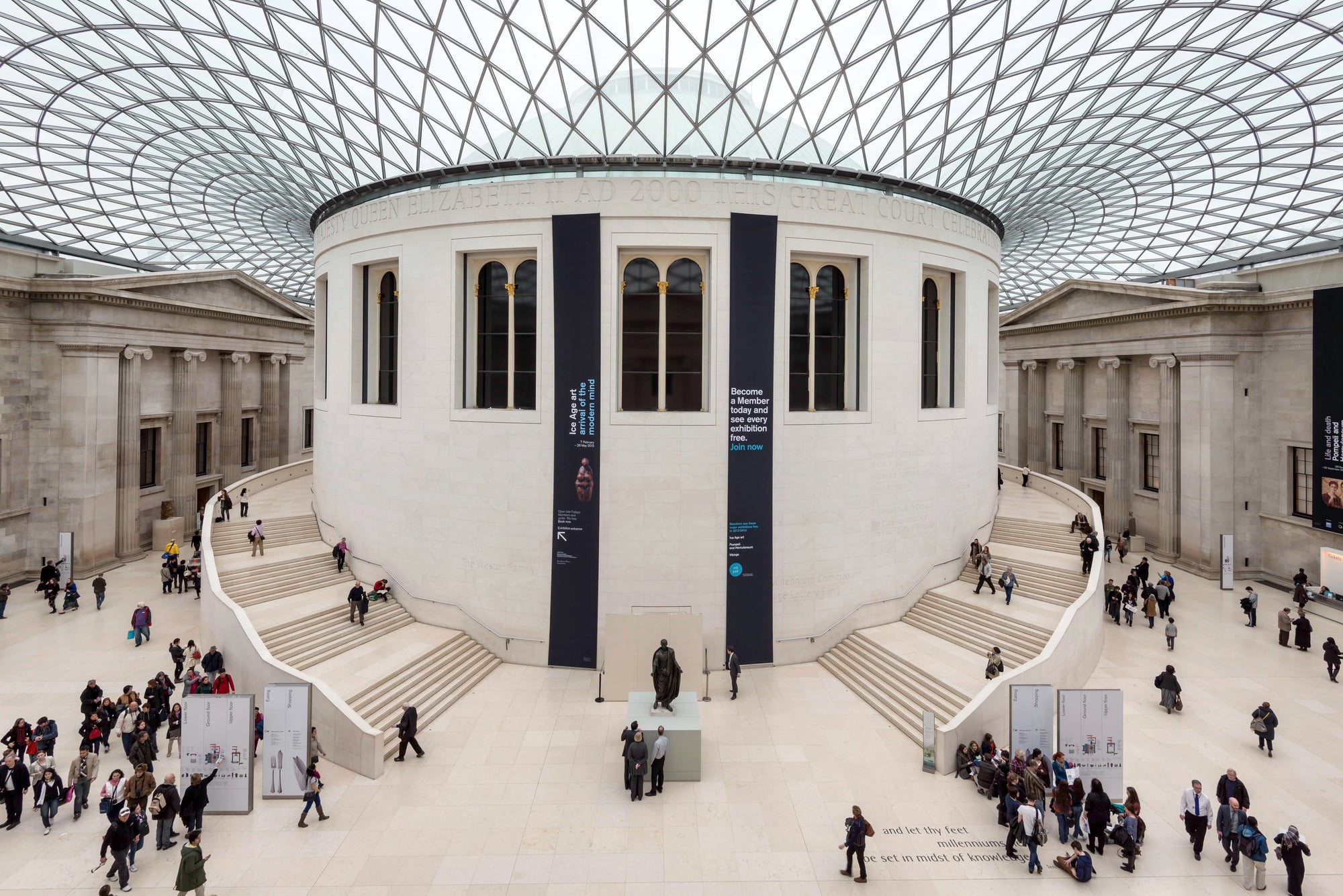
The British Museum’s collection spans (and this is where it gets complicated, because when you’re dealing with artifacts that represent the entirety of human civilization, the counting gets messy) roughly 8 million objects, with about 80,000 on display at any given time — though that number shifts as exhibitions rotate and new acquisitions arrive. And yet, even with that staggering volume, walking through the museum feels less like seeing everything and more like sampling from an impossibly deep well.
The Egyptian rooms alone could occupy entire afternoons (they frequently do), while the Greek galleries stretch on with the persistence of someone who refuses to edit their stories down to manageable size.
So you end up moving through centuries in minutes. But that’s the point.
The museum doesn’t apologize for its ambition: it simply presents human history as if it all happened in the same neighborhood, which, in a sense, it did.
The Metropolitan Museum of Art
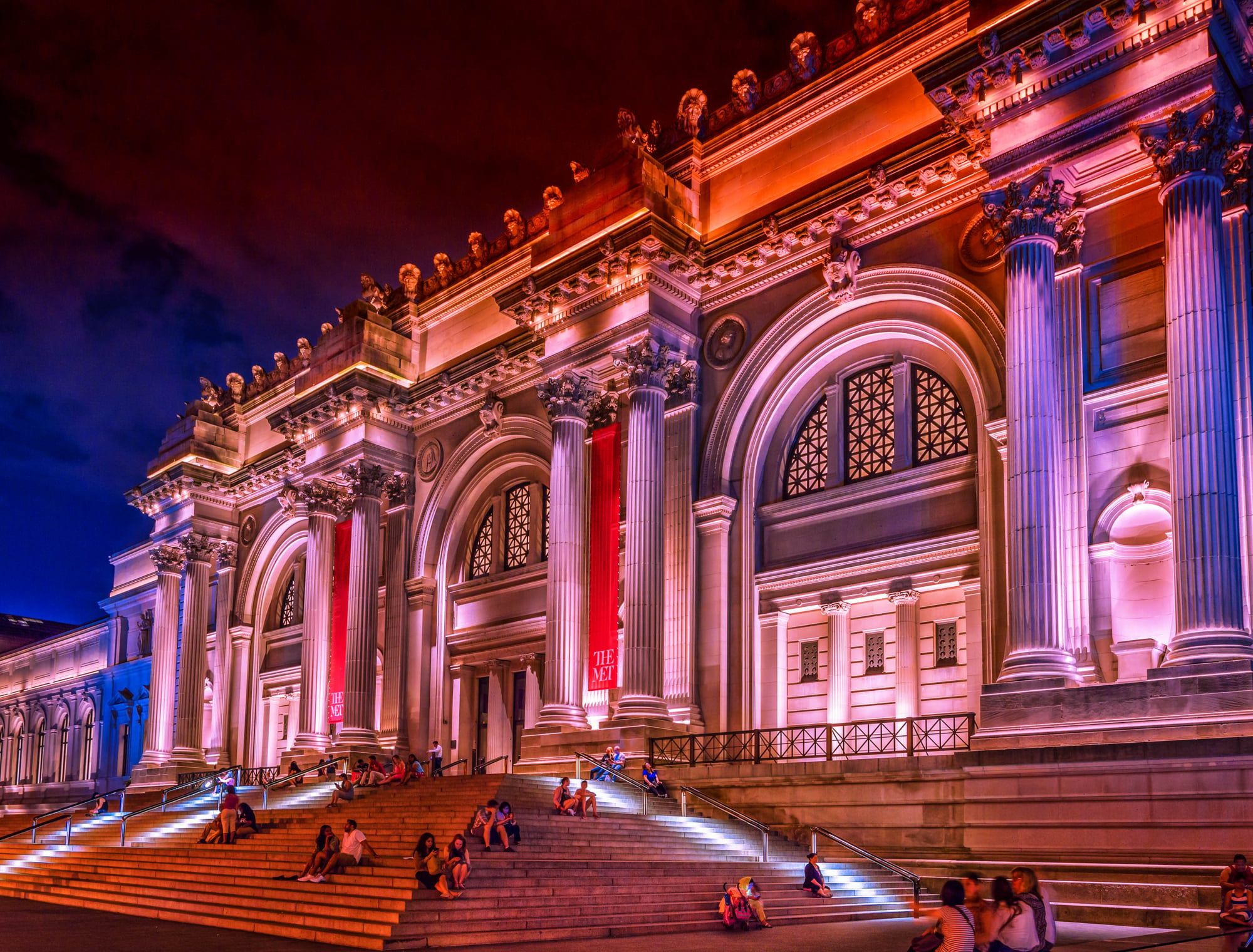
There’s something about walking into the Met that feels like entering a cathedral built for objects rather than prayers. The institution displays approximately 25,000 pieces from a collection that spans 5,000 years, and each room seems to whisper that this is only the beginning.
You turn a corner expecting Renaissance paintings and find yourself face-to-face with medieval armor that still seems ready for battle.
The museum doesn’t arrange itself chronologically, which means Egyptian sarcophagi sit a few hallways away from Jackson Pollock’s paint splatters. Time becomes negotiable here.
Ancient feels contemporary when it’s lit properly, and contemporary feels ancient when it’s surrounded by enough history to humble any era’s sense of its own importance.
The State Hermitage Museum

The Hermitage displays around 60,000 items across 365 rooms. The numbers sound precise until you realize they’re constantly shifting.
Catherine the Great started this collection with the kind of imperial appetite that doesn’t recognize limits. She bought art the way other people buy groceries — by the cartload, without much concern for where it would all fit.
The Winter Palace wasn’t built for public viewing, but here it stands, transformed into a maze where Rembrandt shares space with Picasso.
Walking through takes stamina. The museum estimates it would take 11 years to see everything if you spent just one minute looking at each piece.
Most visitors manage about four hours before their feet stage a revolt.
The Vatican Museums
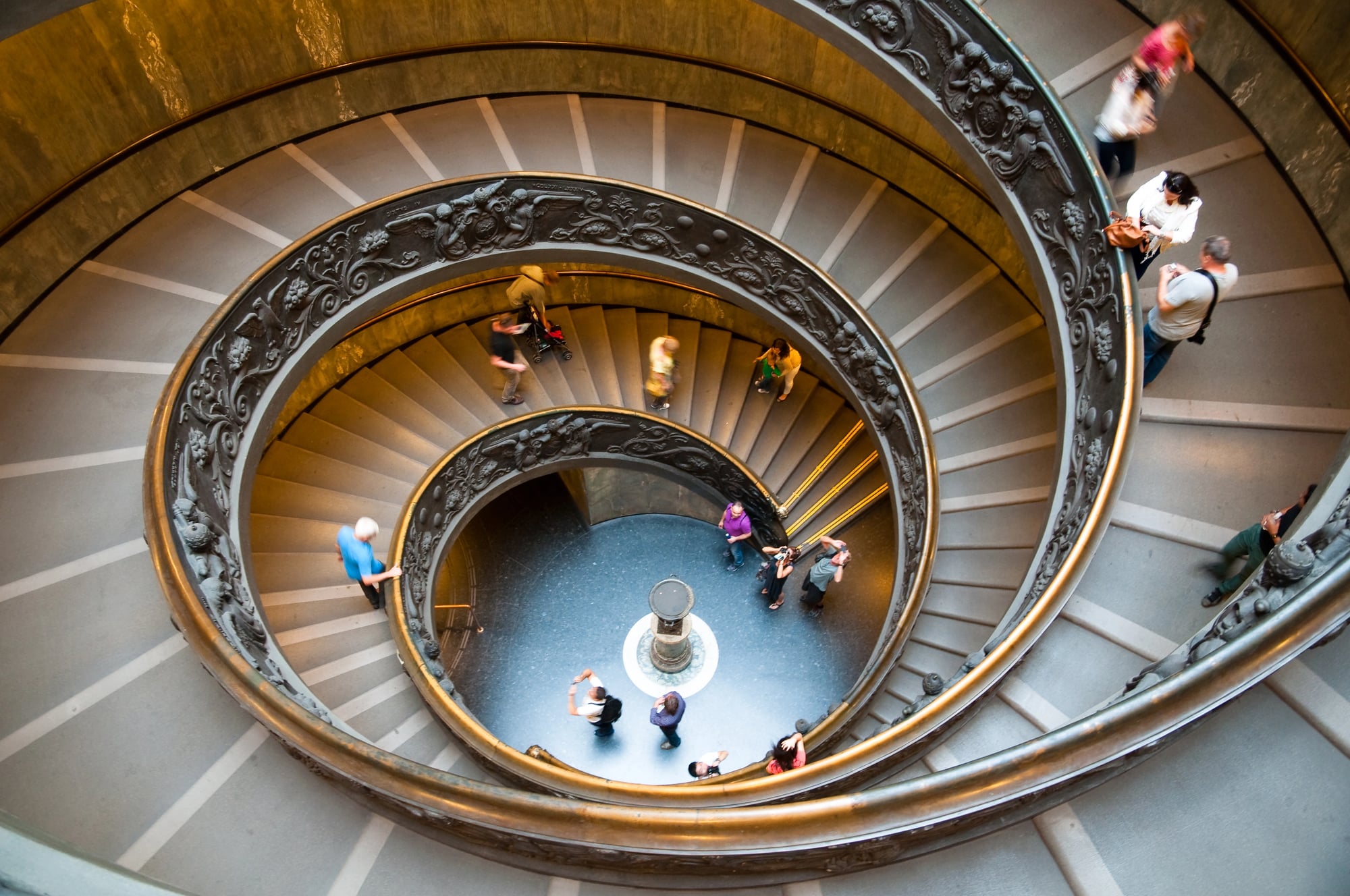
The Vatican’s approach to collecting art borders on theological: if it exists and has cultural significance, it belongs here (and by extension, belongs to the divine). The museums display roughly 54,000 pieces from a collection that numbers in the millions, though getting exact counts proves challenging when your institution has been accumulating treasures for over five centuries.
The Sistine Chapel alone justifies the entry fee, but that’s before you encounter the endless hallways lined with tapestries, sculptures, and paintings that represent the Catholic Church’s particular brand of cultural hoarding — which is to say, comprehensive and unapologetic.
But here’s the thing about the Vatican Museums: they feel less like a museum and more like walking through someone’s impossibly grand house where every surface has been covered with priceless art.
Which, historically speaking, isn’t far from the truth.
The Smithsonian National Museum of Natural History

Museums that focus on natural history operate by different rules than their art-focused counterparts. Here, the question isn’t whether a piece deserves display space but whether it represents something larger about how the world works.
The National Museum of Natural History puts roughly 3,000 specimens and artifacts on public display, pulled from a collection that exceeds 145 million items.
The Hope Diamond gets the crowds, but the real treasures live in the halls dedicated to human origins and planetary formation. These rooms remind you that Earth managed just fine for billions of years without human interference, and will likely continue doing so long after we’re gone.
Standing next to a dinosaur skeleton has a way of putting daily concerns into perspective.
The National Palace Museum

The National Palace Museum displays approximately 15,000 pieces. Every item tells a story about imperial Chinese taste and power.
The collection represents nearly 5,000 years of Chinese cultural achievement, from ancient bronzes to delicate porcelain that survived multiple dynasty changes. Most pieces spent centuries tucked away in the Forbidden City before making their way to Taiwan.
The museum rotates exhibitions constantly. Return six months later and you’ll encounter an entirely different selection of treasures.
They could run for decades without repeating a display.
The State Russian Museum
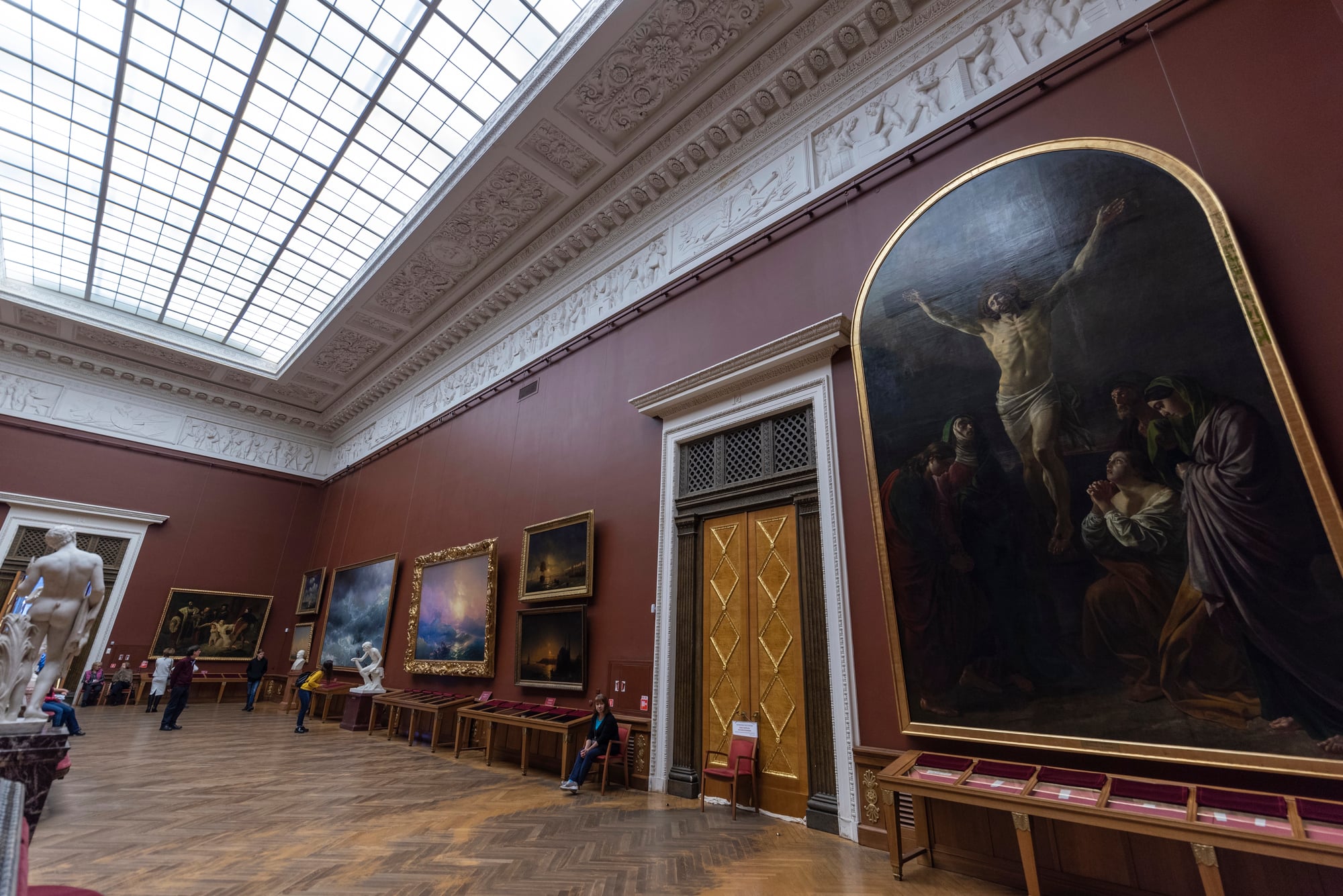
Russian art demands its own vocabulary — there’s a particular intensity to how these artists approached their subjects, as if each painting needed to justify its existence against the backdrop of political upheaval and cultural transformation. The State Russian Museum displays roughly 400,000 items that span Russian art from ancient icons to contemporary installations, and walking through these galleries feels like taking a master class in how art responds to power, revolution, and the persistent human need to create beauty despite circumstances that suggest doing otherwise.
The museum doesn’t shy away from the political dimensions of its collection (how could it, given Russian history?), but it also doesn’t let politics overwhelm the aesthetic experience.
A Repin painting works as both historical document and visual pleasure — which is probably how art should function anyway.
The National Gallery
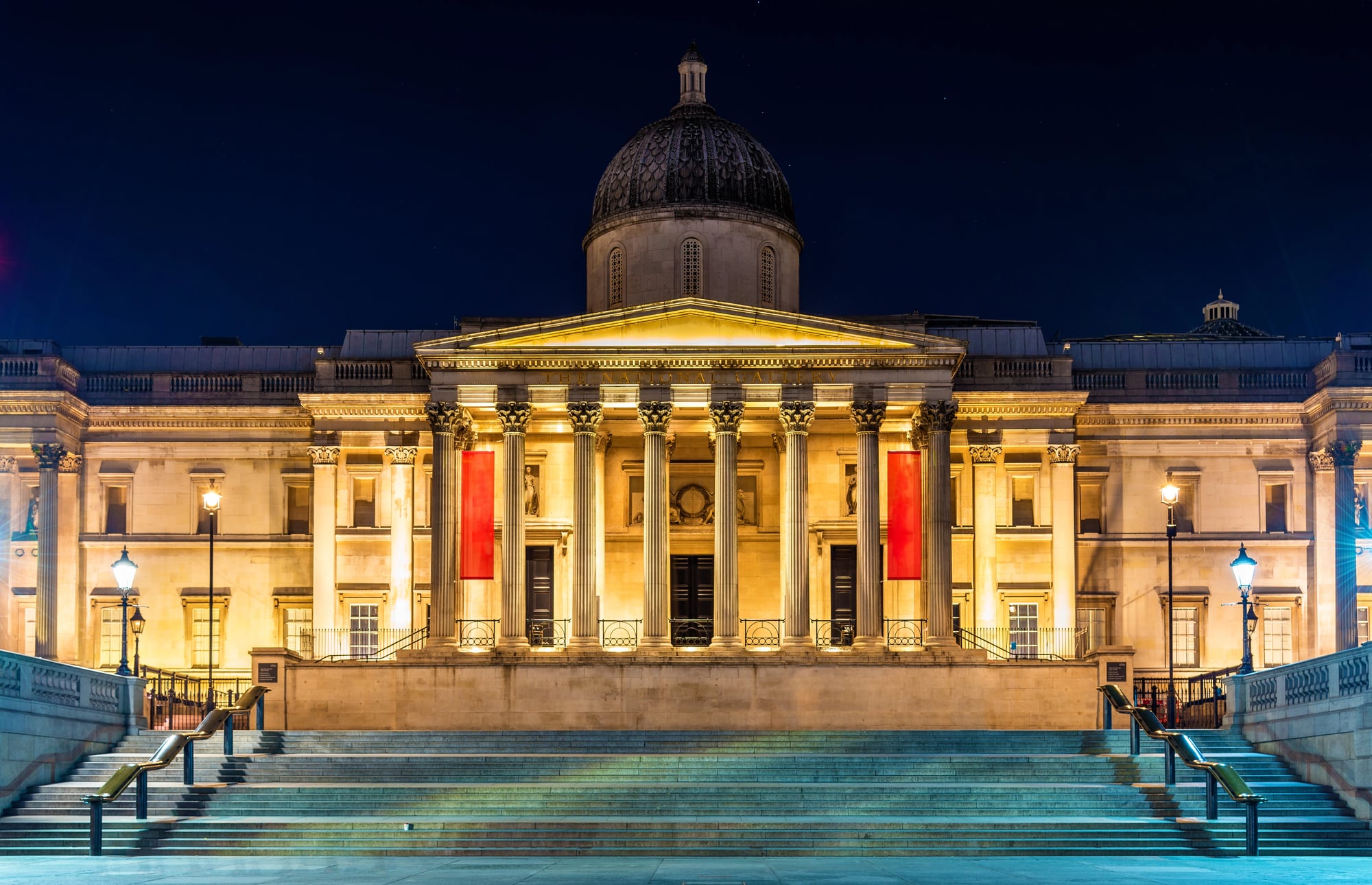
The National Gallery operates on a principle of quality over quantity. They display around 2,300 paintings spanning Western European art from the 13th to 19th centuries.
Every piece earns its wall space through historical significance or aesthetic achievement. No filler, no diplomatic acquisitions that look impressive in press releases but bore visitors.
The collection flows chronologically, which means you can watch artistic techniques evolve across centuries without getting distracted by curatorial gimmicks.
Van Gogh’s “Sunflowers” hangs near Leonardo’s “Virgin of the Rocks.” The proximity makes sense when you’re tracing how artists approached light and shadow across different eras.
Geography becomes less important than artistic conversation.
The Rijksmuseum
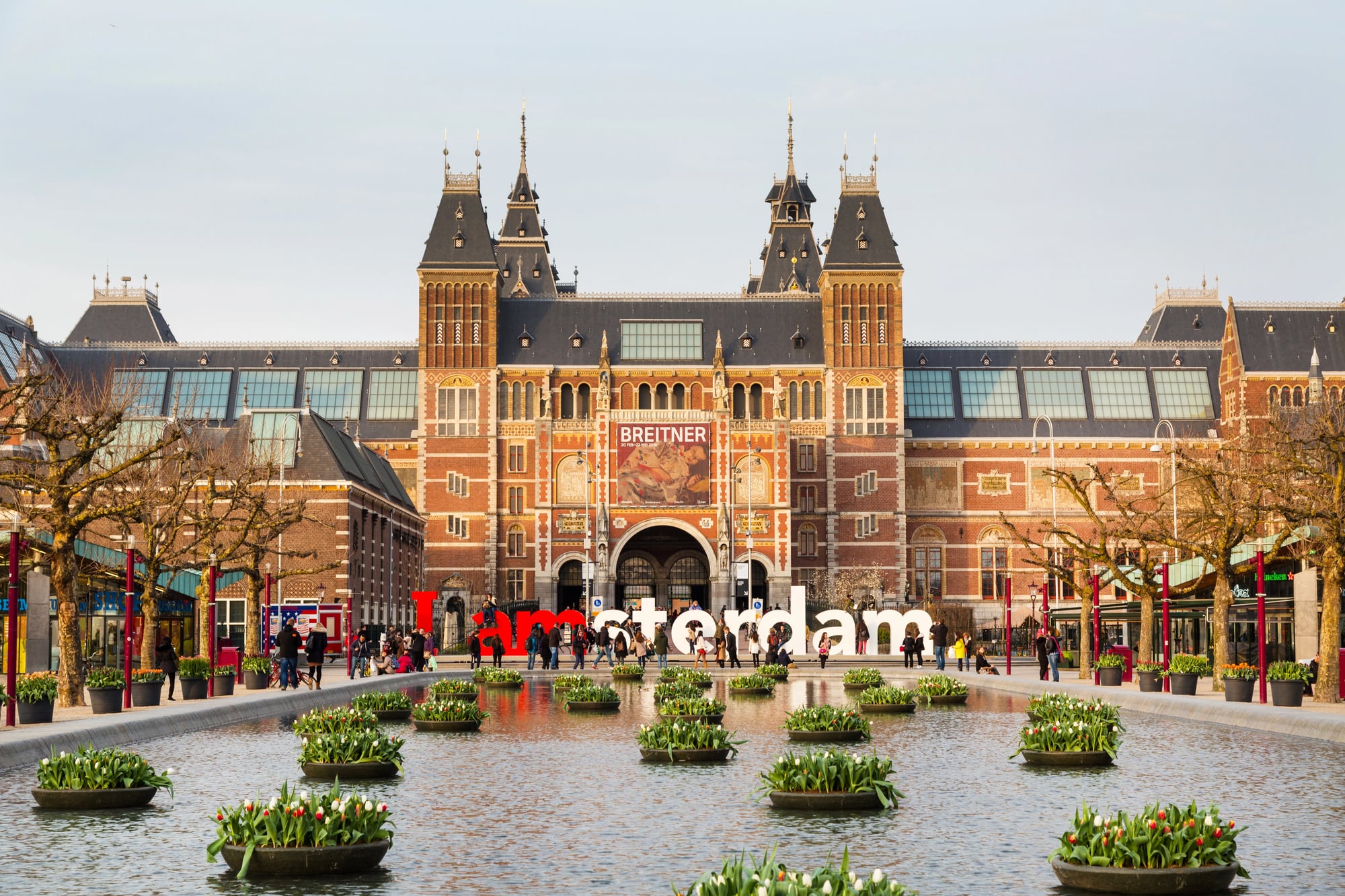
There’s something deeply satisfying about a museum that knows exactly what it does well and commits fully to that mission. The Rijksmuseum focuses on Dutch art and history from the Middle Ages to the present, displaying about 8,000 objects that tell the story of the Netherlands with the kind of focused attention that broader institutions can’t match.
The museum’s recent renovation transformed it from a stuffy repository into something that feels alive — rooms flow naturally, natural light enhances rather than competes with the artwork, and the famous works (Rembrandt’s “Night Watch,” Vermeer’s “Milkmaid”) sit comfortably alongside pieces that reveal how ordinary Dutch life looked centuries ago.
This approach works because Dutch art was never particularly interested in separating the sacred from the secular, the important from the everyday.
So a museum that treats still lifes with the same respect as historical paintings feels true to the culture it represents.
The Museum of Modern Art

MoMA displays roughly 4,500 works from a collection that exceeds 200,000 pieces. Modern art moves fast — what seemed revolutionary five years ago already looks dated.
The museum faces a peculiar challenge: how do you preserve artistic movements that were designed to reject preservation? Jackson Pollock didn’t drip paint onto canvas thinking about climate-controlled storage and museum lighting.
But here his work hangs, institutionalized despite itself.
The permanent collection rotates regularly. Contemporary art demands fresh context, new conversations with different pieces.
Standing still means falling behind.
The National Museum of China

The National Museum of China displays approximately 100,000 items across 48 exhibition halls, which sounds overwhelming until you realize this represents just a fraction of a collection that documents 5,000 years of Chinese civilization. The museum serves multiple purposes simultaneously: cultural repository, tourist destination, and subtle assertion of China’s historical continuity and contemporary importance (the building itself, completed in 2003, makes its own architectural argument about China’s place in the modern world).
But the real power of this collection lies in its scope — ancient jade carvings sit alongside Revolutionary-era propaganda, while contemporary installations comment on both.
The museum doesn’t present Chinese history as a series of discrete periods but as a continuous conversation between past and present, which feels honest given how much of contemporary China draws explicitly on historical precedents.
The Uffizi Gallery
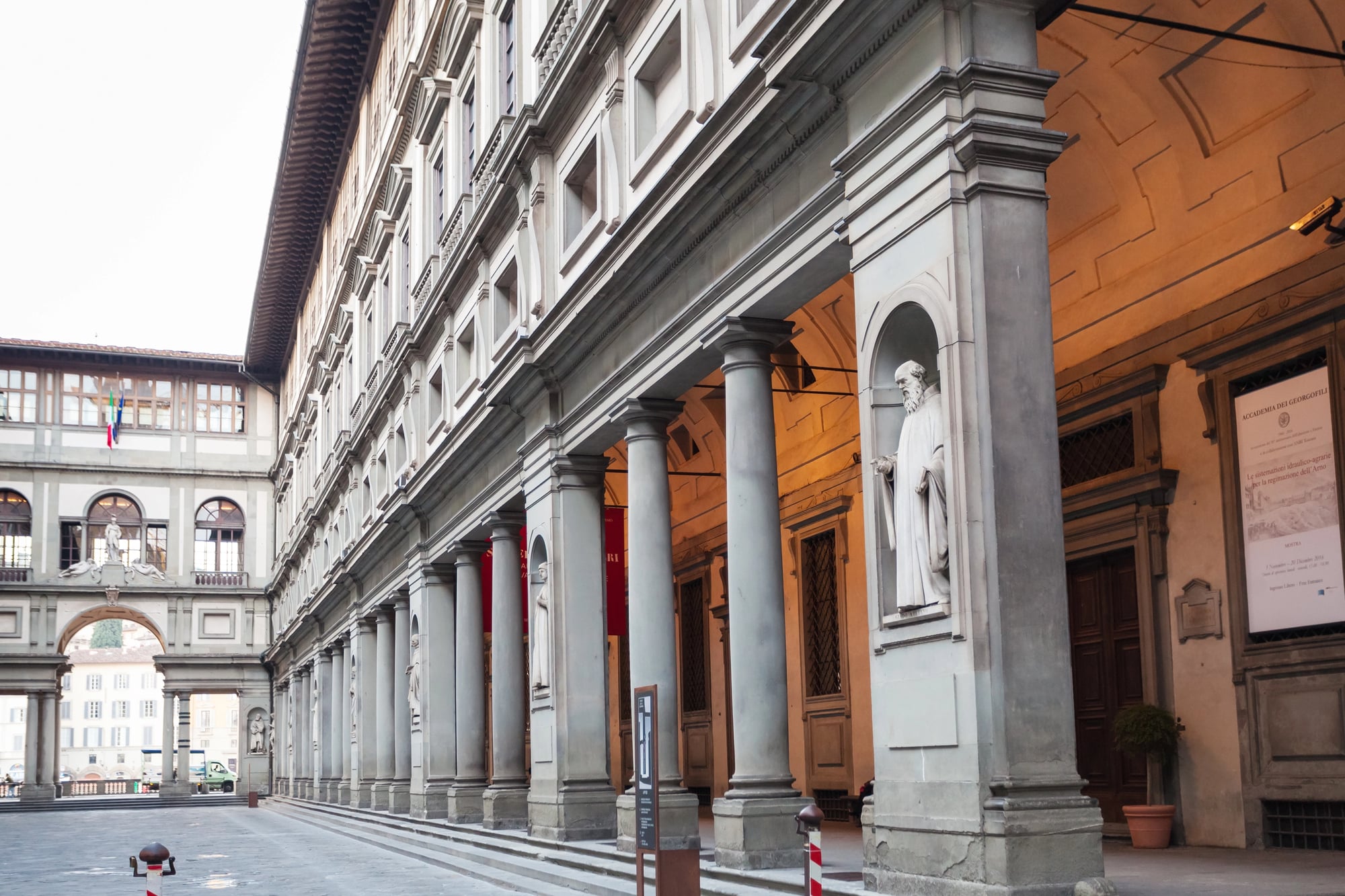
The Uffizi proves that sometimes smaller means better. The gallery displays around 4,000 works, mostly focusing on Italian Renaissance art.
Botticelli’s “Birth of Venus” justifies the entrance fee alone, but the real pleasure comes from seeing how Florentine artists influenced each other across generations. The museum occupies the former administrative offices of the Medici family, which explains both its intimate scale and its focus on artistic patronage.
You can walk through the entire permanent collection in a few hours. This feels like a feature, not a limitation.
Art appreciation requires stamina, and the Uffizi respects that constraint.
The Pushkin State Museum of Fine Arts
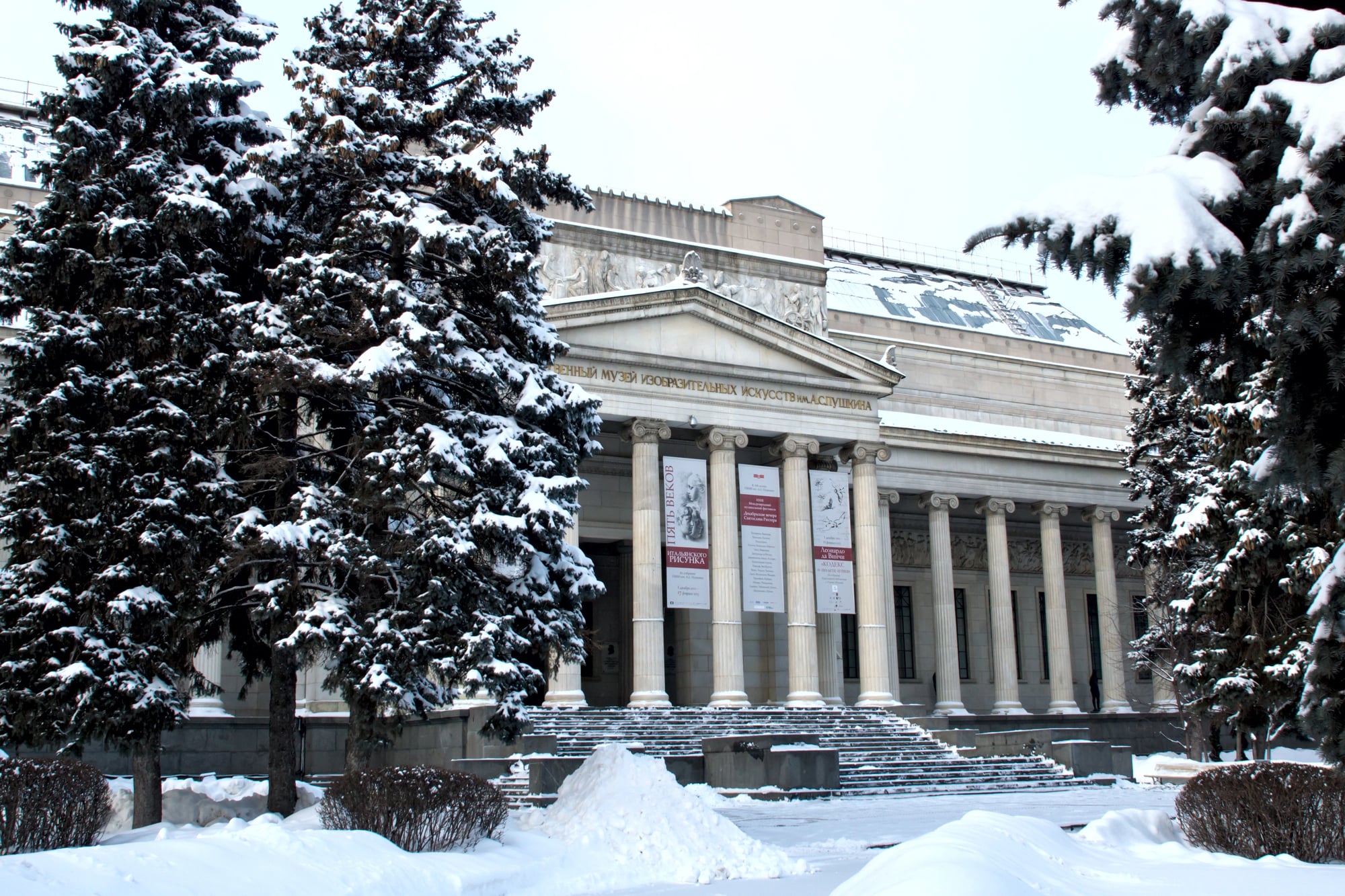
Russian collectors developed particularly sophisticated taste in French Impressionist and Post-Impressionist art, which explains why the Pushkin Museum’s collection of Western European art rivals any museum outside of Paris itself. The museum displays roughly 3,000 items, with its French collection representing some of the finest examples of Monet, Renoir, and Cézanne outside of France — acquired during that brief historical window when Russian aristocrats had both the wealth and access to buy directly from Parisian galleries.
The museum’s approach to display emphasizes artistic development over national boundaries, so you can trace how Impressionist techniques influenced Russian artists who studied in Paris and returned home with new ways of seeing light and color.
This cross-cultural conversation feels more honest than museums that organize collections strictly by geography.
A Living Archive of Human Ambition

These numbers represent more than institutional bragging rights — they document humanity’s persistent need to collect, preserve, and share the objects that define our various cultures. Every museum on this list started with someone deciding that certain things deserved to outlast their creators, and the scale of these collections reflects just how much we’ve produced that seemed worth keeping.
The real magic happens not in the counting but in the encountering. Walking through any of these institutions reminds you that human creativity operates on a scale that defies individual comprehension, and that’s probably exactly as it should be.
More from Go2Tutors!

- The Romanov Crown Jewels and Their Tragic Fate
- 13 Historical Mysteries That Science Still Can’t Solve
- Famous Hoaxes That Fooled the World for Years
- 15 Child Stars with Tragic Adult Lives
- 16 Famous Jewelry Pieces in History
Like Go2Tutors’s content? Follow us on MSN.