Exotic Fruits With Wild Flavors
If you think you’ve tasted everything the fruit world has to offer, you’re probably wrong. While apples and bananas are doing their best to be reliable, there’s a whole universe of fruits out there that taste like nothing you’ve ever experienced.
Some smell like gym socks but taste like heaven, others look like alien eggs, and a few might actually rewire how your taste buds work (yes, really). These are the fruits that make you question what flavor even means.
Durian

The king of fruits is also the king of controversy. Durian smells like a combination of rotting onions, turpentine, and raw sewage, which is why it’s banned in hotels and public transportation across Southeast Asia.
But people who love it really love it—the custard-like flesh tastes sweet and savory at the same time, with hints of almond and caramel. Anthony Bourdain called it indescribable, and honestly, that track.
You either become obsessed or you can’t get within ten feet of one without gagging (there’s no middle ground here).
Dragon Fruit
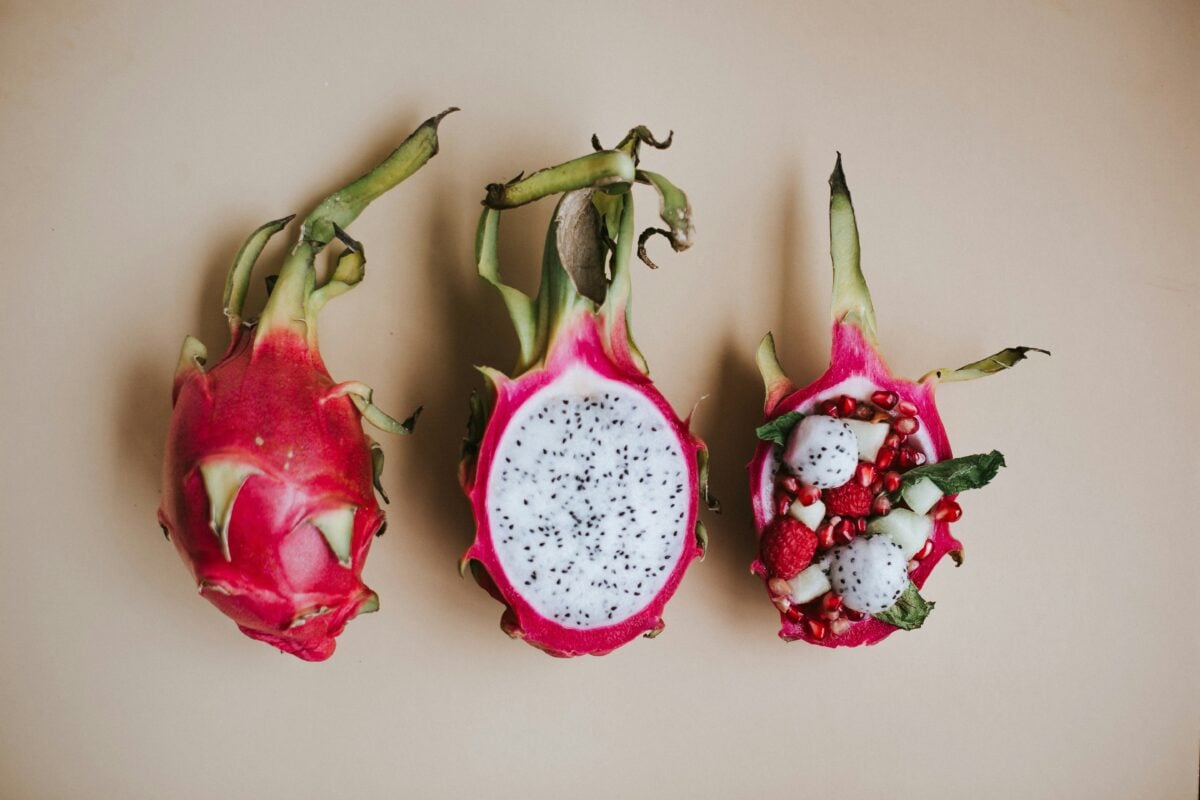
This one looks way more interesting than it tastes, which is disappointing. The bright pink or yellow skin with green scales makes it Instagram-famous, and the white or magenta flesh speckled with tiny black seeds looks cool when you slice it open.
But the flavor? Kind of like a watered-down kiwi mixed with a mild pear. Still, it’s refreshing and crunchy, so there’s that.
Rambutan

Rambutan literally means “hairy” in Malay, and once you see one, you’ll understand why. These little red or yellow fruits are covered in soft, spiky tendrils that make them look like sea urchins or some kind of exotic deep-sea creature.
Peel away that wild exterior and you’ll find translucent white flesh that tastes like a grape and a lychee had a baby. Sweet, floral, and just a bit musky. They grow throughout Southeast Asia, and if you’re ever in Thailand or Malaysia, you’ll see them piled high at every market (usually for pretty cheap, which is dangerous because they’re addictive).
Miracle Fruit

This is the fruit that breaks the rules of reality. Miracle fruit contains a protein called miraculin that binds to your taste receptors and makes sour things taste sweet for about 30 minutes to an hour.
Eat one of these berries, then bite into a lemon—it’ll taste like the sweetest lemonade you’ve ever had. People throw “flavor-tripping parties” where they eat miracle fruit and then try all kinds of sour foods.
The berry itself is pretty bland and slightly sweet, but that’s not why you’re eating it.
Mangosteen

The queen of fruits (if durian is the king). Mangosteen has a thick, deep purple rind that you crack open to reveal pure white segments that look like garlic cloves but taste like a tropical dream—sweet, tangy, creamy, with notes of peach and strawberry.
It’s been called the best-tasting fruit in the world by people who actually know fruit.Queen Victoria supposedly offered a reward to anyone who could bring her fresh mangosteens, which is very on-brand for Victorian excess.
They’re hard to find fresh outside of Asia because the rind is fragile and the fruit doesn’t ship well.
Horned Melon
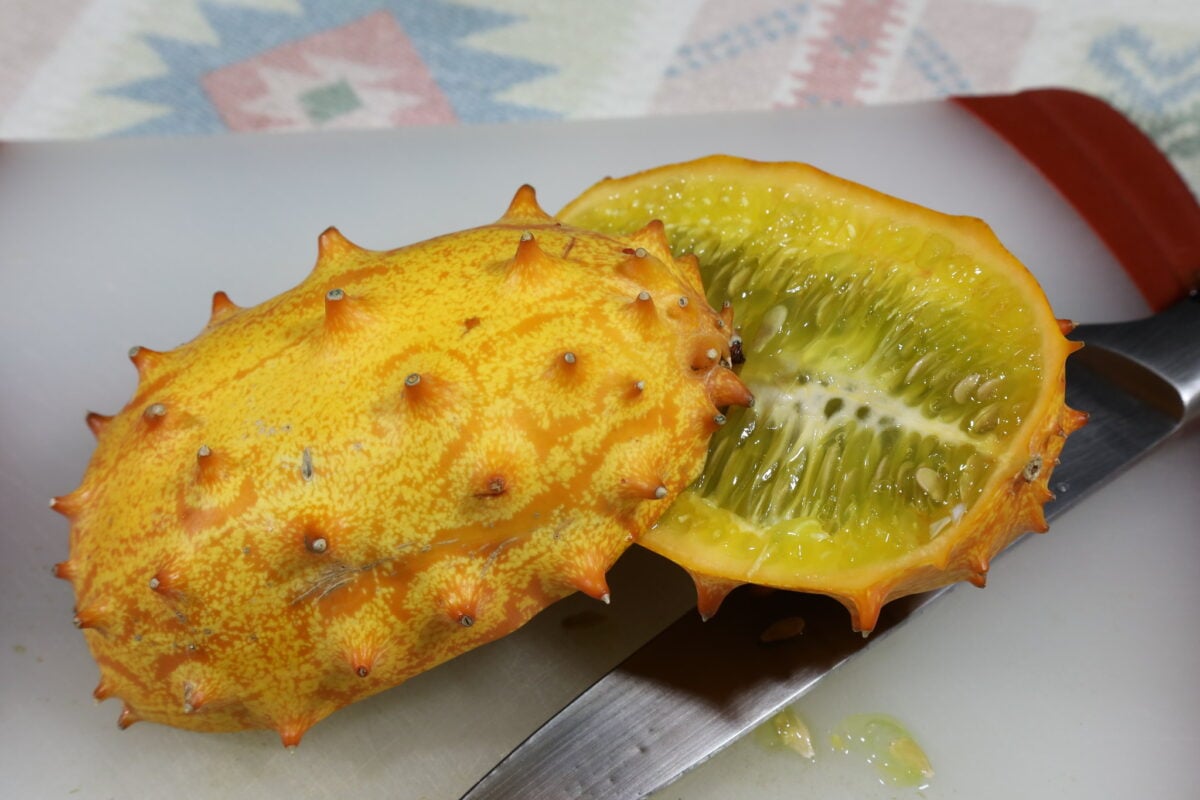
Also called kiwano, and it looks like something from a sci-fi movie. The orange spiky shell looks downright hostile, but inside you get this bright green jelly-like flesh with edible seeds.
The taste is weird—cucumber meets lime meets banana, kind of? It’s more interesting than delicious, honestly. People use it more for decoration than eating half the time.
Cherimoya

Mark Twain called this “deliciousness itself,” which seems like he was really trying to sell it. Cherimoya tastes like a blend of banana, pineapple, and strawberry with a custard texture that’s almost too rich.
The flesh is white and creamy, and you eat it with a spoon after cutting it in half. It’s native to the Andes but grows in California and Spain now.
The seeds are toxic though, so don’t eat those (seems like an important detail).
Ackee

Jamaica’s national fruit, and it’s also the star of their national dish, ackee and saltfish. Here’s the thing: if you eat ackee before it’s fully ripe, it can literally kill you.
The unripe fruit contains hypoglycin, which causes Jamaican vomiting sickness and can lead to coma or death. But when it’s ripe and the fruit naturally splits open, the yellow arils inside are safe and taste buttery and mild, kind of like scrambled eggs (which is why it works so well in savory dishes).
You won’t find fresh ackee in the U.S. because it’s illegal to import, but canned ackee is available.
Salak
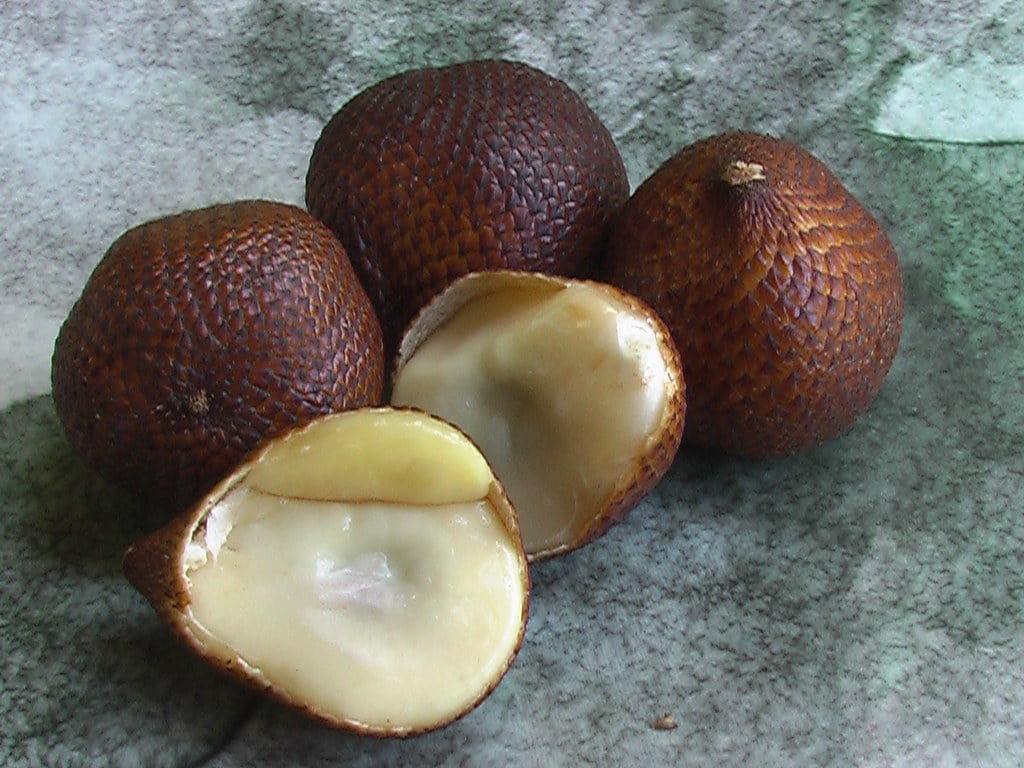
Snake fruit gets its name from the reddish-brown scaly skin that looks exactly like snakeskin. You peel it off in sections to reveal three lobes of off-white fruit that’s crunchy and sweet-sour, tasting somewhere between apple and pineapple with a slightly astringent finish.
The texture is drier than most tropical fruits, almost chalky. It grows on palm trees in Indonesia, and there are different varieties—some sweeter, some more sour.
Buddha’s Hand

This citrus fruit looks like a yellow squid or a bunch of twisted fingers reaching out (hence the name). It’s all rind and pith with no flesh or juice inside, which makes it basically useless for eating but amazing for zesting.
The fragrance is incredible—intensely lemony and floral. People in China and Japan use it as an offering in temples and to perfume rooms. You can candy the fingers or use the zest in cooking, but mostly it just sits on your counter looking weird and smelling great.
Jabuticaba
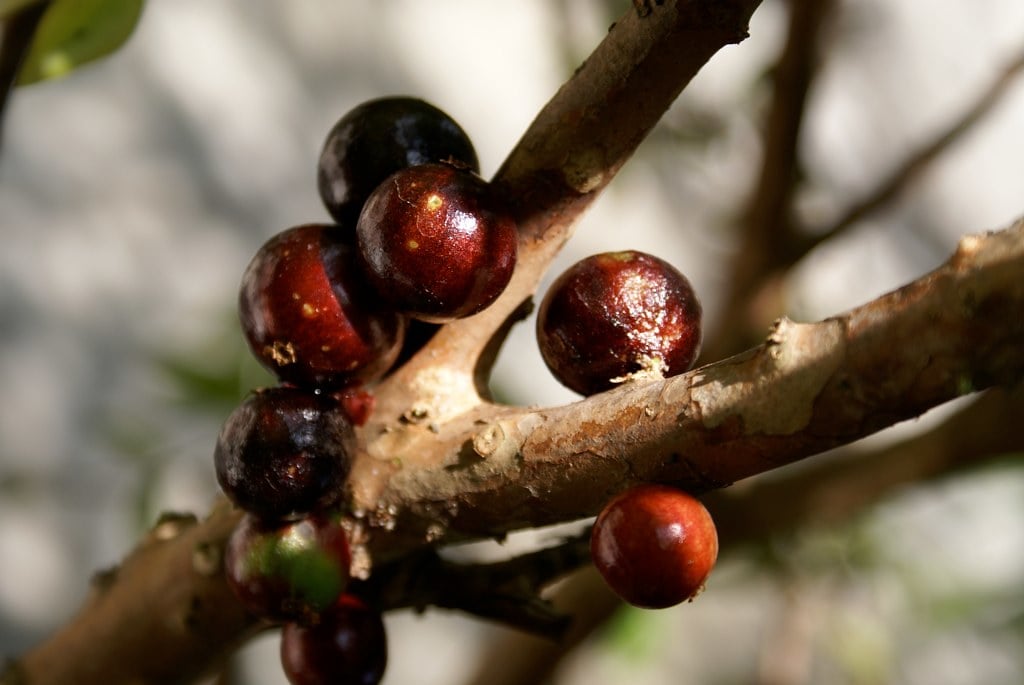
Brazilian grape tree. And yes, the grapes grow directly on the trunk and branches, which looks disturbing and beautiful at the same time—like the tree has some kind of purple disease or is covered in strange growths. The fruit tastes like a muscadine grape with notes of lychee, and Brazilians make it into wine, liqueur, and jams.
You have to eat them fresh because they ferment within a few days of being picked (the skin starts fermenting almost immediately, which is why you’ll never see these exported).
Cupuaçu

Another Brazilian fruit, related to cacao. The white pulp inside tastes like chocolate mixed with pineapple and pear, which sounds made up but isn’t.
It’s creamy and sour and sweet all at once. Brazilians use it in juices, ice cream, and desserts. The smell is powerful and tropical—some people love it, some people think it smells like spoiled milk.
And because it’s related to cacao, there’s been talk about making “cupulate” as a chocolate alternative, but it hasn’t really taken off.
Monstera Deliciosa Fruit

Yes, the same Monstera plant that’s all over Instagram as a trendy houseplant also produces fruit (if you’re patient enough to wait about a year for it to ripen). The fruit looks like a green corn cob covered in hexagonal scales.
As it ripens, the scales fall off and you can eat the creamy white flesh underneath, which tastes like a combination of pineapple, banana, and mango with a hint of coconut. But here’s the catch—if you eat it before it’s fully ripe, the calcium oxalate crystals will make your mouth feel like it’s full of tiny needles.
Fun! Most people never get to try this one because the plants rarely fruit indoors.
Langsat

Small, translucent fruit that grows in clusters in Southeast Asia, looking a bit like grapes but with a thicker, tan skin. The flesh is sweet and slightly sour with a bit of bitterness if you accidentally bite into the seed.
Some compare it to a less-sweet lychee or a grapefruit without the intense tang. Not the most exciting fruit on this list, but locals eat them by the bagful during the season. The skin can leave your fingers sticky, which is mildly annoying.
Black Sapote
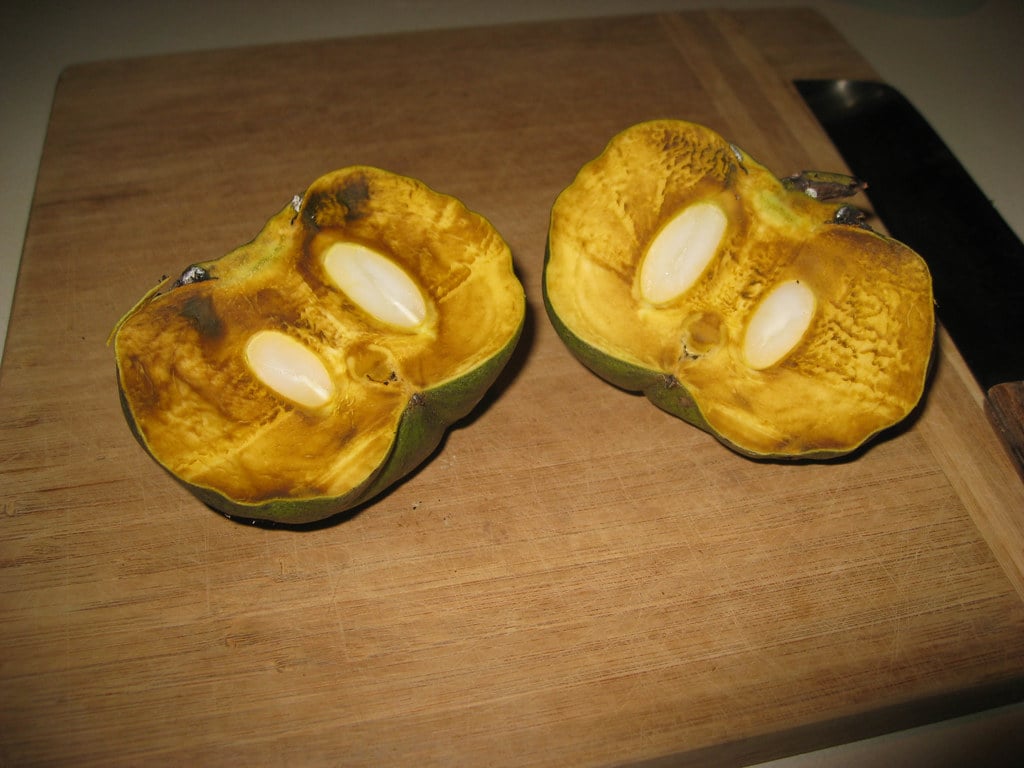
Chocolate pudding fruit. When it’s ripe (and I mean really ripe, like almost-black-mush ripe), the flesh turns dark brown and has the texture of chocolate pudding.
The taste is sweet and mild with hints of caramel, though calling it “chocolate” is generous—it’s more like chocolate-adjacent. People blend it into smoothies or eat it straight with a spoon.
Native to Mexico and Central America, and it’s related to persimmons, which explains the texture. You really have to wait until it’s completely soft to eat it, otherwise it’s bitter and astringent (patience is not optional with this one).
Your Tongue Will Never Be The Same

Some of these fruits you’ll love, some you’ll hate, and some will confuse you so much you won’t know what to think. But that’s the point.
The world of exotic fruits is messy and weird and full of flavors that don’t fit into neat categories. Next time you’re at an Asian market or a specialty grocery store, grab something you can’t pronounce and don’t recognize.
Worst case? You’re out a few bucks and you have a good story.
More from Go2Tutors!

- The Romanov Crown Jewels and Their Tragic Fate
- 13 Historical Mysteries That Science Still Can’t Solve
- Famous Hoaxes That Fooled the World for Years
- 15 Child Stars with Tragic Adult Lives
- 16 Famous Jewelry Pieces in History
Like Go2Tutors’s content? Follow us on MSN.



