The Most Mysterious Objects Currently in Earth Orbit
Look up on any clear night and you might catch a glimpse of something moving steadily across the star field. Most people assume it’s the International Space Station or maybe a communications satellite.
What they don’t realize is that hundreds of objects are circling overhead right now, and nobody has any idea what some of them actually are.
Since the dawn of the space age, Earth’s orbital environment has become a cluttered junkyard of intentional launches, accidental debris, and things that simply defy easy explanation. Some objects broadcast their identity loud and clear.
Others maintain radio silence while performing maneuvers that shouldn’t be possible with known technology. A few have been up there so long that the agencies that launched them have forgotten what they were supposed to do.
The most unsettling part? Several of these mysterious objects are actively changing their orbits, deploying unknown payloads, or exhibiting behaviors that make space tracking experts very uncomfortable.
Here are the most enigmatic things currently sharing our planet’s orbital space.
Zuma
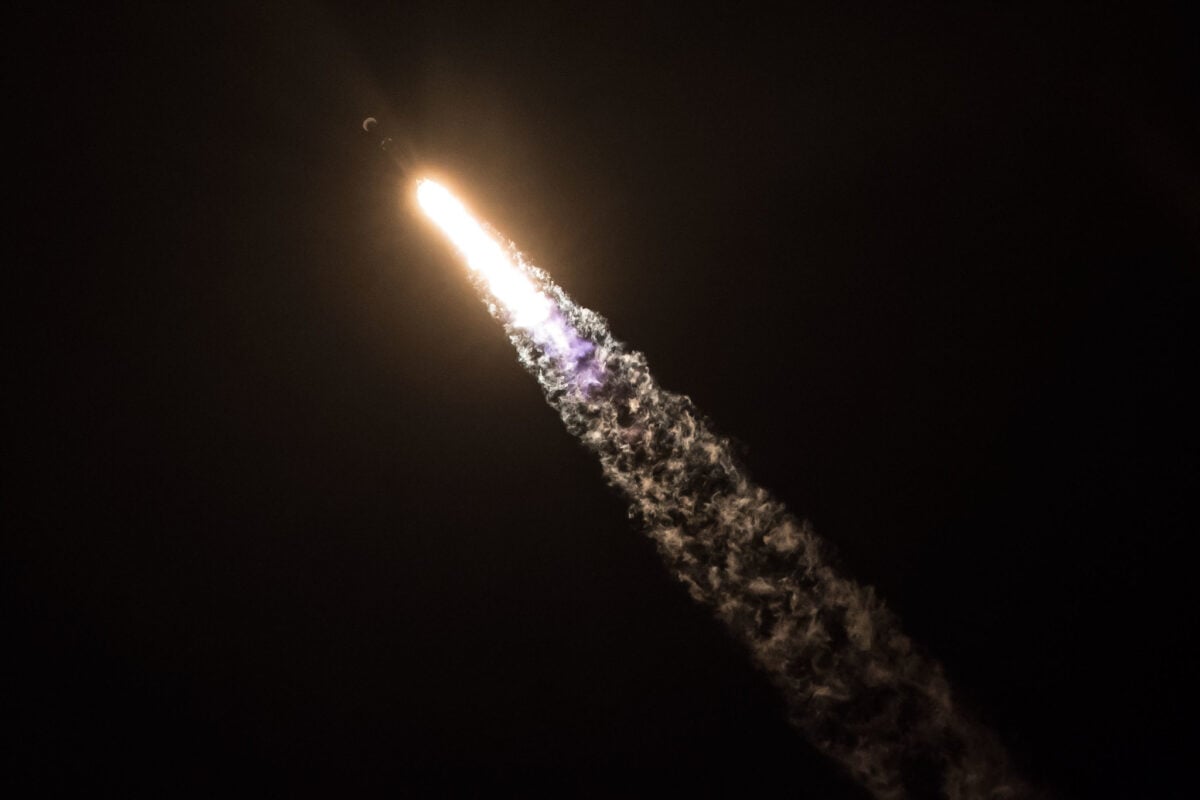
The Falcon Heavy launched in January 2018 carrying a classified payload codenamed Zuma. Within hours, reports surfaced that the mission had failed catastrophically.
The payload adapter supposedly malfunctioned, sending Zuma tumbling back to Earth in pieces.
Except that story never quite added up. SpaceX insisted their rocket performed flawlessly.
The payload adapter wasn’t their hardware. And amateur satellite trackers started picking up signals from an object in the exact orbit Zuma was supposed to reach.
The official story remains that Zuma was a total loss, but something is definitely up there broadcasting on frequencies that don’t match any known satellite.
USA-276

This classified military satellite launched in 2018 and immediately started behaving in ways that made space surveillance networks nervous. USA-276 began making regular orbital adjustments using an engine system that should have been depleted after the first few maneuvers.
The satellite’s official designation suggests it’s part of the Air Force’s space situational awareness program. But its movement patterns indicate something far more sophisticated than a simple observation platform.
USA-276 has repeatedly approached other satellites, lingered nearby for weeks, then moved on to inspect something else entirely. Whatever it’s doing up there, passive observation isn’t the whole story.
Object 2018-061G

When amateur astronomers started tracking this object, they assumed it was routine debris from a Chinese launch. The orbital mechanics seemed straightforward enough: a small piece of hardware that separated during payload deployment and should have gradually decayed back to Earth.
Instead, 2018-061G started accelerating. Not the gradual orbital boost you’d expect from solar radiation pressure or atmospheric drag variations, but deliberate thrust maneuvers that changed its altitude by hundreds of miles.
No one has claimed responsibility for this object, and its behavior suggests either an undisclosed propulsion system or something that wasn’t supposed to be there in the first place. (The Chinese space agency hasn’t commented, which only deepens the mystery.)
So now there’s an unacknowledged spacecraft making orbital adjustments with no apparent mission parameters — and that tends to make other space-faring nations uncomfortable, for obvious reasons.
And the really puzzling part: 2018-061G occasionally goes silent for months at a time, only to reappear in a completely different orbit with no explanation for how it got there. The energy requirements for some of these maneuvers exceed what should be possible for an object that size.
NROL-76

The National Reconnaissance Office loves its orbital secrecy, but NROL-76 has taken operational discretion to an almost comical extreme. Launched in 2017, this satellite’s official mission description reads like a form letter: “supporting the overall national security mission.”
What makes NROL-76 genuinely mysterious is its refusal to behave like any known category of spy satellite. It doesn’t maintain the stable, predictable orbits typical of imaging platforms.
It doesn’t follow the communication patterns of signals intelligence birds. Instead, it performs complex orbital dances that serve no obvious intelligence-gathering purpose, often spending weeks in orbits that offer no strategic observation advantages whatsoever.
The satellite occasionally deploys small objects that immediately disappear from tracking systems. Whether these are legitimate subsatellites or something else entirely remains classified at levels that suggest even the Pentagon isn’t entirely sure what they’ve put into orbit.
The Long March Debris That Isn’t
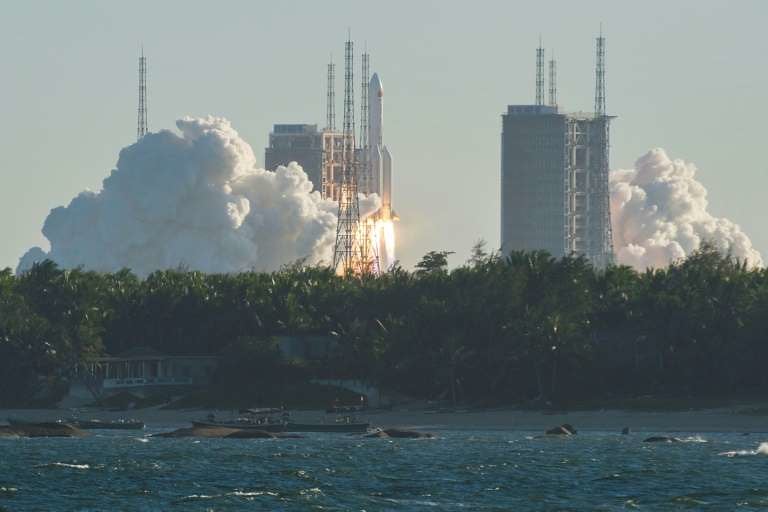
In late 2019, space tracking systems identified what appeared to be debris from a Chinese Long March rocket launch. The object followed a decaying orbit consistent with a spent upper stage, gradually losing altitude as atmospheric drag pulled it back toward Earth.
Then it stopped decaying and started climbing back to a higher orbit.
Objects don’t do that without propulsion systems, and spent rocket stages aren’t supposed to have functional engines after payload separation. Yet this particular piece of “debris” has now performed multiple orbital adjustments over several years, maintaining an altitude that should have resulted in atmospheric reentry long ago.
The behavior suggests either a disguised spacecraft or a new type of technology that can extend orbital lifetimes indefinitely (which would be a rather significant development in space technology, if anyone wanted to acknowledge it). But China maintains this is simply debris from a routine launch, despite evidence that it’s actively maneuvering through orbital space with remarkable precision.
So either Chinese rocket engineers have developed self-aware debris, or someone isn’t being entirely forthcoming about what they’ve actually put into orbit. The object continues to perform maneuvers that require sophisticated guidance systems and substantial propellant reserves.
USA-245

Since its launch in 2013, USA-245 has earned a reputation among satellite watchers as one of the most unpredictable objects in orbit. Officially categorized as a reconnaissance satellite, it exhibits behavior that defies conventional intelligence-gathering mission profiles.
USA-245 has been observed making close approaches to other nations’ satellites, sometimes coming within a few hundred feet of foreign spacecraft before backing away. These aren’t accidental encounters.
The precision required for such maneuvers indicates deliberate intent, but the purpose remains unclear.
Inspection missions?
Testing proximity sensors?
Something more aggressive?
The satellite’s capabilities remain so classified that even congressional oversight committees receive heavily redacted briefings.
What makes USA-245 particularly unsettling is its apparent ability to extend its mission duration indefinitely. Most reconnaissance satellites have predictable operational lifespans based on fuel consumption and orbital mechanics.
This one just keeps going, suggesting either revolutionary propulsion technology or mission parameters that nobody wants to discuss publicly.
Spektr-R
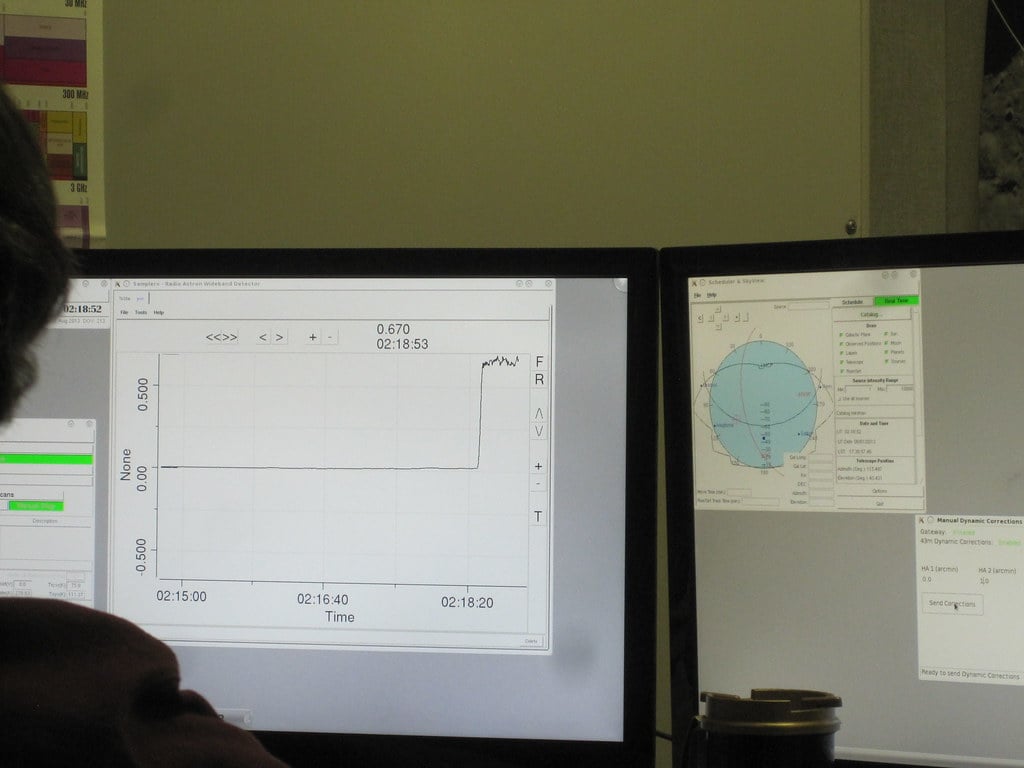
Russia launched this radio astronomy satellite in 2011 as part of an ambitious deep space observation program. The mission proceeded normally for several years, producing valuable scientific data through its collaboration with ground-based telescopes.
Then, in 2019, controllers lost contact with the spacecraft. Except Spektr-R never actually went silent.
Amateur radio operators continue to receive transmissions from the satellite on frequencies that weren’t part of its original mission profile. The signals don’t match any known scientific instrument packages, and they’re being broadcast with power levels that should have exhausted the spacecraft’s electrical systems years ago.
Russian space authorities insist the mission ended when contact was lost, but something is definitely still active up there.
The transmissions follow patterns that suggest data collection rather than random electronic noise. Whether Spektr-R has been repurposed for activities beyond radio astronomy, or whether it’s operating under some kind of automated protocol that was never publicly disclosed, remains an open question that Russian officials prefer not to answer.
OTV-6

The X-37B space plane’s sixth mission launched in 2020 carrying an undisclosed payload for an indefinite duration. Unlike previous flights that maintained relatively stable orbits, OTV-6 has spent the past several years making frequent altitude adjustments and orbital plane changes that consume enormous amounts of fuel.
What makes this mission particularly mysterious is the space plane’s apparent ability to deploy and retrieve objects during flight. Ground-based observers have detected small satellites separating from OTV-6, only to disappear from tracking systems days later.
Whether these objects reenter the atmosphere, go into stealth mode, or dock with other spacecraft remains unknown.
The mission duration has already exceeded previous X-37B flights by a significant margin, suggesting either a fundamental change in mission parameters or capabilities that weren’t present in earlier versions of the spacecraft. The Air Force describes OTV-6’s activities as “testing technologies for future space missions,” which could mean almost anything.
Kosmos 2543

Russia launched this satellite in 2019 as part of what they described as a routine military communications mission. The orbital parameters seemed consistent with that designation until Kosmos 2543 started shadowing other spacecraft with uncomfortable persistence.
The satellite has demonstrated an ability to match orbits with foreign military satellites and maintain close proximity for extended periods. This behavior goes well beyond passive observation into what looks suspiciously like stalking.
When confronted about these activities, Russian officials maintain that Kosmos 2543 is simply conducting “inspection” operations within international law.
More troubling is the satellite’s apparent ability to approach targets from multiple directions using orbital mechanics that shouldn’t be possible without extremely sophisticated propulsion systems. The fuel requirements for such maneuvers suggest either revolutionary efficiency improvements or mission durations that were planned to be much shorter than they’ve actually become.
AEHF-6

The Advanced Extremely High Frequency satellite program represents the military’s most sophisticated communications technology, but AEHF-6 has been behaving in ways that suggest capabilities beyond secure communications.
Since reaching operational status, the satellite has made numerous unscheduled orbital adjustments that serve no apparent communication function. These maneuvers place it in positions that optimize observation of specific geographic regions rather than signal coverage patterns.
The satellite also occasionally goes dark for weeks at a time, ceasing all known transmissions before resuming normal operations with no explanation.
What makes AEHF-6 particularly intriguing is its interaction with other military satellites. Ground observers have detected coordinated maneuvers between AEHF-6 and classified spacecraft that suggest either joint operations or testing of capabilities that weren’t part of the original mission specifications.
The Air Force describes these activities as “routine operational testing,” but the complexity of the maneuvers indicates something far more sophisticated than standard communication protocols.
Gaofen-7

China launched this Earth observation satellite in 2019 with stated goals of high-resolution mapping and geographic surveys. The mission parameters seemed straightforward until Gaofen-7 started exhibiting surveillance patterns that focus heavily on military installations and space launch facilities in other countries.
The satellite’s imaging capabilities appear to exceed publicly disclosed specifications by a substantial margin. Ground analysis suggests resolution levels that would require optical systems much larger than what China claimed to have installed.
Either they’ve achieved remarkable miniaturization in spy satellite technology, or the mission specifications were never accurate to begin with.
More concerning is Gaofen-7’s coordination with other Chinese spacecraft. The satellite frequently adjusts its orbit to optimize imaging windows that coincide with other nations’ military exercises or space launches.
These aren’t coincidental alignments. The precision timing indicates advance intelligence and mission planning that goes well beyond civilian Earth observation.
NROL-44
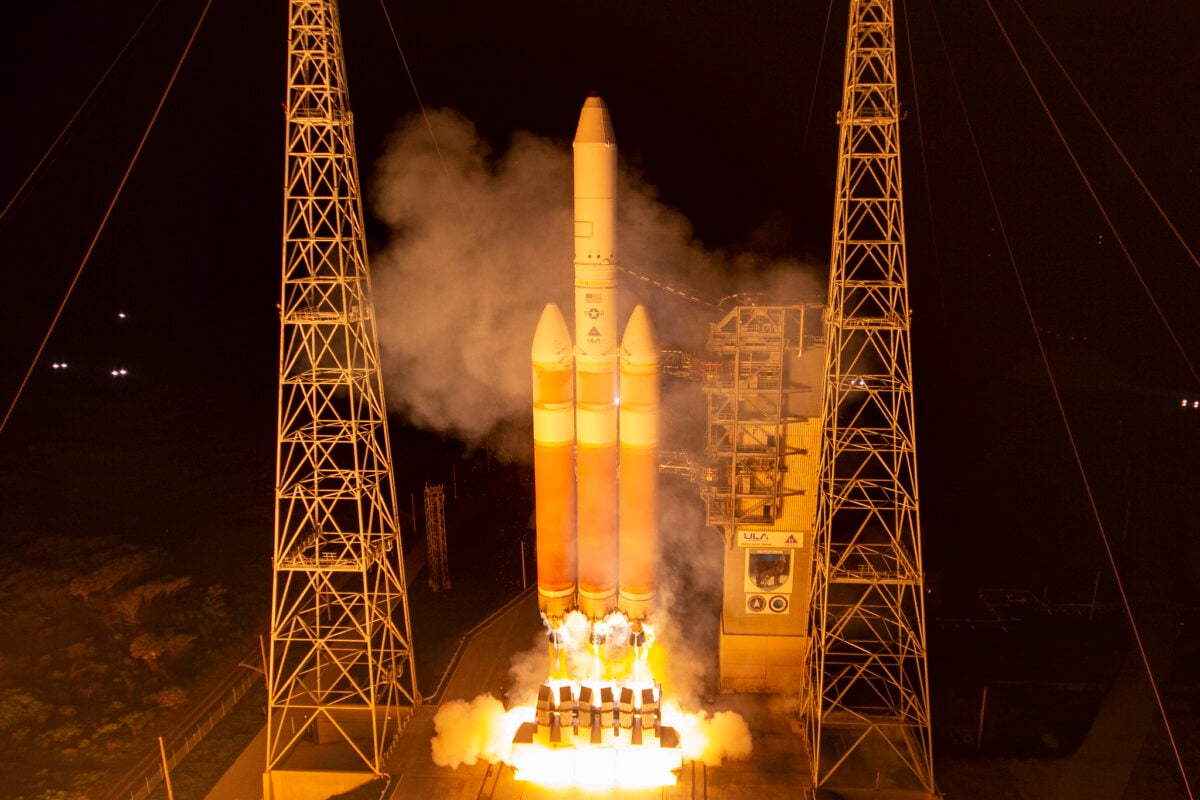
After multiple launch delays and technical problems, this classified National Reconnaissance Office satellite finally reached orbit in 2020. The mission immediately distinguished itself by refusing to behave like any known category of intelligence satellite.
NROL-44 maintains an orbit that provides no obvious strategic observation advantages. Instead of the polar or geosynchronous orbits typical of spy satellites, it follows an unusual trajectory that seems optimized for something other than Earth observation.
The satellite also consumes fuel at rates that suggest continuous maneuvering rather than stable positioning.
Ground tracking indicates that NROL-44 regularly deploys small objects that immediately adopt independent orbits. Whether these are subsatellites, sensor packages, or something else entirely remains classified.
The objects typically disappear from tracking systems within weeks, either reentering the atmosphere or employing stealth technology that defeats ground-based surveillance.
What’s Really Up There

Space has become the ultimate arena for technological secrecy, where nations can test capabilities without the scrutiny that ground-based weapons systems inevitably attract. The objects listed here represent just the tip of an orbital iceberg that includes hundreds of classified spacecraft whose true purposes remain hidden behind mission descriptions that say nothing useful.
The most unsettling aspect isn’t the secrecy itself, but the clear indication that several space programs have developed capabilities far beyond what they’ve publicly acknowledged. When satellites start exhibiting behaviors that shouldn’t be possible with known technology, it suggests either remarkable engineering advances or mission parameters that nobody wants to discuss honestly.
Earth orbit has quietly become a testing ground for technologies that could reshape how nations project power, gather intelligence, and protect their interests. The mysterious objects overhead aren’t just satellites.
They’re evidence of a space race that’s been happening largely out of public view, with implications that extend far beyond whatever they’re actually doing up there in the dark.
More from Go2Tutors!

- The Romanov Crown Jewels and Their Tragic Fate
- 13 Historical Mysteries That Science Still Can’t Solve
- Famous Hoaxes That Fooled the World for Years
- 15 Child Stars with Tragic Adult Lives
- 16 Famous Jewelry Pieces in History
Like Go2Tutors’s content? Follow us on MSN.