Incredible Stories of People Who Found Secret Rooms
There’s something about hidden spaces that captures our imagination in ways few other discoveries can. Maybe it’s the childhood dream of finding a secret passage behind a bookshelf, or the thrill of uncovering something that was meant to stay hidden.
Whatever the reason, the stories of people who actually stumble upon concealed rooms in their homes feel like real-life treasure hunts with endings that range from delightful to downright unsettling.
The Wedding Dress Preservation Society
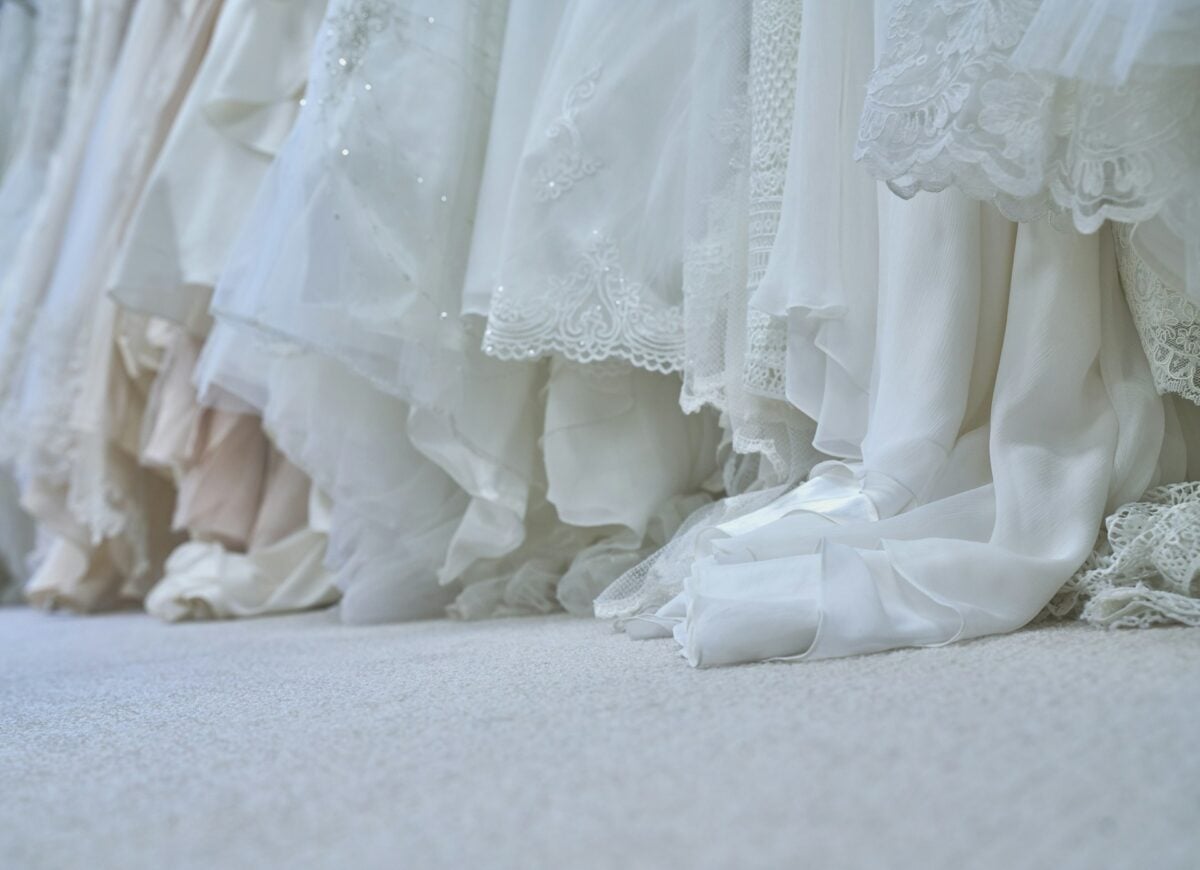
A couple in upstate New York discovered a narrow room behind their bedroom wall while renovating their 1920s home. Inside hung dozens of wedding dresses from different decades, each carefully preserved in muslin bags with handwritten notes detailing the bride’s name and wedding date.
The oldest dress dated back to 1847. The previous owner had quietly collected and restored vintage gowns for over forty years, creating an accidental museum of matrimonial fashion that the new homeowners decided to donate to a local historical society.
Underground Speakeasy
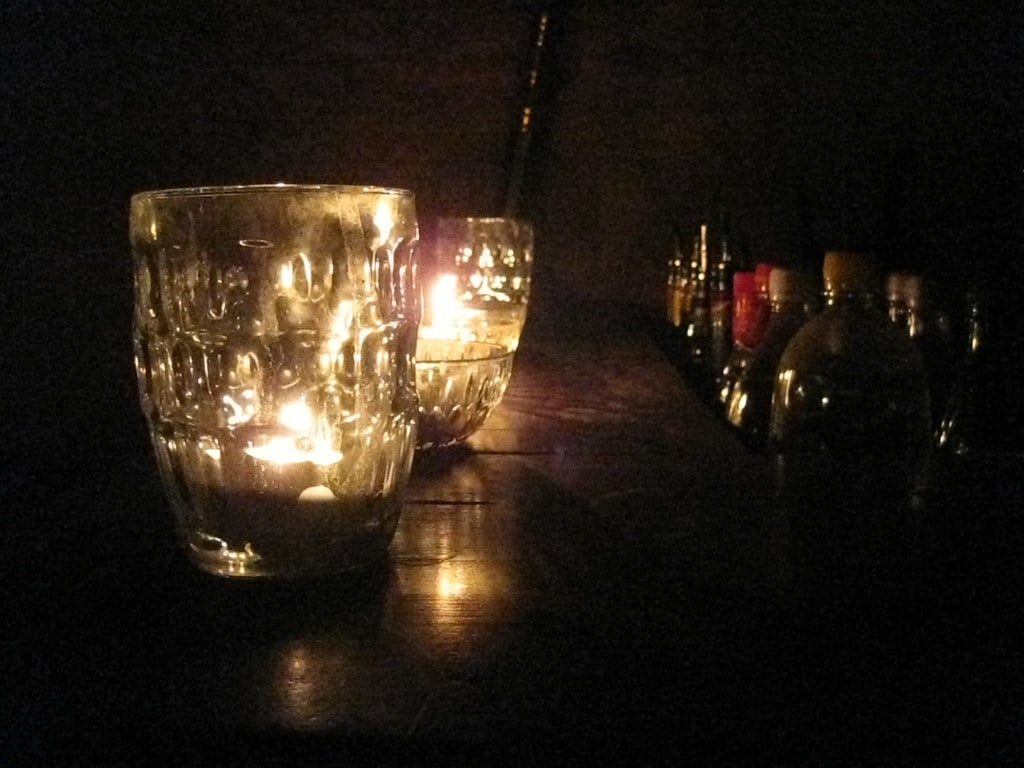
When Sarah Chen bought a Depression-era house in Chicago, she noticed the basement felt smaller than it should have been (given the footprint of the house above, which any homeowner who’s ever measured space can tell you becomes an obsession once you notice the discrepancy). So she started knocking on walls until one sounded hollow, and behind a false wall papered to match the rest of the basement, she found a fully intact speakeasy — complete with a mahogany bar, mirrors with bullet marks, and cases of prohibition-era bottles still sealed.
But the strangest part wasn’t the hidden bar itself. It was the logbook, meticulously kept, documenting every patron who’d visited between 1923 and 1931, including what they drank and how much they paid.
The Reading Room
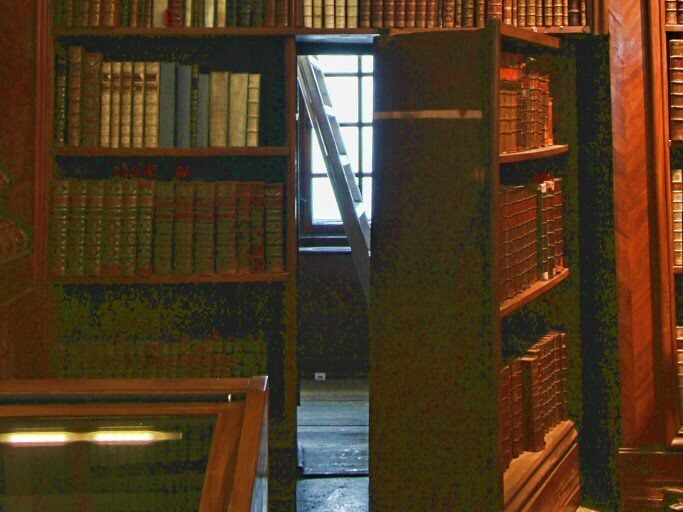
Finding hidden spaces is like discovering that your house has been keeping secrets from you all along. When eight-year-old Marcus was playing hide-and-seek in his grandmother’s Victorian home, he pushed against what looked like a solid wall panel in the hallway and watched it swing open like a door.
Inside was a small room lined floor to ceiling with books, furnished with a single reading chair and a lamp that still worked when he flipped the switch. The books ranged from rare first editions to children’s stories, and tucked between the pages of an old poetry collection was a letter from his great-grandfather explaining that he’d built this room as a quiet retreat from “the noise of daily living.”
The family had lived in that house for three generations without knowing it existed.
Prohibition-Era Tunnel Network
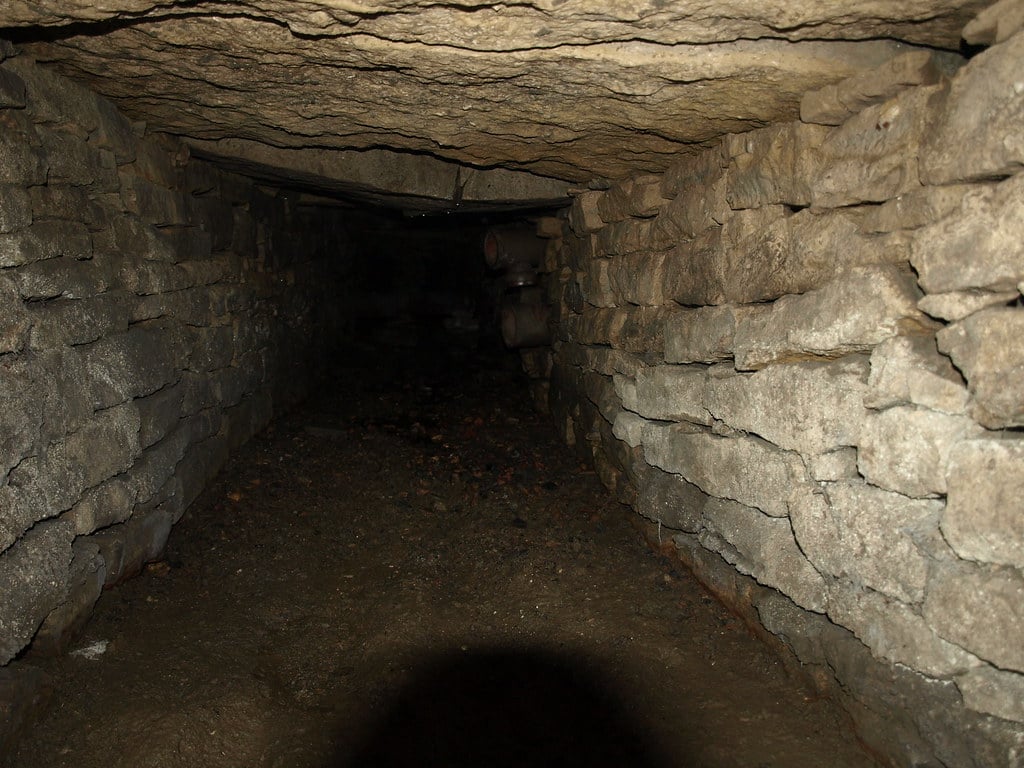
The reality about hidden rooms is that they’re usually hidden for a reason, and that reason isn’t always charming. When renovating their basement in Portland, Oregon, the Kowalski family broke through what they thought was an exterior foundation wall and found themselves staring into a tunnel that stretched beyond the reach of their flashlights.
The tunnel connected to an elaborate network that once linked several downtown businesses during Prohibition, allowing the discrete transport of illegal liquor. City records confirmed that their house had been built on top of what was once a major speakeasy operation.
Artist’s Secret Studio
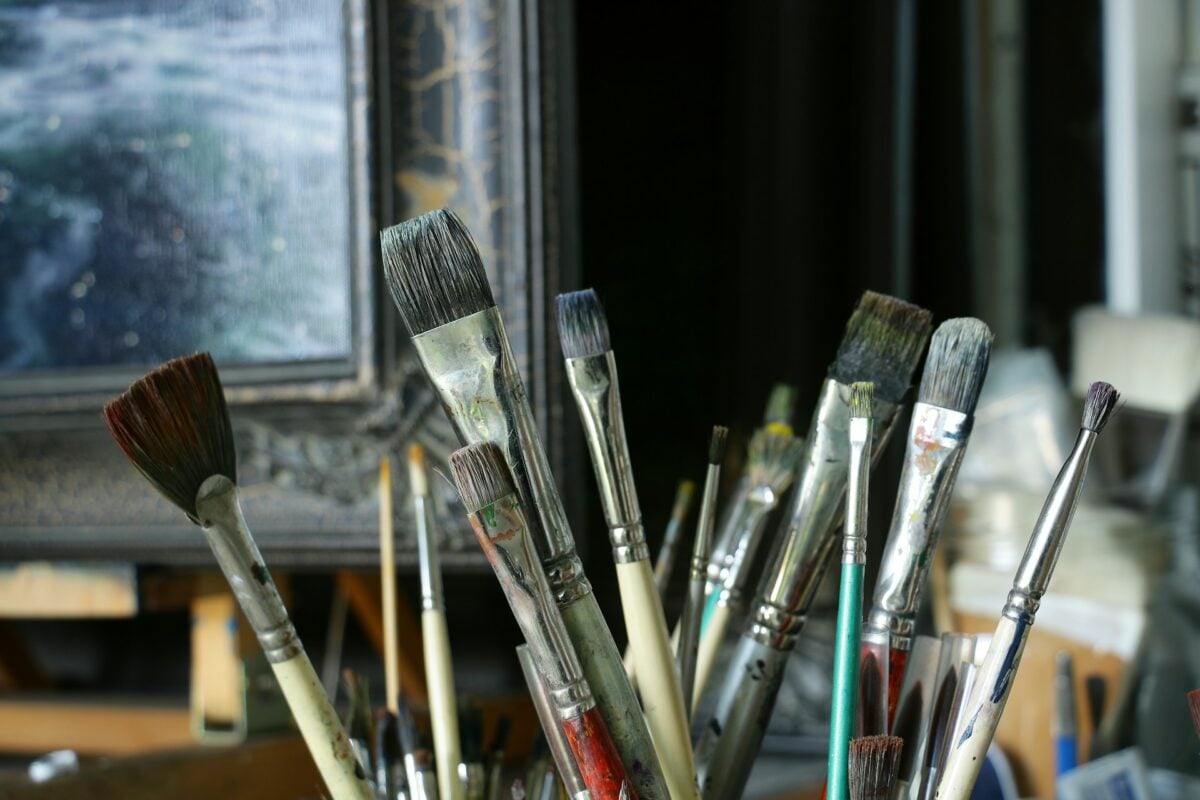
Behind a false wall in the attic of a Connecticut farmhouse, new owners discovered what can only be described as a time capsule of creative obsession (the kind of space that suggests someone understood that art requires both inspiration and absolute solitude). The room contained hundreds of paintings, sketches, and sculptures created by the home’s previous owner over a span of thirty years — work that had never been displayed or sold, but simply created in secret and carefully catalogued.
And here’s the thing that makes this discovery particularly poignant: the artwork was extraordinary, museum-quality pieces that the artist had apparently never intended for anyone else to see. The family eventually organized a posthumous exhibition that drew visitors from across New England.
Cold War Fallout Shelter
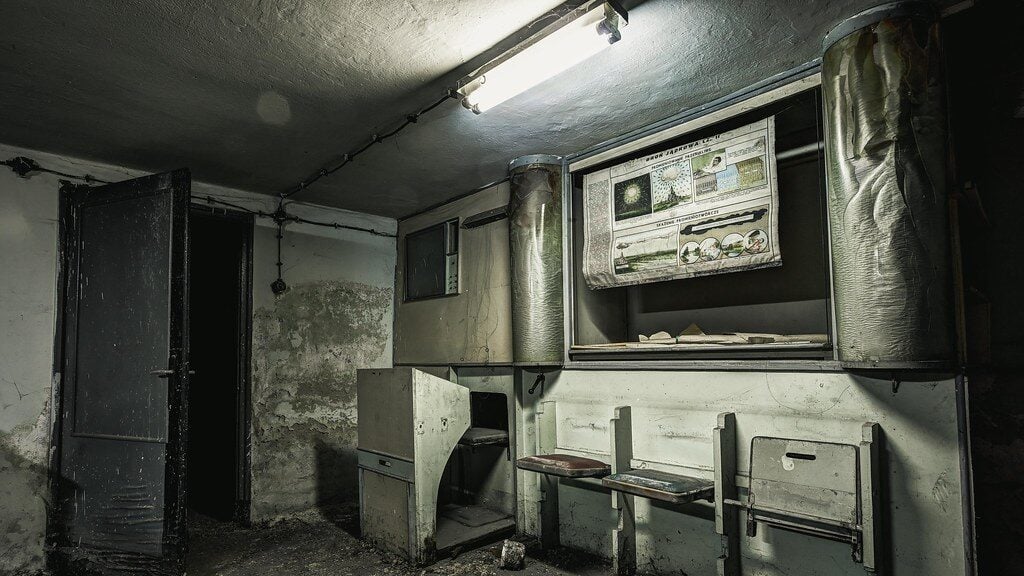
Sometimes a house holds onto the fears of its era long after those fears have passed. When the Morrison family bought a 1950s ranch home in Nevada, they assumed the locked door in the basement led to a utility closet — until they finally got it open and found a fully stocked fallout shelter complete with canned goods (many still sealed), radiation detection equipment, and bunk beds for six people.
The previous owners had spent the Cold War prepared for nuclear catastrophe, stocking their hidden bunker with everything from medical supplies to playing cards, creating a snapshot of atomic-age anxiety that felt both touching and eerie when discovered decades later.
Victorian Doll Hospital
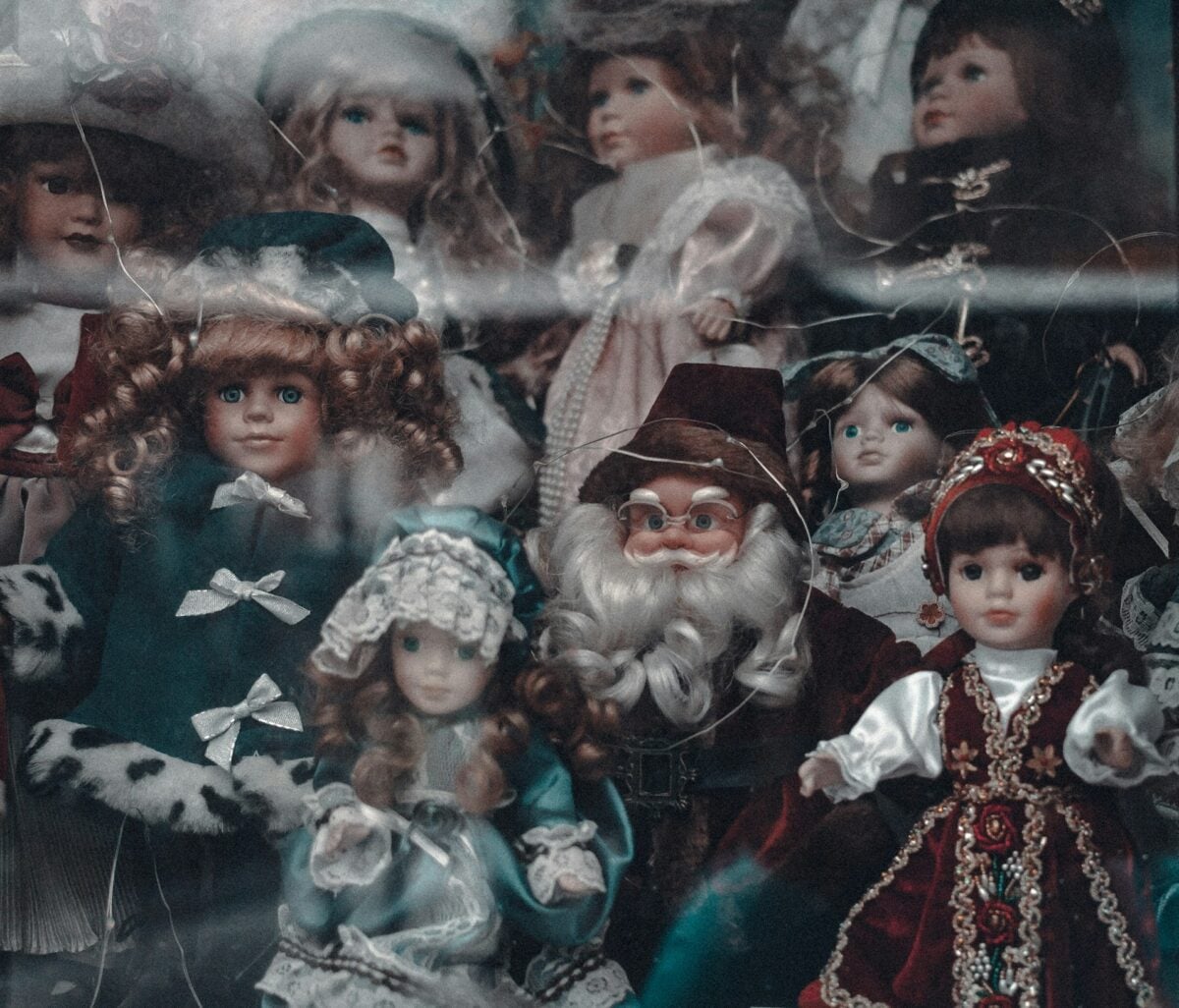
The narrow staircase behind the kitchen pantry seemed to lead nowhere, which should have been the first clue that it actually led somewhere very specific. When the new homeowners finally worked up the courage to see where those stairs went, they found a small room under the eaves filled with hundreds of antique dolls in various stages of repair.
Workbenches lined the walls, equipped with tiny tools, replacement parts, and instruction manuals dating back to the 1890s. The previous owner had run a doll restoration business from this secret workspace for over fifty years, transforming damaged toys into pristine collectibles while keeping the operation completely hidden from neighbors and even family members.
Hidden Library with Literary Treasures
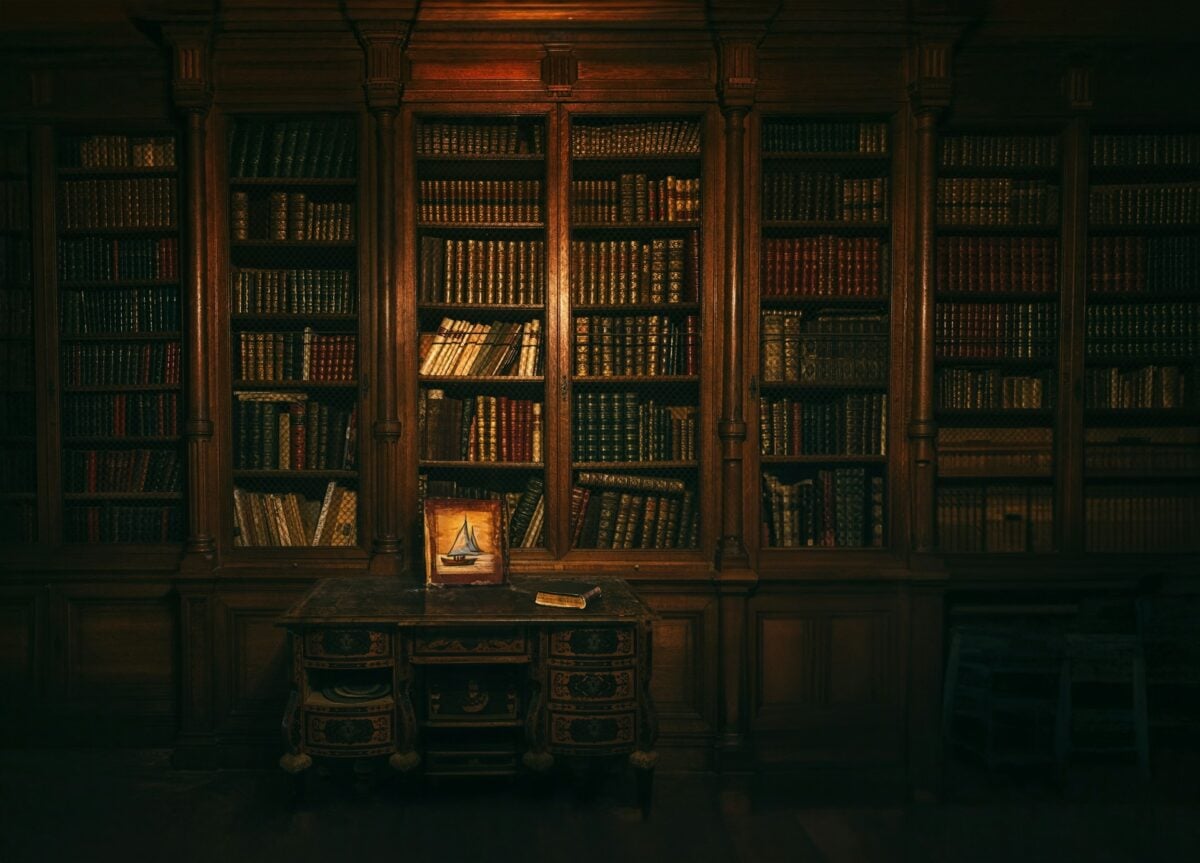
Book lovers always suspect that old houses might be hiding literary treasures, but they rarely expect to find an entire secret library. When college professor David Kim inherited his aunt’s Victorian home in Boston, he discovered a concealed room accessible only through a panel behind the dining room fireplace.
The room contained over 3,000 books, including several rare manuscripts and what appeared to be unpublished works by notable 20th-century authors. Among the collection were handwritten letters from famous writers, suggesting his aunt had been quietly acquiring and preserving literary artifacts for decades without telling anyone in the family about her hobby.
Underground Photography Darkroom
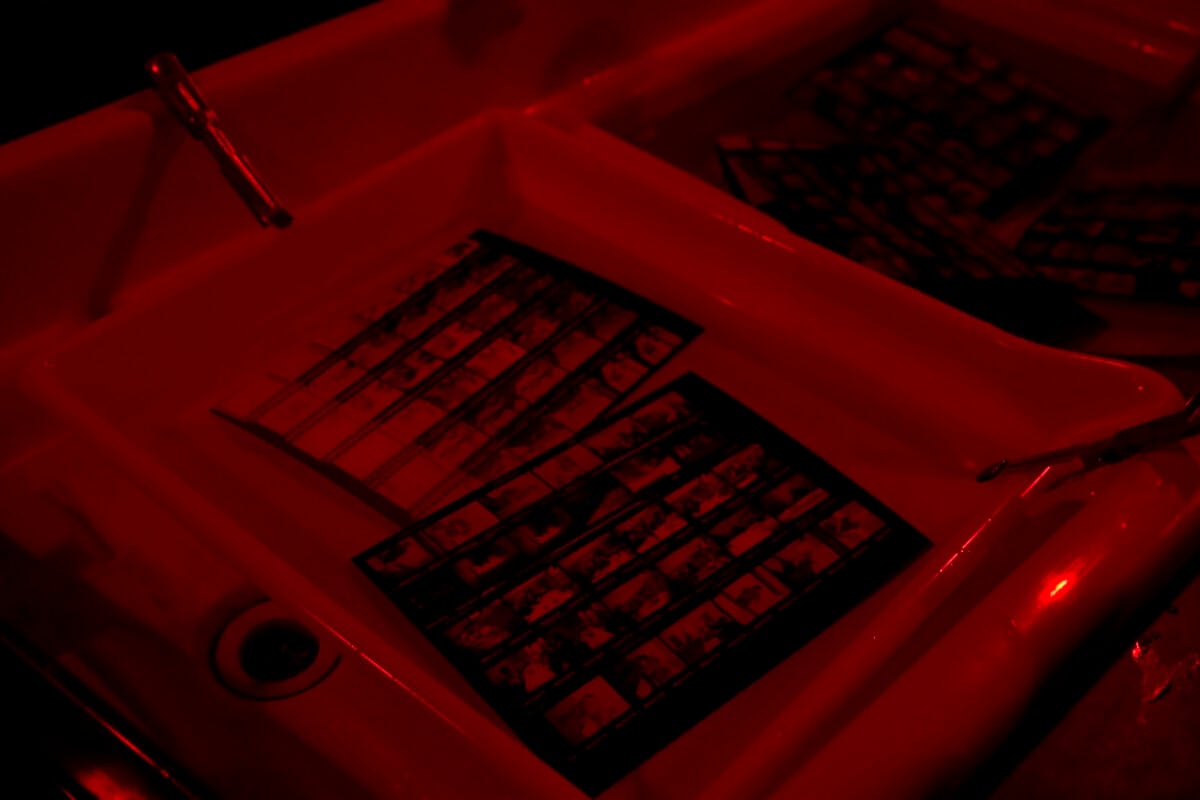
Beneath the floorboards of what appeared to be a standard suburban garage, photographers Tom and Linda Reeves found something that made perfect sense once they understood what they were looking at: a complete darkroom facility that had been sealed and forgotten for over forty years (the kind of setup that represents thousands of dollars in equipment and countless hours of careful construction). The space contained enlargers, developing baths, drying lines, and thousands of negatives documenting life in their neighborhood from the 1940s through the 1970s.
But the most remarkable discovery was a collection of portraits showing the same family across multiple generations — apparently the previous owner had been the neighborhood’s unofficial family photographer, creating a visual history that no one knew existed.
Secret Sewing Workshop
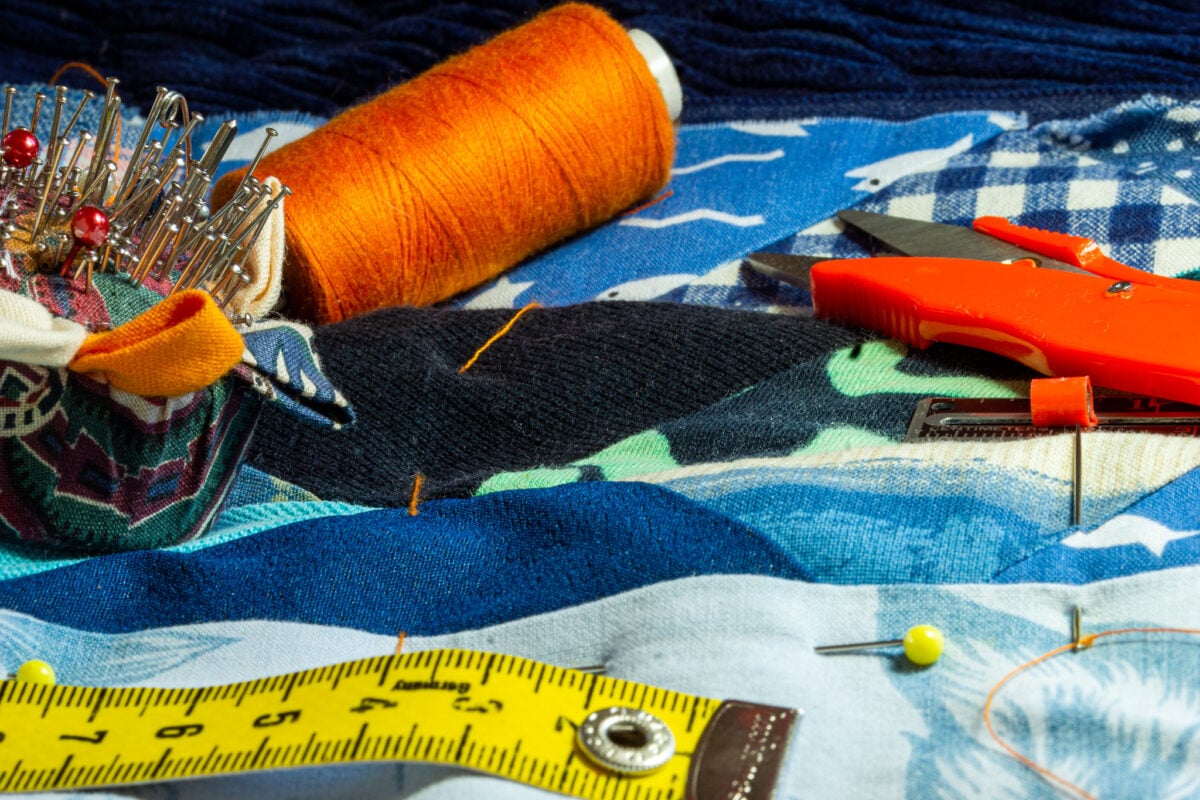
There’s something about hidden creative spaces that suggests their creators understood the need to protect their passion from the judgment of others. When Maria Santos found a concealed door behind the coat closet in her 1960s ranch home, she expected storage space — instead, she found a professional-grade sewing workshop complete with industrial machines, fabric storage systems, and hundreds of completed garments hanging in protective covers.
Pattern pieces were organized by decade, and a detailed journal documented every project completed in the space over a forty-year period. The previous owner had apparently run a custom dressmaking business from this hidden room, creating everything from wedding gowns to theatrical costumes while maintaining the appearance of being a typical suburban housewife.
Prohibition Priest Room
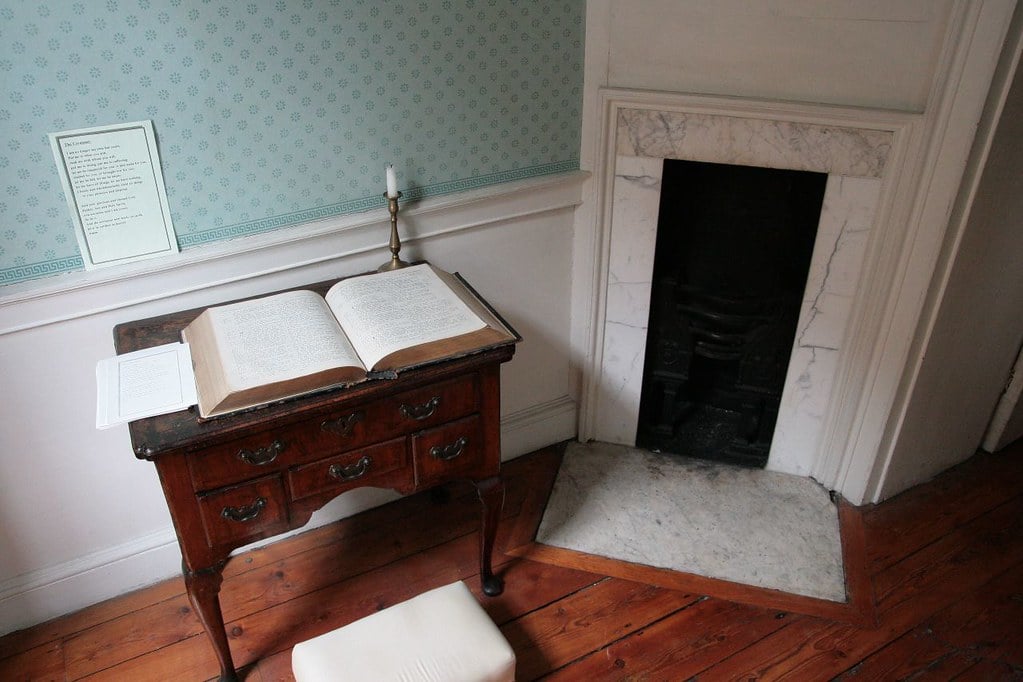
Not all secret rooms were created for illegal activities, though many served to hide activities that someone preferred to keep private. When renovating a 1800s farmhouse in rural Massachusetts, the current owners found a small chamber accessible only by removing specific floorboards in the correct sequence — a hiding place that had served multiple purposes across different eras.
Historical research revealed that the space had originally hidden traveling Catholic priests during periods of religious persecution, later sheltered runaway slaves as part of the Underground Railroad, and finally stored illegal liquor during Prohibition. Three different generations had used the same secret room to protect what they valued most, each adding their own modifications without removing traces of previous occupants.
Art Forger’s Workshop
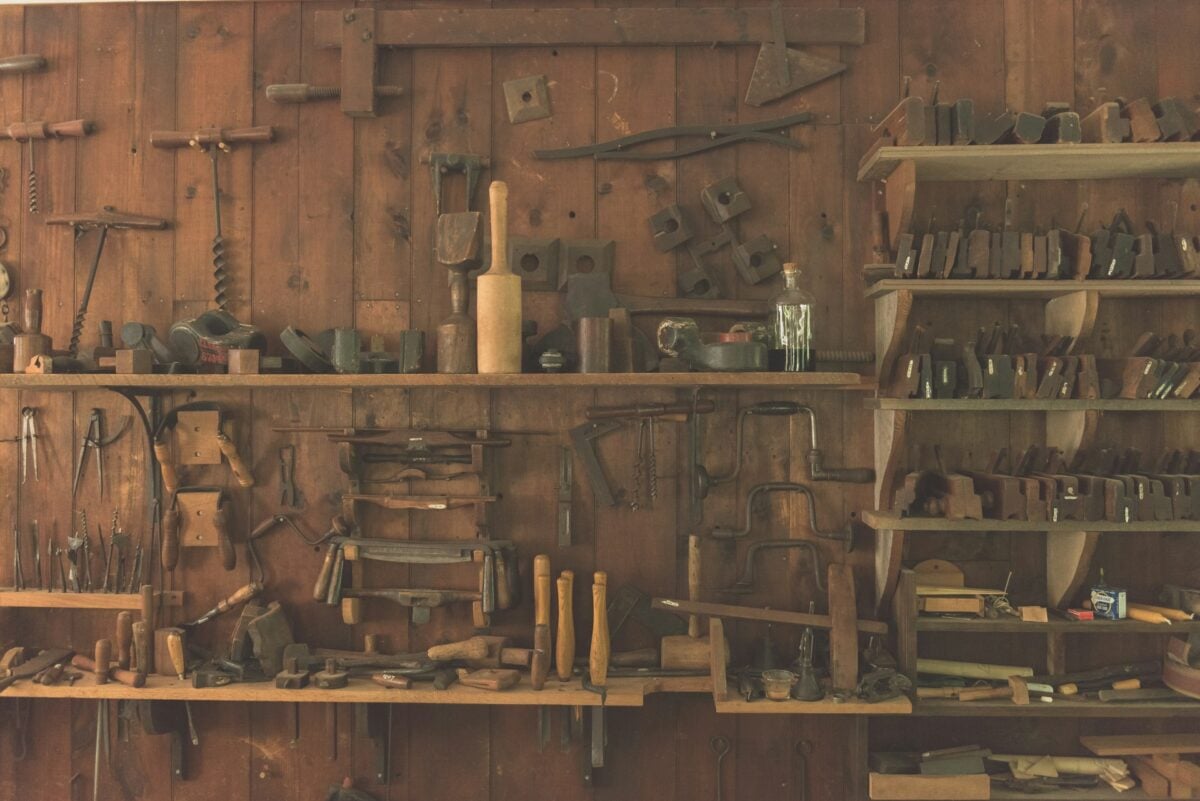
The truth about secret rooms is that they sometimes reveal aspects of people’s lives that their families never suspected existed. When settling their father’s estate, the Chen siblings discovered a sophisticated art studio hidden behind a false wall in the basement of his suburban home.
The space contained easels, professional lighting, and hundreds of paintings in the style of famous masters — along with detailed notes on aging techniques, canvas preparation, and color matching. What they’d found was evidence of a decades-long art forgery operation, complete with client lists and payment records that suggested their mild-mannered accountant father had been living a double life as a skilled art counterfeiter.
Hidden Music Recording Studio
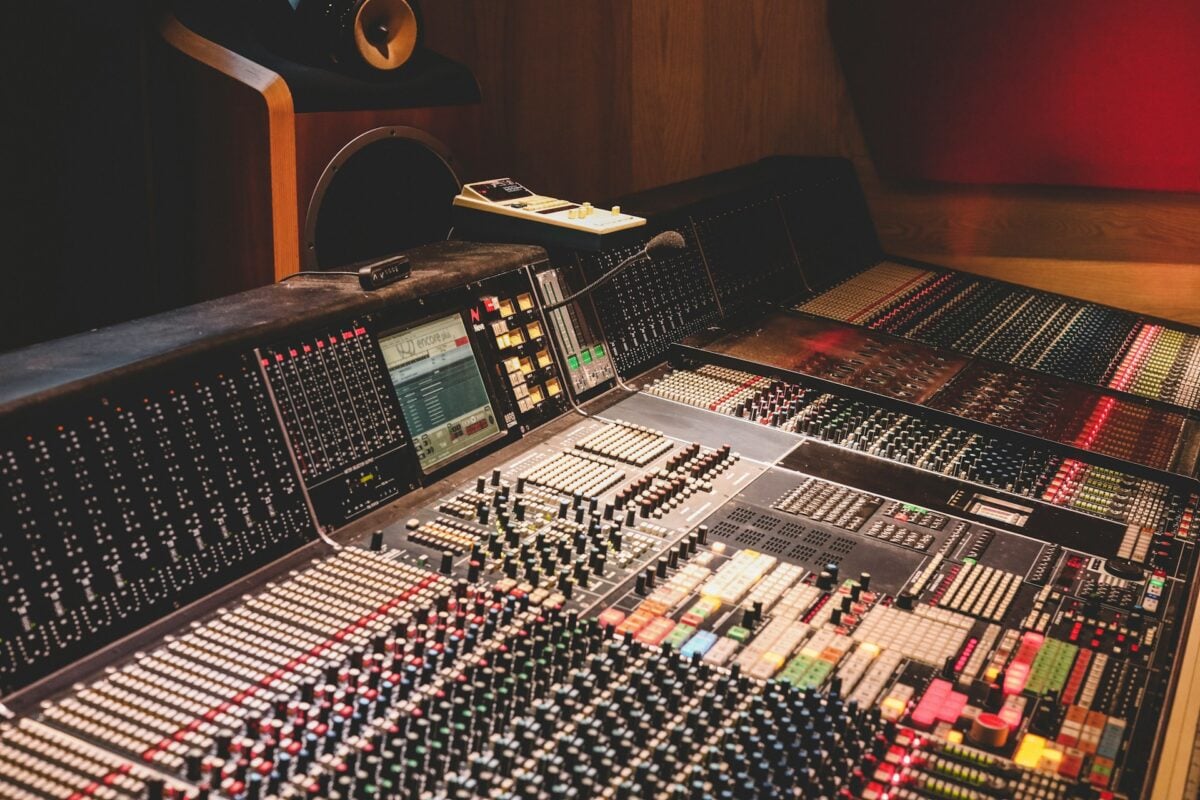
Behind what looked like a standard basement wall, musician Jake Thompson found a professionally soundproofed recording studio that had been sealed up for over twenty years. The space contained vintage recording equipment, mixing boards, and thousands of master tapes labeled with song titles and artist names — some recognizable, others completely unknown.
The previous owner had apparently been a sound engineer who worked with both famous and aspiring musicians, creating a private studio where artists could record without the pressure of commercial deadlines. The discovery included unreleased recordings by several musicians who later became famous, creating a treasure trove of musical history that had been accidentally preserved in hiding.
When Houses Keep Their Own Secrets
The most remarkable thing about these discoveries isn’t just what people found, but what it reveals about the hidden layers of ordinary life. Every house carries the dreams, fears, and passions of its previous occupants, though most of these traces fade with time and renovation.
The families who built secret rooms were protecting something they valued enough to hide — whether it was art, literature, business, or simply the need for private space in a world that didn’t always understand their pursuits. These hidden chambers remind us that behind every ordinary facade, there might be extraordinary stories waiting to be uncovered by someone curious enough to knock on the right wall.
More from Go2Tutors!

- The Romanov Crown Jewels and Their Tragic Fate
- 13 Historical Mysteries That Science Still Can’t Solve
- Famous Hoaxes That Fooled the World for Years
- 15 Child Stars with Tragic Adult Lives
- 16 Famous Jewelry Pieces in History
Like Go2Tutors’s content? Follow us on MSN.