15 Popular Items That Are Actually Just Rebranded Junk
The marketing world excels at taking ordinary products and transforming them into must-have items through clever packaging and persuasive advertising. Companies routinely slap fancy labels on mediocre merchandise, jacking up prices while delivering minimal value.
These marketing tricks have convinced consumers to spend their hard-earned cash on items that aren’t nearly as special as they seem. Here is a list of 15 popular products that are essentially rebranded junk with inflated price tags.
Designer Water

Bottled water companies have mastered the art of selling tap water at astronomical markups. Many premium water brands – including several charging $5+ per bottle – source their product from municipal water supplies, the same stuff flowing from your kitchen faucet.
They might run it through basic filtration, yet the difference in quality rarely justifies the 2000% price increase. A reusable bottle and home filter deliver virtually identical results at a fraction of the cost over time.
Premium Vodka
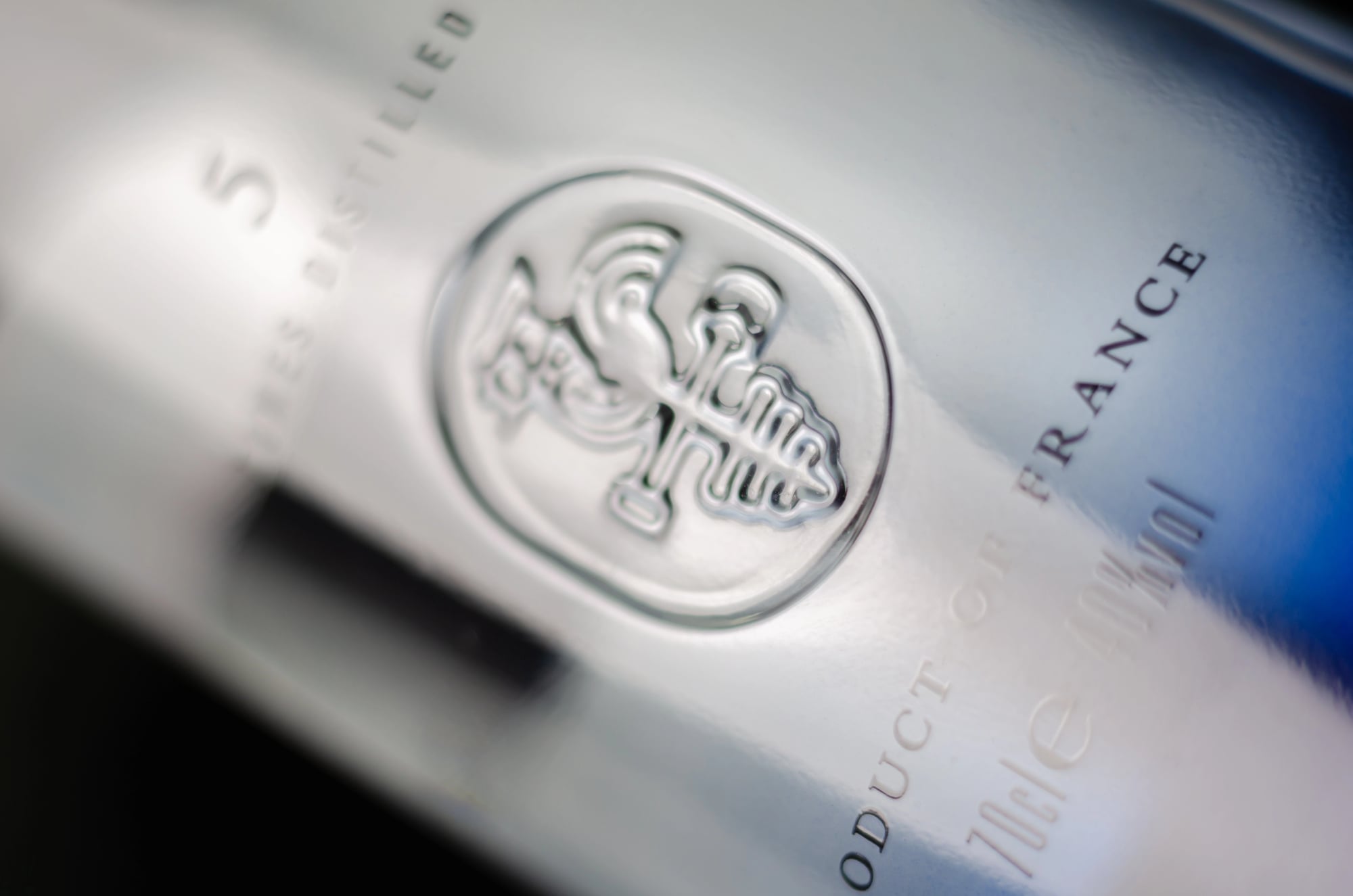
Most consumers can’t tell the difference between high-end and standard vodkas in blind taste tests. Vodka, by definition, should be odorless, colorless, and nearly flavorless.
Expensive brands tout their fancy distillation processes and exclusive water sources, while charging triple or quadruple the price of decent mid-range options. The crystal skull container might look cool on your bar cart, but the liquid inside isn’t substantially different from bottles costing 75% less.
Designer Salt

Common table salt has been repackaged as an artisanal luxury product with minimal actual differences. Himalayan pink salt, despite its exotic origin claims and supposed health benefits, contains roughly the same sodium chloride as regular salt with trace minerals that have negligible health impacts.
The pretty pink color and premium packaging justify prices up to twenty times higher than regular salt. Your taste buds might notice minor flavor variations, but your body processes them almost identically.
White Label Electronics

Those mid-tier electronics from store brands often come from the same factories as their cheaper counterparts. Major retailers contract with manufacturers to create slightly modified versions of existing products, then charge premium prices for essentially identical technology.
The $40 store-brand headphones likely share components with the $20 generic version while adding minimal improvements beyond cosmetic differences. Tech companies excel at charging for perceived brand value rather than actual performance upgrades.
Basic Painkillers

Brand-name over-the-counter medications typically contain identical active ingredients to their generic counterparts. Acetaminophen is acetaminophen, whether it’s in fancy packaging or plain store brand bottles.
The FDA requires generics to have the same active ingredients, strength, and effectiveness as their branded equivalents. Yet consumers continue paying three to four times more for essentially identical products because of clever marketing and brand familiarity.
Premium Gas

Higher octane fuel doesn’t benefit most standard vehicles, despite the premium price tag. Unless your car manual specifically requires premium gasoline, the extra cost delivers zero performance improvements or engine benefits.
The octane rating simply measures resistance to engine knocking, not quality or energy content. Auto manufacturers design most vehicles to run perfectly on regular gasoline, making premium fuel an unnecessary expense that clever marketing has convinced drivers they need for optimal performance.
Fashion Sunglasses

Designer sunglasses often come from the same factories as cheaper alternatives. The luxury eyewear industry maintains artificially high prices through controlling manufacturing and distribution channels, not superior materials or construction.
Many high-end brands aren’t actually created by fashion houses but by licensing companies who slap designer logos on basic frames. The $300 sunglasses probably cost under $20 to produce and offer similar UV protection as pairs selling for a tenth of the price.
Luxury Makeup Dupes

Premium cosmetics frequently share ingredients with drugstore alternatives. Beauty influencers regularly identify perfect “dupes” – affordable products nearly identical to high-end options.
The expensive packaging, celebrity endorsements, and prestige branding explain the price difference more than formula superiority. While occasional luxury products do offer unique benefits, most consumers can’t distinguish between $50 foundation and its $9 drugstore equivalent when applied to their face.
Marked-Up HDMI Cables

Those gold-plated, premium HDMI cables selling for $50+ perform identically to basic $5 versions. Digital signals either work or don’t – there’s no gradual quality degradation like with analog connections.
The gold plating, fancy braiding, and promises of superior picture quality represent pure marketing fiction for a functionally identical product. Electronics stores push these overpriced cables because they generate massive profit margins compared to the actual devices they connect.
Hotel Toiletries

Fancy hotel bathroom products typically come from bulk suppliers with custom labels attached. The luxurious-seeming shampoo in your upscale hotel bathroom isn’t special – it’s regular product with branded packaging the hotel commissioned.
Even high-end properties rarely provide genuinely premium toiletries, instead relying on perceived exclusivity and attractive containers. The tiny bottles typically contain inexpensive formulations comparable to basic drugstore brands, despite their association with luxury accommodations.
Coffee Pod Systems

Single-serve coffee machines use proprietary pods containing regular ground coffee at extraordinary markups. The convenience factor has convinced consumers to pay the equivalent of $40+ per pound for pre-ground coffee that would cost $10-15 as whole beans.
The machines themselves often use simple brewing technology while their sleek designs and marketing partnerships create the illusion of sophisticated coffee engineering. Convenience comes at a steep premium when coffee grounds get packaged in plastic capsules.
“Super” Supplements
Many trendy supplements contain ordinary ingredients dressed up with exotic-sounding names. That miracle superfood powder often consists of common nutrients with impressive-sounding scientific terms on the label.

Companies frequently cite preliminary or limited research to make expansive health claims while charging premium prices for basic vitamins and minerals. The colorful packaging and celebrity endorsements transform ordinary dietary components into supposed wellness breakthroughs worthy of their inflated price tags.
“Professional” Cleaning Products
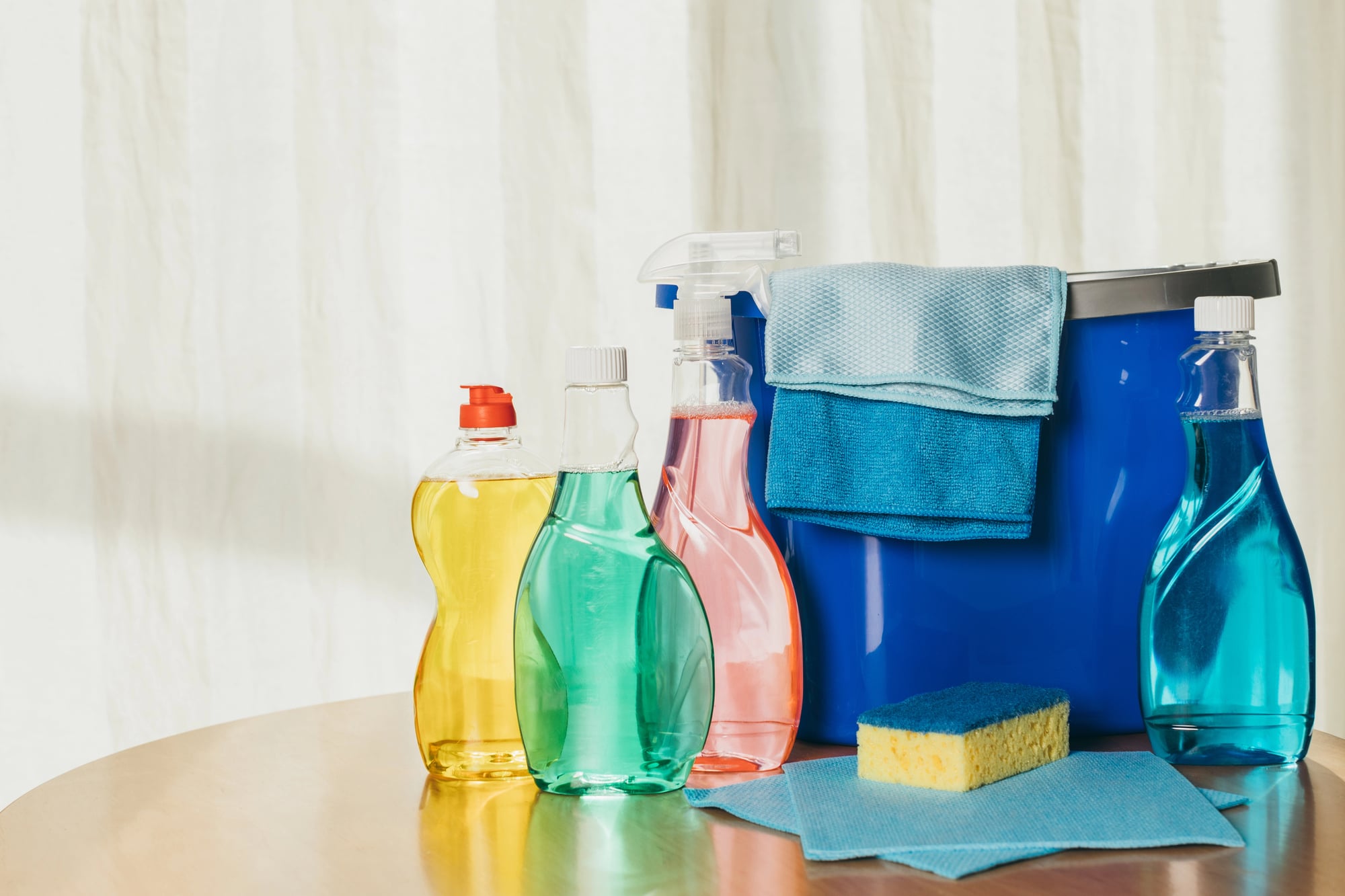
Specialized cleaning solutions repackage basic chemical formulations with task-specific marketing. Most cleaning challenges require simple surfactants, solvents, or mild acids – not seventeen different products for various surfaces.
Companies fragment their cleaning lines to sell multiple products when all-purpose cleaners would handle most household tasks effectively. The specialized granite cleaner probably contains similar ingredients to general surface sprays with minor adjustments that hardly justify double or triple the cost.
Overpriced Farm-to-Table Ingredients

Some trendy restaurants charge premium prices for ordinary ingredients by highlighting their local farm origins. While supporting local agriculture has merit, many establishments exploit the farm-to-table concept by charging extraordinary markups for basic produce.
The $14 heirloom tomato salad might feature the same varieties sold at farmers’ markets for a quarter of the price. The romantic farm narrative often masks the reality of unremarkable ingredients served with minimal preparation.
Pet Wellness Products

Premium pet foods and supplements frequently contain ingredients similar to those of standard options with fancier packaging. Marketers leverage owners’ emotional connections to their pets, promoting unnecessary premium products with exaggerated benefits.
The specialized digestion-supporting treats likely contain basic fiber sources available in standard foods. While pets deserve proper nutrition, many “wellness” products simply repackage conventional ingredients with aspirational branding and significantly higher price tags.
The Reality Behind The Rebrand

Marketing magic transforms ordinary items into coveted luxuries through strategic positioning rather than substantial improvements. Companies expertly exploit consumer psychology, creating perceived value through packaging, origin stories, and exclusivity rather than genuine quality differences.
The products above represent particularly egregious examples where branding significantly outweighs actual performance benefits. The next time a glossy advertisement tempts you with promises of exceptional quality, consider whether you’re paying for actual improvements or just clever marketing.
Being an informed consumer means recognizing when companies repackage ordinary items as premium experiences, saving your money for products offering genuine value beyond their carefully crafted image.
More from Go2Tutors!

- The Romanov Crown Jewels and Their Tragic Fate
- 13 Historical Mysteries That Science Still Can’t Solve
- Famous Hoaxes That Fooled the World for Years
- 15 Child Stars with Tragic Adult Lives
- 16 Famous Jewelry Pieces in History
Like Go2Tutors’s content? Follow us on MSN.