Things You Could Buy for a Dollar in the 1970s
The 1970s were a different time entirely. A dollar bill folded in your pocket could actually get you somewhere, buy you something real, maybe even make your day a little better.
While that same dollar today might barely cover a pack of gum, five decades ago it opened doors to genuine value. The purchasing power felt almost limitless by comparison — not because people had more money, but because everything simply cost less.
A Gallon Of Gas
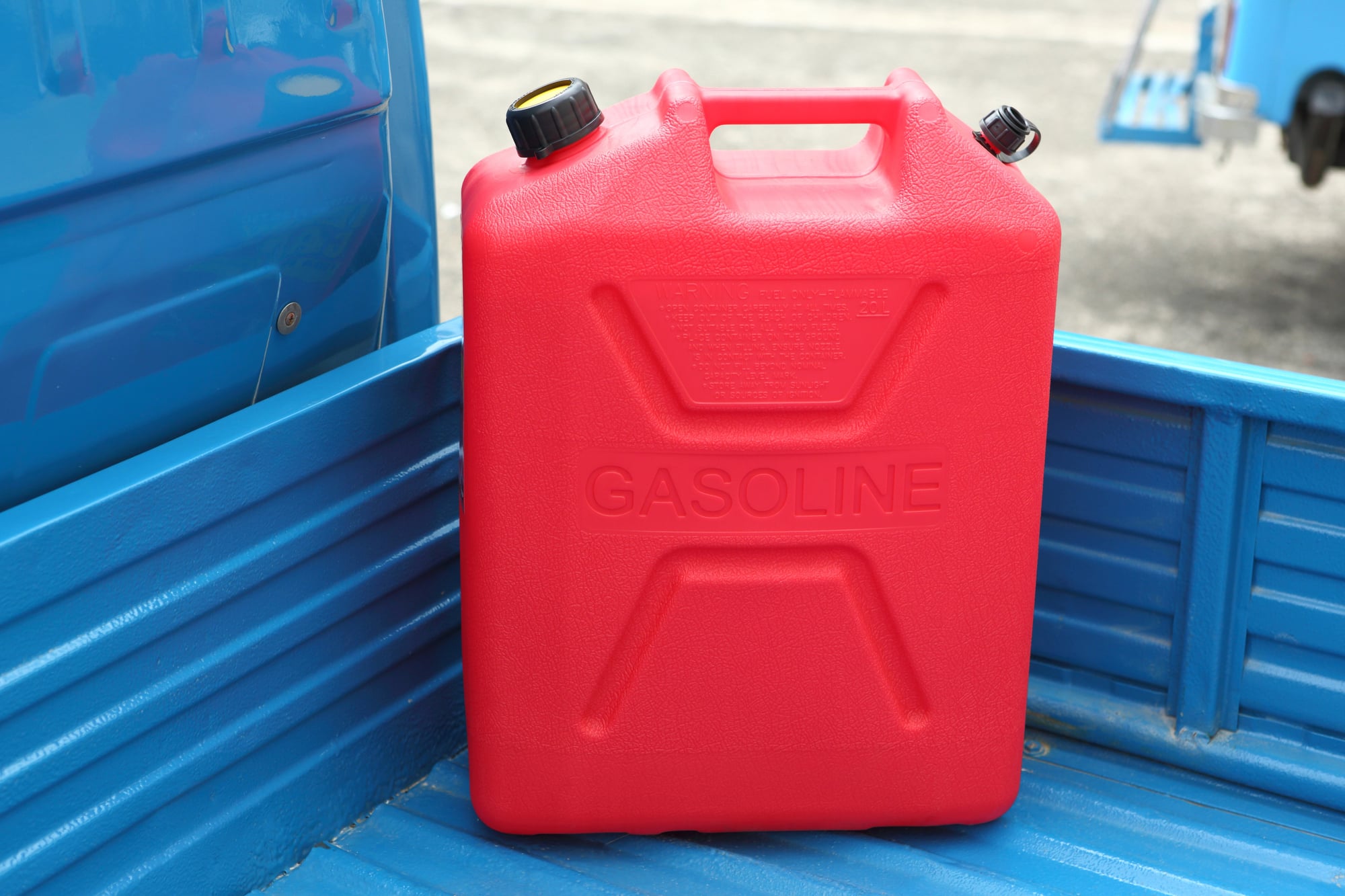
Gas stations were neighborhood fixtures where attendants still checked your oil and cleaned your windshield. A dollar could fill up a decent chunk of your tank, and filling the whole thing rarely broke a five-dollar bill.
Those were the days when road trips happened on impulse because fuel costs never factored into the decision.
A McDonald’s Hamburger, Fries, And Drink
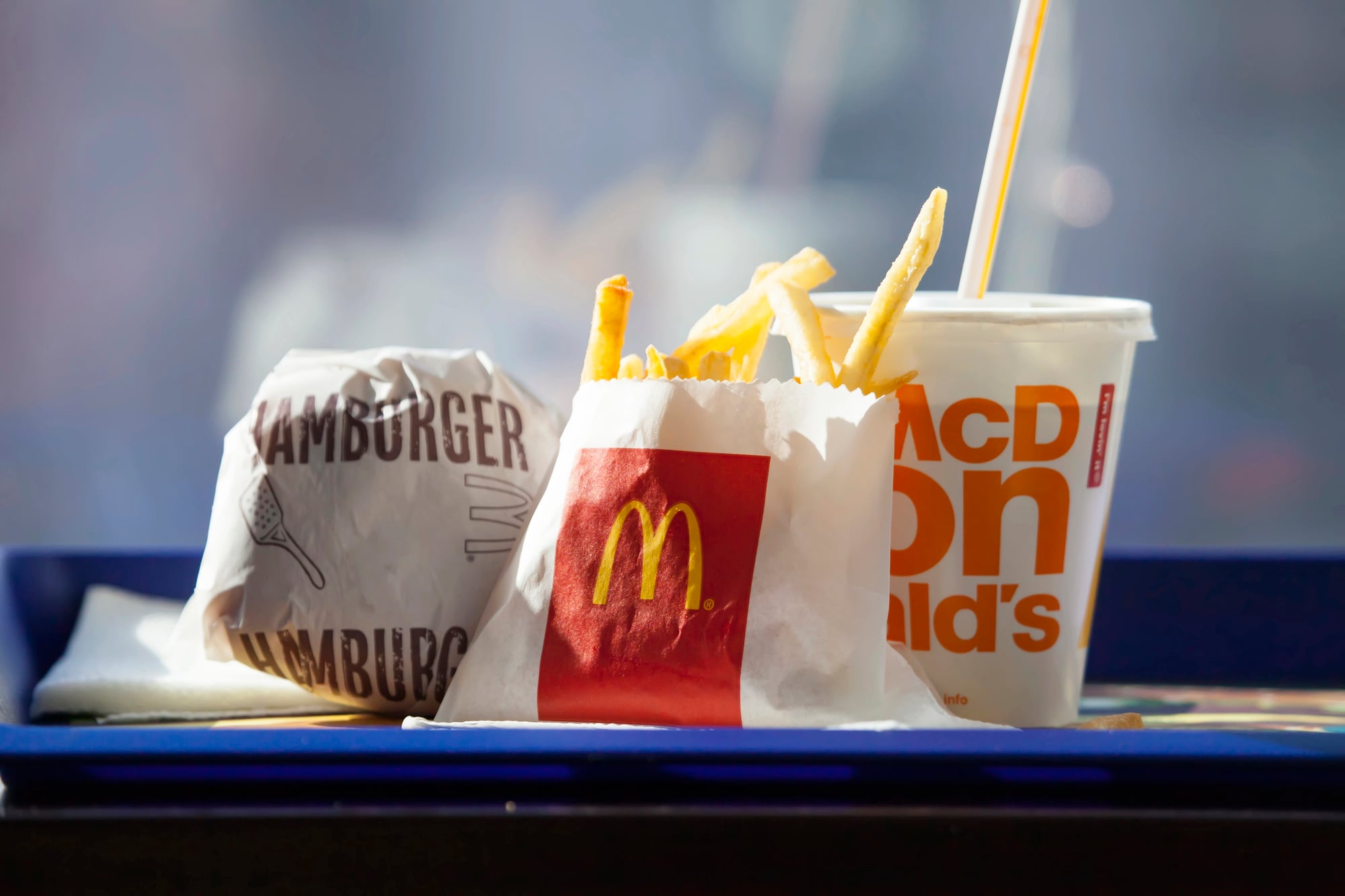
The golden arches promised fast food that actually felt like a bargain (and this was back when the portions weren’t trying to compensate for anything, they were just honest-sized meals that left you satisfied). You could walk in with loose change from your couch cushions and walk out with a complete meal.
Drive-throughs were still a novelty, and the menu fit on a single board behind the counter.
A Comic Book
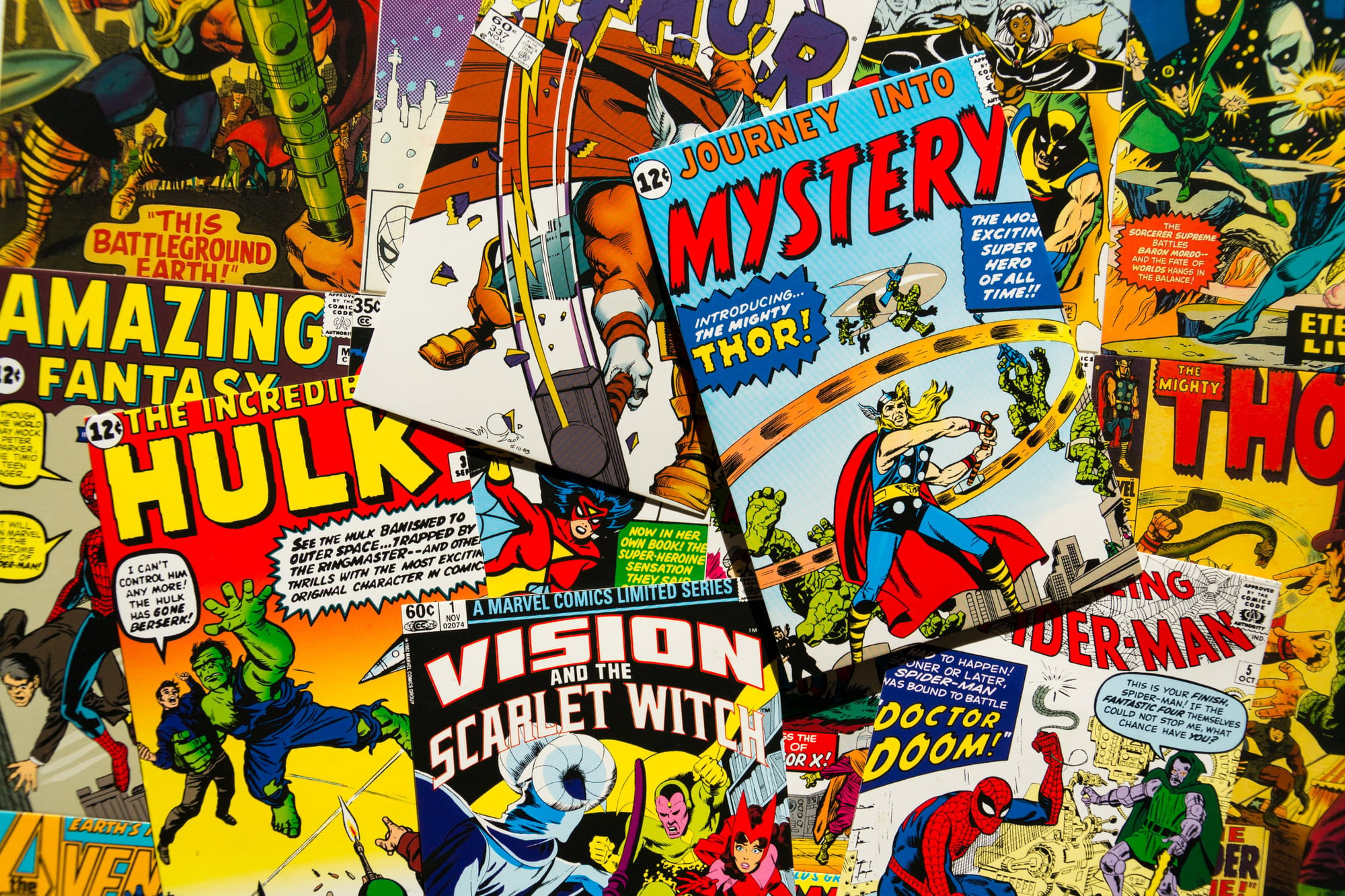
Comic book racks at drugstores and corner shops held treasures for pocket change. Superhero adventures, horror stories, romance comics — entire universes available for the cost of a pack of gum today.
These weren’t collectibles yet, just entertainment that kids bought, read until the pages fell apart, and traded with friends.
A Candy Bar
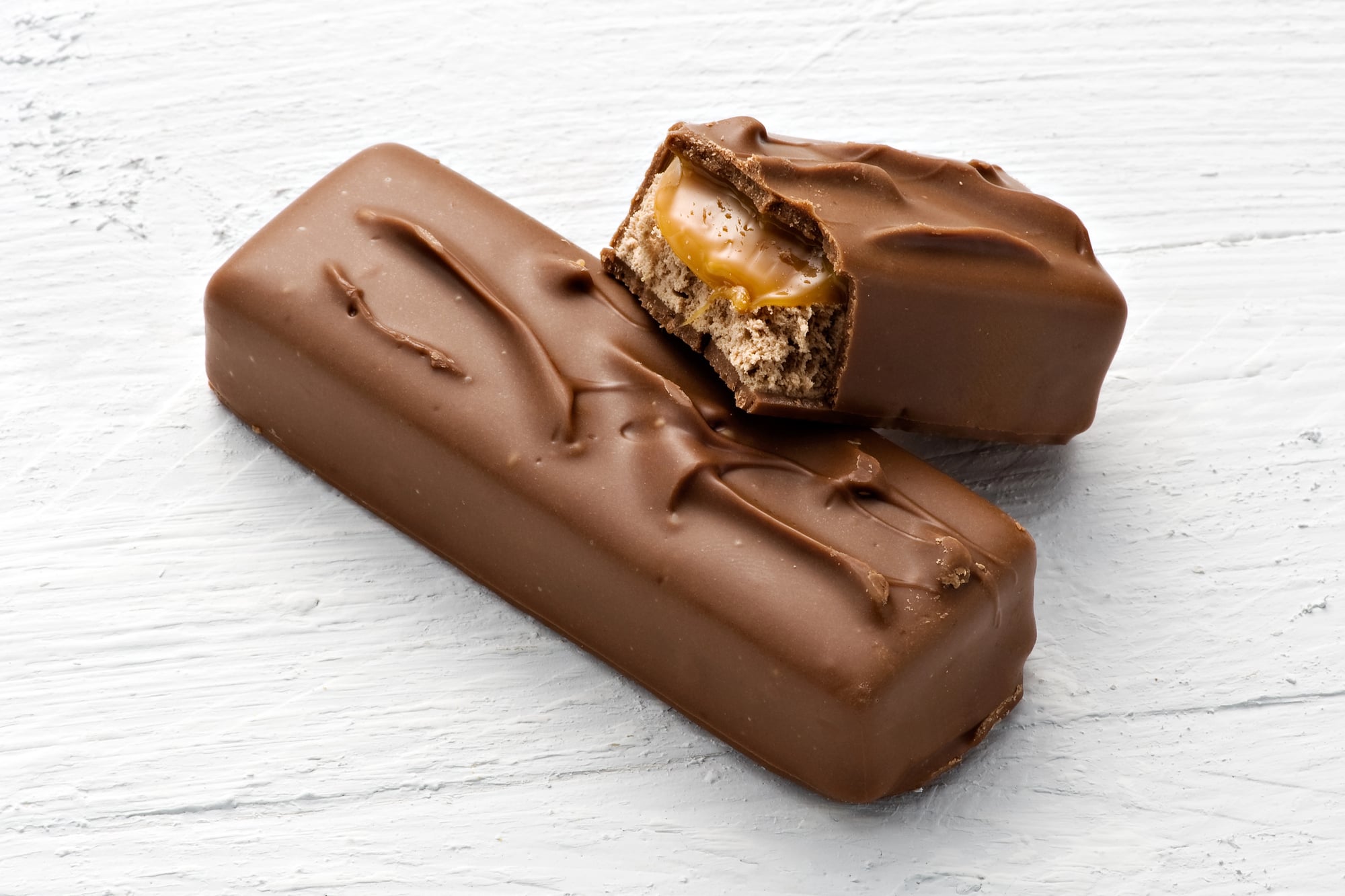
Hershey bars, Snickers, Three Musketeers — the candy aisle was a wonderland of choices that didn’t require financial planning. And these weren’t the downsized versions either; candy bars were substantial things that could genuinely satisfy an afternoon craving.
Corner stores kept them right at eye level, knowing kids could actually afford to buy them regularly.
A Loaf Of Bread
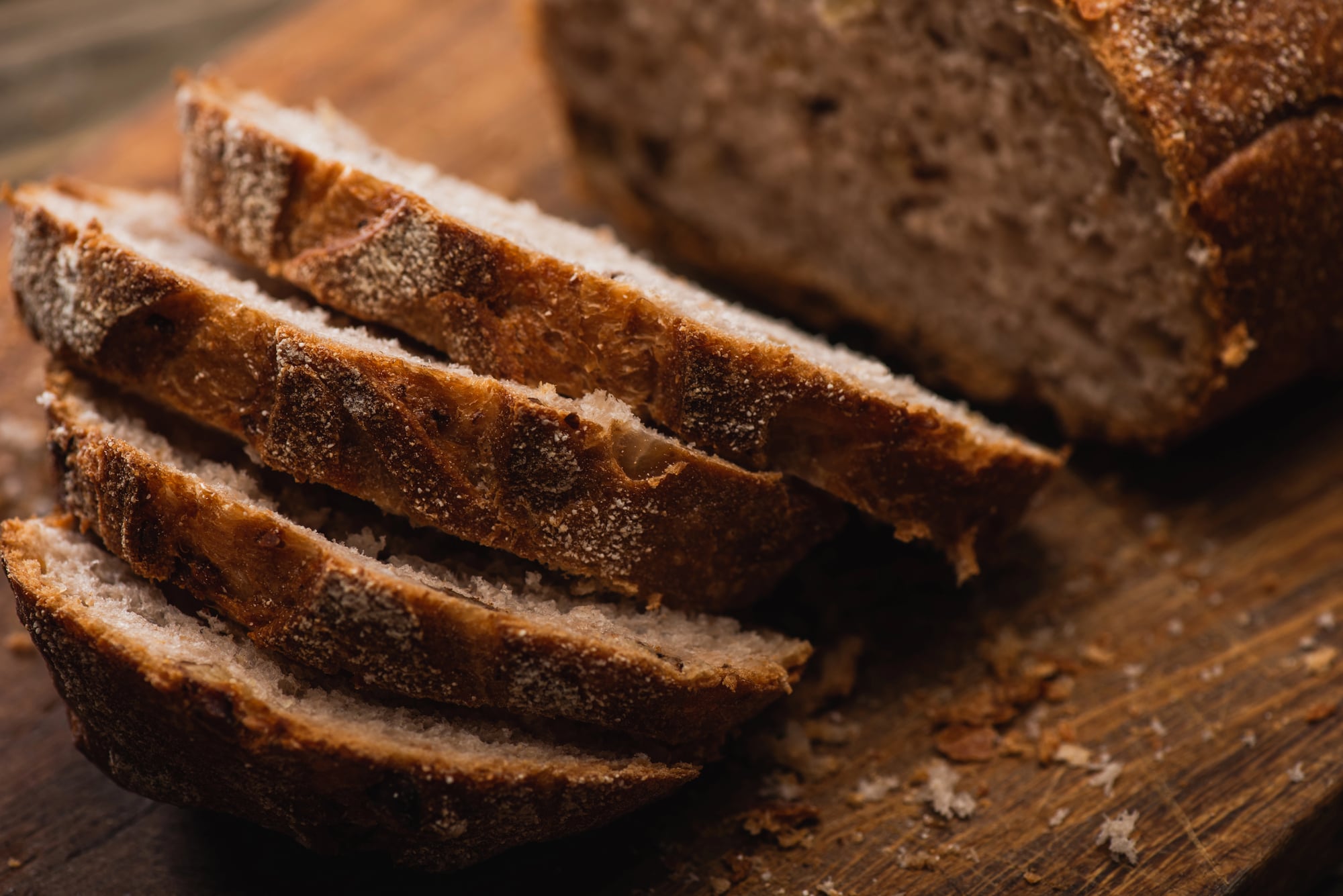
Grocery shopping meant bread cost less than many people spend on a cup of coffee now, yet the quality was there (bakeries still operated in most neighborhoods, and even store-bought bread was made with fewer preservatives and more actual ingredients than whatever passes for affordable bread today). So you could feed a family without calculating every purchase.
Even artisanal loaves from local bakeries stayed close to that dollar mark.
A Stamp
Mailing a letter anywhere in the country cost a fraction of what it does now. People wrote actual letters — not emails, not texts, but physical correspondence that required thought and care because you couldn’t just delete and start over if you made a mistake.
And yet the cost of sending that carefully crafted letter was almost negligible compared to other expenses.
A Pack Of Trading Cards
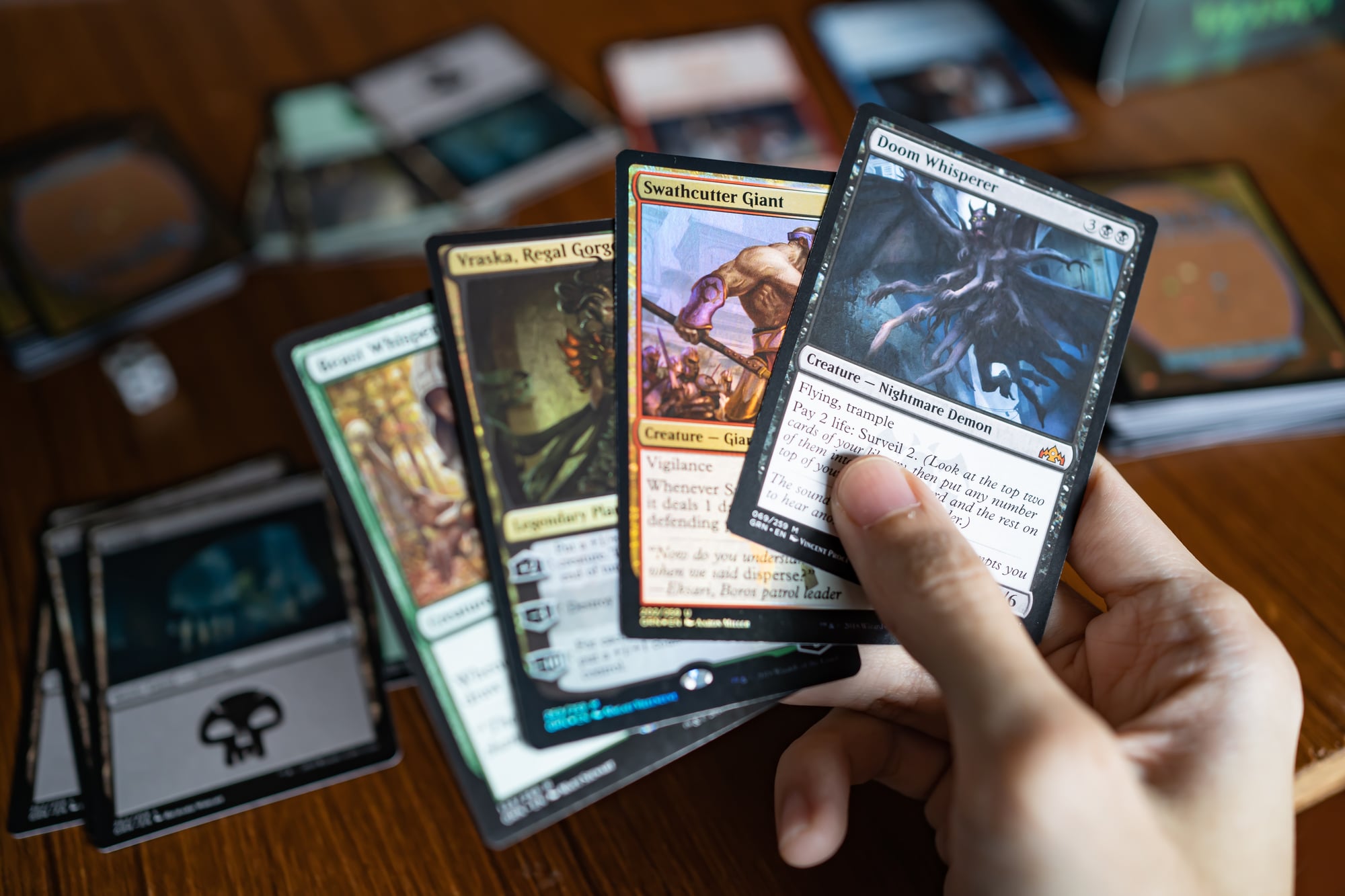
Baseball cards came with that flat stick of bubble gum that somehow always tasted exactly the same regardless of the brand. Kids collected entire sets without their parents worrying about the expense, and finding a rookie card felt like discovering buried treasure rather than making an investment.
The cards were meant to be flipped, traded, and stuck in bicycle spokes.
A Soft Drink
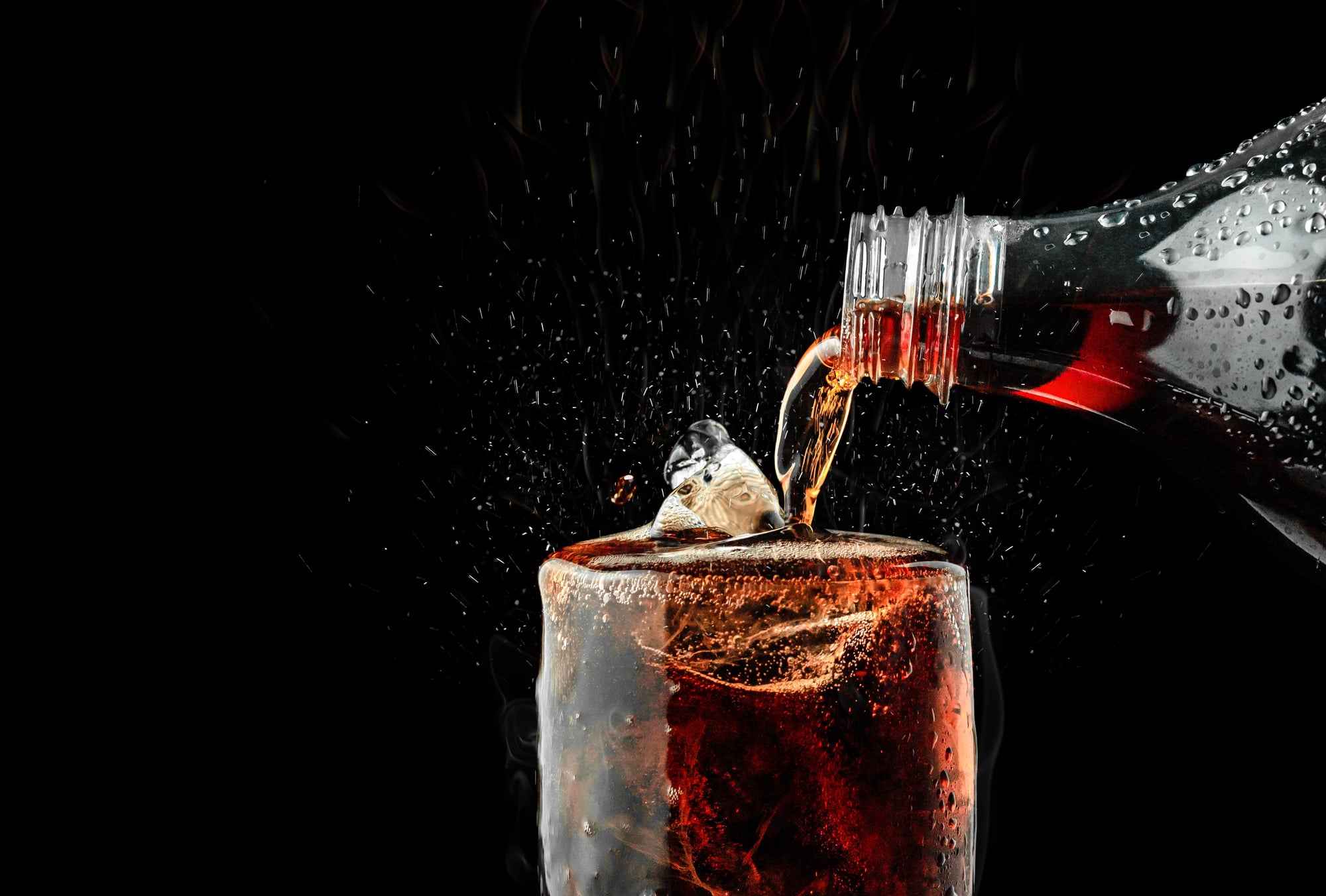
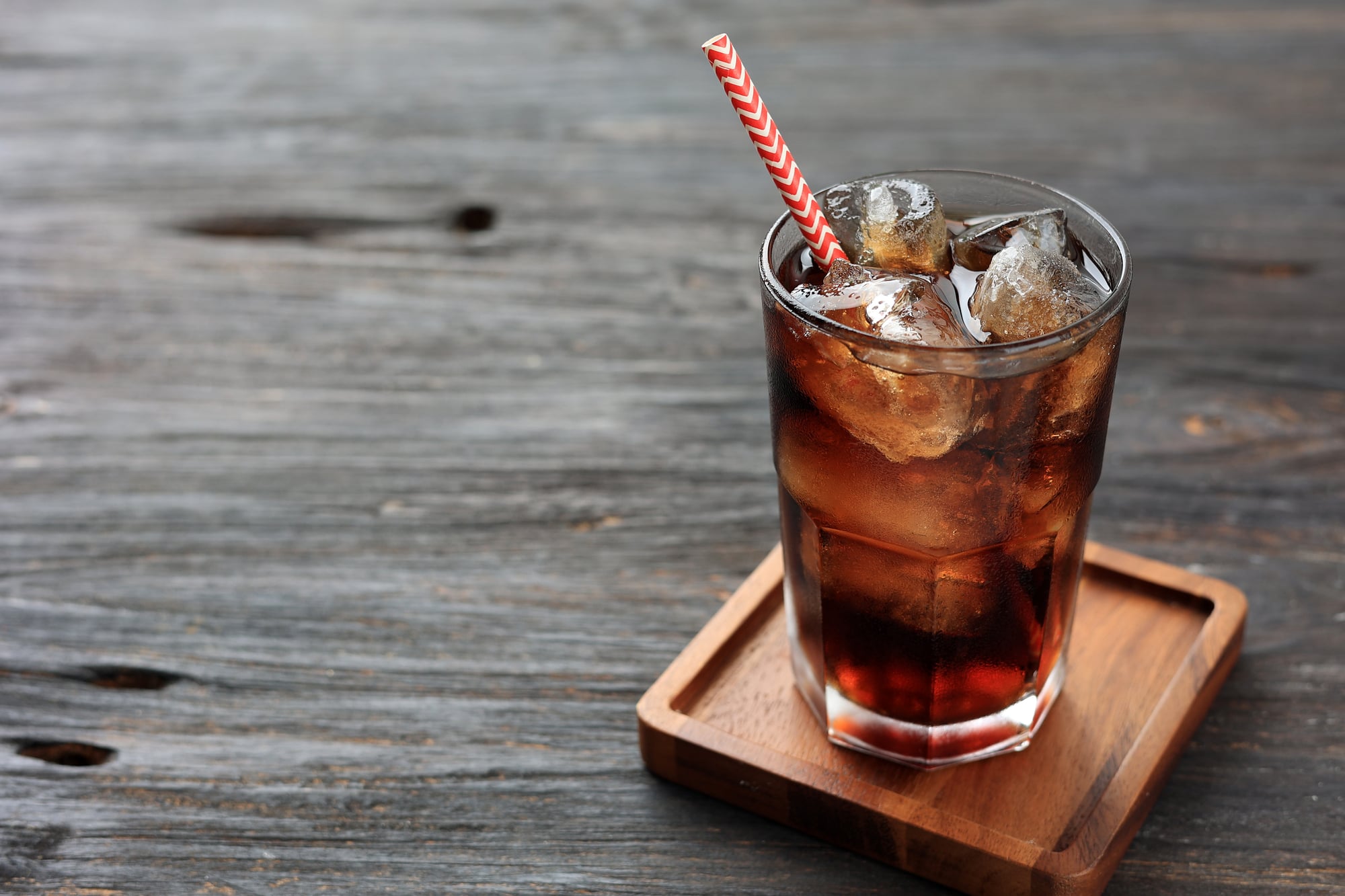
Glass bottles of Coca-Cola, Pepsi, or 7-Up were real treats that didn’t require parental approval based on cost. Vending machines dispensed ice-cold sodas for change you found in parking lots, and the bottles were thick glass that made the drink taste different — better — than anything that comes in plastic or aluminum now.
A Local Newspaper
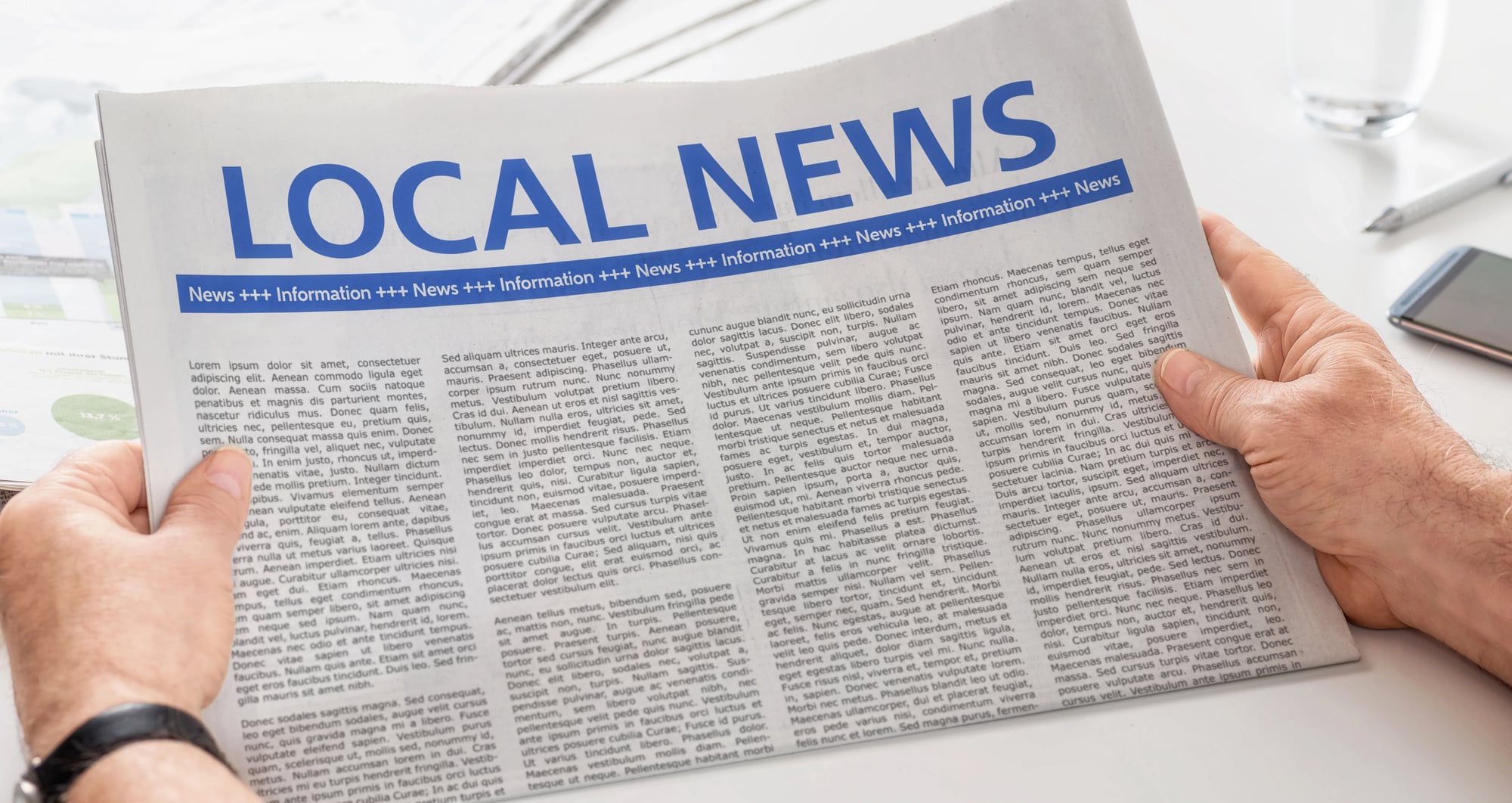
Daily newspapers were thick, substantial things with actual investigative reporting, comprehensive sports sections, and classified ads that people genuinely used to buy and sell everything from cars to furniture. Reading the paper was a ritual that cost practically nothing, and most people bought one every single day without considering the cumulative expense.
A Cup Of Coffee
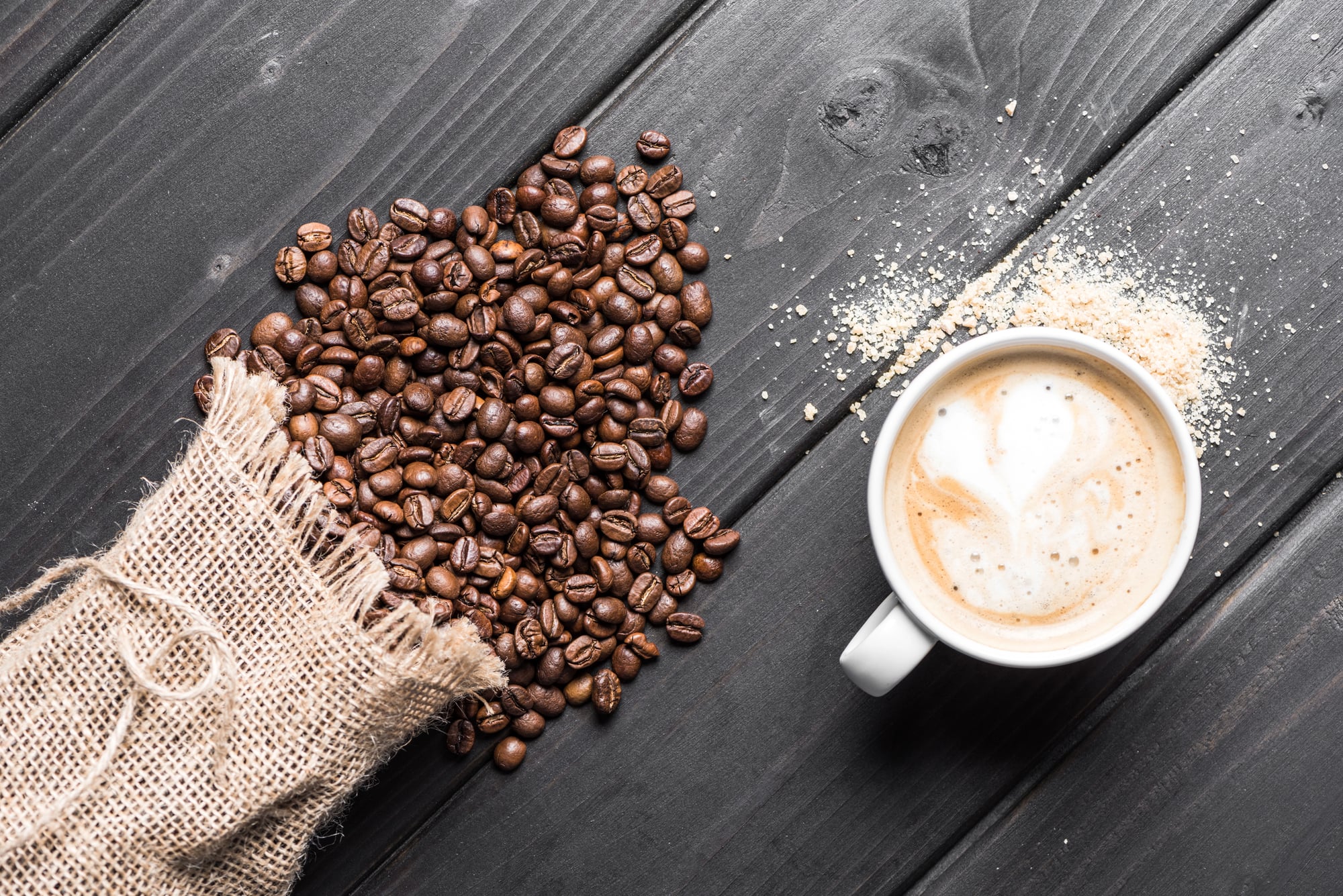
Coffee shops weren’t lifestyle brands yet — they were just places that served coffee in heavy ceramic mugs that could withstand being dropped. The coffee was black or with cream and sugar, no complicated flavor profiles or exotic beans, just honest caffeine that kept people awake and cost virtually nothing.
Bottomless refills were standard, not premium services.
A Bar Of Soap
Personal hygiene products were necessities that didn’t strain budgets. A bar of soap lasted weeks, cost almost nothing, and did exactly what it was supposed to do without requiring a chemistry degree to understand the ingredients list.
Simple, effective, affordable — three qualities that seemed to go together naturally back then.
A School Lunch
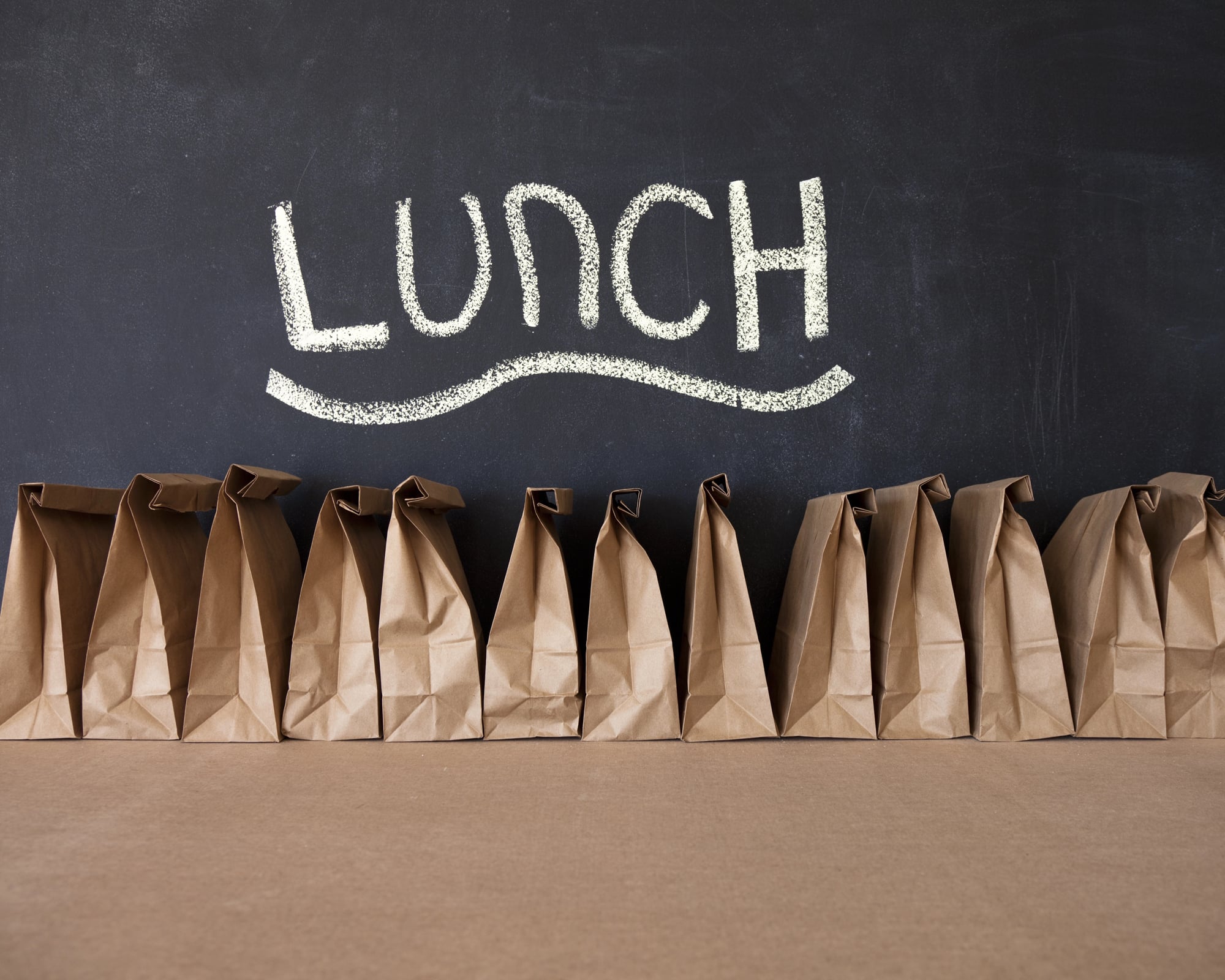
Cafeteria meals were complete affairs — entrée, sides, milk, maybe even dessert — all for the price of what a single apple might cost in a school vending machine today. These weren’t gourmet experiences, but they were filling, reasonably nutritious, and accessible to practically every student regardless of their family’s financial situation.
When Money Meant Something Different
Looking back, that dollar represented more than purchasing power — it represented accessibility. Daily pleasures, small luxuries, and basic necessities all fell within reach of ordinary people earning ordinary wages.
The gap between wanting something and being able to afford it was much smaller, which meant spontaneous purchases and simple generosity were just part of regular life rather than carefully calculated financial decisions.
More from Go2Tutors!

- The Romanov Crown Jewels and Their Tragic Fate
- 13 Historical Mysteries That Science Still Can’t Solve
- Famous Hoaxes That Fooled the World for Years
- 15 Child Stars with Tragic Adult Lives
- 16 Famous Jewelry Pieces in History
Like Go2Tutors’s content? Follow us on MSN.


