23 Pieces of Costume Jewelry That Turned Out to Be Real
There’s a particular kind of silence that falls over an antique store when someone flips a brooch over and notices a hallmark they weren’t expecting. Most people have handled jewelry their whole lives without thinking too hard about what it’s made of — a rhinestone is a rhinestone, a gold-colored chain is just a gold-colored chain, and whatever grandmother left in that old hatbox probably isn’t worth much.
Except sometimes it is. Across estate sales, thrift stores, attic cleanouts, and online auction listings, pieces that were dismissed as dress jewelry have turned out to be genuinely valuable — sometimes wildly so.
The stories behind them are part history lesson, part treasure hunt, and occasionally a reminder that the most expensive thing you own might be sitting in a plastic bag in a drawer somewhere.
The Rhinestone Brooch That Was Actually Diamond
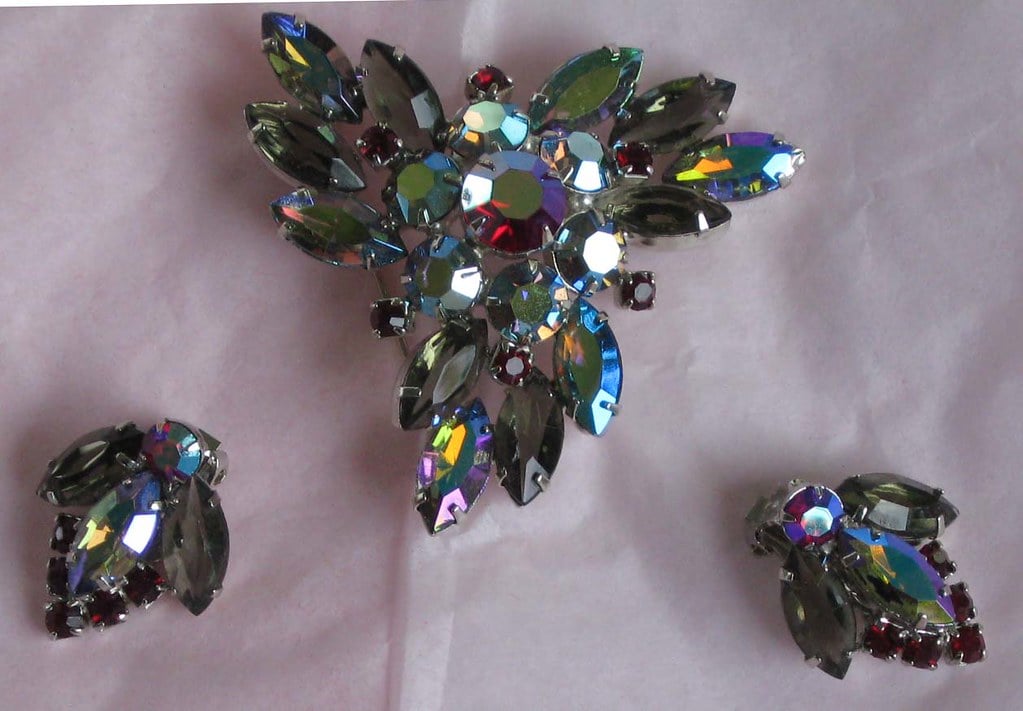
A brooch sold at a New England estate sale for $35 turned out to contain old European-cut diamonds rather than rhinestones — a distinction that only became clear when a gemologist noticed the stones’ unusual brilliance under light. Old European cuts predate modern diamond cutting techniques and were common in the late 19th and early 20th centuries.
The piece appraised at over $14,000.
The Bakelite Bangles With a Hidden Provenance
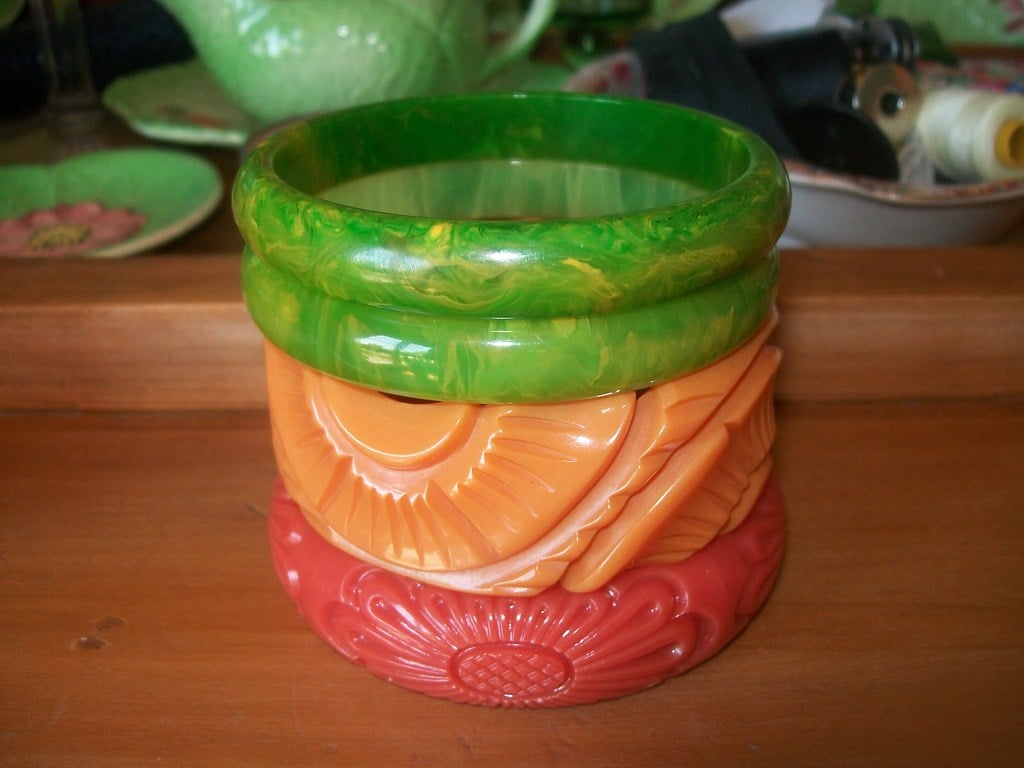
Bakelite bangles are everywhere at flea markets, usually priced between $5 and $20. But a set of carved marbled bangles purchased for $12 at a Chicago estate sale turned out to be signed by French designer Auguste Bonaz — a name that pushed their value past $800 per piece.
The difference between a random Bakelite bangle and a signed one is invisible to the unaided eye until you know exactly where to look.
The Monet Bracelet That Wasn’t Monet at All
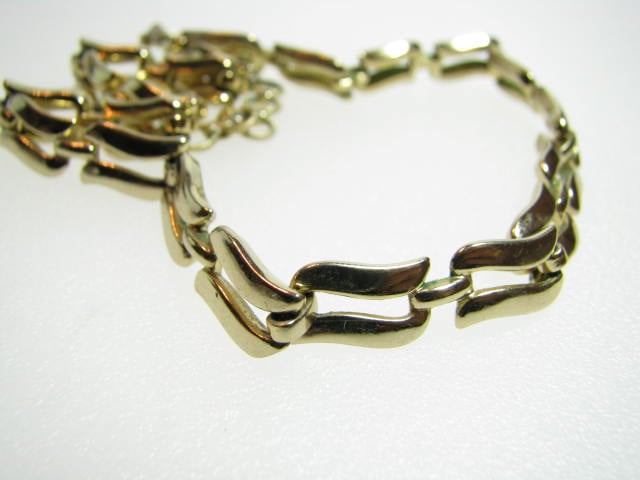
Monet is a well-known costume jewelry brand, so when a gold-toned bracelet surfaced with a stamp that looked like “Monet,” a thrift store priced it at $3. But the stamp actually read “Monet” only at a glance — closer inspection revealed a different maker’s mark entirely, and the bracelet turned out to be 18-karat gold.
It had the visual weight of cheap fashion jewelry; it was not cheap fashion jewelry.
The Cameo Brooch Carved From Shell vs. Stone
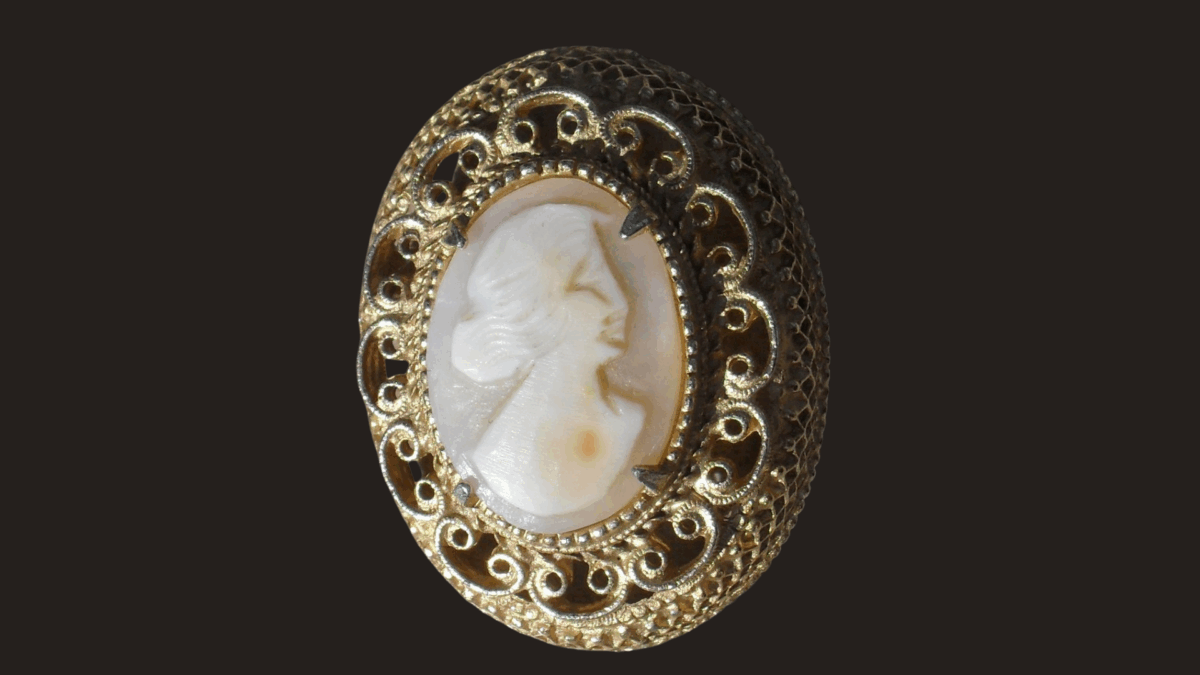
Cameo brooches are so commonly reproduced in plastic and glass that real shell cameos almost always get lumped in with fakes. A cameo sold at a Pennsylvania garage sale for $5 was later identified as a genuine hand-carved coral cameo mounted in 14-karat gold — the kind of piece produced in Naples in the early 1900s for the American tourist trade.
It sold at a specialty auction for $1,200.
The Rhinestone Tiara From a Stage Costume
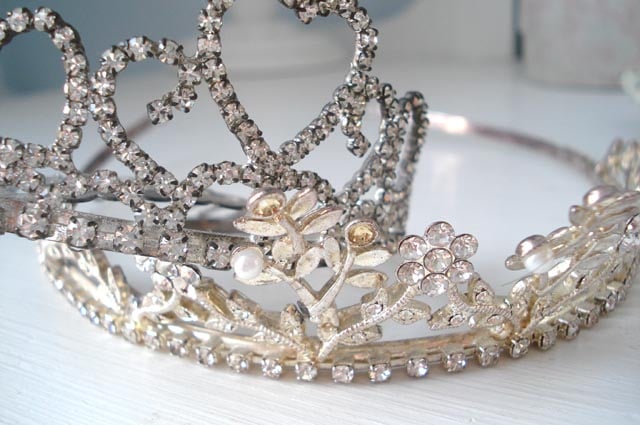
Stage costumes end up at estate sales more often than people realize, and stage jewelers sometimes used real stones because a production had the budget for authenticity. A tiara bought for $20 at an estate sale in Los Angeles — attributed to a costume collection — turned out to contain genuine aquamarines in a silver setting.
The theatrical provenance actually added to its value rather than subtracting from it.
The Charm Bracelet With Sterling Charms
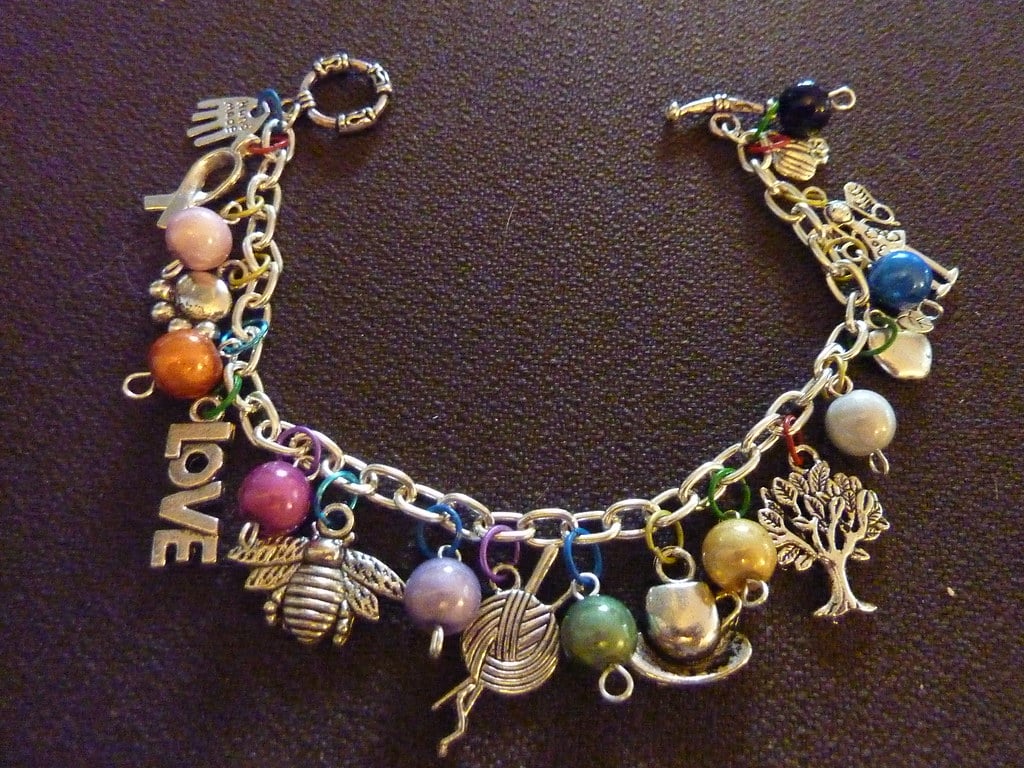
Charm bracelets are the kind of jewelry that accumulates over decades and rarely gets sorted — charms from different eras, different metals, all strung together until nobody quite remembers which piece came from where. A bracelet sold as a costume at an Ohio estate sale for $15 turned out to be sterling silver throughout, with several charms bearing British hallmarks from the 1920s.
The whole thing appraised at $650, which is a reasonable return on $15.
The Cocktail Ring With Real Alexandrite
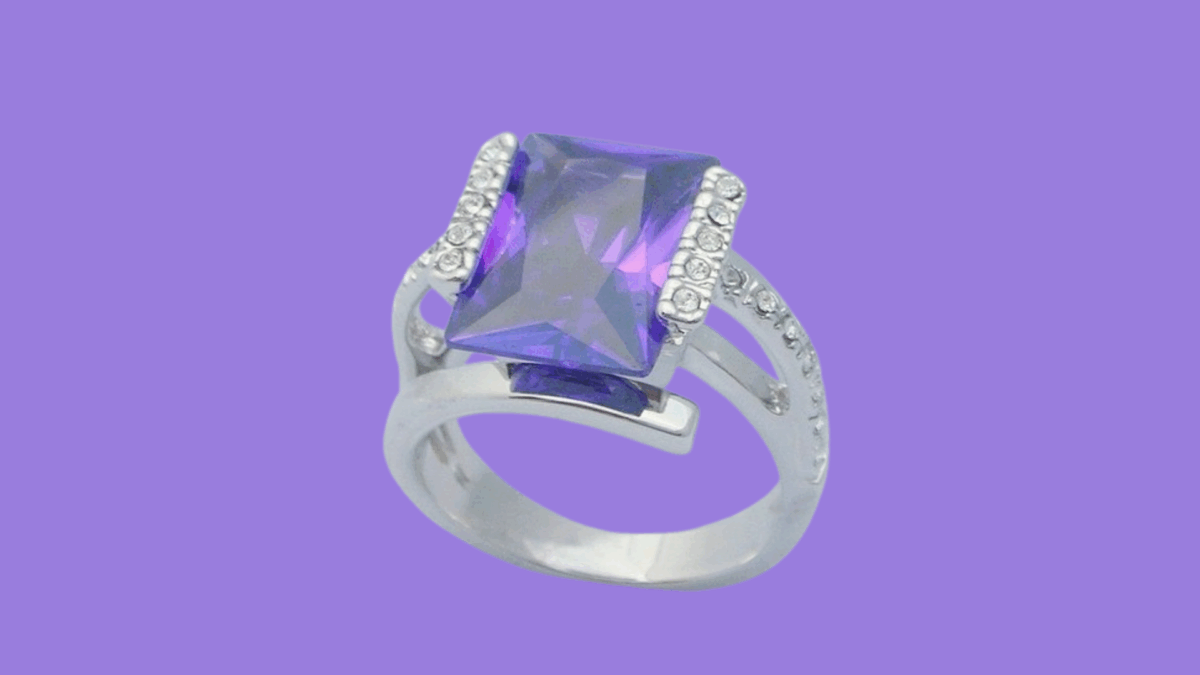
Alexandrite is a color-changing gemstone that was so fashionable in mid-century costume jewelry that synthetic versions flooded the market — which means real alexandrite often gets mistaken for the fake kind. A large cocktail ring sold at a Florida thrift store for $4 turned out to contain a genuine color-change alexandrite of just over two carats.
The stone alone, independent of the setting, was worth several thousand dollars.
The Gold Locket Found in a Sewing Box
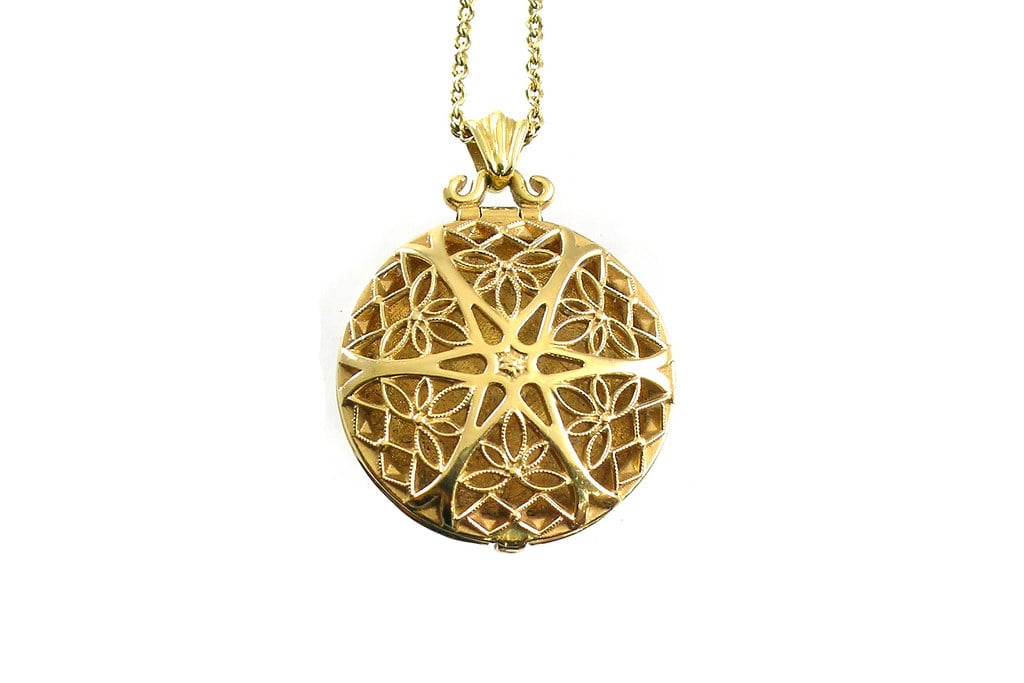
Sewing boxes were the informal jewelry storage of the early 20th century, and what ended up in them was rarely inventoried. A locket pulled from a sewing box at a Vermont estate sale — sold as part of a lot for $10 — turned out to be 15-karat gold, which is a British standard no longer in production and therefore immediately datable to before 1932.
Inside was a photograph dated 1887, which didn’t raise the value but added the kind of texture that makes antique dealers genuinely happy.
The Mourning Brooch With Jet vs. Glass
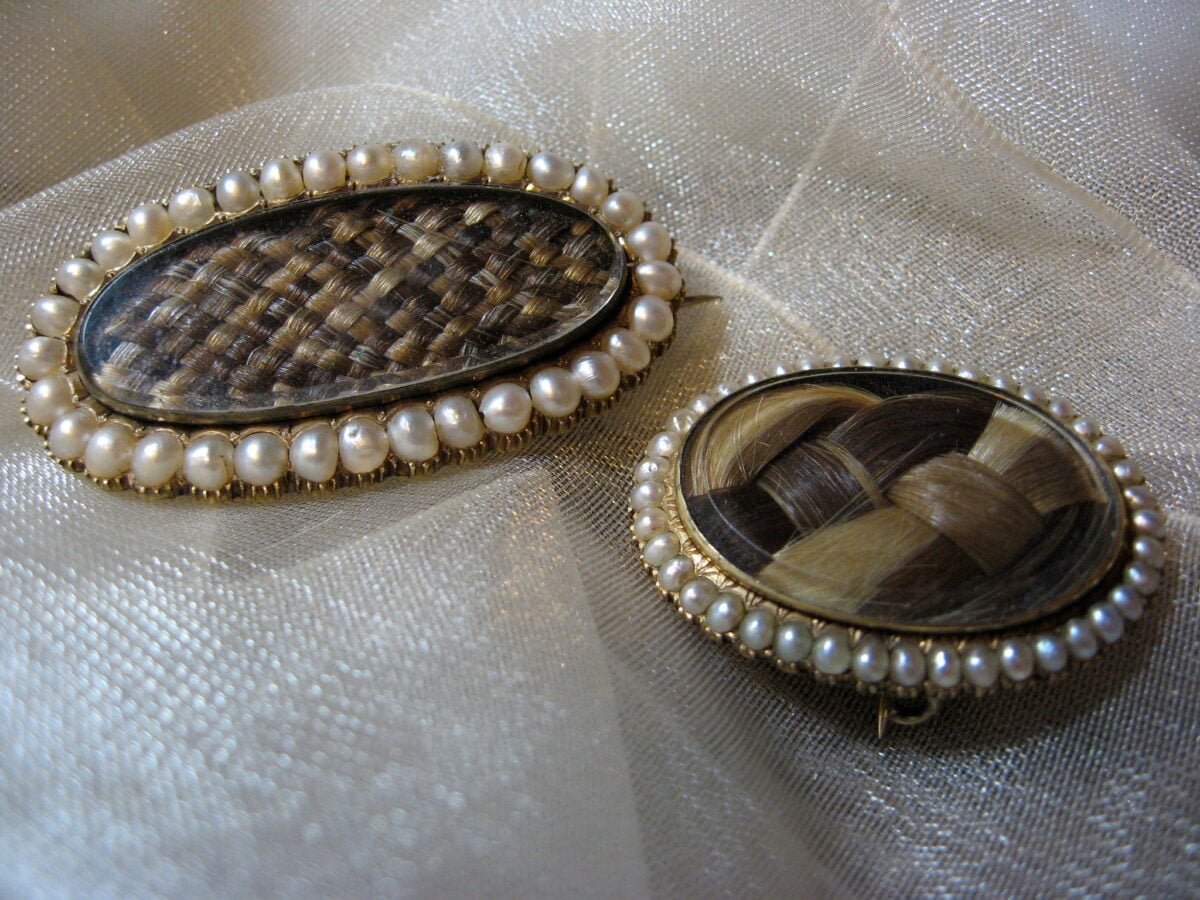
Victorian mourning jewelry made from Whitby jet — a specific type of fossilized driftwood found only on the Yorkshire coast — is frequently confused with black glass, which was cheaper and more widely distributed. A carved black brooch sold at a Maryland estate sale for $8 turned out to be a genuine Whitby jet, identifiable by its warmth to the touch and its response to static electricity.
Genuine Whitby jet mourning brooches from the Victorian period regularly sell between $400 and $1,500 depending on condition and carving quality.
The Enamel Locket That Was Fabergé Adjacent
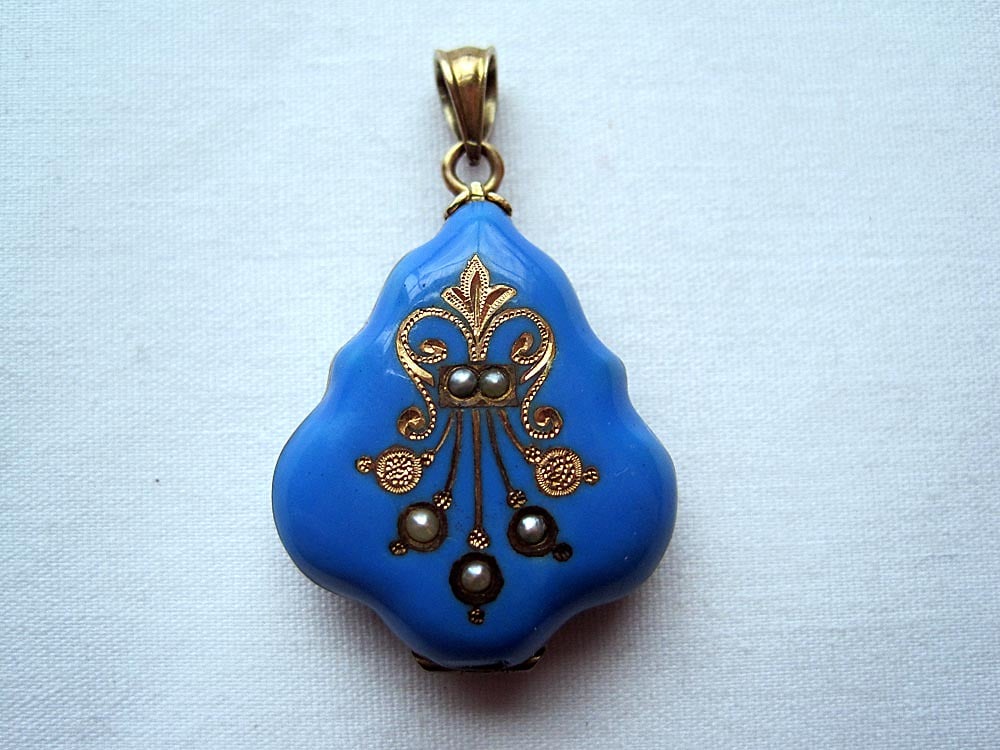
Not everything from Fabergé’s workshop carries the Fabergé name — the firm produced pieces through various workmasters, some of which were marked with the individual workmaster’s initials rather than the house name. A small enamel locket sold at an estate sale in San Francisco for $25 carried marks that a specialist eventually traced to a known Fabergé workmaster.
The provenance didn’t make it a “Fabergé piece” in the headline sense, but it was close enough to matter: it sold at auction for $3,800.
The Seed Pearl Brooch in a Junk Drawer
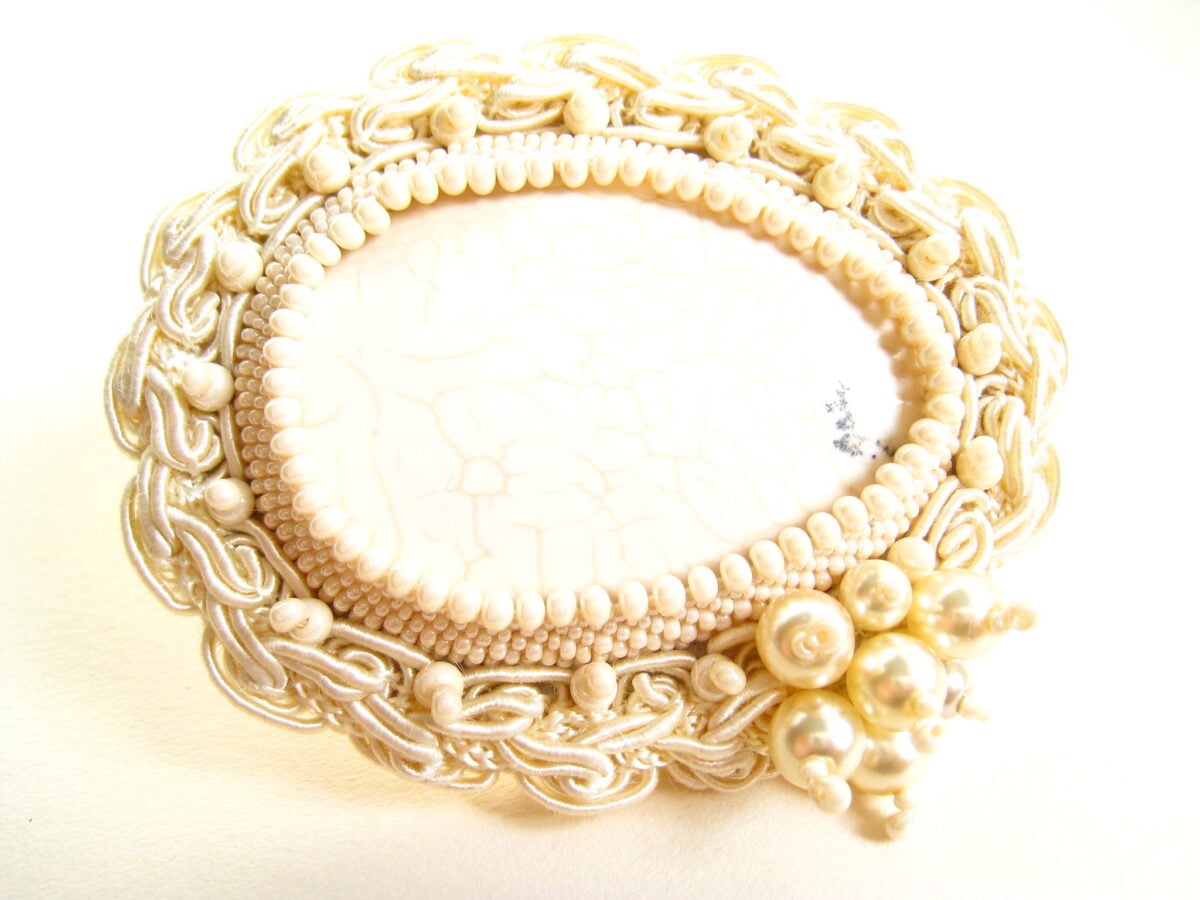
Seed pearls — tiny natural pearls used extensively in Victorian and Edwardian jewelry — are so small and so easily mistaken for glass beads that pieces containing them regularly surface in junk drawers and costume bins. A floral spray brooch with what appeared to be tiny white glass beads, sold for $6 at a Wisconsin estate sale, turned out to be set with seed pearls in a gold-filled frame with a solid gold pin stem.
The appraisal came in at $420, which is modest but is still $414 more than the purchase price.
The Egyptian Revival Necklace With Real Scarabs
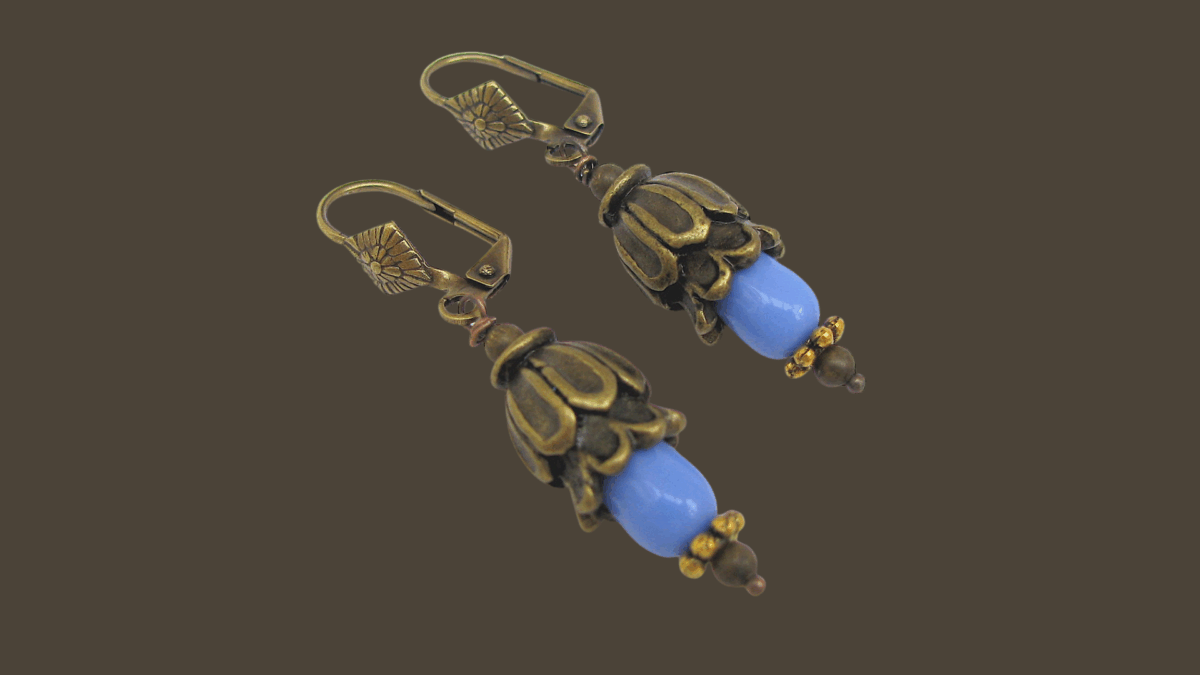
Egyptian Revival jewelry surged in popularity after Howard Carter opened Tutankhamun’s tomb in 1922, producing both genuine antiques and mass-produced imitations. A necklace sold at a Georgia estate sale for $18 — assumed to be the imitation variety — turned out to contain genuine hand-carved lapis lazuli scarabs mounted in 18-karat gold.
The combination of authentic materials and the period’s fashionable aesthetic pushed its auction value to $2,600.
The Art Deco Clip With Platinum Setting
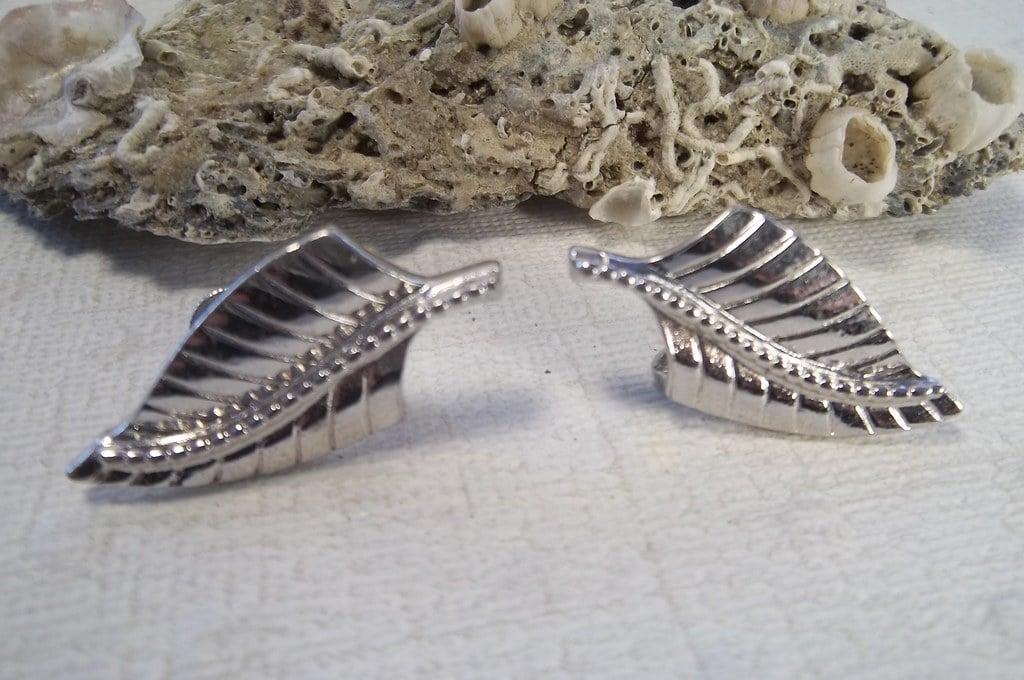
Platinum was the preferred metal for Art Deco fine jewelry, and its silvery appearance makes it visually indistinguishable from white gold or silver to the casual observer. A clip-style brooch sold at an Illinois estate sale for $12 tested positive for platinum when a jeweler ran a standard acid test — something the estate sale organizers simply hadn’t done.
The piece contained old European-cut diamonds in a platinum milgrain setting and appraised at just over $8,000.
The Turquoise Ring That Was Actually Persian
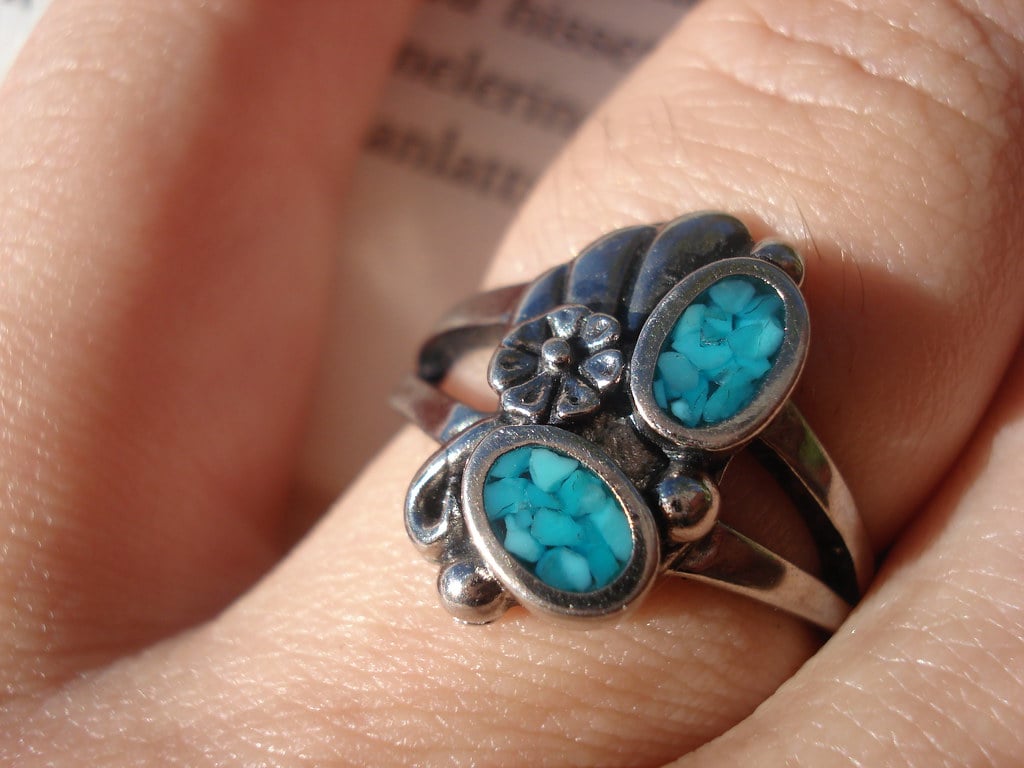
Not all turquoise is equal, and Persian turquoise — mined in the Nishapur region of Iran — carries a color saturation and matrix pattern distinct from the American turquoise that flooded jewelry production in the 1970s. A ring sold at a New Mexico flea market for $20 turned out to contain a high-grade Persian turquoise cabochon in a silver setting consistent with early 20th-century Middle Eastern workmanship.
Persian turquoise of that quality, in that period’s setting, was worth considerably more than a piece of American tourist jewelry.
The Signed Miriam Haskell Piece Mistaken for Unmarked Costume
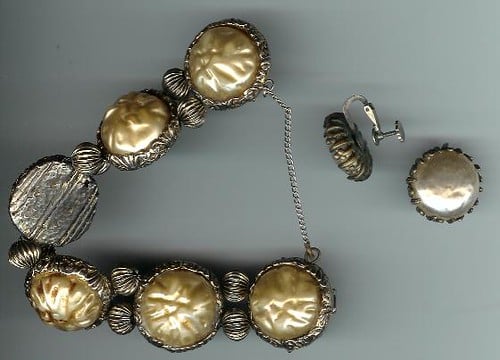
Miriam Haskell pieces are some of the most collectible costume jewelry in the American market — and they often go unrecognized because the signatures are small, worn, and easy to overlook. A seed pearl and glass bead necklace sold at a Massachusetts estate sale for $22 was eventually identified as a signed Haskell piece by a collector who knew where to look for the oval cartouche.
Signed Haskell pieces in good condition regularly sell between $300 and $1,200 depending on complexity.
The Amber Necklace That Contained an Insect
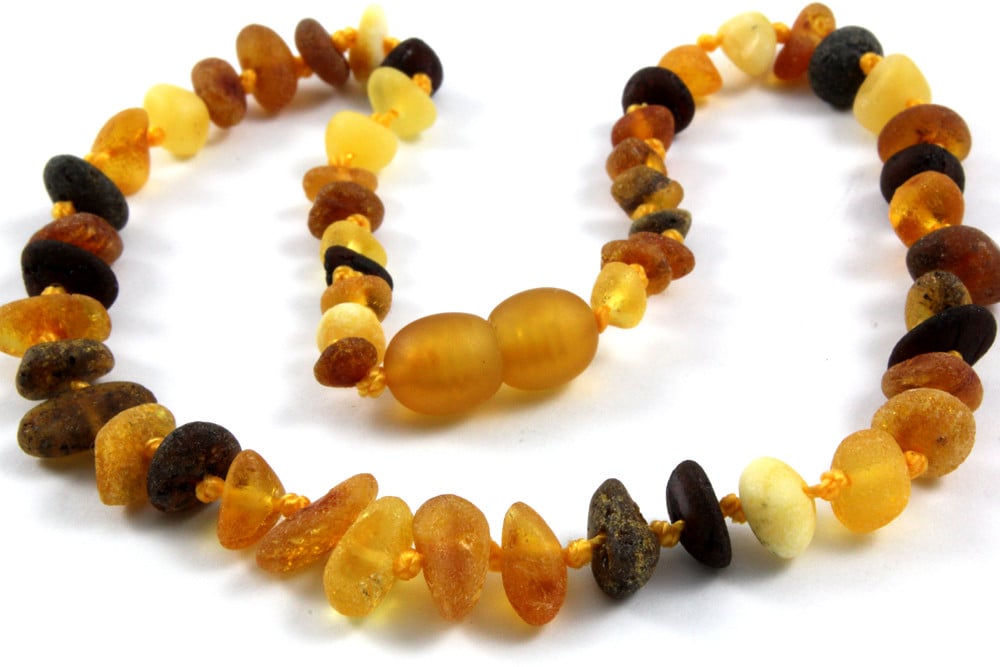
Baltic amber — the real kind, not the copal or plastic imitations — occasionally contains insect inclusions that drive its value significantly upward. A necklace sold at a Minnesota estate sale for $30, which looked like any amber-colored bead necklace, turned out to be genuine Baltic amber, and one bead contained a perfectly preserved fly from an estimated 40 million years ago.
The individual inclusion bead alone was worth more than the entire purchase price several times over.
The Sapphire Cluster Ring Sold as Blue Glass
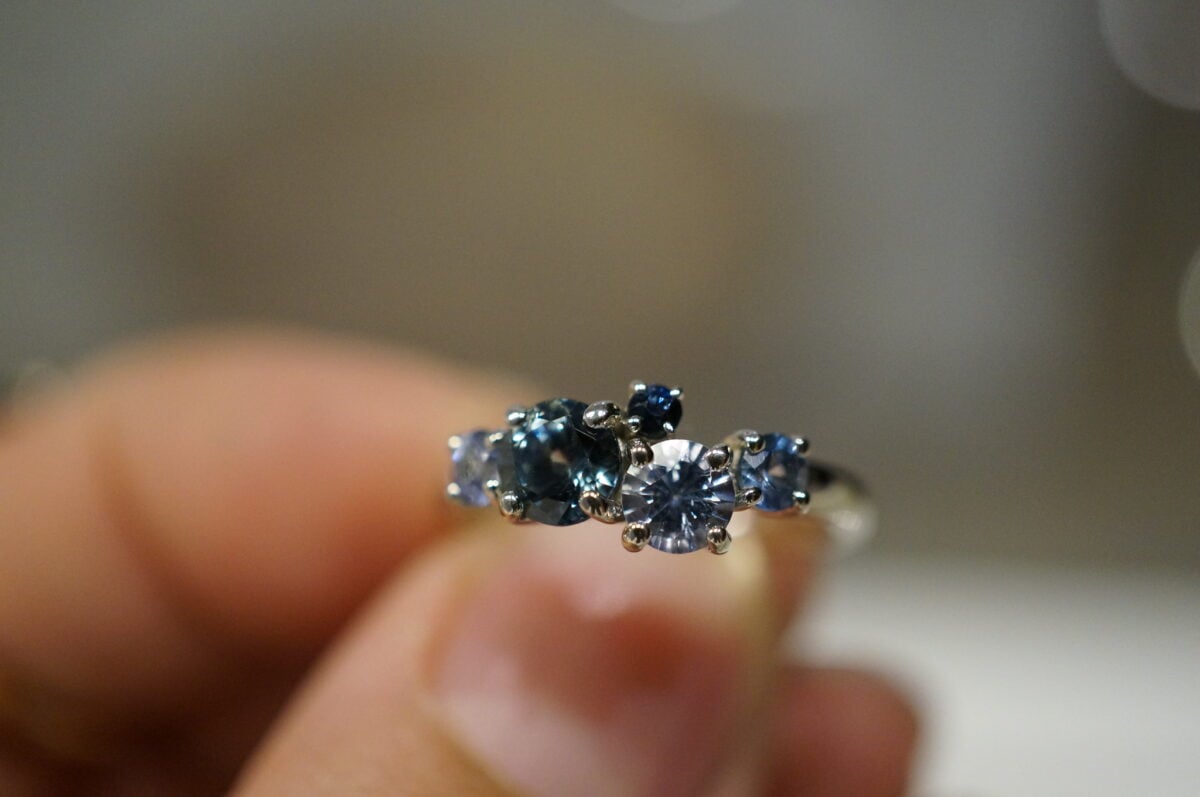
Blue glass cluster rings were so prevalent in the 1940s and 1950s that a ring with vivid blue stones almost automatically reads as costume. A cluster ring sold at an Arizona estate sale for $9 turned out to contain unheated Ceylon sapphires — a designation that matters enormously in gemological terms, as unheated stones command a significant premium over treated ones.
The appraised value came in at $6,400.
The Gold Filled Versus Solid Gold Confusion
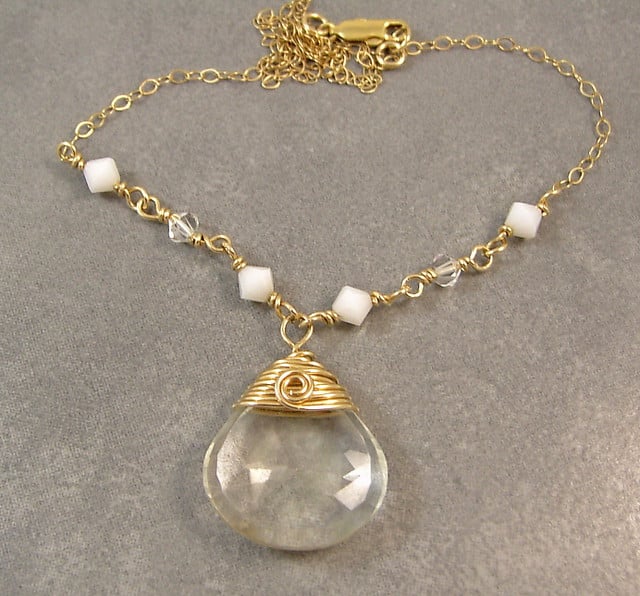
Gold-filled and solid gold look identical, which is exactly why gold pieces end up in costume bins. A heavy curb chain sold at a Missouri garage sale for $5 turned out to be solid 14-karat gold rather than gold-filled — a distinction that adds several hundred dollars in melt value alone, before factoring in the chain’s age and style.
The seller had assumed that anything selling at a garage sale must be cheap; turns out, that assumption is expensive.
The Coral Branch Brooch With a Cartier Connection
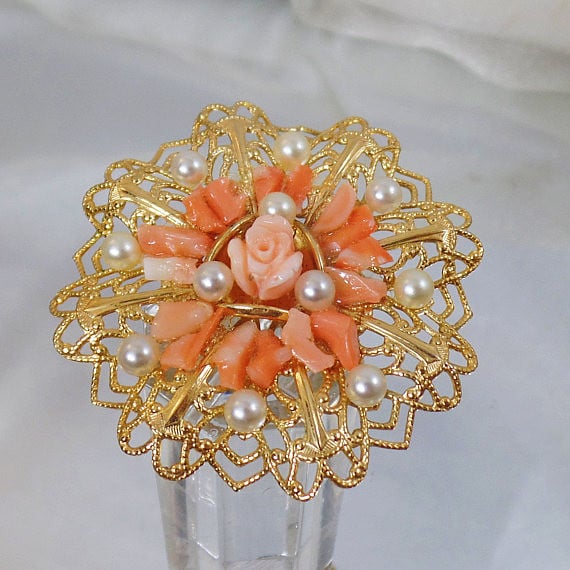
A branch coral brooch sold at a New York estate sale for $45 — the kind of thing that looks expensive but usually isn’t — turned out to have a small Cartier inventory number stamped on the back of the setting. Cartier’s early 20th-century coral pieces, particularly those from the firm’s 1920s and 1930s production, are highly collectible.
The piece sold at a Manhattan auction house for $11,500, which represents a healthy return on a $45 gamble.
The Victorian Hair Mourning Piece With Gold Frame
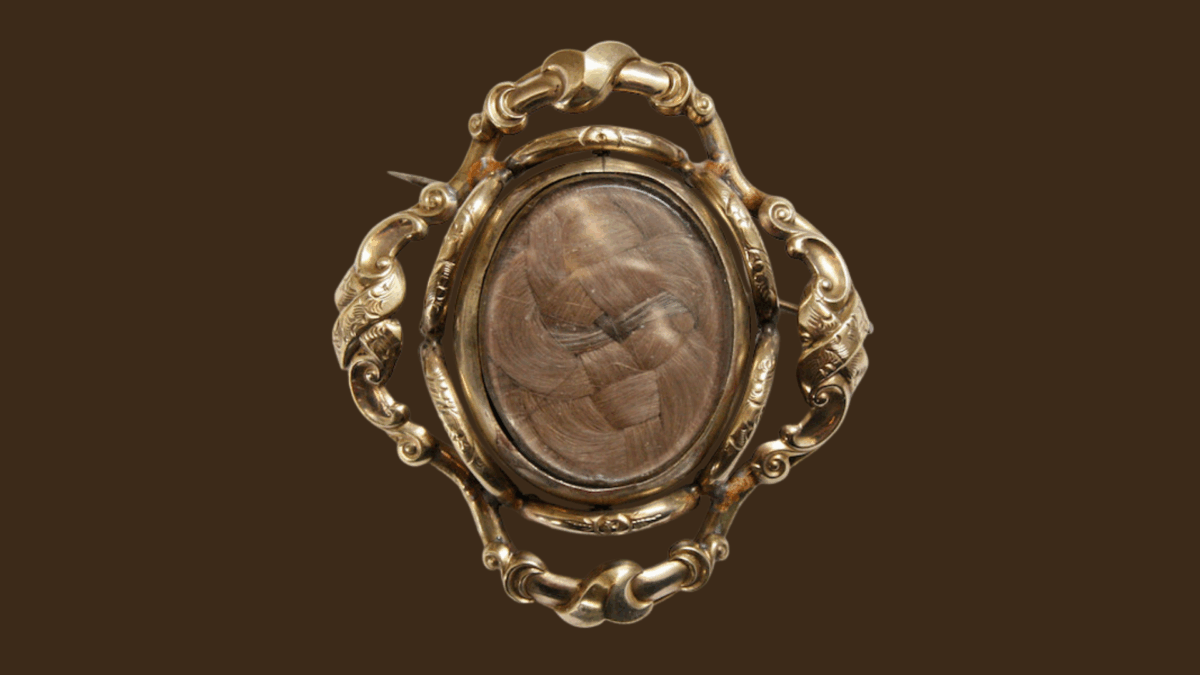
Victorian hair jewelry — brooches, lockets, and pendants incorporating woven or braided human hair — is one of the stranger corners of antique jewelry, and it makes many buyers instinctively walk past it. A woven hair brooch in what appeared to be a gilded frame sold for $4 at a Pennsylvania antique mall, but the frame turned out to be solid gold, and the piece bore a goldsmith’s mark consistent with Philadelphia makers of the 1860s.
The hair doesn’t add value, but the frame did.
The Garnet Parure That Nobody Recognized
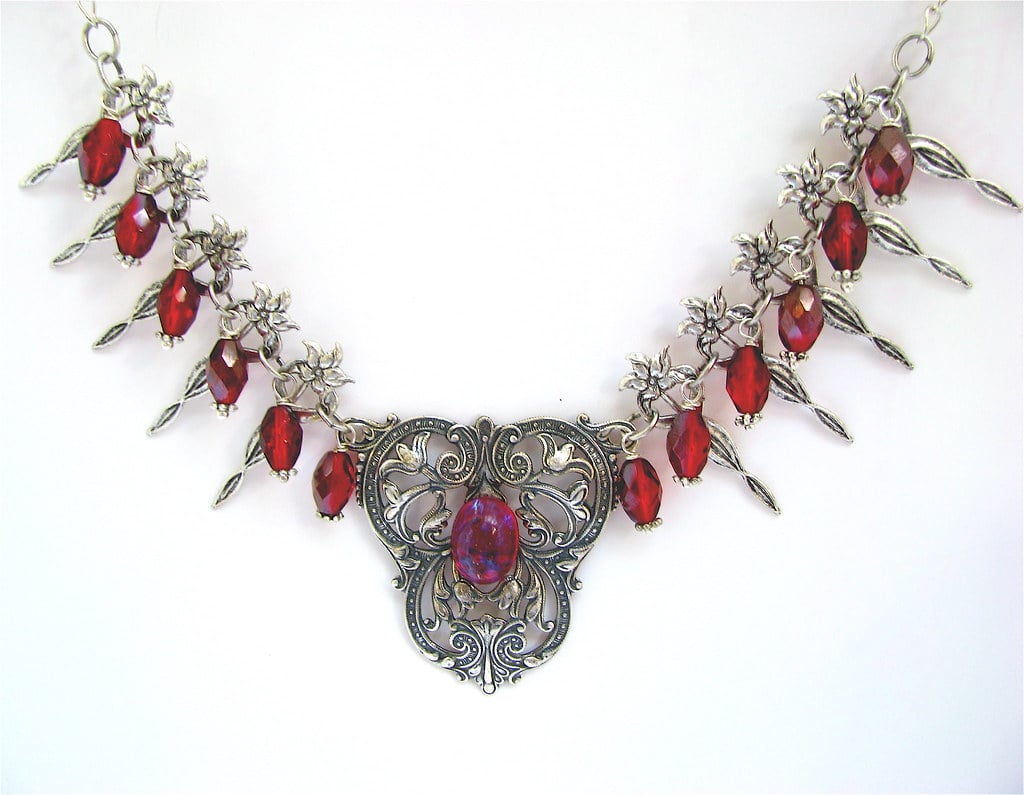
Bohemian garnet jewelry — densely set rose-cut garnets in gilt brass, produced primarily in what is now the Czech Republic — was so fashionable in the Victorian era that enormous quantities of it were made, which paradoxically makes it easy to overlook. A full parure (necklace, earrings, brooch, and bracelet) sold at a Michigan estate sale for $65 as a lot turned out to be a high-quality example with rose-cut pyrope garnets in the original fitted box.
Complete parures in original cases are substantially more valuable than individual pieces: this one sold for $1,800.
The Carved Jade Pendant vs. Dyed Quartzite
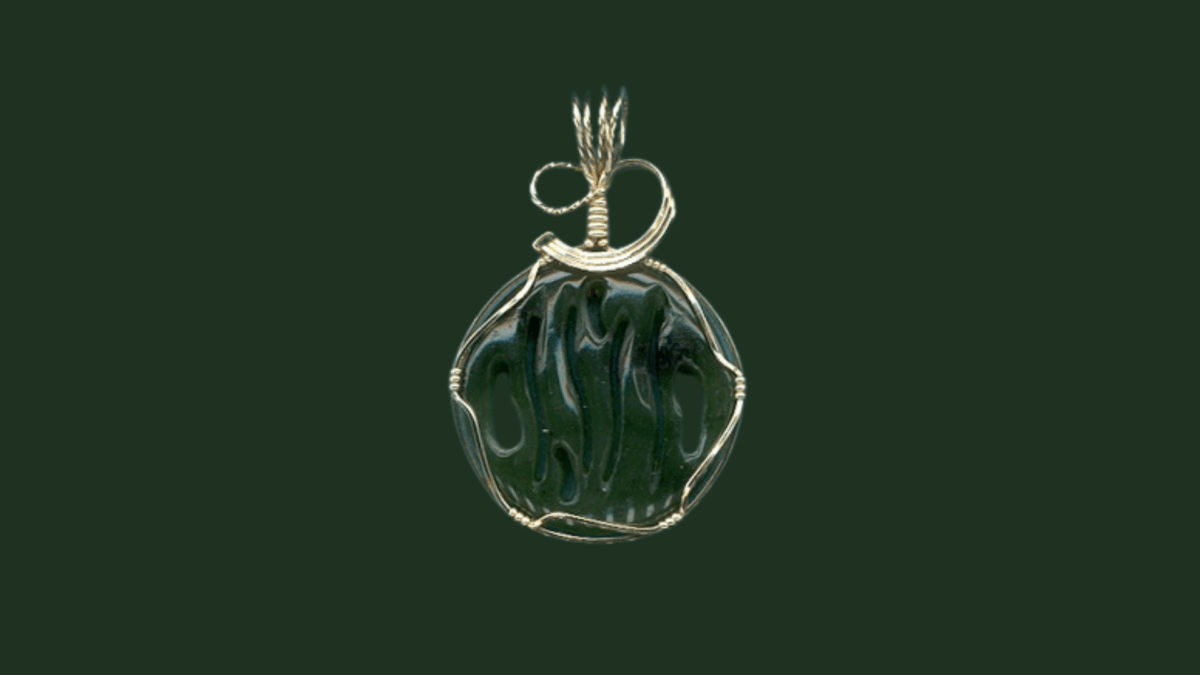
Jadeite jade and the various stones sold in its place — dyed quartzite, serpentine, aventurine — are visually similar enough that misidentification is common even among experienced dealers. A carved pendant sold at a California estate sale for $15 turned out to be Type A jadeite (untreated natural jade) of a quality consistent with Chinese export pieces from the early 20th century.
Type A jadeite in that carving style and quality level appraised at $2,200.
The Signed Trifari Crown Brooch With Rhodium and Real Stones
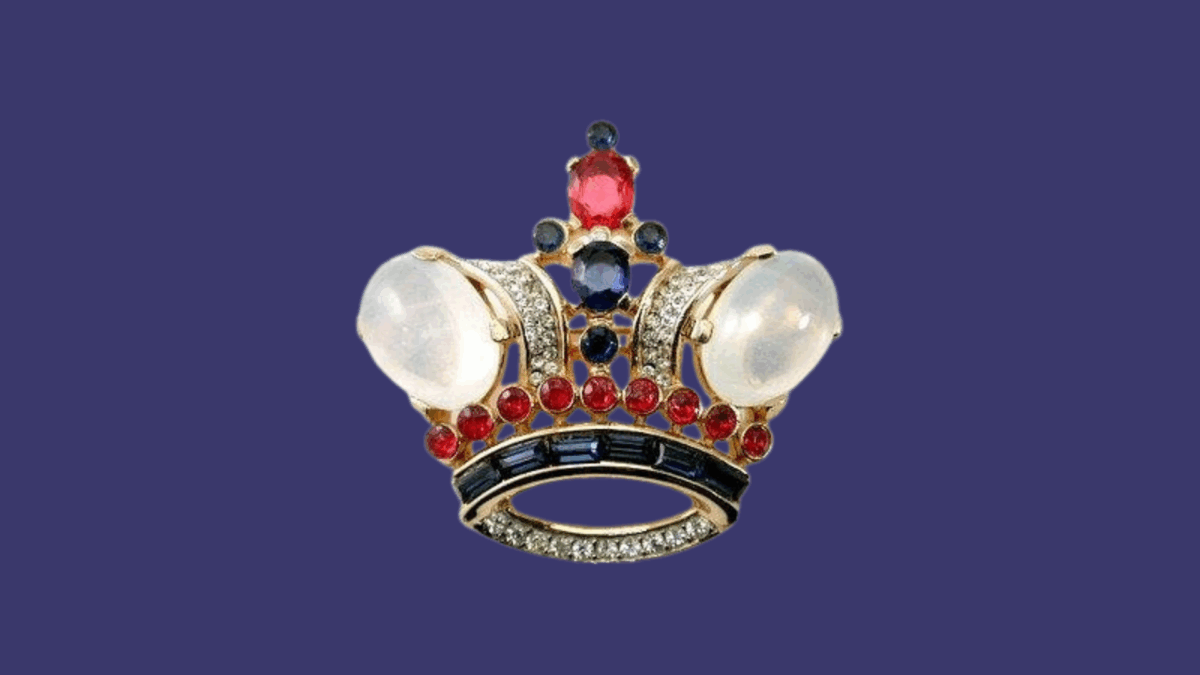
Trifari’s Crown Brooch, produced from the 1940s onward, is one of the most recognized pieces in American costume jewelry history — but Trifari also produced limited runs containing genuine gemstones, and some of those pieces circulate alongside the paste versions without being identified. A signed Trifari crown brooch purchased at an Illinois antique mall for $35 turned out to be one of the rhodium-plated versions set with real rubies and diamonds rather than glass.
That particular variant sold at a jewelry auction for $1,100.
The Weight of What Gets Overlooked
There’s something quietly stubborn about valuable jewelry — it just sits there, indifferent to whether anyone recognizes it, waiting in the bottom of an estate sale bin or a plastic zip bag behind a glass counter. It doesn’t announce itself. It doesn’t corrode toward drama the way precious metals are supposed to in the stories people tell.
The whole premise of these finds is that objects carry their value whether or not anyone happens to notice — which is either comforting or unsettling, depending on how many garage sales you’ve walked out of empty-handed.
More from Go2Tutors!

- The Romanov Crown Jewels and Their Tragic Fate
- 13 Historical Mysteries That Science Still Can’t Solve
- Famous Hoaxes That Fooled the World for Years
- 15 Child Stars with Tragic Adult Lives
- 16 Famous Jewelry Pieces in History
Like Go2Tutors’s content? Follow us on MSN.