Smartest Sea Creatures Ranked
The ocean hides intelligence in forms that don’t look anything like what people expect. No hands to build tools.
No vocal cords to speak. Yet some sea creatures solve problems, remember faces, and even plan for the future in ways that leave scientists stunned.
These animals navigate complex social structures, communicate in sophisticated ways, and adapt to challenges with creativity that rivals land mammals. Understanding ocean intelligence means rethinking what makes something smart.
These rankings consider problem-solving ability, memory, social complexity, tool use, and adaptability—not just brain size. Here are the ocean’s most brilliant minds, ranked from impressive to absolutely extraordinary.
Dolphins

Dolphins recognize themselves in mirrors, one of the classic tests of self-awareness that most animals fail completely. They call each other by unique whistles that function like names, and they remember these signature sounds for decades after separation.
Dolphin pods develop distinct hunting techniques passed down through generations, like using sea sponges to protect their snouts while foraging on the ocean floor. Their brains have more folded cortex than human brains, and they demonstrate empathy by supporting injured pod members and even protecting humans from shark attacks.
Octopuses
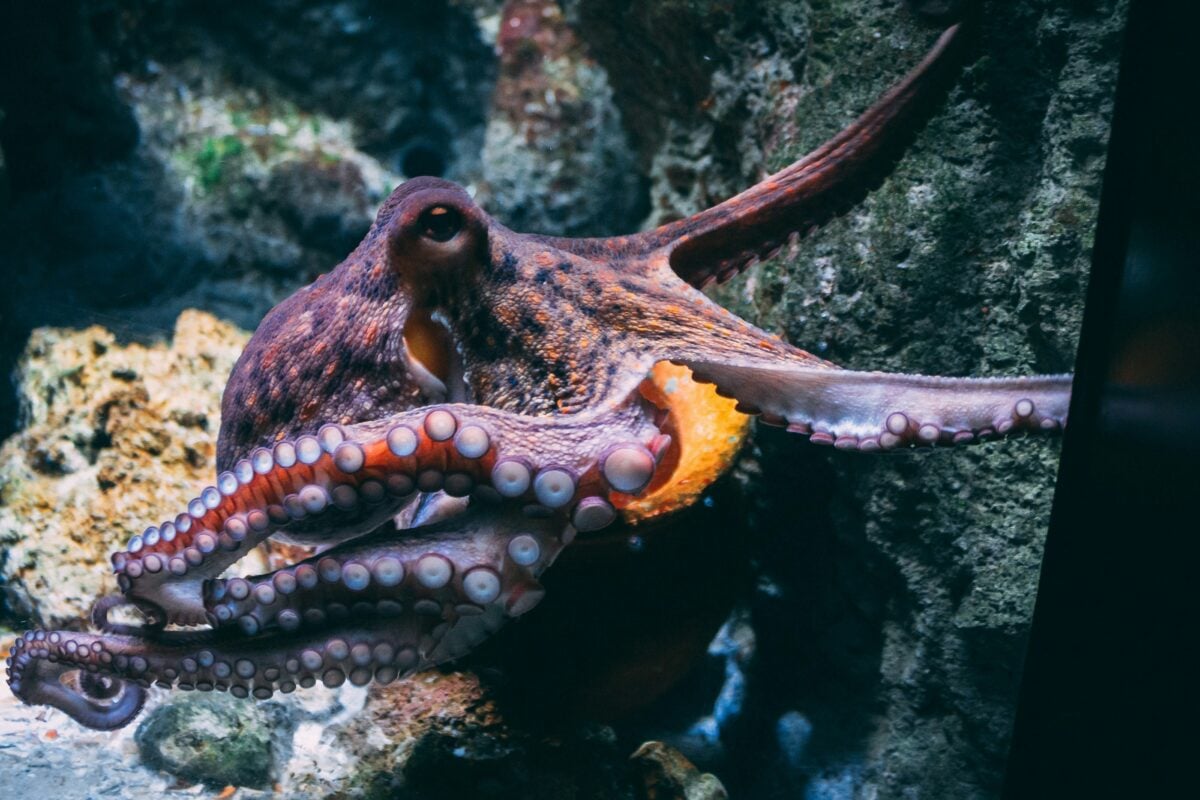
An octopus can unscrew jar lids from the inside, navigate mazes, and recognize individual humans even when those people wear identical uniforms. They have nine brains—one central brain and eight smaller ones in each arm—which allows their limbs to act semi-independently.
Octopuses squeeze through impossibly small spaces, change color and texture in milliseconds to blend with surroundings, and demonstrate genuine curiosity by exploring new objects methodically. They’ve been filmed carrying coconut shells to use as portable shelters, clear evidence of tool use and planning.
Despite living only one to two years, they learn incredibly fast and remember solutions to problems for months.
Orcas
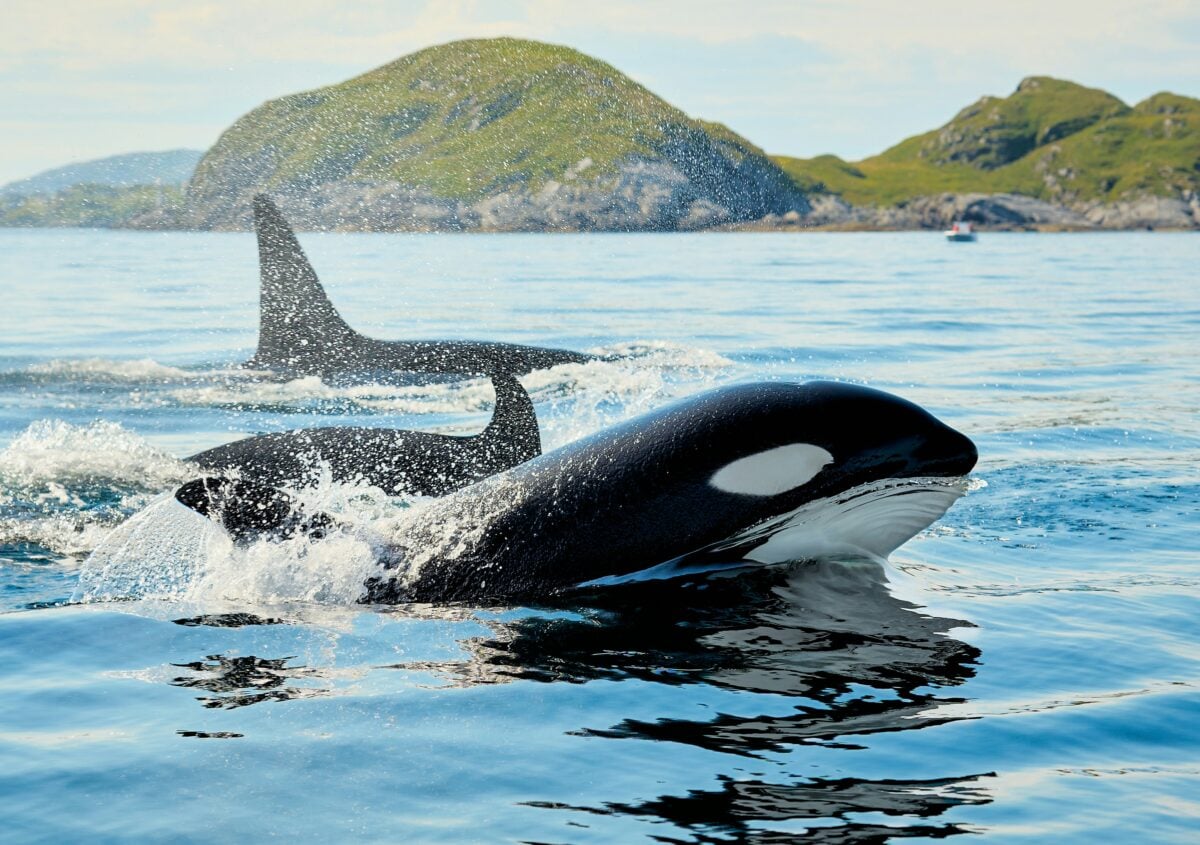
Orcas hunt in coordinated packs using strategies so complex they vary by region and prey type. Pods near Argentina beach themselves intentionally to snatch seals, then wiggle back into the water—a technique mothers teach their young through patient demonstration.
Antarctic orcas work together to create waves that wash seals off ice floes, showing they understand physics and cooperation at sophisticated levels. Different orca populations speak distinct dialects, and they maintain cultural traditions for generations, including specific hunting methods and migration routes.
They form tight family bonds and grieve visibly when pod members die.
Cuttlefish

Cuttlefish hypnotize prey with pulsating color displays before striking, showing they understand psychological manipulation. They pass a modified version of the marshmallow test—a measure of self-control where they wait for better food instead of taking immediate rewards.
Male cuttlefish disguise themselves as females to sneak past larger males and mate, demonstrating tactical deception. Their camouflage abilities extend beyond simple color matching to mimicking textures and patterns in three dimensions, requiring real-time processing of visual information and body control that scientists barely understand.
Cuttlefish also adjust their hunting strategies based on past success rates, proving they learn from experience.
Sea otters
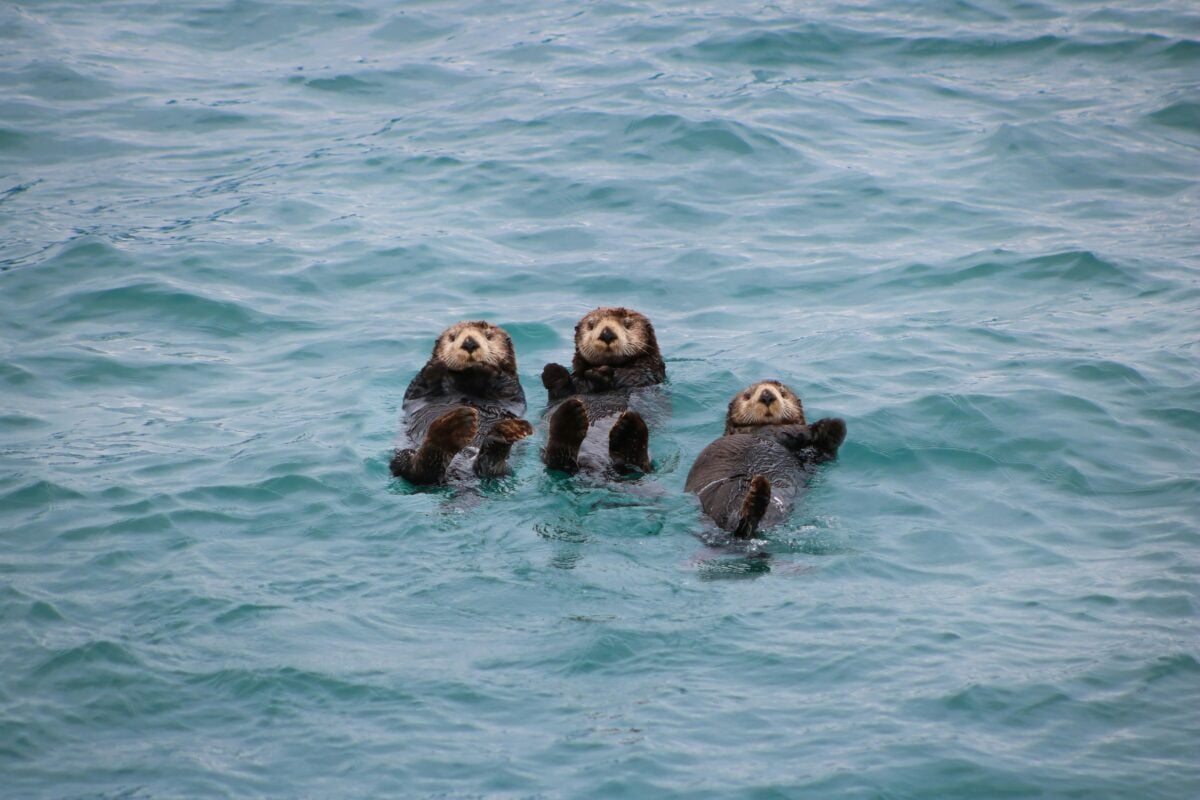
Sea otters use rocks as anvils to crack open shellfish, and they keep favorite rocks in loose skin pockets under their arms for repeated use. This tool use isn’t instinctive—young otters learn by watching their mothers, and different otter populations prefer different techniques.
They create kelp forests by controlling sea urchin populations, showing they shape entire ecosystems through their behavior. Sea otters form rafts by holding hands while sleeping to avoid drifting apart, indicating social bonds and cooperation.
They’ve also figured out how to use empty shells and debris as tools, adapting to whatever materials are available.
Beluga whales
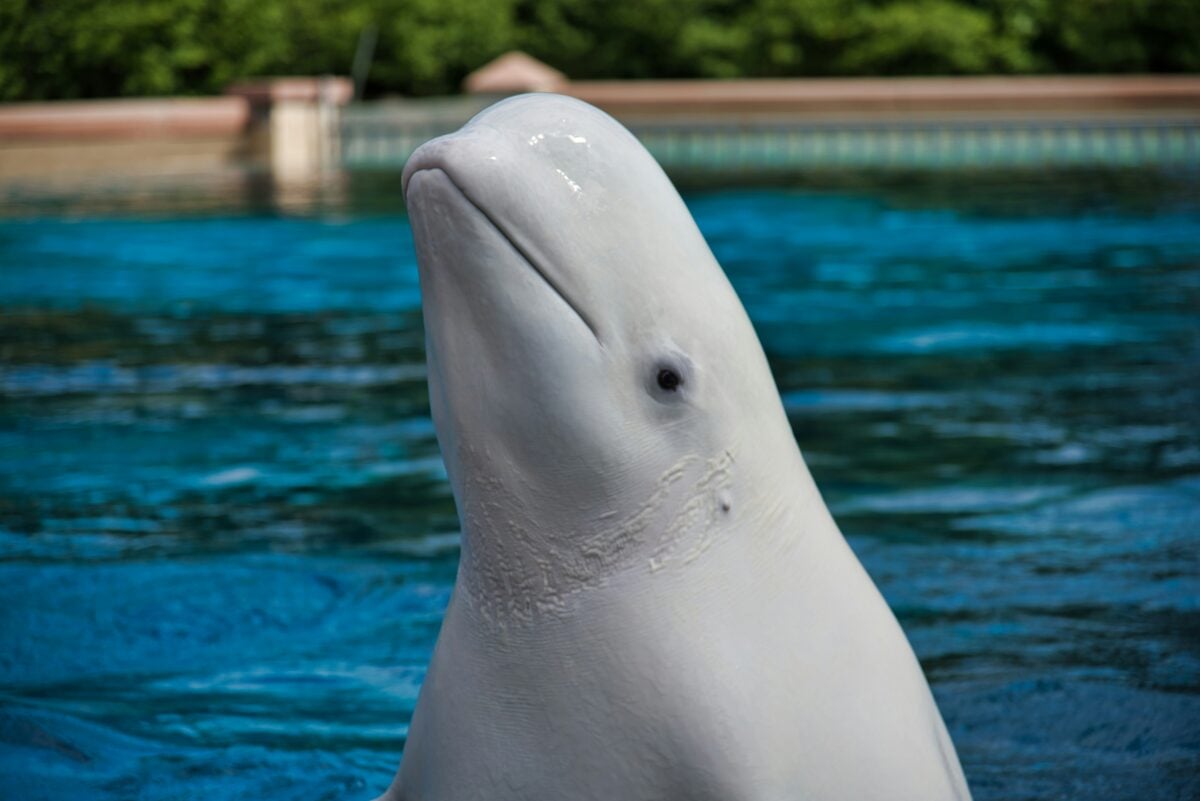
Belugas change the shape of their foreheads to modify the frequency of their echolocation clicks, essentially adjusting their sonar equipment for different tasks. They’re the only whales that can swim backward, showing exceptional body control and spatial awareness.
Beluga pods adopt orphaned calves from other pods, demonstrating cross-family empathy. They imitate human speech patterns so accurately that sailors historically mistook their sounds for people talking underwater.
Belugas also play games with objects they find, tossing items back and forth in what appears to be purely recreational behavior.
Manta rays

Manta rays have the largest brain-to-body ratio of any fish, and they pass the mirror test that indicates self-recognition. They seek out specific cleaning stations where smaller fish remove parasites, then return to the same locations repeatedly, showing long-term memory and planning.
Manta rays learn to associate specific boats with food, approaching them selectively while avoiding others. They’ve demonstrated curiosity by investigating divers and cameras, circling back multiple times to inspect new objects.
Some individuals show distinct personalities, with certain rays acting boldly while others remain cautious in identical situations.
Sperm whales
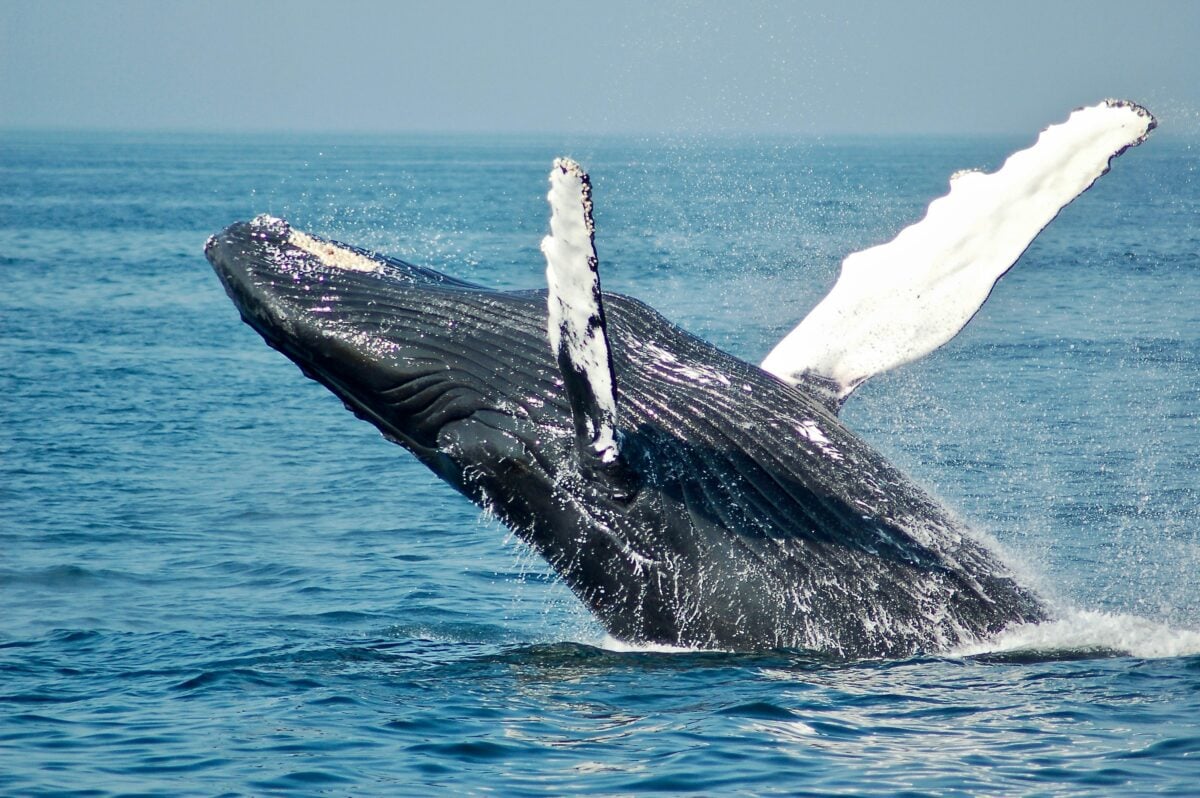
Sperm whales produce the loudest sounds in the animal kingdom and use complex click patterns that appear to be a sophisticated language. Different whale clans speak measurably different dialects, and young whales babble like human infants before mastering their clan’s specific sounds.
They dive over 7,000 feet to hunt giant squid in total darkness, navigating through echolocation with precision that allows them to catch fast-moving prey. Sperm whales form multi-generational matriarchal societies where older females teach hunting techniques and calf-rearing strategies.
Their brains weigh up to 20 pounds, the largest of any animal that ever lived.
Sea lions
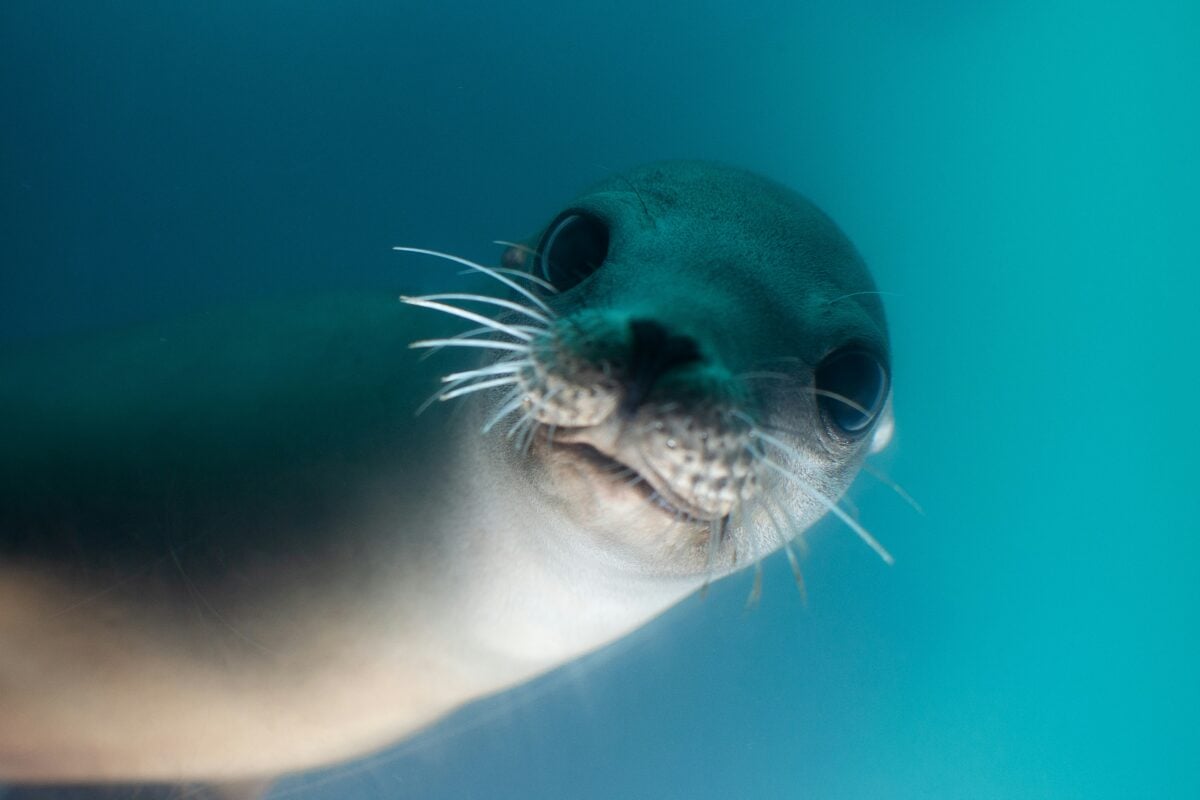
Sea lions understand basic logic and can follow complex multi-step commands that require remembering sequences of actions. They recognize equivalence relationships—if A equals B and B equals C, they conclude A equals C without being explicitly taught.
California sea lions performed better than dogs on certain cognitive tests involving spatial memory and pattern recognition. They play elaborate games with kelp and other objects, showing creativity and a sense of fun.
Captive sea lions learn to paint, operate levers for rewards, and even understand symbolic representations on computer screens.
Seals

Harbor seals recognize individual voices and can match faces to voices after being separated, indicating cross-modal memory. They learn to mimic simple sounds from other seals and even attempt human speech in laboratory settings.
Seals remember optimal hunting locations and return to them seasonally across migrations of hundreds of miles. They show emotional responses to music, with heart rates changing based on tempo and tone.
Some seals develop innovative hunting techniques, like using bubble nets or corralling fish into tight spaces before attacking.
Elephant seals

Elephant seals navigate thousands of miles of open ocean to return to the exact beach where they were born, demonstrating exceptional spatial memory. Males remember fighting outcomes from previous years and adjust their challenge behavior based on past encounters with specific rivals.
Females recognize the calls of their own pups among thousands of nearly identical sounds on crowded beaches. They dive repeatedly to depths exceeding 5,000 feet while holding their breath for over two hours, requiring sophisticated oxygen management and route planning.
Elephant seals have been documented adjusting their migration routes to take advantage of seasonal food availability in different regions.
Moray eels

Moray eels hunt cooperatively with groupers in a partnership unique among fish, with each species signaling the other using head shakes and specific body movements. This cooperation requires recognizing another species, understanding mutual benefit, and coordinating actions—all indicators of advanced cognition.
Morays learn the locations of hiding spots in their territory and remember them for years. They respond differently to individual divers, approaching those who have fed them while avoiding unfamiliar people.
Some morays have demonstrated problem-solving by manipulating rocks to access prey hidden in crevices.
Groupers

Groupers recruit moray eels to help with hunts by swimming to the eel’s den and performing a specific head-shake signal. They choose hunting partners based on past success rates, showing they evaluate other animals’ competence.
Groupers also use referential gestures, pointing with their bodies toward hidden prey to direct the eel’s attention—a behavior once thought unique to primates. They remember productive fishing spots and visit them at optimal times based on tide and light conditions.
Certain groupers have learned that divers with spear guns create feeding opportunities and follow specific boats.
Nautiluses
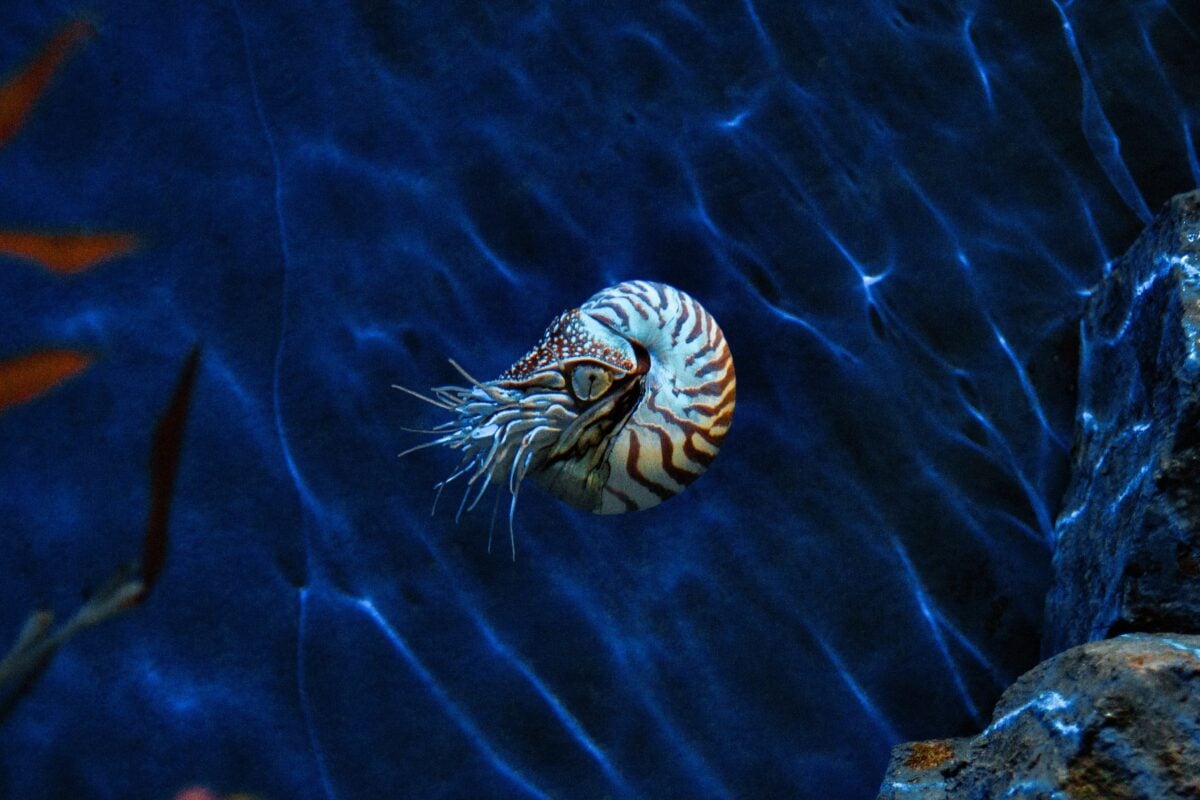
Nautiluses navigate using spatial memory despite having relatively simple brains compared to other cephalopods. They learn and remember complex maze patterns, finding efficient routes through trial and error.
These ancient creatures have survived largely unchanged for over 500 million years, suggesting their cognitive abilities work exceptionally well for their lifestyle. Nautiluses adjust buoyancy by pumping water in and out of shell chambers, showing fine motor control and planning.
They hunt in complete darkness using chemoreception and memory of reef structures.
Grey whales

Grey whales migrate up to 12,000 miles round trip, the longest mammal migration on Earth, using mental maps that guide them along complex coastal routes. Mothers teach calves the migration path, passing down knowledge through generations.
They’ve learned to exploit predictable food sources at specific locations and times, showing seasonal planning. Grey whales approach boats cautiously in some regions while actively seeking human interaction in Mexican lagoons where they’ve learned people are safe.
They also remember and avoid areas where they’ve been harmed, demonstrating long-term negative memory.
Archerfish

Archerfish spit water at insects above the surface with such precision they can knock down prey from ten feet away. They calculate the angle and power needed based on the target’s distance and movement, accounting for light refraction at the water’s surface—a physics problem that requires real-time processing.
These fish learn to recognize human faces and can distinguish between dozens of different people. They improve their aim through practice and remember successful techniques.
Archerfish also adjust their strategy based on competition, shooting faster when other fish are nearby to claim the falling insect first.
Cleaner wrasse
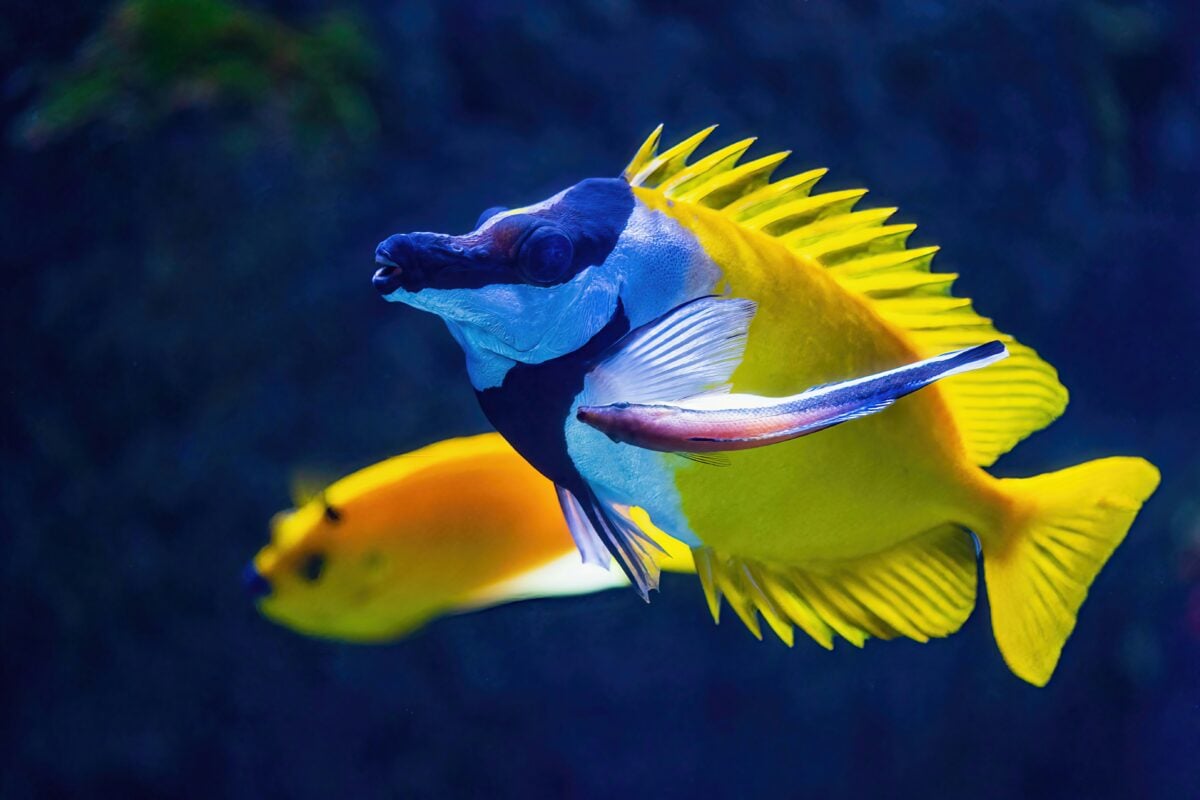
Cleaner wrasse run underwater ‘service stations’ where larger fish line up to have parasites removed, and they remember which clients tip well by allowing more cleaning time. They adjust behavior based on audience, being gentler with clients when potential customers are watching.
Cleaner wrasse pass the mirror test, making them one of the few fish species to demonstrate self-recognition. They use tactical deception, sometimes cheating by taking bites of healthy mucus instead of just parasites, but only when they can get away with it.
These tiny fish also reconcile after conflicts, an indicator of complex social understanding.
Humphead wrasse
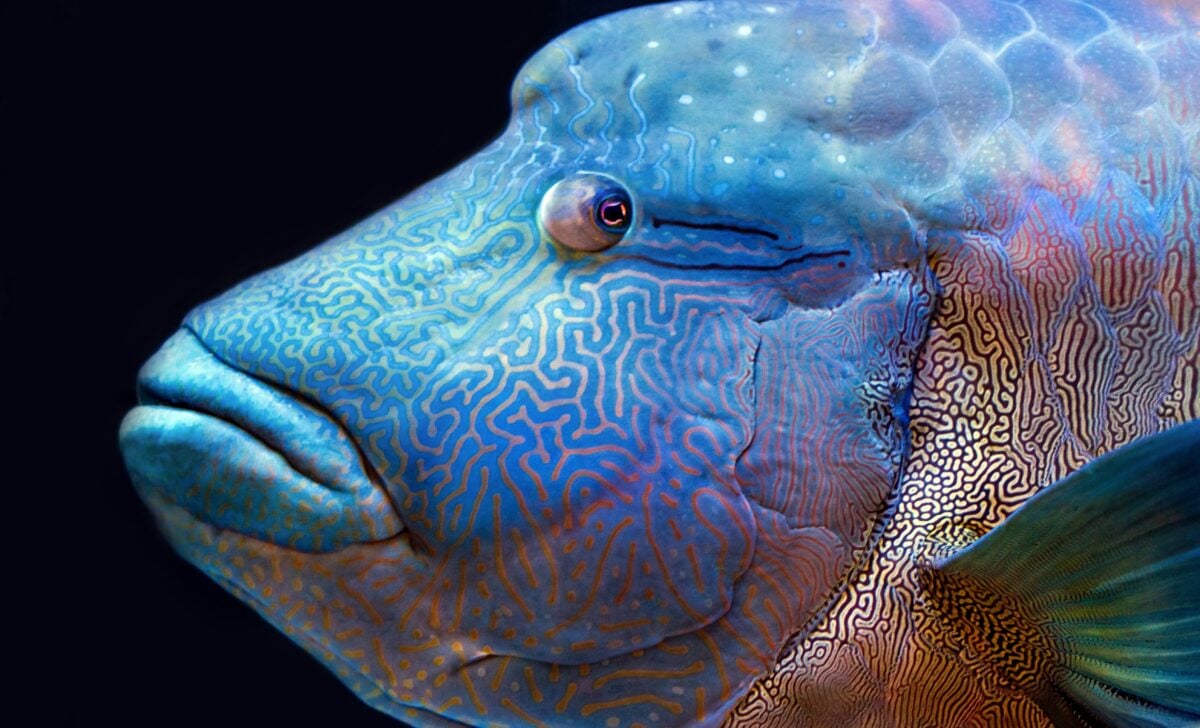
Years later, a humphead wrasse might still recognize a diver it once knew, moving close if that person had offered food before instead of treating everyone the same. Smashing shellfish open takes skill – some use rocks like tools, hitting prey against coral or stone with clear purpose.
Not every big fish acts alike; certain ones show bold interest in humans whereas others keep distance without explanation. Moving across wide stretches of reef, they find their way back to exact places for eating, resting, or getting cleaned as though following an unseen clock.
When a particular engine rumbles nearby, experienced wrasses often start heading toward the surface, already linking the noise to what comes next.
Giant Pacific octopus
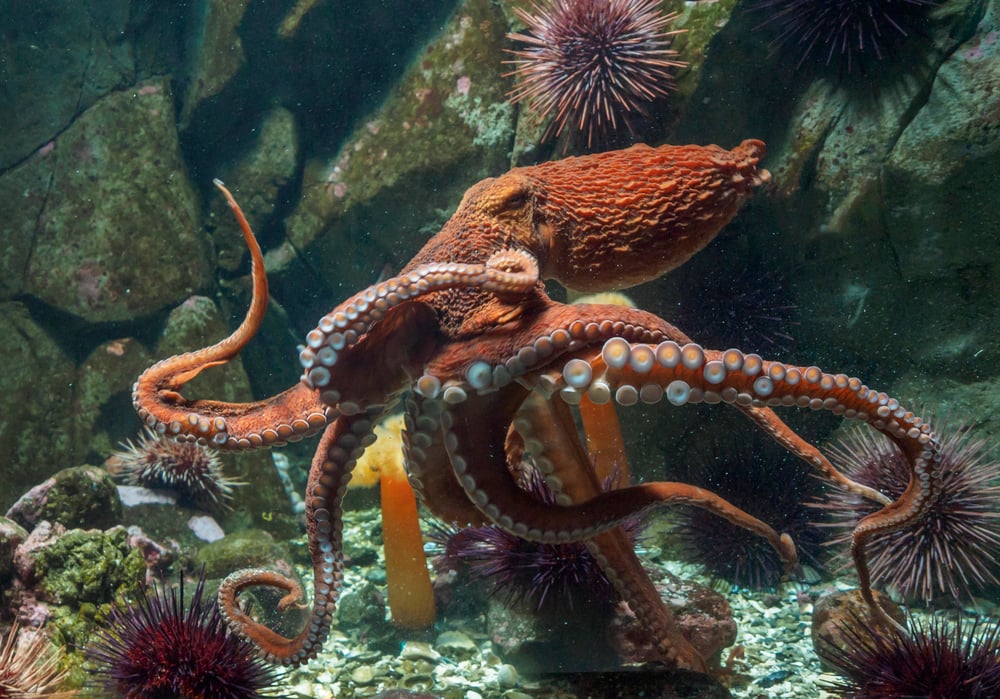
Some giant Pacific octopuses remember specific people, acting one way toward those they like, another toward ones they’ve had bad run-ins with – some even shoot jets of water at folks they’d rather avoid. Breaking out of enclosures is common; they twist open lids, slide over tiles, slip into plumbing tunnels, then vanish through long stretches underground aiming straight for saltwater.
Puzzles get solved not because a treat dangles nearby but simply because working things out seems to entertain them. When someone hurls an object near their glass walls, these creatures sometimes send it flying right back – not out of need, more like joining a game.
One moment you’re watching an octopus ignore its food, the next it’s rearranging rocks just because. These sea creatures act so differently from one another that caretakers at tanks start giving them names like they would pets.
Instead of blending into the background, each shows moods, habits, even preferences – curious, bold, shy. Life moves fast though, since most won’t make it past four years.
After eggs are laid and cared for, the body shuts down, quietly. Their time ends soon once parenting begins.
Intelligence Beyond the Surface

Smarts in sea life grew in worlds unlike anything on land, making mammal comparisons feel off track. Without a central brain, an octopus still figures things out.
Some fish team up, even when they’re not the same kind. Whale groups pass down ways of living that stretch past ancient human kingdoms.
What these beings show runs deeper than what humans often notice, tucked into corners of thought we seldom visit.
More from Go2Tutors!

- The Romanov Crown Jewels and Their Tragic Fate
- 13 Historical Mysteries That Science Still Can’t Solve
- Famous Hoaxes That Fooled the World for Years
- 15 Child Stars with Tragic Adult Lives
- 16 Famous Jewelry Pieces in History
Like Go2Tutors’s content? Follow us on MSN.