Things That Were Considered Rude In The 1960s That Nobody Cares About Now
Social etiquette has a funny way of evolving. What your grandmother clutched her pearls over in 1965 might barely register as a blip on today’s radar.
The rigid social codes that once governed every interaction have loosened considerably, leaving many wondering how we ever functioned under such strict behavioral expectations. Some changes happened gradually, others overnight, but the transformation has been nothing short of remarkable.
Wearing White After Labor Day

Fashion police used to patrol this rule with the dedication of actual law enforcement. White shoes, white pants, white anything after the first Monday in September marked you as someone who clearly didn’t understand civilized society.
The rule originated from practical concerns and class distinctions, but it became gospel among the socially conscious.
Today, white jeans in December barely raise an eyebrow. Fashion has moved beyond seasonal color restrictions, and most people couldn’t tell you when Labor Day falls anyway.
Answering The Phone Without Proper Introduction

The telephone required a specific ritual in the 1960s (and this is where things get interesting, because the phone back then wasn’t the casual communication device it would later become, but rather something that demanded a certain reverence — almost like receiving guests in your living room, except the guests were disembodied voices floating through copper wires across vast distances). You didn’t just pick up and grunt “Yeah?” — that would have scandalized anyone within earshot.
Instead, you answered with your full name, clearly enunciated: “Harrison residence, Margaret speaking.” But the ritual went deeper than that; there were unspoken rules about who could call whom and when, about how long you could reasonably keep someone on the line before it became selfish (since other families shared party lines and might need to make their own calls), and about the proper way to end a conversation without seeming abrupt.
So the phone wasn’t really about convenience back then — it was about maintaining social order through a piece of technology.
These days, caller ID eliminated the mystery entirely. Half the time people don’t even say hello — they launch directly into conversation because they already know who’s calling.
The elaborate telephone etiquette that once defined proper upbringing has vanished completely.
Calling Adults By Their First Names

Children addressing adults by anything other than “Mr.” or “Mrs.” followed by the surname was like watching someone tear up the social contract in real time. First names were reserved for family members and the closest of friends.
Using them casually suggested a dangerous breakdown of hierarchy and respect that could topple the entire social order.
Modern parents actively encourage their children to call adult friends by their first names. The formality that once created clear generational boundaries has mostly dissolved, replaced by a more egalitarian approach to relationships across age groups.
Men Not Standing When Women Entered The Room

This wasn’t optional behavior — it was mandatory. A gentleman remained seated while a lady approached at his own social peril.
The failure to stand revealed poor breeding and disrespect for basic human decency.
The custom has faded to near extinction. Most people today would find the practice overly formal at best, patronizing at worst.
Professional environments operate on entirely different principles, where respect comes through competence rather than theatrical gestures.
Wearing Hats Indoors

Hat etiquette followed strict protocols that everyone understood instinctively (or learned through embarrassing correction, which was often how these social lessons stuck — the sharp sting of being publicly reminded that you’d violated an unwritten rule that everyone else seemed to know by heart). Men removed hats immediately upon entering any building, whether it was a church, a restaurant, someone’s home, or even an elevator if ladies were present.
Women had slightly different rules: their hats could stay on in most situations except church, where the hat came off as a sign of respect to God, though this varied by denomination and region. But the underlying principle was about showing deference to sacred or private spaces — keeping your hat on indoors suggested you were just passing through, not really committing to being present.
And that kind of casual attitude toward place and propriety struck people as fundamentally disrespectful.
Baseball caps in restaurants are now completely unremarkable. The elaborate hat-tipping culture that once signaled breeding and respect has become a historical curiosity.
Most people under forty would struggle to explain why removing headwear indoors ever mattered in the first place.
Elbows On The Table
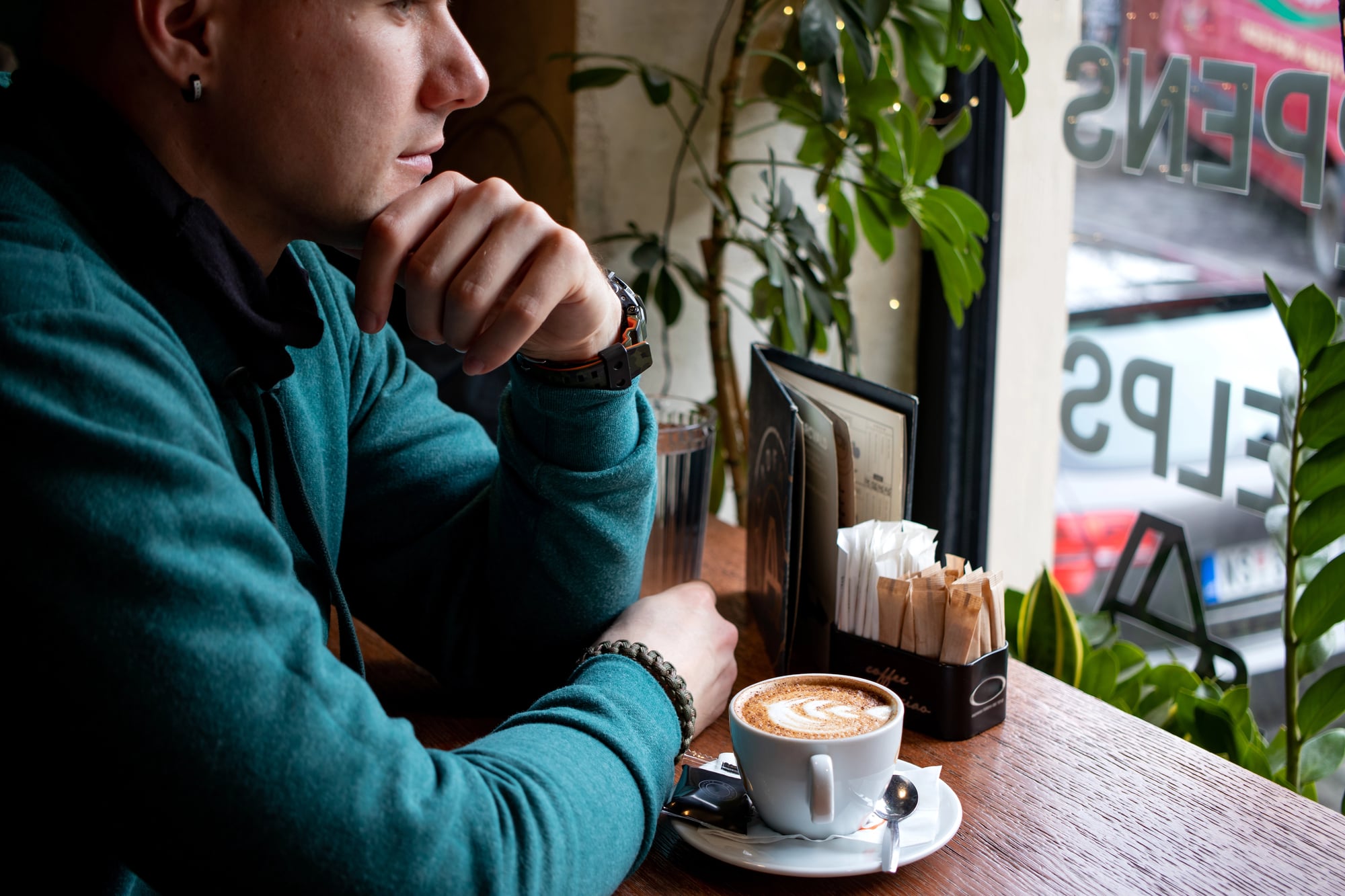
Dinner tables were formal battlegrounds where proper posture demonstrated character. Elbows belonged at your sides, not sprawled across the dining surface like you owned the place.
Parents corrected this infraction with the consistency of grammar teachers marking spelling errors.
The rule has relaxed considerably, especially in casual dining situations. Fine dining establishments might still frown on the practice, but most meals happen without anyone monitoring elbow placement.
Comfort has trumped formality at the average dinner table.
Starting To Eat Before Everyone Was Served

Patience at the dinner table wasn’t just good manners — it was proof of your upbringing. Beginning your meal while others waited for their food marked you as selfish and poorly raised.
The group ate together or not at all.
Modern dining has embraced the “eat while it’s hot” philosophy. Servers often encourage early starters, and most people prefer practical considerations over ceremonial waiting.
The communal approach to meals has given way to individual convenience.
Wearing Jeans To Nice Restaurants

Denim belonged on farms and construction sites, not in establishments that served food on actual plates with silverware. Restaurants had dress codes that everyone understood and respected.
Casual Friday hadn’t been invented yet because every day required proper attire for public appearances.
Jeans have conquered virtually every social setting. Expensive designer denim can cost more than a vintage suit, and many upscale restaurants welcome well-dressed customers regardless of fabric choice.
The democratization of fashion has eliminated most clothing hierarchies.
Not Writing Thank You Notes

Every gift, every dinner invitation, every kindness required written acknowledgment within a reasonable timeframe. Thank you notes weren’t optional social niceties — they were mandatory responses that demonstrated gratitude and good breeding.
Failing to send them branded you as ungrateful and poorly raised.
Digital communication has mostly replaced handwritten notes. A quick text or email serves the same function without the formality and time investment.
The elaborate stationery industry that once thrived on social obligations has shrunk considerably.
Speaking Without Being Spoken To

Children operated under strict communication protocols. Speaking up in adult conversations without invitation was considered rude interruption.
Kids learned to wait for acknowledgment before contributing to discussions, and many conversations happened entirely over their heads by design.
Modern parenting encourages children to express themselves freely. The “children should be seen and not heard” philosophy has been largely abandoned in favor of fostering communication skills and confidence from an early age.
Showing Up Unannounced

Dropping by someone’s house without calling first was social Russian roulette. People maintained their homes in constant guest-ready condition because neighbors, friends, or family might appear at any moment expecting hospitality.
The surprise visit was both common practice and potential disaster.
Today, showing up unannounced feels almost aggressive. People expect advance notice, scheduling, and mutual agreement before visits happen.
The spontaneous social call has been replaced by carefully coordinated meetups and planned gatherings.
Using Someone’s Bathroom Without Permission

Asking to use the facilities required a formal request and gracious acceptance. Bathrooms were private spaces that guests accessed only through explicit invitation.
Wandering off to find them independently crossed important boundaries of personal space and propriety.
Most people today offer bathroom locations proactively or expect guests to ask casually without elaborate permission-seeking. The formality around basic human needs has relaxed considerably, though regional and cultural variations still exist.
Talking About Money

Financial discussions were strictly forbidden in polite society. Salaries, home prices, investment returns — all considered deeply personal information that well-bred individuals kept private.
Money talk suggested poor breeding and inappropriate priorities.
Social media has made financial transparency almost unavoidable. People share salary information to fight wage gaps, discuss home prices openly, and treat money as just another conversation topic.
The taboo around financial discussions has largely evaporated.
Contradicting Your Elders

Age commanded automatic respect and deference. Challenging older relatives, teachers, or community leaders — even when they were obviously wrong — violated fundamental social hierarchies.
Respect flowed upward through generational lines without exception.
Modern culture values critical thinking over blind deference. Children learn to question authority appropriately, and age alone doesn’t guarantee unexamined respect.
The shift toward evidence-based reasoning has replaced many traditional authority structures.
Not Dressing For Air Travel

Flying was formal business that required your Sunday best. Air travelers dressed like they were attending important meetings because flight was expensive, exclusive, and special.
Airports looked like fashion shows compared to today’s casual approach to travel attire.
Airlines now resemble flying buses where comfort trumps appearance. Passengers wear pajamas, sweatpants, and athletic wear without shame.
The democratization of air travel eliminated its aspirational dress requirements.
When Manners Mattered More Than Comfort

These abandoned social rules reveal something interesting about how societies organize themselves. The 1960s valued visible demonstrations of respect, hierarchy, and social awareness above personal comfort or efficiency.
Modern life has flipped that priority system entirely, choosing authenticity and practicality over performative courtesy. Neither approach is inherently superior — they just reflect different values about what makes communities function smoothly and what kinds of behaviors deserve social enforcement.
More from Go2Tutors!

- The Romanov Crown Jewels and Their Tragic Fate
- 13 Historical Mysteries That Science Still Can’t Solve
- Famous Hoaxes That Fooled the World for Years
- 15 Child Stars with Tragic Adult Lives
- 16 Famous Jewelry Pieces in History
Like Go2Tutors’s content? Follow us on MSN.