17 Photos Remembering the Blockbuster Video Era
Nothing captured the ritual of weekend entertainment quite like walking into a Blockbuster LLC store on Friday night. The fluorescent lights, the smell of plastic cases, the overwhelming wall of new releases — it felt like stepping into a cathedral of possibility.
For nearly three decades, Blockbuster was the gatekeeper of home entertainment, turning movie nights into elaborate missions and making the simple act of choosing what to watch feel like a genuine adventure.
Those days are gone, but they left behind something more valuable than nostalgia: a reminder of what it felt like when entertainment required effort, when choosing a movie was a family expedition, and when returning a video on time was a moral responsibility that haunted your Sunday evenings.
The Iconic Blue And Yellow Storefront
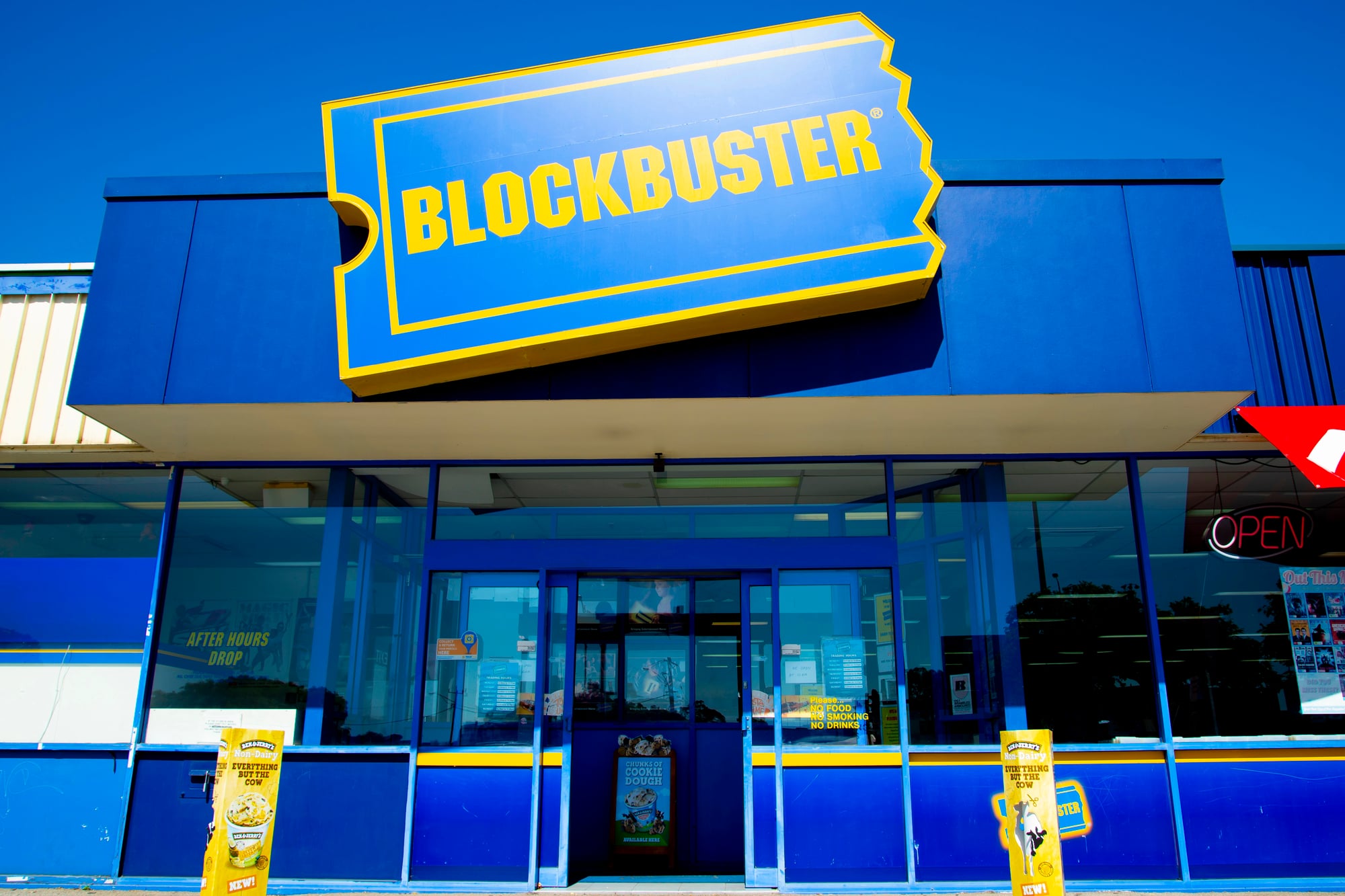
Blockbuster’s branding wasn’t subtle. That electric blue and sunshine yellow combination hit you from three blocks away.
The logo looked like it was designed by someone who understood that video rental was supposed to feel exciting, not mundane.
Friday Night Crowds At New Releases

Friday nights at Blockbuster were pure chaos in the best possible way. The new release wall drew clusters of people who stood there (sometimes for genuinely uncomfortable amounts of time) debating whether the latest action movie was worth the premium rental price, while couples engaged in negotiations that would determine the entire trajectory of their weekend.
And there was always that one person who’d grab the last copy of the movie everyone wanted — which created a brief moment of collective disappointment that somehow felt more real than anything streaming algorithms have managed to produce.
The energy was infectious, even when it was frustrating. People cared about their choices in a way that feels almost quaint now.
You couldn’t just switch to something else if the first ten minutes were boring; you’d invested time and money, so you watched the whole thing, for better or worse.
Late Fees Notices And Return Deadlines
Late fees were Blockbuster’s cruelest innovation and their most brilliant business model rolled into one merciless system. That little sticker with the return date became a countdown timer that ticked away in the back of your mind, turning Sunday into a day of reckoning where you either made the drive back to the store or accepted your financial fate.
Some people treated late fees like a subscription service. Others developed elaborate return strategies involving lunch breaks and strategic route planning.
The truly organized kept a basket by the door specifically for videos that needed to go back. But everyone — absolutely everyone — had at least one story about a video that lived in their car for three weeks, accumulating fees that eventually cost more than buying the movie outright.
The Comedy Section’s Familiar Faces
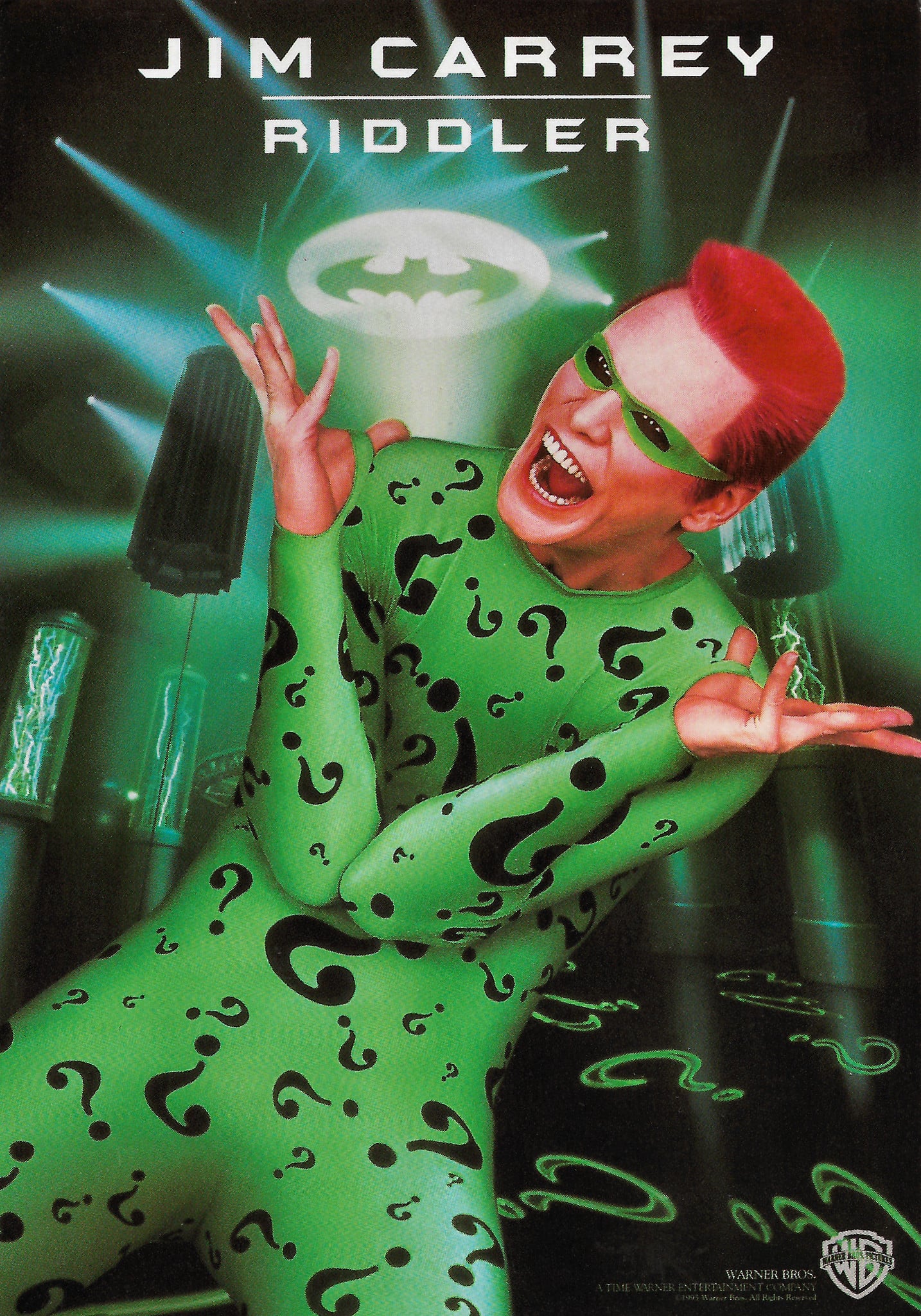
Comedy sections at Blockbuster were predictable in the most comforting way. Jim Carrey’s face appeared approximately every third box.
Adam Sandler held down another significant chunk of real estate. Robin Williams smiled from covers that promised either heartwarming family entertainment or surprisingly dark adult themes — you never quite knew which version you were getting.
But that predictability was part of the charm. You knew exactly where to find the movies that would deliver reliable laughs, and the physical act of browsing meant you’d stumble across something you’d forgotten existed.
Stand-up comedy specials lived in their own mysterious corner, usually featuring comedians you’d never heard of alongside the occasional Eddie Murphy special that everyone had already seen but someone always grabbed anyway.
Kids Arguing Over Disney Movies

The children’s section was where democracy went to die. Three kids, forty The Walt Disney Company options, and two parents who just wanted to get home before dinnertime created a negotiation dynamic that could stretch on for twenty minutes or more (which, in Blockbuster time, felt like an eternity during busy periods).
Someone always wanted the movie they’d already seen twelve times, while someone else lobbied hard for something that looked completely inappropriate for their age group, and the youngest would inevitably have a meltdown about something entirely unrelated to movies.
But those arguments mattered. Kids learned to compromise, to make cases for their choices, and to live with decisions they didn’t love.
The physical limitation of choosing one or two movies meant choices had weight. There’s something to be said for that kind of constraint, even when it resulted in twenty minutes of heated debate over whether The Lion King was better than Aladdin for the hundredth time.
Employees Recommending Hidden Gems

There’s a mythology around Blockbuster employees as film scholars who could guide you toward cinematic treasures you’d never find on your own, and while that wasn’t always accurate, it happened often enough to matter. The employee who steered you toward some weird foreign film that ended up changing your perspective on movies became a trusted advisor in a way that feels impossible to recreate through algorithms and user reviews.
These recommendations came with context that no rating system could provide. The employee who told you a movie was “weird but good” or “slow but worth it” was giving you information that prepared you for the experience in ways that star ratings never could.
They’d seen your rental history, they’d watched you browse, and they could make educated guesses about what might work for you. Sometimes they were wrong, but when they were right, it felt like discovering a secret.
The Horror Section After Dark

Horror sections at Blockbuster transformed after sunset — the same covers that looked merely dramatic in daylight took on an entirely different energy under fluorescent lights when the store had thinned out and grown quiet. Walking past rows of slasher films and supernatural thrillers (while trying to look like you weren’t intimidated by movie boxes) became its own form of entertainment, particularly for teenagers who wanted to prove they could handle whatever Hollywood’s most twisted minds could create.
But the real horror was getting home with something genuinely terrifying and realizing you’d committed to watching it. No backing out, no switching to something lighter after ten minutes.
You’d made your choice under those bright store lights, and now you had to live with it in your dark living room, with nowhere to hide when things got genuinely unsettling.
Be Kind, Please Rewind Stickers

The “Be Kind, Please Rewind” sticker was more than a request — it was a social contract that revealed something essential about human nature. Most people rewound their tapes before returning them, because most people understood that consideration for the next renter was just basic decency.
But enough people didn’t that the stickers became necessary, and finding an unrewound tape felt like a small betrayal of community trust.
There was something beautifully analog about the whole system. You couldn’t fake it or work around it.
Either the tape was rewound or it wasn’t, and everyone knew which category of person you were based on that simple choice. The few seconds it took to rewind became a tiny test of character that played out millions of times across thousands of stores.
Summer Blockbuster Displays
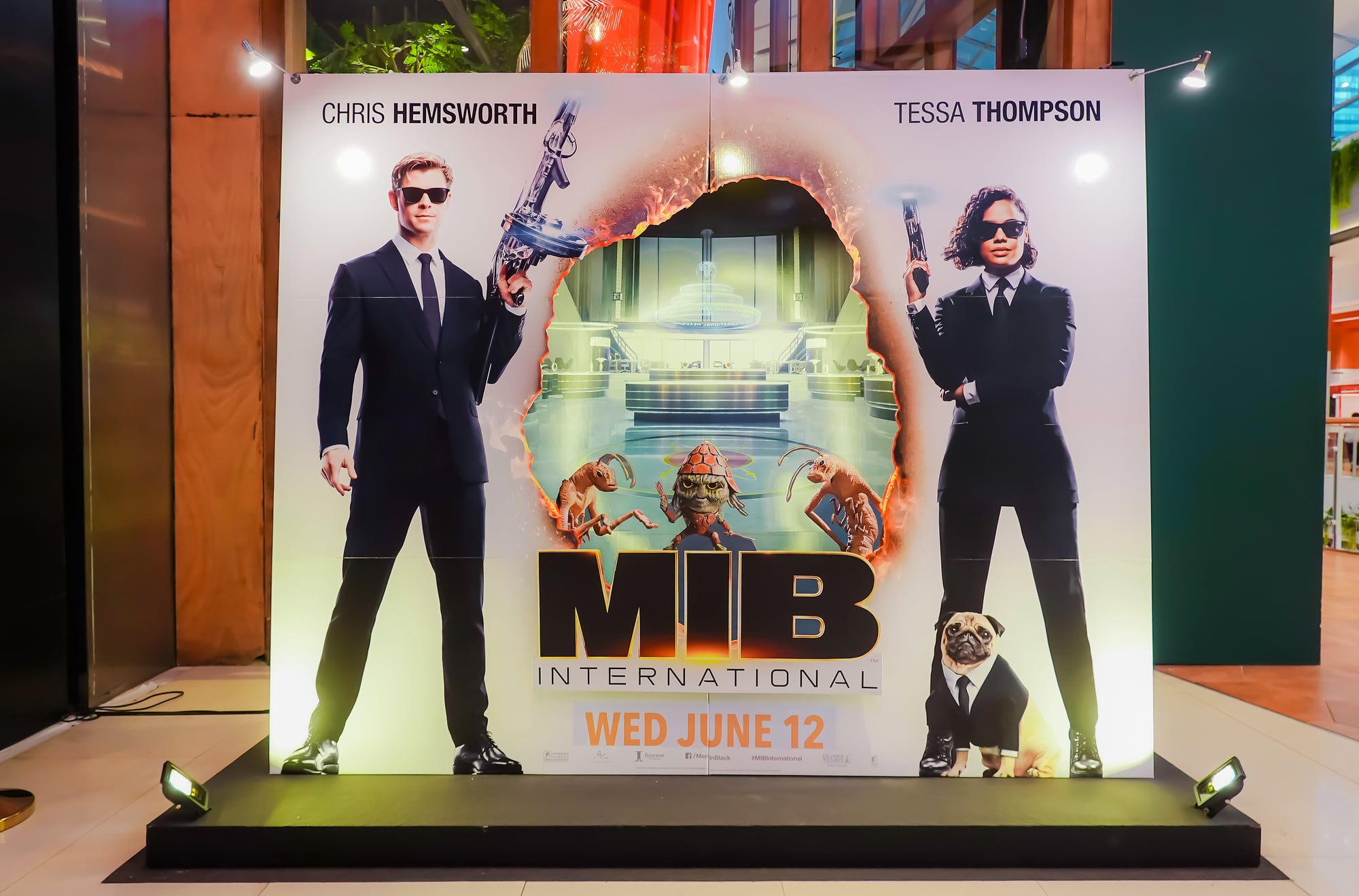
Summer at Blockbuster meant elaborate displays that turned new releases into events. Cardboard cutouts of action heroes towered over the aisles.
Movie posters covered every available wall space. The latest blockbuster got its own dedicated island in the middle of the store, stacked with dozens of copies because everyone knew demand would be overwhelming.
These displays created genuine excitement in ways that digital marketing never quite manages. Seeing fifty copies of the same movie stacked up made it feel important, like something you needed to be part of.
The physical presence of all those identical boxes suggested that this was the movie everyone would be talking about, and missing it meant being left out of conversations that would dominate the next few weeks.
Couples Debating Movie Choices

Blockbuster was where relationships went to be tested. Two people with different taste in entertainment, faced with thousands of options and limited time, had to find common ground or risk ruining their entire evening.
The comedy versus drama debate. The action versus romance standoff.
The “something we haven’t seen” versus “something we know is good” philosophical divide.
Smart couples developed systems. Alternating weeks where one person got final choice.
Compromise categories that worked for both parties. Emergency backup options for when negotiations broke down completely.
But even the most organized couples had those nights where they’d spend thirty minutes in the store and leave with something neither of them really wanted, united only in their mutual disappointment with the democratic process.
Video Game Rentals Gathering Dust
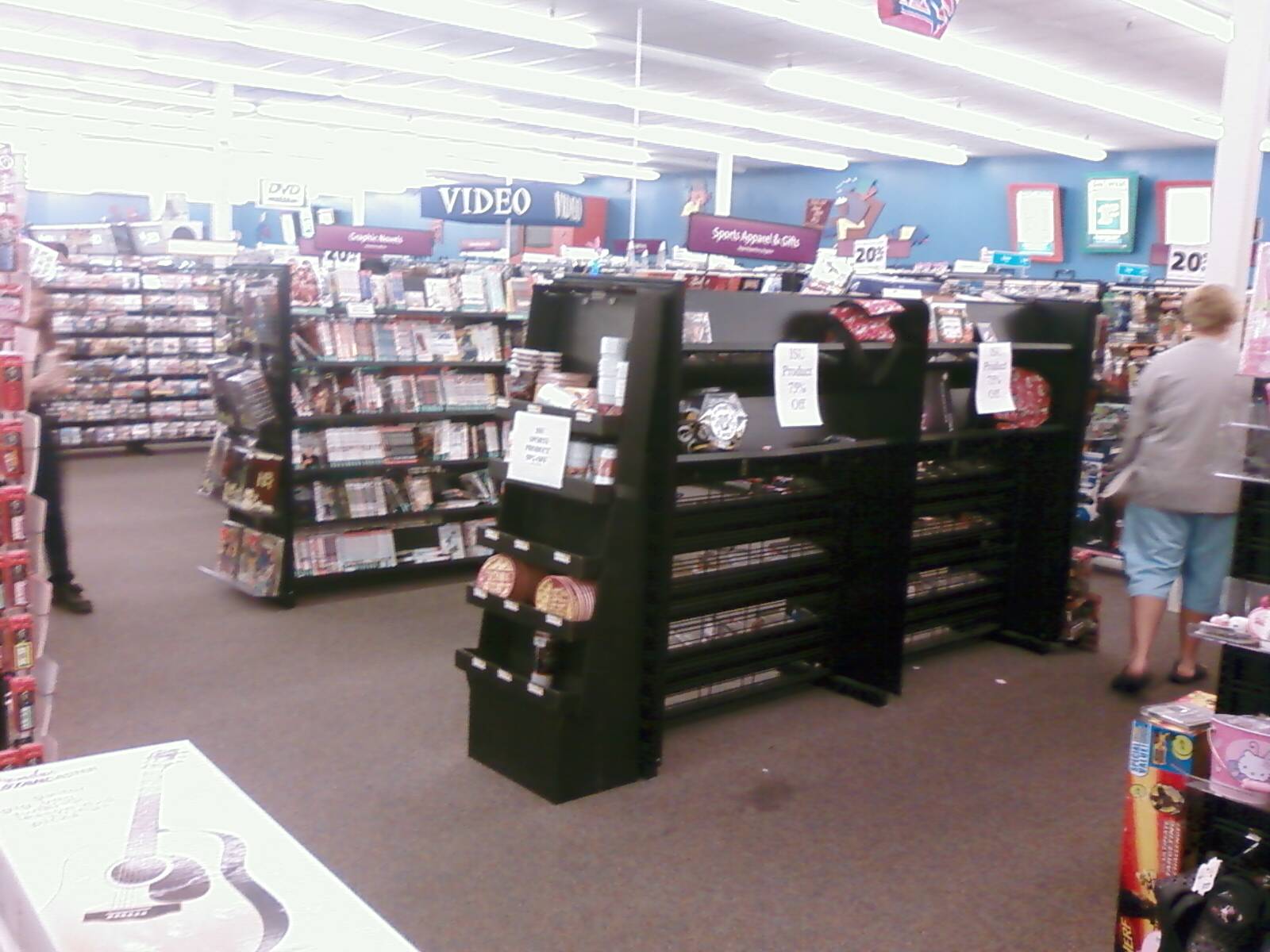
Video game rentals seemed like such a good idea until you got them home. Three days to beat a game that was designed to take weeks.
Controllers that had been handled by dozens of other people and showed the wear. Games that came without instruction manuals, leaving you to figure out complex control schemes through trial and error.
But when it worked, renting games opened up worlds you’d never have experienced otherwise. Games too weird or too niche to justify buying became weekend adventures.
Multiplayer games that your friends owned suddenly became accessible. The rental model let you take risks on games that looked interesting but might not hold your attention, turning Blockbuster into a gaming discovery engine that introduced you to experiences you’d never have found any other way.
Employees Restocking Returns
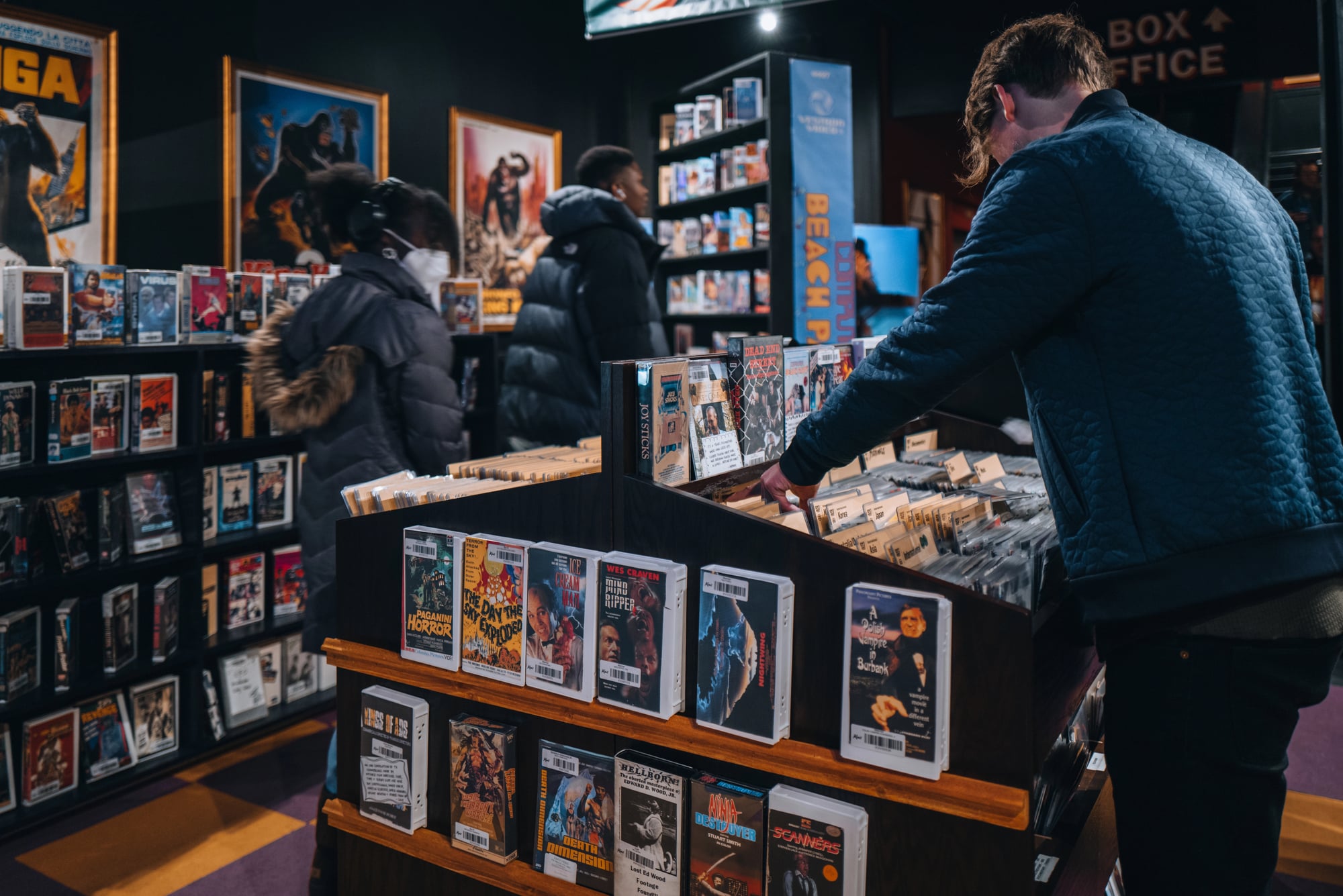
The constant cycle of movies leaving and returning created its own rhythm inside Blockbuster stores. Employees moved through the aisles with armloads of returned movies, restocking shelves and updating availability in real-time.
Watching them work gave you a sense of the store as a living ecosystem where inventory flowed constantly between customers and shelves.
There was something satisfying about seeing a movie you wanted get returned and restocked while you were browsing. It felt like timing and luck had aligned in your favor.
The physical nature of the whole system meant that availability changed constantly throughout the day, making each visit to the store slightly different from the last.
Empty Shelves On Busy Nights
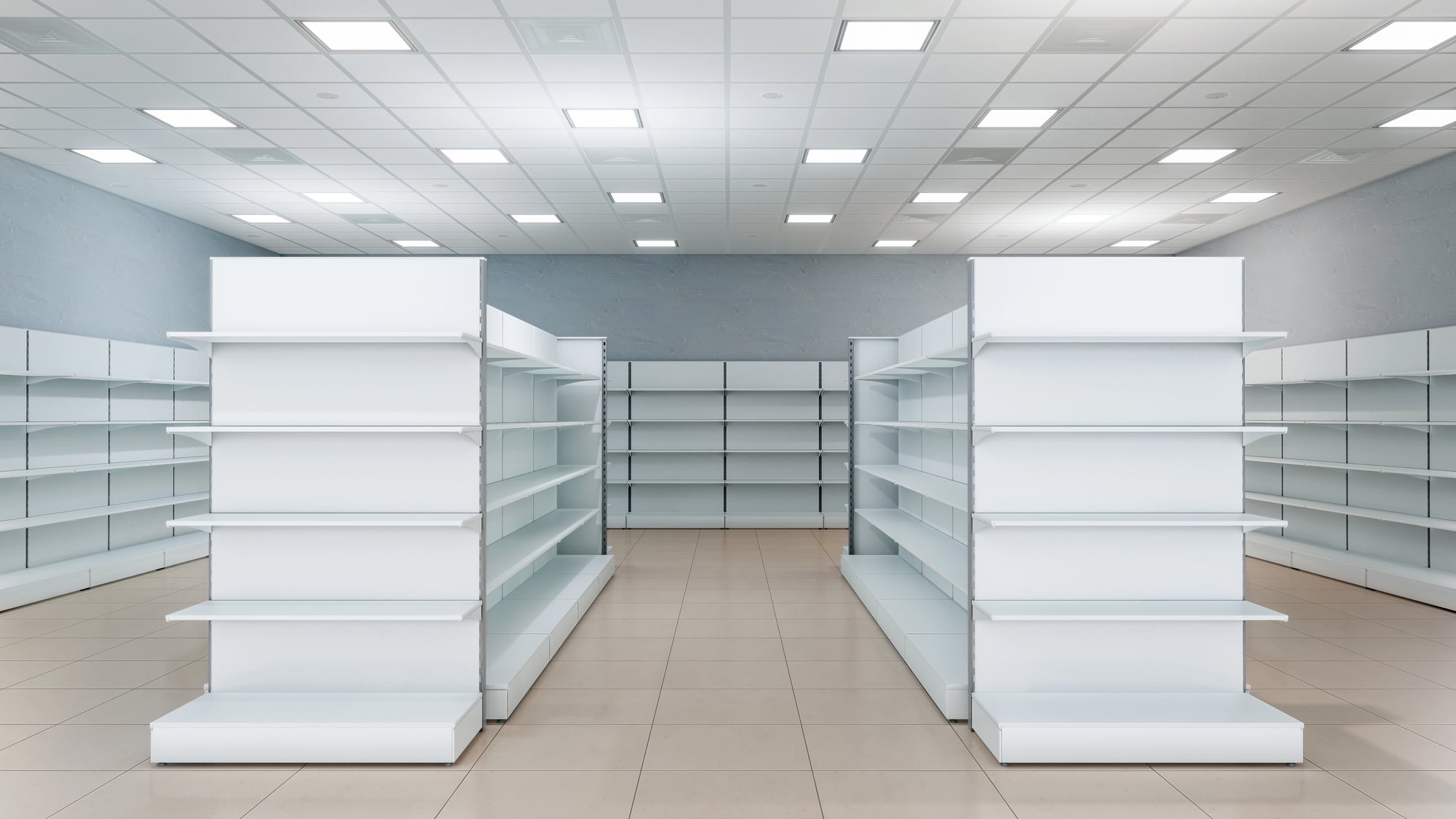
Nothing quite captured the popularity of a new movie like seeing its empty shelf space at Blockbuster on a Saturday night. Those gaps in the new release wall told a story about what everyone wanted to watch, creating a visual representation of collective entertainment choices that felt more immediate and real than any digital metrics could provide.
Empty shelves also forced you to make different choices. Your backup plan became your main plan.
Movies you’d never considered suddenly looked appealing when your first three choices were all gone. Some of the best rental experiences came from those moments when you had to venture outside your comfort zone because everything familiar had already been claimed by other customers.
The Drop-Off Slot After Hours
The after-hours drop slot was Blockbuster’s most anxiety-inducing feature. Sliding your videos through that narrow opening into the dark interior of a closed store required a leap of faith that your returns would be properly processed and late fees wouldn’t mysteriously appear on your account.
But it also provided crucial peace of mind for people who realized on Sunday night that their rentals were due and couldn’t wait until Monday morning.
That metal slot represented freedom and fear in equal measure. Freedom from late fees if you made it in time, fear that something would go wrong with the return process and you’d end up paying for movies you’d definitely returned.
The satisfying thunk of videos hitting the bottom of the return bin became the sound of responsibility fulfilled, even when doubt lingered about whether the system would work properly.
Hand-Written Staff Picks Sections

Staff recommendation sections at Blockbuster felt personal in ways that algorithmic suggestions never could. Someone had actually watched these movies, written a brief description by hand, and staked their reputation on the recommendation.
The handwriting made it feel human. The brief, scrawled descriptions gave you just enough information to decide whether their taste aligned with yours.
These sections became treasure troves for people willing to trust the judgment of video store employees who’d seen more movies than seemed humanly possible. A good staff picks section could introduce you to foreign films, documentaries, and weird indie movies that you’d never have discovered through browsing alone.
The personal touch made all the difference between a corporate suggestion and a genuine recommendation from someone who cared about movies.
That One Movie Everyone Was Looking For
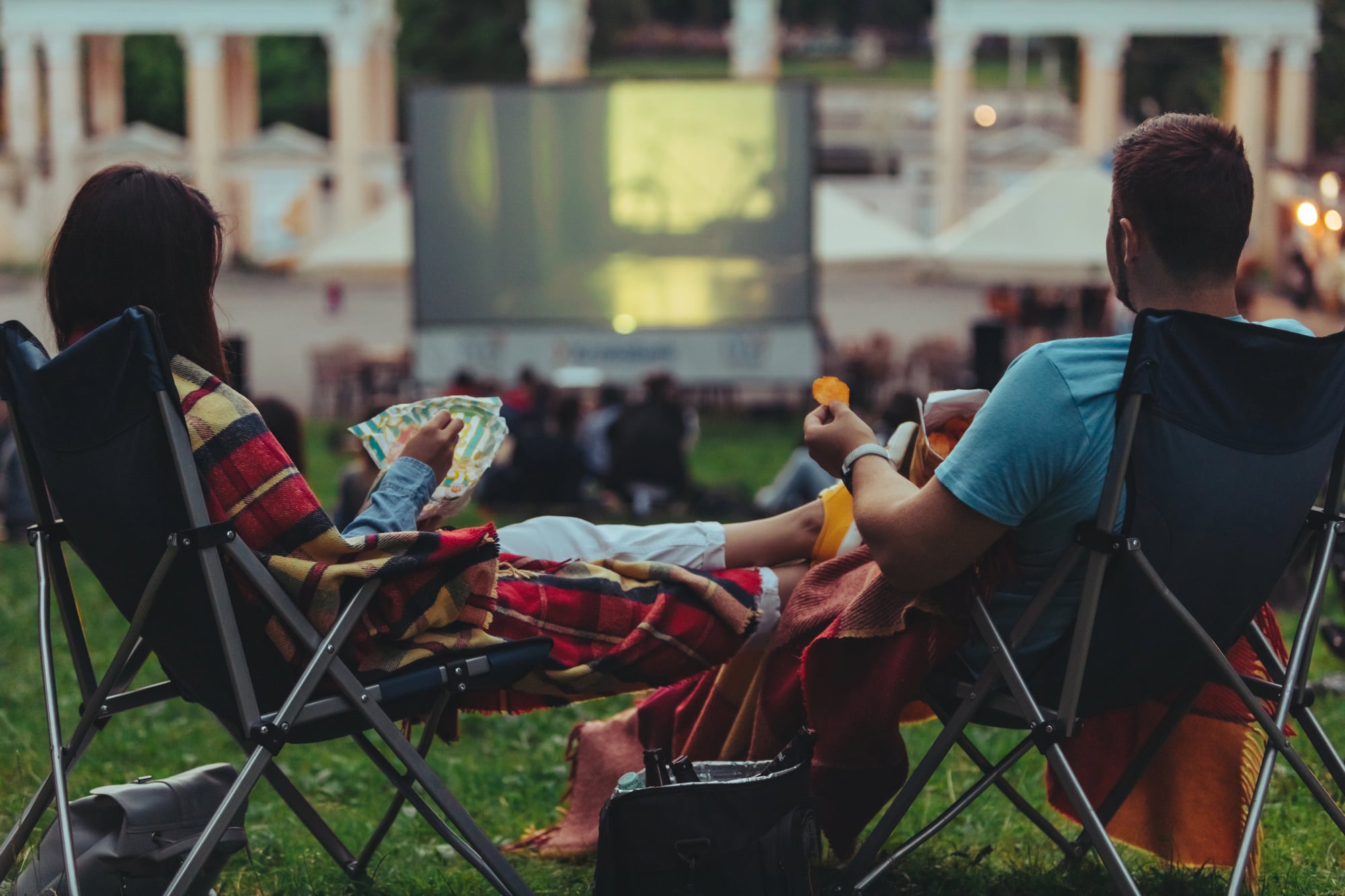
Every Blockbuster had that one movie that was perpetually rented out. Sometimes it was a new release that had captured the cultural moment.
Sometimes it was an older movie that had experienced an unexpected resurgence in popularity. Whatever the reason, these permanently unavailable movies became legends, discussed in hushed tones by customers who’d been trying to rent them for weeks.
The scarcity made them more desirable. Actually finding a copy felt like winning a small lottery.
You’d grab it immediately, regardless of what else you’d planned to rent, because who knew when you’d get another chance. These movies took on mythical status partly because they were good, but mostly because they were impossible to get.
The Last Days And Closing Sales
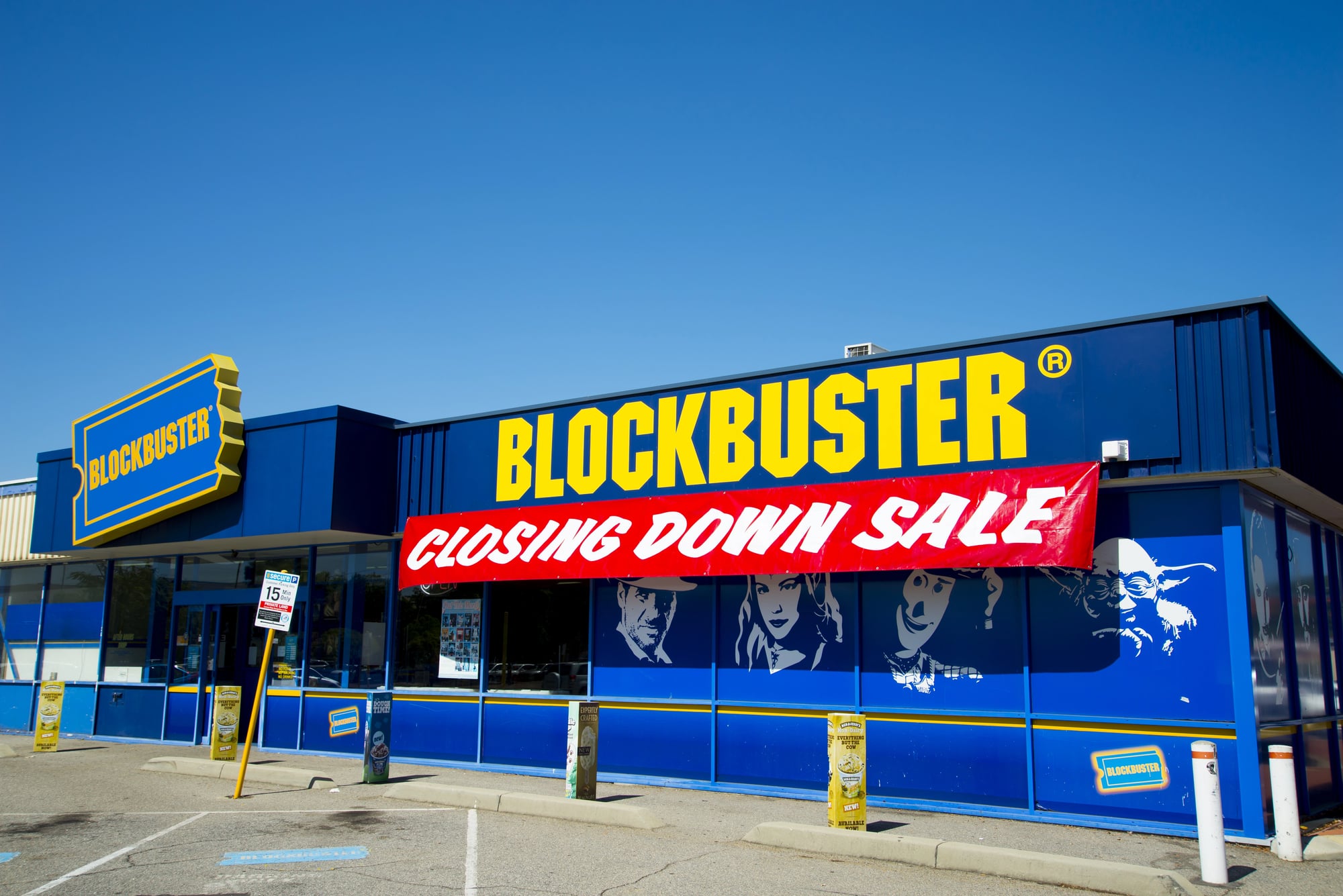
When Blockbuster stores started closing, they went out with a whimper that felt surprisingly anticlimactic for something that had been such a significant part of so many people’s routines. The closing sales attracted crowds who came to buy movies they’d rented dozens of times, as if owning them could preserve something of the experience that was disappearing.
Walking through a Blockbuster during its final weeks felt like attending a wake for a way of life that had ended so gradually most people hadn’t noticed it was dying. Empty shelves that once represented popular movies now just looked sad.
The employees who’d guided your movie choices for years were moving on to other jobs. An entire ritual of weekend entertainment was ending, and there was no ceremony to mark its passing — just discounted DVDs and a growing sense that something irreplaceable was slipping away.
When The Lights Went Out For Good
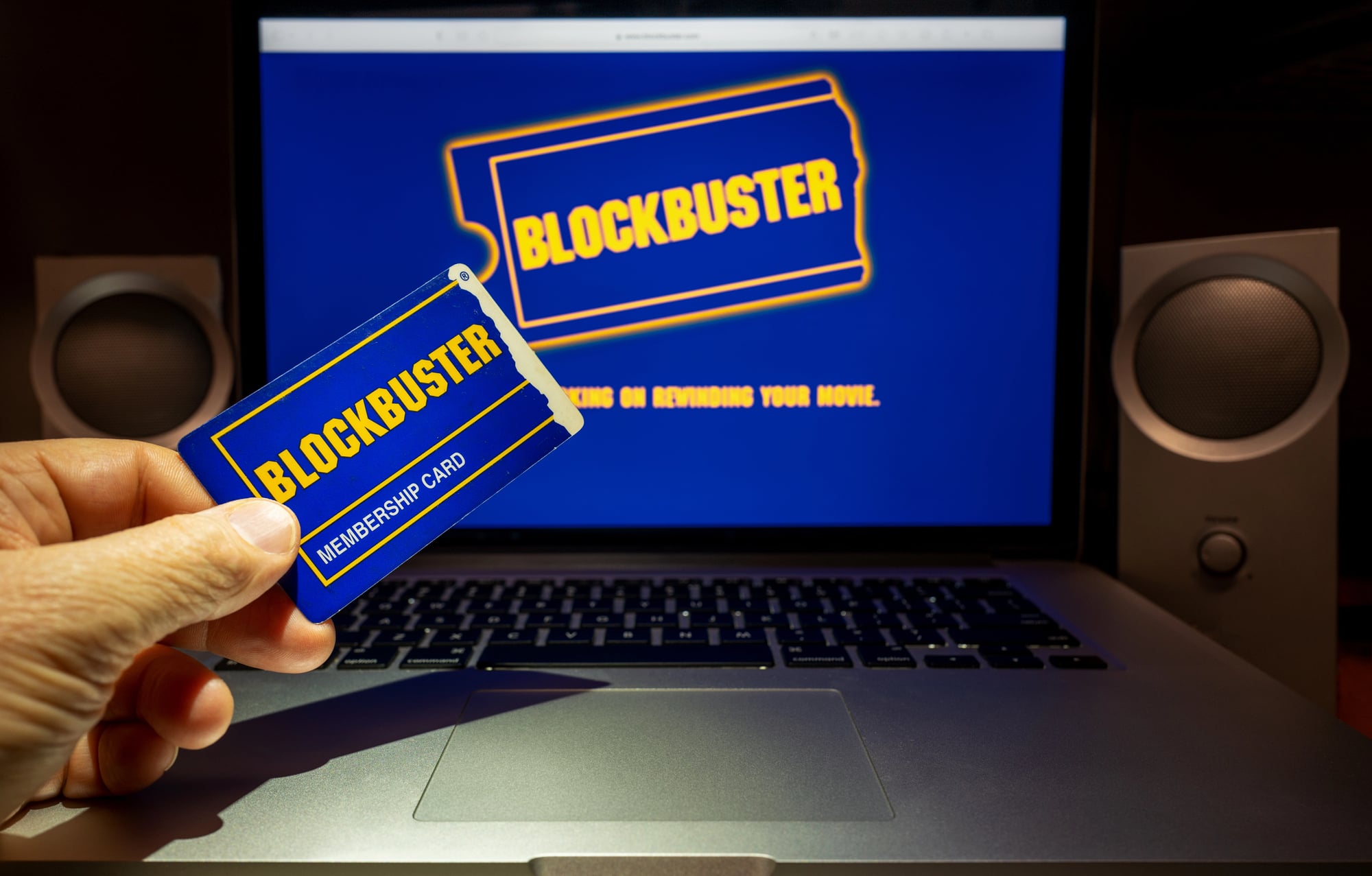
The end of Blockbuster wasn’t just about the death of a business model — it marked the end of shared entertainment experiences that required effort and planning. Streaming promised convenience and delivered it, but something got lost in the translation from physical to digital, from browsing to scrolling, from choosing carefully to clicking randomly.
Those blue and yellow storefronts represented more than just video rental; they were gathering places where people made choices together, discovered movies they’d never heard of, and committed to entertainment experiences in ways that required genuine investment. The convenience of instant access came at the cost of anticipation, serendipity, and the particular satisfaction that came from finding exactly what you wanted after a genuine search.
That trade-off seemed worth it at the time, but looking back, the loss feels larger than anyone predicted when the last stores turned off their lights and locked their doors for good.
More from Go2Tutors!

- The Romanov Crown Jewels and Their Tragic Fate
- 13 Historical Mysteries That Science Still Can’t Solve
- Famous Hoaxes That Fooled the World for Years
- 15 Child Stars with Tragic Adult Lives
- 16 Famous Jewelry Pieces in History
Like Go2Tutors’s content? Follow us on MSN.